How Punching Machines Help Produce Precision Metal Parts


Introduction to Precision in Metal Fabrication
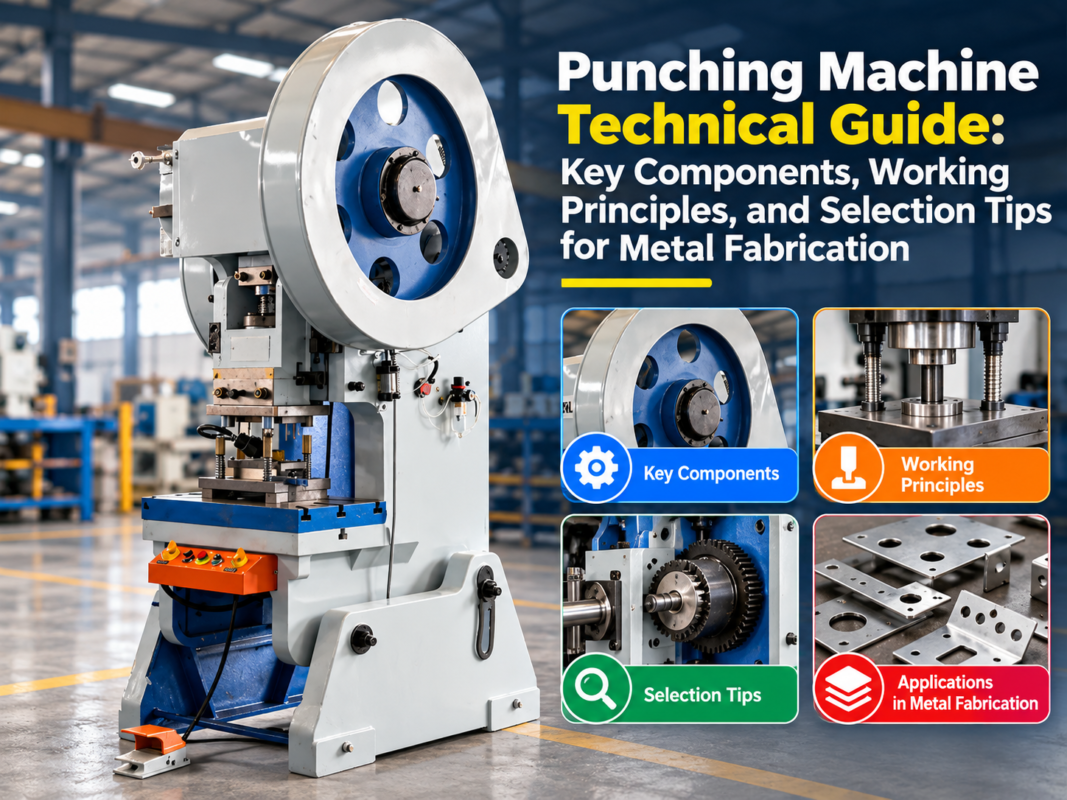
In the modern industrial landscape, the demand for high-accuracy components has never been greater. From aerospace components to intricate electronics enclosures, the ability to create consistent, high-quality holes and shapes in sheet metal is a cornerstone of manufacturing. This is where Punching Machines Help Produce Precision Metal Parts with unparalleled efficiency. A punching machine, at its core, uses a punch and a die to create holes or indentations in a workpiece. However, the evolution of this technology from manual presses to sophisticated CNC (Computer Numerical Control) systems has transformed it into a high-precision powerhouse.
HARSLE has been at the forefront of this evolution, providing machinery that bridges the gap between raw material and finished precision components. When we discuss how punching machines help produce precision metal parts, we are looking at a synergy of mechanical force, electronic control, and metallurgical science. The precision achieved today allows for tolerances that were once thought impossible in high-speed production environments. This guide will delve deep into the mechanisms, considerations, and technical nuances that make these machines indispensable for precision work.
Precision in metal parts is not just about the size of the hole; it is about repeatability, edge quality, and the structural integrity of the surrounding material. As industries move toward more automated assembly lines, the parts fed into these lines must be perfect. Even a fraction of a millimeter in deviation can lead to assembly failures or structural weaknesses. Therefore, understanding the role of the punching machine in this ecosystem is vital for any fabrication professional looking to optimize their output.
Key Considerations for Achieving Precision
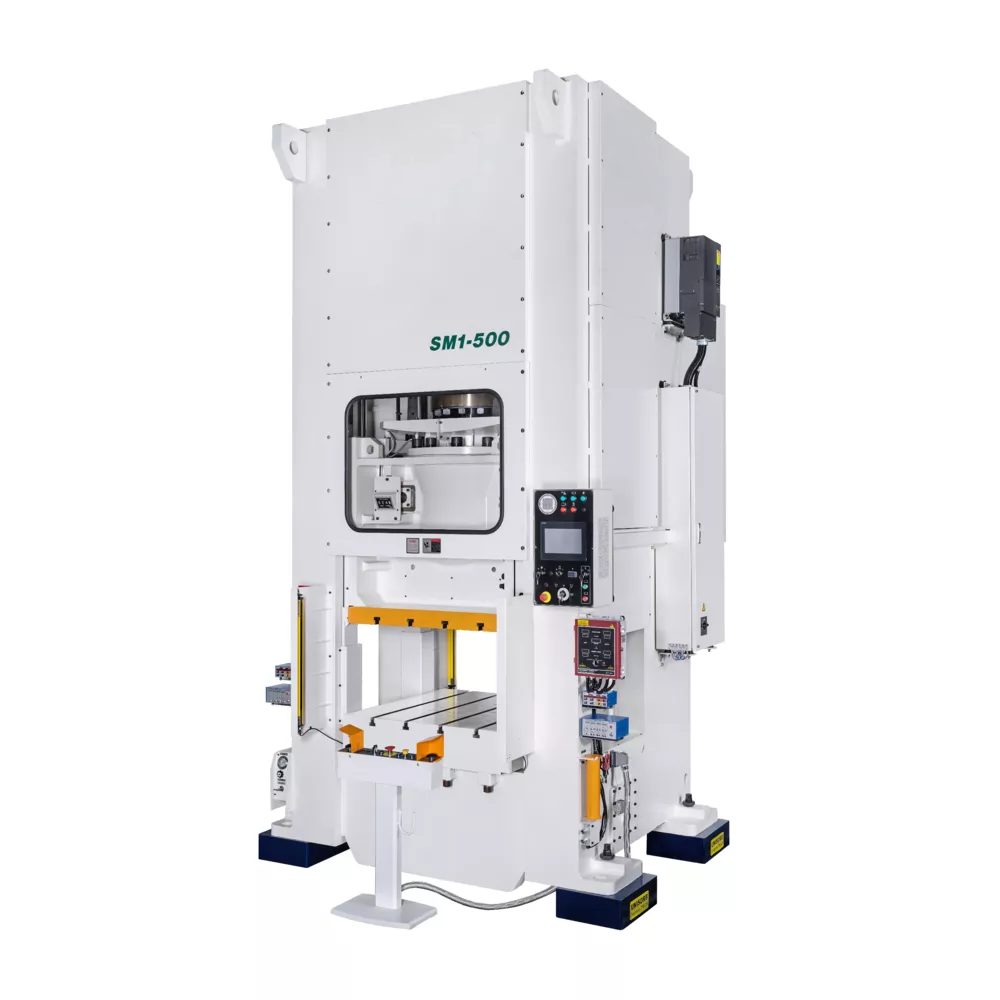
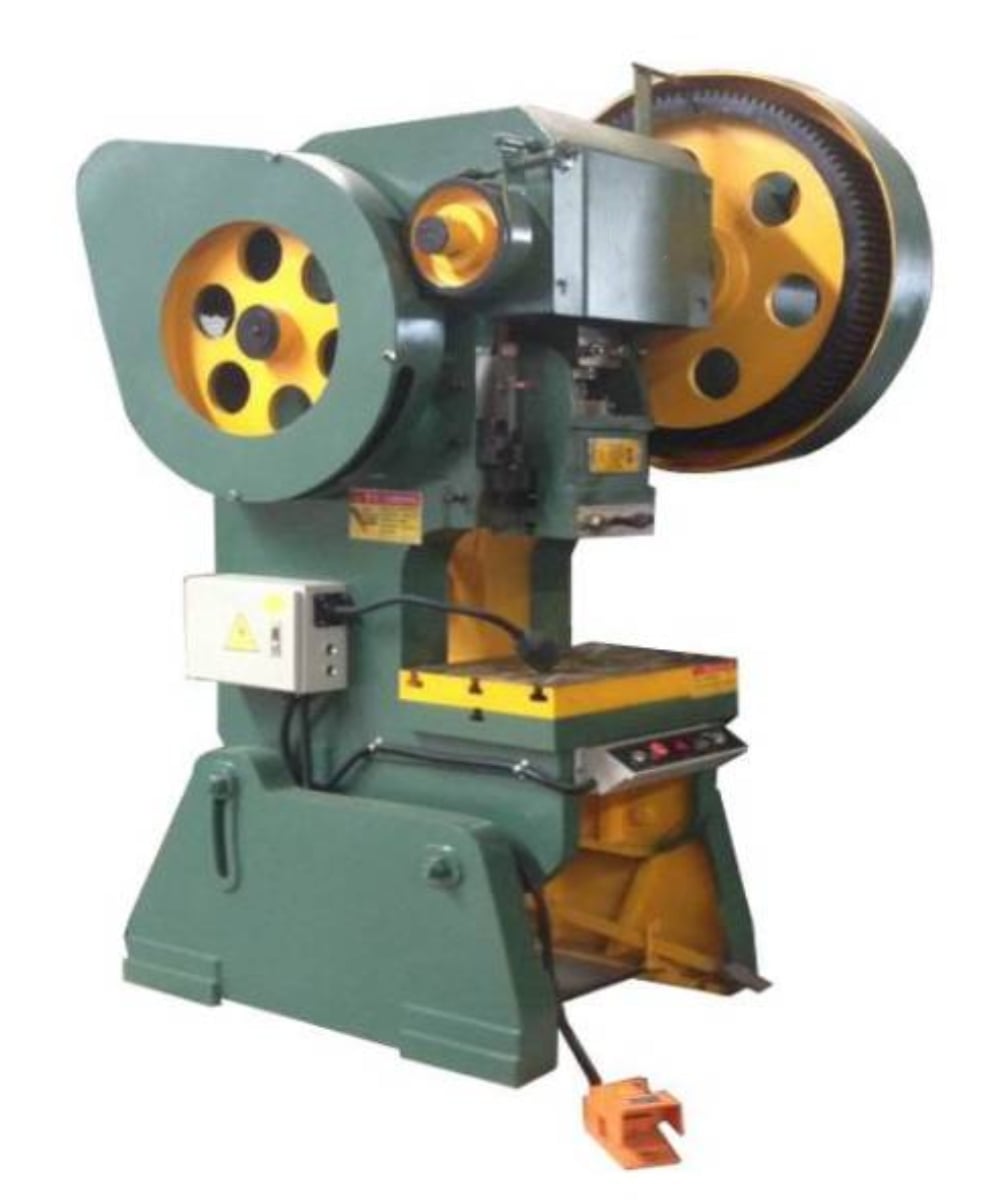
When evaluating how punching machines help produce precision metal parts, several critical factors come into play. The first is the rigidity of the machine frame. A machine that flexes under pressure will inevitably produce inaccurate parts. High-quality punching machines, such as those manufactured by HARSLE, utilize heavy-duty C-frames or O-frames designed to minimize deflection. This structural integrity ensures that the punch and die remain perfectly aligned throughout the entire stroke, which is the primary requirement for precision.
Another key consideration is the control system. Modern CNC systems allow for micro-adjustments in the positioning of the sheet metal. The use of high-precision ball screws and servo motors ensures that the material is moved to the exact coordinate before the punch descends. This level of control eliminates the human error associated with manual positioning and allows for complex patterns to be executed with identical accuracy across thousands of parts. Without advanced CNC integration, achieving the level of precision required for modern electronics or automotive parts would be nearly impossible.
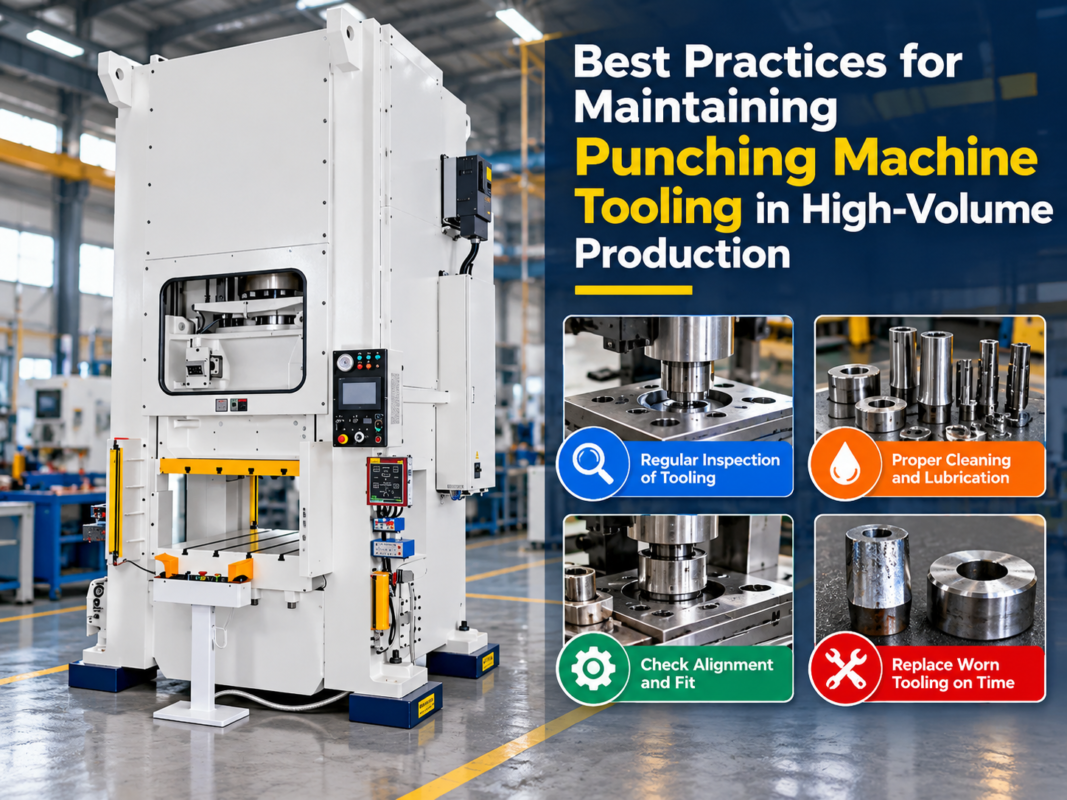
Tooling quality is equally important. Even the best machine cannot compensate for worn or poorly manufactured tools. Precision punching requires sharp, high-grade steel punches and dies that are matched to the specific thickness and type of material being processed. The clearance between the punch and the die must be calculated precisely; too much clearance leads to excessive burrs, while too little clearance can damage the tool and the machine. Therefore, a comprehensive maintenance schedule for tooling is a prerequisite for any shop aiming for high-precision output.
Finally, the material itself plays a role. Different metals—be it aluminum, stainless steel, or carbon steel—react differently to the punching process. Factors like springback, where the metal slightly returns to its original shape after being deformed, must be accounted for in the design phase. Precision punching machines often include software features that allow operators to compensate for these material-specific behaviors, ensuring the final part meets the exact specifications of the CAD drawing.
Technical Details of the Punching Process
The Mechanics of the Stroke
The actual punching process is a high-speed event that involves several stages: decompression, penetration, and stripping. In a precision environment, the speed and force of each stage are carefully controlled. Hydraulic punching machines offer the advantage of full tonnage throughout the entire stroke, which is beneficial for thicker materials. Conversely, servo-electric punching machines provide extreme control over the ram’s position and speed, allowing for specialized operations like forming, embossing, and tapping within the same cycle. This versatility is a major reason why punching machines help produce precision metal parts across diverse industries.
The “stripping” phase is often overlooked but is crucial for precision. As the punch retracts, the material can sometimes stick to the tool, causing deformation or “slug pulling.” High-end machines use sophisticated stripping mechanisms and vacuum systems to ensure the slug is removed cleanly and the sheet remains flat. This prevents surface scratches and ensures that subsequent hits are not compromised by debris.
CNC Integration and Software
The “brain” of the punching machine is the CNC controller. Modern systems use G-code or specialized proprietary software to translate 3D models into precise machine movements. This software doesn’t just tell the machine where to punch; it optimizes the “hit pattern” to minimize material waste and reduce the heat buildup that can cause thermal expansion and subsequent inaccuracy. By calculating the most efficient path, the software ensures that the machine maintains its precision even during long production runs.
Furthermore, many HARSLE machines feature “Auto-Index” stations. These allow the tools to rotate to any angle, providing the flexibility to create complex geometries without needing a specialized tool for every angle. This reduces the number of tool changes required, which in turn reduces the chances of alignment errors and increases the overall precision of the finished part.
Material Handling and Positioning
Precision is not just about the hole; it’s about where that hole is located on the sheet. High-speed clamps and worktables are designed to grip the material firmly without marring the surface. In high-precision applications, the use of brush tables or ball tables prevents friction and static electricity from affecting the movement of the sheet. The synchronization between the X and Y axis movements and the Z-axis (the punch) is measured in milliseconds, ensuring that the machine only fires when the material is perfectly stationary and correctly positioned.
Selection Advice for Precision Punching Machines
Choosing the right equipment is the first step in ensuring that your punching machines help produce precision metal parts effectively. Here are several factors to consider when selecting a machine for your facility:
- Tonnage Requirements: Determine the maximum thickness and type of material you will be working with. Punching a 10mm hole in 5mm stainless steel requires significantly more force than the same hole in 1mm aluminum. Ensure the machine has a safety margin in its tonnage capacity to avoid straining the frame.
- Turret Configuration: A larger turret with more stations allows for a wider variety of tools to be loaded simultaneously. This reduces downtime for tool changes and allows for more complex parts to be completed in a single setup, which inherently improves precision.
- Drive System: Decide between hydraulic, mechanical, or servo-electric drives. For the highest precision and energy efficiency, servo-electric systems are often preferred, although hydraulic systems remain the workhorse for heavy-duty applications.
- Software Compatibility: Ensure the machine’s controller is compatible with your existing CAD/CAM software. Seamless data transfer is essential for maintaining the integrity of the design from the computer to the finished part.
- Automation Options: If you are running high-volume production, consider machines with automatic loading and unloading systems. Automation reduces the risk of human error in material handling, further enhancing the precision of the output.
When consulting with a manufacturer like HARSLE, it is helpful to provide samples of the parts you intend to produce. This allows engineers to recommend the specific machine configuration—such as throat depth, table size, and tool lubrication systems—that will best meet your precision requirements. Investing in a machine that is slightly more capable than your current needs can also provide a buffer for future, more demanding projects.
Maintenance for Long-Term Precision
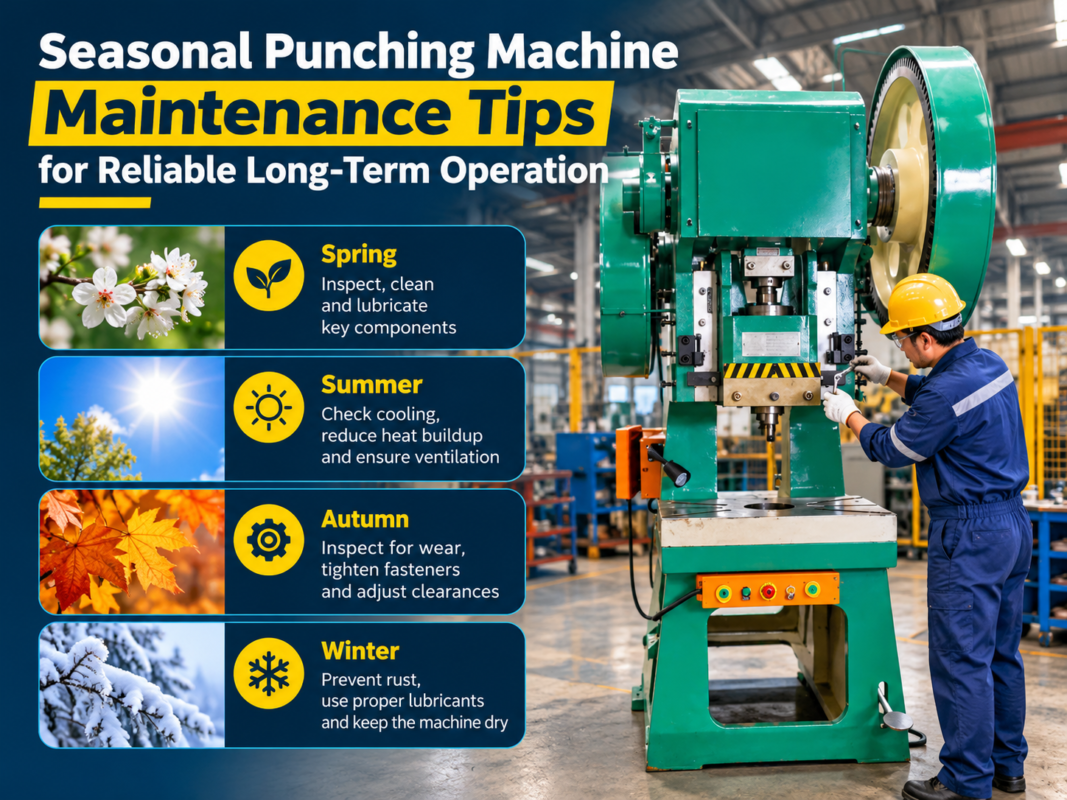
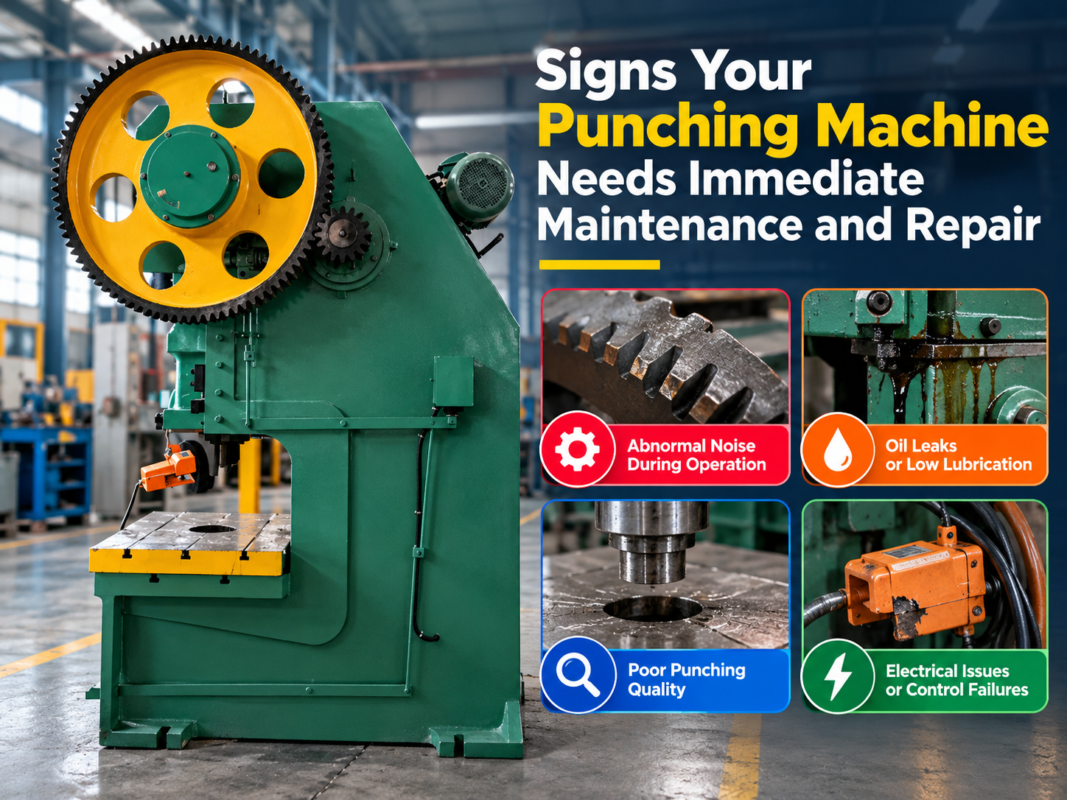
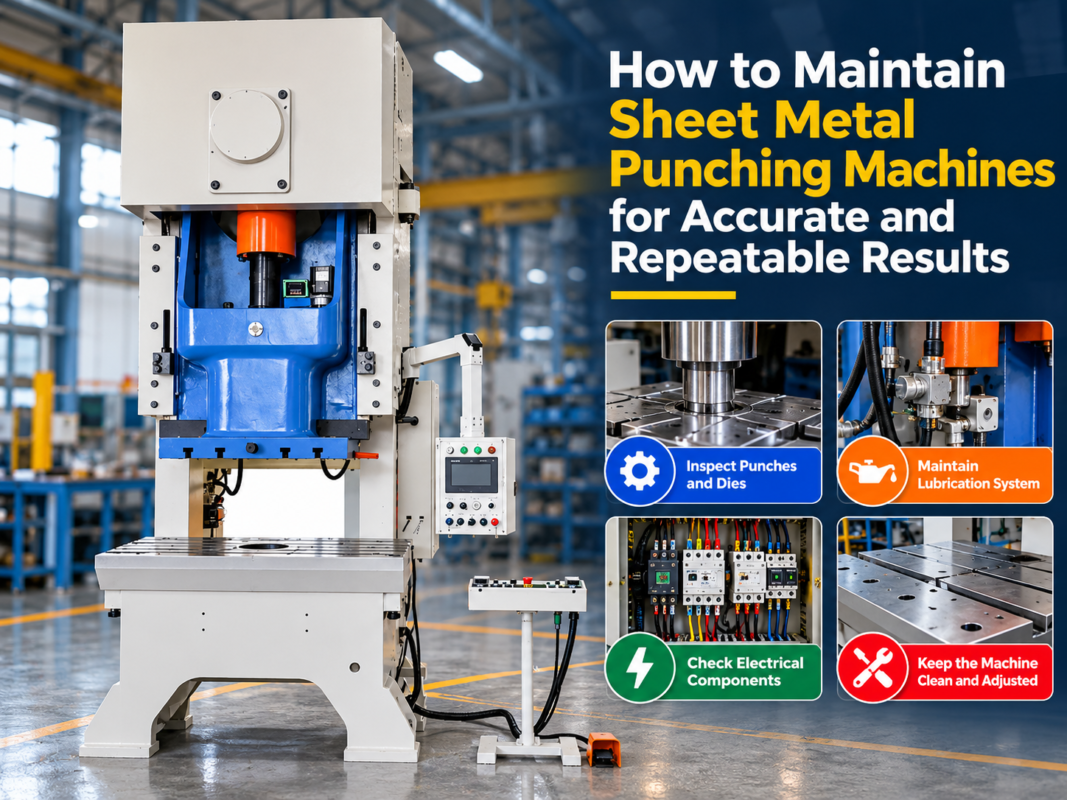
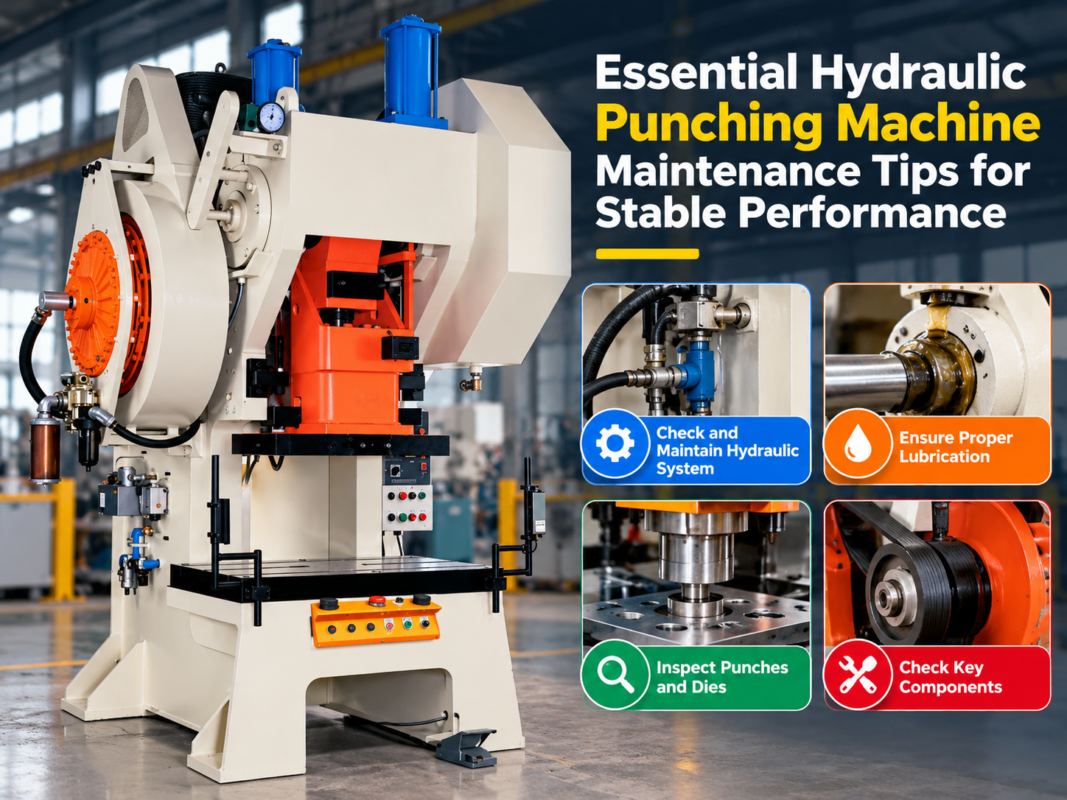
To ensure that your punching machines continue to help produce precision metal parts over years of service, a rigorous maintenance schedule is mandatory. Precision is a perishable attribute; it can be lost through neglect. Key maintenance tasks include:
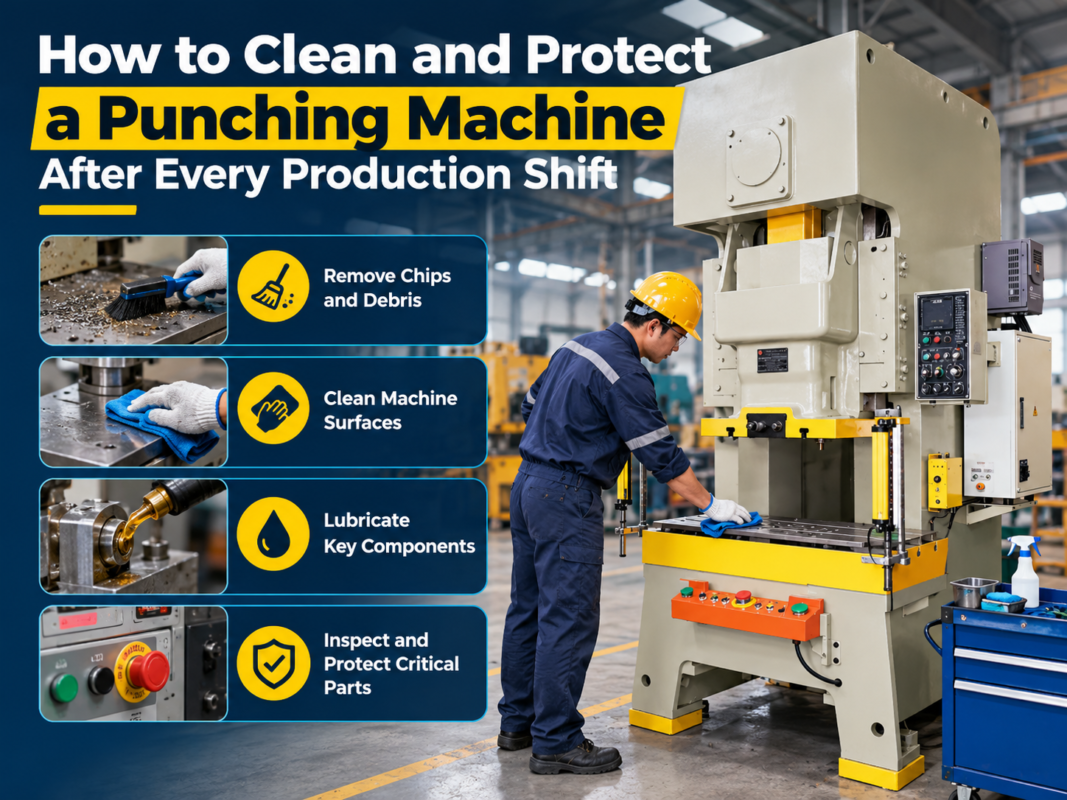
- Daily Cleaning: Remove metal shavings and dust from the worktable and turret. Debris can get under the sheet metal, causing it to sit unevenly and leading to inaccurate punches.
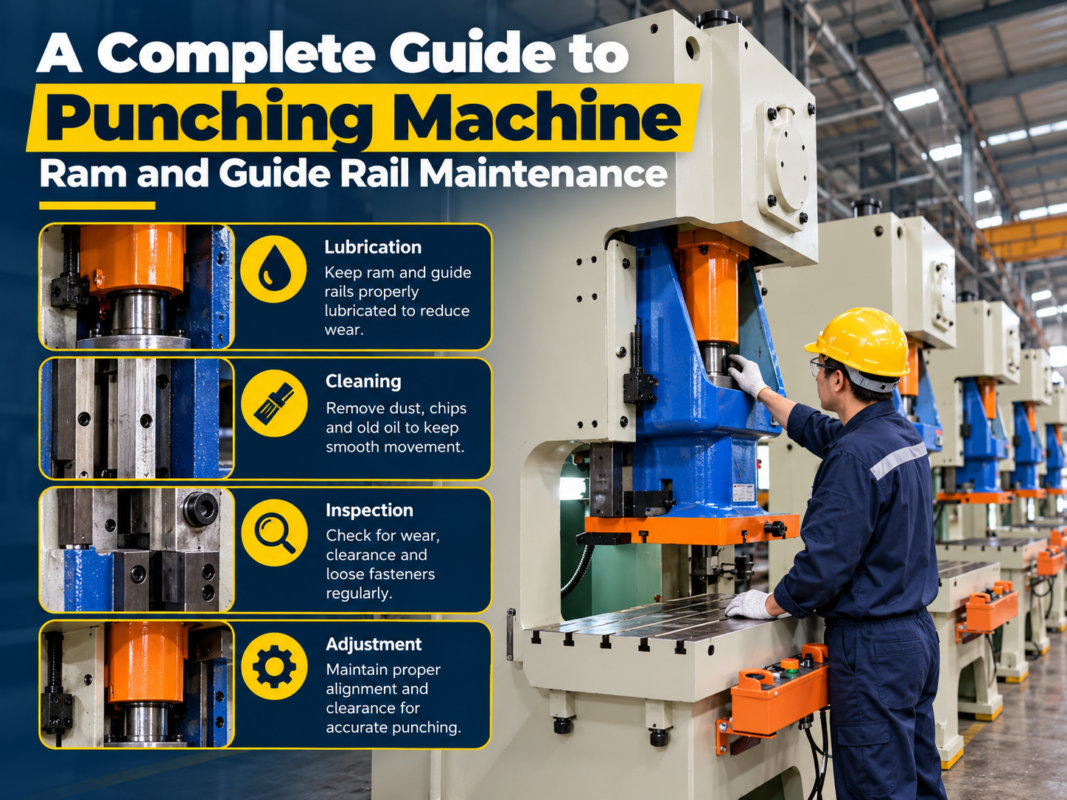
- Lubrication: Ensure all moving parts, especially the ram and the ball screws, are properly lubricated according to the manufacturer’s specifications. Friction leads to heat, and heat leads to thermal expansion, which is the enemy of precision.
- Tool Sharpening: Monitor the quality of the edges on your punched parts. As soon as burrs begin to appear, it is time to sharpen the tools. Using dull tools increases the load on the machine and decreases the accuracy of the hole dimensions.
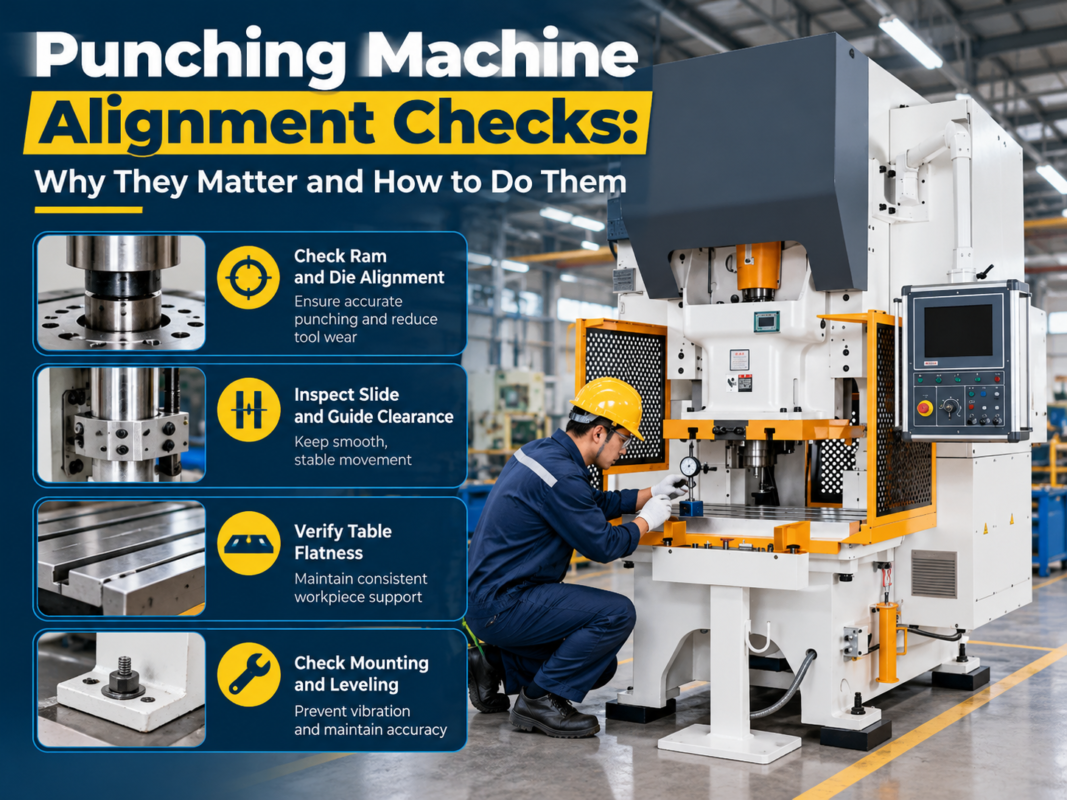
- Alignment Checks: Periodically check the alignment of the turret and the ram. Even a slight misalignment can cause the punch to hit the die off-center, leading to rapid tool wear and part rejection.
Technical Specifications Comparison
The following table illustrates the typical differences between various types of punching machines and how they impact precision and production capability.
| Feature | Mechanical Punch Press | Hydraulic CNC Punch | Servo-Electric CNC Punch |
|---|---|---|---|
| Precision Level | Moderate | High | Ultra-High |
| Stroke Control | Fixed | Adjustable | Fully Programmable |
| Energy Efficiency | Low | Moderate | High |
| Noise Level | High | Moderate | Low |
| Best For | Simple, high-speed holes | Heavy plate, deep forming | Complex parts, high accuracy |
Frequently Asked Questions
How do punching machines help produce precision metal parts compared to laser cutting?
While laser cutting is excellent for complex outlines, punching machines are often faster and more precise for creating repetitive hole patterns. Additionally, punching machines can perform forming operations like louvers, ribs, and countersinks in a single process, which lasers cannot do. For parts requiring these features, a punching machine provides superior dimensional accuracy and consistency.
What is the typical tolerance for a CNC punching machine?
Most modern CNC punching machines, like those from HARSLE, can maintain positioning tolerances of +/- 0.1mm and repeatability of +/- 0.05mm. The actual tolerance of the finished part also depends on the material thickness and the quality of the tooling used.
Can punching machines handle stainless steel with precision?
Yes, but it requires specific considerations. Stainless steel is harder and work-hardens quickly. To maintain precision, the machine must have sufficient tonnage, and the tools must be made from high-performance materials like M2 or M4 high-speed steel with specialized coatings to reduce friction and wear.
How does die clearance affect part precision?
Die clearance is the gap between the punch and the die. If the clearance is correct (usually 15-20% of material thickness), the fracture lines from the top and bottom meet perfectly, resulting in a clean hole with minimal burr. Incorrect clearance leads to jagged edges and dimensional inaccuracies, which is why precise clearance is vital for precision parts.
Is it possible to produce precision parts on an older manual punching machine?
While possible, it is significantly more difficult and time-consuming. It relies heavily on the skill of the operator and the use of precise jigs and fixtures. For modern industrial standards, CNC punching machines are the only reliable way to ensure consistent precision across large batches.
Conclusion
In conclusion, the role of the punching machine in modern manufacturing cannot be overstated. By integrating advanced CNC technology, robust mechanical designs, and precise tooling, Punching Machines Help Produce Precision Metal Parts that meet the rigorous standards of today’s global industries. Whether you are producing simple brackets or complex aerospace components, the accuracy, speed, and versatility of a HARSLE punching machine provide a significant competitive advantage.
Achieving this precision requires a holistic approach—selecting the right machine, utilizing high-quality tooling, implementing smart software solutions, and maintaining a strict service schedule. As technology continues to advance, we can expect even greater levels of automation and accuracy, further cementing the punching machine’s place as a vital tool in the fabricator’s arsenal. By understanding the technical nuances discussed in this guide, manufacturers can make informed decisions that will enhance their production quality and operational efficiency for years to come.