Desktop Hydraulic Press vs Floor-Standing Hydraulic Press: Which Saves More Space?


Comparison Summary: Navigating the Space Dilemma in Metal Fabrication
In the modern manufacturing landscape, space is often as valuable as the machinery itself. Whether you are running a high-volume industrial facility or a specialized boutique workshop, the footprint of your equipment directly impacts your operational efficiency, workflow, and overhead costs. When it comes to hydraulic presses, the debate between desktop (benchtop) models and floor-standing units often centers on a single question: Which saves more space? At first glance, the answer seems obvious—the smaller machine should save more space. However, the reality of industrial metal fabrication is more nuanced. Space saving is not just about the physical dimensions of the machine; it is about the ‘work envelope,’ the surrounding clearance required for safety, and the integration of the machine into your existing production line.
HARSLE, a leader in metal fabrication machinery, understands that choosing the right hydraulic press requires a balance between power requirements and spatial constraints. A desktop hydraulic press offers compact convenience but requires a dedicated, sturdy workbench that consumes horizontal surface area. Conversely, a floor-standing hydraulic press occupies dedicated floor real estate but utilizes vertical space and often provides significantly higher tonnage for heavy-duty applications. This guide provides an in-depth comparison to help you determine which configuration maximizes your shop’s potential while minimizing its footprint.
Desktop Hydraulic Press Overview: Compact Precision
The desktop hydraulic press, often referred to as a benchtop press, is designed for applications where precision and small-scale forming are paramount. These machines are typically characterized by their portability and ease of integration into existing workstations. For small laboratories, jewelry makers, electronics manufacturers, and light automotive repair shops, the desktop model is frequently the go-to solution. Its primary advantage lies in its ‘human-scale’ ergonomics, allowing operators to work comfortably while seated or standing at a standard workbench height.
From a spatial perspective, a desktop hydraulic press usually occupies a footprint of less than 0.5 to 1 square meter. However, it is crucial to consider that these machines must be mounted on a surface capable of supporting both the machine’s weight and the dynamic forces generated during operation. This means that while the machine itself is small, it ‘claims’ a portion of your workbench that could otherwise be used for assembly or other tasks. HARSLE’s desktop models are engineered with high-strength materials to ensure that despite their small size, they deliver consistent pressure for tasks like riveting, small-part stamping, and material testing.
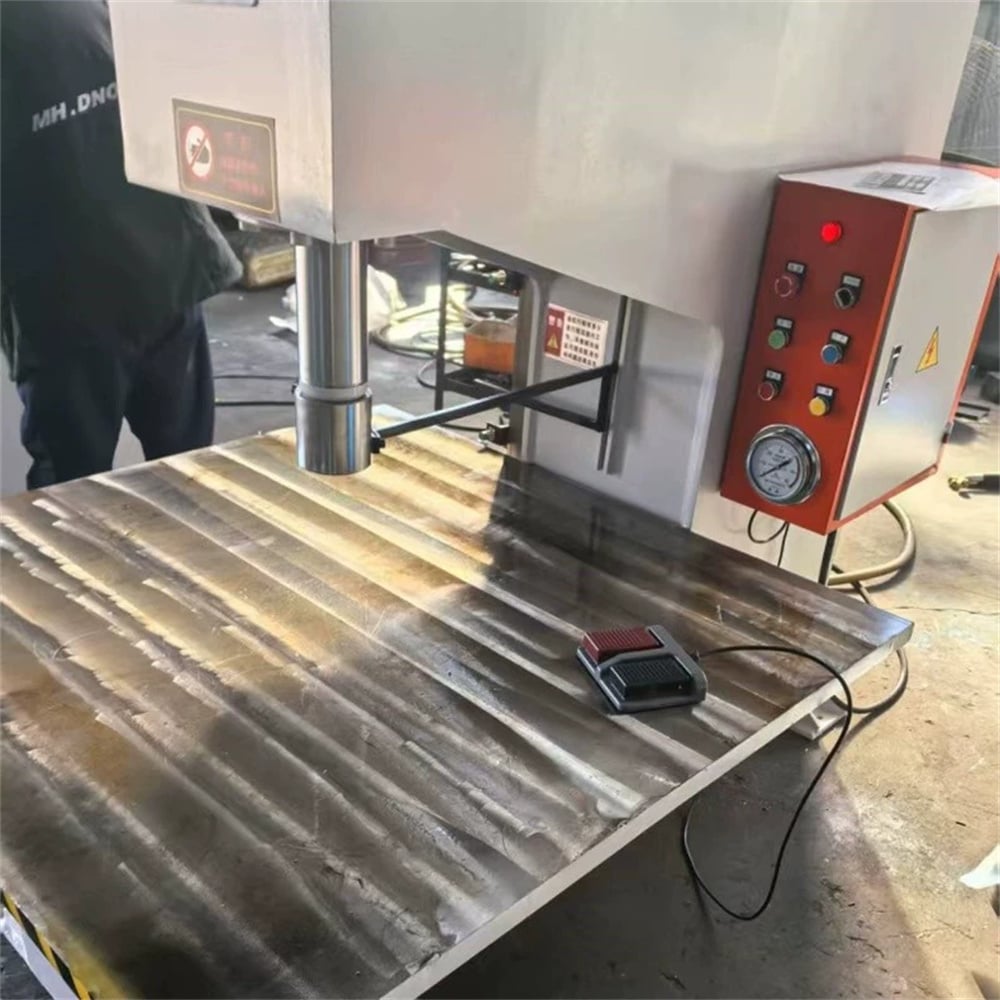
Furthermore, desktop presses are often easier to move. If your workshop layout changes frequently, a benchtop unit can be relocated by two people or a small cart without the need for heavy rigging equipment. This flexibility is a form of ‘temporal space-saving,’ allowing you to clear the area when the machine is not in use. However, the trade-off is limited tonnage. Most desktop units max out at 20 to 50 tons, which may not be sufficient for larger metal forming projects or thick-gauge materials.
Floor-Standing Hydraulic Press Overview: Industrial Powerhouse
Floor-standing hydraulic presses are the backbone of heavy industrial fabrication. These machines are designed to stand independently on the factory floor, often anchored to a reinforced concrete pad. They are characterized by their verticality, with some models reaching heights of three to five meters. While they undeniably occupy more floor area than a desktop model, they are designed to maximize the ‘vertical work envelope.’ This means they can accommodate much larger workpieces and provide the stroke length necessary for deep drawing and heavy forging operations.
When analyzing space, the floor-standing press is often more efficient in terms of ‘tonnage per square meter.’ For example, a 200-ton HARSLE floor-standing press might occupy only twice the floor area of a 20-ton desktop setup (when including the workbench), but it provides ten times the force. For facilities that require high-pressure capacity, a single floor-standing unit is often more space-efficient than multiple smaller units. Additionally, floor-standing models often incorporate integrated hydraulic power units (HPUs) within their frame or directly adjacent, whereas desktop units may require external pumps that consume additional bench space.
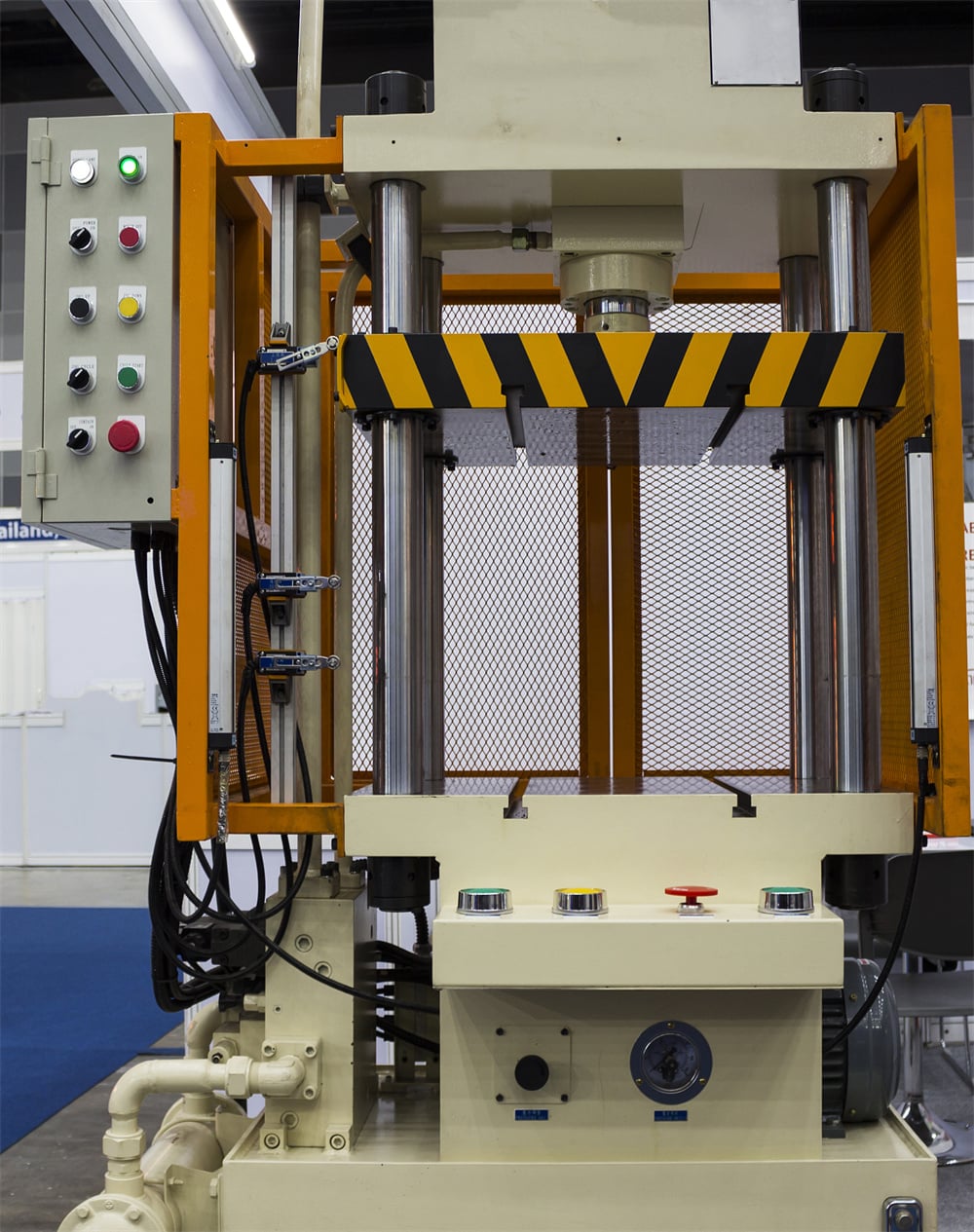
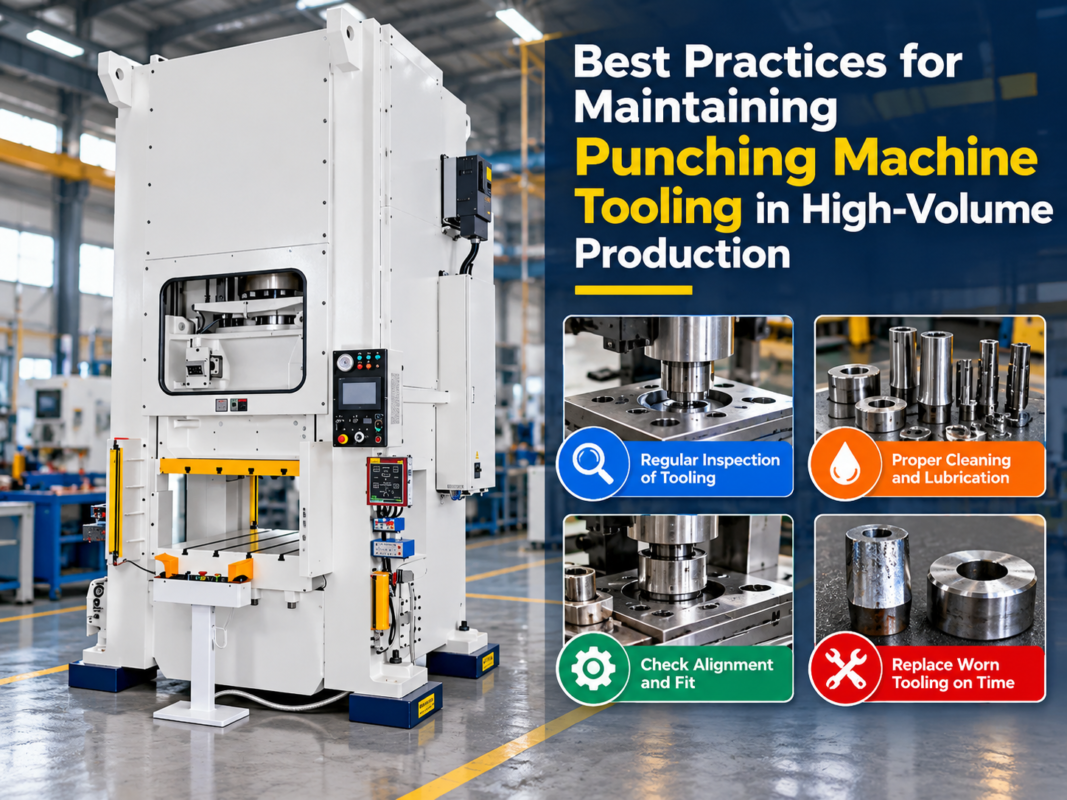
The structural integrity of a floor-standing press allows for more complex tooling and automation integration. Features such as light curtains, automatic feeding systems, and die-change tables are easier to implement on a floor-standing frame. While the initial footprint is larger, the ability to perform multiple operations in one station can actually reduce the overall floor space required for a complete production line.
Specification Comparison Table
To better understand the physical and operational differences, the following table compares typical specifications for HARSLE desktop and floor-standing hydraulic presses.
| Feature | Desktop Hydraulic Press | Floor-Standing Hydraulic Press |
|---|---|---|
| Typical Tonnage Range | 1 – 50 Tons | 50 – 3000+ Tons |
| Average Footprint | 0.3 – 0.8 m² | 1.5 – 10+ m² |
| Vertical Clearance (Daylight) | Small (200mm – 500mm) | Large (600mm – 2000mm+) |
| Mounting Requirement | Heavy-duty Workbench | Reinforced Concrete Floor |
| Portability | High (Can be moved manually) | Low (Requires rigging/forklift) |
| Power Source | Single-phase or Small 3-phase | Industrial 3-phase |
| Primary Applications | Small parts, Lab testing, Jewelry | Automotive, Aerospace, Forging |
| Operator Position | Seated or Standing at Bench | Standing at Floor Level |
Best-fit Applications: Choosing Based on Your Project Scope
The decision between a desktop and a floor-standing press is largely dictated by the nature of your work. If your production involves intricate, small-scale components, the desktop hydraulic press is the superior choice. In the electronics industry, for instance, these presses are used for delicate pressing of connectors and circuit board components where high force would be detrimental. The proximity of the operator to the workpiece allows for better visual inspection and manual dexterity, which is essential for high-precision, low-volume tasks.
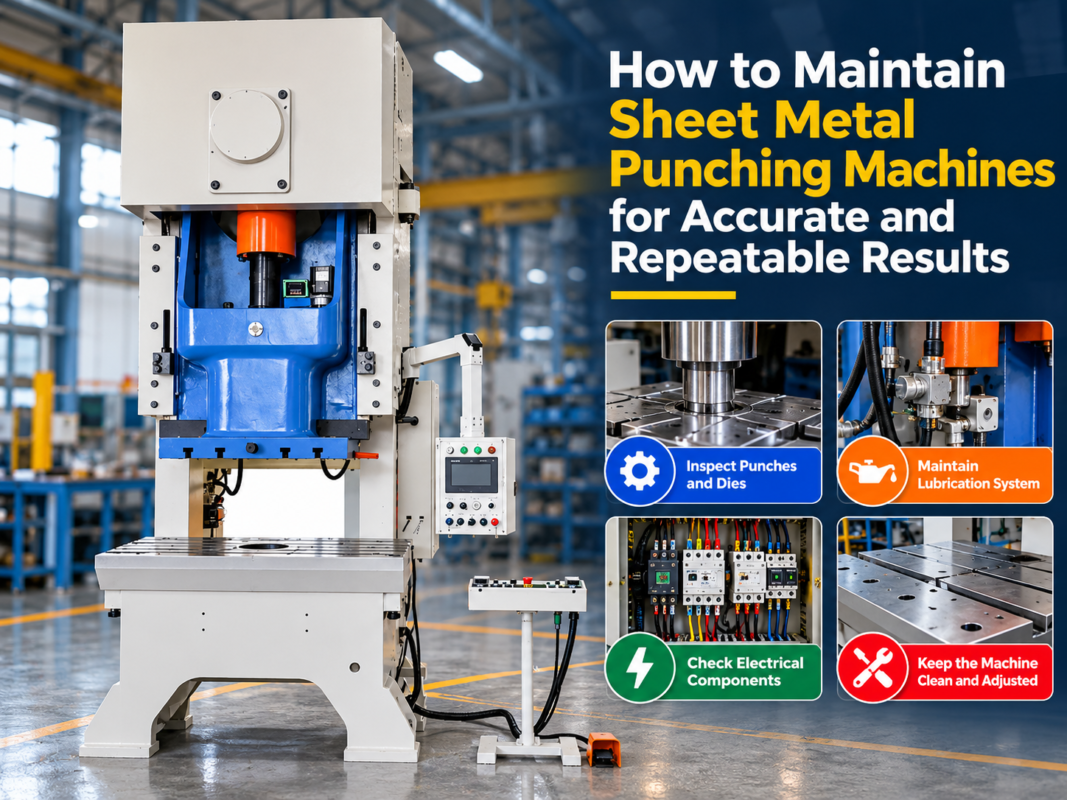
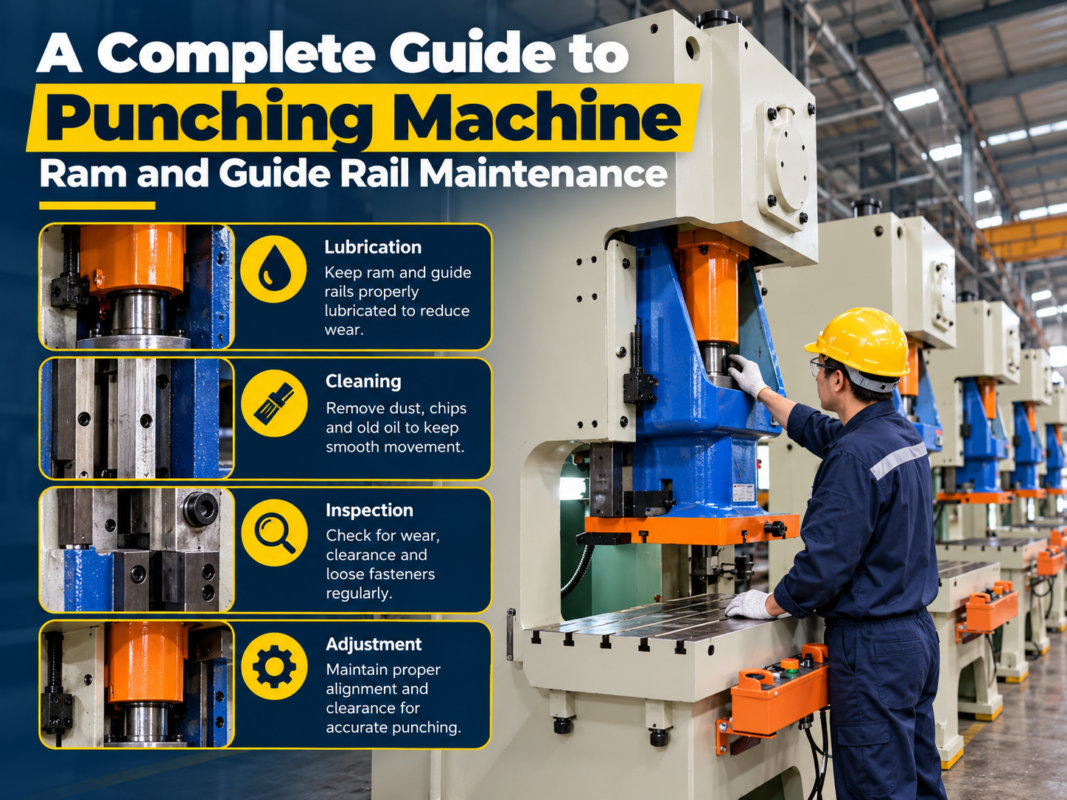
In contrast, the floor-standing hydraulic press is indispensable for industries such as automotive manufacturing, where large body panels, chassis components, and engine parts require massive force and significant stroke lengths. If your process involves deep drawing—where a flat sheet of metal is pulled into a die to create a hollow shape—the vertical height and long stroke of a floor-standing unit are non-negotiable. Furthermore, for heavy-duty maintenance tasks, such as pressing large bearings or straightening thick steel beams, only a floor-standing H-frame or C-frame press can provide the necessary structural rigidity.
Another factor is the volume of production. Floor-standing presses are often built for continuous, high-cycle operation. They feature larger oil reservoirs and more robust cooling systems to handle the heat generated during 24/7 production. Desktop units, while durable, are typically intended for intermittent use or shorter production runs. If your business plan involves scaling up to high-volume manufacturing, investing in the floor space for a standing unit now may prevent the need for a costly facility reorganization later.
Cost and Maintenance Comparison
Cost is a multi-faceted consideration that goes beyond the purchase price. A desktop hydraulic press is significantly more affordable upfront, making it an attractive option for startups and small workshops. Maintenance is also generally simpler; the hydraulic systems are smaller, requiring less oil and fewer seal replacements. Because they are often used for lighter tasks, the wear and tear on the frame and components are relatively low. However, the ‘hidden cost’ of a desktop press is the requirement for a high-quality industrial workbench, which can add several hundred dollars to the total setup cost.
Floor-standing hydraulic presses represent a major capital investment. Beyond the machine’s price, you must account for shipping, professional installation, and potentially the cost of reinforcing your shop floor to handle the concentrated weight. Maintenance is more intensive, involving large-scale oil changes, complex valve inspections, and regular monitoring of the structural bolts and welds. However, the longevity of these machines is remarkable. A well-maintained HARSLE floor-standing press can remain in service for decades, providing a lower ‘cost per ton’ over its lifetime compared to smaller units.
From a space-cost perspective, consider the ‘rent’ of the floor space. In high-rent industrial zones, every square meter counts. If a desktop press allows you to utilize existing bench space without expanding your footprint, it saves money. But if a floor-standing press replaces three smaller machines by performing multiple functions, it might actually be the more economical choice for your facility’s layout.
Recommendation: Which One Should You Choose?
The ultimate choice depends on your specific operational goals and the physical constraints of your workspace. Here is a quick checklist to guide your decision:
- Choose a Desktop Hydraulic Press if: Your workpieces are small (under 30cm), you require less than 50 tons of force, you have limited floor space but ample bench space, and you need the flexibility to move the machine easily.
- Choose a Floor-Standing Hydraulic Press if: You need high tonnage (50+ tons), you work with large or tall workpieces, you require a long stroke for deep drawing, or you are running high-volume industrial production that demands maximum durability.
At HARSLE, we recommend looking at your five-year growth plan. If you anticipate moving into larger-scale fabrication, a floor-standing model provides the headroom you need to grow. If your focus remains on precision, specialized components, or laboratory work, the desktop model will serve you efficiently without cluttering your floor. Regardless of your choice, ensuring that the machine is integrated into a logical workflow is the most effective way to ‘save space’ in any workshop.
Frequently Asked Questions (FAQ)
1. Can a desktop hydraulic press be converted to a floor-standing model?
While you can build a dedicated stand for a desktop press to make it floor-standing, it will not gain the tonnage or stroke length of a purpose-built floor-standing unit. The frame of a desktop press is specifically engineered for lower forces.
2. How much floor reinforcement is needed for a floor-standing press?
This depends on the tonnage and weight of the machine. Generally, a 100-ton press requires at least 6 to 8 inches of reinforced concrete. Always consult the manufacturer’s installation manual and a structural engineer before installation.
3. Is a desktop press safer than a floor-standing press?
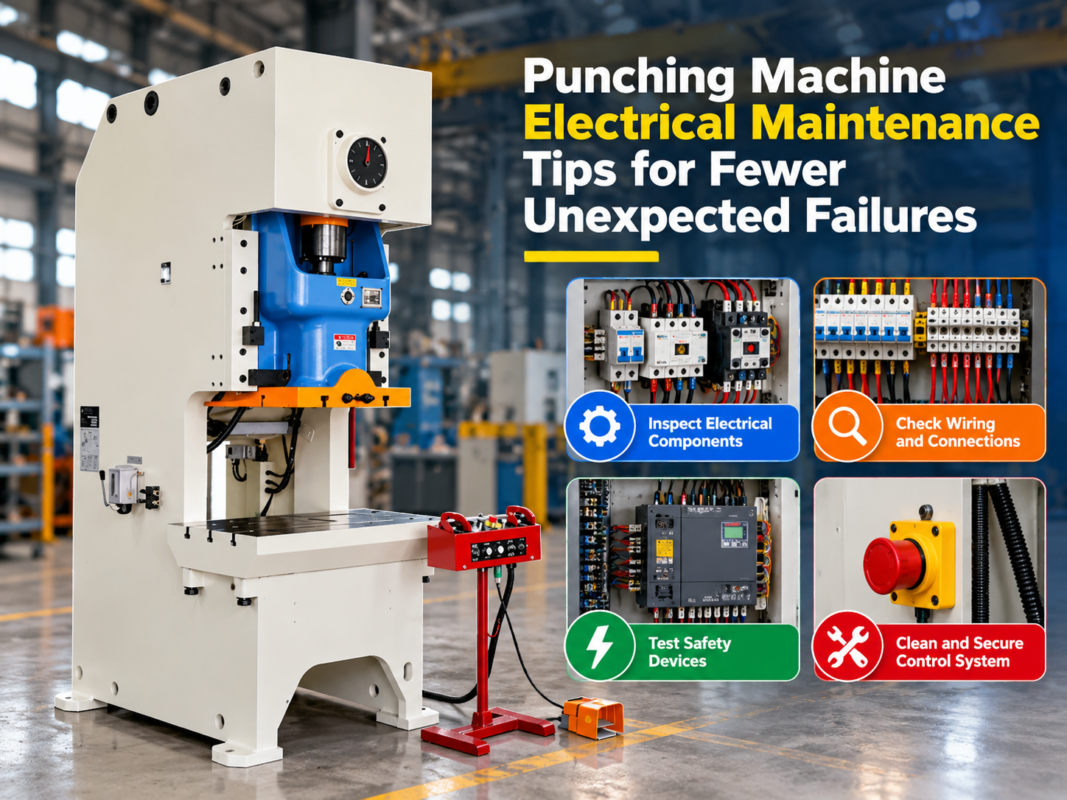
Both machines are safe when operated correctly. However, desktop presses are often easier to guard with simple physical shields, while floor-standing presses often require more advanced safety systems like light curtains and two-hand tie-down controls due to their higher power and larger work areas.
4. Does HARSLE offer custom sizes for space-constrained shops?
Yes, HARSLE provides various configurations. We can often adjust the frame dimensions or integrate the hydraulic power unit in a way that fits specific spatial requirements for our industrial clients.
5. Which type of press has a better resale value?
Floor-standing industrial presses tend to hold their value well in the secondary market due to their long lifespan and high demand in heavy manufacturing. Desktop presses are easier to sell quickly to hobbyists or small shops but may not retain the same percentage of their original value.