From Bottleneck to High Output: A Laser Cutting Machine Success Story


Introduction: The Manufacturing Bottleneck Challenge
In the competitive landscape of modern metal fabrication, the transition from traditional processing methods to advanced technology is often the difference between stagnation and exponential growth. Many fabrication shops find themselves trapped in a cycle of low productivity, where manual shearing, outdated plasma cutters, or mechanical punching machines create a significant bottleneck. These traditional methods, while once the industry standard, often struggle with the precision, speed, and versatility required for today’s complex designs. This article explores the transformative journey of moving from a production bottleneck to high output, focusing on the pivotal role of the fiber laser cutting machine.
A bottleneck occurs when the capacity of a specific stage in the production line is lower than the demand placed upon it, causing a backup in the entire workflow. In metal fabrication, this usually happens at the cutting stage. If the cutting process is slow or requires extensive secondary finishing (like grinding or deburring), every subsequent process—bending, welding, and assembly—is delayed. The introduction of a high-performance fiber laser cutting machine, such as those engineered by HARSLE, addresses these issues head-on by providing unparalleled speed and edge quality that eliminates the need for secondary processing.
The success story of moving from bottleneck to high output is not just about buying a new machine; it is about integrating a system that redefines what is possible on the shop floor. Fiber laser technology has revolutionized the industry by offering higher energy efficiency, lower maintenance costs, and the ability to cut a wider range of materials, including highly reflective metals like brass and copper. By understanding the technical advantages and strategic implementation of these machines, manufacturers can unlock new levels of profitability and market competitiveness.
As we delve into this success story, we will examine the key considerations that lead to a successful upgrade, the technical specifications that drive high output, and the selection criteria that ensure a long-term return on investment. Whether you are a small job shop or a large-scale industrial manufacturer, the transition to high-output laser cutting is a strategic move that pays dividends in quality, speed, and customer satisfaction.
Key Considerations for Overcoming Production Bottlenecks
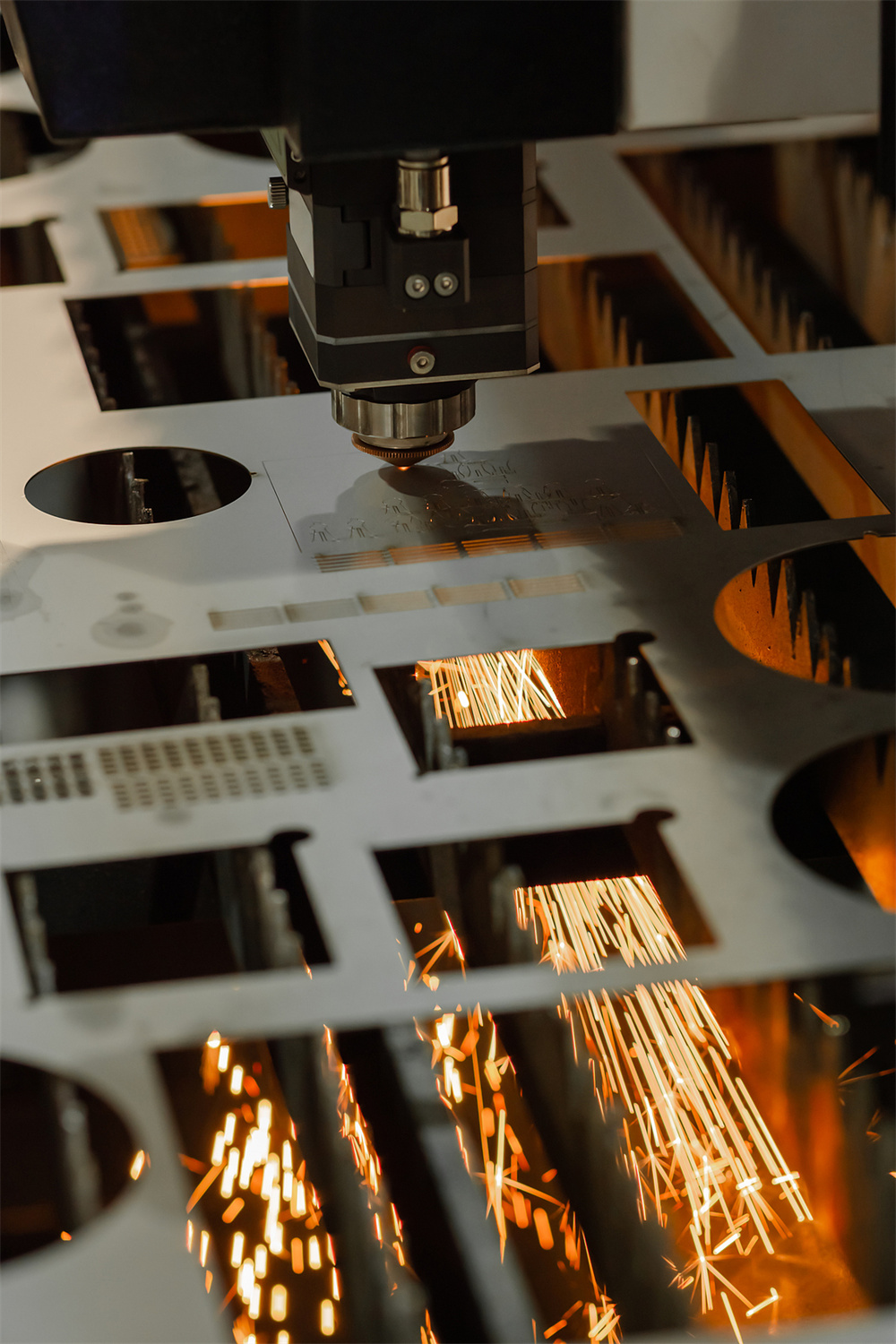
Identifying the root cause of a production bottleneck is the first step toward a solution. In many cases, the bottleneck is a symptom of technological obsolescence. Older machines may require frequent calibration, have slow traverse speeds, or suffer from inconsistent beam quality. When evaluating the need for a laser cutting machine, manufacturers must consider the total cost of ownership, including power consumption, gas usage, and the labor required for setup and operation. A modern fiber laser machine significantly reduces these costs while increasing throughput.
Another critical consideration is material versatility. A bottleneck often arises when a shop has to outsource specific jobs because their current equipment cannot handle certain materials or thicknesses. Fiber laser cutting machines are exceptionally versatile, capable of cutting everything from thin gauge stainless steel to thick carbon steel plates. This versatility allows manufacturers to bring more processes in-house, reducing lead times and increasing the value-add for their customers. The ability to switch between different materials and thicknesses with minimal setup time is a hallmark of high-output machinery.
Workflow integration is also paramount. A high-output machine is only as effective as the software and logistics supporting it. Modern laser cutters come equipped with sophisticated nesting software that optimizes material usage, reducing waste and lowering the cost per part. Furthermore, the integration of automated loading and unloading systems can further eliminate bottlenecks by allowing the machine to run unattended or during off-shifts. This “lights-out” manufacturing capability is a game-changer for shops looking to maximize their capital investment.
Finally, the human element cannot be ignored. Transitioning to a high-tech laser system requires a shift in operator mindset and skill sets. While modern CNC interfaces are more intuitive than ever, training is essential to ensure that the machine is operated at its peak efficiency. A success story always involves a partnership between the equipment manufacturer and the end-user, ensuring that the staff is fully equipped to handle the increased output and maintain the machine’s precision over time.
Technical Details: The Engine of High Output
The technical superiority of a fiber laser cutting machine lies in its solid-state laser source. Unlike CO2 lasers, which use a gas mixture and mirrors to generate and direct the beam, fiber lasers generate the beam within an optical fiber doped with rare-earth elements. This beam is then delivered via a flexible fiber optic cable directly to the cutting head. This design eliminates the need for complex mirror alignments and reduces energy loss, resulting in a beam that is much more concentrated and efficient. For the user, this means faster cutting speeds, especially in thin to medium-thickness materials.
The Importance of Laser Power and Beam Quality
Laser power, measured in kilowatts (kW), is a primary driver of output. Higher wattage allows for faster cutting speeds and the ability to process thicker materials. However, power alone is not enough; beam quality (BPP) is equally important. A high-quality beam has a smaller focal spot and a more uniform energy distribution, which translates to a narrower kerf and a cleaner cut. This precision is what allows for the high-output production of intricate parts that require no further finishing, directly addressing the bottleneck caused by secondary operations.
Motion Control and Drive Systems
To keep up with the rapid cutting speeds of a fiber laser, the machine’s motion system must be exceptionally robust and precise. High-output machines typically utilize rack-and-pinion drives or linear motors combined with high-torque servo motors. These systems allow for high acceleration and deceleration rates, minimizing the “dwell time” between cuts. The frame of the machine, often made from heavy-duty welded steel or cast iron, must be thermally treated to ensure long-term stability and vibration damping, which is critical for maintaining accuracy at high speeds.
Advanced Cutting Heads and Gas Control
The cutting head is the “business end” of the machine. Modern heads feature autofocus capabilities, which automatically adjust the focal point based on the material thickness and type. This reduces setup time and ensures consistent cut quality throughout a production run. Additionally, sophisticated gas control systems manage the flow of assist gases (Oxygen, Nitrogen, or Compressed Air). Nitrogen is often preferred for high-output stainless steel cutting as it prevents oxidation, leaving a bright, weld-ready edge. The ability to precisely control gas pressure and flow is vital for optimizing both speed and cost.
Selection Advice: Choosing the Right Machine for Your Success Story
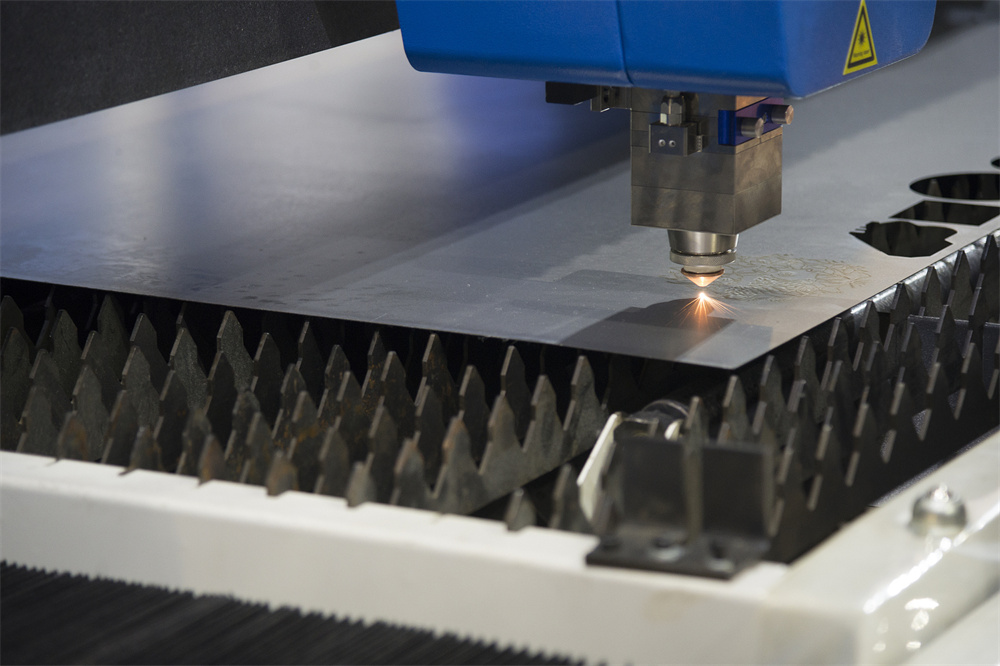
Selecting the right laser cutting machine is a strategic decision that requires a deep understanding of your current needs and future growth projections. The first step is to analyze your typical material mix. If you primarily work with thin gauge materials (under 3mm), a 1kW to 3kW machine may offer the best balance of speed and investment. However, if your work involves heavy plate fabrication, moving into the 6kW to 12kW (or even higher) range becomes necessary to maintain high output and competitive edge quality.
Consider the bed size carefully. While a standard 3015 (3m x 1.5m) bed is sufficient for many applications, larger formats like 4020 or 6025 allow for the processing of larger sheets or the nesting of more parts per sheet, which reduces material handling time. Furthermore, look for machines that offer an exchange table system. An exchange table allows the operator to load a new sheet and unload finished parts while the machine is still cutting on the other table, effectively doubling the machine’s uptime and eliminating the loading bottleneck.
Evaluating the Manufacturer and Support
The machine is only as good as the support behind it. When choosing a partner like HARSLE, evaluate their track record in the industry, the availability of spare parts, and the quality of their technical support. A high-output environment cannot afford extended downtime. Ensure that the manufacturer provides comprehensive training and has a responsive service team. Additionally, check the compatibility of the machine’s control system (such as CypCut or similar industry standards) with your existing CAD/CAM workflow to ensure a seamless transition.
Total Cost of Ownership (TCO) Analysis
Don’t just look at the initial purchase price. A true success story is built on a favorable Total Cost of Ownership. Calculate the cost per part by factoring in electricity, assist gas consumption, nozzle wear, and maintenance intervals. Fiber lasers generally have a much lower TCO than CO2 lasers due to their higher wall-plug efficiency and lack of consumable mirrors and turbines. By investing in a high-quality machine upfront, you reduce the long-term operational costs and ensure that your “high output” remains profitable over the entire lifespan of the equipment.
Detailed Comparison: Fiber Laser vs. Traditional Cutting
| Feature | Fiber Laser Cutting | Plasma Cutting | Mechanical Shearing |
|---|---|---|---|
| Cutting Speed | Very High (especially on thin materials) | Moderate to High | Low (linear cuts only) |
| Precision/Tolerance | +/- 0.05mm | +/- 0.5mm | +/- 1.0mm |
| Edge Quality | Excellent (Smooth, no burrs) | Rough (Requires grinding) | Clean but limited to straight lines |
| Material Versatility | High (Steel, Al, Brass, Copper) | Moderate (Conductive metals only) | Low (Limited thickness/shape) |
| Operating Cost | Low (High energy efficiency) | Moderate (Consumables/Gas) | Low (but high labor) |
| Automation Potential | Very High | Moderate | Low |
Frequently Asked Questions (FAQ)
1. How does a fiber laser machine eliminate production bottlenecks?
A fiber laser machine eliminates bottlenecks by significantly increasing cutting speeds and providing high-precision cuts that require no secondary finishing. Its ability to run for long periods with minimal maintenance and the option for automated loading/unloading ensures a continuous workflow, allowing the cutting stage to keep pace with or exceed the capacity of subsequent fabrication steps.
2. What is the ideal power for a laser cutting machine in a high-output shop?
The “ideal” power depends on your material thickness. For high-output shops processing 1-6mm steel, 3kW to 6kW is often the sweet spot. For shops dealing with 10mm+ materials consistently, 12kW to 20kW machines are becoming the standard to maintain high speeds and superior edge quality without slowing down the production line.
3. Can a fiber laser cut reflective materials like copper and brass?
Yes, modern fiber lasers are designed to handle reflective materials. Unlike CO2 lasers, where back-reflection can damage the resonator, fiber lasers use a different wavelength and delivery system (often with back-reflection protection) that allows them to safely and efficiently cut copper, brass, and aluminum.
4. What maintenance is required for a high-output fiber laser?
Fiber lasers require significantly less maintenance than CO2 lasers. Key tasks include keeping the chilling system clean, checking and replacing protective windows in the cutting head, lubricating the motion rails, and ensuring the laser source remains dust-free. Most modern machines have automated lubrication and diagnostic systems to simplify this process.
5. Is nesting software important for high output?
Absolutely. Nesting software is critical for maximizing material utilization and minimizing waste. Advanced software can automatically arrange parts to fit as many as possible on a single sheet, calculate the most efficient cutting path to reduce head travel time, and even manage common-line cutting to further increase speed and save gas.
Conclusion: Embracing the Future of Fabrication
The journey from a production bottleneck to high output is a transformative experience for any metal fabrication business. By adopting fiber laser cutting technology, manufacturers can overcome the limitations of traditional methods, offering their customers faster turnaround times, higher precision, and more competitive pricing. The success story of a high-output shop is built on the foundation of technical excellence, strategic machine selection, and a commitment to continuous improvement.
As we have explored, the technical advantages of fiber lasers—ranging from their energy efficiency to their superior beam quality—make them the ideal tool for modern manufacturing. When combined with the right automation and software, these machines become the heartbeat of a productive shop floor. Investing in a HARSLE laser cutting machine is not just an equipment upgrade; it is an investment in the future scalability and profitability of your business. By eliminating bottlenecks at the source, you clear the path for growth, innovation, and long-term success in the ever-evolving world of metal fabrication.