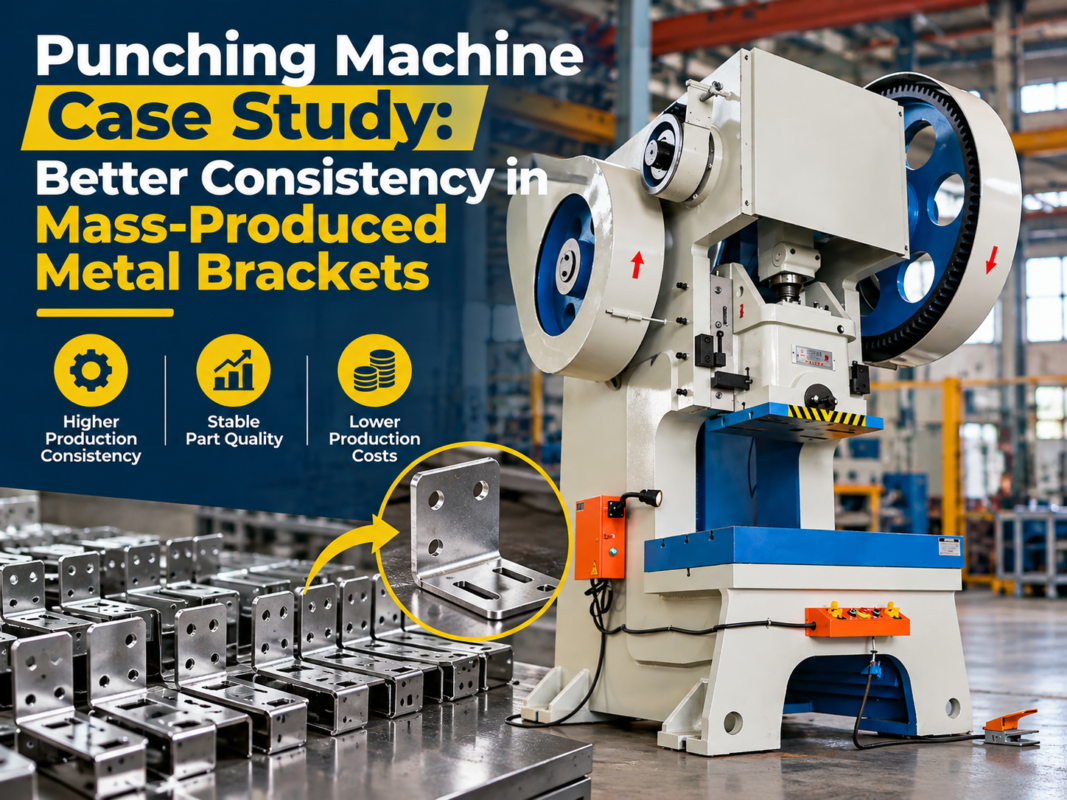
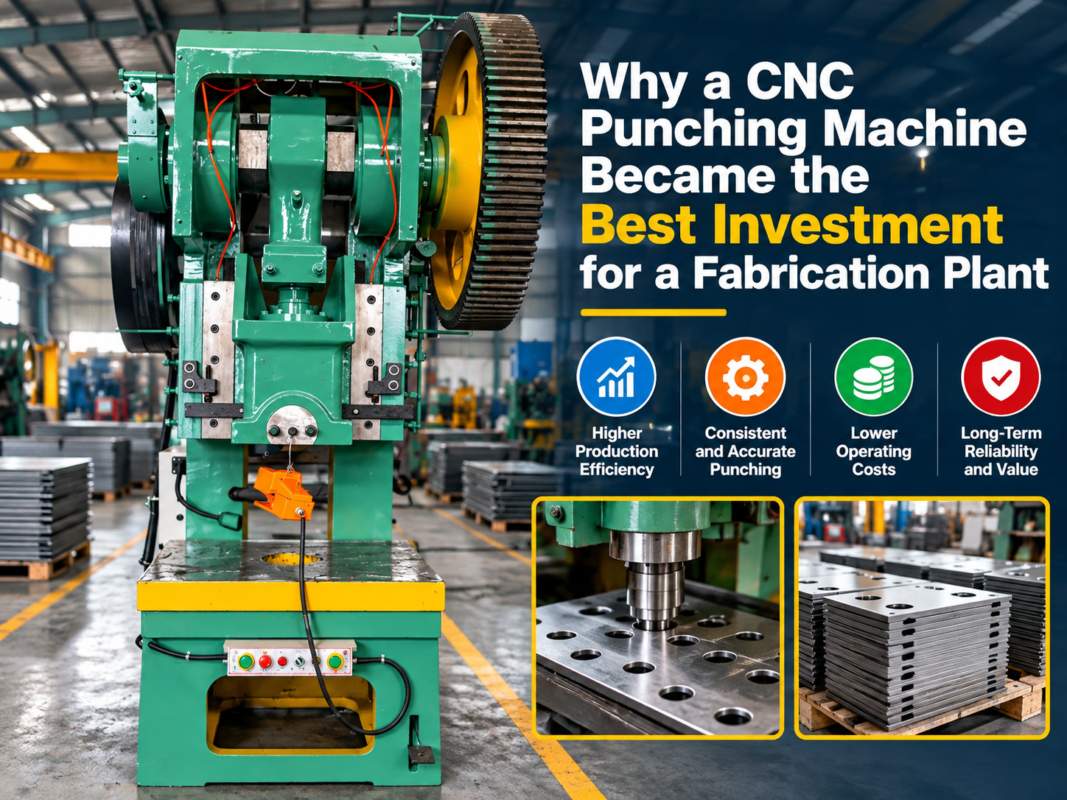
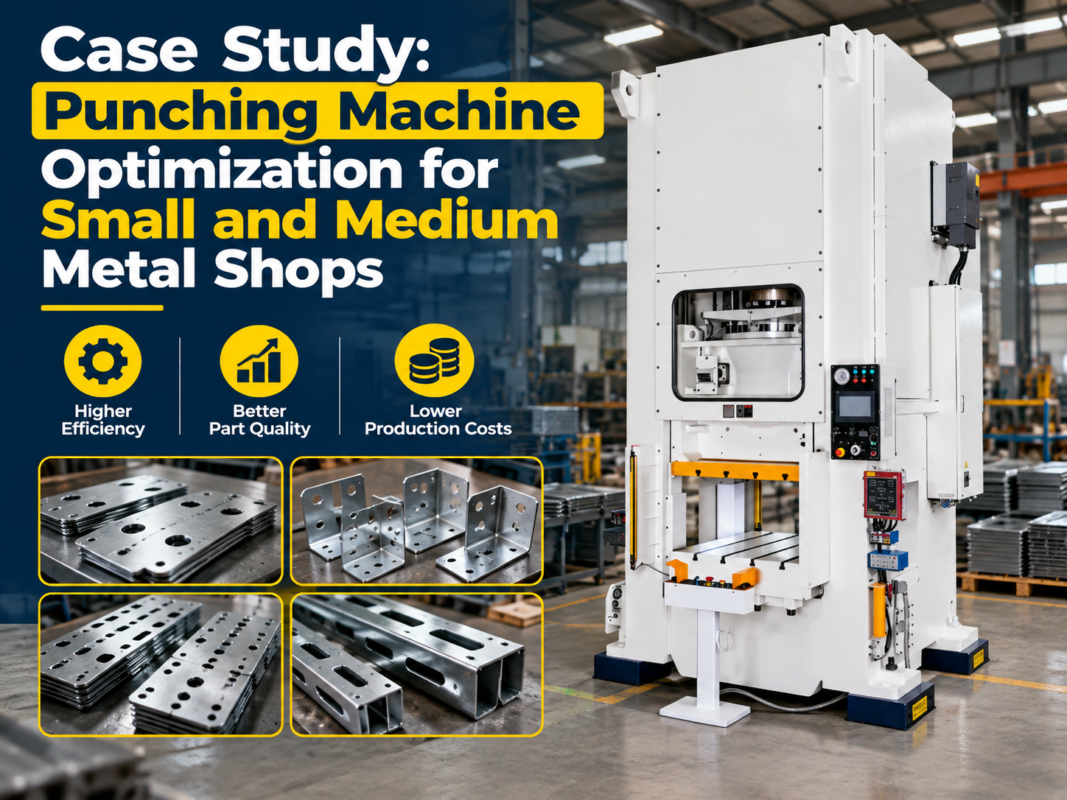
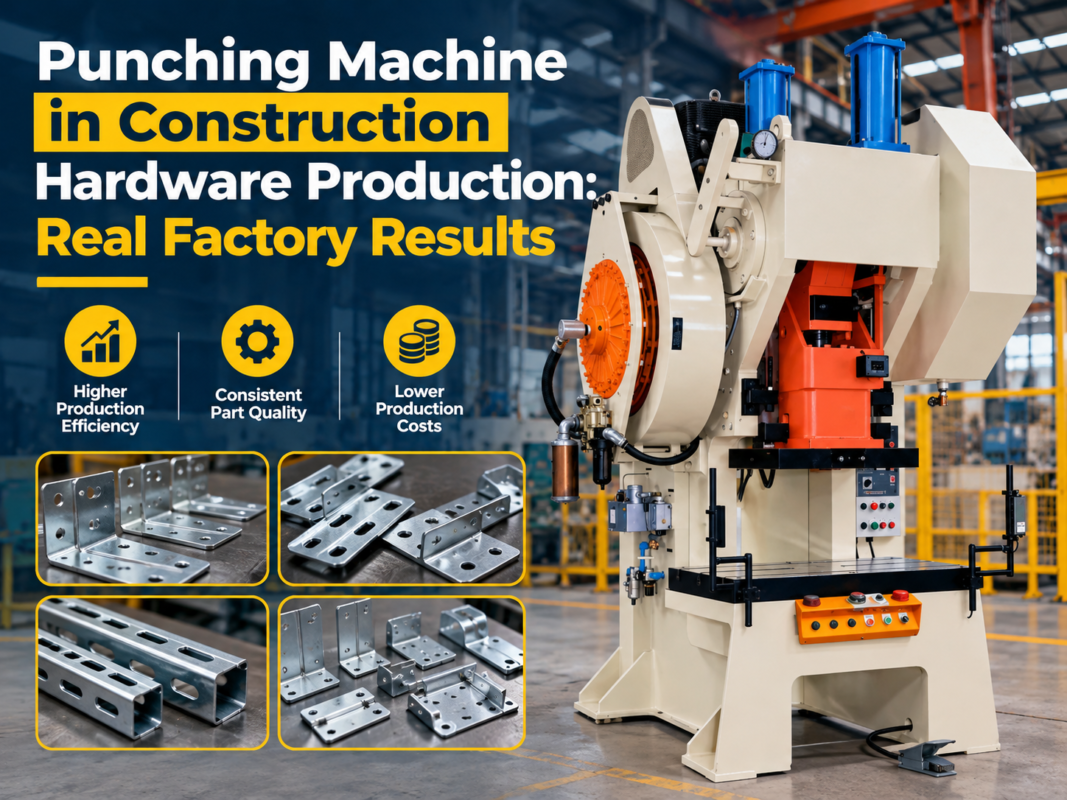
Laser Cutting Machine Case Study: Achieving Better Consistency in Mass Production


Introduction to Consistency in Modern Metal Fabrication
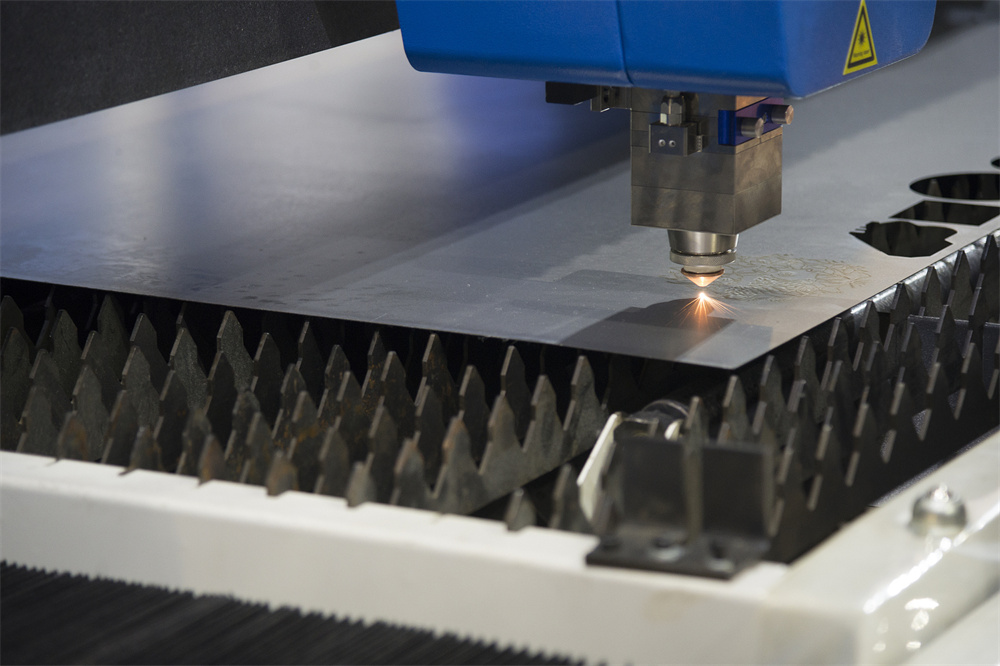
In the competitive landscape of modern manufacturing, the ability to produce high volumes of parts with identical precision is no longer a luxury—it is a fundamental requirement. This Laser Cutting Machine Case Study: Achieving Better Consistency In Mass Production explores the transition from traditional cutting methods to advanced fiber laser technology. For industries ranging from automotive to aerospace, the margin for error is shrinking, while the demand for throughput continues to rise. Consistency in this context refers to the machine’s ability to maintain dimensional accuracy, edge quality, and structural integrity across thousands of cycles without manual intervention.
HARSLE has observed that many manufacturers struggle with ‘drift’—a phenomenon where the first part of a production run meets specifications, but the thousandth part does not. This inconsistency often stems from thermal expansion, mechanical wear, or fluctuations in the laser source. By implementing high-end fiber laser systems, companies can mitigate these variables. This article serves as a comprehensive guide for production managers and business owners looking to stabilize their output and reduce scrap rates through technological investment.
The shift toward automation and Industry 4.0 has further emphasized the need for reliable machinery. A laser cutting machine is the heart of the fabrication shop; if it fails to deliver consistent results, the entire downstream process—including bending, welding, and assembly—is compromised. Throughout this case study, we will examine the technical parameters and operational strategies that ensure every cut is as precise as the first.
Key Considerations for Mass Production Consistency
Achieving consistency in mass production requires a holistic approach that goes beyond the machine itself. The first major consideration is Material Quality. Even the most advanced laser cannot compensate for significant variations in sheet metal thickness, chemical composition, or surface flatness. In mass production, sourcing materials from consistent suppliers is critical. Variations in carbon content or protective coatings can alter the laser’s absorption rate, leading to inconsistent kerf widths or dross formation.
Another vital factor is Thermal Management. During continuous operation, the cutting head and the machine frame are subjected to significant heat. High-quality machines utilize sophisticated cooling systems (chillers) to maintain the laser source and optics at a constant temperature. Without effective thermal regulation, the focal point of the laser can shift, a phenomenon known as ‘thermal lens effect,’ which directly impacts the precision of the cut over long shifts.
Assist Gas Purity and Pressure also play a decisive role. Whether using Oxygen for carbon steel or Nitrogen for stainless steel, any fluctuation in gas pressure or purity can lead to oxidation or incomplete cuts. Automated gas consoles are now standard in high-consistency environments, allowing the CNC system to adjust pressure dynamically based on the material and cutting speed. This eliminates the human error associated with manual regulator adjustments.
Finally, Software Integration and Nesting are essential for consistency. Modern CAD/CAM software does more than just arrange parts; it optimizes the cutting path to manage heat distribution across the sheet. By avoiding localized overheating, the software ensures that the material does not warp during the process, maintaining the dimensional integrity of every part in the nest. This level of digital control is what separates modern mass production from traditional batch processing.
Technical Details of High-Consistency Laser Systems
To understand how a Laser Cutting Machine Case Study: Achieving Better Consistency In Mass Production translates to real-world success, one must look at the underlying hardware. The core of the system is the Fiber Laser Source. Unlike CO2 lasers, which rely on mirrors and gas mixtures that can degrade, fiber lasers use a solid-state medium. This results in a beam with superior stability and a much smaller spot size, which is critical for maintaining tight tolerances over thousands of hours of operation.
The Role of the CNC Control System
The ‘brain’ of the machine, such as the CypCut or Beckhoff systems, manages the complex interplay between motion and power. In mass production, the CNC must handle high-speed processing without losing synchronization. Advanced algorithms for ‘cornering’ ensure that the machine slows down just enough to maintain cut quality at sharp angles without burning the material, then accelerates instantly on straightaways to maintain productivity.
Motion Control and Mechanical Stability
Consistency is also a function of mechanical engineering. High-acceleration mass production requires a machine bed that can withstand immense G-forces without vibrating. HARSLE machines often feature heavy-duty, heat-treated frames and gantry systems made from aviation-grade aluminum. These components are machined to micron-level tolerances to ensure that the rack-and-pinion drive system provides smooth, repeatable movement. Linear encoders provide real-time feedback to the controller, allowing it to correct for any minute deviations in position instantly.
| Feature | Impact on Consistency | Mass Production Benefit |
|---|---|---|
| Auto-Focus Cutting Head | Maintains optimal focal point regardless of material surface. | Reduces setup time and prevents cut failure. |
| Dual Shuttle Tables | Allows loading/unloading while the machine is cutting. | Ensures continuous operation and thermal stability. |
| Automatic Nozzle Cleaning | Prevents slag buildup from affecting gas flow. | Maintains edge quality over long shifts. |
| Real-time Power Modulation | Adjusts laser power based on instantaneous speed. | Prevents over-burning on corners and small features. |
Selection Advice for High-Volume Manufacturers
Choosing the right equipment is the most significant decision a manufacturer will make. When the goal is consistency in mass production, the ‘cheapest’ option is rarely the most cost-effective in the long run. The first step in selection is Power Scaling. While a 3kW laser might cut 10mm steel, a 6kW or 12kW laser will do it faster and with much higher consistency because it is not operating at its absolute limit. Operating a laser source at 70-80% of its maximum capacity extends its lifespan and ensures a more stable beam profile.
Secondly, consider Automation Readiness. In a mass production environment, the bottleneck is often not the cutting speed, but the loading and unloading of material. Machines equipped with automatic pallet changers or full-scale tower storage systems allow for ‘lights-out’ manufacturing. This level of automation removes the variability of human labor, ensuring that the machine cycle remains constant 24/7.
Thirdly, evaluate the After-Sales and Maintenance Ecosystem. Consistency is maintained through preventative maintenance. A manufacturer should choose a partner like HARSLE that provides comprehensive training, remote diagnostics, and a ready supply of consumables (nozzles, lenses, ceramics). A machine that is down for a week due to a lack of spare parts is the ultimate enemy of production consistency.
Finally, perform a Cut Sample Validation. Before purchasing, provide your specific material and CAD files to the manufacturer. Request a ‘stress test’ where they cut a full sheet of parts, not just a single sample. Analyze the first part and the last part of the sheet under a microscope and with calipers. This is the only way to truly verify the machine’s ability to maintain consistency under production-like conditions.
Frequently Asked Questions (FAQ)
How does fiber laser technology improve consistency compared to CO2?
Fiber lasers are solid-state, meaning they have no moving parts or mirrors in the light-generating source. This eliminates the need for beam path alignment and gas refills required by CO2 lasers. The result is a much more stable beam over time, which is essential for maintaining identical cut quality across long production runs.
What is the most common cause of inconsistency in laser cutting?
The most common cause is often neglected maintenance of consumables. A dirty lens or a slightly damaged nozzle can change the gas flow dynamics and the laser’s focus, leading to dross and poor edge quality. Implementing a strict daily cleaning and inspection routine is the simplest way to ensure consistency.
Can software really improve the consistency of physical parts?
Yes. Advanced nesting software manages ‘heat zones.’ If a laser cuts many small parts in one area of a sheet, that area becomes extremely hot, causing the metal to expand and the cuts to drift. Smart software spreads the cutting path across the entire sheet to keep the material temperature uniform, ensuring every part stays within tolerance.
How often should a high-production laser be calibrated?
For 24/7 operations, a quick daily check of the beam centering and focal point is recommended. A more thorough mechanical calibration of the axes and the laser power output should be performed quarterly by a certified technician to compensate for any long-term mechanical settling.
Does the thickness of the material affect consistency?
Thicker materials are generally more sensitive to variations. In thick plate cutting, the balance between laser power, assist gas pressure, and cutting speed is very delicate. High-power fiber lasers (10kW+) have significantly improved the consistency of thick plate cutting by providing a larger ‘processing window’ where the cut remains stable.
Conclusion: The Future of Consistent Fabrication
As we have explored in this Laser Cutting Machine Case Study: Achieving Better Consistency In Mass Production, the path to superior manufacturing lies in the integration of high-quality hardware, intelligent software, and disciplined operational practices. Consistency is not merely a technical specification; it is a competitive advantage that reduces waste, lowers the cost per part, and builds trust with end customers. By investing in robust fiber laser technology and focusing on the variables that drive precision—such as thermal management and automation—fabricators can transform their production floors into high-efficiency hubs.
HARSLE remains committed to pushing the boundaries of what is possible in metal fabrication. Our machines are engineered specifically to meet the grueling demands of mass production, providing the stability and speed required for the modern industrial era. Whether you are a small shop looking to scale or a large enterprise optimizing your workflow, the principles of consistency remain the same: choose the right technology, maintain it rigorously, and let data-driven CNC systems handle the complexity. The future of fabrication is fast, automated, and above all, consistent.