Hydraulic Press Pricing Explained: Factors That Change the Final Purchase Cost


Introduction to Hydraulic Press Investment
In the world of metal fabrication, the hydraulic press stands as a cornerstone of production capability. Whether you are deep drawing automotive components, punching heavy plate, or assembling precision parts, the hydraulic press provides the raw force and controlled movement necessary for modern manufacturing. However, for many procurement managers and business owners, the question of “How much does a hydraulic press cost?” is met with a complex range of answers. Hydraulic press pricing explained: factors that change final purchase cost is not just about a single sticker price; it is about understanding the engineering, components, and logistical variables that dictate the final invoice.
Investing in a hydraulic press is a long-term commitment. These machines are designed to last decades, meaning the initial purchase price is only one part of the total cost of ownership. To make an informed decision, one must look beyond the base model and evaluate how specific configurations, tonnages, and technological integrations affect the bottom line. At HARSLE, we believe in transparency, helping our clients navigate the complexities of industrial machinery pricing to find the perfect balance between performance and budget.
This comprehensive guide will break down the various tiers of hydraulic press pricing, explore the technical drivers of cost, and highlight the often-overlooked expenses that can arise during the acquisition process. By the end of this article, you will have a clear framework for evaluating quotes and ensuring that your investment yields the highest possible return on investment (ROI).
Price Range Overview: From Benchtop to Heavy Industrial
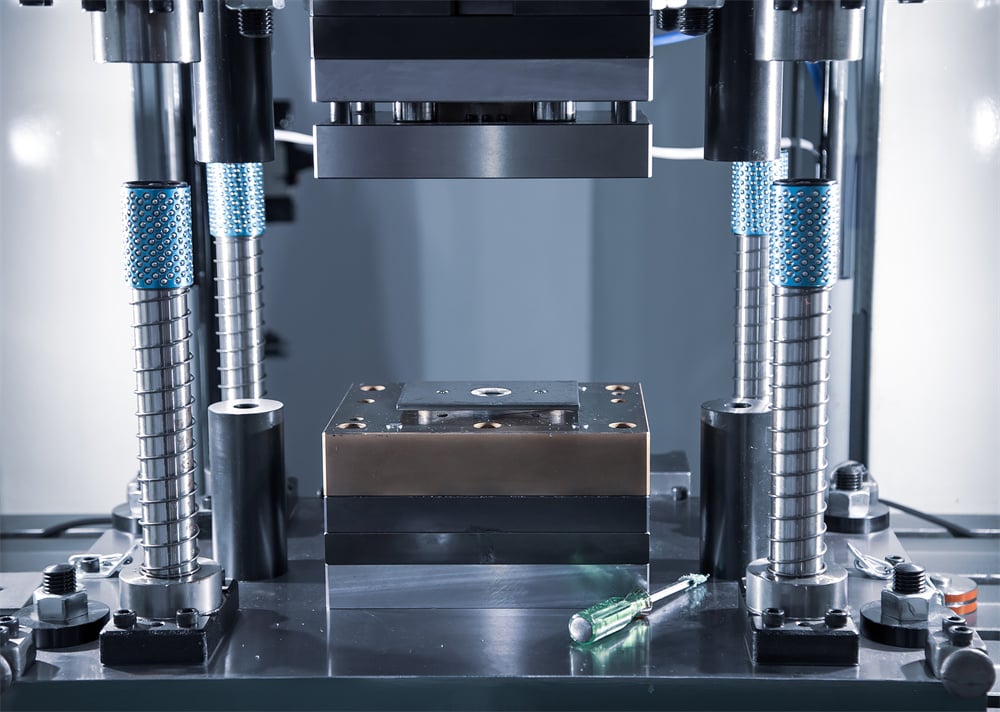
Hydraulic presses are not one-size-fits-all. The market is divided into several categories based on capacity and application, each with its own price bracket. Understanding where your needs fall within these ranges is the first step in budgeting. Generally, pricing can be categorized into three main tiers: entry-level/light-duty, mid-range industrial, and high-capacity custom solutions.
Entry-level hydraulic presses, often used for laboratory work, small-scale assembly, or light jewelry making, typically range from $2,000 to $15,000. These machines usually offer lower tonnage (5 to 50 tons) and manual or semi-automatic controls. While affordable, they lack the speed and durability required for 24/7 industrial production environments. They are ideal for startups or specialized workshops where high-volume output is not the primary goal.
The mid-range industrial tier is where most metal fabrication shops operate. These machines, ranging from 100 to 500 tons, typically cost between $25,000 and $150,000. In this bracket, you begin to see robust H-frame or four-column designs, integrated PLC (Programmable Logic Controller) systems, and enhanced safety features. The price variance here is largely driven by the quality of hydraulic components and the level of automation included in the base package.
Finally, high-capacity and custom-engineered presses (1,000 tons and above) can exceed $500,000 and even reach into the millions. These machines are often built for specific industries like aerospace or automotive manufacturing, featuring massive bolsters, high-speed cycling, and complex multi-axis controls. When discussing hydraulic press pricing explained: factors that change final purchase cost at this level, the engineering hours and specialized shipping logistics become significant portions of the total investment.
| Press Category | Tonnage Range | Estimated Price (USD) | Typical Applications |
|---|---|---|---|
| Benchtop / Workshop | 5 – 50 Tons | $2,000 – $15,000 | Assembly, Small Parts, Lab Testing |
| Standard Industrial (C-Frame) | 25 – 250 Tons | $15,000 – $60,000 | Punching, Blanking, Light Drawing |
| Heavy Duty (H-Frame/4-Column) | 200 – 1,000 Tons | $50,000 – $250,000 | Deep Drawing, Forging, Heavy Stamping |
| Custom / Ultra-High Capacity | 1,000+ Tons | $300,000+ | Automotive Panels, Aerospace Parts |
Main Cost Drivers: What Are You Actually Paying For?
1. Tonnage and Force Requirements
The most obvious driver of cost is tonnage. Tonnage refers to the maximum amount of force the press can exert. As tonnage increases, every other component of the machine must be scaled up to handle the stress. A 500-ton press requires a significantly thicker steel frame, larger hydraulic cylinders, and more powerful pumps than a 100-ton press. The cost of raw materials, particularly high-grade steel, plays a massive role here. Furthermore, the engineering required to ensure the frame does not deflect under extreme pressure adds to the price tag.
It is crucial to calculate your required tonnage accurately. Buying a machine with too much capacity is a waste of capital, but buying one with too little will lead to premature wear, poor part quality, and potential safety hazards. Most experts recommend a safety margin of 20% above your maximum required force to ensure the longevity of the hydraulic system.
2. Frame Design and Structural Integrity
The architecture of the press—whether it is a C-frame (gap frame), H-frame, or four-column design—significantly impacts the price. C-frame presses are generally the most affordable because they offer three-sided access to the work area, which is great for manual loading. However, they are prone to “yawning” or slight deflection under high pressure. To counteract this, manufacturers must use more steel to stiffen the frame, which increases the cost.
H-frame and four-column presses are more expensive due to their balanced construction. These designs distribute force evenly, minimizing deflection and allowing for much higher precision in deep drawing or complex forming operations. The manufacturing process for these frames often involves specialized welding and stress-relieving heat treatments to ensure long-term stability, all of which are factored into the final purchase cost.
3. Hydraulic System Components
Not all hydraulic systems are created equal. The choice of pumps, valves, and seals can swing the price by thousands of dollars. Premium brands like Bosch Rexroth, Parker, or Vickers are more expensive than generic or domestic alternatives, but they offer superior reliability, easier sourcing of spare parts, and better energy efficiency. A high-end hydraulic system will feature proportional valves for precise speed and pressure control, which is essential for delicate forming tasks.
Additionally, the complexity of the hydraulic circuit matters. Systems designed for high-speed approach and retraction require specialized valves and accumulators. If your application requires the press to hold pressure for extended periods (dwell time) without overheating the oil, additional cooling systems and high-efficiency pumps will be necessary, further increasing the cost.
Configuration Impact: Customizing for Performance
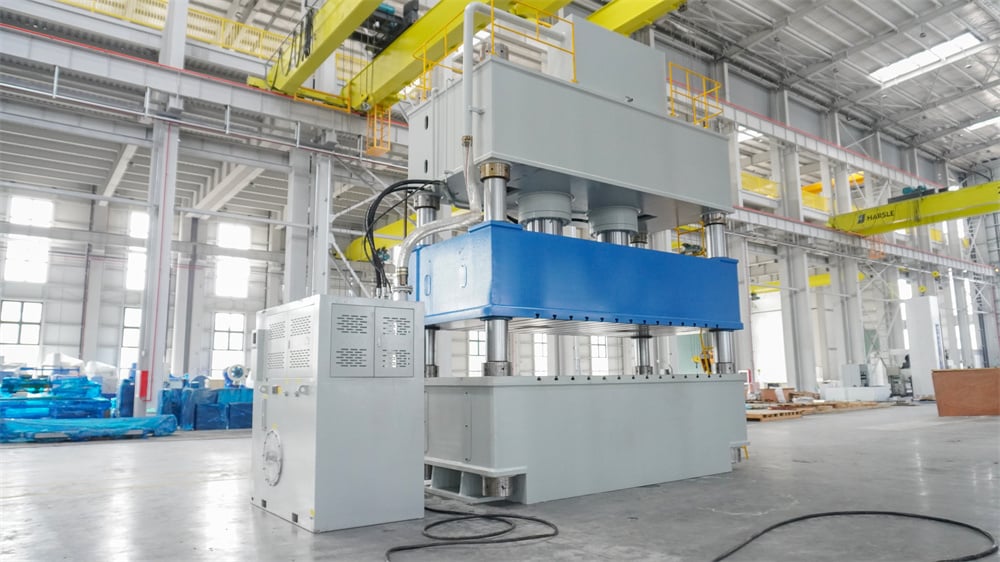
Beyond the base machine, the configuration choices you make will have a profound impact on the final price. In the context of hydraulic press pricing explained: factors that change final purchase cost, customization is often where the budget expands. One of the most significant upgrades is the control system. A basic manual control with buttons and levers is inexpensive, but most modern shops require a PLC with a Touchscreen HMI (Human Machine Interface). This allows for recipe storage, precise stroke adjustment, and integration with other factory systems.
Safety features are another critical configuration area. While basic safety guards are standard, many industries require advanced light curtains, area scanners, and dual-hand monitoring systems to comply with OSHA or CE standards. These electronic safety components, while essential for operator protection, add several thousand dollars to the machine’s price. However, they often pay for themselves by reducing insurance premiums and preventing costly workplace accidents.
Speed and stroke length are also adjustable variables. A standard press might have a slow cycle time, which is fine for low-volume work. If you need a high-production machine, you will need to invest in a “fast-acting” configuration. This involves larger motors, high-flow pumps, and often a more robust cooling system to handle the heat generated by rapid cycling. Similarly, an extended stroke length or a larger bolster area (the table where the die is mounted) requires more material and engineering, pushing the price higher.
Hidden Costs: Beyond the Sticker Price
When budgeting for a hydraulic press, many buyers fail to account for the “hidden” costs that occur after the purchase order is signed. These can easily add 10% to 20% to the total project cost. The first major hidden cost is shipping and logistics. Because hydraulic presses are incredibly heavy and often oversized, they require specialized flatbed trucking or even ocean freight in heavy-duty crates. Rigging—the process of moving the machine from the truck into your facility and onto its foundation—requires professional contractors and heavy-duty forklifts or cranes.
Installation and commissioning are the next hurdles. A large press cannot simply be plugged in. It may require a reinforced concrete foundation to handle the vibration and weight. You will also need to bring high-voltage power and sometimes compressed air to the machine’s location. Professional installation by the manufacturer’s technicians ensures the machine is leveled and calibrated correctly, but this service usually comes with daily rates and travel expenses.
Finally, consider the cost of tooling and training. A hydraulic press is useless without the dies and molds required for your specific parts. Custom tooling can cost as much as the press itself in some cases. Furthermore, your operators and maintenance staff will need training on the new control systems and safety protocols. While some manufacturers include basic training, comprehensive on-site programs are usually an additional expense.
ROI Calculation: Justifying the Investment
Understanding hydraulic press pricing explained: factors that change final purchase cost is only half the battle; the other half is justifying the spend through a Return on Investment (ROI) analysis. To calculate ROI, you must look at how the new machine improves your bottom line. Are you replacing an older, slower press? The increase in parts per hour can be directly translated into increased revenue. A modern hydraulic press with CNC controls can often reduce setup times from hours to minutes, allowing for smaller batch sizes and reduced inventory costs.
Quality improvements also play a role. Precision control over pressure and stroke means fewer scrapped parts and less secondary finishing work. If the new press allows you to bring a previously outsourced process in-house, you can capture the margin that was previously going to a vendor. When you factor in these gains, a $100,000 machine that saves $3,000 a month in labor and scrap pays for itself in less than three years.
Don’t forget to include energy savings in your ROI. Modern hydraulic systems with variable speed drives (VFDs) only consume significant power when the machine is actually moving or under pressure. Older systems often have pumps that run at full speed constantly, wasting electricity. Over the 20-year lifespan of a press, the energy savings alone can offset a significant portion of the initial price difference between a high-efficiency model and a budget model.
Buying Advice: How to Get the Best Value
To get the best value when purchasing a hydraulic press, start by defining your “must-have” vs. “nice-to-have” features. Do you really need a 500-ton press, or would a 300-ton press with a high-pressure hydraulic system suffice? Work closely with the manufacturer’s engineering team to review your part drawings. Often, they can suggest configurations that meet your needs more efficiently than a standard off-the-shelf model.
Always request a detailed breakdown of the quote. Ensure that the price includes the hydraulic oil (which can be hundreds of gallons), the initial set of filters, and a basic spare parts kit (seals, fuses, etc.). Ask about the warranty terms—specifically, does it cover both parts and labor, and is there a local technician who can respond quickly if the machine goes down? Downtime is the ultimate hidden cost, so choosing a manufacturer with a strong service reputation is vital.
Finally, consider the resale value. Well-known brands like HARSLE maintain their value much better on the secondary market than obscure, unbranded machines. If your production needs change in five to ten years, being able to sell your used press for 50% of its original value significantly reduces the total cost of ownership. Buying for quality today is a hedge against the uncertainties of tomorrow’s manufacturing landscape.
Frequently Asked Questions (FAQ)
What is the most expensive part of a hydraulic press?
Generally, the hydraulic power unit (including the pump and main valves) and the main cylinder are the most expensive components. However, on very large machines, the massive steel frame and the labor required for precision machining of the bolster and slide can also represent a huge portion of the cost.
Is it better to buy a used hydraulic press to save money?
While used presses have a lower upfront cost, they often come with risks. Older machines may lack modern safety features, have worn-out seals that lead to leaks, or use obsolete control systems that are impossible to repair. If you buy used, factor in the cost of a complete hydraulic and electrical rebuild to ensure reliability.
How does CNC control affect the price?
Adding a full CNC system can increase the price of a hydraulic press by $10,000 to $30,000 or more. However, for complex operations like deep drawing where you need to control the pressure profile throughout the stroke, CNC is indispensable and provides a much higher ROI through precision and repeatability.
Do I need a special foundation for a 200-ton press?
Most 200-ton H-frame presses require a reinforced concrete floor, typically 6 to 12 inches thick, depending on the soil conditions and the machine’s footprint. Always consult the manufacturer’s foundation drawing before the machine arrives to avoid costly installation delays.
How long does a typical hydraulic press last?
With proper maintenance—specifically regular oil changes and seal inspections—a high-quality industrial hydraulic press can easily last 20 to 30 years. Many machines built in the mid-20th century are still in operation today, though their control systems have usually been upgraded multiple times.