Cutting Downtime in Metal Fabrication: A Hydraulic Press Upgrade Guide


Introduction to Cutting Downtime in Metal Fabrication
In the high-stakes world of industrial manufacturing, efficiency is the primary metric of success. For metal fabrication shops, the hydraulic press is often the heartbeat of the production line. However, as machinery ages or as production demands increase, legacy systems can become a bottleneck. Cutting downtime in metal fabrication with a hydraulic press upgrade is not just a luxury; it is a strategic necessity for businesses looking to maintain a competitive edge in a global market. When a press fails or operates below peak efficiency, the ripple effects are felt throughout the entire supply chain, leading to missed deadlines, increased labor costs, and diminished profit margins.
Modern metal fabrication requires precision, speed, and adaptability. Older hydraulic presses often lack the sophisticated control systems and energy-efficient components found in contemporary models like those offered by HARSLE. By focusing on cutting downtime in metal fabrication a hydraulic press upgrade, facility managers can address the root causes of inefficiency. This involves moving beyond simple repairs and embracing technological advancements that offer predictive maintenance capabilities, faster cycle times, and reduced energy consumption. This guide explores the multifaceted benefits of upgrading your hydraulic press and provides a roadmap for selecting the right equipment to ensure long-term operational stability.
The transition to a modern hydraulic press involves more than just swapping out hardware. It represents a shift toward a more data-driven and automated fabrication environment. With the integration of IoT (Internet of Things) sensors and advanced PLC (Programmable Logic Controller) systems, today’s presses provide real-time feedback that allows operators to identify potential issues before they result in catastrophic failure. This proactive approach is the cornerstone of cutting downtime in metal fabrication with a hydraulic press upgrade, transforming the maintenance department from a reactive cost center into a proactive value driver.
Furthermore, the ergonomic and safety improvements found in modern HARSLE hydraulic presses contribute significantly to reducing downtime. Fewer workplace injuries and easier setup procedures mean that the machine spends more time running and less time being adjusted or investigated for safety compliance. As we delve deeper into the technicalities and selection criteria, it becomes clear that the investment in a hydraulic press upgrade pays for itself through the sheer elimination of wasted time and resources.
Key Considerations for Upgrading Your Hydraulic Press
When considering cutting downtime in metal fabrication with a hydraulic press upgrade, the first step is to evaluate the current state of your equipment. Is the machine frequently leaking oil? Are the cycle times inconsistent? Does the control system lack the flexibility to handle complex modern dies? These are all indicators that an upgrade is overdue. One of the most significant considerations is the shift from traditional hydraulic systems to servo-hydraulic technology. Servo-driven pumps only run when the machine is actively moving, which not only saves energy but also reduces heat generation. Lower heat means less wear on seals and hydraulic fluid, directly contributing to cutting downtime in metal fabrication a hydraulic press upgrade.
Another critical factor is the rigidity and alignment of the press frame. Over decades of use, older frames can experience microscopic shifts or fatigue, leading to uneven pressure distribution and premature tool wear. A modern H-frame or four-column press from HARSLE is engineered with high-tensile steel and precision-machined surfaces to ensure that the ram remains perfectly parallel to the bed. This precision reduces the time spent on shimming dies and troubleshooting part defects, which is a major component of operational downtime.
Safety standards have also evolved significantly. Upgrading to a press equipped with integrated light curtains, dual-safety valves, and redundant monitoring systems ensures that the machine complies with the latest OSHA and CE standards. While safety is a moral and legal obligation, it also impacts downtime. A safer machine is easier to operate and less likely to be involved in accidents that cause lengthy investigations and production halts. Therefore, cutting downtime in metal fabrication with a hydraulic press upgrade must prioritize the integration of modern safety protocols.
Finally, consider the ease of maintenance. Modern hydraulic presses are designed with accessibility in mind. Manifolds are placed where they can be easily serviced, and filters are equipped with sensors that alert the operator when they need changing. By simplifying the routine maintenance tasks, you ensure they are actually performed, which prevents the major breakdowns that lead to extended downtime. In the context of cutting downtime in metal fabrication a hydraulic press upgrade, the “serviceability” of the machine is just as important as its maximum tonnage.
Technical Details of Modern Hydraulic Press Systems
To truly understand how cutting downtime in metal fabrication with a hydraulic press upgrade works, one must look under the hood at the technical components. The heart of a modern press is its hydraulic circuit. Unlike older systems that relied on simple on/off valves, modern HARSLE presses utilize proportional valves. These valves allow for precise control over the flow and pressure of the hydraulic fluid, enabling smooth acceleration and deceleration of the ram. This eliminates the “hydraulic shock” that often causes pipe bursts and seal failures in older machines.
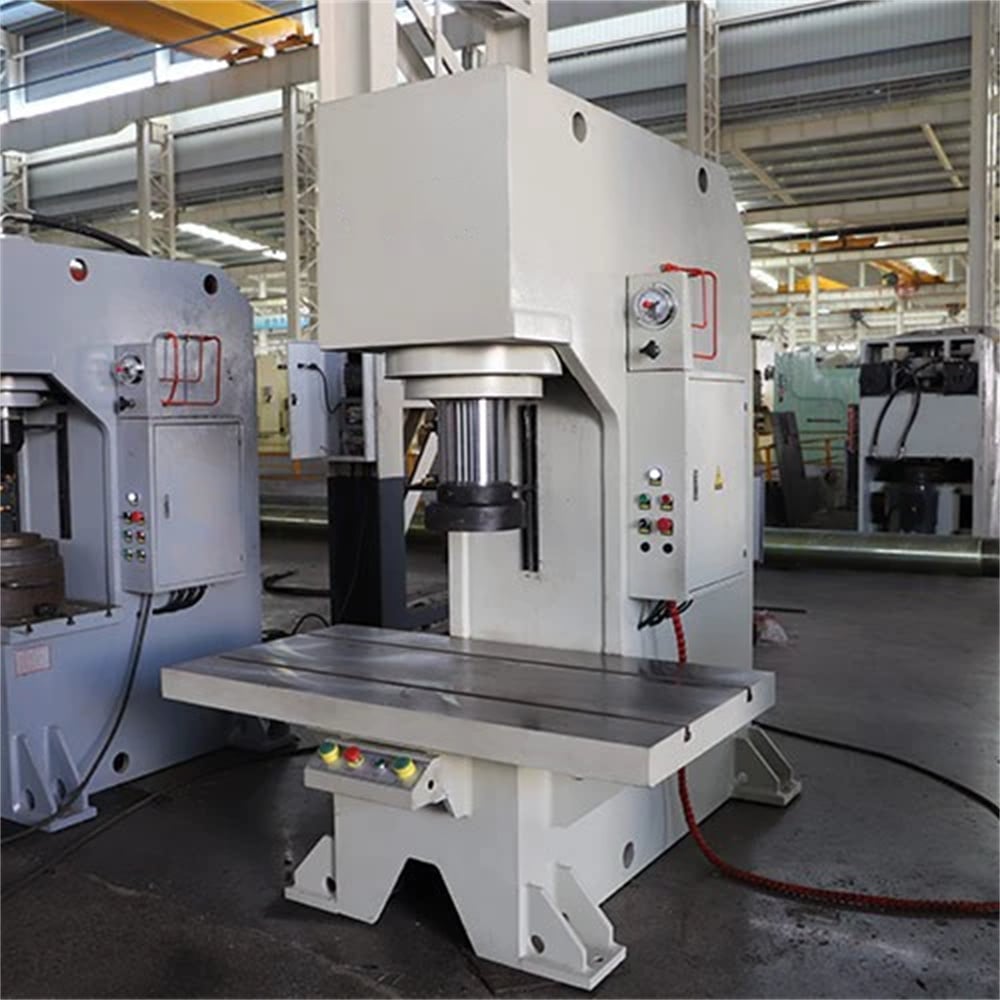
The control architecture is another technical marvel. Modern presses are equipped with high-speed PLCs and HMI (Human Machine Interface) touchscreens. These systems allow operators to store hundreds of different “recipes” or job profiles. When switching from one job to another, the operator simply selects the profile, and the machine automatically adjusts its stroke length, pressure settings, and speed. This reduces setup time from hours to minutes, a vital aspect of cutting downtime in metal fabrication a hydraulic press upgrade.
Furthermore, the integration of linear transducers provides sub-millimeter accuracy in ram positioning. This level of precision ensures that every part produced is identical, reducing the need for secondary operations or scrap rework. In many fabrication processes, the downtime isn’t just when the machine is off; it’s also the time spent fixing parts that were made incorrectly. By upgrading to a press with high-precision feedback loops, you eliminate this hidden downtime.
Cooling systems have also seen significant improvements. Older presses often suffered from overheating during high-cycle operations, requiring the machine to be stopped to let the oil cool down. Modern HARSLE presses feature high-efficiency heat exchangers and temperature-controlled cooling loops. This allows the machine to run 24/7 without the risk of thermal degradation of the hydraulic oil, which is essential for cutting downtime in metal fabrication with a hydraulic press upgrade in high-volume environments.
Comparison of Legacy vs. Modern Hydraulic Systems
| Feature | Legacy Hydraulic Press | Modern HARSLE Upgrade |
|---|---|---|
| Control System | Manual/Relay Logic | CNC / PLC with HMI Touchscreen |
| Drive System | Constant Speed Motor | Servo-Hydraulic Drive |
| Positioning Accuracy | +/- 0.5mm to 1.0mm | +/- 0.01mm |
| Energy Consumption | High (Continuous) | Low (On-demand) |
| Maintenance Needs | Reactive / Frequent Leaks | Predictive / Modular Design |
Selection Advice: Choosing the Right Press for Your Upgrade
Selecting the right machine is the most critical step in cutting downtime in metal fabrication with a hydraulic press upgrade. The first parameter to define is the required tonnage. It is a common mistake to buy a press that is exactly at the limit of your current needs. To ensure longevity and reduce stress on the machine components, it is often advisable to select a press with a capacity 20-30% higher than your maximum requirement. This “headroom” prevents the hydraulic system from constantly operating at peak pressure, which significantly extends the life of the pumps and valves.
Next, consider the bed size and daylight. As your business grows, you may take on larger projects. A press with a generous bed area and a long stroke provides the versatility needed to handle a wider range of dies. In the context of cutting downtime in metal fabrication a hydraulic press upgrade, versatility means you don’t have to move jobs between different machines, which reduces material handling time and the potential for logjams in the production flow.
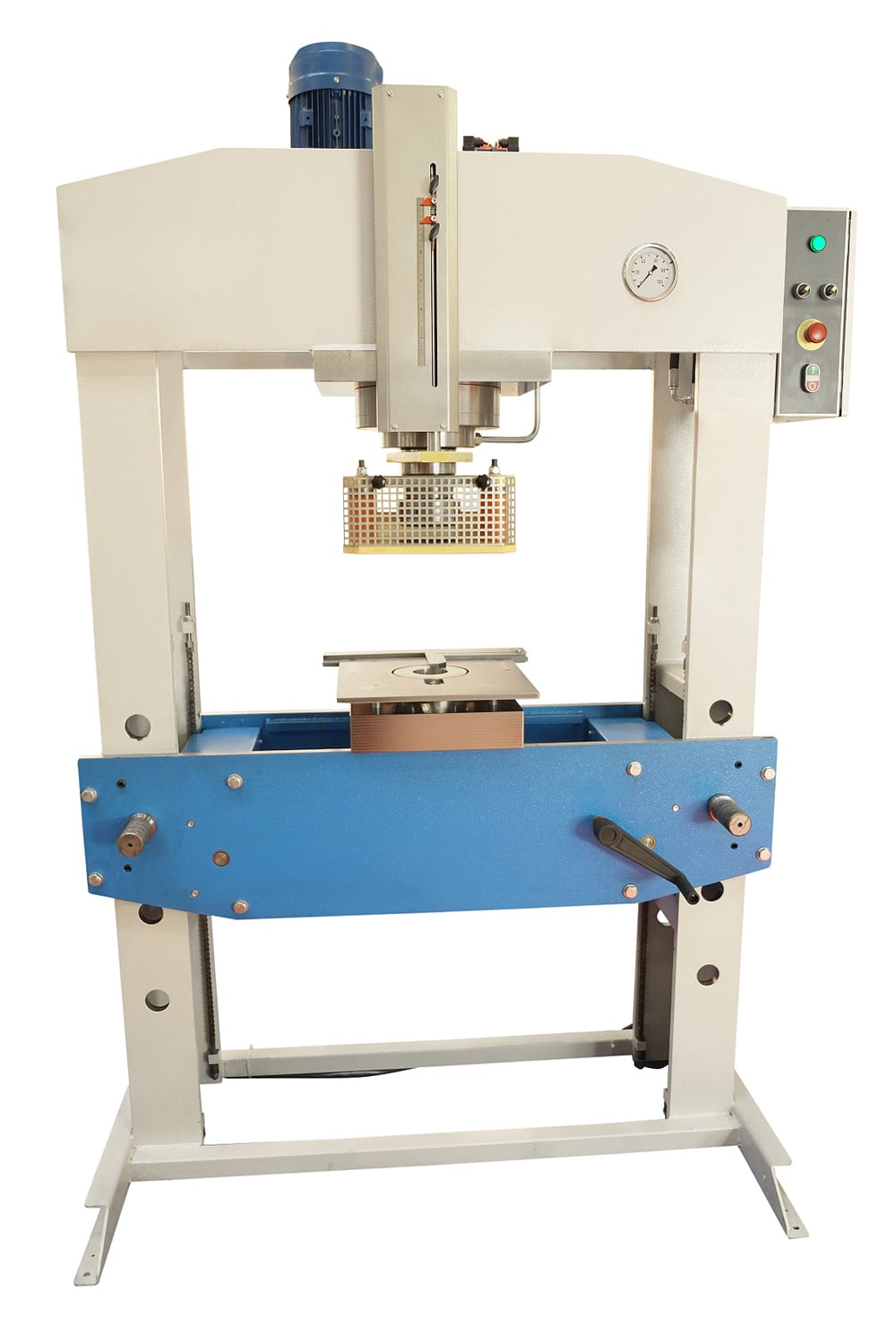
Speed is another factor that cannot be overlooked. Look for presses that offer “Rapid Approach,” “Pressing Speed,” and “Rapid Return” phases. The ability to move the ram quickly to the work zone and then transition smoothly to a controlled pressing speed is key to reducing cycle times. HARSLE presses are designed with optimized hydraulic manifolds that facilitate these fast transitions without causing mechanical vibration, further contributing to cutting downtime in metal fabrication with a hydraulic press upgrade.
Finally, evaluate the manufacturer’s support and parts availability. A machine is only as good as the support behind it. When cutting downtime in metal fabrication a hydraulic press upgrade, you want a partner like HARSLE that provides comprehensive documentation, readily available spare parts, and expert technical assistance. Choosing a well-known brand ensures that if a component does fail, you won’t be waiting weeks for a custom part to be manufactured and shipped from overseas.
Preventative Maintenance: The Secret to Zero Downtime
While cutting downtime in metal fabrication with a hydraulic press upgrade provides a fresh start, maintaining that efficiency requires a disciplined approach to preventative maintenance. Modern presses make this easier by providing digital logs of cycles and pressure spikes. A robust maintenance schedule should include regular oil analysis. Hydraulic oil is the lifeblood of the press; checking for particulate contamination or chemical breakdown can alert you to internal component wear long before a failure occurs.
Seal maintenance is another priority. Even the best seals have a finite lifespan. By replacing seals on a scheduled basis—rather than waiting for a leak—you avoid the mess and the emergency shutdown associated with a blown seal. This proactive replacement is a core strategy in cutting downtime in metal fabrication a hydraulic press upgrade. Additionally, checking the tightness of all hydraulic fittings and electrical connections every few months prevents the small vibrations of daily use from turning into major leaks or short circuits.
Training your operators is equally important. Many instances of downtime are caused by improper machine use, such as off-center loading or exceeding the rated tonnage. A modern HARSLE press includes built-in protections against these issues, but an educated operator who understands the machine’s limits is the best defense against accidental damage. Investing in training as part of your upgrade package is a highly effective way of cutting downtime in metal fabrication with a hydraulic press upgrade.
Frequently Asked Questions (FAQ)
1. How much downtime can I expect during the actual upgrade process?
The installation of a new HARSLE hydraulic press typically takes between 3 to 7 days, depending on the complexity of the system and the site preparation. However, this short-term pause is offset by the massive reduction in unplanned downtime over the following years. Proper planning and having the foundation ready can minimize this transition period.
2. Can I retrofit my old press instead of buying a new one?
While retrofitting with new valves and controls is possible, it often doesn’t address the structural fatigue of the frame or the wear on the main cylinder. For true long-term success in cutting downtime in metal fabrication with a hydraulic press upgrade, a full machine replacement is usually more cost-effective and reliable than a partial retrofit.
3. What is the typical ROI for a hydraulic press upgrade?
Most facilities see a Return on Investment (ROI) within 18 to 24 months. This is calculated based on energy savings (up to 50% with servo systems), reduced scrap rates, faster cycle times, and the elimination of emergency repair costs. The goal of cutting downtime in metal fabrication a hydraulic press upgrade is to make the machine a profit generator rather than a maintenance burden.
4. How do modern presses handle different materials like high-strength steel?
Modern presses feature programmable pressure curves. This allows the machine to apply force gradually or in stages, which is essential for forming high-strength alloys without cracking or springback. This flexibility is a key advantage of cutting downtime in metal fabrication with a hydraulic press upgrade, as it allows you to take on more complex jobs with confidence.
5. Are HARSLE presses compatible with Industry 4.0?
Yes, HARSLE’s latest models are designed with Industry 4.0 in mind. They feature Ethernet connectivity, allowing for remote monitoring and data collection. This data can be used to track OEE (Overall Equipment Effectiveness) and further refine your strategies for cutting downtime in metal fabrication a hydraulic press upgrade.
Conclusion: The Future of Your Fabrication Shop
Cutting downtime in metal fabrication with a hydraulic press upgrade is a transformative step for any manufacturing business. By moving away from the limitations of aging machinery and embracing the precision, efficiency, and reliability of modern HARSLE technology, you position your shop for sustainable growth. The reduction in energy costs, the improvement in part quality, and the peace of mind that comes with a reliable production line are invaluable assets in today’s competitive landscape.
As we have explored, the process involves careful consideration of technical specifications, a commitment to preventative maintenance, and a strategic selection of equipment that matches your production goals. Whether you are looking to increase your output, reduce your carbon footprint, or simply eliminate the headache of constant repairs, cutting downtime in metal fabrication a hydraulic press upgrade is the most effective solution. The initial investment is quickly recouped through enhanced productivity, making it one of the smartest moves a fabrication manager can make. Don’t let your machinery hold you back; upgrade to a modern hydraulic press and experience the difference that HARSLE engineering can make in your daily operations.