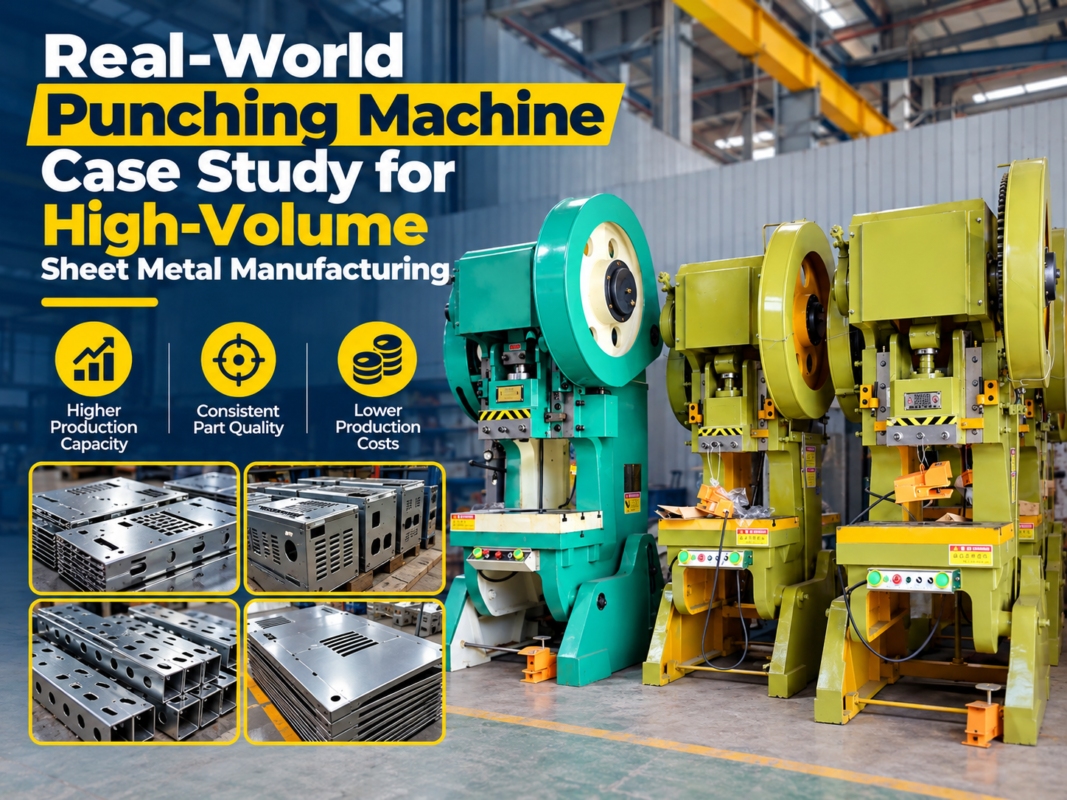
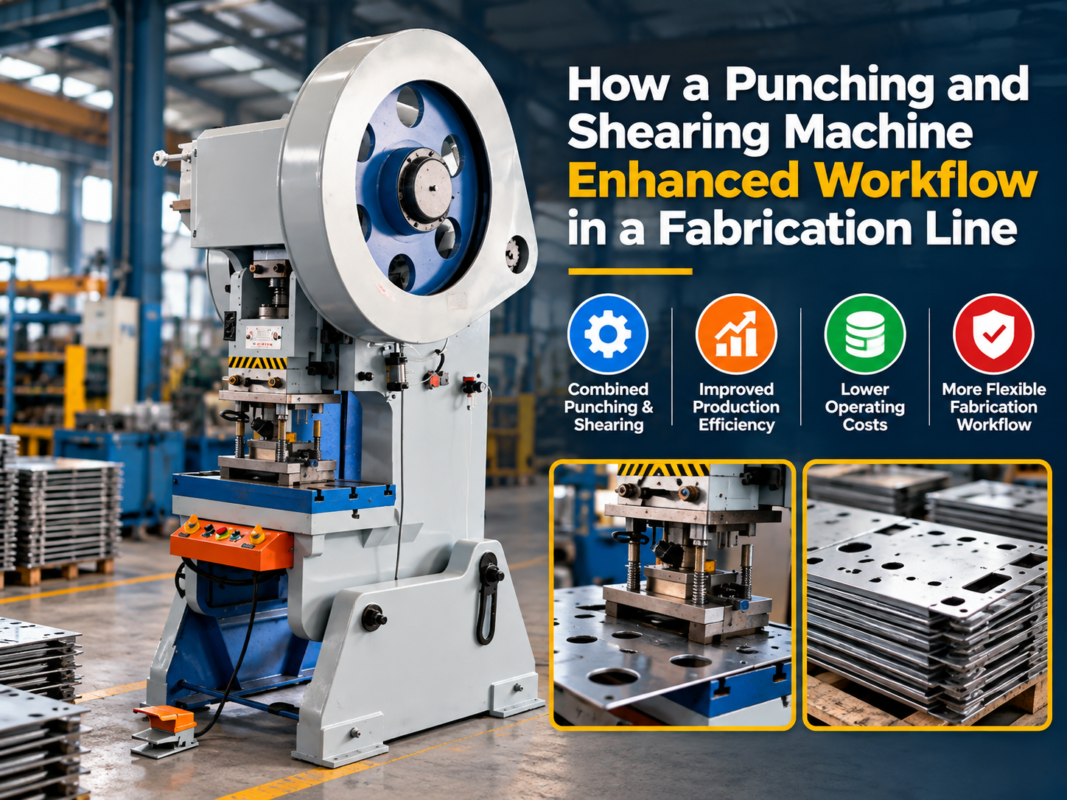
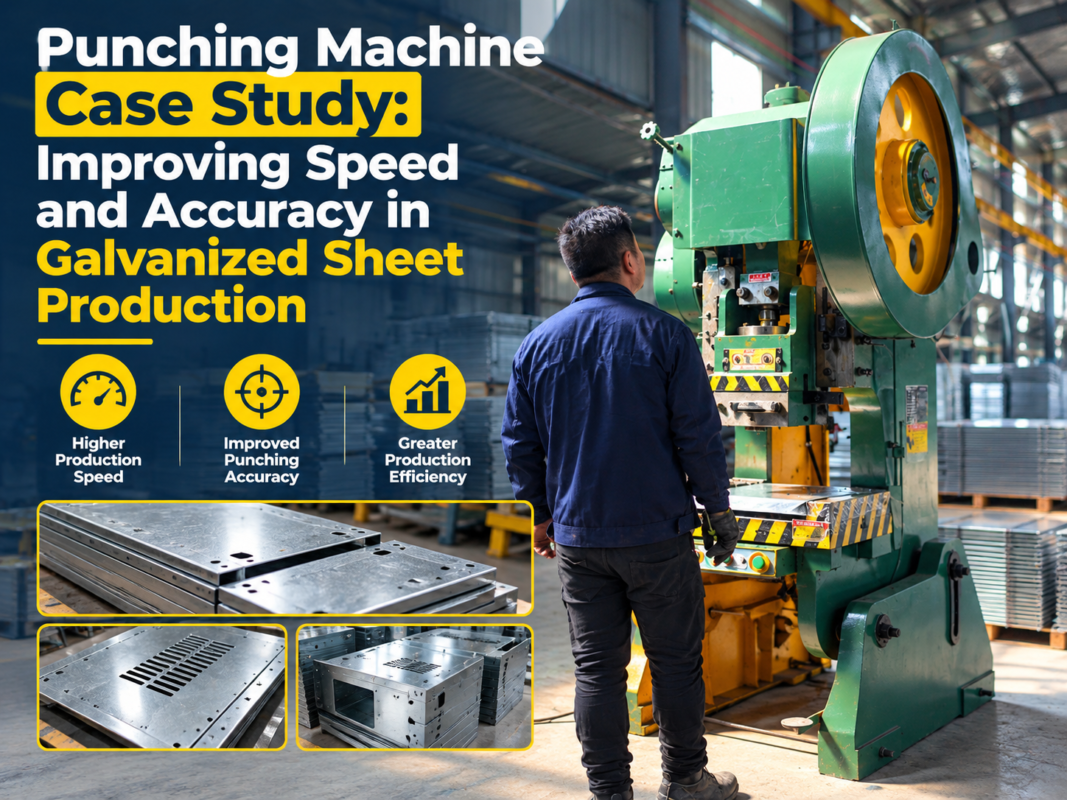
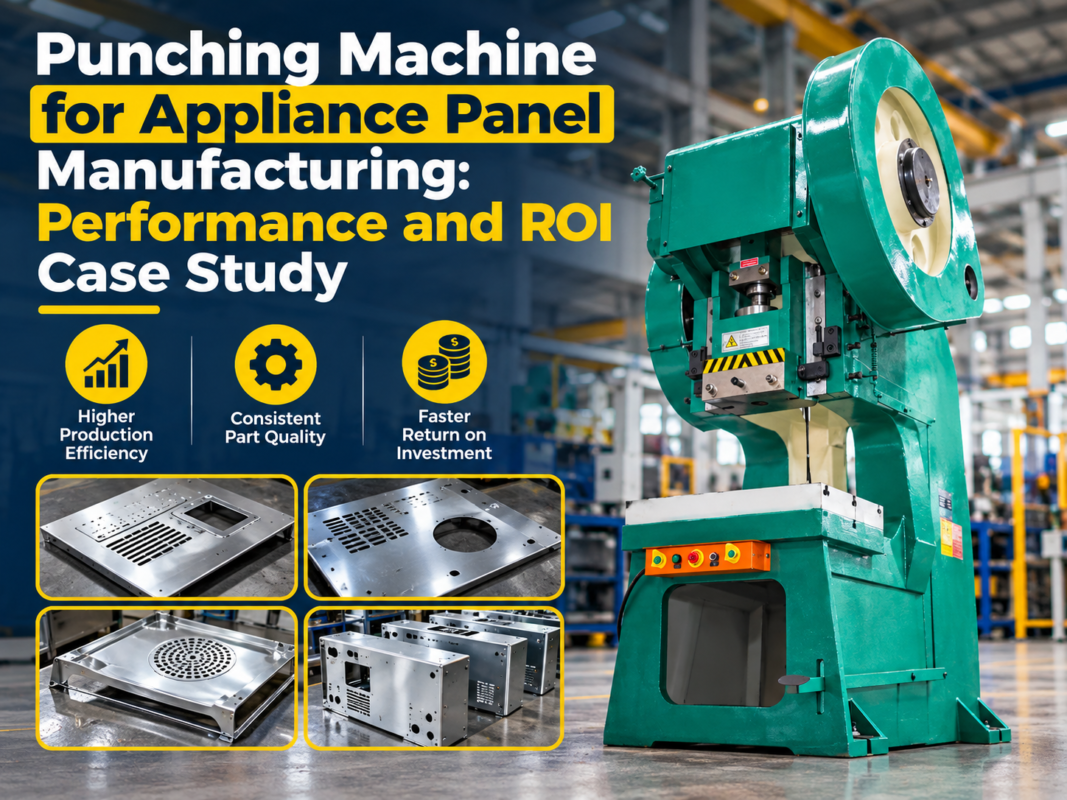
Hydraulic Press Case Study: Enhancing Productivity in Appliance Manufacturing


Introduction to Hydraulic Press Applications in Appliance Manufacturing
The global appliance manufacturing industry is currently undergoing a massive transformation. As consumer demand for high-efficiency, aesthetically pleasing, and durable household goods—such as refrigerators, washing machines, and ovens—continues to rise, manufacturers are under immense pressure to optimize their production lines. At the heart of this optimization lies the hydraulic press, a cornerstone of metal fabrication. This Hydraulic Press Case Study: Enhancing Productivity In Appliance Manufacturing explores how modern hydraulic technology, specifically from industry leaders like HARSLE, is revolutionizing the way appliances are built.
Hydraulic presses are favored in this sector due to their incredible versatility and power. Unlike mechanical presses, which have a fixed stroke, hydraulic presses offer full pressure throughout the entire stroke, making them ideal for deep drawing, blanking, and forming complex shapes. In the context of appliance manufacturing, where thin-gauge sheet metal must be transformed into rigid, precise enclosures and internal components, the hydraulic press provides the necessary control and consistency to minimize scrap and maximize output.
In this comprehensive guide, we will delve into a specific case study involving a mid-sized appliance manufacturer that transitioned from aging mechanical systems to advanced HARSLE hydraulic presses. We will analyze the technical improvements, the strategic considerations during the selection process, and the long-term productivity gains realized through this technological leap. By the end of this article, you will have a clear understanding of why the hydraulic press remains the preferred choice for high-volume metal forming in the 21st century.
Key Considerations for Appliance Production Lines
When integrating a hydraulic press into an appliance manufacturing environment, several critical factors must be considered to ensure the investment yields the highest possible return. The first consideration is the material being processed. Most appliances utilize cold-rolled steel, stainless steel, or aluminum. Each of these materials reacts differently under pressure. For instance, stainless steel requires higher tonnage and more precise speed control to prevent work hardening and surface defects. A well-designed hydraulic press allows for fine-tuning these parameters, ensuring that every part meets strict quality standards.
Another vital consideration is the complexity of the parts. Modern appliances often feature ergonomic curves and seamless joints, which require deep drawing capabilities. Deep drawing is a process where a metal sheet is pulled into a die by a mechanical punch, forming a hollow shape. The hydraulic press is uniquely suited for this because it can maintain a constant pressure on the blank holder, preventing wrinkles and tears in the metal. This level of control is essential for producing high-quality refrigerator doors, washing machine drums, and oven cavities.
Energy efficiency and cycle times are also at the forefront of modern manufacturing concerns. Older hydraulic systems were often criticized for their high energy consumption and slow cycle speeds. However, modern HARSLE presses utilize servo-motor driven pumps and advanced hydraulic circuits that only consume power when the press is in motion. This not only reduces the carbon footprint of the factory but also significantly lowers operational costs. Furthermore, rapid-advance and rapid-return speeds have been optimized to ensure that the press can keep up with high-speed assembly lines.
Finally, the integration of safety and automation cannot be overlooked. In a high-volume appliance plant, the press must be capable of working in tandem with robotic loaders and unloaders. This requires a sophisticated control system that can communicate with external PLC networks. Safety features such as light curtains, dual-hand controls, and hydraulic interlocking valves are non-negotiable requirements to protect operators and comply with international safety standards like CE and OSHA.
Technical Details of Modern Hydraulic Presses
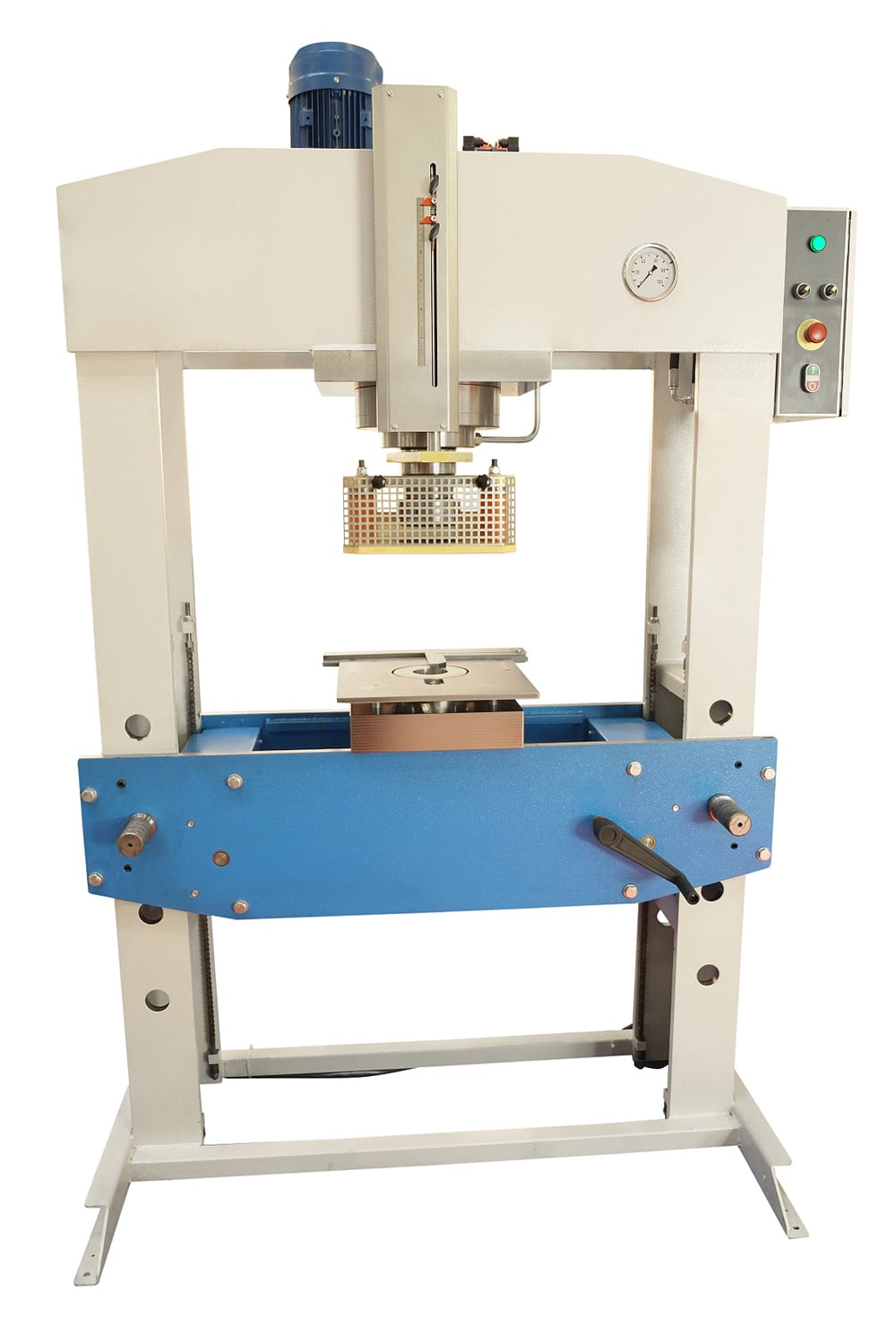
The technical architecture of a hydraulic press determines its capability and reliability. For appliance manufacturing, the H-frame (or four-column) design is most common due to its superior rigidity and even distribution of pressure. A rigid frame is essential because any deflection during the pressing cycle can lead to part inaccuracies and premature tool wear. HARSLE’s four-column presses are engineered with high-tensile steel and precision-ground columns to ensure perfect alignment between the upper and lower bolsters.
Hydraulic Circuitry and Control Systems
The “brain” of the hydraulic press is its control system. Modern units feature PLC (Programmable Logic Controller) systems with touch-screen HMI (Human Machine Interface). These systems allow operators to store hundreds of different “recipes” or part profiles. For an appliance manufacturer producing multiple models on the same line, this means changeover times are reduced from hours to minutes. The operator simply selects the correct program, and the press automatically adjusts its stroke length, pressure, and speed.
The hydraulic circuit itself has seen significant advancements. Proportional valve technology allows for the precise control of oil flow and pressure. This is particularly important during the “dwell” phase of a cycle, where the press must hold a specific pressure for a set amount of time to allow the metal to set. Additionally, integrated cooling systems ensure that the hydraulic oil remains at an optimal temperature, preventing viscosity changes that could affect the accuracy of the press during long production shifts.
Tonnage and Bed Size Specifications
In the appliance industry, tonnage requirements typically range from 100 tons for small components to over 2,000 tons for large panels like refrigerator sides. The bed size must be large enough to accommodate the dies, but also designed to handle off-center loading, which is common in complex forming operations. HARSLE presses are often customized with oversized bolsters and reinforced beds to provide the flexibility needed for a wide range of appliance parts.
Selection Advice: Choosing the Right Press for Your Facility
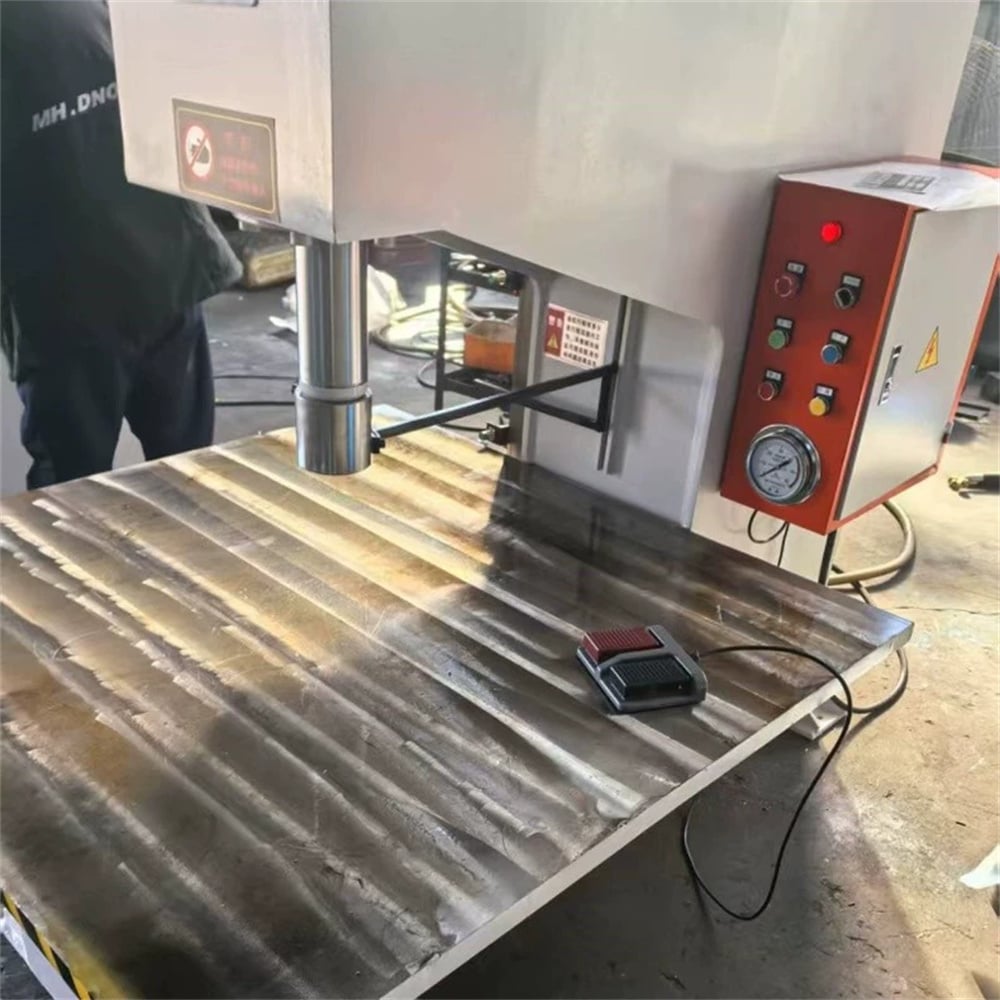
Selecting the right hydraulic press is a strategic decision that impacts the next 15 to 20 years of production. The first step in the selection process is a thorough analysis of the parts to be produced. Manufacturers should calculate the maximum tonnage required by considering the material thickness, tensile strength, and the total perimeter of the cut or form. It is always advisable to select a press with a capacity 20-25% higher than the maximum calculated requirement to reduce strain on the machine and allow for future product design changes.
Next, consider the stroke and daylight requirements. “Daylight” refers to the maximum distance between the bed and the ram when the press is fully open. For deep-drawn appliance parts, such as a deep sink or a large washing machine tub, a significant amount of daylight and a long stroke are necessary to remove the finished part from the die. If the daylight is too small, operators will struggle to clear the parts, leading to increased cycle times and potential safety hazards.
Another critical factor is the type of hydraulic oil and filtration system used. Clean oil is the lifeblood of a hydraulic press. Systems equipped with high-efficiency filters and oil condition monitoring sensors will experience significantly less downtime. When evaluating suppliers, ask about the accessibility of maintenance points. A machine that is easy to service will always have a higher uptime than one where filters and valves are buried deep within the frame.
Finally, evaluate the supplier’s support and customization capabilities. Appliance manufacturing often requires unique solutions, such as integrated die cushions for deep drawing or moving bolsters for quick die changes. A manufacturer like HARSLE, which offers bespoke engineering services, can provide a machine tailored specifically to your production flow rather than a generic off-the-shelf model. This customization is often the difference between a standard production line and a world-class manufacturing facility.
Case Study: Enhancing Productivity in a Washing Machine Plant
To illustrate the impact of these machines, let’s look at a real-world scenario. A leading washing machine manufacturer was struggling with high reject rates and slow production on their outer drum line. They were using older mechanical presses that lacked the pressure control needed for the new, thinner-gauge high-strength steel they had adopted to reduce weight. The mechanical presses were causing “springback” issues, where the metal would not hold its shape after being formed.
After consulting with HARSLE, the company replaced two mechanical presses with a single 1000-ton HARSLE Four-Column Hydraulic Press equipped with a CNC-controlled die cushion. The results were immediate. The hydraulic press’s ability to maintain constant pressure during the draw eliminated the springback issue, reducing the reject rate from 4.5% to less than 0.5%. Furthermore, the integrated die cushion allowed for a deeper draw in a single hit, eliminating a secondary forming process that was previously required.
In terms of productivity, the new system was integrated with an automated sheet feeder. Because the hydraulic press could communicate directly with the feeder’s PLC, the entire cell operated with minimal human intervention. The cycle time per part was reduced by 15%, and the energy consumption of the line dropped by 22% due to the servo-hydraulic drive system. This case study proves that the right hydraulic press doesn’t just form metal; it transforms the entire economic profile of a production line.
Frequently Asked Questions (FAQ)
1. What are the main advantages of a hydraulic press over a mechanical press in appliance manufacturing?
Hydraulic presses offer full tonnage throughout the entire stroke, adjustable stroke lengths, and precise pressure control. This makes them far superior for deep drawing and forming complex shapes common in appliances. Mechanical presses are faster for simple blanking but lack the flexibility and control required for modern appliance designs.
2. How often does a hydraulic press require maintenance?
Routine maintenance, such as checking oil levels and filter status, should be done weekly. A comprehensive inspection of seals, valves, and electrical components should occur every six months. Modern HARSLE presses often include self-diagnostic software that alerts operators to maintenance needs before they cause a breakdown.
3. Can a hydraulic press be integrated into an Industry 4.0 environment?
Yes, absolutely. Modern hydraulic presses are equipped with sensors and PLC systems that can export data regarding pressure, temperature, cycle times, and energy usage. This data can be integrated into a factory-wide MES (Manufacturing Execution System) for real-time monitoring and predictive maintenance.
4. What is a die cushion, and why is it important for appliances?
A die cushion is a hydraulic or pneumatic cylinder located under the press bed. It provides upward pressure against the blank during the drawing process. This is crucial for appliance parts like sinks or dryer drums because it controls the flow of metal into the die, preventing wrinkles and ensuring uniform wall thickness.
5. How do I determine the tonnage I need for my appliance parts?
Tonnage is calculated based on the material type, thickness, and the geometry of the part. For example, the formula for blanking is: Tonnage = Perimeter x Thickness x Shear Strength. For forming and drawing, the calculation is more complex and usually requires simulation software or consultation with the press manufacturer.
Conclusion: The Future of Appliance Manufacturing with HARSLE
As we have seen in this Hydraulic Press Case Study: Enhancing Productivity In Appliance Manufacturing, the role of the hydraulic press is more critical than ever. The transition from traditional mechanical systems to advanced, controlled, and energy-efficient hydraulic technology is no longer a luxury—it is a necessity for staying competitive in a global market. By providing the precision needed for complex designs and the reliability required for 24/7 production, HARSLE hydraulic presses are empowering manufacturers to push the boundaries of what is possible in appliance design.
Investing in a high-quality hydraulic press is an investment in the future of your facility. Whether you are producing small components or large structural panels, the benefits of increased accuracy, reduced waste, and lower energy costs will quickly manifest in your bottom line. As technology continues to evolve, HARSLE remains committed to leading the way, providing the metal fabrication industry with the tools it needs to succeed in an increasingly demanding landscape. If you are looking to enhance your productivity, there is no better place to start than with a HARSLE hydraulic press.