Top Applications of Shearing Machines in Modern Metalworking Workshops


Introduction to Shearing Machines in Modern Industry
In the fast-paced world of industrial manufacturing, precision and efficiency are the cornerstones of success. Among the most vital tools in any fabrication facility is the shearing machine. These robust pieces of equipment are designed to cut sheet metal with extreme accuracy, providing the foundational pieces for countless products we use every day. From the automotive sector to the construction of massive seafaring vessels, the top applications of shearing machines in modern metalworking workshops are as diverse as they are essential.
At HARSLE, we understand that a shearing machine is more than just a cutter; it is a gateway to high-quality production. Whether it is a hydraulic swing beam shear or a high-precision CNC guillotine shear, these machines allow workshops to transform raw metal plates into usable components. The evolution of shearing technology has moved from manual, labor-intensive processes to highly automated systems that integrate seamlessly into modern production lines. This transition has not only increased output but has also significantly improved the safety and consistency of the metalworking process.
The primary function of a shearing machine involves the use of two blades—one fixed and one moving—to apply a shearing force to a metal plate. This process, known as die-less cutting, is preferred for straight-line cuts because it produces clean edges with minimal waste. As we delve deeper into the specific applications and technical nuances of these machines, it becomes clear why they remain a staple in workshops worldwide. This guide will explore the critical roles these machines play, the technical factors that dictate their performance, and how to select the right equipment for your specific industrial needs.
Key Considerations for Shearing Operations
Before exploring the specific applications, it is crucial to understand the factors that influence the success of a shearing operation. The first and most important consideration is the material type and its mechanical properties. Different metals, such as stainless steel, aluminum, and carbon steel, have varying levels of tensile strength and hardness. A machine designed for mild steel may struggle or suffer damage if used to cut high-strength alloys without proper adjustment. Understanding the ‘shearability’ of the material ensures that the machine operates within its designed limits, preventing premature wear on the blades and hydraulic components.
Another vital consideration is the thickness of the material. Shearing machines are rated based on the maximum thickness they can handle at a specific tensile strength. Attempting to cut material thicker than the machine’s capacity can lead to structural failure or catastrophic hydraulic issues. Conversely, cutting very thin materials on a heavy-duty machine requires precise adjustment of the blade gap. If the gap is too wide, the metal will bend or ‘burr’ rather than cut cleanly. Modern CNC shearing machines often feature automatic blade gap adjustment, which calculates the optimal distance based on the material parameters entered by the operator.
Accuracy and repeatability are also paramount in modern workshops. In industries like aerospace or electronics, even a fraction of a millimeter can result in a rejected part. This is where the backgauge system comes into play. A high-quality backgauge, often driven by servo motors, ensures that every piece of metal is positioned identically before the cut. Furthermore, the rake angle—the angle of the upper blade relative to the lower blade—must be considered. A higher rake angle reduces the force required to cut but can increase the twist or distortion in the cut piece. Balancing these factors is a daily task for skilled metalworkers.
Technical Details: How Shearing Machines Work
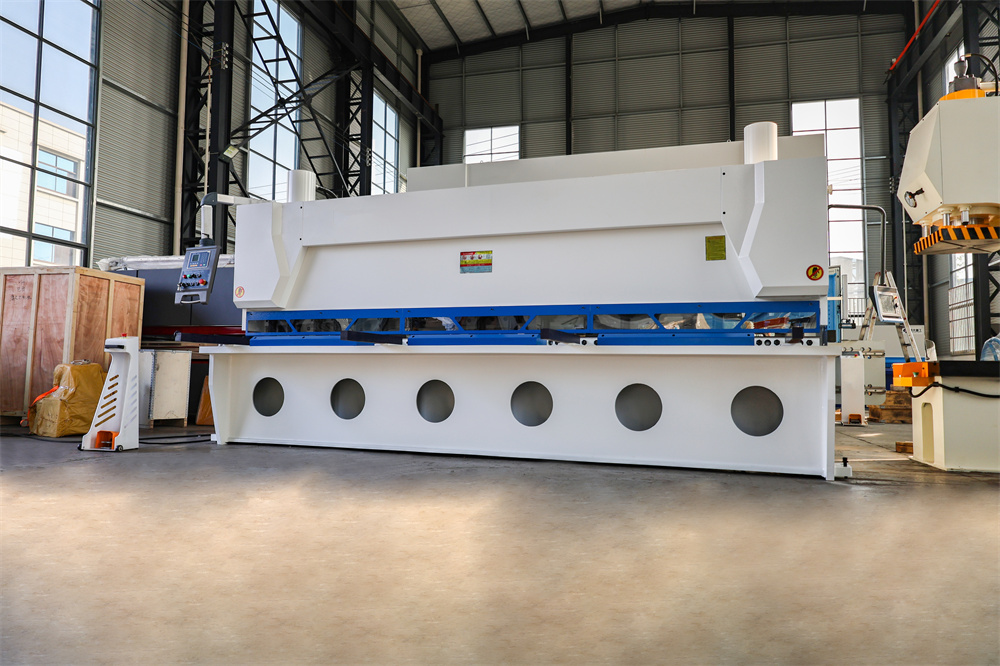
The mechanics of a shearing machine are a masterclass in industrial engineering. Most modern workshops utilize hydraulic shearing machines, which are categorized into two main types: swing beam and guillotine. The swing beam shear (often designated as the QC12Y series) uses a pivoting motion for the upper blade. This design is robust and relatively simple to maintain, making it a favorite for general-purpose workshops. The guillotine shear (QC11Y series), on the other hand, moves the upper blade in a strictly vertical path. This allows for adjustable rake angles and generally provides higher precision for thicker materials.
The heart of the machine lies in its hydraulic system. High-pressure pumps deliver oil to the cylinders, which drive the ram downward. The synchronization of these cylinders is critical; if one side moves faster than the other, the cut will be uneven. Advanced HARSLE machines utilize integrated hydraulic valve blocks from reputable brands like Rexroth or Hoerbiger to ensure smooth and reliable operation. These systems also include safety features like pressure relief valves to protect the machine from overloads during heavy-duty cutting cycles.
Control systems have also seen significant advancements. While basic machines might use simple digital readouts (DRO), modern high-end shears are equipped with CNC controllers like the Delem DAC-360T or the Cybelec CybTouch series. These controllers manage the backgauge position, blade gap, stroke length, and rake angle. By storing programs for different materials and thicknesses, operators can switch between jobs in seconds, drastically reducing setup time. This level of automation is what defines the top applications of shearing machines in modern metalworking workshops, where time is literally money.
Top Applications of Shearing Machines in Modern Metalworking Workshops
1. Automotive Industry
The automotive sector is perhaps the largest consumer of sheared metal components. From the heavy-duty frames of trucks to the delicate body panels of passenger cars, shearing machines are used to prep the blanks that will later be stamped or formed. Precision is non-negotiable here; if a blank is not cut to the exact dimensions, it will not fit correctly in the stamping die, leading to production delays and wasted material. Shearing machines are also used to produce internal brackets, reinforcements, and heat shields.
2. Construction and Infrastructure
In the construction world, shearing machines are used to create everything from roofing panels to structural gussets. Galvanized steel and aluminum are frequently processed for use in building envelopes. The ability to cut long sheets of metal (often up to 6 meters or more) is essential for producing siding and decking. Furthermore, infrastructure projects like bridges and highways require heavy-duty steel plates that must be sheared to size before being welded into larger assemblies.

3. HVAC and Ductwork Manufacturing
Heating, Ventilation, and Air Conditioning (HVAC) systems rely heavily on thin-gauge sheet metal. Shearing machines are used to cut the large sheets of galvanized steel into the specific widths needed for ductwork, plenums, and air handlers. Because HVAC components are often produced in high volumes, the speed and repeatability of a CNC shearing machine are invaluable. The clean edges produced by shearing also make the subsequent folding and seaming processes much easier and more airtight.
4. Aerospace and Defense
The aerospace industry requires the processing of specialized materials like titanium, high-strength aluminum alloys, and stainless steel. Shearing machines in this sector must be capable of extreme precision and must not introduce contaminants or excessive heat into the material. These machines are used to create skin panels for aircraft, internal structural ribs, and components for defense equipment. The reliability of the cut ensures that the structural integrity of the aircraft is maintained throughout its service life.
5. Shipbuilding and Heavy Engineering
Shipyards deal with some of the largest and thickest metal plates in the world. Heavy-duty hydraulic guillotine shears are used to cut these plates for hull sections, bulkheads, and deck plating. In these applications, the machine’s ability to handle high-tensile steel over long cutting lengths is the primary requirement. The shearing process is often the first step in a long fabrication chain that involves massive welding robots and heavy-duty rolling machines.
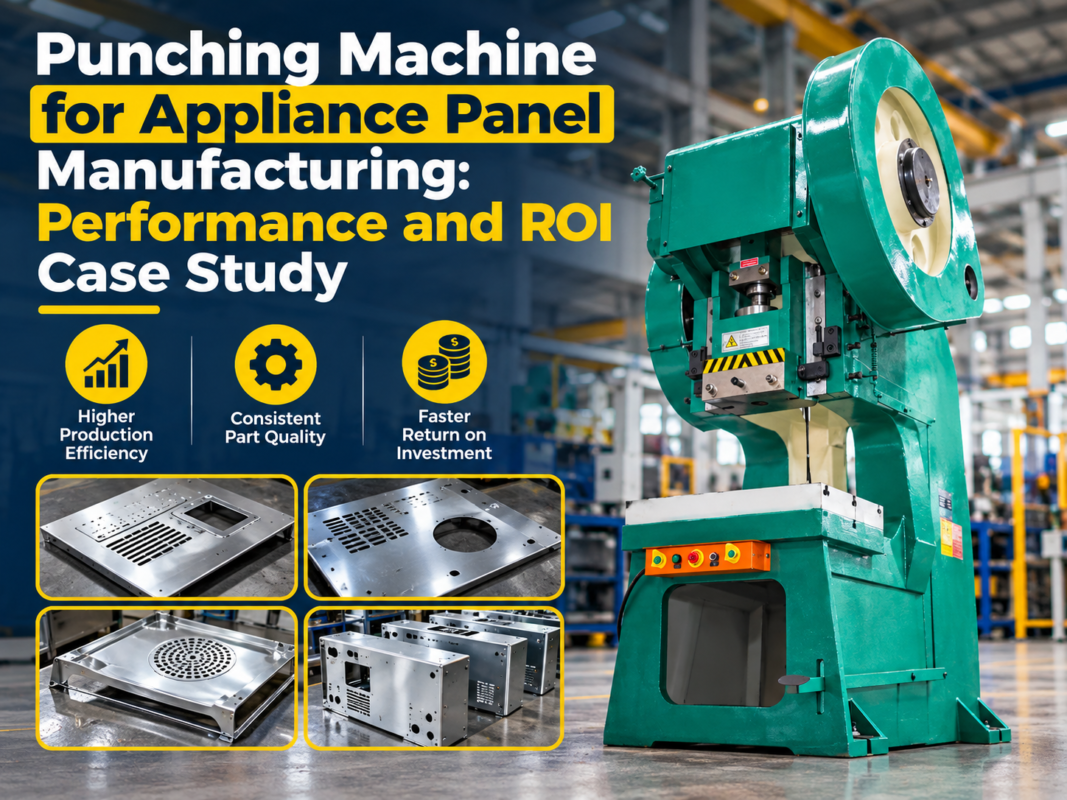
6. Appliance Manufacturing
Your refrigerator, washing machine, and oven all started as flat sheets of metal. Shearing machines are used to cut the outer casings and internal structural components of these appliances. Because these products are consumer-facing, the finish of the cut is vital. Any burrs or sharp edges must be minimized to ensure safety and a high-quality aesthetic finish. High-speed shearing lines are often integrated with decoilers and levelers to process metal directly from large rolls.
Selection Advice: Choosing the Right Shearing Machine
Selecting the right shearing machine for your workshop requires a careful analysis of your current and future production needs. The first step is to define your maximum material thickness and maximum cutting length. It is always advisable to choose a machine with a capacity slightly higher than your thickest material to avoid running the machine at its absolute limit, which can shorten its lifespan. For example, if you primarily cut 6mm mild steel, an 8mm capacity machine provides a healthy safety margin.
Next, consider the level of automation required. If your workshop handles a wide variety of small-batch jobs, a CNC-controlled machine with automatic blade gap and rake angle adjustment will pay for itself in saved setup time. However, if you are performing the same cut on the same material all day, a simpler hydraulic swing beam shear with a manual or basic digital backgauge might be more cost-effective. Additionally, look at the quality of the blades. High-carbon, high-chrome blades are essential for cutting stainless steel and will stay sharp much longer than standard blades.
Don’t overlook the importance of after-sales support and spare parts availability. A shearing machine is a long-term investment, and you need to ensure that you can get replacement blades, seals, and electronic components quickly. HARSLE provides comprehensive support and uses globally recognized components to ensure that maintenance is straightforward. Finally, consider safety features such as light curtains, rear safety fences, and emergency stop buttons. A safe workshop is a productive workshop, and modern shearing machines should comply with all local safety regulations.
Frequently Asked Questions (FAQ)
What is the difference between a swing beam and a guillotine shear?
A swing beam shear uses a curved motion for the upper blade, pivoting on a point. It is simpler and more robust. A guillotine shear moves the upper blade vertically, allowing for adjustable rake angles, which reduces distortion in the cut piece and is generally better for thicker materials.
How often should shearing machine blades be sharpened?
The frequency of sharpening depends on the material being cut and the volume of production. Cutting stainless steel will dull blades much faster than mild steel. Generally, you should inspect blades every few months. Most blades have four cutting edges; when one edge is dull, you can flip the blade to a fresh edge before needing a full regrind.
Can a shearing machine cut materials other than metal?
While designed for metal, shearing machines can cut some plastics and composites. However, this must be done with caution as some materials may shatter or gum up the blades. Always consult the manufacturer before attempting to cut non-metallic materials.
What causes ‘burring’ during the shearing process?
Burring is usually caused by an incorrect blade gap. If the gap is too wide, the metal is pushed down between the blades rather than being cut. It can also be caused by dull blades. Ensuring the blade gap is correctly set for the material thickness is the best way to prevent burrs.
Is CNC control necessary for a shearing machine?
It is not strictly necessary for basic operations, but it significantly increases efficiency for complex jobs. CNC controls allow for rapid setup, automatic calculations, and higher precision, making them ideal for modern, high-output workshops.
Conclusion
The top applications of shearing machines in modern metalworking workshops demonstrate just how integral these machines are to the global manufacturing landscape. Whether it is the precision required for aerospace components or the sheer power needed for shipbuilding, shearing machines provide the essential first step in the fabrication process. By understanding the technical nuances of these machines—from hydraulic systems to CNC controls—workshop owners can make informed decisions that enhance their production capabilities.
As technology continues to advance, we can expect to see even greater integration of AI and IoT in shearing operations, further optimizing material usage and predicting maintenance needs before breakdowns occur. At HARSLE, we remain committed to leading this evolution, providing our clients with the tools they need to stay competitive in an ever-changing market. Investing in a high-quality shearing machine is not just a purchase; it is an investment in the future of your workshop’s productivity and precision.