Top Questions About Shearing Machine Prices Answered for Buyers


Introduction to Shearing Machine Investment
Investing in a shearing machine is a pivotal decision for any metal fabrication business. Whether you are upgrading an existing workshop or setting up a new production line, understanding the financial landscape is crucial. The market for shearing machines is vast, ranging from simple manual tools to highly sophisticated CNC-controlled guillotine shears. For many buyers, the primary concern is the price, but the “price” of a machine is much more than the initial invoice amount. It encompasses the technology, the capacity, the long-term operational costs, and the potential return on investment (ROI).
At HARSLE, we understand that buyers often feel overwhelmed by the variety of options and the fluctuating price points in the global market. This guide is designed to address the Top Questions About Shearing Machine Prices Answered Buyers need to know before making a commitment. We will break down the cost structures, explore what drives the price up or down, and provide a clear roadmap for calculating the true value of your purchase. By the end of this article, you will have a comprehensive understanding of how to budget for a shearing machine that meets your technical requirements without overspending.
Price Range Overview: What to Expect
The price of a shearing machine varies significantly based on its type, capacity, and level of automation. Generally, the market can be divided into three main categories: entry-level/manual, mid-range hydraulic (NC), and high-end CNC guillotine shears. Understanding these brackets helps buyers align their expectations with their budget.
Entry-level machines, often manual or small electric foot-operated shears, typically range from $2,000 to $7,000. These are suitable for thin gauge materials and low-volume hobbyist or small repair shop work. However, for industrial applications, hydraulic machines are the standard. A standard hydraulic swing beam shearing machine (NC controlled) usually starts around $8,000 and can go up to $25,000 depending on the cutting length (e.g., 2500mm to 4000mm) and thickness capacity (e.g., 4mm to 12mm).
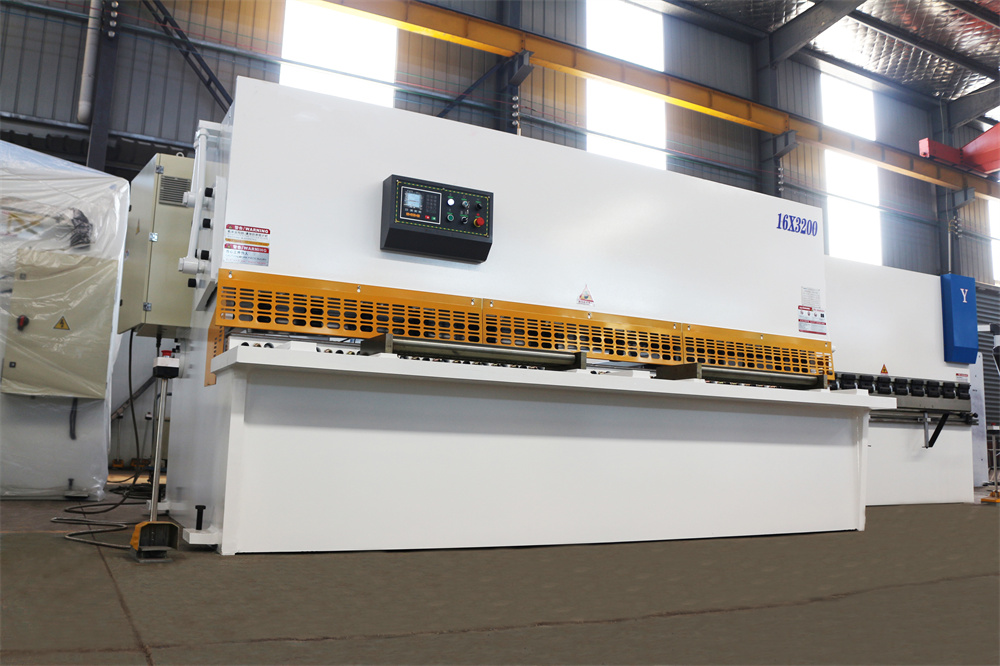
For high-precision and high-volume environments, CNC guillotine shearing machines are the preferred choice. These machines offer advanced features like automatic blade gap adjustment and programmable backgauges. Prices for these units typically start at $30,000 and can exceed $100,000 for heavy-duty models capable of cutting 25mm thick steel or longer plates exceeding 6 meters. The following table provides a rough estimate of price ranges based on machine type:
| Machine Type | Typical Capacity | Estimated Price Range (USD) |
|---|---|---|
| Manual/Mechanical Shear | 1mm – 3mm | $1,500 – $6,000 |
| Hydraulic Swing Beam (NC) | 4mm – 16mm | $8,000 – $35,000 |
| Hydraulic Guillotine (NC/CNC) | 6mm – 25mm+ | $25,000 – $85,000 |
| Heavy-Duty Custom Shears | 30mm+ / 6m+ Length | $100,000+ |
Main Cost Drivers: Why Do Prices Vary?
When searching for Top Questions About Shearing Machine Prices Answered Buyers often ask why two machines that look similar have a $10,000 price difference. The answer lies in the internal components and the build quality. The first major driver is the cutting capacity. The force required to shear a 12mm plate is significantly higher than that for a 6mm plate, requiring larger hydraulic cylinders, a more robust frame, and a more powerful motor.
The quality of materials used in the frame construction is another critical factor. A machine built with high-tensile, stress-relieved steel will maintain its accuracy over decades, whereas a cheaper, lighter frame may flex under pressure, leading to inaccurate cuts and premature blade wear. Furthermore, the brand of the hydraulic and electrical components plays a massive role. Machines equipped with world-class components from brands like Bosch Rexroth, Schneider Electric, and Siemens command a higher price because they offer better reliability and easier sourcing of spare parts globally.
Lastly, the cutting length dictates the physical size of the machine. A 6-meter shear requires a much larger footprint and more complex engineering to ensure the blade remains perfectly straight across the entire span. As the length increases, the price scales exponentially rather than linearly due to the logistical and structural challenges involved in manufacturing and transporting such large equipment.
Configuration Impact: CNC vs. NC Control
The “brain” of the shearing machine—the controller—is a significant contributor to the final price. Most modern buyers choose between NC (Numerical Control) and CNC (Computer Numerical Control). An NC controller, such as the popular E21S, manages the backgauge position and provides basic stroke counting. It is cost-effective and sufficient for shops that perform repetitive cuts of the same size.
However, moving to a CNC system like the DELEM DAC-310 or DAC-360 increases the price but adds immense value. CNC systems can automatically calculate and adjust the blade gap and the rake angle based on the material type and thickness entered by the operator. This automation reduces human error, prevents damage to the blades, and ensures a cleaner cut with less distortion. For businesses handling a wide variety of materials throughout the day, the time saved by a CNC system can justify an additional $3,000 to $8,000 in the initial purchase price.
Other configuration options that impact price include:
- Pneumatic Rear Support: Essential for thin sheets to prevent sagging before the cut.
- Blade Material: High-chrome, high-carbon blades for cutting stainless steel cost more than standard blades.
- Safety Features: Light curtains and laser protection systems add to the cost but are mandatory in many regions for operator safety.
- Front Feed Systems: Automatic loading systems for high-speed production environments.
Hidden Costs: Beyond the Sticker Price
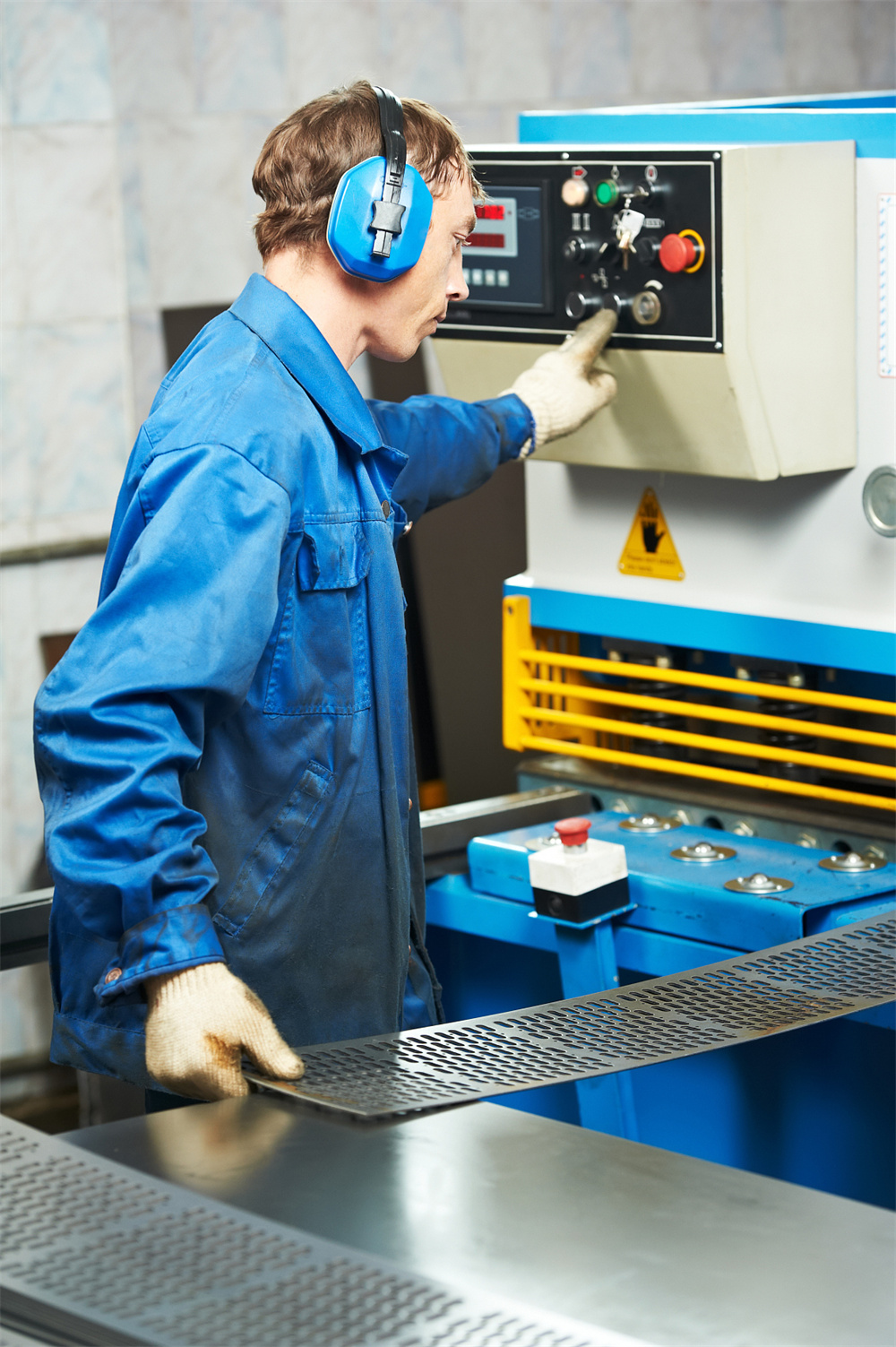
One of the most important Top Questions About Shearing Machine Prices Answered Buyers should consider is: “What else will I have to pay for?” The purchase price is just the beginning. Shipping and logistics are major hidden costs, especially for international purchases. A shearing machine is a heavy, oversized item that requires specialized sea freight, flat-rack containers, or heavy-duty trucking. Depending on your location, shipping can add $2,000 to $10,000 to your total cost.
Installation and commissioning are also vital. While some buyers attempt to set up the machine themselves, hiring a professional technician ensures the machine is leveled correctly and the hydraulic system is purged of air. Improper installation can lead to immediate mechanical failure. Additionally, you must account for the hydraulic oil. A large shear might require 200 to 600 liters of high-grade hydraulic oil, which is a significant upfront expense.
Don’t forget about training and maintenance. Your staff needs to know how to operate the controller and perform daily maintenance like greasing and checking bolt tightness. Long-term costs include blade sharpening or replacement. A set of blades can last several years with proper care, but cutting hard materials or improper blade gap settings will shorten their lifespan, leading to a replacement cost of $1,000 to $5,000 depending on the length.
ROI Calculation: Justifying the Investment
To determine if a shearing machine price is “fair,” you must calculate the Return on Investment (ROI). A more expensive, faster machine might actually be cheaper in the long run if it reduces labor costs and material waste. For example, if a CNC guillotine shear saves an operator 10 minutes of setup time per hour compared to a manual machine, and your labor cost is $30/hour, you save $5 per hour. Over a 2,000-hour work year, that is $10,000 in labor savings alone.
Furthermore, accuracy plays a role in ROI. If a cheaper machine produces a 2% scrap rate due to inaccurate cuts, and you process $500,000 worth of steel annually, you are losing $10,000 a year in wasted material. A high-precision HARSLE machine with a CNC backgauge could reduce that scrap rate to near zero. When you combine labor savings, reduced scrap, and the ability to take on more complex jobs, a $40,000 machine often pays for itself much faster than a $15,000 machine that is slow and prone to errors.
Buying Advice: How to Choose the Right Machine
When navigating the Top Questions About Shearing Machine Prices Answered Buyers face, the best advice is to buy for your future needs, not just your current ones. If you currently cut 6mm steel but plan to expand into 10mm work next year, it is much cheaper to buy a 12mm capacity machine now than to trade in a 6mm machine later. However, avoid “over-speccing” to the point of absurdity; buying a 20mm capacity machine for 2mm sheet metal is inefficient as the machine will be slower and consume more electricity.
Always request a detailed quote that specifies the brands of the components. If a manufacturer is vague about the motor or hydraulic valves, it is often a sign of cost-cutting. At HARSLE, we provide full transparency on our component lists, using world-renowned brands to ensure our customers can find support anywhere in the world. Additionally, check the warranty terms. A lower-priced machine with a 6-month warranty is often a higher risk than a slightly more expensive machine with a 2-year comprehensive warranty.
Finally, consider the manufacturer’s reputation. Look for reviews, case studies, and videos of the machine in action. A company like HARSLE, with years of experience in the global market, offers not just a machine, but a partnership including technical support and spare parts availability, which are priceless when a machine goes down in the middle of a big contract.
FAQ: Top Questions About Shearing Machine Prices Answered Buyers
1. Why is there such a big price difference between swing beam and guillotine shears?
Swing beam shears use a circular arc movement for the upper blade, which is simpler and cheaper to manufacture. Guillotine shears move the blade in a straight vertical line, allowing for adjustable rake angles. This reduces distortion in the cut piece and allows for cutting thicker materials, making the guillotine more versatile and therefore more expensive.
2. Does the price include the blades?
Yes, almost all new shearing machines come with one set of blades installed. However, you should check if the blades are suitable for your specific material (e.g., stainless steel requires higher quality blades than mild steel). Some buyers choose to purchase a second set of blades immediately to avoid downtime during sharpening.
3. How much should I budget for shipping?
Shipping costs depend on the machine’s weight and dimensions. For a standard 2500mm shear, sea freight might range from $1,500 to $4,000 depending on the destination port and current global shipping rates. Always ask for a CIF (Cost, Insurance, and Freight) quote to get a better idea of the total landed cost.
4. Can I save money by buying a used shearing machine?
While used machines have a lower sticker price, they come with risks. You may face hidden mechanical wear, outdated controllers for which parts are no longer made, and no warranty. Often, the cost of refurbishing a used machine and the lost productivity during breakdowns makes a new HARSLE machine a more economical choice over a 5-year period.
5. What electrical requirements affect the price?
If your workshop does not have the required voltage (e.g., you have 220V single phase but the machine requires 380V three-phase), you will need to invest in a transformer or a phase converter. Some manufacturers can customize the motor voltage at the factory for a small additional fee, which is usually cheaper than buying a transformer locally.
6. How often do the blades need to be replaced, and what is the cost?
Blades don’t usually need replacement; they need sharpening. A set of blades can typically be flipped (most have 2 or 4 cutting edges) and sharpened multiple times. Depending on usage, you might go 2-5 years before needing a new set. A new set of blades for a 3-meter machine typically costs between $1,500 and $3,500.
7. Is CNC really worth the extra money for a shearing machine?
If you change material thickness or cut lengths frequently throughout the day, yes. The CNC’s ability to automatically set the blade gap and rake angle saves significant time and prevents blade damage caused by improper manual settings. For high-production environments, the ROI on CNC is very high.
8. Are there any tax incentives for buying new machinery?
In many countries, there are tax depreciation schemes (like Section 179 in the US) that allow businesses to deduct the full purchase price of qualifying equipment from their gross income. This can result in significant tax savings, effectively reducing the “real” price of the machine.
9. What is the typical lead time for a new shearing machine?
Standard models are often in stock or have a production time of 20-30 days. Custom configurations or very large machines can take 45-90 days. You should factor this lead time into your project planning to avoid lost revenue.
10. Why should I choose HARSLE over cheaper alternatives?
HARSLE balances competitive pricing with industrial-grade quality. We use premium components, offer robust warranties, and provide lifetime technical support. Choosing a slightly cheaper, unknown brand often results in higher costs later due to lack of support and frequent breakdowns.