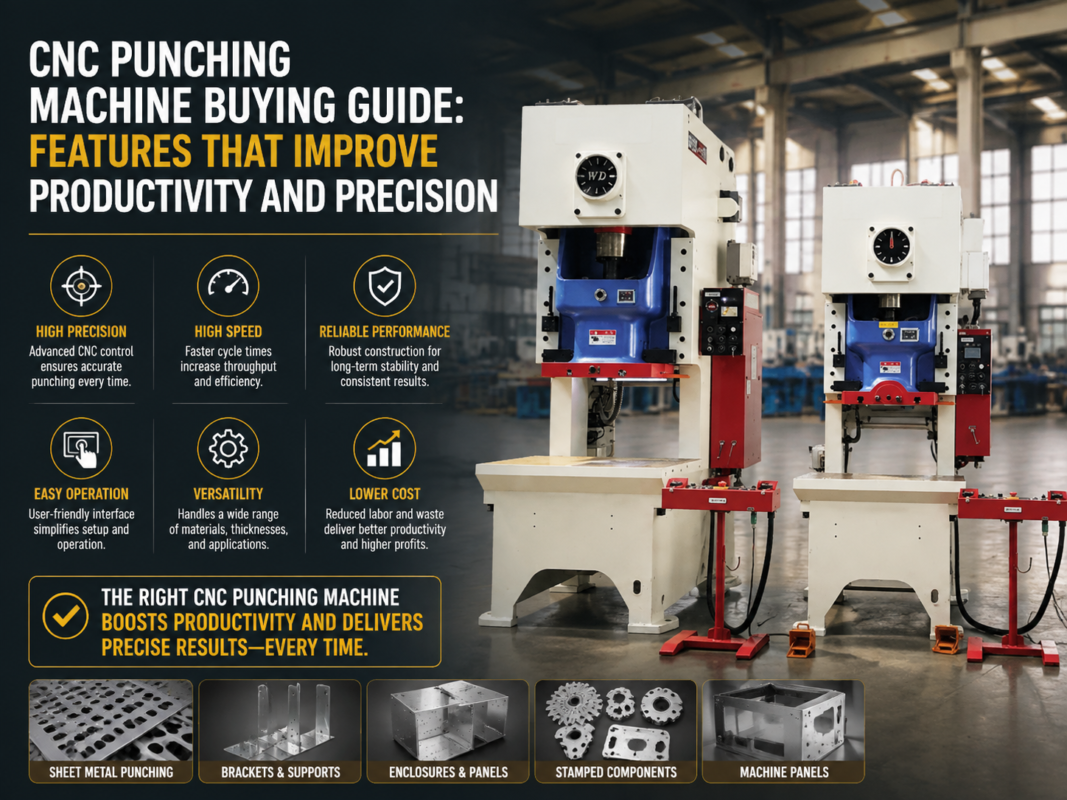
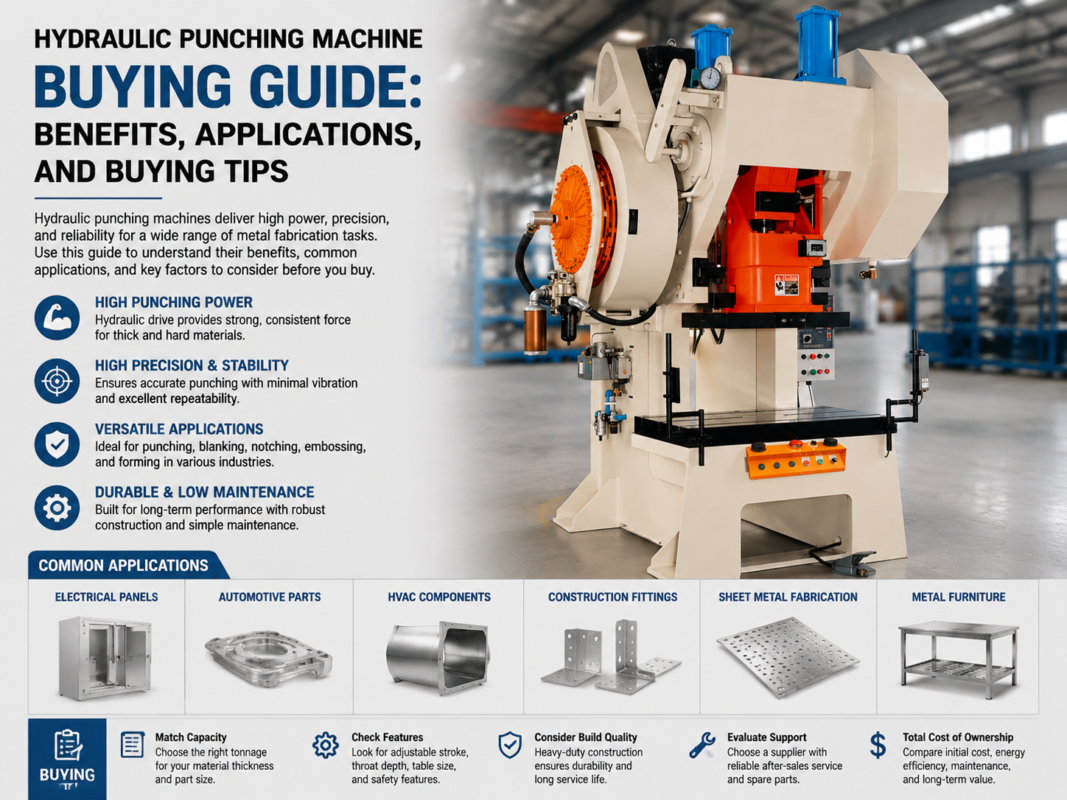
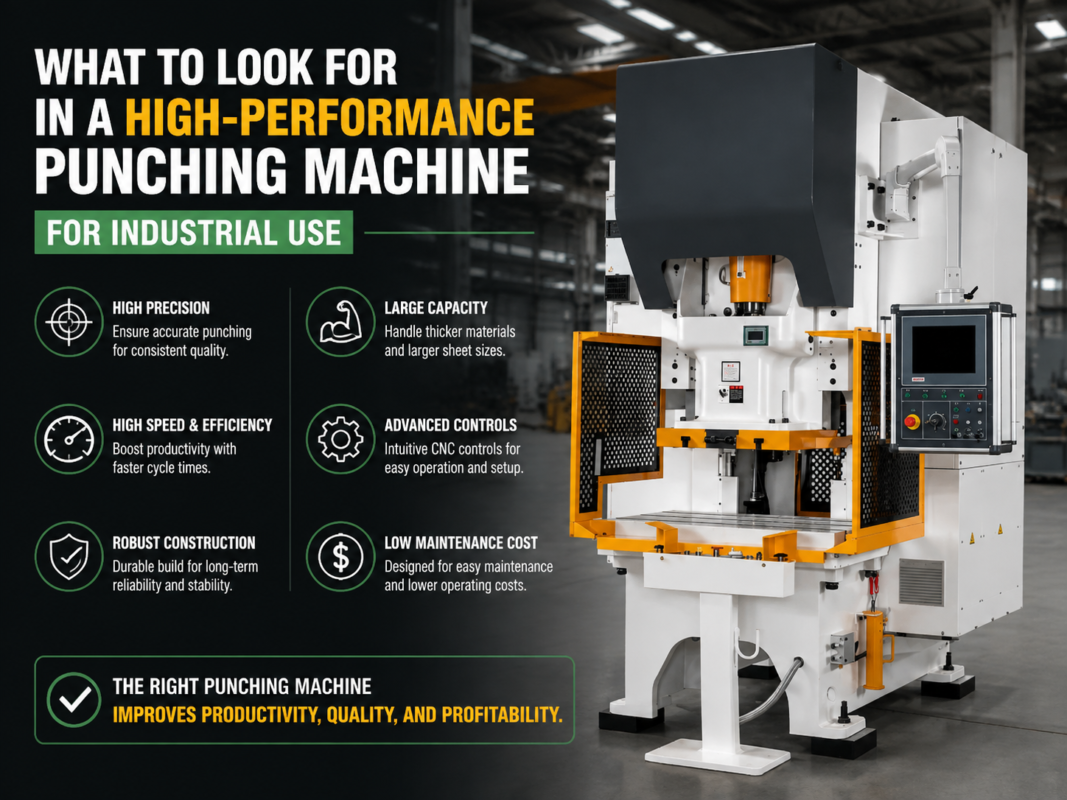
Punching Machine Selection Guide for Small and Medium Workshops: A Comprehensive HARSLE Industry Report


Introduction to Punching Machine Selection for Small and Medium Workshops
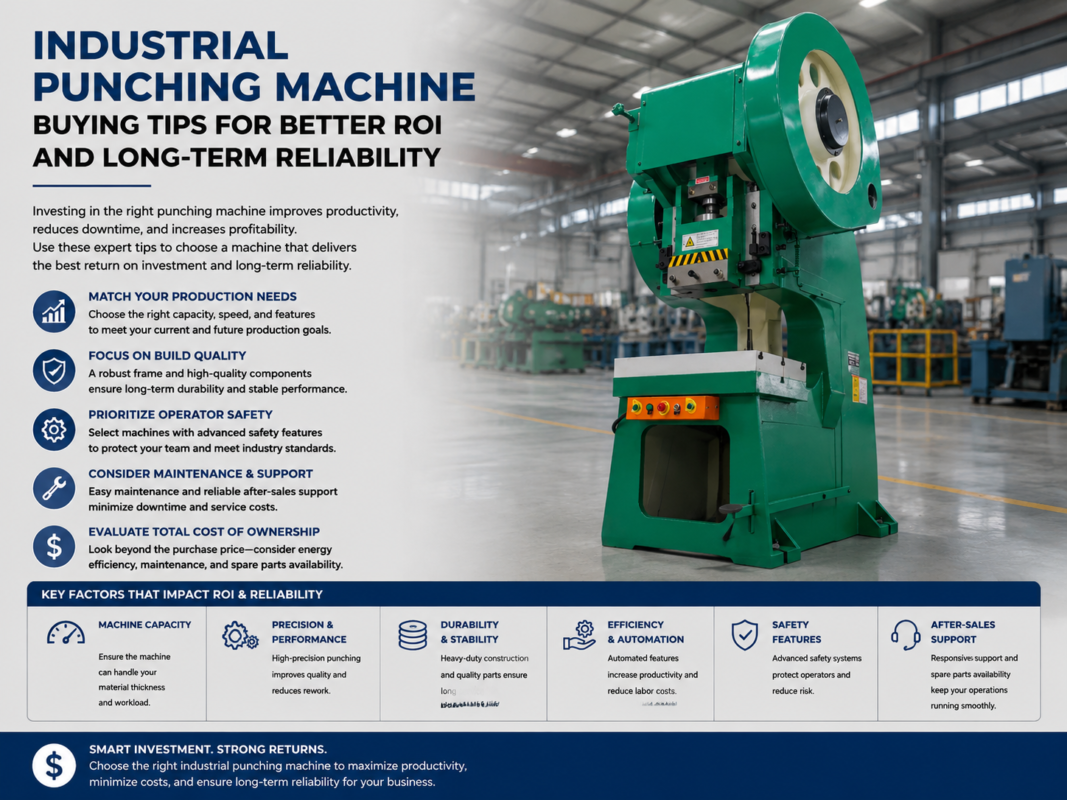
For small and medium-sized enterprises (SMEs) in the metal fabrication industry, selecting the right punching machine is a pivotal decision that directly impacts production efficiency, product quality, and long-term profitability. Unlike large-scale industrial plants with massive budgets, small and medium workshops must balance high performance with cost-effectiveness. The Punching Machine Selection Small Medium Workshops process requires a deep understanding of both current production needs and future growth projections. HARSLE, a leader in metal fabrication machinery, understands these unique challenges and has developed this comprehensive guide to help workshop owners navigate the complex landscape of punching technology.
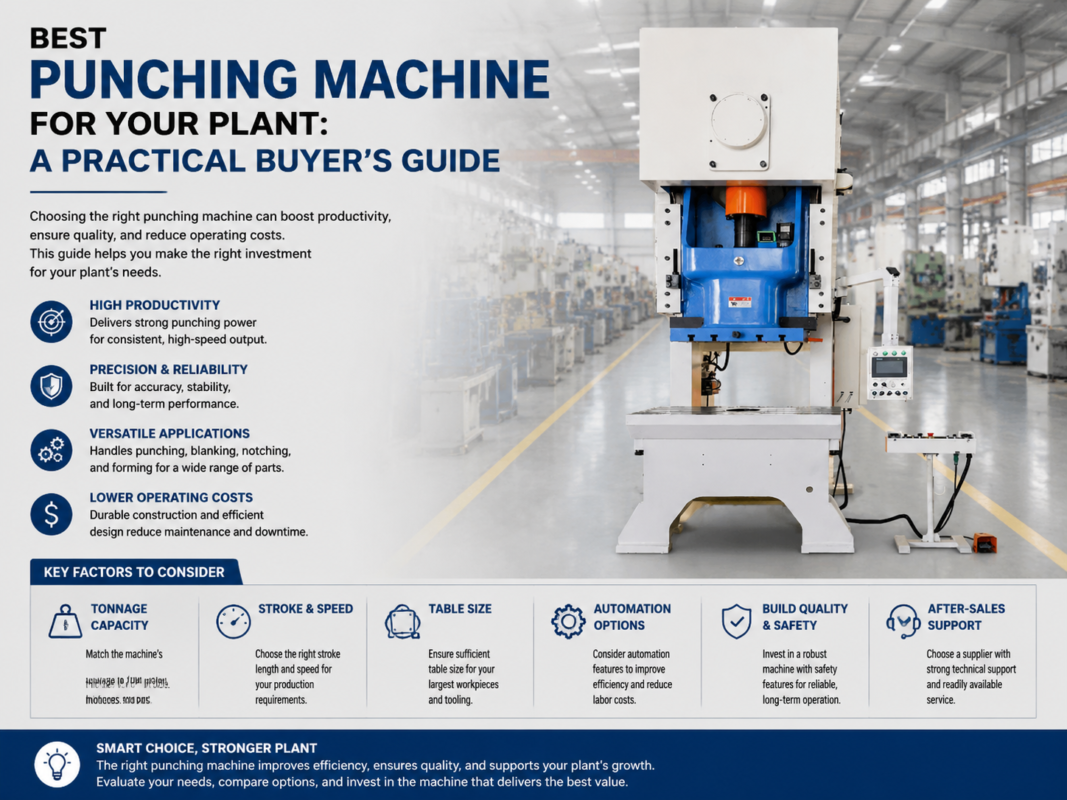
A punching machine is the workhorse of any sheet metal shop. Whether you are producing electrical cabinets, automotive components, or decorative metal panels, the ability to create precise holes, notches, and forms quickly is essential. However, the market is flooded with various types of machines—from traditional mechanical presses to advanced CNC turret punch presses. For an SME, the goal is to find the ‘sweet spot’ where the machine’s capabilities align perfectly with the workshop’s typical material thickness, volume requirements, and operator skill levels. This guide will break down every critical factor, from initial pricing to the nuances of configuration and ROI.
Price Range Overview: Understanding the Investment
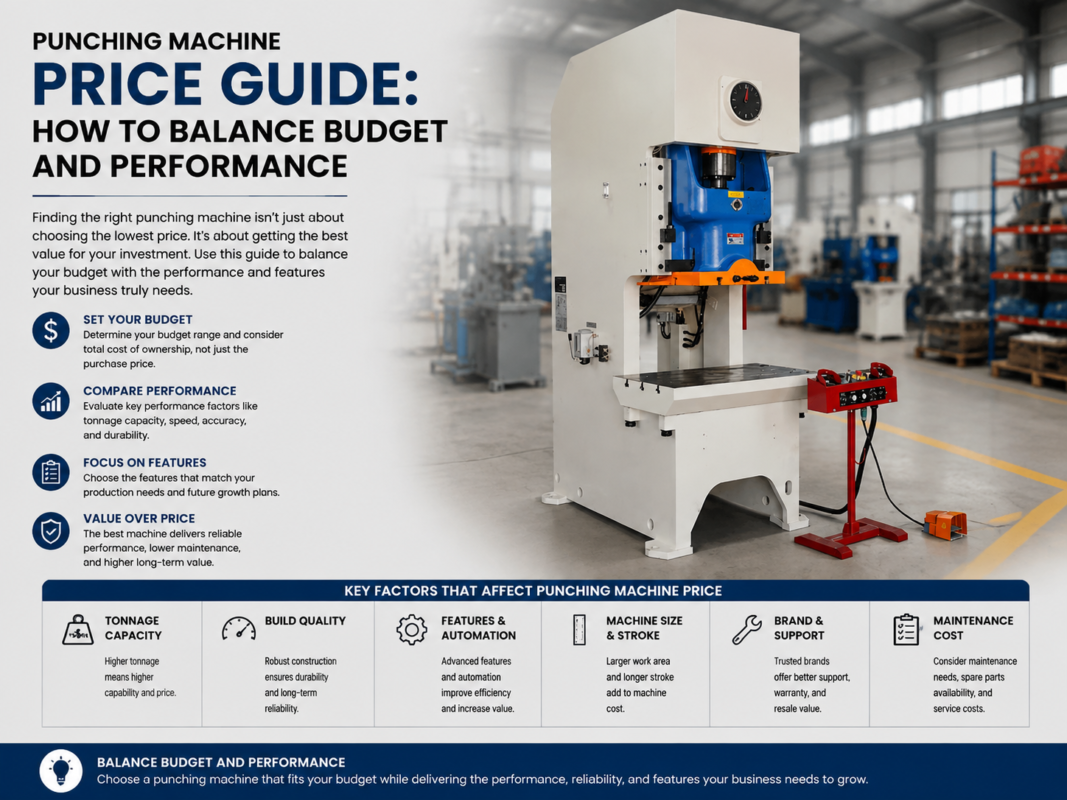
When embarking on the Punching Machine Selection Guide For Small And Medium Workshops, the first question is almost always about the price. The investment required for a punching machine varies significantly based on the technology and capacity. For a small workshop, entry-level mechanical punching machines typically range from $3,000 to $12,000. These machines are robust and simple to operate, making them ideal for straightforward, high-volume tasks where precision requirements are moderate. They rely on a flywheel and a mechanical clutch system, which is cost-effective but offers less control over the stroke compared to modern alternatives.
Mid-range options, which are often the most popular for growing SMEs, include pneumatic and hydraulic punching machines. These units generally fall between $15,000 and $45,000. Pneumatic machines are favored for their speed and cleaner operation, while hydraulic machines offer greater force and the ability to handle thicker materials. These machines often feature better safety systems and more adjustable stroke parameters, allowing for a wider variety of applications. For workshops looking to transition from manual layouts to semi-automated production, this price bracket offers the best balance of capability and capital expenditure.
At the higher end of the spectrum for SMEs are CNC turret punch presses and high-precision servo-driven machines. These can range from $60,000 to well over $150,000. While the price tag is substantial, the level of automation and the reduction in secondary operations can justify the cost for workshops with complex part geometries and high-mix, low-volume production runs. Understanding where your workshop fits within these price tiers is the first step in narrowing down your selection and ensuring you don’t over-invest in features you won’t use or under-invest in a machine that will quickly become a bottleneck.
Main Cost Drivers in Punching Machine Selection
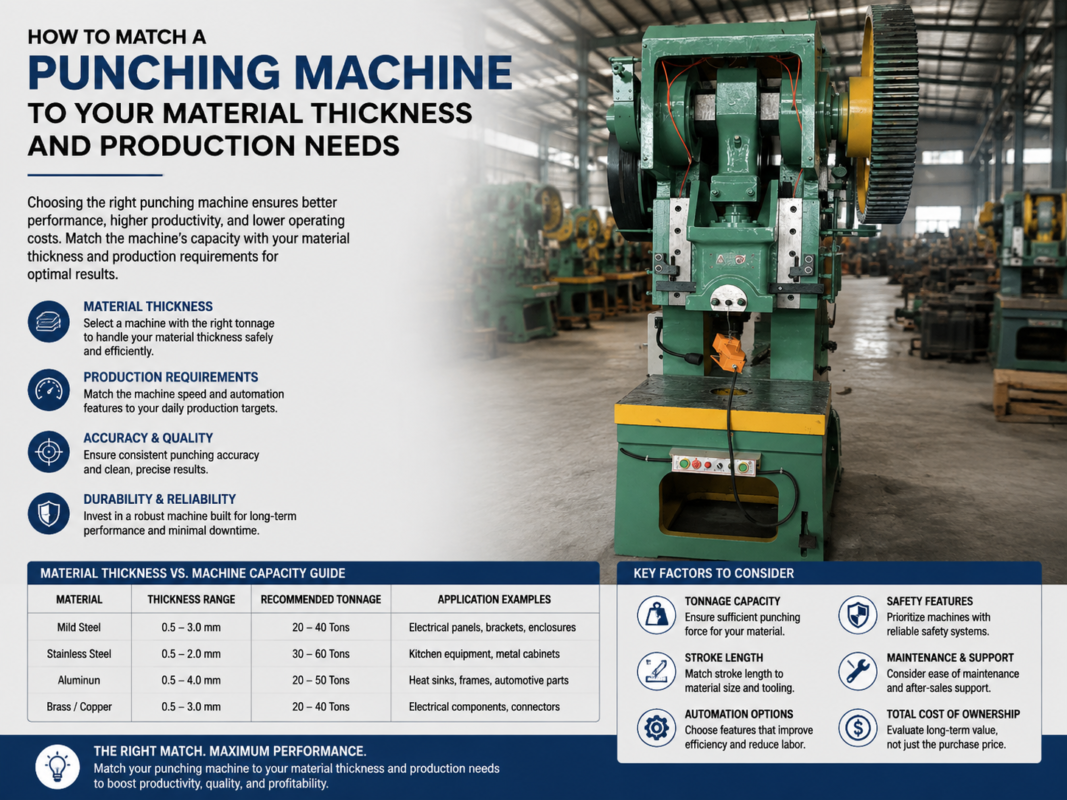
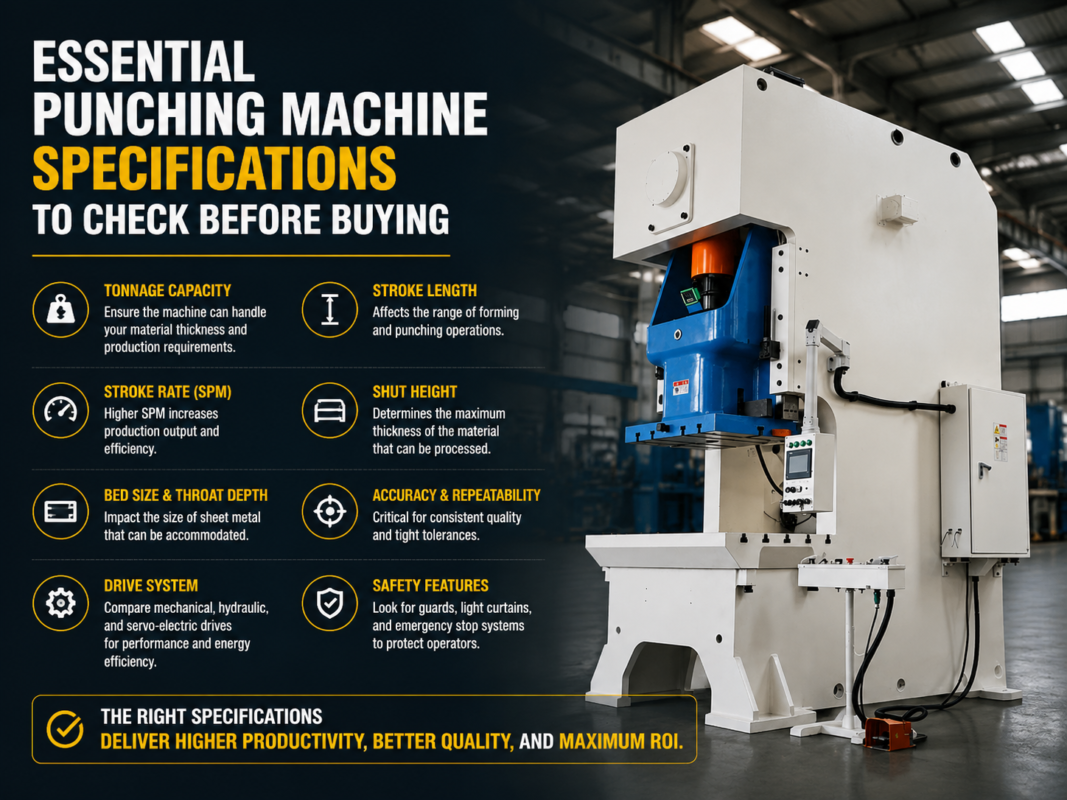
The sticker price of a punching machine is driven by several core components and design philosophies. The most significant driver is the tonnage capacity. A 16-ton machine is significantly cheaper than an 80-ton or 100-ton machine because the latter requires a much heavier frame, larger motor, and more robust transmission components. For small and medium workshops, accurately calculating the required tonnage for your thickest and hardest materials is crucial to avoid paying for excess capacity.
Another major cost driver is the drive system. Traditional mechanical clutches are the least expensive but require more maintenance and offer less safety. Pneumatic friction clutches are more expensive but provide smoother operation and better emergency stopping capabilities. The most advanced (and expensive) is the servo-electric drive, which offers unparalleled precision and energy efficiency. For many SMEs, the pneumatic friction clutch represents the ideal middle ground, providing modern safety standards without the extreme cost of full servo technology.
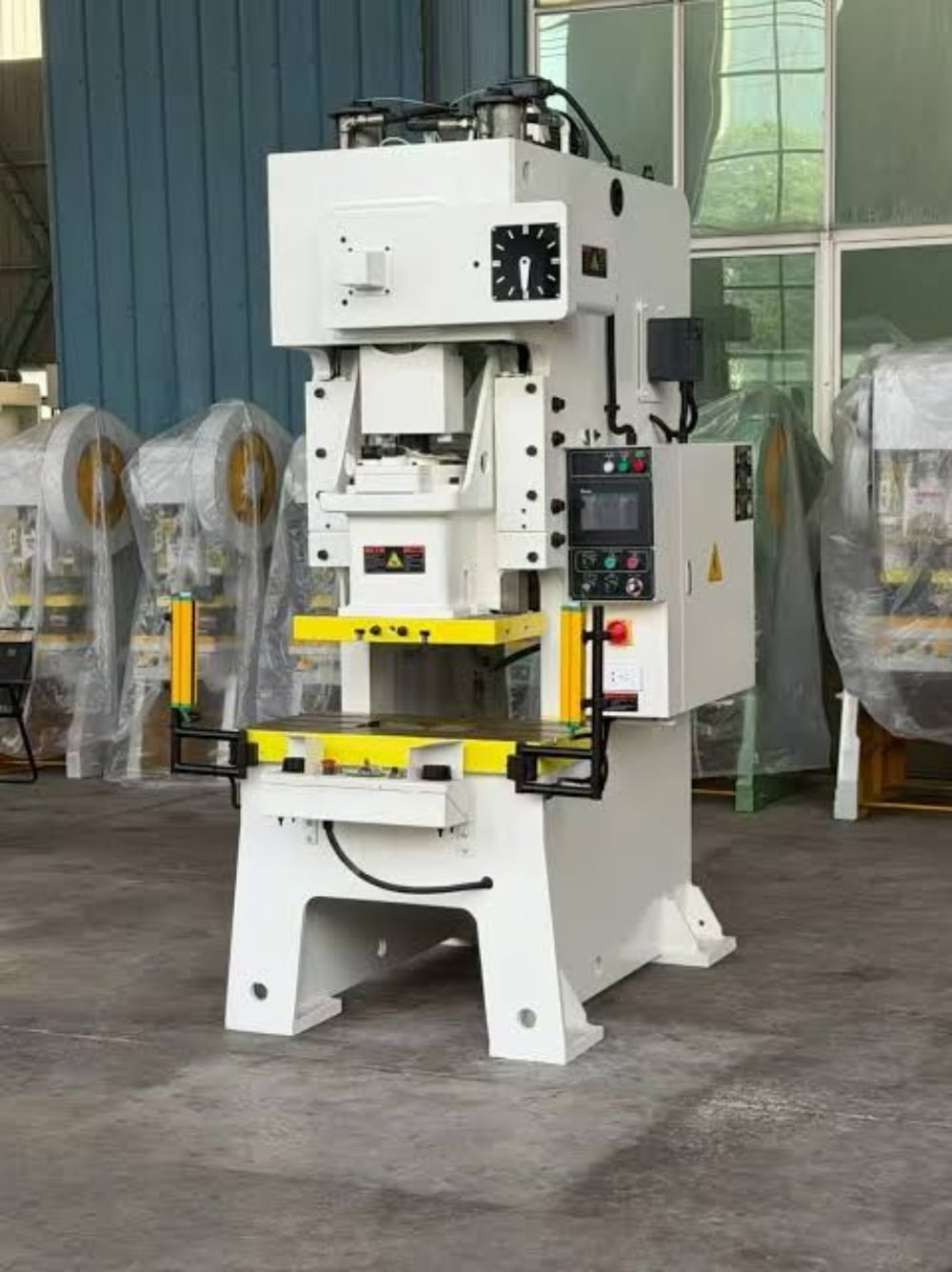
The frame construction also plays a role in the price. C-frame (gap frame) machines are generally more affordable and offer excellent accessibility for large sheets, but they can experience ‘yaw’ or deflection under high loads. H-frame (straight-side) machines are more rigid and precise, which extends tool life, but they come at a premium and have a larger footprint. Most small workshops find that a high-quality, reinforced C-frame machine from a reputable manufacturer like HARSLE provides the necessary rigidity for standard fabrication tasks while keeping costs manageable.
Configuration Impact: Tailoring the Machine to Your Needs
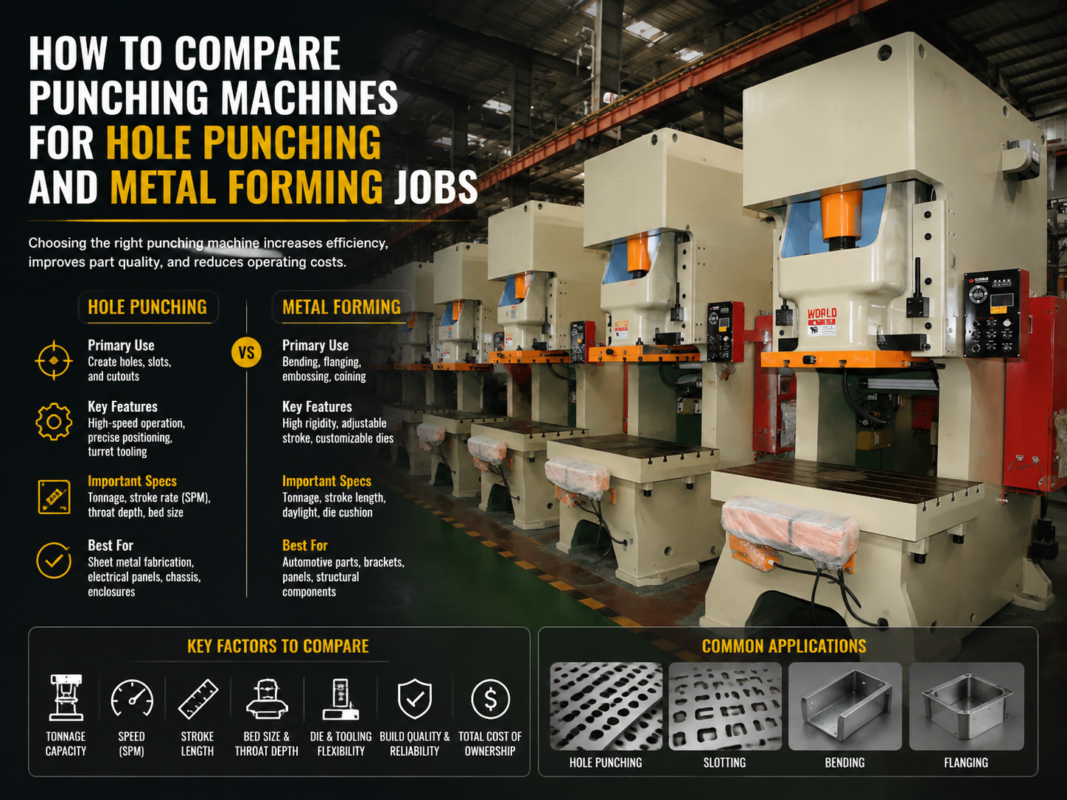
The configuration of your punching machine determines its versatility. One of the most important aspects of Punching Machine Selection Small Medium Workshops is the choice between a single-station machine and a multi-station or turret setup. Single-station machines are excellent for dedicated tasks where the tooling doesn’t change often. However, if your parts require multiple hole sizes or shapes, the time spent changing tools manually can kill your productivity. In such cases, a machine with a quick-change tool system or a small turret can provide a massive boost in efficiency.
The stroke adjustment capability is another critical configuration detail. Fixed-stroke machines are simpler and cheaper but limit you to basic punching. Adjustable-stroke machines allow you to perform forming operations like louvering, countersinking, and ribbing. For a medium-sized workshop looking to expand its service offering, the ability to perform these value-added operations on a single machine can be a significant competitive advantage. Furthermore, the inclusion of a CNC longitudinal and transverse feeding system can transform a standard press into a semi-automated production cell, reducing labor costs and human error.
Table size and material handling features should not be overlooked. A larger worktable with ball transfers makes it much easier for a single operator to handle large sheets of metal, reducing physical strain and the risk of material damage. Additionally, the integration of modern PLC (Programmable Logic Controller) systems allows for easier setup and the storage of ‘recipes’ for different jobs. This is particularly beneficial for SMEs that deal with repeat orders, as it ensures consistency and slashes setup times from hours to minutes.
Hidden Costs of Ownership
When calculating the budget for a new punching machine, many workshop owners focus solely on the purchase price, but the hidden costs can be substantial. Tooling is perhaps the most significant ongoing expense. A high-quality set of punches and dies is essential for clean cuts and long tool life. Depending on the complexity of your parts, a full suite of tooling can add 10% to 20% to your initial investment. Furthermore, tools are consumables; they require regular sharpening and eventual replacement. Investing in a machine that uses standard, widely available tooling styles (like the Long-style or Thick Turret style) can save thousands in the long run compared to proprietary systems.
Installation and infrastructure requirements are another often-overlooked cost. A heavy punching machine requires a stable, level concrete floor. In some cases, a reinforced foundation may be necessary to dampen vibrations and prevent the machine from shifting over time. You must also consider the electrical and pneumatic requirements. Does your workshop have enough amperage to run a 15kW motor? Do you have a high-capacity air compressor to support a pneumatic clutch? These upgrades to your facility can add significant costs before the machine even makes its first hit.
Finally, consider the cost of maintenance and downtime. All mechanical systems require lubrication, seal replacements, and periodic inspections. Choosing a machine with an automatic lubrication system can reduce the risk of premature wear due to human neglect. Additionally, the availability of spare parts and technical support is critical. A cheap machine from an unknown vendor becomes very expensive if it sits idle for three weeks waiting for a $50 part from overseas. HARSLE’s global support network is designed to mitigate these risks for SMEs, ensuring that maintenance is straightforward and parts are always accessible.
ROI Calculation: When Does the Machine Pay for Itself?
Calculating the Return on Investment (ROI) is the most objective way to approach Punching Machine Selection Small Medium Workshops. To do this, you must compare the total cost of ownership against the projected revenue or cost savings. For many workshops, the primary saving comes from bringing outsourced work in-house. If you are currently paying a third-party fabricator for punched parts, calculate your annual spend. Often, the monthly lease payment on a new HARSLE punching machine is lower than the monthly invoice from an outside vendor.
Another factor in ROI is labor efficiency. A modern machine with a faster cycle time and easier setup allows one operator to produce the same amount of work that previously required two. If a new machine saves 20 hours of labor per week, at a rate of $25/hour, that’s $26,000 in annual savings. When you add in the reduction in scrap material due to increased precision and the ability to take on more complex, higher-margin jobs, the payback period for a mid-range punching machine is often between 12 and 24 months.
To get a precise ROI, use the following formula: (Initial Investment + Annual Operating Costs) / (Annual Labor Savings + Annual Outsourcing Savings + Increased Profit from New Capacity). If the resulting number is under 3 years, the investment is generally considered excellent for an SME. Remember to also factor in the resale value of the machine. High-quality brands like HARSLE retain their value well on the used market, providing an ‘exit strategy’ or trade-in value when it’s time to upgrade to an even larger machine.
Buying Advice for Small and Medium Workshops
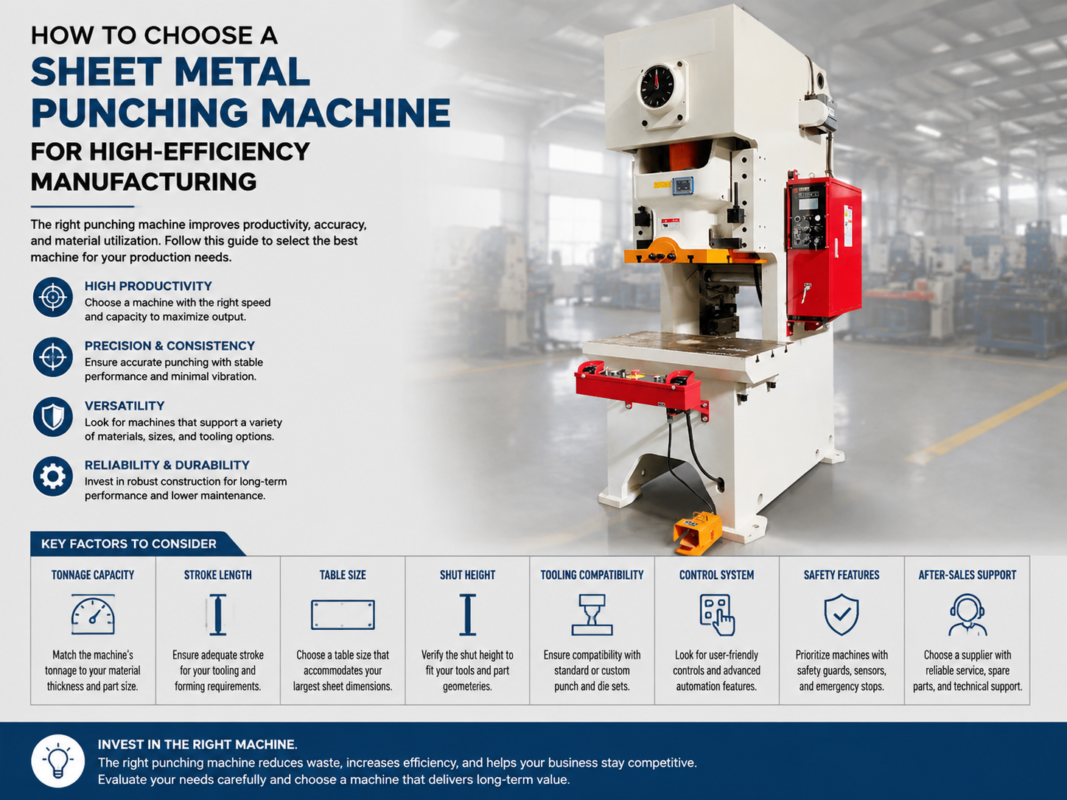
Choosing the right machine requires a systematic approach. Here is a checklist tailored for the Punching Machine Selection Guide For Small And Medium Workshops:
- Define Your Maximums: What is the thickest material you will punch? What is the largest hole diameter? Use these to determine your required tonnage. Always add a 20% safety margin to your tonnage calculations to avoid running the machine at its absolute limit.
- Evaluate Your Space: Measure your workshop floor and consider the ‘swing space’ needed for large sheets. Don’t forget to account for the space needed for maintenance access around the back and sides of the machine.
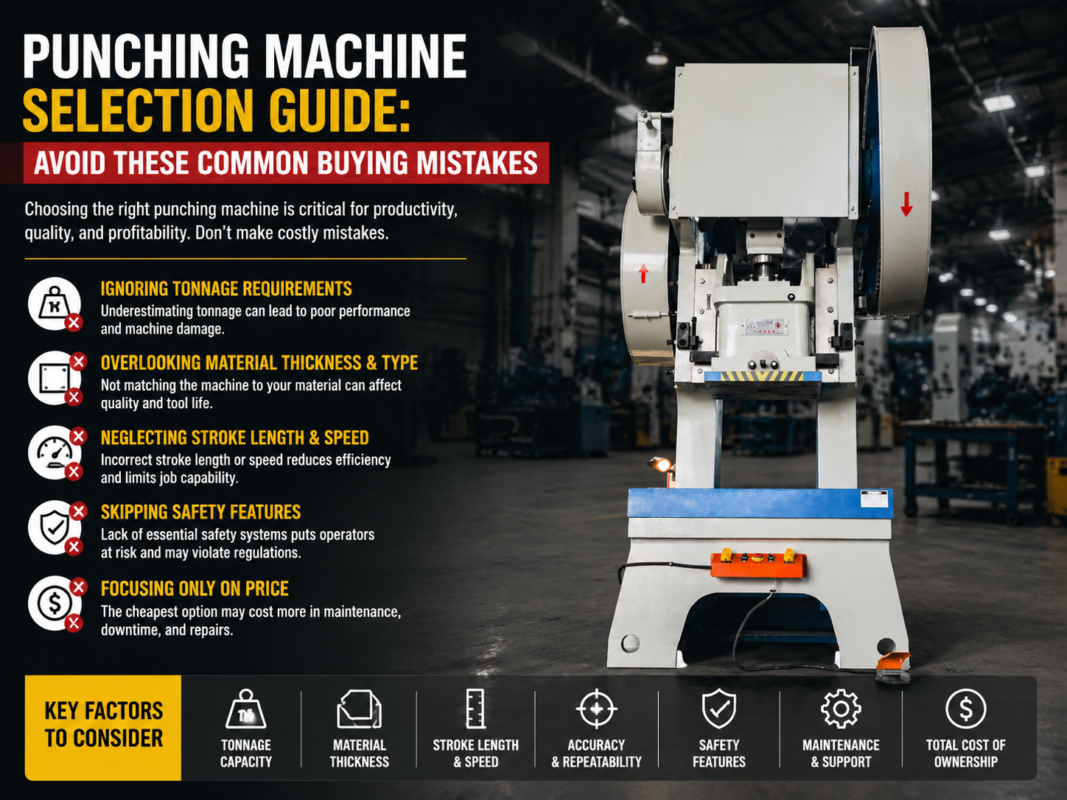
- Prioritize Safety: Never compromise on safety features. Ensure the machine has dual-hand start buttons, emergency stop buttons, and ideally, light curtains or physical guards. A single workplace injury can cost far more than the price of a premium machine.
- Check Tooling Compatibility: Ensure the machine uses standard tooling. This gives you the freedom to buy tools from multiple vendors and ensures you aren’t locked into expensive, proprietary designs.
- Test the Controller: If you are buying a CNC or PLC-controlled machine, ask for a demonstration of the interface. It should be intuitive enough for your current staff to learn quickly without weeks of specialized training.
Furthermore, consider the reputation of the manufacturer. Look for reviews from other small workshops and ask about the responsiveness of their service department. A manufacturer that offers comprehensive training videos, detailed manuals, and remote troubleshooting can be a lifesaver for a small team without a dedicated maintenance engineer.
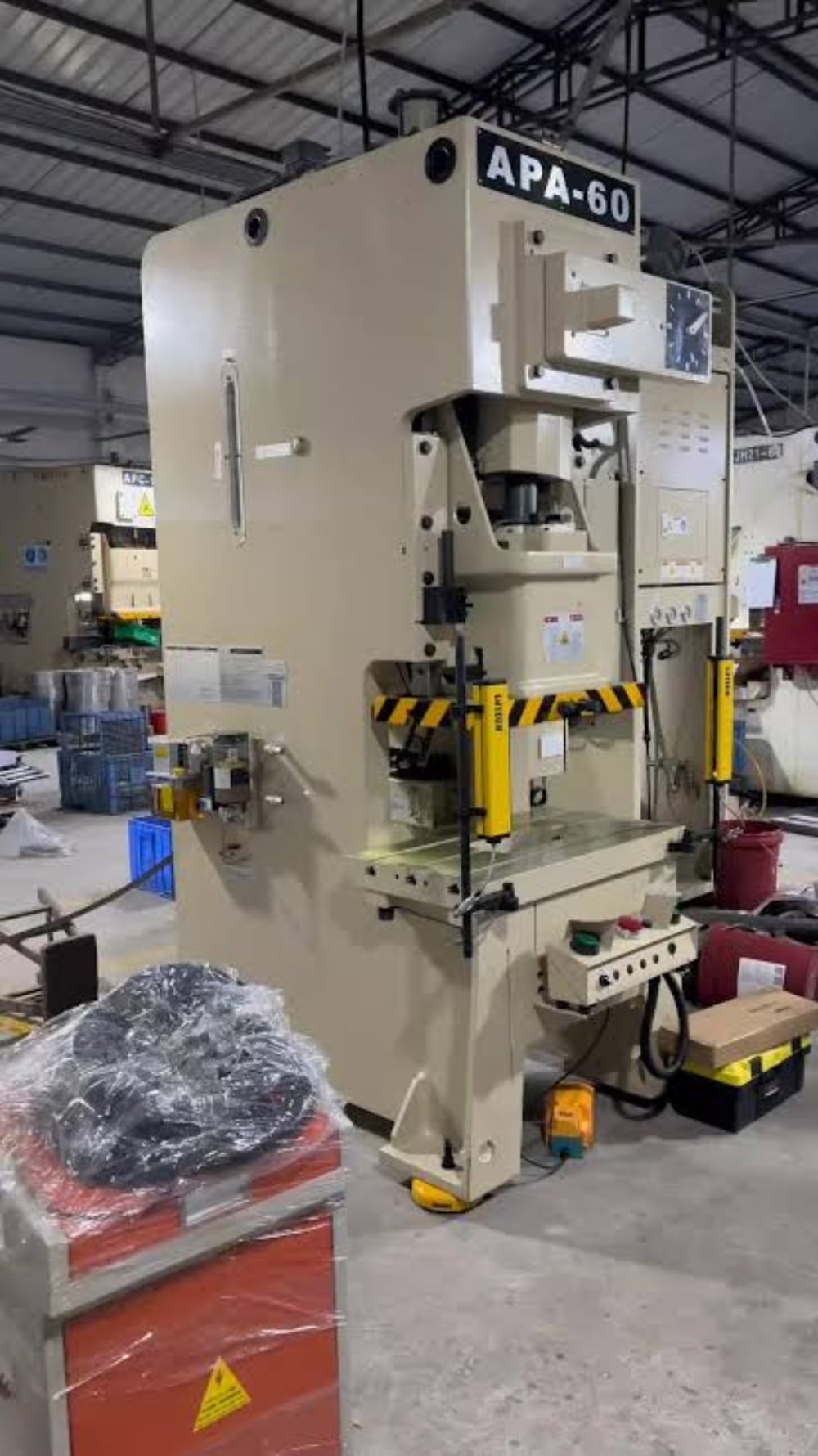
Technical Specifications Comparison
To help in your Punching Machine Selection Small Medium Workshops, the following table compares the three most common types of machines found in SMEs:
| Feature | Mechanical Press | Pneumatic Press | CNC Turret Punch |
|---|---|---|---|
| Initial Cost | Low ($3k – $12k) | Medium ($15k – $40k) | High ($60k+) |
| Operating Speed | High (Fixed) | High (Adjustable) | Very High (Automated) |
| Precision | Moderate | High | Very High |
| Setup Time | Long (Manual) | Moderate | Short (Programmed) |
| Maintenance | High (Clutch/Brake) | Low/Moderate | Moderate (Electronic) |
| Best For | Simple, high-volume parts | General fabrication, versatile tasks | Complex parts, high-mix production |
Frequently Asked Questions (FAQ)
1. How do I calculate the tonnage needed for my application?
The standard formula for punching force is: Force (tons) = [Perimeter of Hole (mm) x Material Thickness (mm) x Shear Strength (kg/mm²)] / 1000. For example, punching a 20mm round hole in 3mm mild steel (shear strength approx. 40kg/mm²) would require: (62.83 x 3 x 40) / 1000 = 7.54 tons. We recommend a machine with at least 10 tons of capacity for this task to ensure longevity.
2. Can a punching machine also do bending?
Yes, with the right tooling and an adjustable stroke, a punching machine can perform small-scale bending, offset, or louvering operations. However, for significant bending work, a dedicated press brake is much more efficient and accurate. Many HARSLE customers start with a punching machine and add a press brake as their workshop grows.
3. What is the difference between a mechanical and a pneumatic clutch?
A mechanical clutch uses a physical ‘dog’ or pin to engage the flywheel, which can be jarring and harder to stop mid-stroke. A pneumatic friction clutch uses compressed air to engage friction plates. This allows for much smoother operation, lower noise levels, and the ability to stop the ram instantly at any point in the cycle, which is a major safety advantage.
4. How often should I sharpen my punching tools?
Tool life depends on the material being punched. For mild steel, you should generally inspect and potentially sharpen tools every 10,000 to 30,000 hits. Punching stainless steel will wear tools much faster, requiring sharpening every 5,000 to 10,000 hits. Keeping tools sharp reduces the load on the machine and ensures a clean, burr-free finish on your parts.
5. Is CNC really necessary for a small workshop?
It depends on your product mix. If you make the same five parts every day, a manual or semi-automatic machine is likely sufficient. However, if you handle custom orders with different hole patterns every day, the time saved in manual layout and tool positioning with a CNC machine will pay for itself very quickly. CNC also allows for much tighter tolerances and complex shapes that are impossible to do manually.
Conclusion
The journey of Punching Machine Selection Small Medium Workshops is about more than just buying a piece of equipment; it’s about investing in the future capacity of your business. By carefully considering the price ranges, understanding the technical cost drivers, and accurately calculating your ROI, you can select a machine that not only meets your current needs but also provides a platform for growth. HARSLE remains committed to providing SMEs with high-quality, reliable, and affordable punching solutions. Whether you are looking for your first mechanical press or upgrading to a sophisticated CNC system, the right choice will empower your workshop to produce better parts, faster and more profitably than ever before.