What to Look for in an Industrial Punching Machine for Metal Fabrication: A Comprehensive Guide


Introduction to Industrial Punching Machines
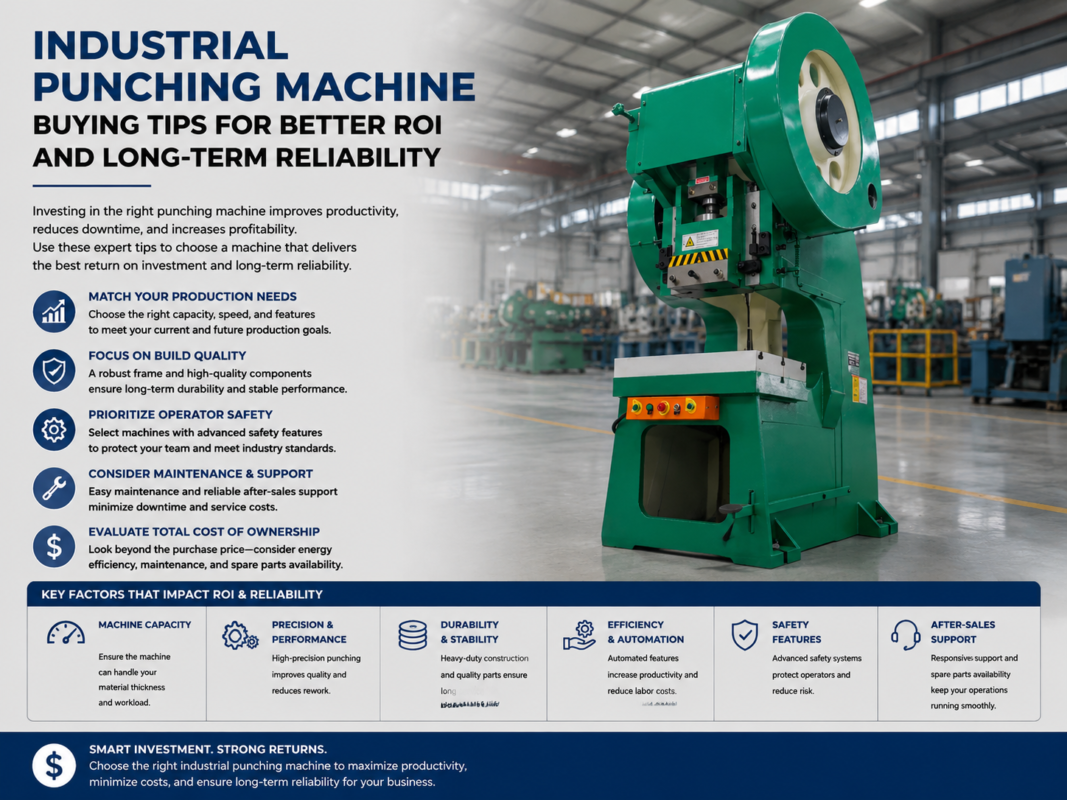
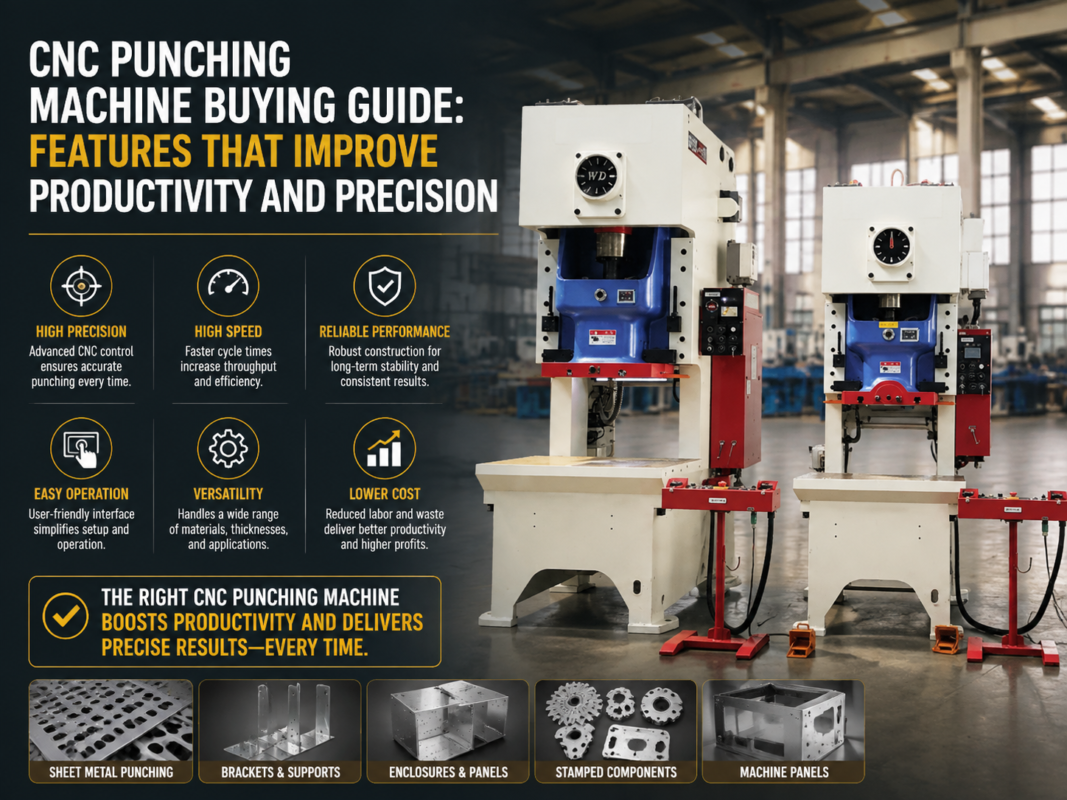
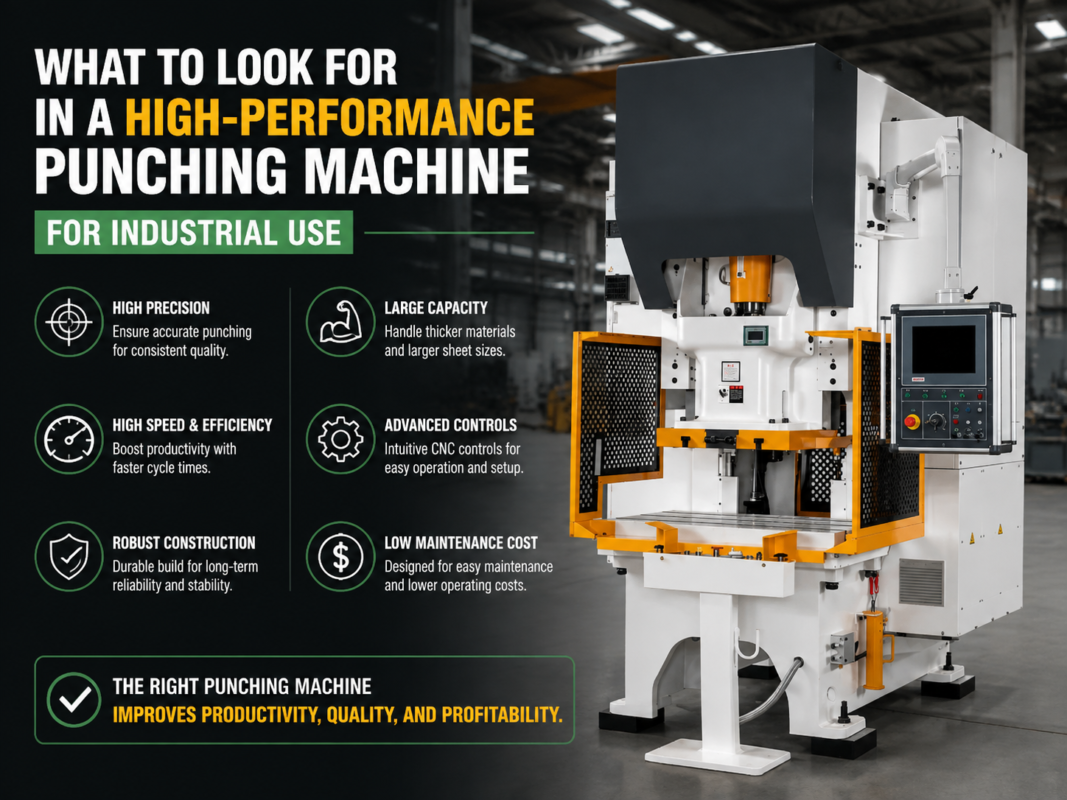
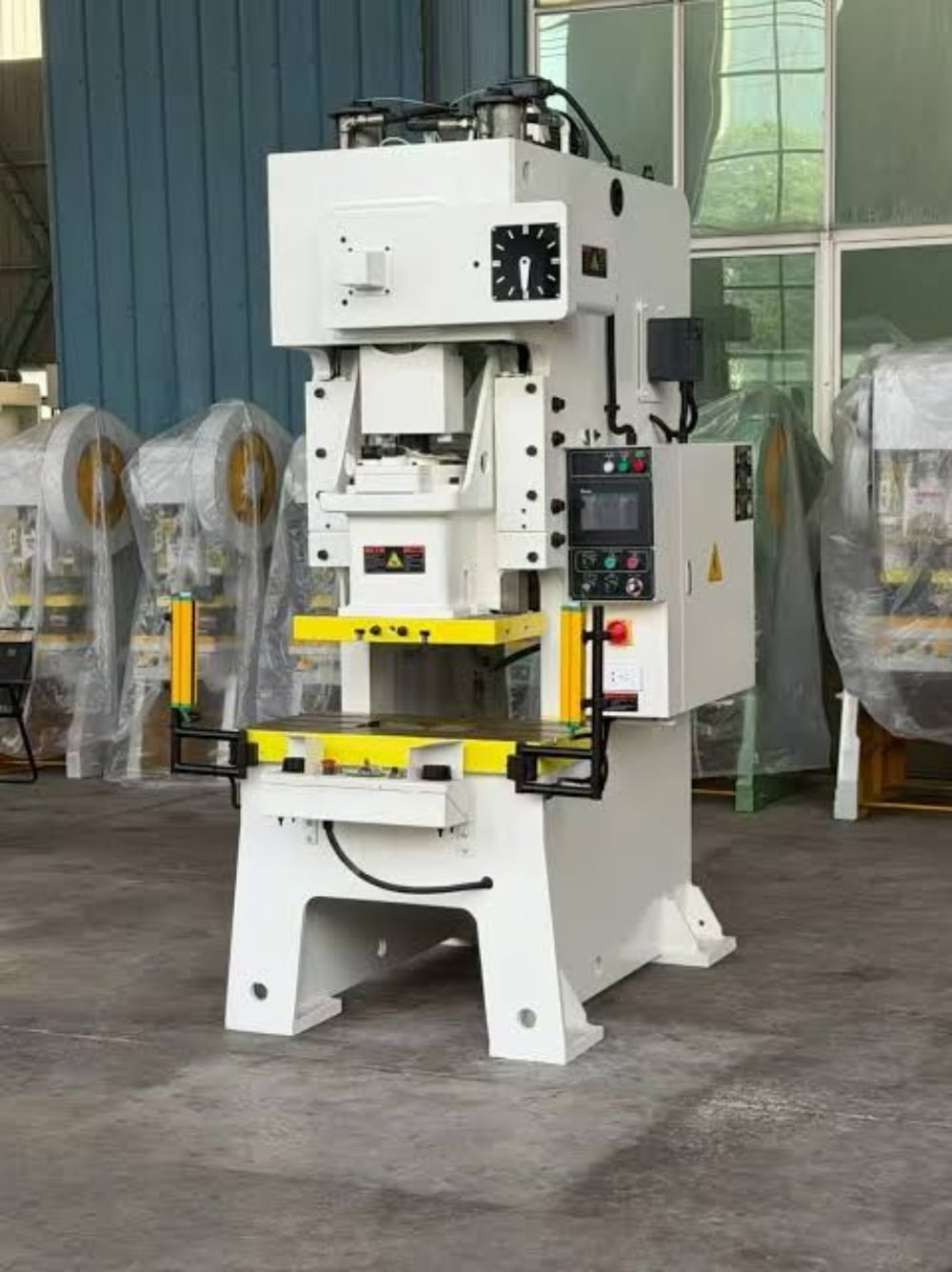
In the competitive landscape of modern manufacturing, selecting the right equipment is the difference between a profitable workshop and one plagued by bottlenecks. When considering what to look in an industrial punching machine metal fabrication, business owners must look beyond the initial price tag. An industrial punching machine, particularly a CNC turret punch press, is a versatile workhorse capable of punching, forming, and even tapping sheet metal with incredible speed and precision.
HARSLE understands that the investment in a punching machine is a long-term commitment. Whether you are upgrading from manual methods or expanding a high-volume production line, the technical specifications, drive systems, and automation capabilities will dictate your operational efficiency for the next decade. This guide provides an exhaustive breakdown of the critical factors you must evaluate to ensure your investment delivers the highest possible return.
Price Range Overview: Understanding the Market
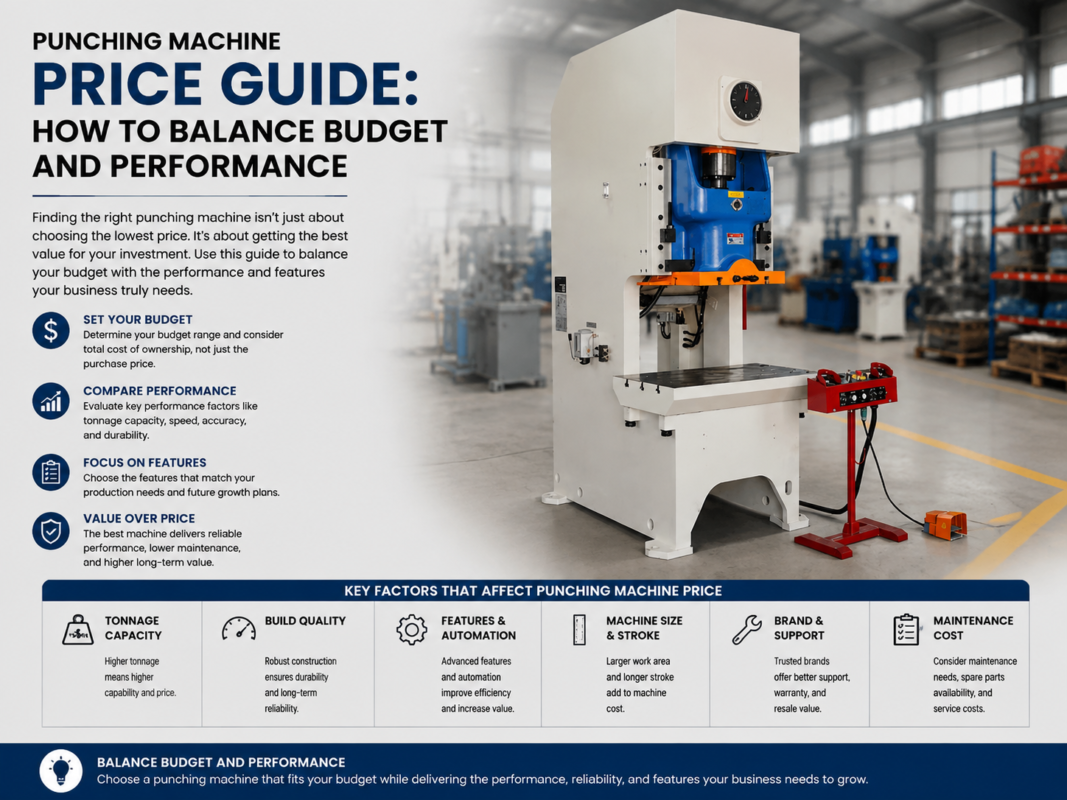
The market for industrial punching machines is diverse, with prices varying significantly based on technology and capacity. Generally, the investment can be categorized into three main tiers. Understanding these tiers helps fabricators align their budget with their production requirements without overspending on unnecessary features or underspending on a machine that cannot keep up with demand.
Entry-Level and Manual Punching Machines
Entry-level machines typically range from $10,000 to $35,000. These are often single-station hydraulic punches or small-scale CNC machines with limited turret capacity. They are ideal for small job shops or maintenance departments that perform occasional punching tasks. While they lack the speed of high-end models, they offer a significant upgrade over manual drilling or handheld tools.
Mid-Range CNC Turret Punch Presses
The mid-range segment, priced between $50,000 and $150,000, is where most professional metal fabrication shops operate. These machines feature multi-station turrets (often 12 to 32 stations), CNC controls, and hydraulic or mechanical drive systems. They are designed for continuous operation and can handle a wide variety of hole shapes and sizes in a single setup. This range offers the best balance between cost and versatility.
High-End Servo-Electric and Automated Systems
At the top of the spectrum are high-performance machines costing $200,000 to $500,000+. These units often utilize servo-electric drive technology, which provides unmatched precision and energy efficiency. Furthermore, these systems frequently include automated loading and unloading systems, large-capacity turrets with 50+ stations, and advanced software integration for lights-out manufacturing. These are intended for high-volume OEMs and large-scale contract manufacturers.
Main Cost Drivers in Metal Fabrication Punching
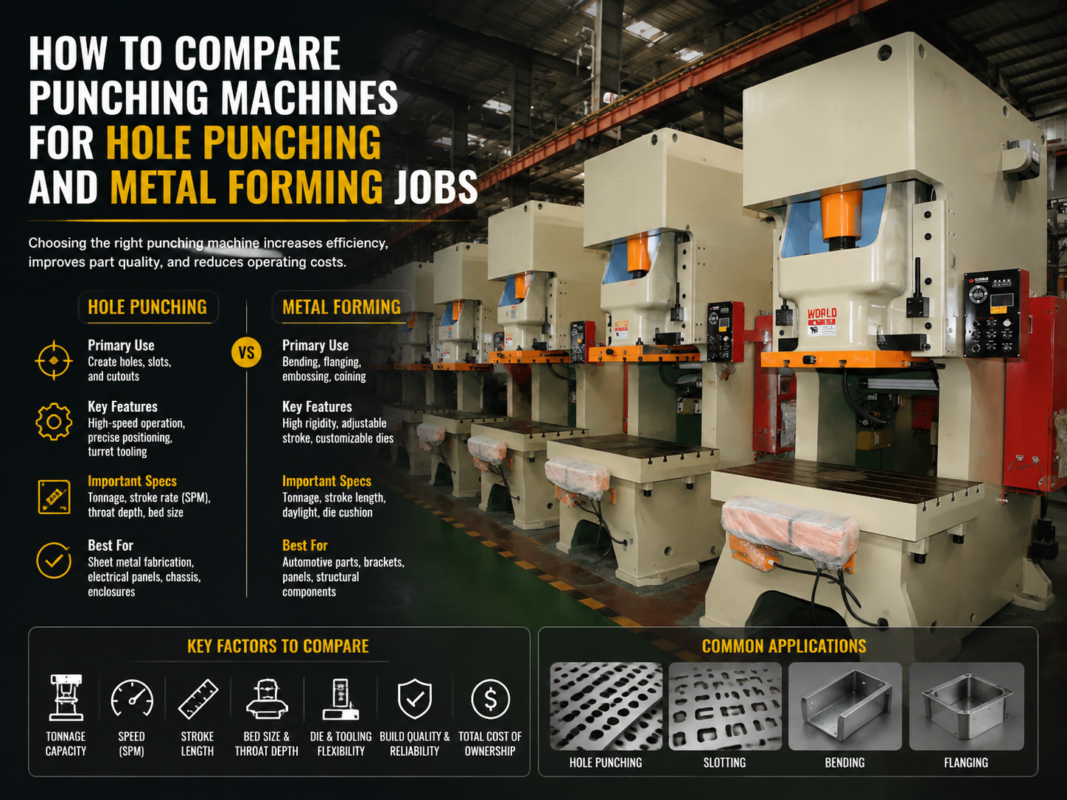
When you look in an industrial punching machine metal fabrication, several technical factors drive the final invoice. Understanding these drivers allows you to prioritize features that matter most to your specific applications.
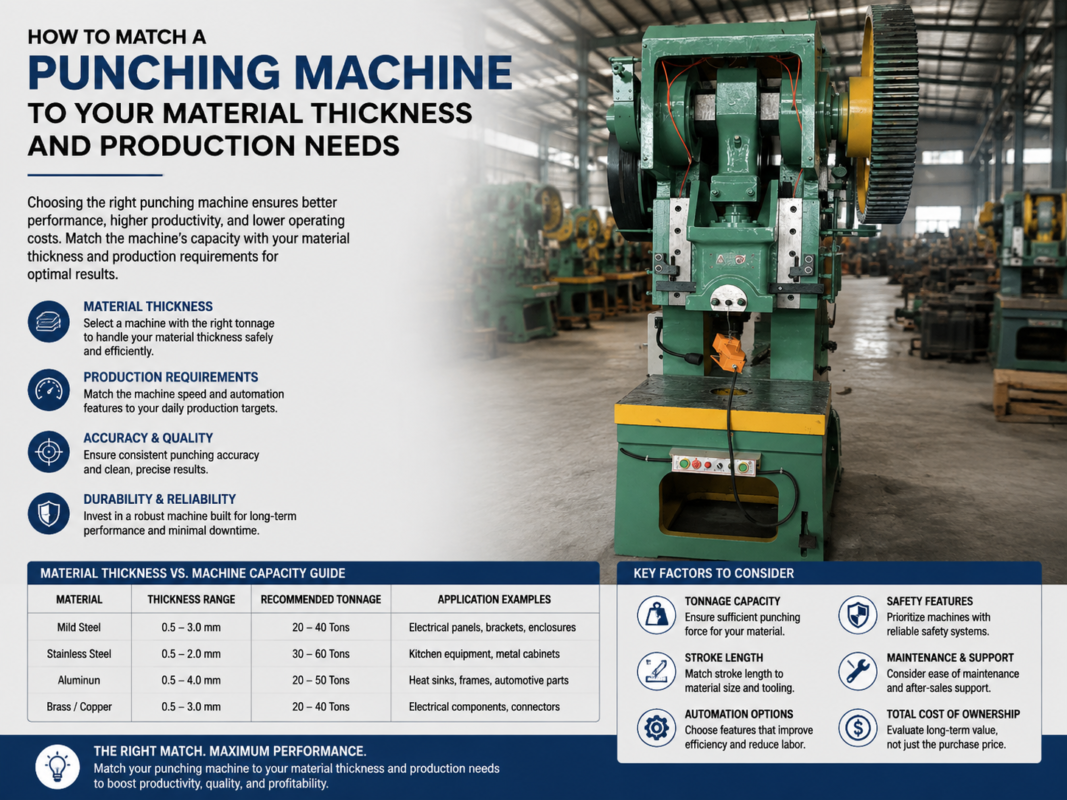
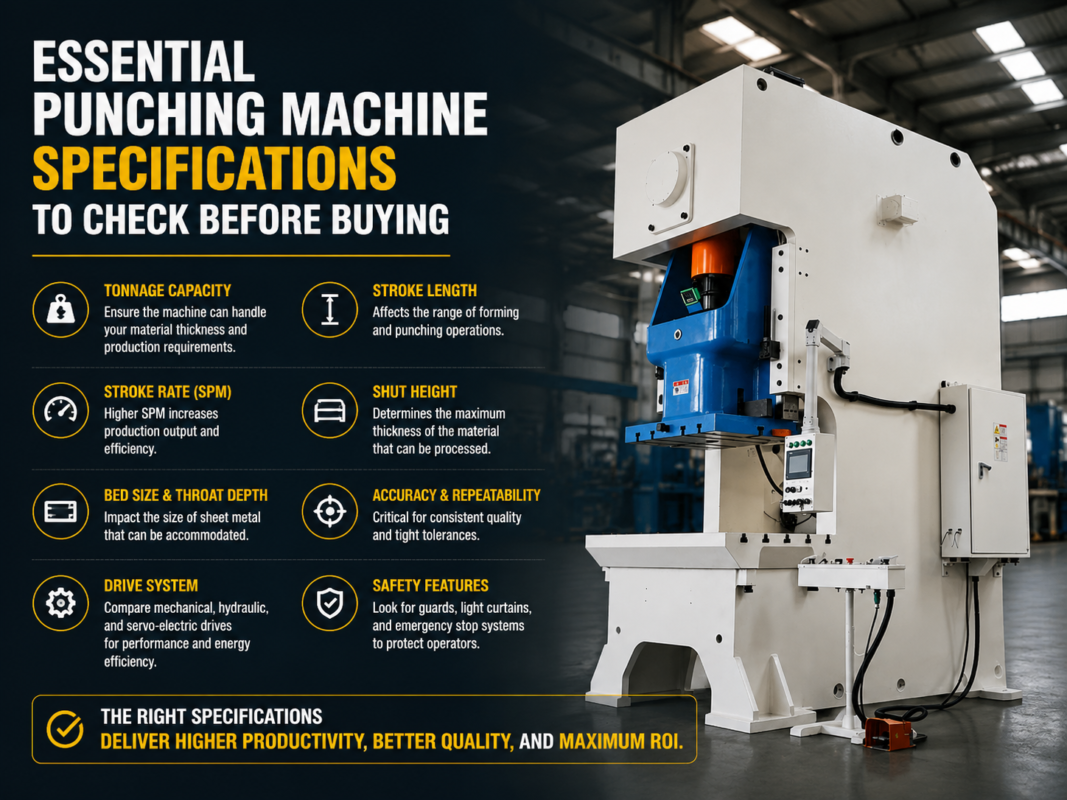
Tonnage Capacity
Tonnage refers to the amount of force the machine can apply to the workpiece. Most industrial machines range from 20 to 50 tons. A 20-ton machine is sufficient for thin-gauge materials like aluminum and light steel, while a 30-ton or 50-ton machine is required for thicker stainless steel or heavy plate. Higher tonnage requires a more robust frame and more powerful drive systems, directly increasing the cost.
Throat Depth and Sheet Size
The throat depth determines the maximum width of the sheet the machine can process without repositioning. A larger throat depth (e.g., 1250mm or 1500mm) allows for larger workpieces, reducing the need for manual handling and improving accuracy. Machines with larger frames to accommodate these depths are naturally more expensive due to the increased material and engineering required for stability.
Turret Station Count and Auto-Index Stations
The number of tools the machine can hold simultaneously is a major cost driver. A turret with 32 stations allows for more complex parts to be completed in one run compared to a 12-station turret. Furthermore, “Auto-Index” stations—which allow the tool to rotate 360 degrees—add significant cost but drastically reduce the number of specialized tools needed, as a single rectangular tool can be used at any angle.
Configuration Impact: Mechanical, Hydraulic, and Servo-Electric
The drive system is the heart of the punching machine. Each technology has its own set of advantages and cost implications. Choosing the right drive system is perhaps the most critical technical decision in the buying process.
Hydraulic Drive Systems
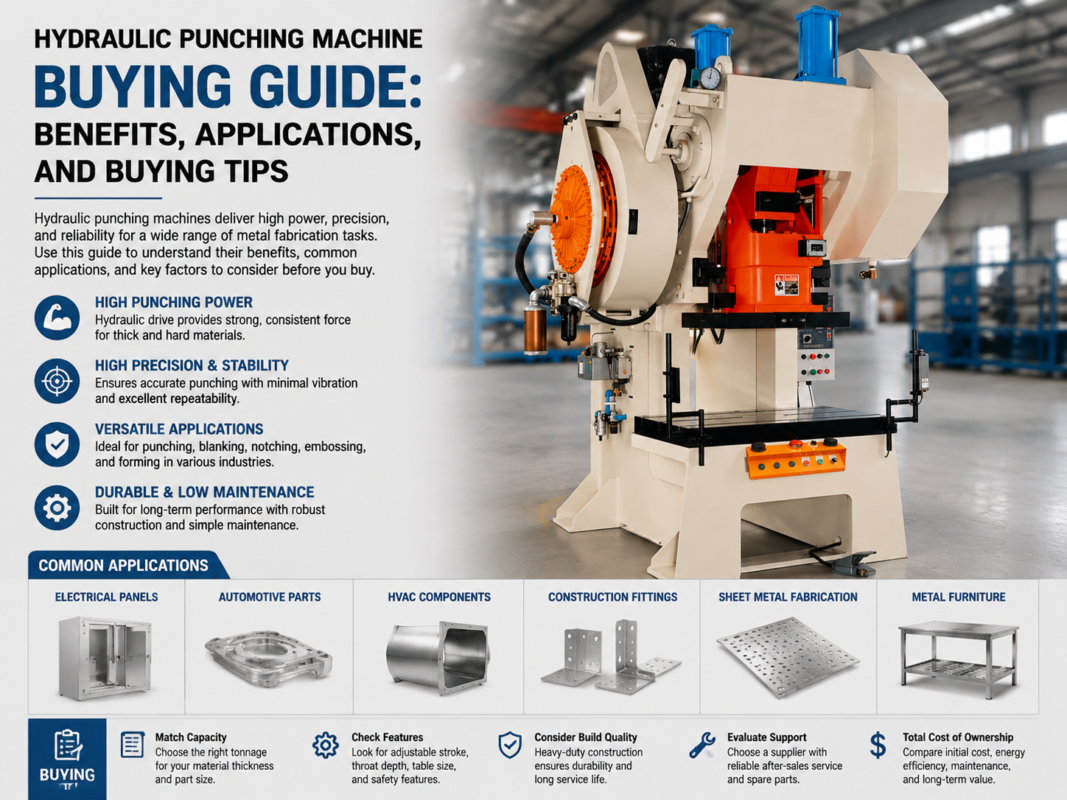
Hydraulic punching machines have been the industry standard for decades. They offer consistent power throughout the stroke and are highly reliable. Modern hydraulic systems are “high-speed,” allowing for rapid nibbling and marking. While they require more maintenance (oil changes, seal replacements) and consume more power than servo systems, they are generally more affordable upfront and capable of handling heavy-duty applications with ease.
Servo-Electric Drive Systems
Servo-electric technology is the modern gold standard. Instead of hydraulic fluid, a high-torque servo motor drives the ram. This allows for extreme precision in ram positioning, which is vital for forming operations like louvers or countersinks. Servo machines are also significantly quieter and more energy-efficient, as they only consume power during the actual punch stroke. However, the initial investment is higher due to the sophisticated electronics and motor technology involved.
Mechanical Flywheel Systems
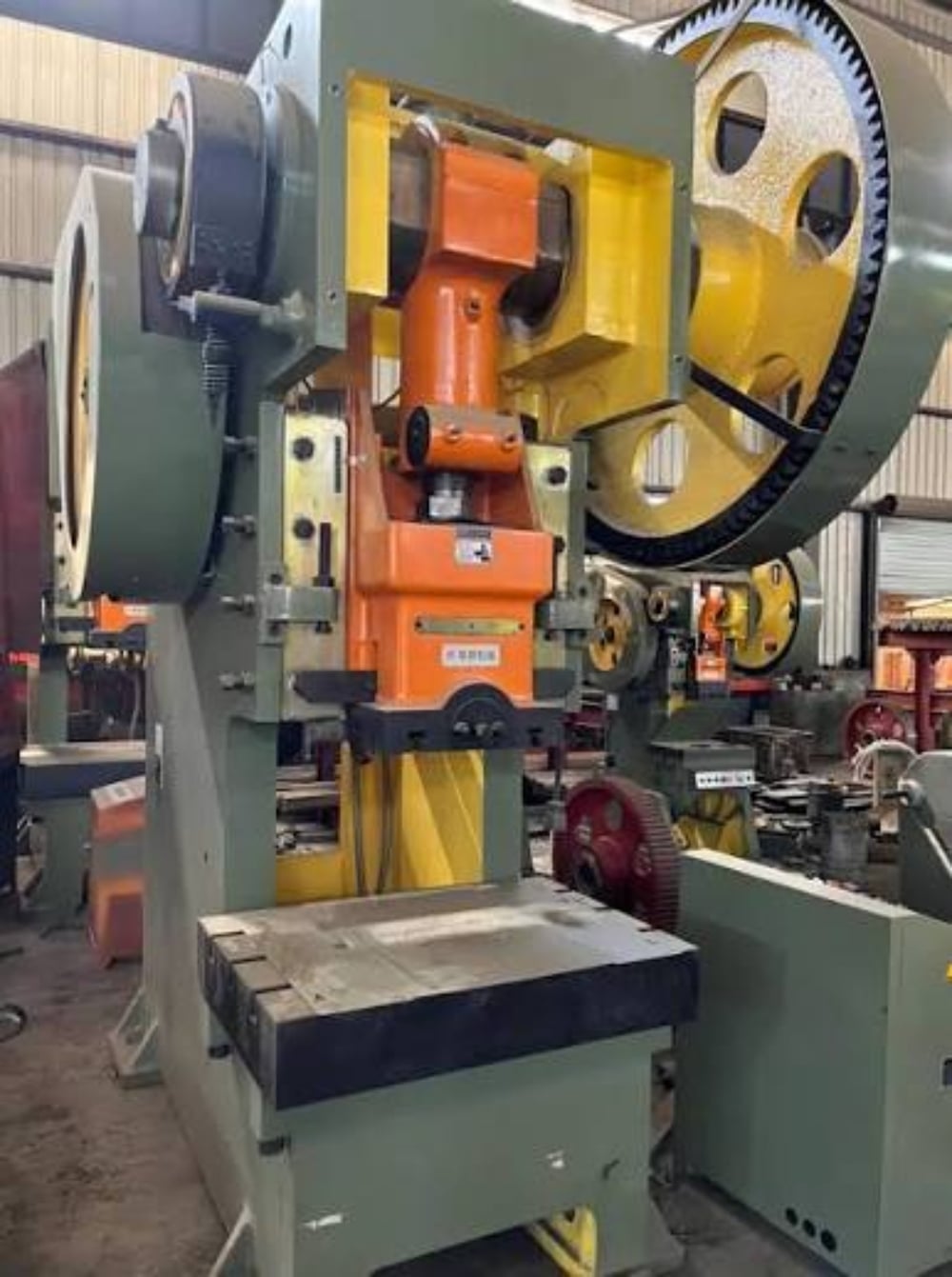
Older or basic machines may use a mechanical flywheel. While simple and fast for basic punching, they lack the control of hydraulic or servo systems. They are generally being phased out in favor of more controllable technologies but remain an option for very specific, high-speed, repetitive tasks where forming is not required.
Hidden Costs of Ownership
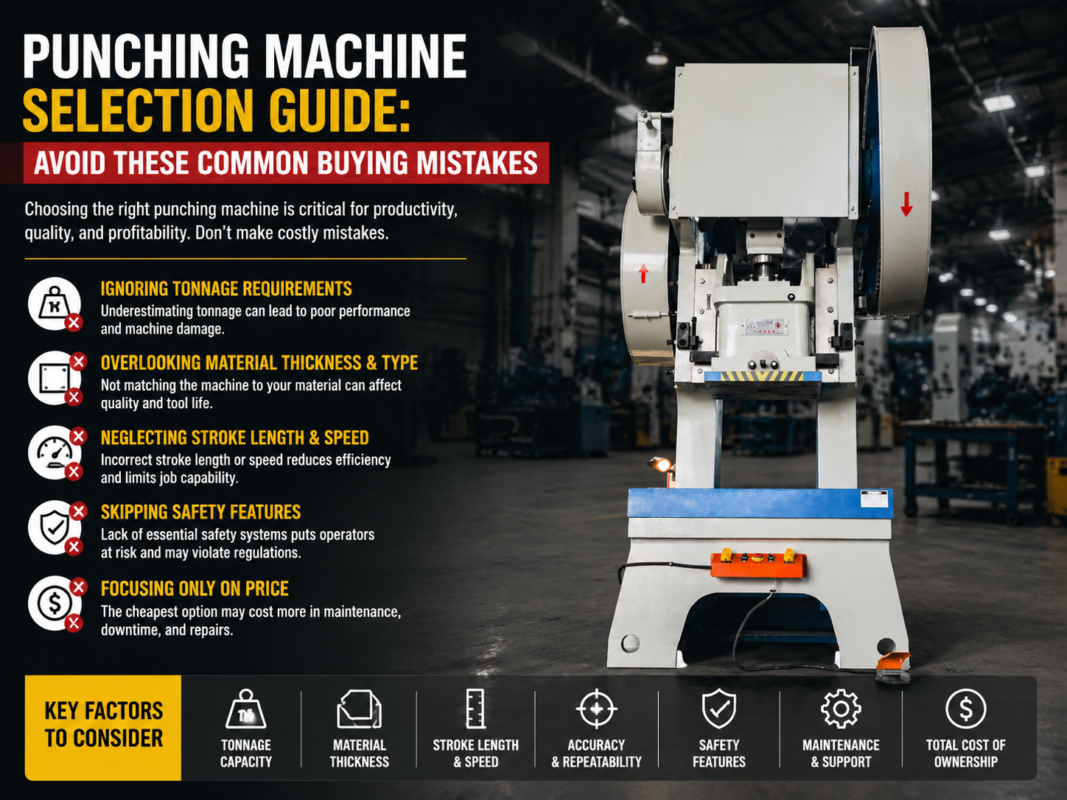
The purchase price is only the beginning. To truly understand what to look in an industrial punching machine metal fabrication, you must account for the ongoing expenses that keep the machine running.
Tooling Investment
A punching machine is useless without high-quality tooling. Depending on the turret style (Thick Turret vs. Thin Turret), a full set of tools can cost anywhere from $5,000 to $20,000. Additionally, tools are consumables; they require regular sharpening and eventual replacement. Investing in a high-quality tool grinder is often a necessary secondary expense to maintain punch quality and machine longevity.
Software and Programming
Modern CNC punching requires sophisticated CAD/CAM software. This software handles “nesting”—the process of arranging parts on a sheet to minimize waste. High-end nesting software can save thousands of dollars in material costs annually but often comes with a significant licensing fee and annual maintenance contracts. Ensure the machine you choose is compatible with industry-standard software like MetaCAM, Lantek, or the manufacturer’s proprietary suite.
Installation, Training, and Infrastructure
Shipping a 10-ton machine requires specialized logistics. Once on-site, it needs a reinforced concrete foundation to prevent vibration and ensure accuracy. Furthermore, your operators will need several days or weeks of training to master the CNC interface and safety protocols. Don’t forget the cost of compressed air and electrical upgrades if your shop isn’t currently wired for high-amperage industrial machinery.
ROI Calculation: Justifying the Investment
Calculating the Return on Investment (ROI) is essential for any capital expenditure. A punching machine should pay for itself through increased throughput and reduced labor costs. When evaluating ROI, consider the following factors:
- Labor Savings: A CNC turret punch can do the work of five manual operators. Calculate the reduction in man-hours required for your current production volume.
- Material Utilization: Advanced nesting software can improve material yield by 10-15%. In high-volume shops, this saving alone can cover the monthly machine payment.
- Secondary Operations: Modern punching machines can perform forming, tapping, and deburring. By eliminating the need to move parts to a second machine, you reduce handling time and the risk of damage.
- Energy Efficiency: If opting for a servo-electric model, calculate the savings in electricity compared to an older hydraulic unit.
For example, if a machine costs $100,000 and saves $3,000 a month in labor and $1,000 a month in material waste, the simple payback period is 25 months. Beyond that, the machine contributes directly to the company’s profit margin.
Buying Advice: How to Choose the Right Partner
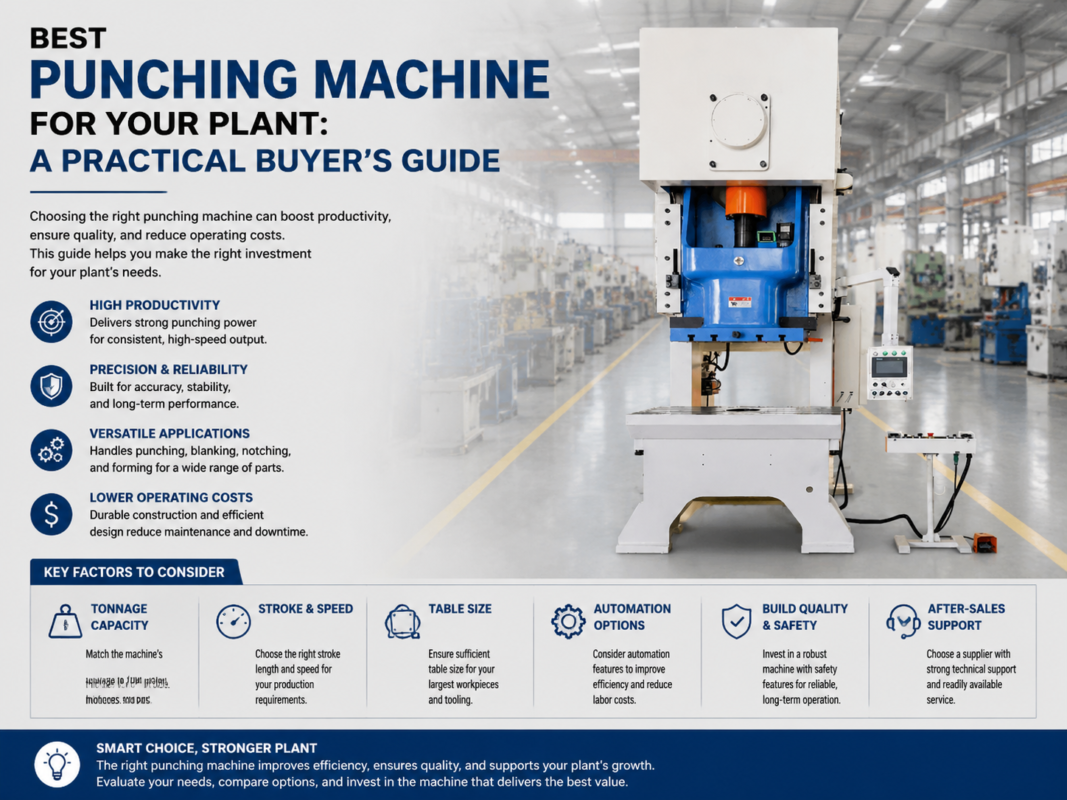
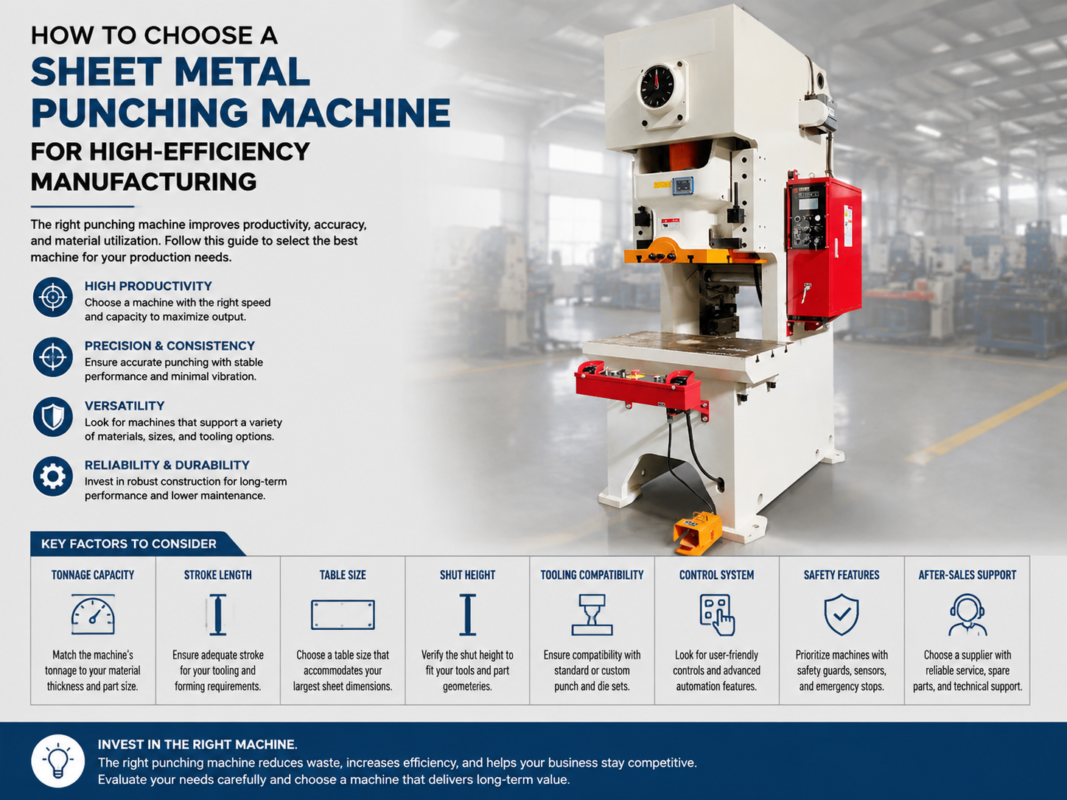
Choosing the right machine is as much about the manufacturer as it is about the specifications. Here is a checklist of what to look for in a vendor like HARSLE:
- Technical Support: Does the manufacturer have technicians in your region? How quickly can they provide spare parts? Downtime is the enemy of profitability.
- Build Quality: Look for an O-frame or bridge-frame design. These are more rigid than C-frame designs, leading to better accuracy and longer tool life.
- Control System Familiarity: Systems like Fanuc or Siemens are widely known. Choosing a machine with a standard controller makes it easier to find experienced operators and get third-party support.
- Future-Proofing: Even if you don’t need automation now, check if the machine can be retrofitted with a sheet loader or a part picker in the future.
- Sample Testing: Always ask the vendor to punch a sample part using your specific material and drawings. This confirms the machine’s capability and the quality of the finish.
Frequently Asked Questions (FAQ)
What is the difference between a turret punch and a laser cutter?
While laser cutters are excellent for complex contours, turret punches are significantly faster for repetitive holes and can perform forming operations (like louvers, ribs, and offsets) that a laser cannot. Many shops use both to maximize their capabilities.
How often does a punching machine need maintenance?
Daily maintenance involves cleaning and lubrication. Weekly checks should include inspecting the turret alignment and hydraulic fluid levels. A professional deep-service is recommended annually to calibrate the ram and check electrical connections.
Can I punch stainless steel on a standard machine?
Yes, but you must ensure the machine has sufficient tonnage and that you are using high-quality, coated tools designed for stainless steel. Stainless is much harder on the machine and tools than mild steel or aluminum.
What is ‘nibbling’ in punching?
Nibbling is a process where the machine makes a series of overlapping punches to create a large hole or a contoured shape that is larger than any single tool in the turret. High-speed nibbling is a key feature to look for if you have varied part geometries.
Is servo-electric always better than hydraulic?
Not necessarily. While servo-electric is more efficient and precise, hydraulic machines are often more robust for very heavy-duty, high-tonnage applications and are generally less expensive to purchase initially. The choice depends on your specific production needs and budget.
Conclusion
When you look in an industrial punching machine metal fabrication, you are looking for a partner in production. By carefully weighing the price, drive technology, and long-term costs against your specific manufacturing needs, you can select a machine that not only meets today’s demands but also scales with your future growth. HARSLE remains committed to providing high-quality, reliable punching solutions that empower fabricators to achieve excellence in every punch.