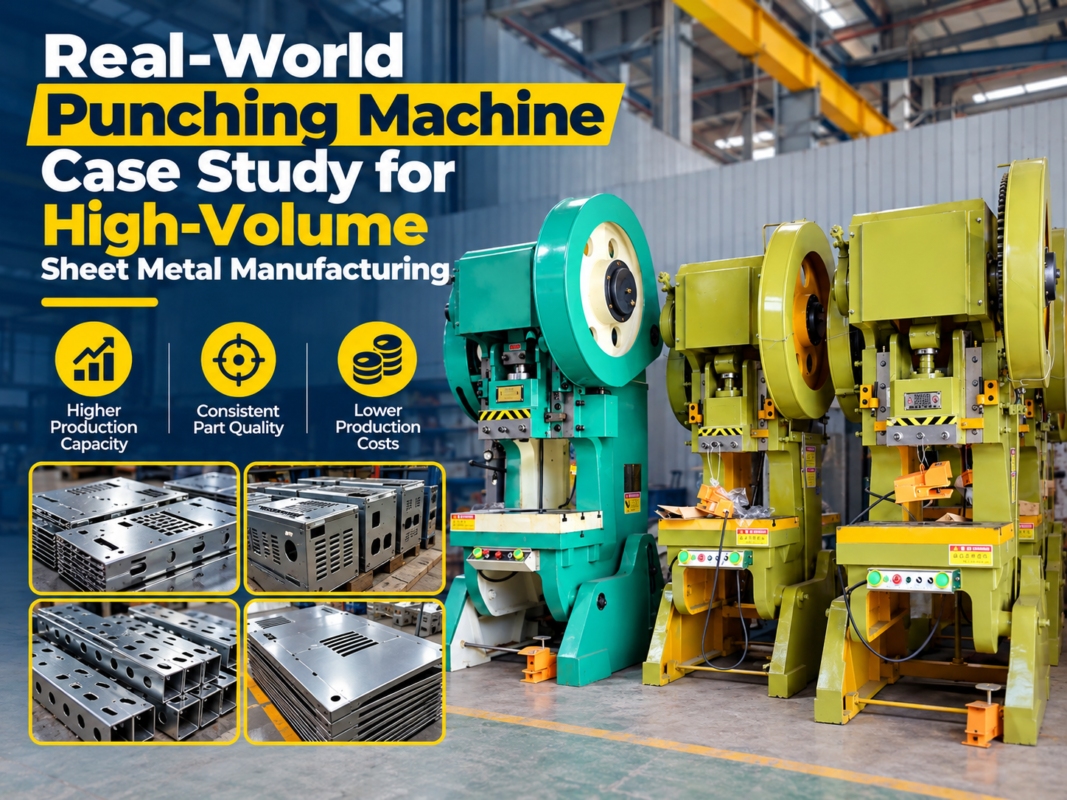
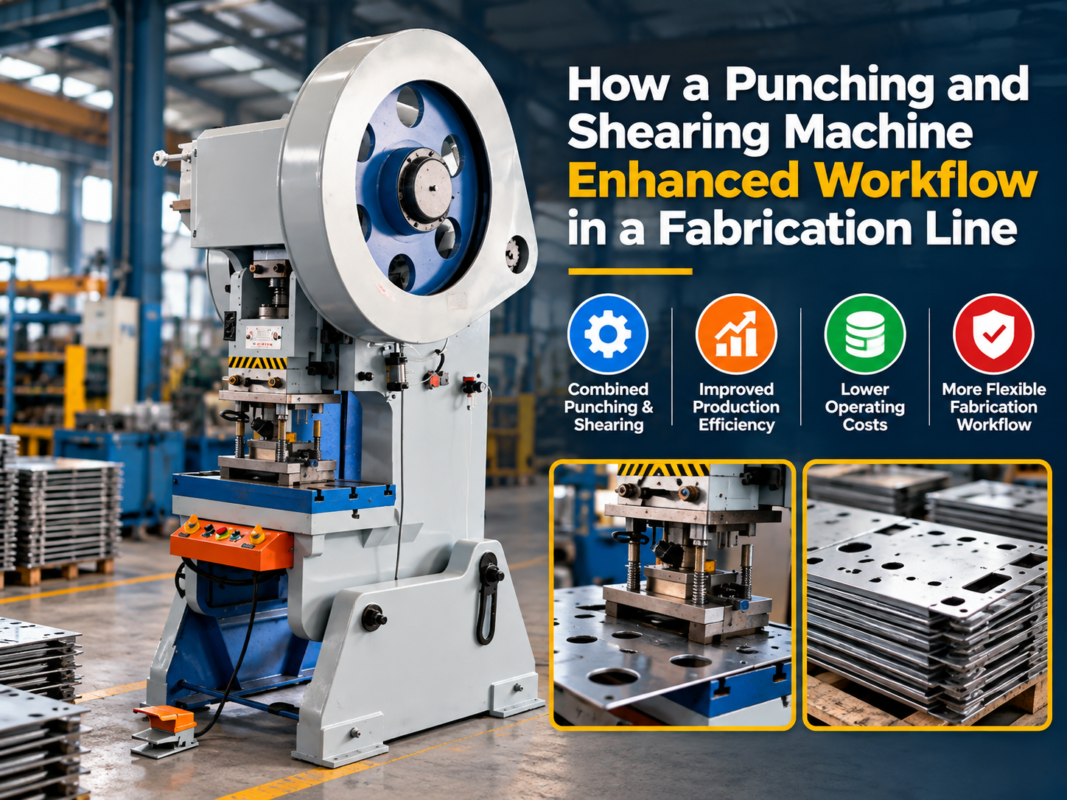
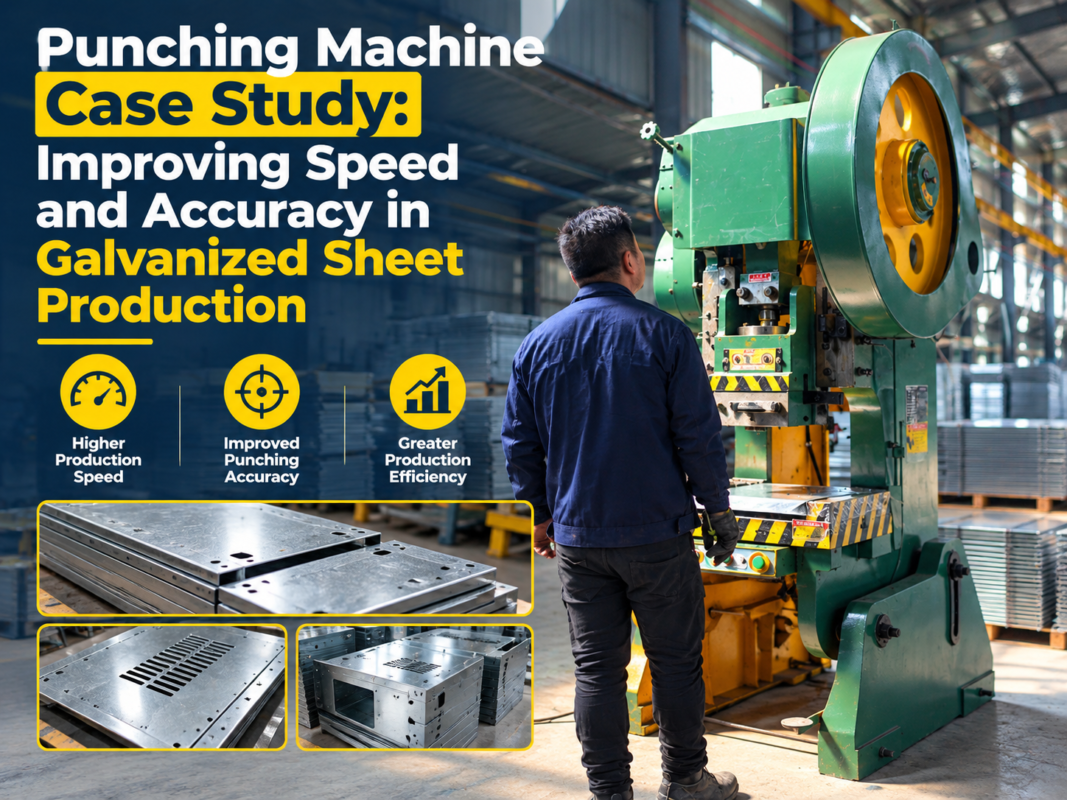
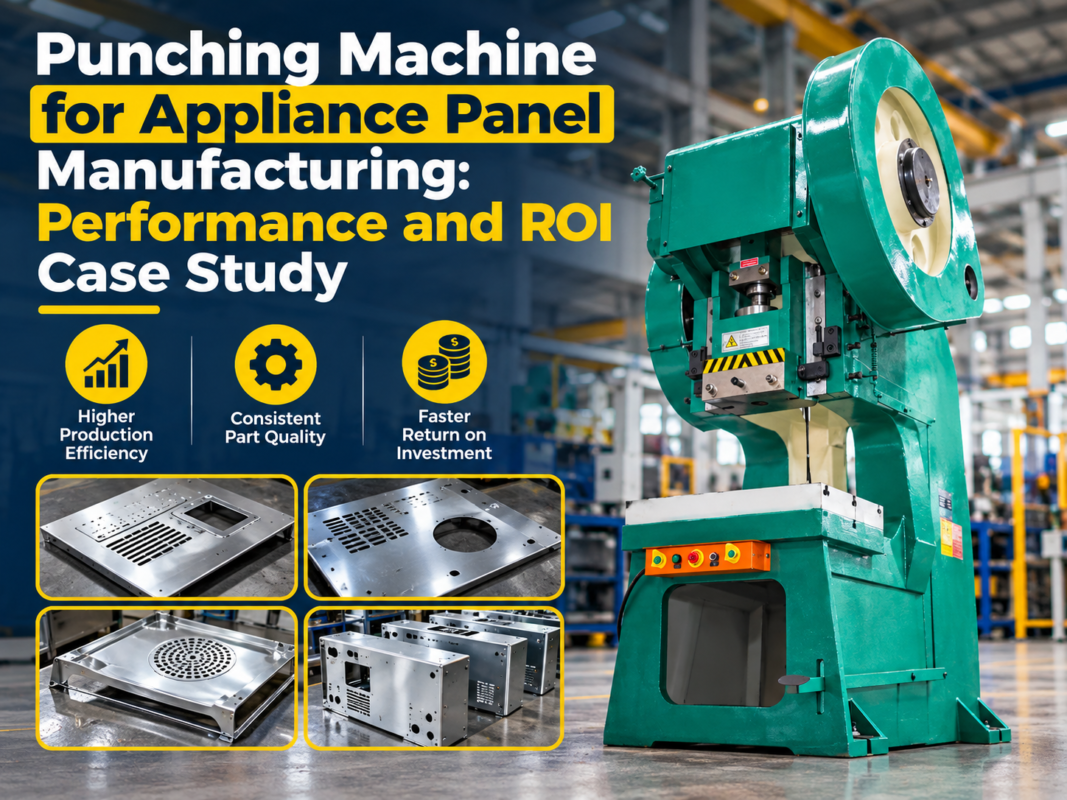
Top Factors That Affect Punching Machine Performance and Precision: A Comprehensive Guide


Introduction to Punching Machine Performance and Precision
In the competitive world of metal fabrication, the efficiency and accuracy of your equipment define your bottom line. Among the most critical tools in a modern workshop is the punching machine. Whether you are producing simple brackets or complex perforated panels, understanding the Top Factors That Affect Punching Machine Performance Precision is essential for maintaining high-quality output and operational longevity. HARSLE, a leader in metalworking machinery, emphasizes that precision is not just about the machine’s initial specs, but how various mechanical, electronic, and environmental factors interact during the production cycle.
Performance in punching is measured by hit rate, positioning speed, and the ability to handle diverse materials without deformation. Precision, on the other hand, refers to the machine’s ability to repeatedly place a hole or shape within a specific tolerance, often measured in microns. When these two elements are optimized, manufacturers see a significant reduction in scrap, lower secondary processing costs (like deburring), and faster turnaround times. This guide will delve deep into the technical and economic aspects of punching machine selection and operation.
Price Range Overview: Investing in Quality
When evaluating the market for punching machines, prices vary wildly based on technology and capacity. Understanding these price brackets helps businesses align their production needs with their capital expenditure capabilities. Generally, punching machines are categorized into three main tiers: entry-level pneumatic/manual, mid-range hydraulic CNC, and high-end servo-electric CNC systems.
- Entry-Level (Manual and Pneumatic): These machines typically range from $2,000 to $15,000. They are suitable for low-volume workshops or specific, repetitive tasks that do not require complex hole patterns. While affordable, they lack the precision and speed required for high-volume industrial fabrication.
- Mid-Range (Hydraulic CNC Punching Machines): Ranging from $30,000 to $85,000, these are the workhorses of the industry. They offer automated sheet positioning and turret tool changers. HARSLE’s hydraulic models in this range provide a balance of power and reliability, capable of handling thicker materials with consistent force.
- High-End (Servo-Electric and Large Format CNC): These machines can cost anywhere from $100,000 to over $250,000. They utilize advanced servo-drive technology for the punching head, offering unparalleled precision, energy efficiency, and high hit rates (up to 1,000+ hits per minute).
It is important to note that the initial purchase price is only one part of the equation. A lower-priced machine with high maintenance requirements or poor precision can quickly become more expensive than a premium model over a five-year period. Therefore, analyzing the Top Factors That Affect Punching Machine Performance Precision is vital before making a financial commitment.
Main Cost Drivers: What Influences the Price Tag?
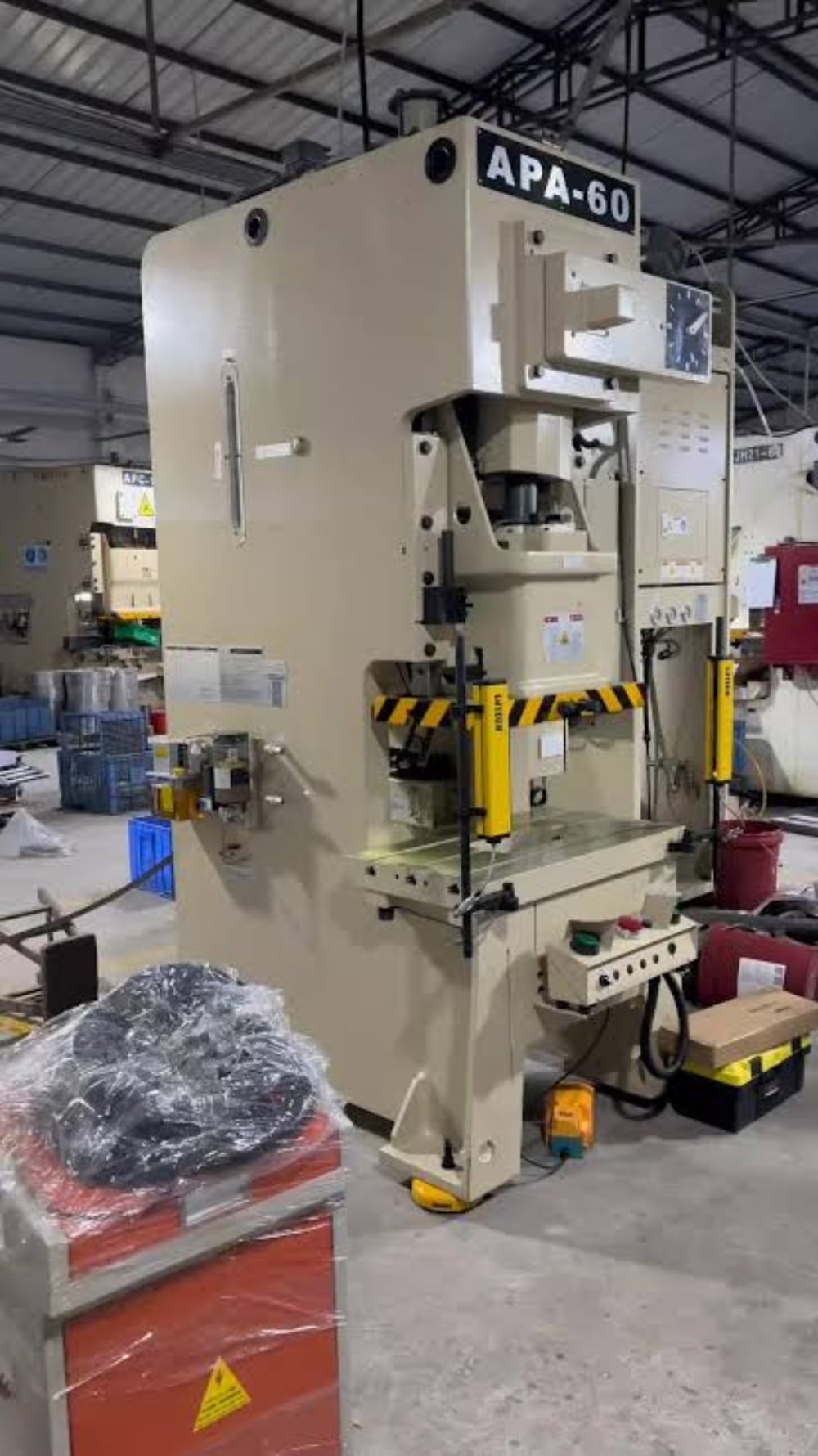
Several technical components serve as the primary drivers of both cost and performance. The first and most significant is the Frame Design. Most punching machines use either a C-frame or an O-frame (bridge frame). C-frames offer better accessibility for oversized sheets but are prone to “yawing” or deflection under high pressure. O-frames are more expensive to manufacture but provide superior rigidity, which is one of the Top Factors That Affect Punching Machine Performance Precision. A rigid frame ensures that the punch and die remain perfectly aligned, extending tool life and ensuring hole accuracy.
The Drive System is another major cost driver. Traditional mechanical flywheels are cheap but offer limited control. Hydraulic systems provide consistent force throughout the stroke but require cooling and regular oil changes. Servo-electric drives are the most expensive but offer the highest precision, as the stroke can be controlled to within 0.01mm. This allows for specialized operations like forming, embossing, and tapping within the punching cycle.
Finally, the CNC Control System and Software significantly impact the price. High-end controllers from brands like Fanuc or Siemens, integrated with sophisticated nesting software, allow for optimized material usage and complex geometry processing. The software’s ability to calculate the best path and manage tool changes efficiently is a key performance differentiator.
Configuration Impact on Precision and Speed
The configuration of a punching machine—specifically the turret layout and the sheet handling system—directly dictates its versatility and precision. A machine with a large turret capacity (e.g., 32 or 58 stations) reduces the need for manual tool changes, which minimizes downtime and the risk of human error. Furthermore, the inclusion of Auto-Index Stations allows tools to rotate 360 degrees, enabling the machine to punch complex angles with a single tool, thereby increasing both speed and precision.
The Sheet Positioning System, consisting of the X and Y-axis ball screws and linear guides, is where the “precision” happens. High-quality ball screws ensure that the sheet moves rapidly but stops exactly where intended. Any backlash or vibration in these components will lead to dimensional inaccuracies. HARSLE machines often utilize high-precision components to ensure that even at high speeds, the positioning remains within tight tolerances.
Another configuration factor is the Clamping System. The number of clamps and their gripping force determine how well the sheet is held during rapid movements. If a sheet slips even a fraction of a millimeter during a high-speed move, the entire part may be scrapped. Advanced machines feature “dead-zone” sensors and automatic clamp repositioning to maximize the usable area of the sheet while maintaining a firm grip.
Hidden Costs of Operating a Punching Machine
When calculating the total cost of ownership, many buyers overlook the hidden expenses that can erode profitability. Tooling Wear and Replacement is perhaps the most significant hidden cost. Poorly aligned machines or incorrect punch-to-die clearances accelerate tool wear. Using high-quality, hardened steel tools is an upfront investment that pays off by reducing the frequency of sharpening and replacement.
Energy Consumption is another factor. Hydraulic machines require the pump to run continuously, consuming significant electricity even when the machine is idling. In contrast, servo-electric machines only consume power during the actual punch stroke. Over several years of multi-shift operation, the energy savings of a servo-electric model can amount to tens of thousands of dollars.
Maintenance and downtime are also critical. Hydraulic systems require oil changes, filter replacements, and seal monitoring to prevent leaks. Mechanical systems require lubrication of complex linkages. Additionally, the cost of Operator Training should not be underestimated. A highly precise machine is only as good as the person programming it. Investing in training ensures that the machine is used to its full potential and reduces the likelihood of costly crashes or setup errors.
ROI Calculation: Measuring the Value of Precision
Calculating the Return on Investment (ROI) for a punching machine involves more than just comparing the purchase price to the hourly rate. To get an accurate picture, you must consider the Cycle Time Reduction. A machine that can perform 500 hits per minute versus one that does 300 hits per minute effectively increases your capacity by 66% without adding labor costs.
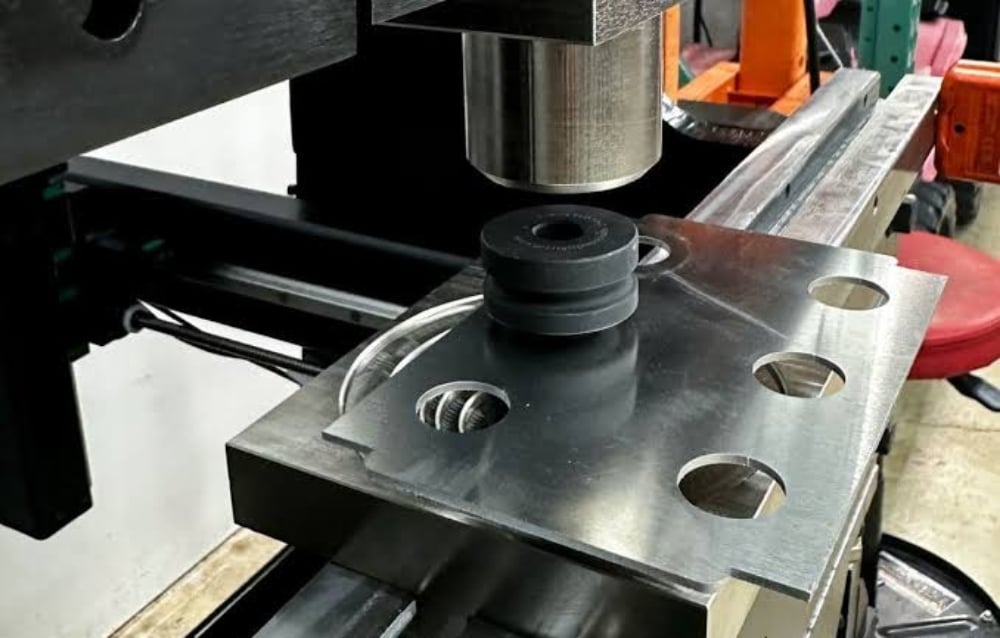
Another factor is Material Utilization. Advanced CNC software with nesting capabilities can reduce scrap by 10-15%. In high-volume production using expensive materials like stainless steel or aluminum, these savings can cover the monthly machine payment. Furthermore, high precision reduces the need for secondary operations. If a hole is punched so cleanly that it doesn’t require deburring, or if a part is formed so accurately that it fits perfectly into a welding jig, you are saving significant labor hours downstream.
To calculate ROI, use the following formula:
ROI = (Annual Savings + Annual Increased Profit) / Total Investment Cost.
Where savings include reduced labor, scrap, and energy, and increased profit comes from the ability to take on more complex, higher-margin jobs that lower-precision competitors cannot handle.
Buying Advice: Selecting the Right HARSLE Machine
Choosing the right punching machine requires a deep dive into your current and future production needs. Here is a checklist to guide your decision:
- Material Specifications: What is the maximum thickness and tensile strength of the material you punch? Ensure the machine’s tonnage (e.g., 30 tons, 50 tons) is sufficient for your thickest applications.
- Part Complexity: Do you need to perform forming, ribbing, or tapping? If so, a servo-electric machine with auto-index stations is a must.
- Production Volume: For high-volume 24/7 production, prioritize speed and energy efficiency. For prototype work, prioritize ease of setup and software flexibility.
- Floor Space: Consider the footprint of the machine, including the movement of the sheet metal. O-frame machines generally take up more space but offer better stability.
- After-Sales Support: Ensure the manufacturer, like HARSLE, provides robust technical support, spare parts availability, and training.
We recommend requesting a sample part run from the manufacturer. Provide them with your most difficult part drawing and see how the machine performs in terms of edge quality, dimensional accuracy, and cycle time. This real-world test is the best way to verify the Top Factors That Affect Punching Machine Performance Precision for your specific needs.
Frequently Asked Questions (FAQ)
1. How does punch-and-die clearance affect precision?
Clearance is the gap between the punch and the die. If the clearance is too large, the material will have excessive burrs and deformation. If it is too small, it increases tool wear and requires more force. Correct clearance, usually 10-20% of the material thickness, is vital for clean, precise holes.
2. What is the difference between a mechanical and a hydraulic punching machine?
Mechanical machines use a flywheel and are generally faster for simple tasks but offer less control. Hydraulic machines use fluid power, allowing for full tonnage at any point in the stroke, which is better for thicker materials and forming operations.
3. Can a punching machine replace a laser cutting machine?
For parts with many holes, louvers, or forms, a punching machine is much faster and more cost-effective than a laser. However, for highly complex, irregular contours in thick material, a laser is often superior. Many shops use both to maximize flexibility.
4. How often should I sharpen my punching tools?
This depends on the material being punched. Stainless steel dulls tools faster than mild steel. A general rule is to check tools every 50,000 to 100,000 hits. Sharpening them early and often extends the total life of the tool and maintains hole precision.
5. Why is frame deflection a problem?
When a frame deflects (bends) under pressure, the punch and die no longer meet perfectly straight. This causes uneven wear on the tools and results in holes that are slightly “canted” or out of position, which is a major factor affecting performance precision.
6. Is servo-electric technology worth the extra cost?
Yes, for most modern fabrication shops. The combination of high speed, extreme precision, lower energy costs, and reduced maintenance (no hydraulic oil) usually results in a lower total cost of ownership over the life of the machine.