Top Industrial Applications of Punching Machines in Manufacturing: A Comprehensive Guide


Introduction to Modern Punching Technology
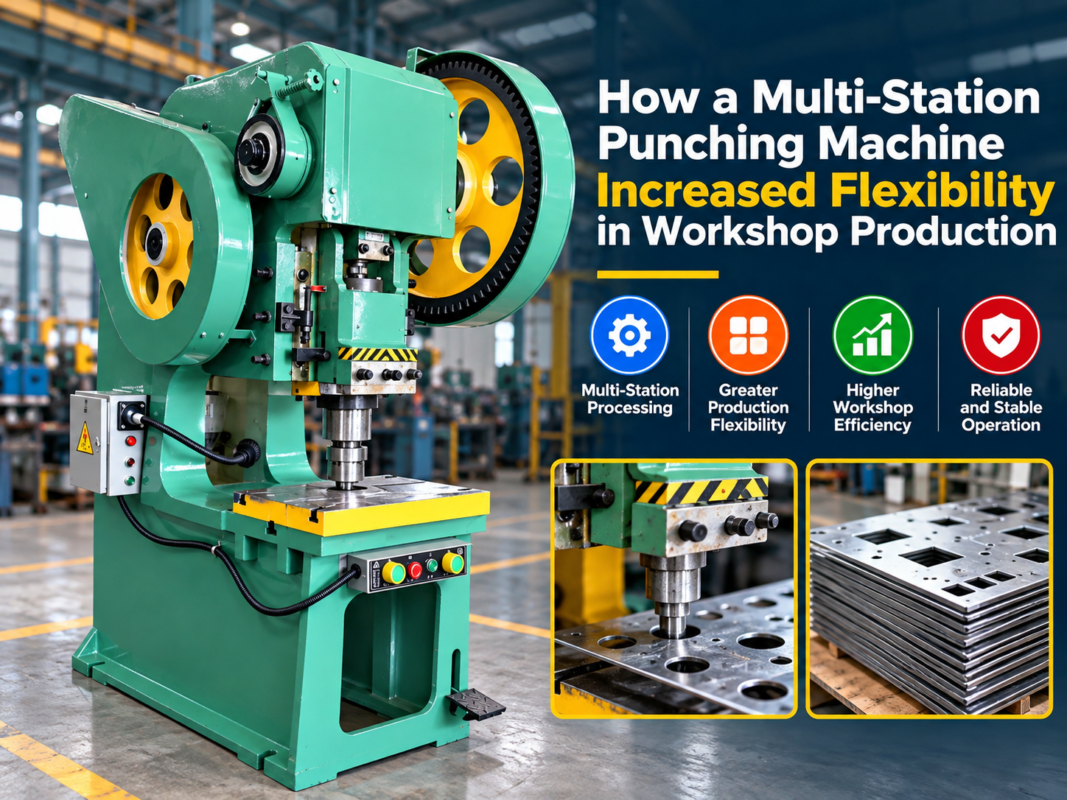
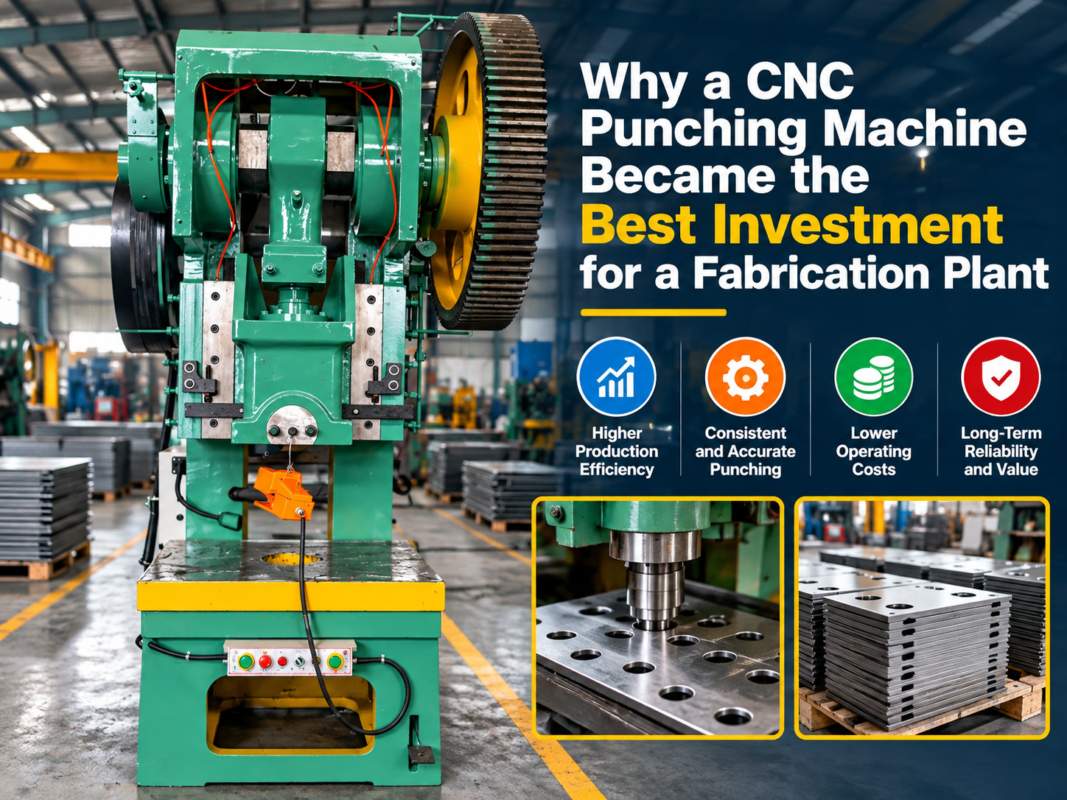
In the rapidly evolving landscape of metal fabrication, the punching machine remains a cornerstone of industrial productivity. From the early days of manual lever-operated presses to the sophisticated CNC (Computer Numerical Control) turret punch presses of today, these machines have revolutionized how we shape and transform sheet metal. The Top Industrial Applications Of Punching Machines In Manufacturing span across nearly every sector, providing a cost-effective, high-speed solution for creating holes, notches, and complex forms in various materials.
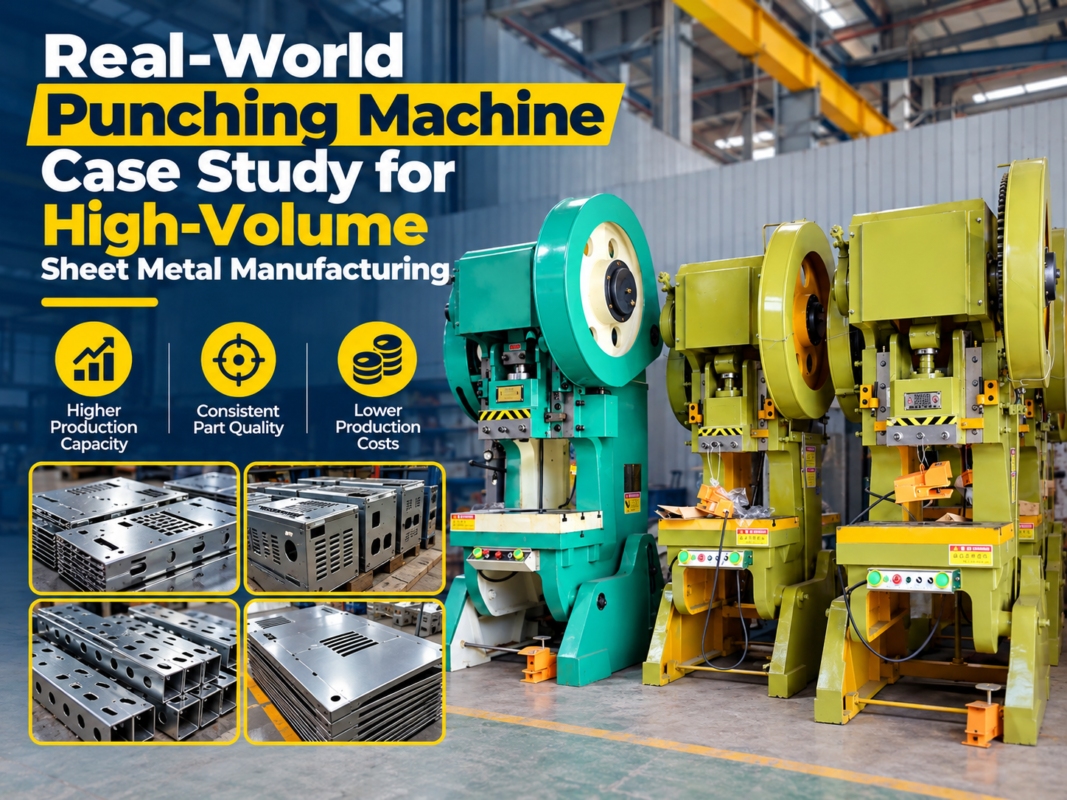
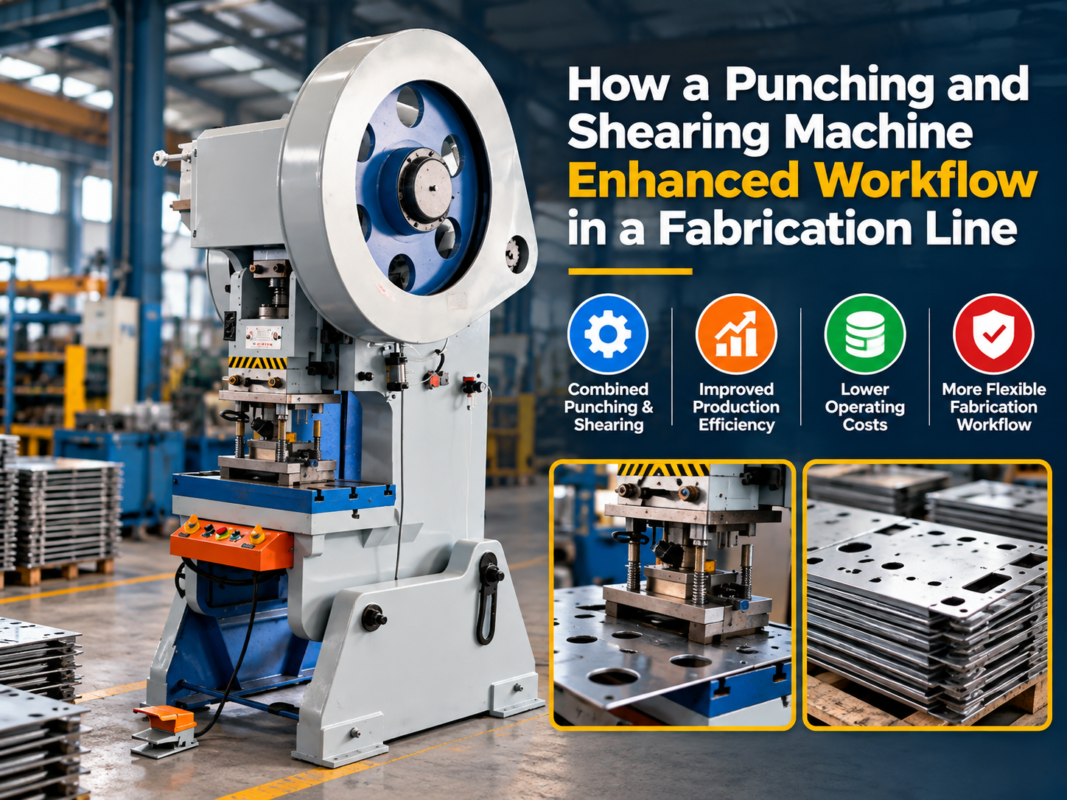
At its core, a punching machine uses a punch and a die to apply force to a workpiece, shearing the material to create a specific shape. While laser cutting and waterjet technologies have gained popularity, punching machines offer unique advantages, particularly in high-volume production and the creation of formed features like louvers, ribs, and countersinks that thermal cutting methods cannot achieve. HARSLE, a leader in metal fabrication machinery, continues to innovate in this space, providing manufacturers with the precision and durability required for modern industrial demands.
Understanding the breadth of these applications is essential for any manufacturing professional looking to optimize their production line. Whether it is the automotive industry requiring thousands of identical brackets or the electronics sector needing intricate enclosures, the versatility of the punching machine is unmatched. This article will delve deep into the technical nuances, key considerations, and the diverse industries that rely on this powerhouse of fabrication.
Key Considerations for Punching Machine Implementation
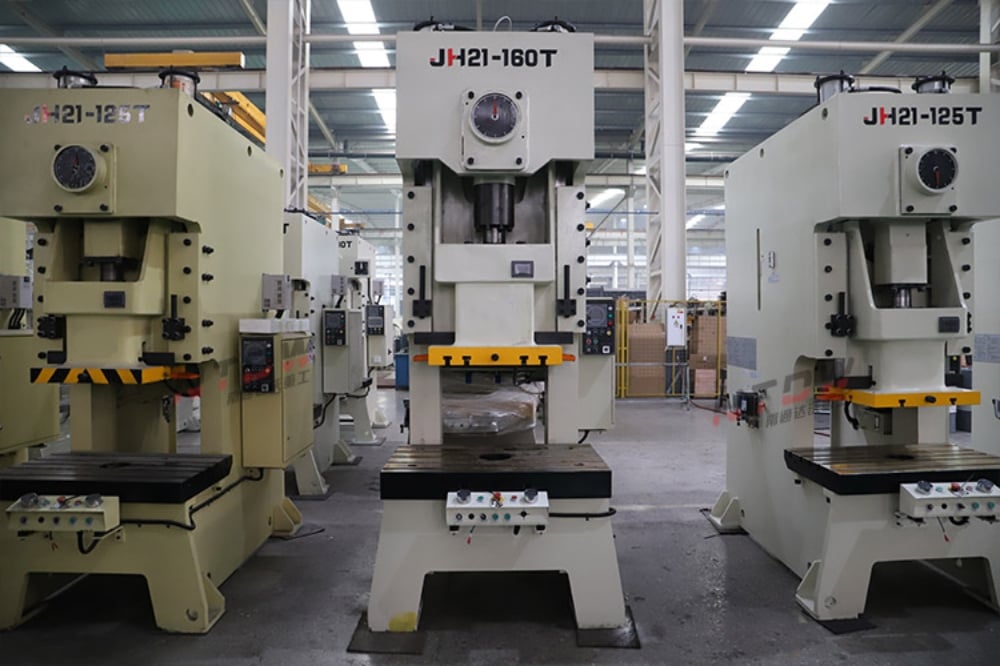
Before integrating a punching machine into a manufacturing workflow, several critical factors must be evaluated to ensure maximum efficiency and return on investment. The first consideration is material compatibility. Punching machines are highly effective on mild steel, aluminum, and stainless steel, but the thickness and tensile strength of the material dictate the required tonnage of the machine. Using a machine with insufficient tonnage for thick stainless steel can lead to premature tool wear and mechanical failure.
Another vital factor is tooling versatility. Modern turret punch presses can hold dozens of tools simultaneously, allowing for complex operations without manual tool changes. Manufacturers must consider the variety of shapes they intend to produce—round, square, oblong, or custom geometries. The quality of the tooling itself is paramount; high-speed steel (HSS) or carbide-tipped tools are often necessary for high-volume runs to maintain edge quality and dimensional accuracy.
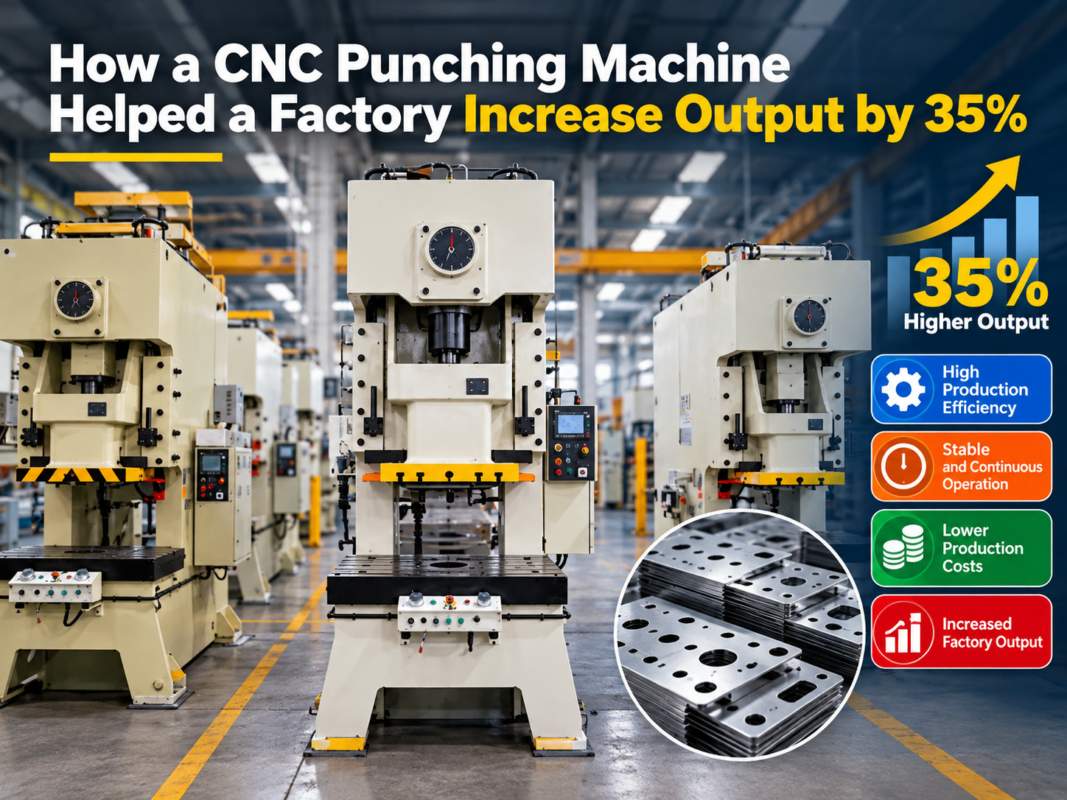
Production volume and speed are also decisive factors. For small-scale prototype work, a single-station hydraulic punch might suffice. However, for mass production, a high-speed CNC turret punch press with automated loading and unloading systems is essential. These machines can perform hundreds of hits per minute, significantly reducing the cycle time per part compared to other fabrication methods. Furthermore, the ability to perform secondary operations like tapping or forming within the punching cycle adds immense value.
Finally, precision and tolerances must be aligned with the industry standards. In sectors like aerospace or medical device manufacturing, tolerances are extremely tight. The rigidity of the machine frame (often a C-frame or O-frame design) and the accuracy of the servo-drive systems determine the repeatability of the punch. A high-quality machine from a reputable manufacturer like HARSLE ensures that the first part is identical to the ten-thousandth part.
Technical Details: How Punching Machines Work
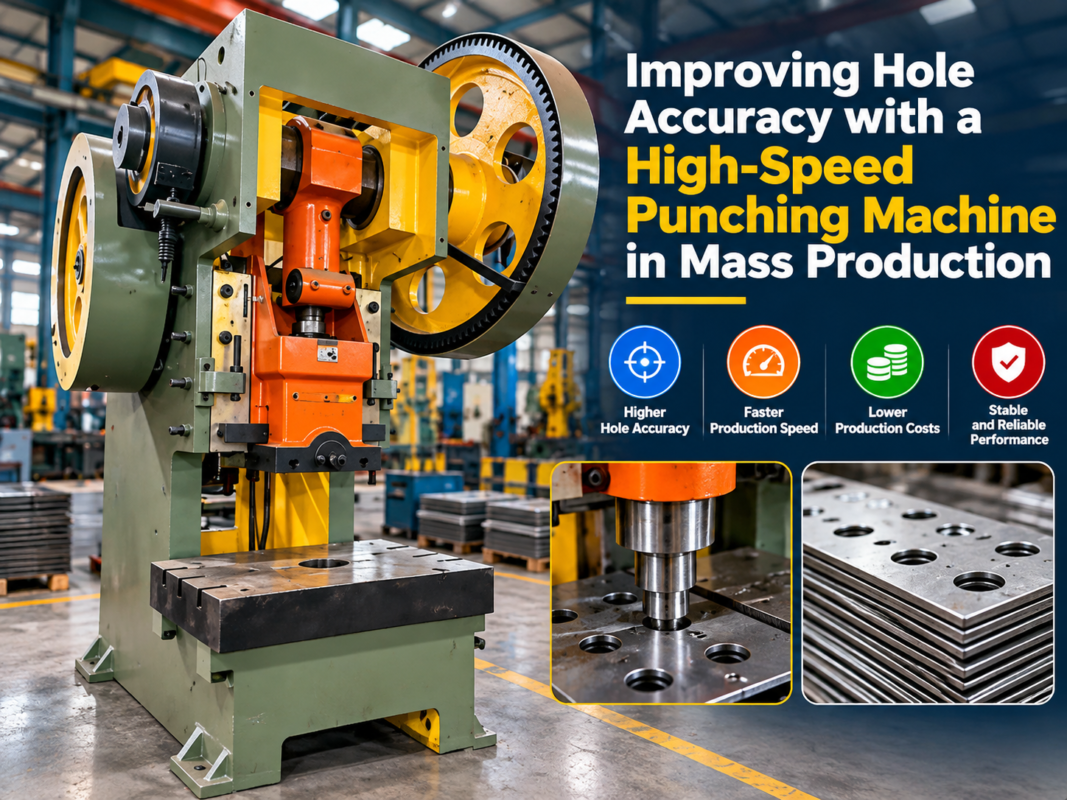
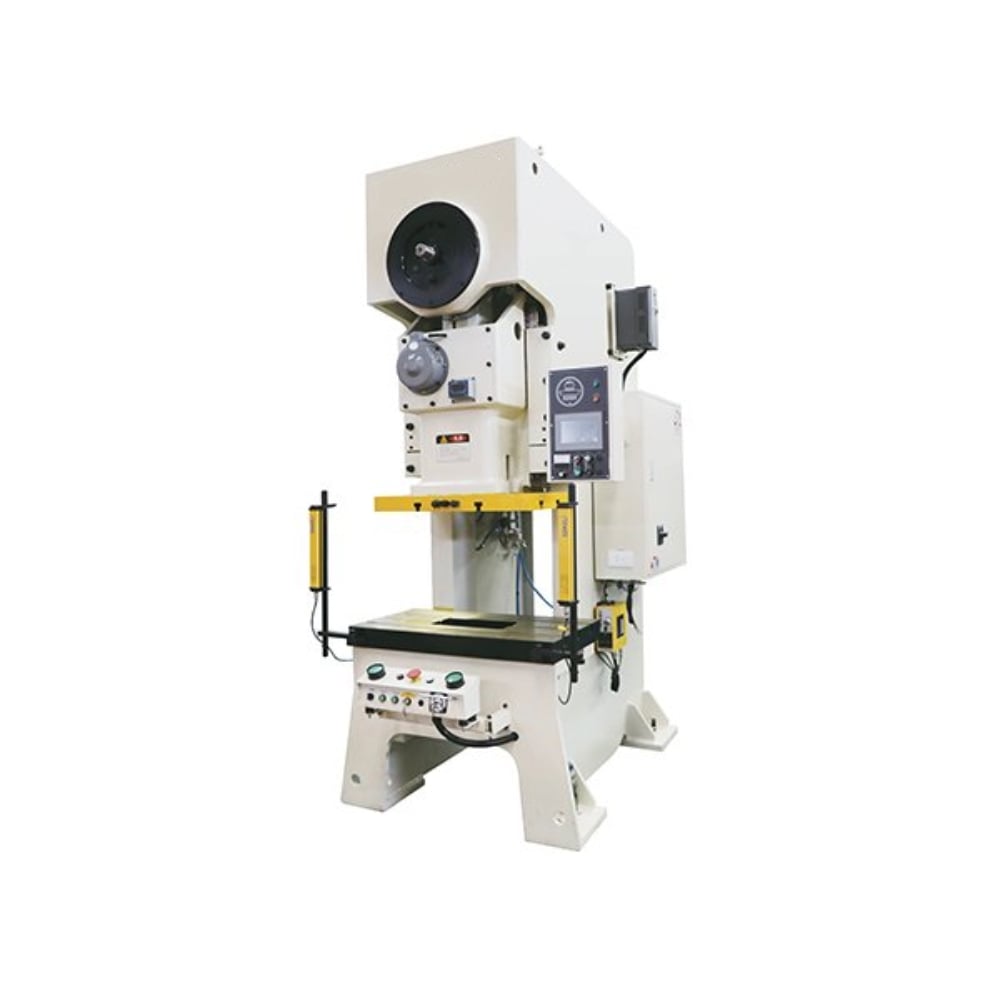
The mechanical principles of a punching machine are a blend of physics and precision engineering. The process begins with the drive mechanism. Traditional machines used a flywheel and clutch system (mechanical presses), which provided high speed but limited control over the stroke. Modern machines often utilize hydraulic or servo-electric drives. Hydraulic systems offer immense power and the ability to control the punch speed throughout the stroke, while servo-electric systems provide the highest level of energy efficiency and precision control.
The CNC Controller acts as the brain of the machine. It interprets CAD/CAM files to position the sheet metal accurately using X and Y-axis motors. The coordination between the sheet movement and the punch stroke is critical. If the sheet moves while the punch is still in the material, it can cause damage to both the tool and the workpiece. Advanced software optimizes the “nesting” of parts on a sheet to minimize waste and calculates the most efficient path for the turret to take.
The Turret and Tooling System is what gives the machine its versatility. A turret consists of an upper and lower disk that hold the punches and dies. When a specific shape is required, the turret rotates to bring the correct tool set under the ram. Some machines also feature “Auto-Index” stations, where the tool can be rotated to any angle, allowing for diagonal cuts or complex patterns without needing a dedicated tool for every angle.
Comparison of Punching Drive Systems
| Feature | Mechanical Press | Hydraulic Press | Servo-Electric Press |
|---|---|---|---|
| Speed | Very High | Moderate | High |
| Control | Limited | Full Stroke Control | Precision Control |
| Energy Efficiency | Low | Moderate | Very High |
| Maintenance | High (Clutch/Brake) | Moderate (Seals/Oil) | Low |
| Noise Level | High | Moderate | Low |
Top Industrial Applications of Punching Machines
1. Automotive Industry
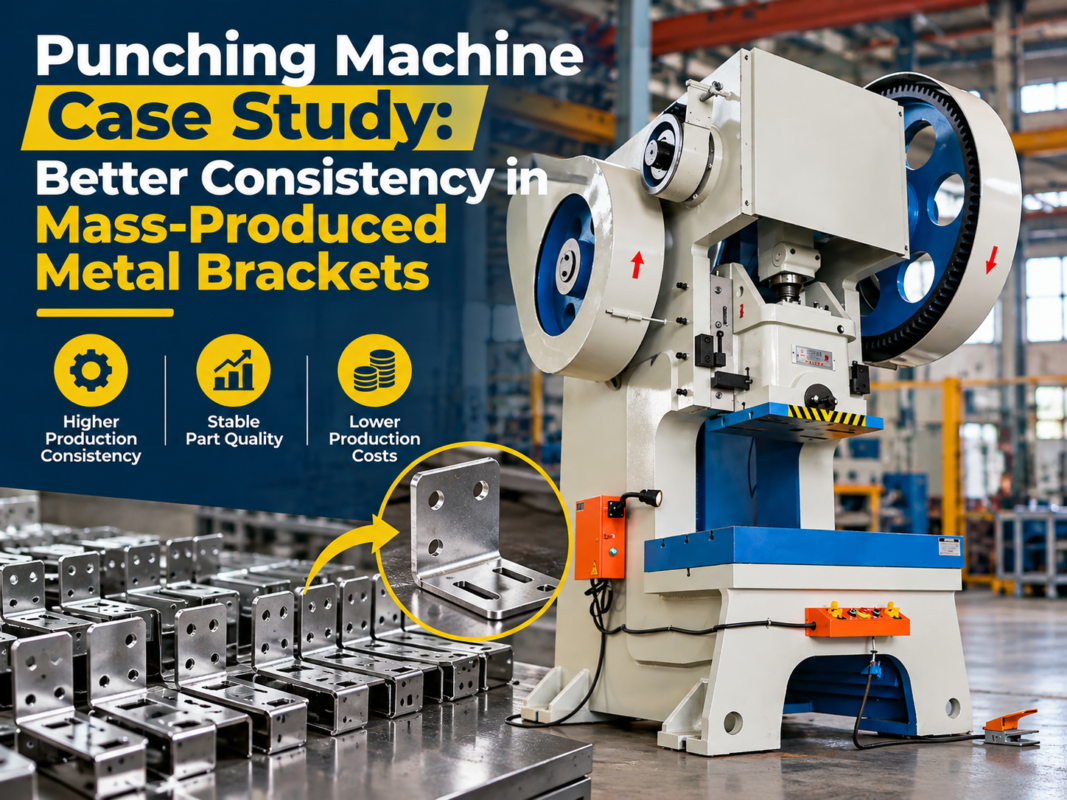
The automotive sector is perhaps the largest consumer of punched metal components. From the structural chassis to small interior brackets, punching machines are used to create high-strength parts with absolute consistency. In vehicle assembly, thousands of holes are required for fasteners, wiring harnesses, and fluid lines. CNC punching machines allow manufacturers to produce these parts at a scale that matches the rapid pace of automotive assembly lines.
2. Aerospace and Aviation
In aerospace, the focus is on lightweight materials like aluminum and titanium. Punching machines are used to create the internal ribs of wings, fuselage panels, and instrument clusters. Because weight is a critical factor, many aerospace parts feature complex hole patterns designed to reduce mass without compromising structural integrity. The precision of CNC punching ensures that these critical components meet stringent safety regulations.
3. Electronics and Telecommunications
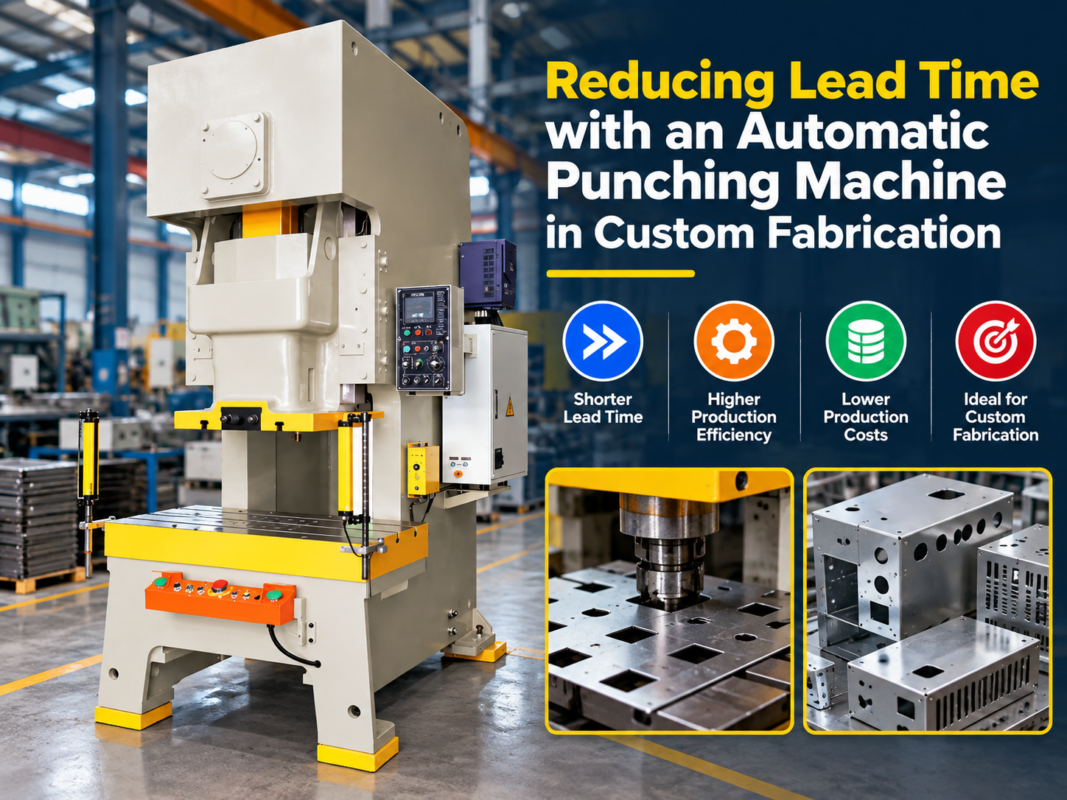
The enclosures for servers, computers, and telecommunications equipment require intricate ventilation patterns (perforations) to manage heat. Punching machines are ideal for this because they can create thousands of small holes much faster than a laser. Additionally, the ability to create “knockouts” for cable entry and embossed grounding tabs makes the punching machine the preferred tool for sheet metal cabinet fabrication.
4. HVAC and Construction
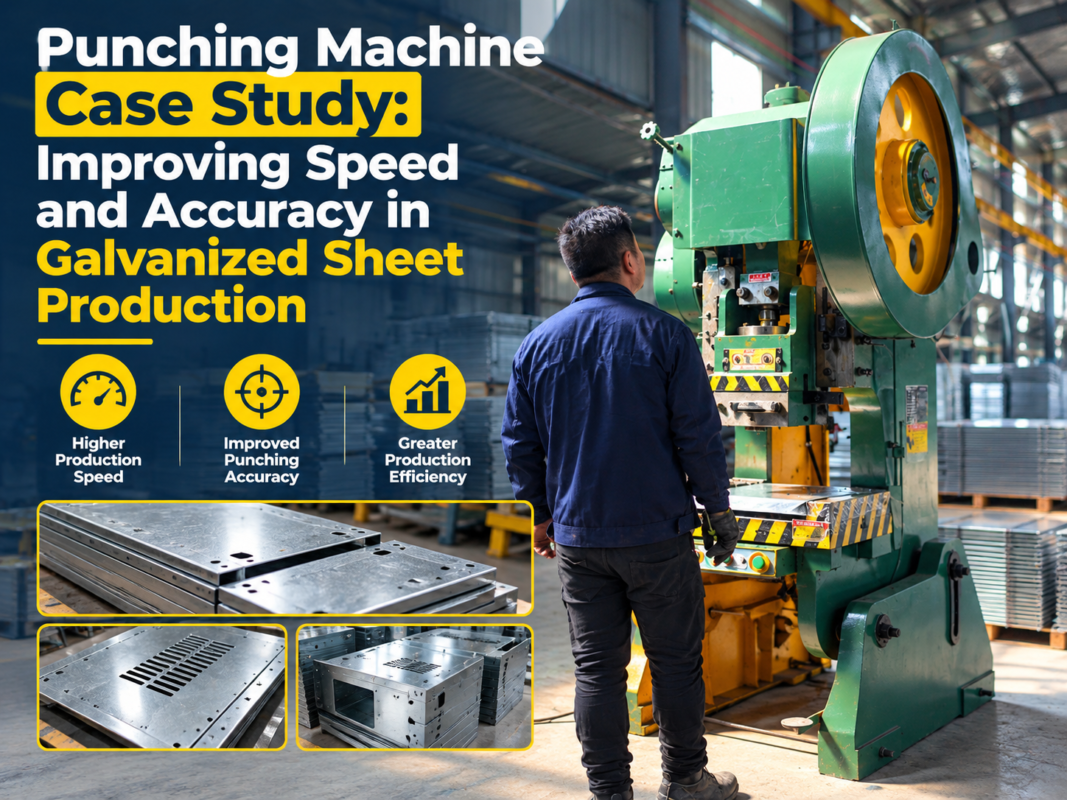
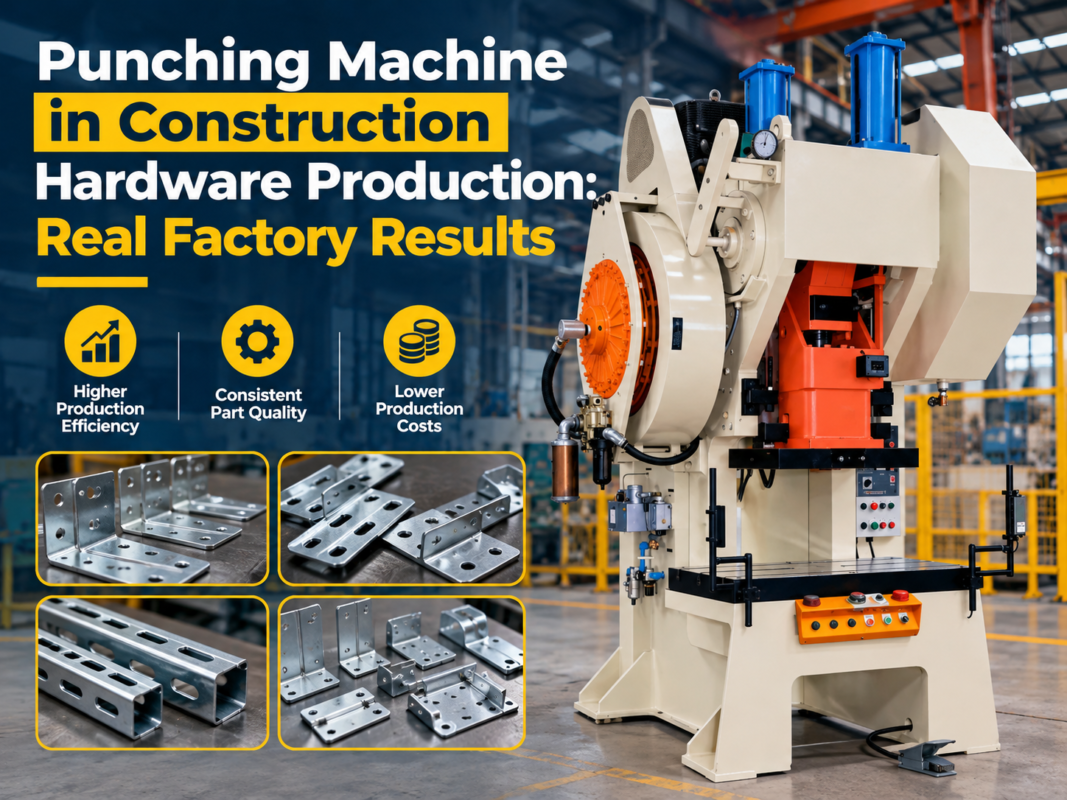
Heating, Ventilation, and Air Conditioning (HVAC) systems rely heavily on ductwork, vents, and furnace housings. These parts are often large and made from galvanized steel. Punching machines are used to create the connecting flanges, louvers for airflow, and mounting holes. In the broader construction industry, punching is used for structural plates, roofing components, and decorative architectural panels.
5. Appliance Manufacturing
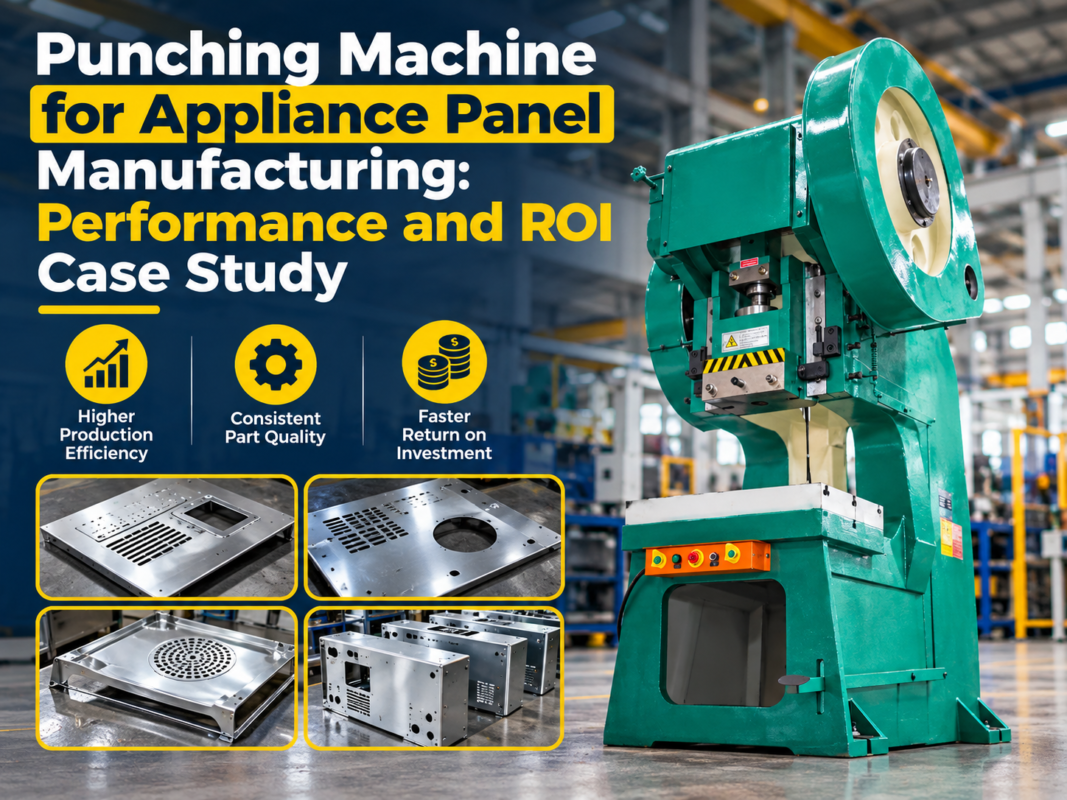
Look at your refrigerator, washing machine, or oven, and you will see the work of a punching machine. The outer panels, internal shelving supports, and control panels are all produced using high-speed punching. The ability to form features like dimples for screw heads or decorative textures directly in the punching press saves manufacturers from needing multiple separate machines.
Selection Advice: Choosing the Right Punching Machine
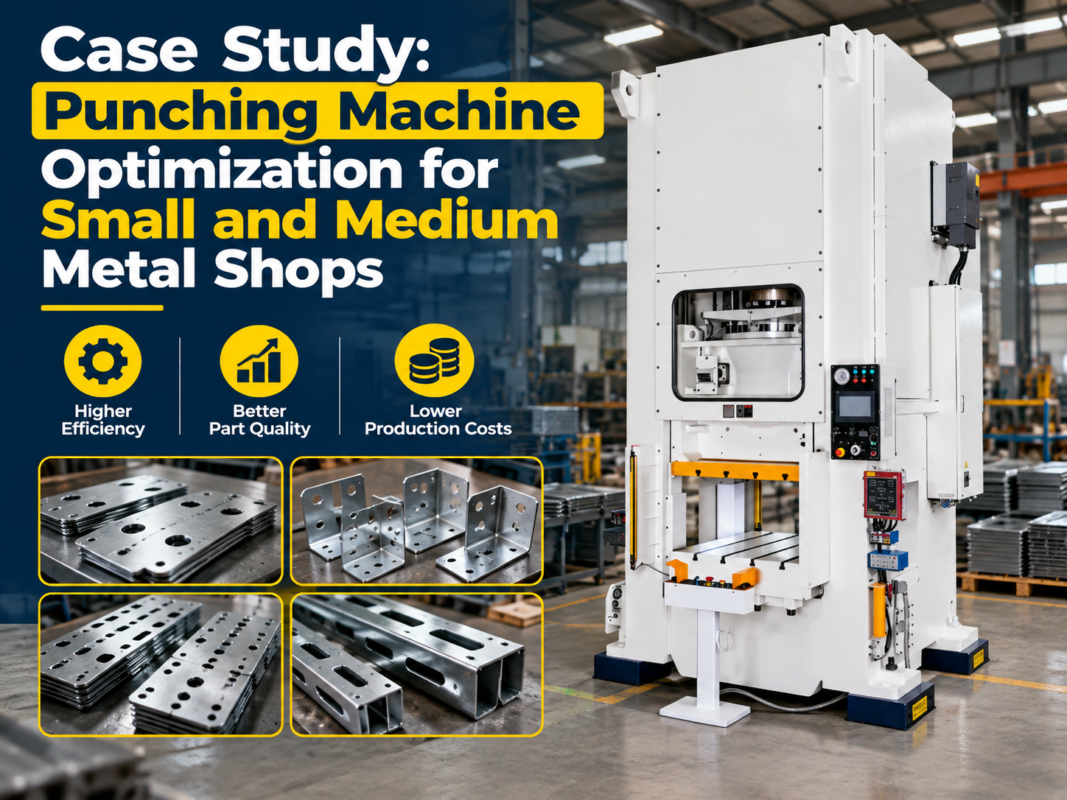
Selecting the right equipment is a strategic decision that impacts long-term profitability. The first step is to analyze your part complexity. If your parts are mostly flat with simple holes, a standard CNC punch is sufficient. If you require complex forming, look for a machine with high-clearance turrets and advanced forming software capabilities. HARSLE offers a range of machines tailored to different complexity levels, ensuring you don’t overpay for features you don’t need.
Consider the maximum sheet size you plan to process. Machines come with different throat depths and table sizes. If you work with large 4×8 or 5×10 foot sheets, ensure the machine can handle the weight and dimensions without excessive repositioning, which can introduce inaccuracies. Automated repositioning is a standard feature on many CNC machines, but it does add a small amount of time to the cycle.
Don’t overlook after-sales support and maintenance. Punching machines are high-impact tools that require regular lubrication, tool sharpening, and software updates. Choosing a manufacturer like HARSLE ensures access to spare parts and technical expertise. A machine that is down for a week due to lack of parts can cost a manufacturer thousands of dollars in lost production. Always inquire about the availability of local service technicians and the ease of sourcing standard tooling.
Finally, evaluate the total cost of ownership. While a servo-electric machine might have a higher upfront cost than a hydraulic one, the savings in electricity and the reduction in maintenance (no oil changes or leak repairs) often make it the more economical choice over a five-to-ten-year period. Factor in the speed of the machine as well; a faster machine can often replace two older, slower ones, saving floor space and labor costs.
Frequently Asked Questions (FAQ)
What is the difference between a punching machine and a laser cutting machine?
While both machines cut sheet metal, they do so differently. A punching machine uses mechanical force to shear the metal, which is faster for repetitive holes and allows for forming (like louvers). A laser uses a concentrated beam of light to melt the metal, which is better for highly complex, irregular shapes and thicker materials where tooling would be too expensive.
How thick can a punching machine cut?
The thickness capacity depends on the machine’s tonnage and the material’s shear strength. Most industrial CNC turret punches handle up to 6mm (1/4 inch) mild steel. Specialized heavy-duty punching machines can handle 20mm or more, but these are typically single-station machines used in structural steel fabrication.
How often should I sharpen my punching tools?
Tool life depends on the material being punched. Stainless steel dulls tools much faster than aluminum. As a general rule, tools should be inspected every 50,000 to 100,000 hits. Sharpening the tool early prevents burrs on the parts and reduces the stress on the machine’s ram and motor.
Can a punching machine create threads?
Yes, many modern CNC punching machines can be equipped with a tapping tool. This allows the machine to punch a hole and then thread it in the same sequence, eliminating the need for a secondary manual tapping operation and improving part accuracy.
Is CNC punching environmentally friendly?
Compared to traditional manufacturing, CNC punching is quite efficient. Servo-electric models are particularly green as they only consume significant power during the actual punch stroke. Additionally, because punching is a cold process, it doesn’t produce the fumes or gases associated with thermal cutting methods like plasma or laser.
Conclusion: The Future of Punching in Manufacturing
The Top Industrial Applications Of Punching Machines In Manufacturing demonstrate that this technology is far from obsolete. As industries demand faster turnaround times and higher precision, the punching machine has adapted, integrating IoT (Internet of Things) capabilities for remote monitoring and AI-driven software for optimal nesting and tool pathing. The blend of speed, versatility, and the unique ability to form metal makes it an indispensable asset in the modern factory.
For manufacturers looking to stay competitive, investing in high-quality punching equipment from HARSLE provides the reliability needed to tackle diverse projects. Whether you are building the next generation of electric vehicles or simple metal shelving, the punching machine remains the workhorse of the industry. By understanding the technical requirements and selection criteria outlined in this guide, businesses can make informed decisions that drive efficiency and innovation for years to come.