How Punching Machines Improve Sheet Metal Production Efficiency: A Comprehensive Guide


Introduction to Modern Punching Technology
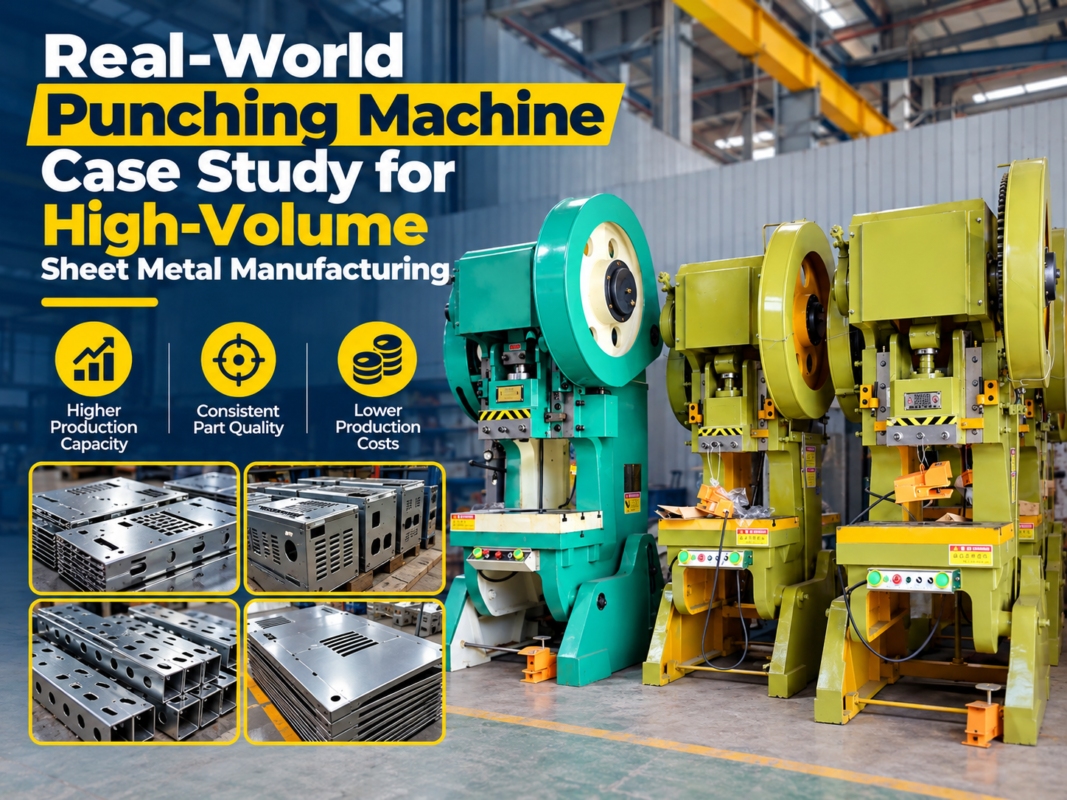
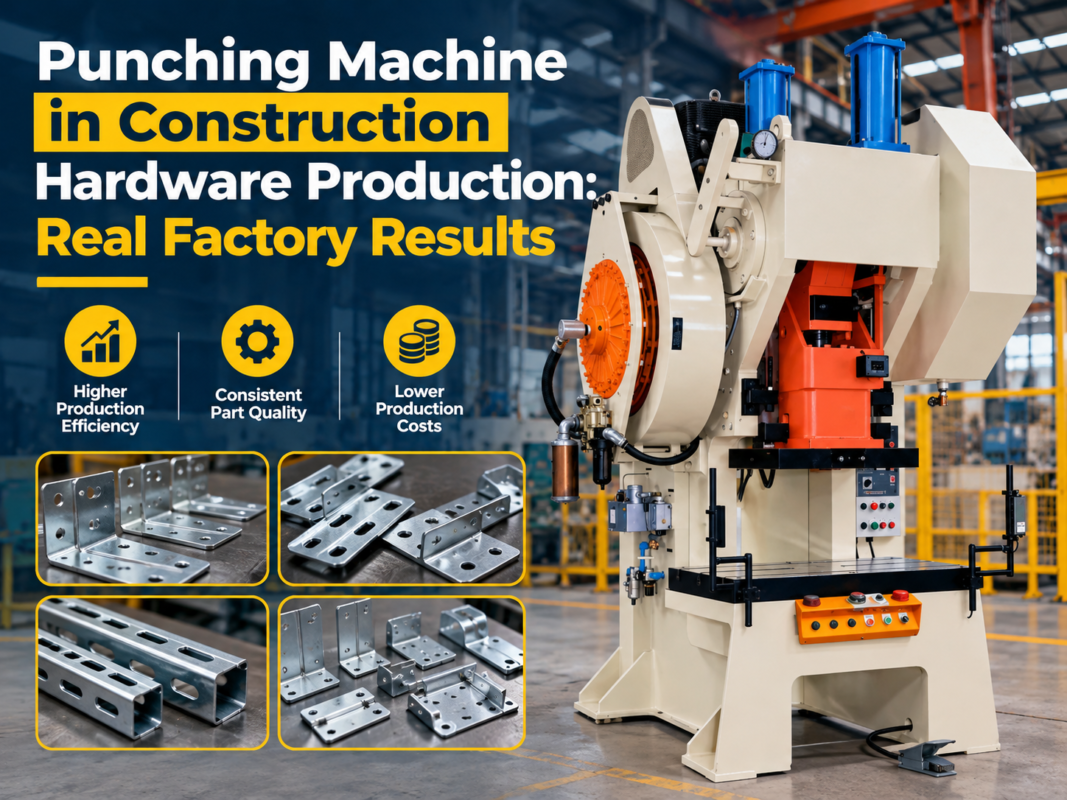
In the rapidly evolving landscape of industrial manufacturing, the demand for speed, precision, and cost-effectiveness has never been higher. Sheet metal fabrication, a cornerstone of industries ranging from automotive to aerospace, relies heavily on the ability to process large volumes of material with minimal waste. This is where the role of the punching machine becomes critical. When we discuss how punching machines improve sheet metal production efficiency, we are looking at a multifaceted technological evolution that spans from mechanical presses to highly sophisticated CNC (Computer Numerical Control) turret punch presses.
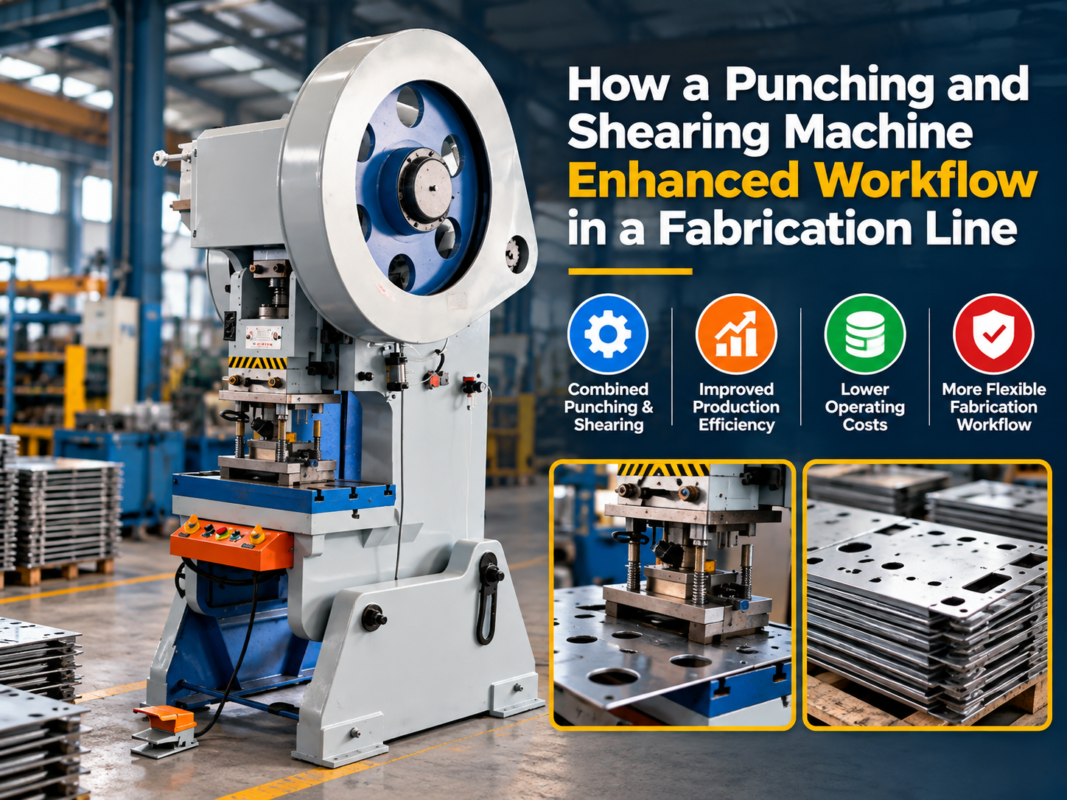
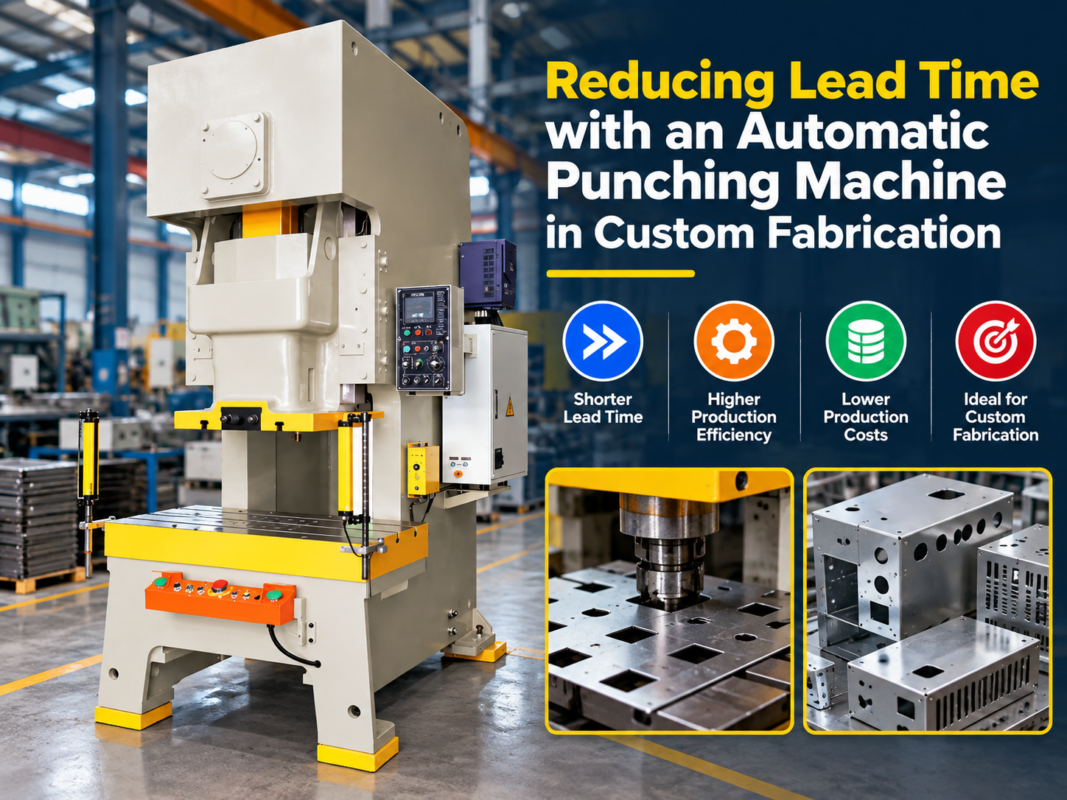
Efficiency in sheet metal production is not merely about how fast a machine can strike a hole. It encompasses the entire workflow, including setup times, material handling, tool changes, and the reduction of secondary operations. Modern punching machines, such as those developed by HARSLE, are designed to integrate seamlessly into automated production lines, offering a level of versatility that was previously unattainable. By combining multiple processes—such as punching, forming, and even tapping—into a single operation, these machines significantly reduce the lead time for complex parts.
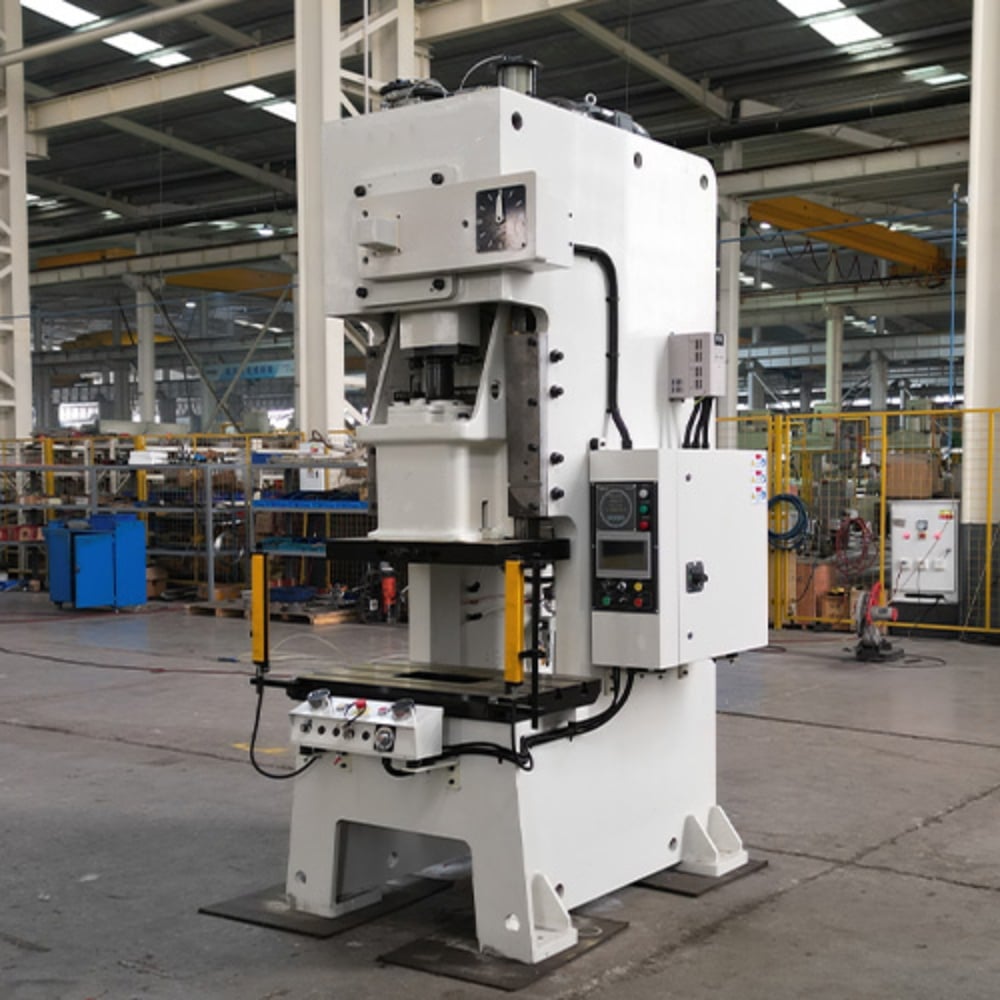
Furthermore, the shift toward digitalization and the Internet of Things (IoT) has allowed punching machines to become smarter. Real-time monitoring, predictive maintenance, and advanced nesting software ensure that every square inch of material is utilized and every stroke of the machine is optimized. In this guide, we will explore the technical nuances and strategic advantages that explain exactly how punching machines improve sheet metal production efficiency in today’s competitive market.
Key Considerations for Efficiency Gains
1. High-Speed Processing and Stroke Rates
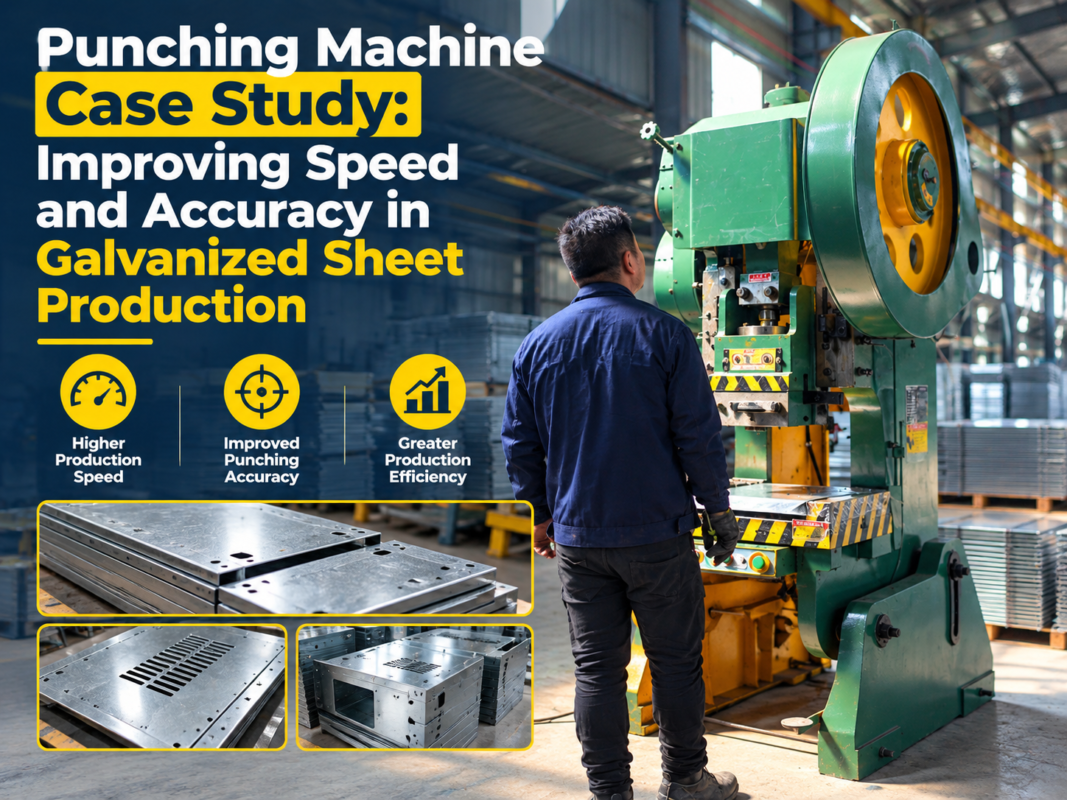
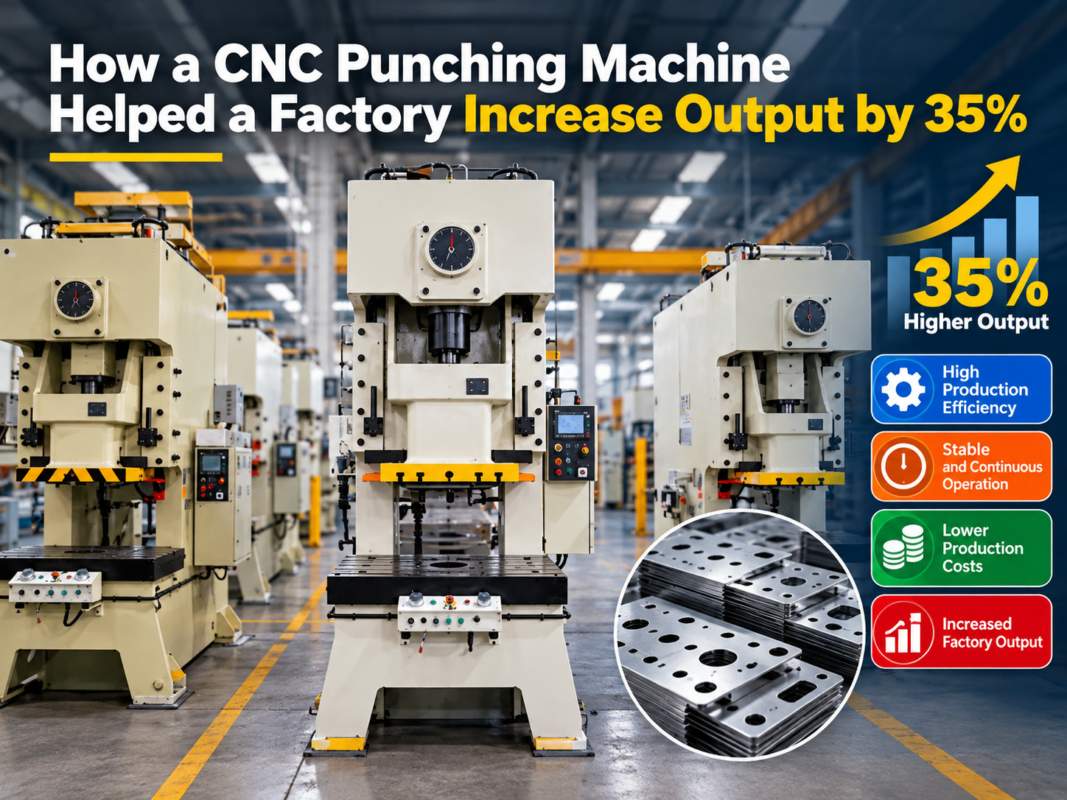
The most immediate way punching machines improve sheet metal production efficiency is through high stroke rates. Modern hydraulic and servo-electric punching machines can achieve hundreds, and in some cases, over a thousand strokes per minute during nibbling operations. This high-speed capability allows manufacturers to produce large batches of perforated or shaped components in a fraction of the time required by traditional methods or even laser cutting for certain geometries.
Beyond raw speed, the acceleration and deceleration of the sheet metal positioning system (the X and Y axes) play a vital role. High-performance servo motors ensure that the material is moved into position with extreme rapidity and precision, minimizing the ‘air time’ between punches. This synergy between the punching head and the positioning table is what defines a truly efficient machine.
2. Advanced Nesting and Material Utilization
Material costs often represent a significant portion of the total production cost in sheet metal fabrication. Efficiency is therefore directly tied to how well a machine can utilize a standard sheet of metal. Advanced CAD/CAM software integrated with modern punching machines uses sophisticated nesting algorithms to arrange parts as tightly as possible. This reduces scrap metal and ensures that the maximum number of parts is produced from every sheet.
Moreover, features like ‘common line cutting’ or ‘shared-edge punching’ allow the machine to punch the boundary between two parts with a single stroke, further reducing processing time and tool wear. By minimizing waste, companies not only save on raw material costs but also reduce the environmental impact of their manufacturing processes.
3. Reduction in Setup and Tool Change Times
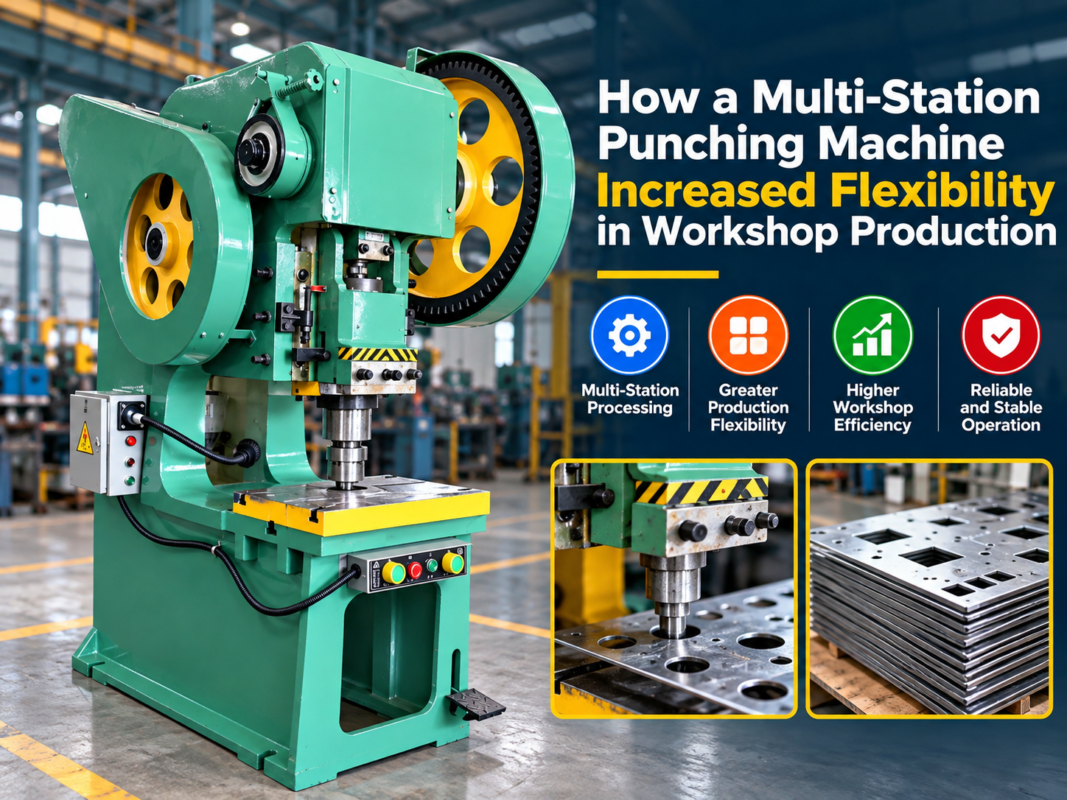
In a high-mix, low-volume production environment, setup time is the enemy of efficiency. Modern turret punch presses address this by housing a large number of tools within a rotating turret. This allows the machine to switch between different hole sizes, shapes, and forming tools in seconds without manual intervention. Some high-end machines feature ‘auto-index’ stations, which can rotate the tool to any angle, further increasing the versatility of a single tool set.
Additionally, quick-change tooling systems and automated tool loaders have revolutionized the industry. Instead of a technician spending an hour configuring a machine for a new job, the process can now be completed in minutes. This flexibility allows manufacturers to respond quickly to customer demands and handle smaller batch sizes profitably.
Technical Details of Efficient Punching Systems
The Evolution of Drive Systems: Hydraulic vs. Servo-Electric
One of the most significant technical advancements in how punching machines improve sheet metal production efficiency is the transition from purely mechanical or hydraulic systems to servo-electric drives. While hydraulic systems are known for their immense power and reliability, servo-electric punching machines offer unparalleled control over the ram’s movement. A servo-drive allows for precise control of the stroke depth, speed, and dwell time at any point in the cycle.
This precision is particularly useful for forming operations like louvering, embossing, or countersinking. Because the ram can be programmed to stop at an exact position, the consistency of formed features is much higher than with traditional systems. Furthermore, servo-electric machines are more energy-efficient, as they only consume significant power during the actual punch, unlike hydraulic systems that require the pump to run continuously.
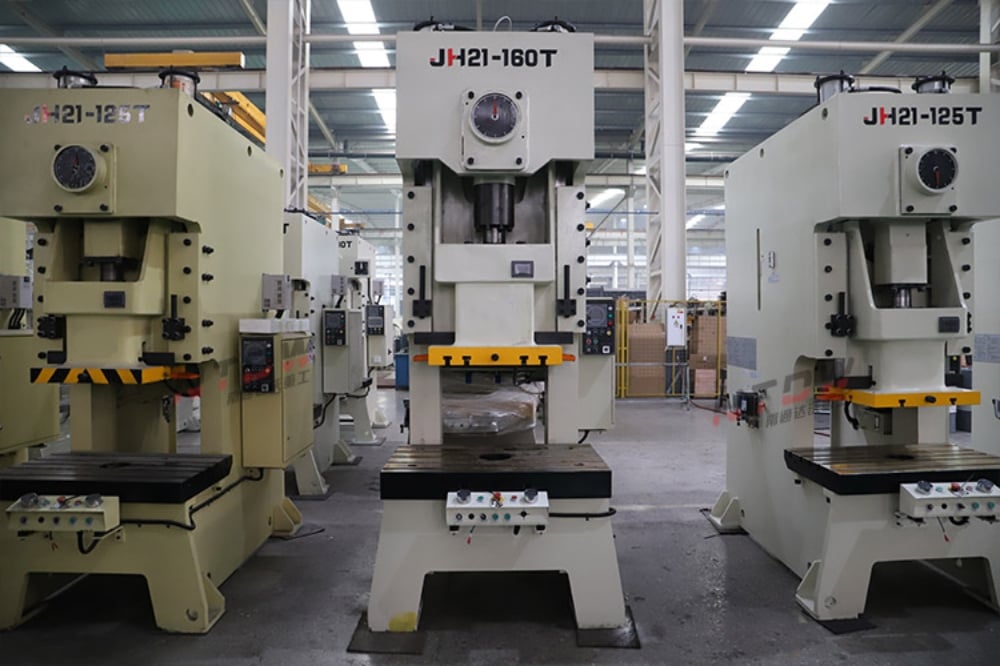
CNC Control and Software Integration
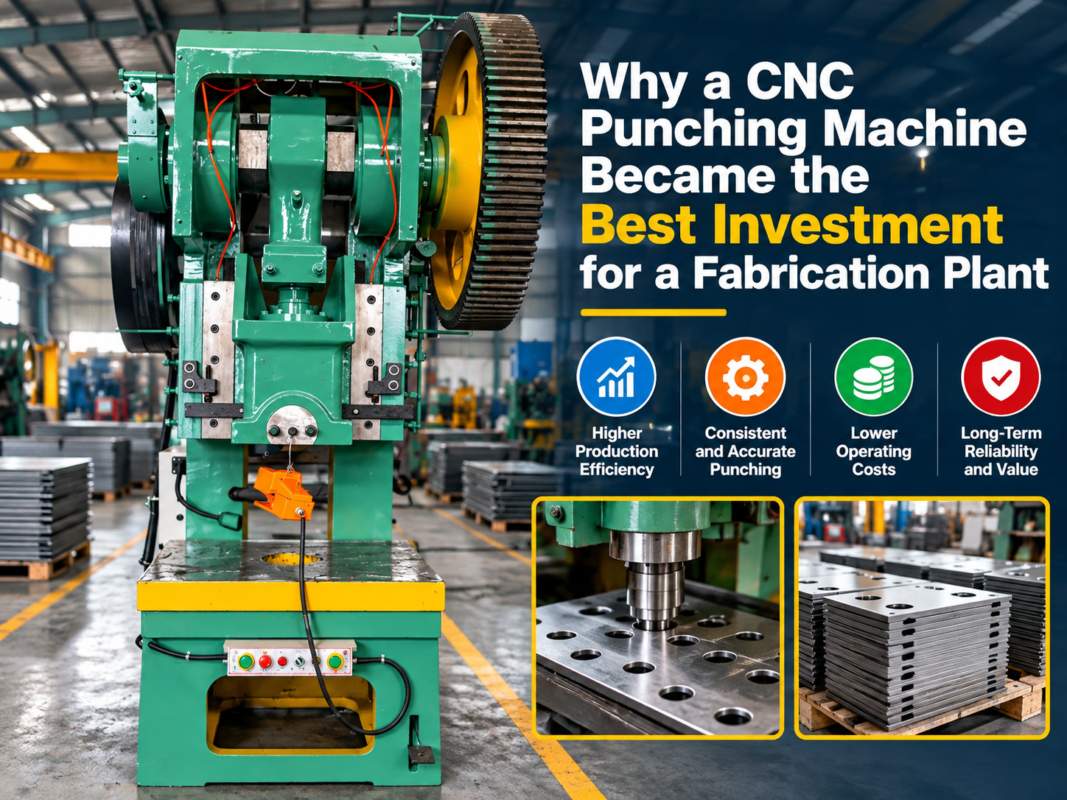
The ‘brain’ of the punching machine is its CNC controller. Modern controllers are capable of processing complex geometries and high-speed data streams with ease. Integration with Industry 4.0 standards means that these machines can communicate with a central factory management system (ERP/MES). This allows for real-time tracking of production progress, automatic reporting of downtime, and even remote diagnostics.
Software also plays a role in ‘intelligent’ punching. For example, some machines can automatically detect sheet thickness and adjust the punching force accordingly, or detect tool wear and alert the operator before part quality begins to suffer. This proactive approach to manufacturing prevents costly errors and ensures a continuous flow of high-quality parts.
Frame Design and Stability
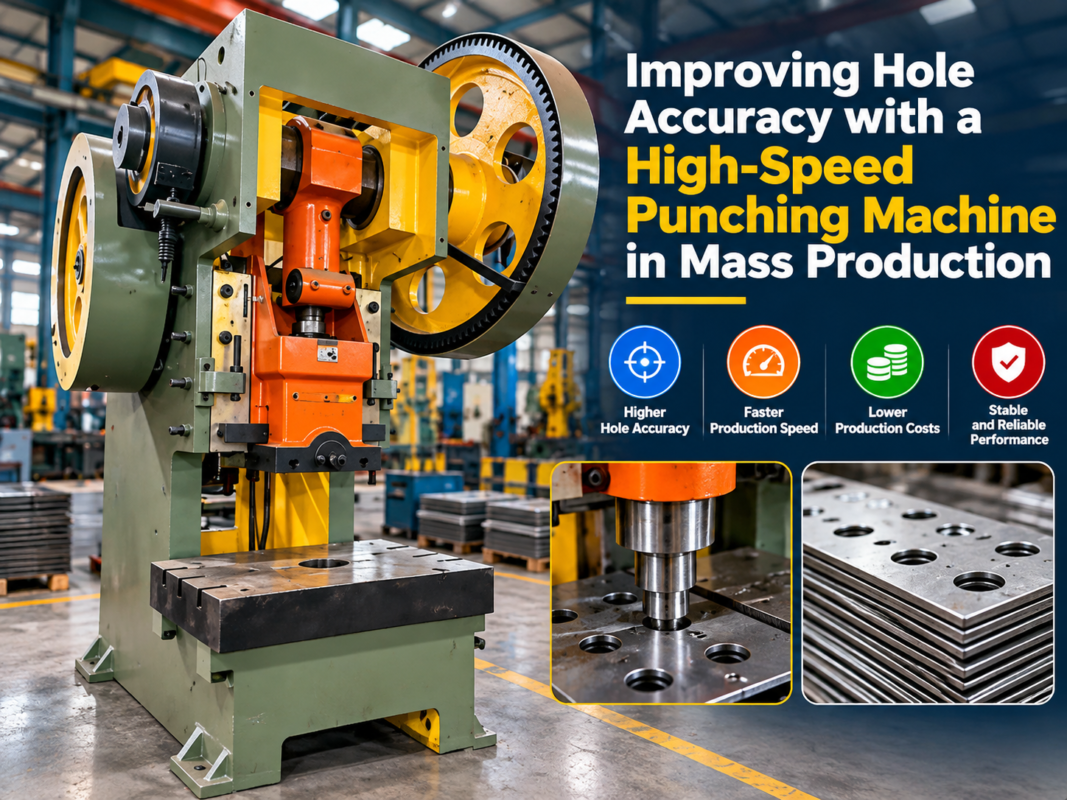
The physical structure of the machine—often an O-frame or a C-frame—is fundamental to its efficiency. An O-frame (or closed-frame) design provides superior rigidity compared to a C-frame. This rigidity minimizes ‘deflection’ or ‘spring-back’ during high-tonnage punches. When a frame is stable, the alignment between the punch and the die remains perfect, which extends tool life and ensures that holes are punched cleanly without burrs. A machine that requires less frequent tool sharpening and produces fewer rejected parts is inherently more efficient.
Selection Advice for Maximizing ROI
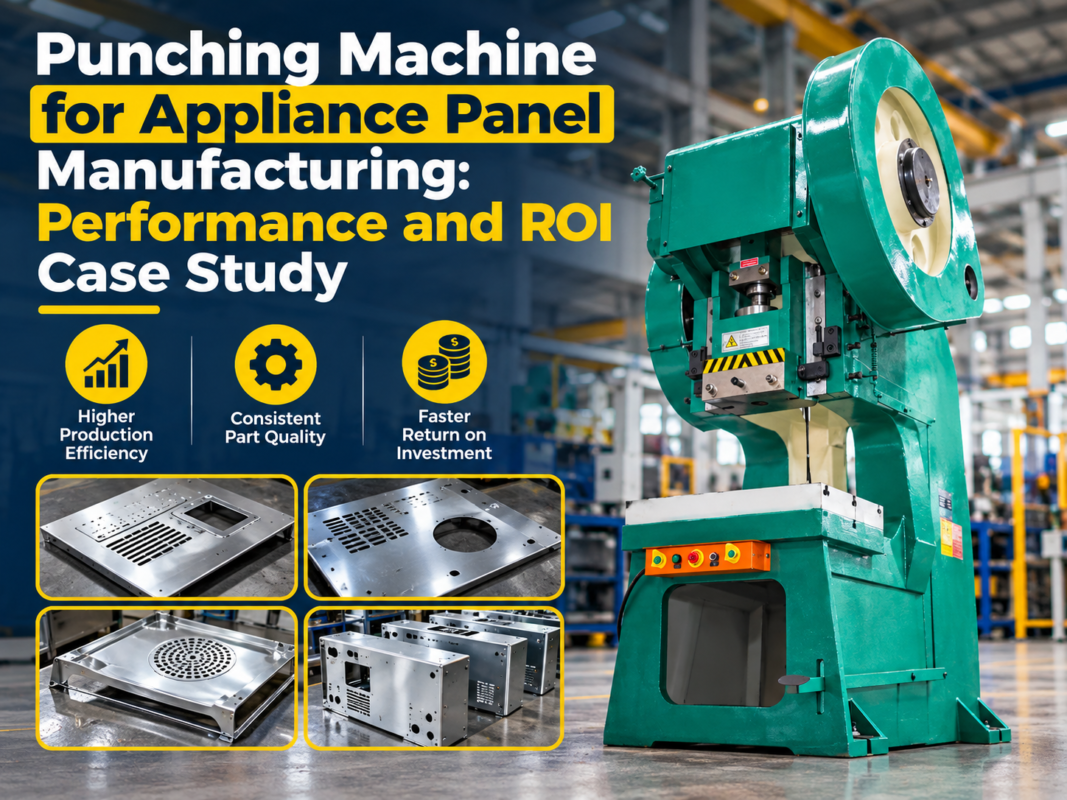
Choosing the right punching machine is a strategic decision that impacts long-term profitability. To ensure you select a machine that truly improves your sheet metal production efficiency, consider the following checklist:
- Assess Your Tonnage Requirements: Do not over-invest in a 50-ton machine if your work primarily involves thin-gauge aluminum. Conversely, under-powering your shop will lead to excessive wear and limited capability.
- Evaluate Turret Capacity: Look for a machine with enough stations to hold your most commonly used tools. This minimizes the need for tool changes between different jobs.
- Consider Automation Options: If you run high volumes, look for machines that support automated loading and unloading systems. This allows for ‘lights-out’ manufacturing, where the machine continues to work unattended.
- Software Compatibility: Ensure the machine’s software is compatible with your existing CAD/CAM workflow. Seamless data transfer is essential for reducing programming time.
- After-Sales Support: Efficiency is lost when a machine is down. Choose a manufacturer like HARSLE that provides robust technical support and readily available spare parts.
| Feature | Impact on Efficiency | Best For |
|---|---|---|
| Servo-Electric Drive | High energy efficiency and precise forming control. | Complex parts and green manufacturing. |
| Auto-Index Stations | Reduces the number of tools needed by rotating shapes. | Intricate geometries and varied angles. |
| Automatic Loading | Eliminates manual handling and enables 24/7 production. | High-volume, standardized production. |
| Multi-Tool Holders | Increases the number of available tools in the turret. | Small parts requiring multiple small holes. |
Maintenance Strategies for Long-term Efficiency
A punching machine only improves efficiency if it is running at peak performance. Neglecting maintenance can lead to increased friction, slower speeds, and eventual breakdown. To maintain high efficiency, implement a rigorous maintenance schedule:
- Daily Cleaning: Remove metal shavings and dust from the turret and guide rails. Debris can cause jams or scratch the surface of the sheet metal.
- Lubrication: Ensure all moving parts, especially the ram and the X/Y axis ball screws, are properly lubricated according to the manufacturer’s specifications.
- Tool Inspection: Regularly check punches and dies for dullness or chipping. Dull tools require more force to penetrate the metal, which stresses the machine and produces poor-quality edges.
- Hydraulic System Check: For hydraulic machines, monitor oil levels, temperature, and filter cleanliness to prevent power loss or overheating.
Frequently Asked Questions (FAQ)
How does a CNC punching machine compare to a laser cutting machine in terms of efficiency?
While laser cutting is excellent for complex contours and very thick materials, punching machines are often more efficient for parts with many repetitive holes, forming requirements (like louvers), or high-volume runs of standard shapes. Punching is generally faster for these specific tasks and has a lower operating cost per part in many scenarios.
Can punching machines handle different types of materials?
Yes, modern punching machines are highly versatile and can process stainless steel, carbon steel, aluminum, copper, and brass. The key is using the correct tool clearance and tonnage for the specific material type and thickness.
What is ‘nesting’ and why is it important for efficiency?
Nesting is the process of using software to arrange part layouts on a sheet of metal to minimize waste. It improves efficiency by reducing material costs and the time spent handling scrap metal.
How long does it take to train an operator on a modern CNC punching machine?
With modern, user-friendly interfaces, a basic operator can be trained in a few days. However, mastering the optimization of nesting and complex tool setups may take several weeks of hands-on experience.
What is the typical lifespan of a high-quality punching machine?
With proper maintenance, a high-quality punching machine from a reputable manufacturer like HARSLE can last 15 to 20 years or more in a production environment. Many machines are eventually replaced not because they stop working, but because newer technology offers significantly higher efficiency.
Conclusion
In conclusion, understanding how punching machines improve sheet metal production efficiency is essential for any fabrication business looking to stay competitive. By leveraging high-speed stroke rates, advanced CNC controls, and automated material handling, these machines transform raw metal into finished components with remarkable speed and precision. The integration of servo-electric technology and sophisticated nesting software further enhances their value, reducing both energy consumption and material waste.
Investing in a modern punching machine is not just an equipment upgrade; it is a commitment to a more streamlined, profitable, and sustainable manufacturing process. As the industry continues to move toward automation and data-driven production, the punching machine remains a vital tool in the arsenal of the modern fabricator. Whether you are a small shop or a large-scale industrial plant, the efficiency gains provided by these machines offer a clear path to increased throughput and a stronger bottom line.