Punching Machine Jammed? Troubleshooting Steps for Faster Recovery


Introduction to Punching Machine Jamming Issues
In the fast-paced world of metal fabrication, efficiency is the cornerstone of profitability. Whether you are operating a high-speed CNC turret punch press or a heavy-duty hydraulic punching machine, encountering a jam is one of the most frustrating and costly disruptions an operator can face. A Punching Machine Jammed? Troubleshooting Steps Faster Recovery guide is essential for any facility looking to minimize downtime and protect their investment in high-quality machinery like those provided by HARSLE.
Jamming occurs when the punch becomes stuck in the material or the die, or when the mechanical components of the press fail to complete a cycle. This can lead to broken tools, damaged workpieces, and, in severe cases, structural damage to the machine frame or drive system. Understanding why these jams happen and having a clear, systematic approach to resolving them is the difference between a ten-minute fix and a two-day production halt.
At HARSLE, we recognize that even the most robust machines require proper handling and maintenance. This comprehensive guide will walk you through the critical considerations, technical causes, and step-by-step recovery procedures to ensure your punching operations remain fluid and productive. By following these professional troubleshooting steps, you can ensure a faster recovery and prevent future occurrences of the dreaded machine jam.
Key Considerations Before Troubleshooting
Safety First: Lockout/Tagout (LOTO)
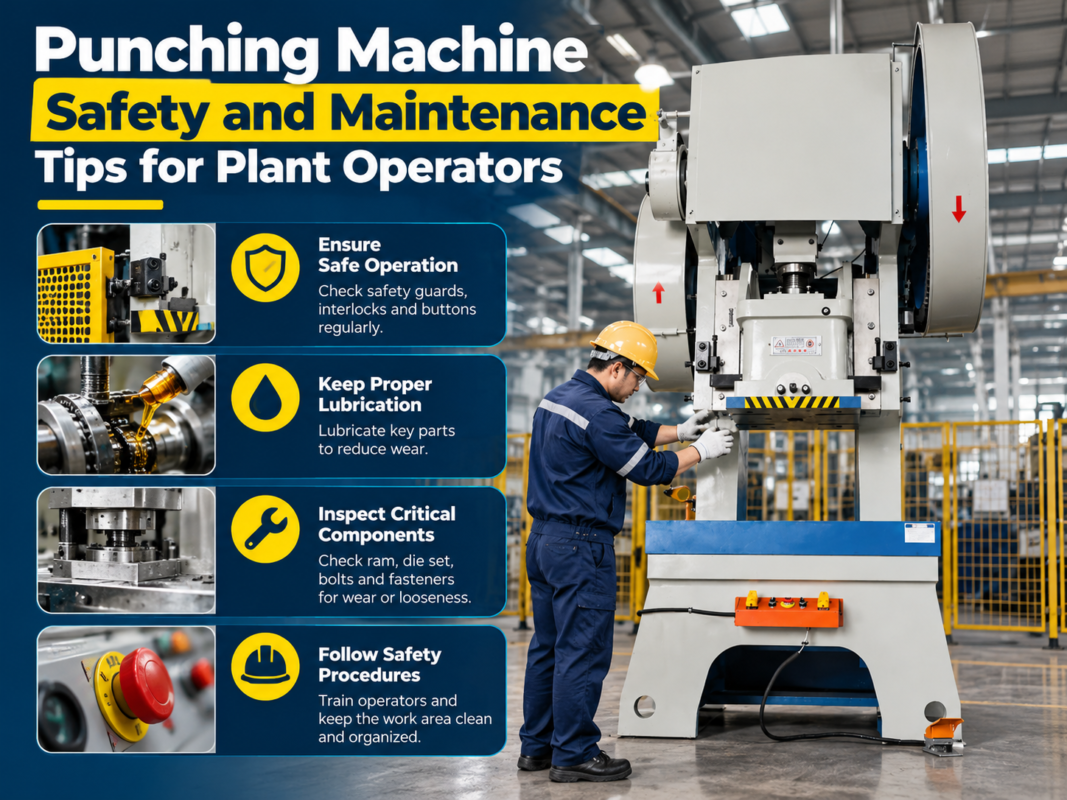
Before any attempt is made to inspect or repair a jammed punching machine, safety must be the absolute priority. Punching machines exert massive amounts of force, often measured in hundreds of tons. A jammed machine may still hold significant stored energy, either in the form of compressed hydraulic fluid, a tensed mechanical spring, or a flywheel under load. Always implement Lockout/Tagout (LOTO) procedures to ensure the machine cannot be accidentally cycled while a technician is working within the danger zone.
Operators should never attempt to force a machine to complete its cycle using the main motor if it has already stalled. This can lead to catastrophic motor failure or the snapping of mechanical linkages. Instead, isolate the power source and consult the manufacturer’s manual for specific emergency stop and manual release protocols.
Identifying the Type of Jam
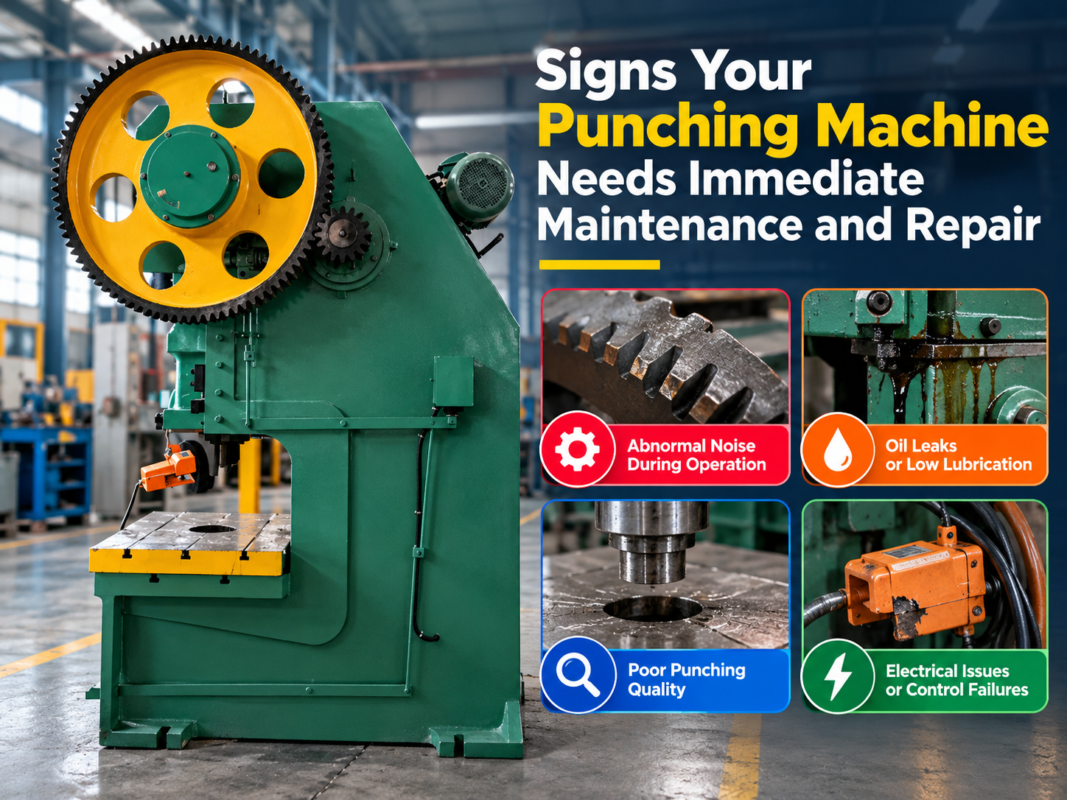
Not all jams are created equal. Identifying whether the jam is mechanical, hydraulic, or tooling-related is the first step toward a faster recovery. A mechanical jam often involves the flywheel or the crankshaft reaching a point of resistance it cannot overcome, frequently at the Bottom Dead Center (BDC). A hydraulic jam might involve a pressure drop or a valve failure that prevents the ram from retracting.
Tooling-related jams are perhaps the most common. These occur when the punch enters the material but fails to strip back out. This could be due to insufficient stripping force, excessive material thickness, or a lack of lubrication. By observing where the ram stopped and checking for any unusual noises or smells (such as burning belts or hydraulic fluid leaks), you can narrow down the root cause quickly.
Documentation and Inspection
Before moving any parts, take a moment to document the state of the machine. Note the position of the ram, the type of material being processed, and the specific tools in use. Check the control panel for any error codes. Modern CNC punching machines from HARSLE often provide diagnostic codes that point directly to the source of the problem, such as “Overload Protection Triggered” or “Turret Alignment Error.” This information is invaluable for both immediate recovery and long-term prevention.
Technical Details: Why Jams Occur and How to Fix Them
1. Overloading and Tonnage Limits
One of the primary reasons for a Punching Machine Jammed? Troubleshooting Steps Faster Recovery scenario is exceeding the machine’s rated tonnage. Every punching machine has a limit to the force it can exert. If you attempt to punch a hole that is too large for the material thickness or use a material that is harder than the machine’s specifications (such as switching from aluminum to stainless steel without adjusting parameters), the ram may stall.
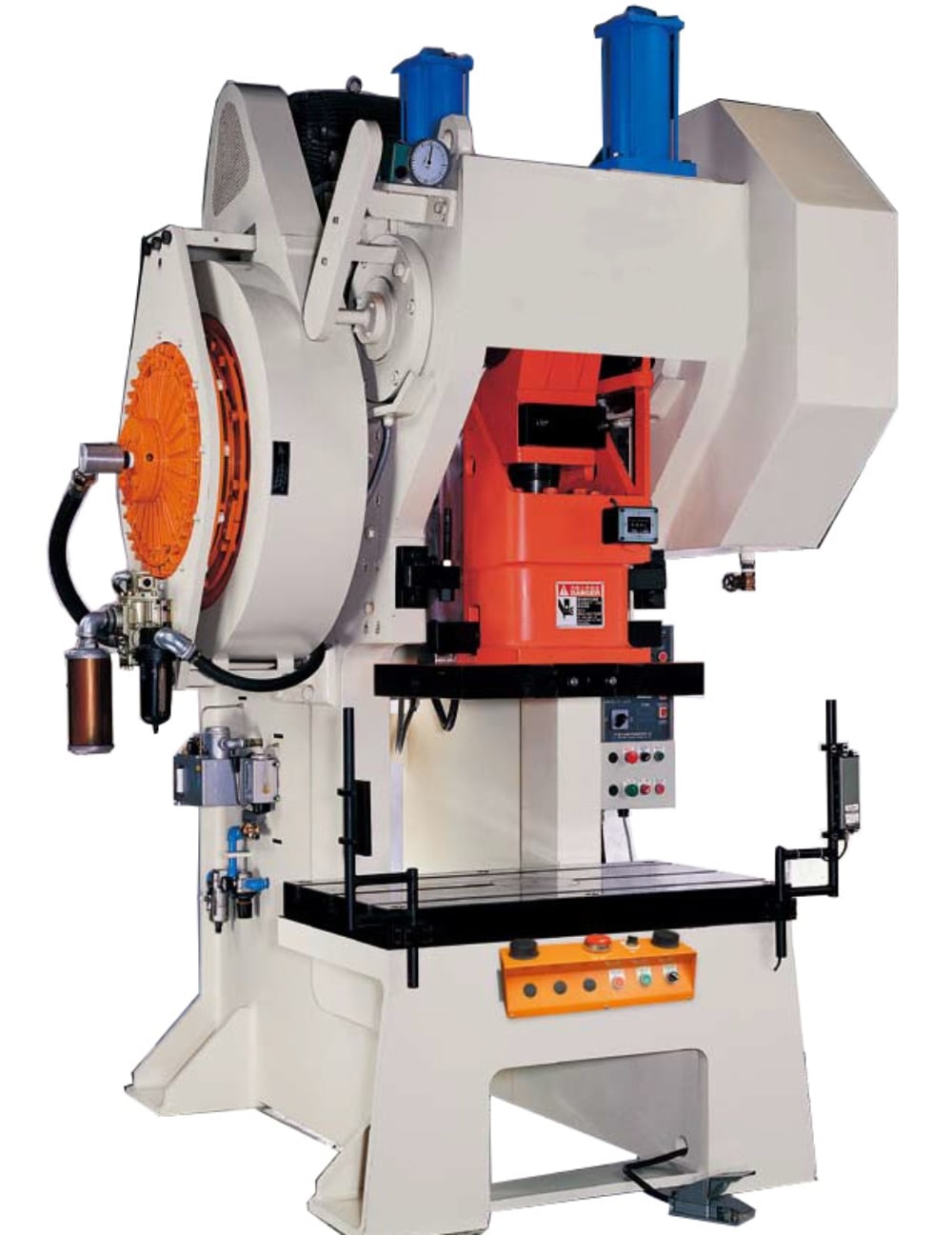
To recover from an overload jam, you must first relieve the pressure. On hydraulic machines, this often involves manually overriding the solenoid valves to retract the ram. On mechanical presses, you may need to use a “barring hole” on the flywheel to manually turn the machine backward, away from the point of resistance. Always ensure the tonnage required for a specific job is calculated beforehand using the formula: Tonnage = Perimeter x Thickness x Shear Strength.
2. Tooling Misalignment and Wear
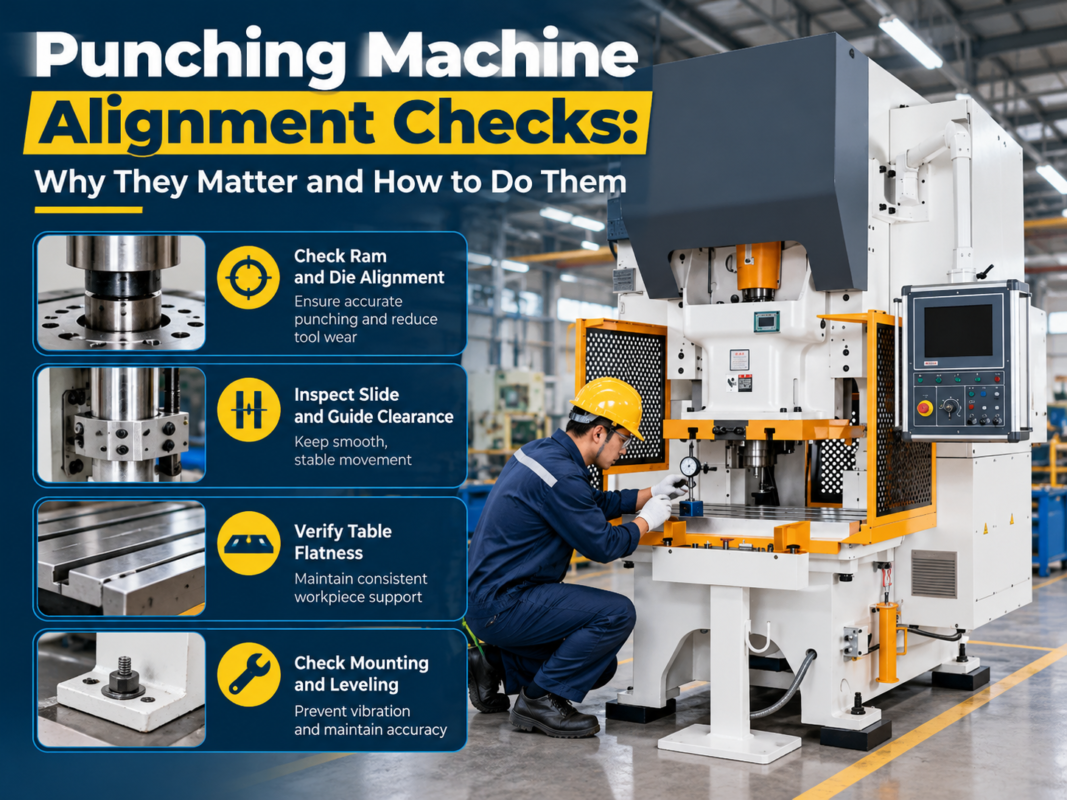
Precision is key in punching. If the punch and die are not perfectly aligned, the punch can strike the edge of the die, causing it to wedge tightly. Similarly, dull tools increase the required punching force and can cause the material to deform around the punch, creating a “slug pull” or a friction-based jam where the stripper plate cannot release the sheet.
Troubleshooting Steps:
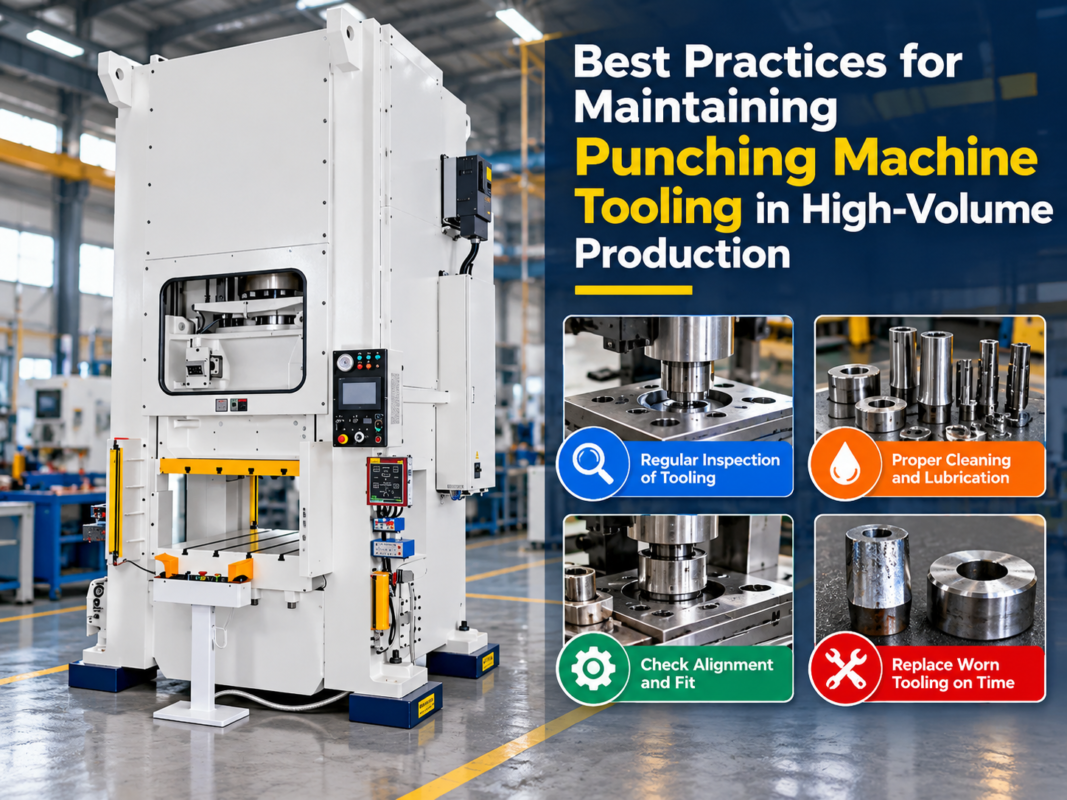
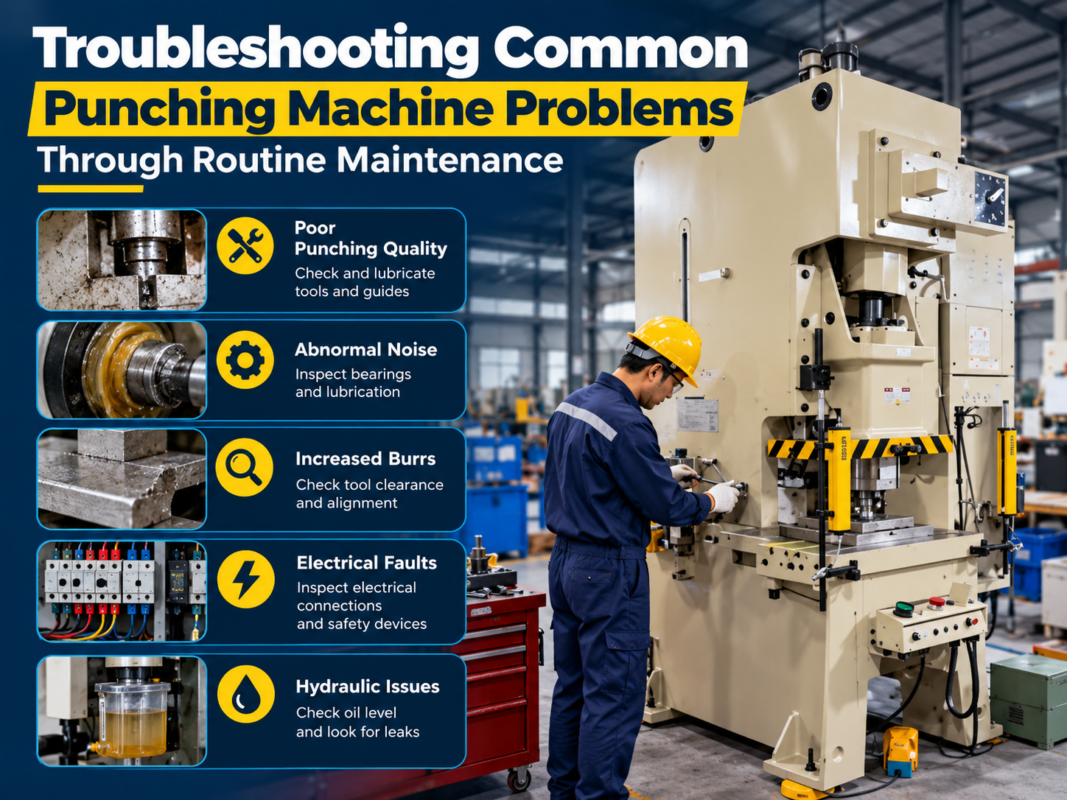
- Inspect the punch and die for chips or excessive wear.
- Check the alignment of the turret or the tool holder.
- Ensure the clearance between the punch and die is appropriate for the material thickness (typically 15-20% of material thickness).
- If the punch is stuck in the material, use a specialized punch removal tool or carefully dismantle the tool holder to release the tension.
3. Lubrication and Heat Expansion
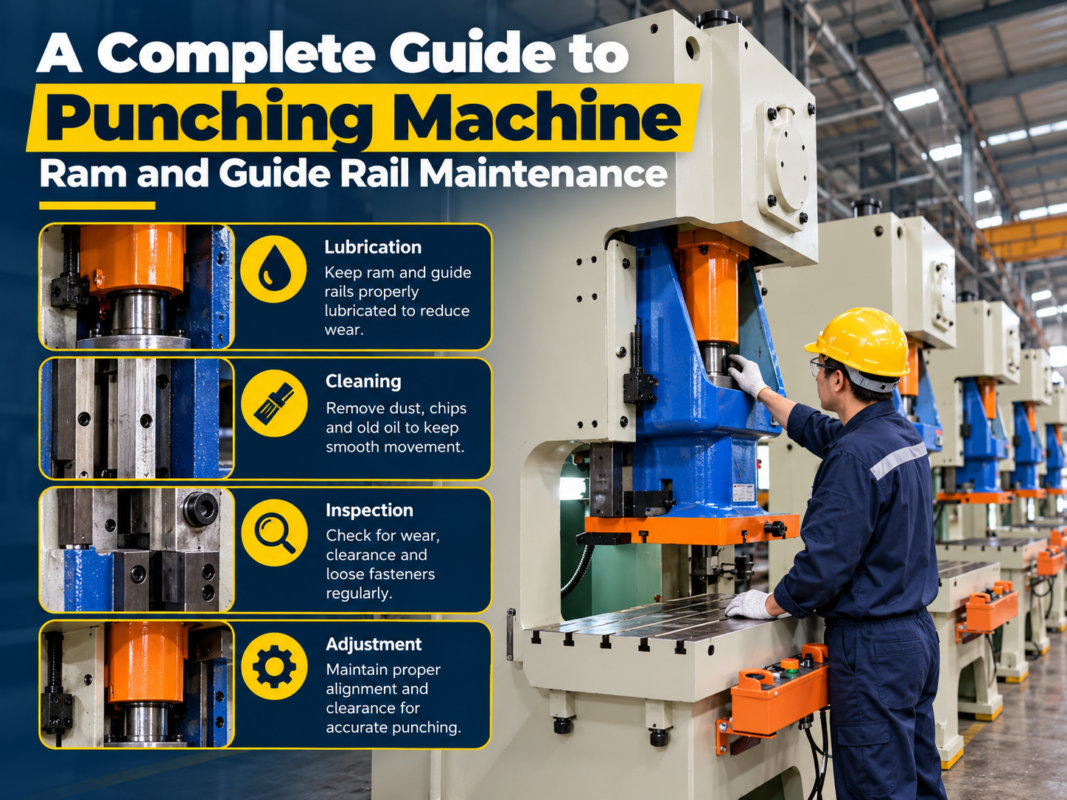
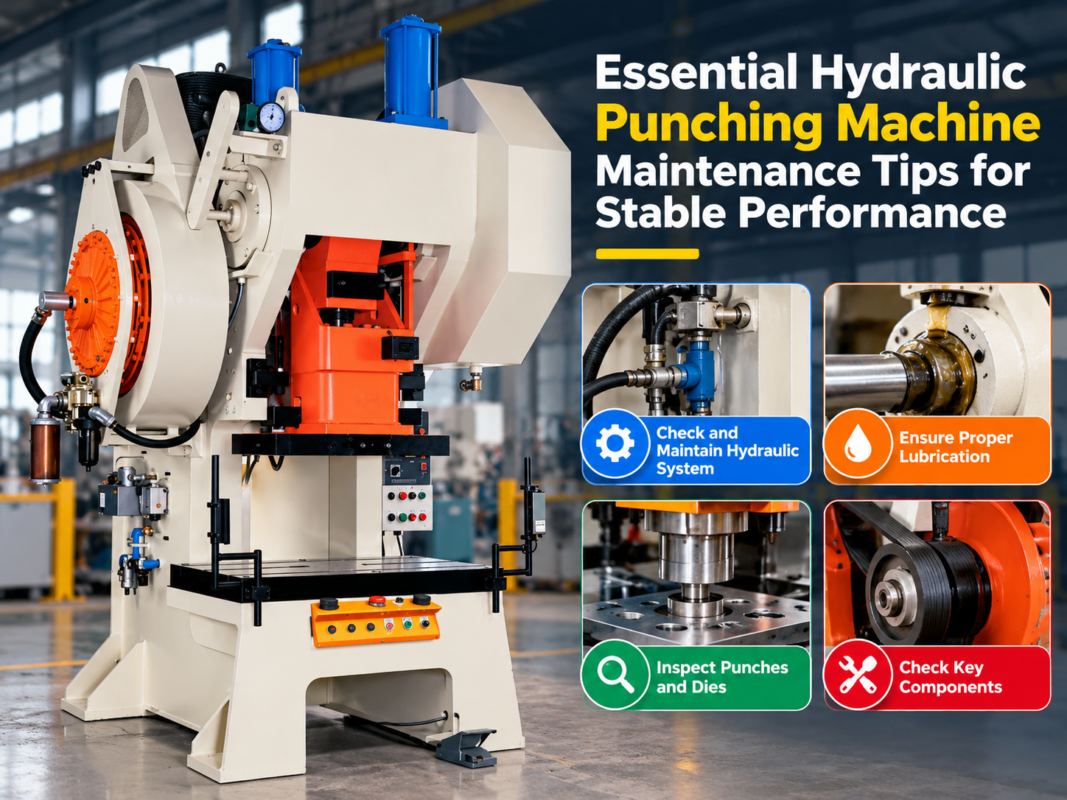
Continuous operation generates heat. Without proper lubrication, the friction between the punch and the material, or within the machine’s internal guides (gibways), can cause components to expand. This thermal expansion can reduce clearances to the point where the machine seizes. This is particularly common in high-speed nibbling operations.
Regularly check the automatic lubrication system. If the machine jams due to heat, allow it to cool down naturally. Do not apply cold water or compressed air directly to hot components, as this can cause thermal cracking. Once cooled, apply a high-quality lubricant before attempting to restart the cycle.
4. Hydraulic System Failures
In hydraulic punching machines, a jam might not be a physical obstruction but a failure in the fluid power system. Contaminated oil can clog valves, or a worn pump might fail to provide the necessary pressure to retract the ram. If the ram is stuck in the down position, check the hydraulic pressure gauges. If the pressure is at maximum but the ram isn’t moving, there is a mechanical obstruction. If the pressure is low, the issue lies within the hydraulic circuit itself.
Selection Advice: Choosing the Right Machine to Minimize Jams
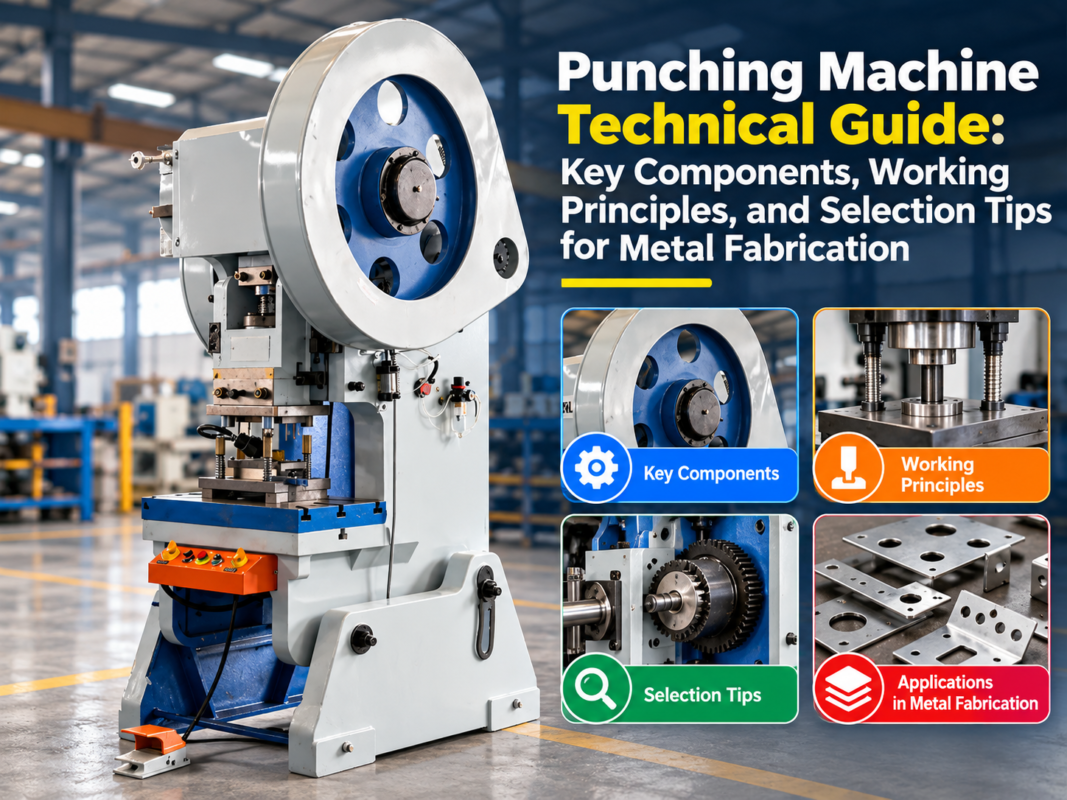
When investing in new metal fabrication equipment, selecting a machine with built-in protections can significantly reduce the frequency and severity of jams. HARSLE offers a range of punching machines designed with advanced safety and recovery features. Here is what to look for when selecting a machine:
Advanced Overload Protection
Modern machines should be equipped with hydraulic or electronic overload protection. This feature acts like a circuit breaker; when the machine senses that the tonnage is exceeding a safe limit, it immediately stops the cycle and retracts the ram before a hard jam can occur. This not only saves the tools but also prevents long-term stress on the machine frame.
Rigid Frame Construction
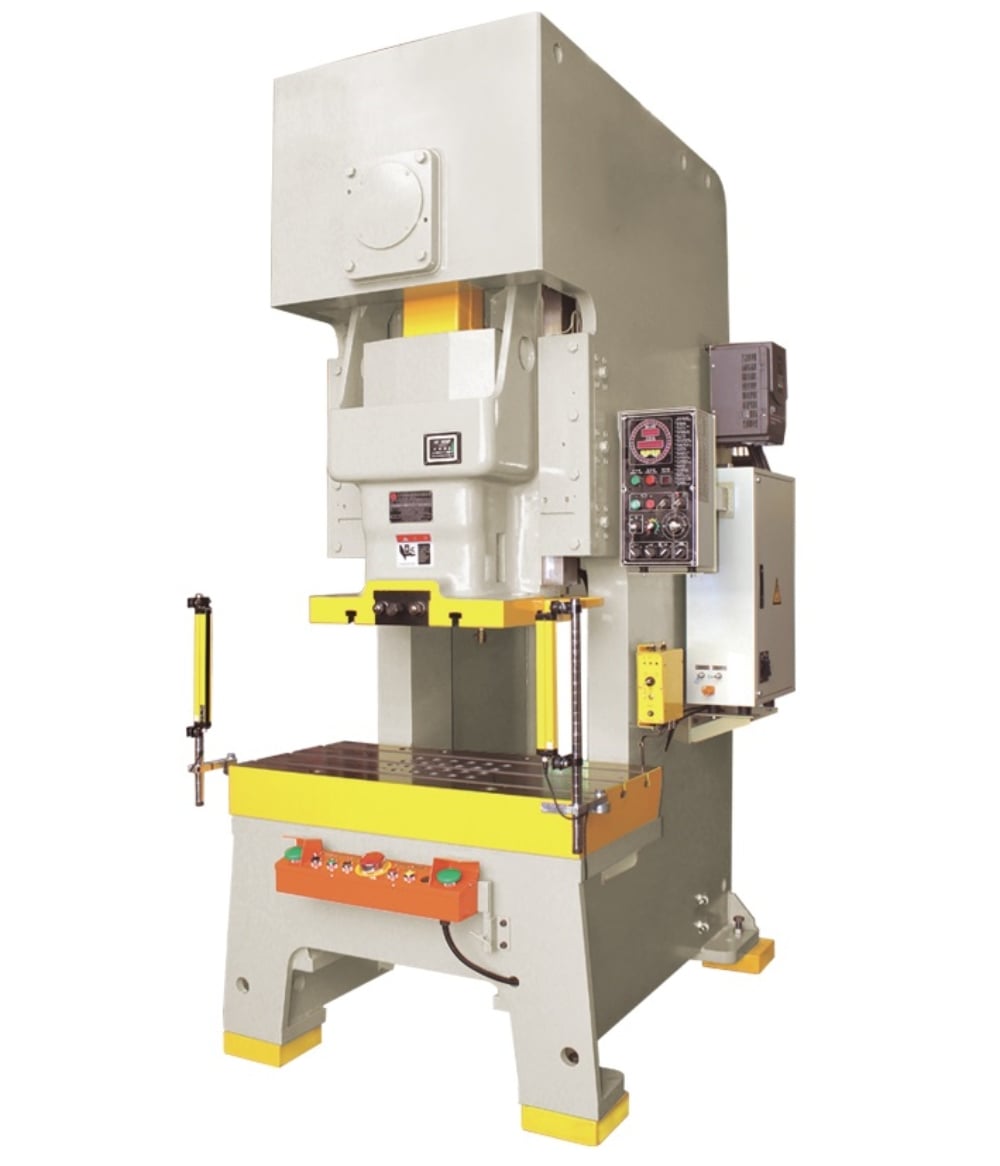
A machine with a high-quality, heat-treated steel frame (like the O-frame or C-frame designs used by HARSLE) will experience less “spring back” or deflection during high-tonnage punches. Frame deflection is a hidden cause of tool misalignment, which leads to premature wear and frequent jamming. A rigid frame ensures that the punch and die remain perfectly concentric throughout the entire stroke.
User-Friendly CNC Interfaces
A CNC system that provides real-time feedback is invaluable. Look for machines that offer graphical representations of the punching process, tool life tracking, and clear error logging. These features allow operators to identify potential issues—such as a tool that has performed too many hits and is likely dull—before they result in a machine jam.
| Feature | Benefit for Jam Prevention | HARSLE Recommendation |
|---|---|---|
| Auto-Lubrication | Reduces friction and heat buildup in tools and guides. | Standard on all CNC Turret models. |
| Hydraulic Ram Drive | Allows for easy reversal and precise pressure control. | HARSLE Hydraulic Series. |
| Quick-Change Tooling | Ensures proper seating and alignment of punches. | Thick Turret Tooling Systems. |
| Servo-Electric Drive | Provides the highest precision and energy efficiency. | HARSLE Servo-Punch Series. |
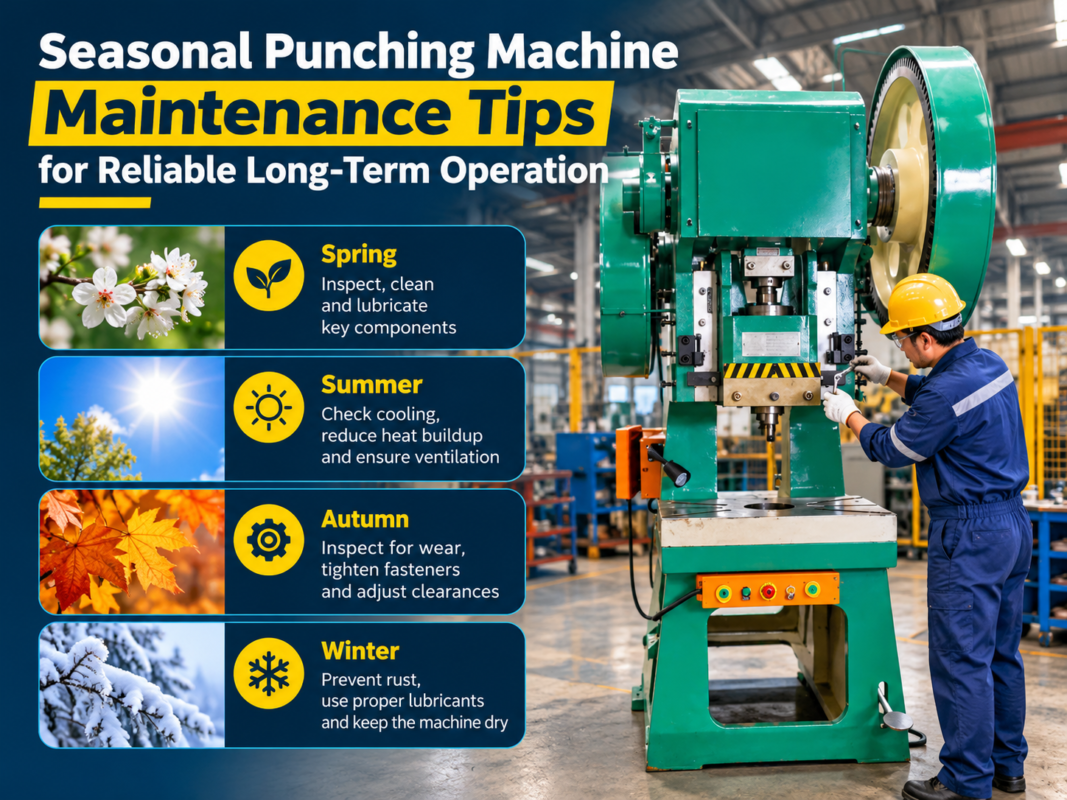
Maintenance Checklist for Jam Prevention
To avoid the need for Punching Machine Jammed? Troubleshooting Steps Faster Recovery, a proactive maintenance schedule is essential. Use the following checklist to keep your machine running smoothly:
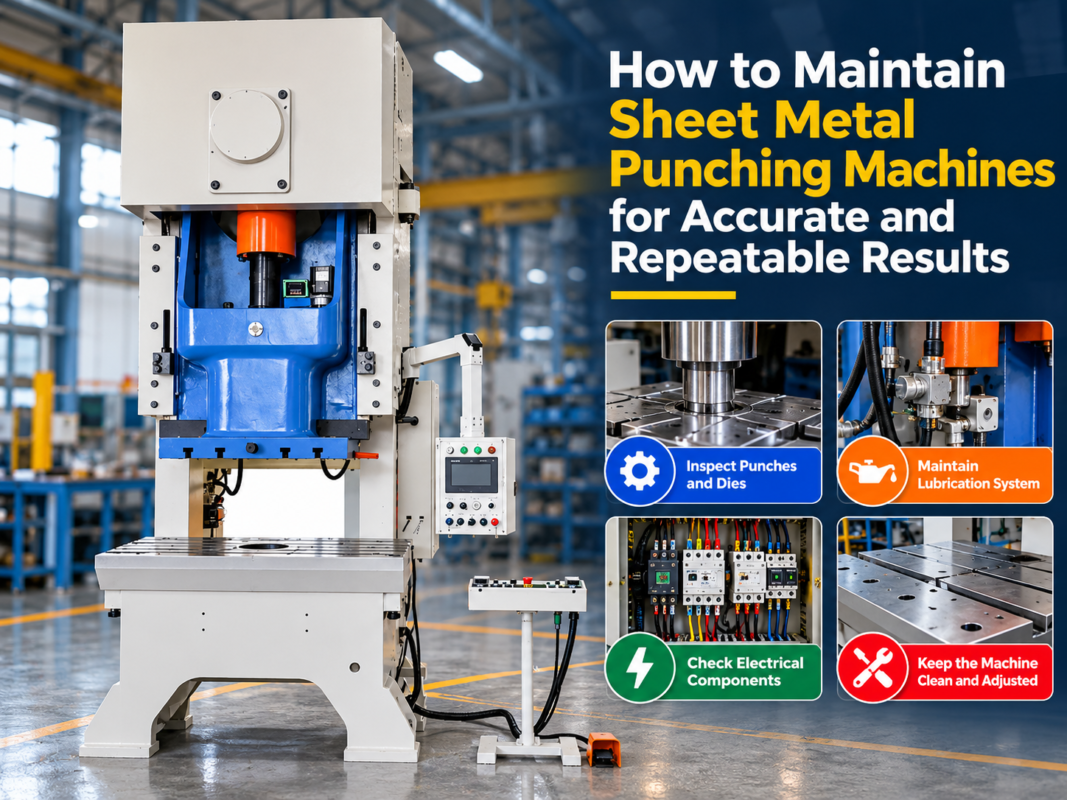
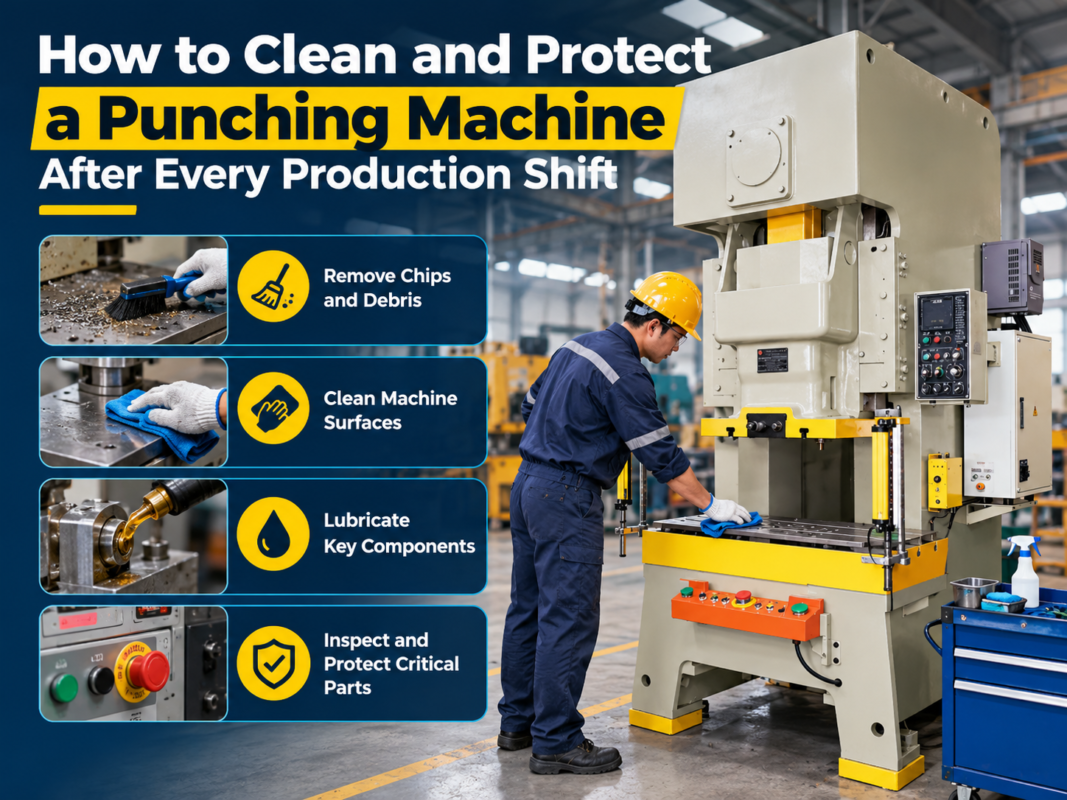
- Daily: Clean the worktable and remove all metal slugs. Check the oil levels in the lubrication system.
- Weekly: Inspect punch and die edges for dullness. Check the tension of drive belts and the condition of hydraulic hoses.
- Monthly: Verify the alignment of the turret or tool holders. Grease all manual lubrication points.
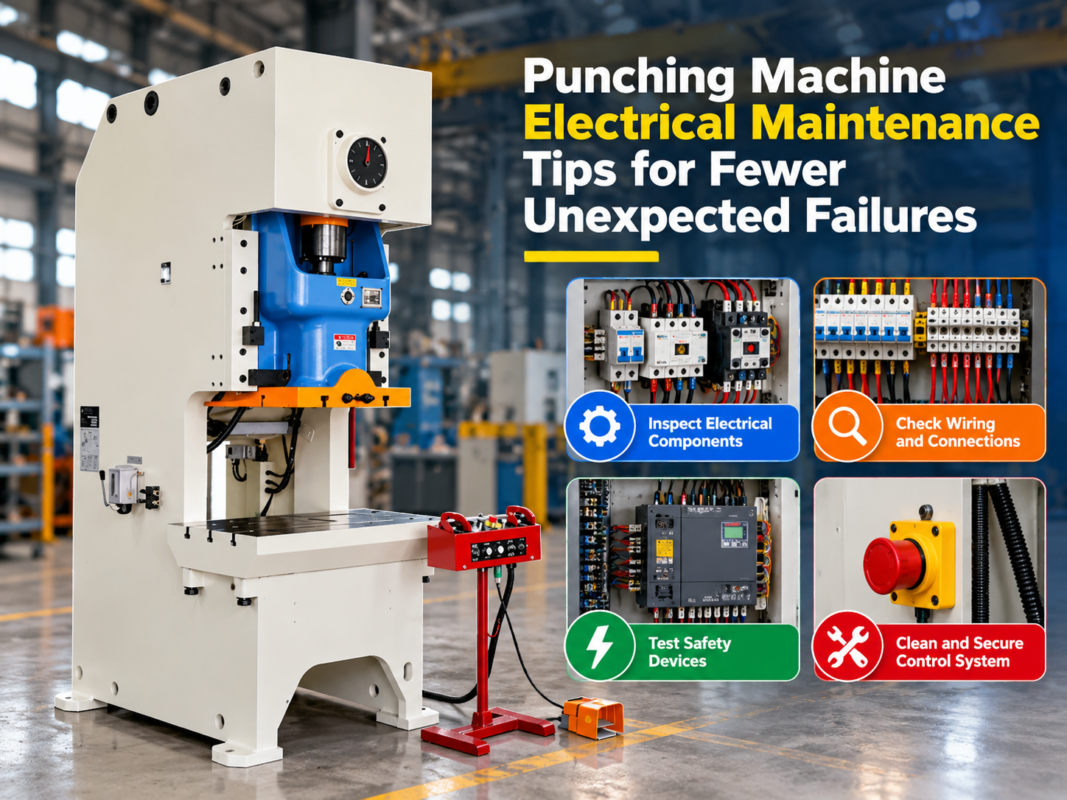
- Quarterly: Perform a full system calibration. Check the electrical cabinet for loose connections or dust buildup.
- Annually: Change the hydraulic oil and filters. Conduct a professional structural inspection of the machine frame.
Frequently Asked Questions (FAQ)
Q1: Why does my punch keep getting stuck in the material?
This is usually caused by insufficient stripping force or a lack of lubrication. Ensure your stripper springs are in good condition and that you are using a suitable lubricant for the material type. Also, check if the punch-to-die clearance is too tight for the material thickness.
Q2: How do I manually release a jammed mechanical press?
Most mechanical presses have a barring hole on the flywheel. After ensuring the power is off and locked out, you can insert a bar into this hole and manually rotate the flywheel in the opposite direction of its normal rotation to lift the ram. Never use the motor to try and “power through” a jam.
Q3: Can a dull die cause the machine to jam?
Yes. A dull die increases the resistance the punch faces. It also creates larger burrs on the material, which can get caught in the stripping mechanism, leading to a jam or damage to the sheet metal.
Q4: What should I do if the CNC controller shows an “Overload” error?
First, stop the machine. Check your program to ensure the tonnage required doesn’t exceed the machine’s capacity. Inspect the tools for damage. Once the cause is identified and cleared, you can usually reset the error on the controller and resume operation at a lower speed or with corrected parameters.
Q5: How often should I sharpen my punching tools?
Tool sharpening frequency depends on the material. For mild steel, you might sharpen every 50,000 to 100,000 hits. For stainless steel, this might drop to every 20,000 hits. Regular sharpening prevents the increased force requirements that lead to jams.
Conclusion: Ensuring Long-Term Productivity
Dealing with a jammed punching machine is a challenge that every fabricator will eventually face. However, by understanding the technical causes—ranging from tonnage overloads to tooling misalignment—and following a structured Punching Machine Jammed? Troubleshooting Steps Faster Recovery protocol, you can significantly reduce the impact on your production schedule. Safety, patience, and systematic inspection are your best tools during a recovery process.
Investing in high-quality machinery from HARSLE provides you with the peace of mind that comes with advanced engineering and built-in protection systems. Our machines are designed to handle the rigors of modern industrial environments, but they also offer the accessibility needed for quick maintenance and troubleshooting. By combining the right equipment with a well-trained team and a rigorous maintenance schedule, you can turn potential downtime into a minor footnote in your successful fabrication operations. Remember, the goal is not just to fix the jam, but to understand why it happened so you can prevent it from ever happening again.