What to Do When a Punching Machine Stops Mid-Operation: A Comprehensive Guide


Introduction to Mid-Operation Stoppages in Punching Machines
In the fast-paced world of metal fabrication, efficiency is the heartbeat of production. When a punching machine stops mid-operation, it is more than just a minor inconvenience; it is a critical disruption that can lead to damaged workpieces, broken tooling, and significant downtime. Whether you are operating a high-speed mechanical press or a precision CNC hydraulic punching machine, understanding the immediate steps to take is vital for both operator safety and machine longevity.
A sudden stoppage can occur for a variety of reasons, ranging from simple sensor triggers to complex mechanical failures. At HARSLE, we understand that every second the machine is idle represents a loss in productivity. This guide is designed to provide operators and floor managers with a systematic approach to diagnosing and resolving mid-operation halts. By following a structured protocol, you can minimize the risk of further damage and get your production line back on track as quickly as possible.
Before diving into the technicalities, it is important to recognize that a machine stopping mid-cycle is often a protective measure. Modern punching machines are equipped with numerous safety interlocks and overload protection systems designed to prevent catastrophic failure. Therefore, the first rule of thumb is never to force the machine to restart without identifying the root cause of the stoppage. This proactive mindset is what separates a professional fabrication shop from one prone to frequent equipment breakdowns.
In the following sections, we will explore the immediate safety considerations, the technical nuances of different machine types, and the selection criteria for choosing equipment that minimizes these risks. Whether you are a seasoned technician or a new operator, this comprehensive guide will serve as your go-to resource for managing punching machine interruptions.
Immediate Actions and Safety Protocols
The moment a punching machine stops unexpectedly, the operator’s primary focus must shift from production to safety. The energy stored in a punching machine—whether in the form of a spinning flywheel or pressurized hydraulic fluid—is immense. Attempting to troubleshoot a machine that is still energized is a recipe for disaster. The first step is always to secure the area and ensure that no accidental restart can occur.
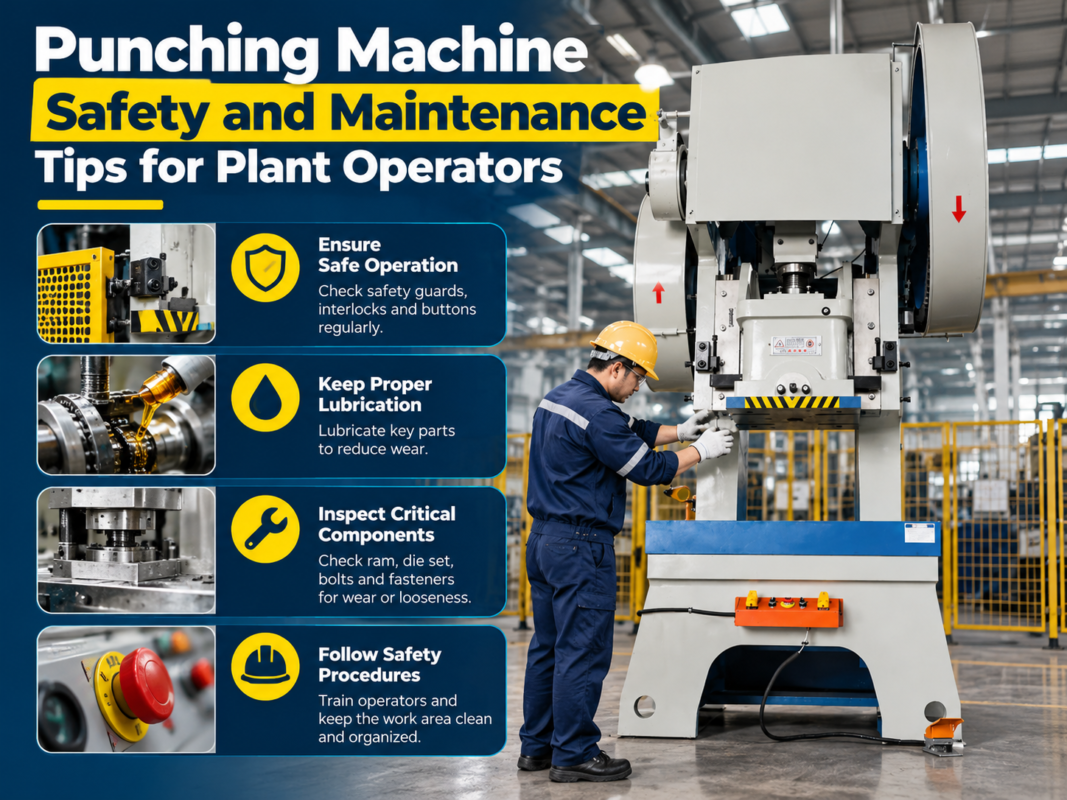
1. Engage the Emergency Stop and LOTO: Immediately press the nearest E-stop button. Following this, implement Lock-Out Tag-Out (LOTO) procedures. This involves disconnecting the main power source and applying a physical lock to the switchgear, ensuring that only the authorized technician performing the repair can re-energize the system. This is a non-negotiable step in industrial safety.
2. Clear the Area: Ensure that all personnel are at a safe distance from the machine. If the punch is stuck in the material, there may be significant tension within the frame and tooling. If a component were to snap or release suddenly, it could eject metal fragments at high velocity. Establishing a safety perimeter is essential during the initial assessment phase.
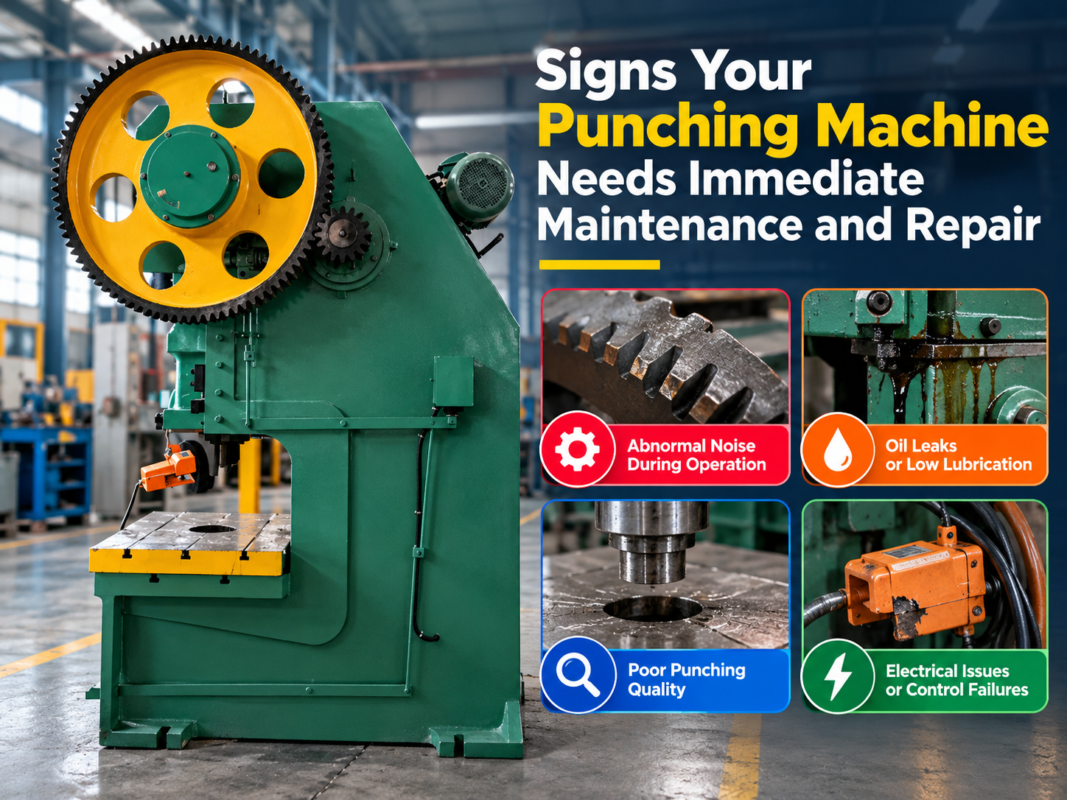
3. Visual Inspection Without Entry: Before reaching into the die area, perform a thorough visual inspection from the outside. Look for obvious signs of trouble: smoke, the smell of burning electrical components, leaking hydraulic fluid, or visible metal shards. Check the control panel for any error codes or warning lights that might provide an immediate clue as to why the system halted. Documenting these codes is crucial for later diagnosis.
4. Assess the Tooling Position: Determine where in the stroke the machine stopped. Is the punch at the bottom dead center (BDC), or did it stop during the downstroke? A machine stuck at BDC often indicates a tonnage overload or a mechanical jam, whereas a stop during the stroke might point toward an electrical or sensor issue. Understanding the physical position of the ram provides the first major clue in the troubleshooting process.
Key Considerations for Diagnosing the Stoppage
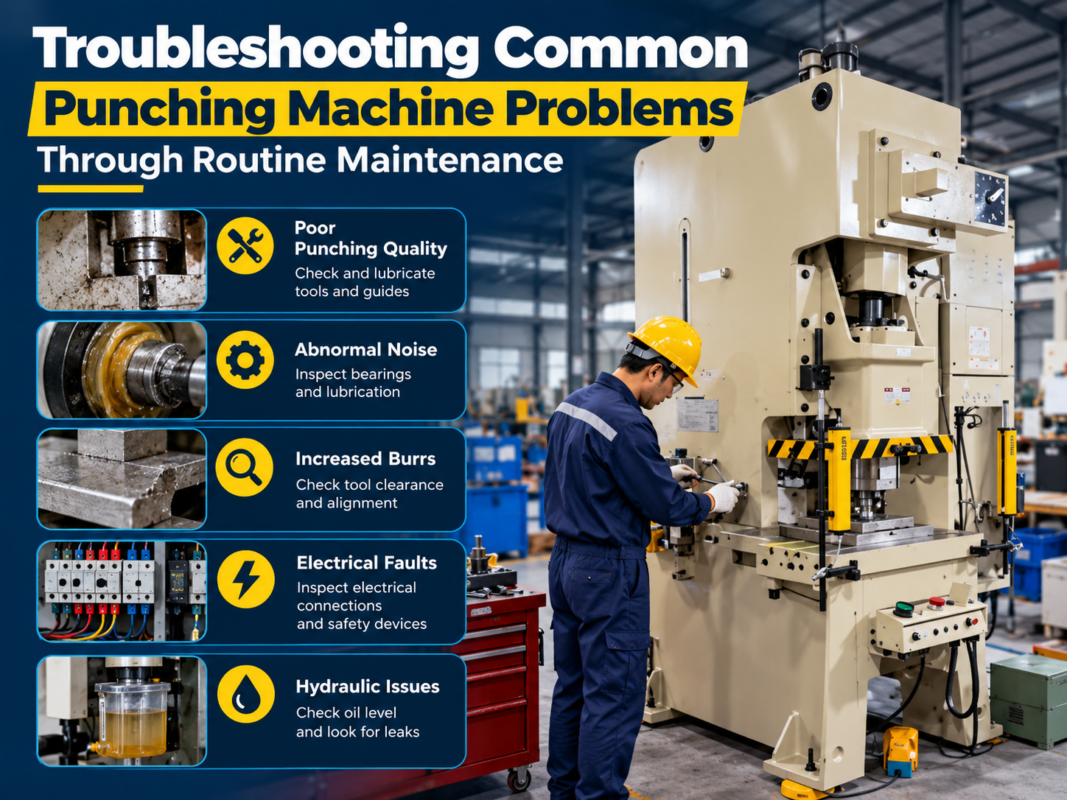
Once the machine is secured, the diagnostic process begins. There are several key areas that typically contribute to a mid-operation stop. Systematically checking these will help narrow down the problem without wasting time on irrelevant components.
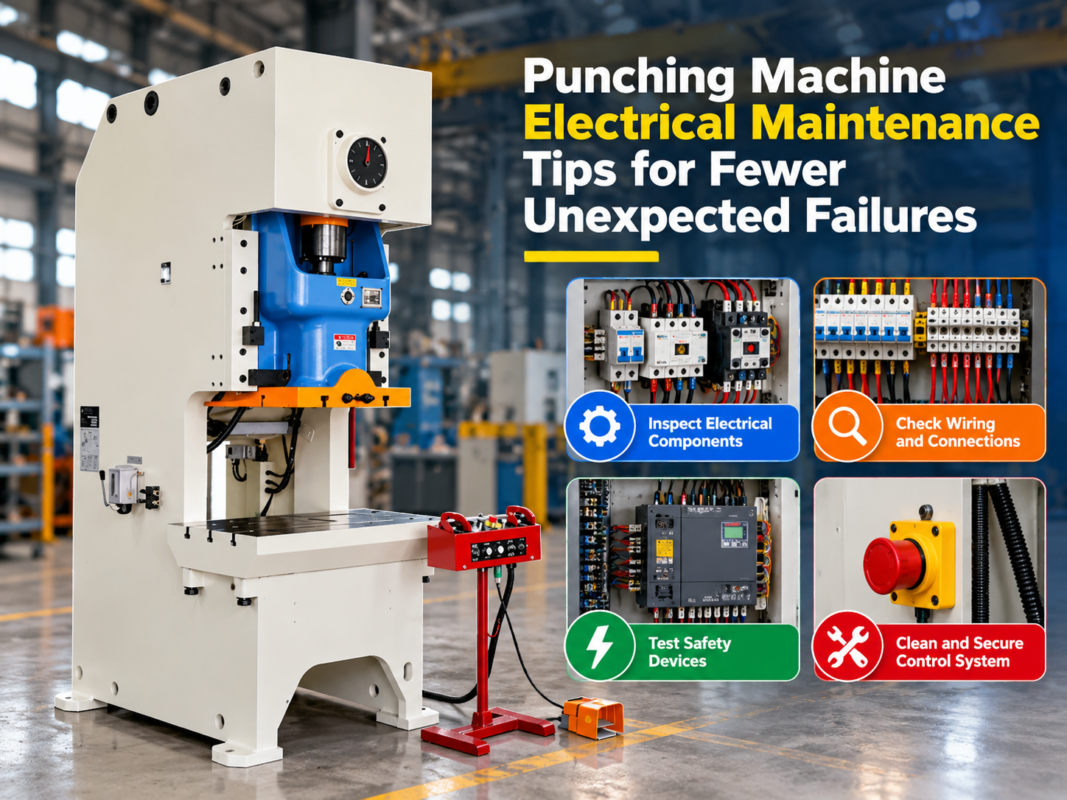
- Power Supply and Electrical Integrity: Check for tripped circuit breakers or blown fuses in the main electrical cabinet. Fluctuations in factory power can cause sensitive CNC controllers to shut down as a protective measure. Additionally, inspect the wiring for any signs of fraying or loose connections that might have been caused by machine vibration over time.
- Pneumatic and Hydraulic Pressure: Many punching machines rely on pneumatic clutches or hydraulic rams. If the air pressure drops below a certain threshold, the clutch will disengage, stopping the machine instantly. Similarly, a drop in hydraulic pressure due to a pump failure or a burst seal will halt operation. Check all gauges to ensure they are within the manufacturer’s specified operating range.
- Material and Tooling Issues: Is the material thicker than the machine’s rated capacity? Is the material hardness inconsistent? A common cause of stoppage is the punch becoming “slug-locked,” where waste material fails to clear the die, causing a backup that eventually jams the ram. Inspect the die for slug buildup and ensure the punch is sharp and properly lubricated.
- Sensor and Limit Switch Alignment: Punching machines use a variety of sensors to monitor the position of the ram, the presence of material, and the status of safety guards. A misaligned limit switch or a dirty optical sensor can send a false signal to the PLC (Programmable Logic Controller), causing an immediate halt. Cleaning and realigning these components is often a quick fix for mysterious stoppages.
Technical Details: Mechanical vs. Hydraulic Failures
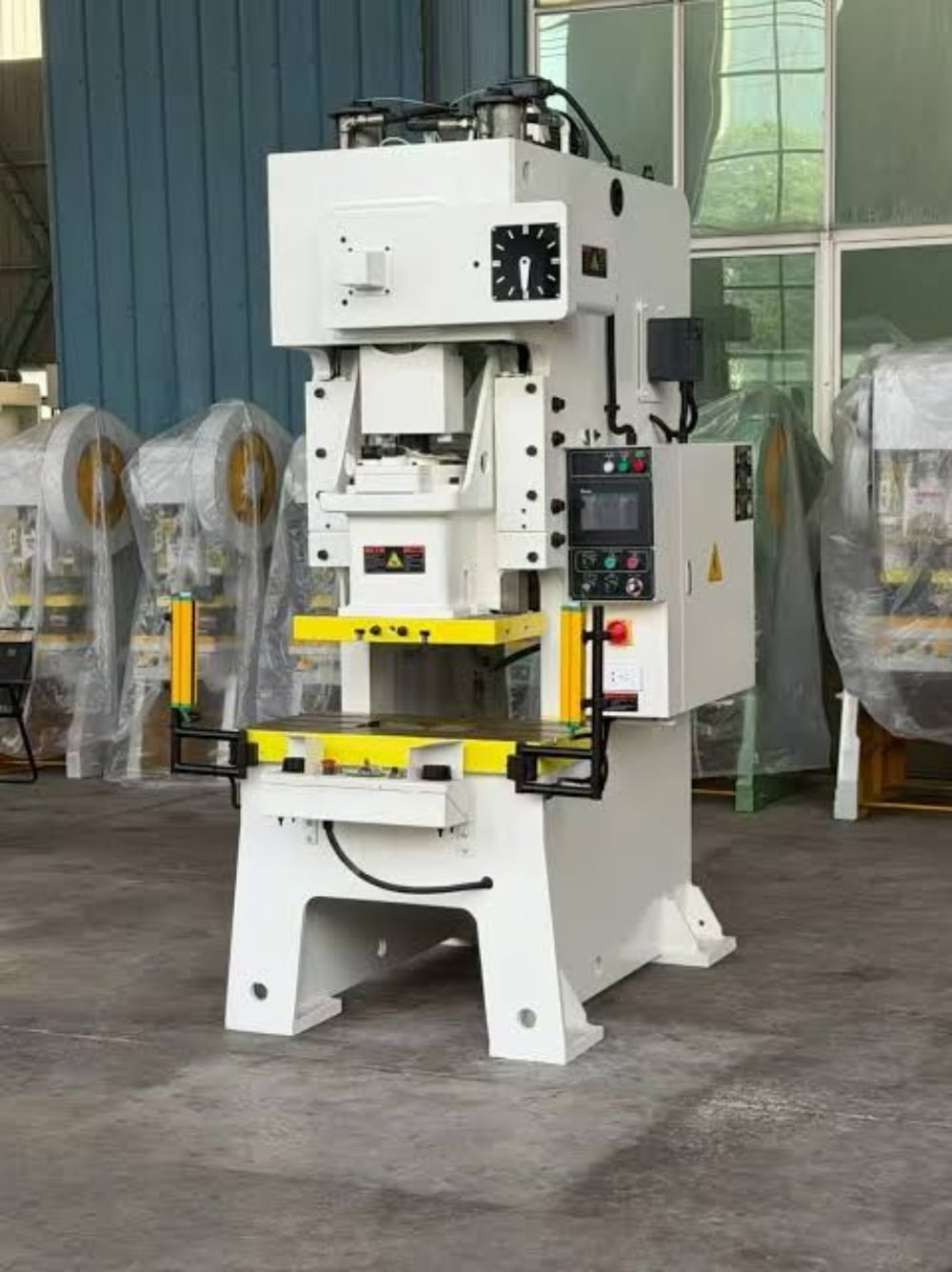
The internal mechanics of a punching machine dictate how it will react to a failure. Understanding the difference between mechanical and hydraulic systems is essential for effective troubleshooting. Each system has its own set of “weak points” that are most likely to cause a mid-operation stoppage.
Mechanical Press Stoppages
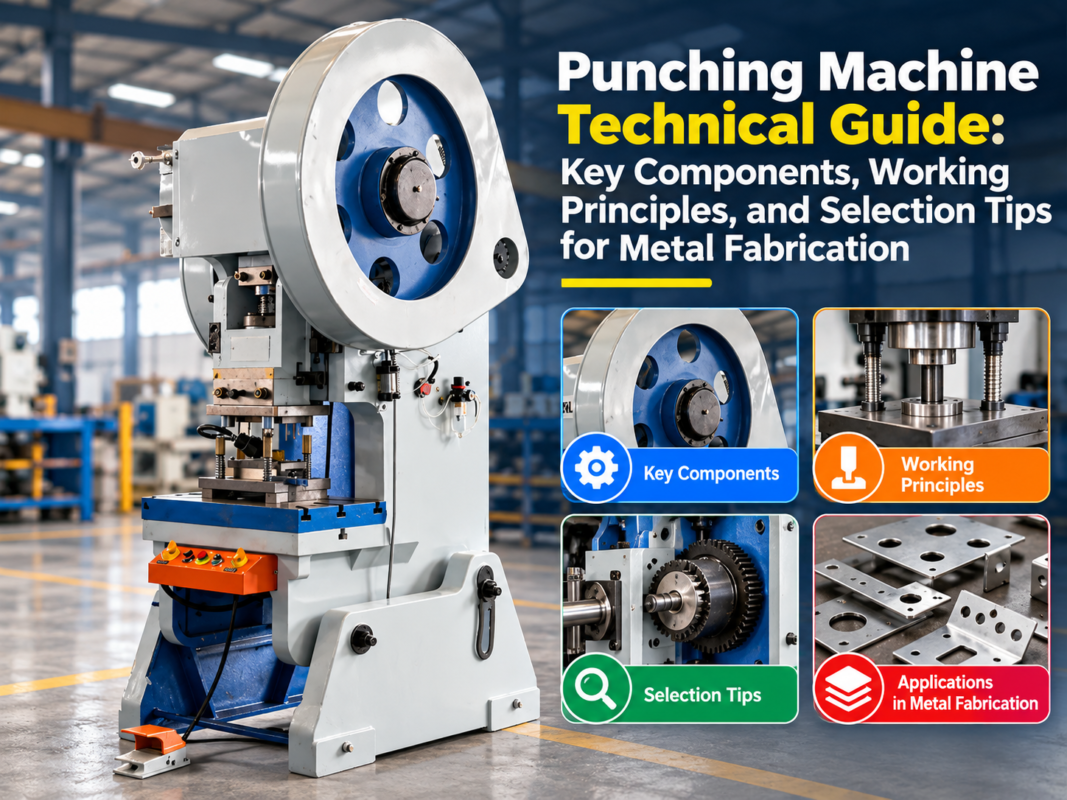
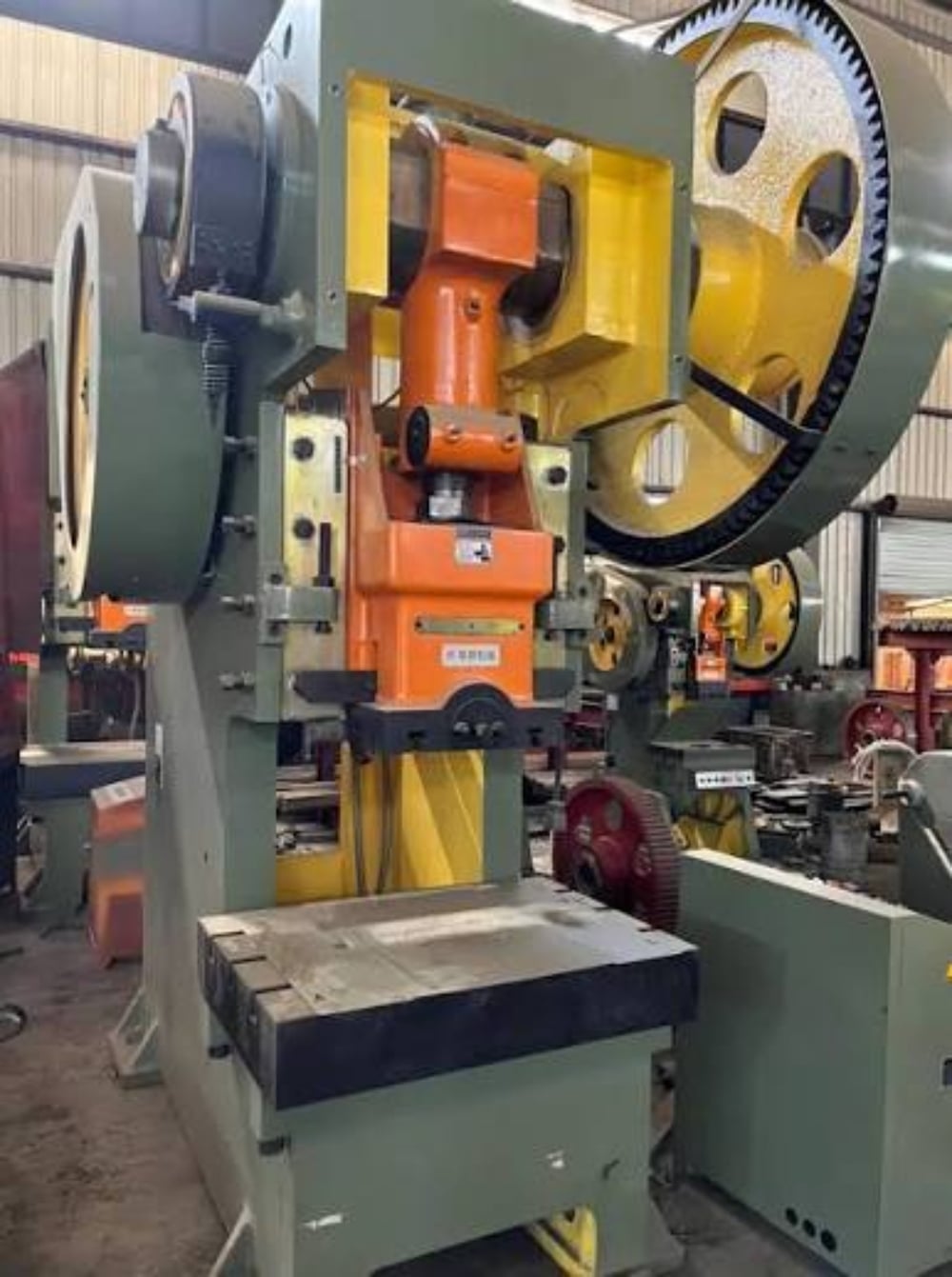
Mechanical punching machines utilize a flywheel to store energy, which is then transferred to the ram via a clutch and crankshaft. If a mechanical press stops mid-stroke, it is often due to a “stuck on bottom” scenario. This happens when the press does not have enough energy to complete the cycle and pass through the Bottom Dead Center (BDC). This can be caused by attempting to punch material that is too thick or by a significant drop in flywheel speed.
To resolve a mechanical jam, the flywheel must often be reversed, or the “unstick” nut on the pitman arm must be adjusted. This is a high-torque operation that requires specialized tools. Furthermore, mechanical presses are susceptible to clutch slippage. If the friction plates in the pneumatic clutch are worn, they may fail to hold under the full load of the punch, leading to a mid-cycle stall.
Hydraulic Press Stoppages
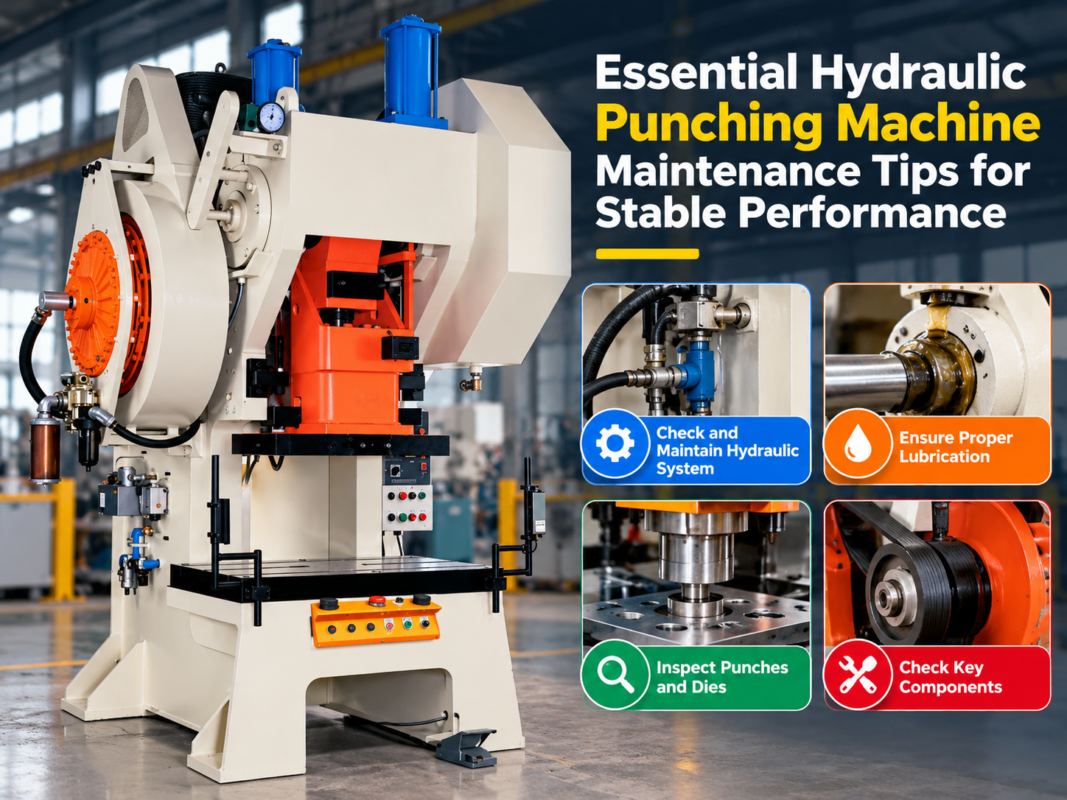
Hydraulic punching machines offer more flexibility but come with their own set of technical challenges. A stoppage in a hydraulic system is frequently related to fluid dynamics. If the hydraulic oil overheats, its viscosity drops, which can lead to internal leakage within the valves and a loss of pressure. Most modern HARSLE hydraulic presses include temperature sensors that will automatically stop the machine if the oil exceeds safe limits.
Another common technical issue is air trapped in the hydraulic lines. This can cause “spongy” operation or sudden erratic stops as the air compresses differently than the oil. Furthermore, the proportional valves that control the ram’s movement are precision components; even microscopic contaminants in the oil can cause a valve to stick, halting the ram instantly. Regular oil filtration and sampling are the best defenses against these types of failures.
Selection Advice: Choosing a Reliable Punching Machine
Preventing mid-operation stops begins with selecting the right equipment. When investing in a new punching machine, it is important to look beyond the price tag and evaluate the machine’s build quality and integrated safety features. A well-engineered machine from a reputable manufacturer like HARSLE is designed to handle the rigors of industrial use with minimal downtime.
1. Overload Protection Systems: Look for machines equipped with hydraulic or electronic overload protection. These systems can detect a tonnage spike in milliseconds and release the pressure or disengage the drive before damage occurs. This not only prevents the machine from stopping mid-stroke but also protects your expensive tooling from being crushed.
2. Robust Frame Construction: A machine with a high-rigidity O-frame or a heavy-duty C-frame will experience less deflection during the punching process. Frame deflection is a leading cause of tool misalignment, which in turn leads to jams and stoppages. Ensure the machine’s frame is stress-relieved and designed for the specific tonnages you plan to run.
3. Quality of Components: The reliability of a punching machine is only as good as its weakest component. High-quality CNC controllers (such as those from Fanuc or Siemens), world-class hydraulic valves (like Rexroth), and premium electrical components (Schneider or ABB) significantly reduce the likelihood of random electrical or hydraulic failures. HARSLE prioritizes these components to ensure long-term operational stability.
4. Ease of Maintenance: Choose a machine that offers easy access to lubrication points, filters, and sensors. A machine that is difficult to maintain is often neglected, leading to the very stoppages you are trying to avoid. Features like automatic central lubrication systems are highly recommended for high-volume production environments.
Preventive Maintenance to Avoid Mid-Operation Stops
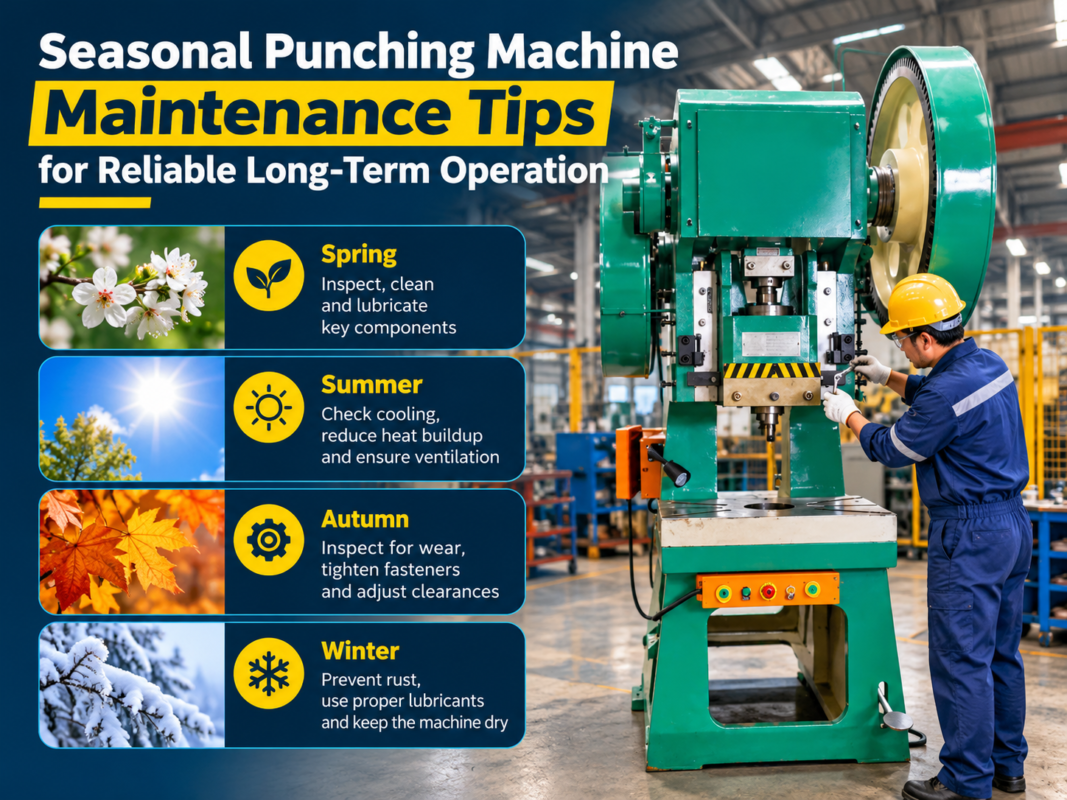
The best way to handle a machine stopping mid-operation is to prevent it from happening in the first place. A robust preventive maintenance (PM) program is the cornerstone of any successful fabrication shop. By identifying and replacing worn parts before they fail, you can maintain a consistent production schedule.
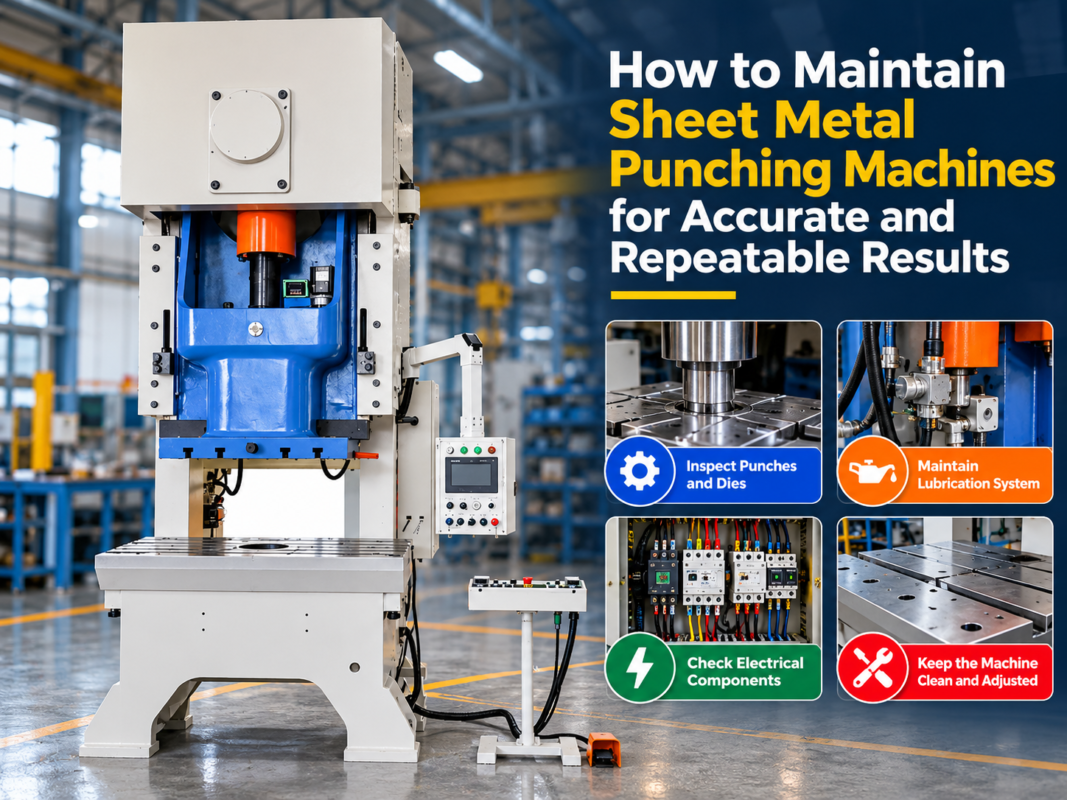
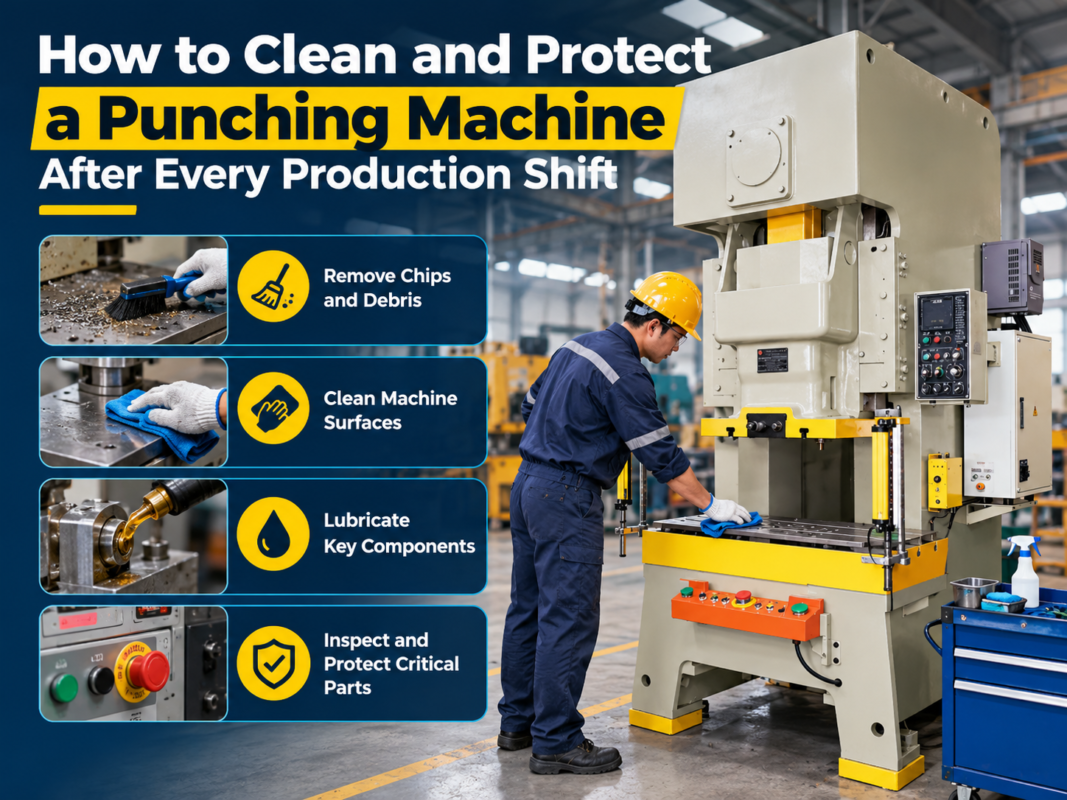
Daily Maintenance Tasks: Operators should perform a quick check at the start of every shift. This includes checking oil levels, ensuring the air pressure is correct, and inspecting the tooling for any signs of wear or chipping. Cleaning the die area of slugs and debris is also essential to prevent jams. A simple five-minute walk-around can catch 80% of potential issues.
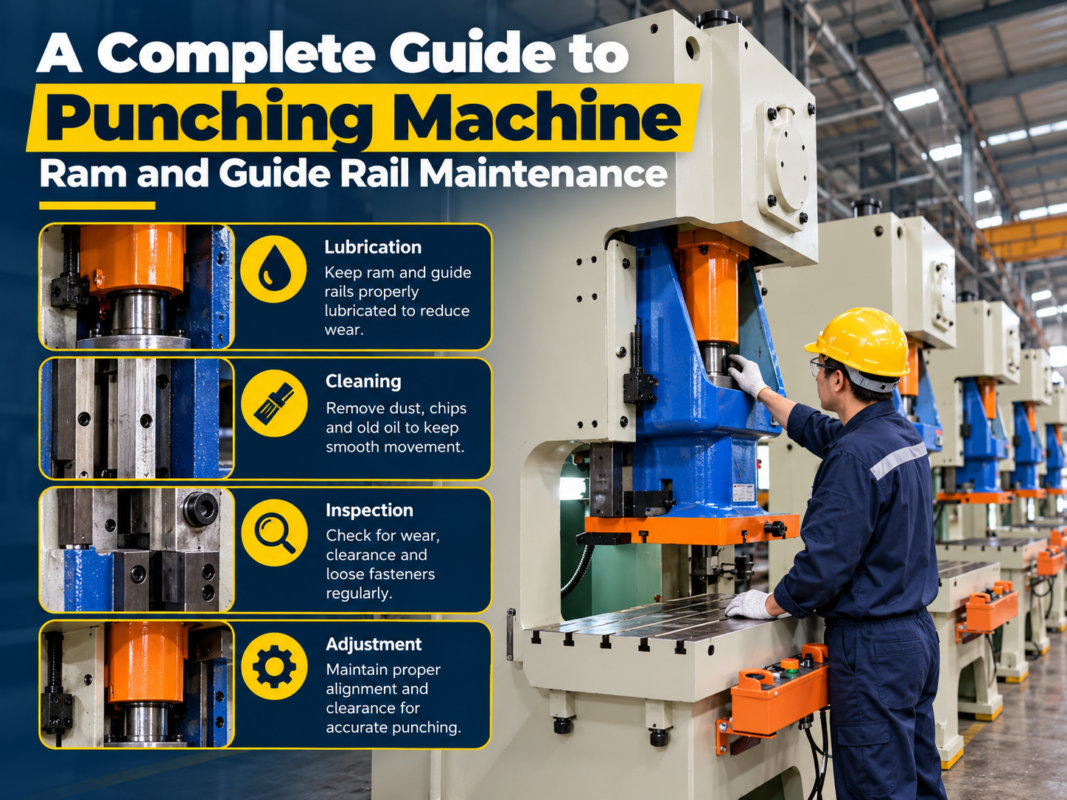
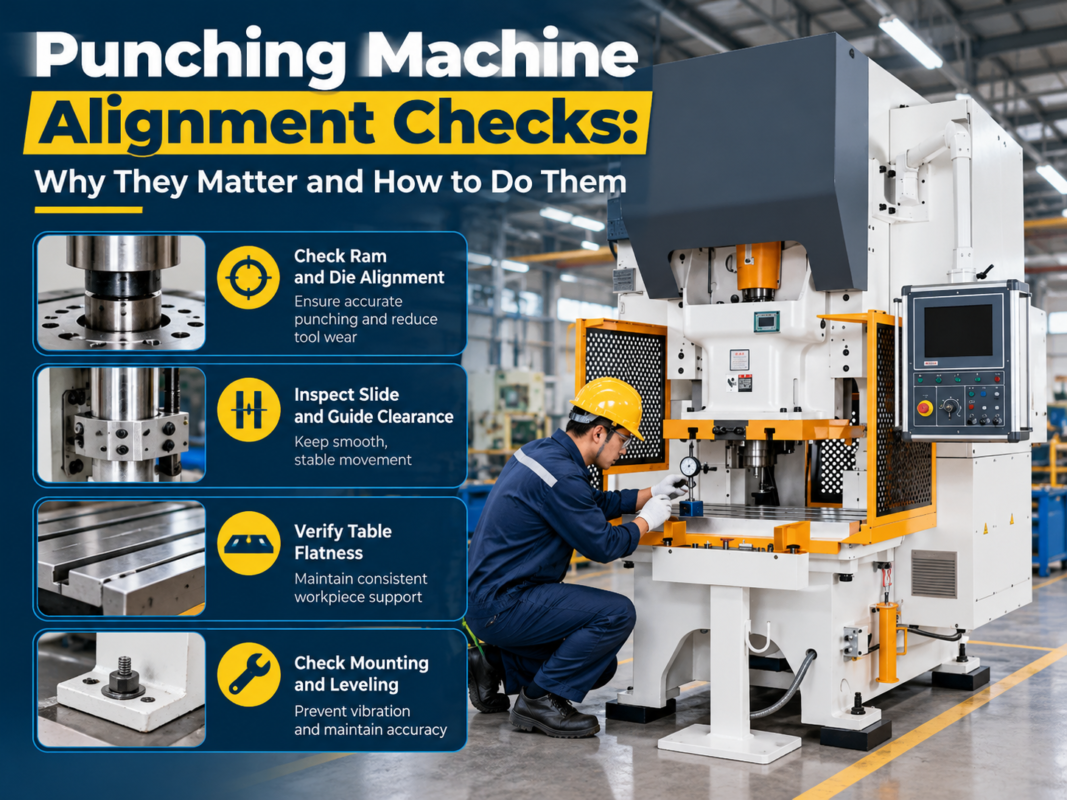
Weekly and Monthly Inspections: On a weekly basis, technicians should inspect the drive belts, check for loose bolts on the frame, and verify the alignment of the ram. Monthly tasks should include checking the electrical cabinet for dust buildup (which can cause overheating) and testing all safety interlocks and E-stop buttons to ensure they are functioning correctly. If the machine uses a hydraulic system, the oil should be inspected for clarity and smell; a burnt smell indicates overheating and the need for an oil change.
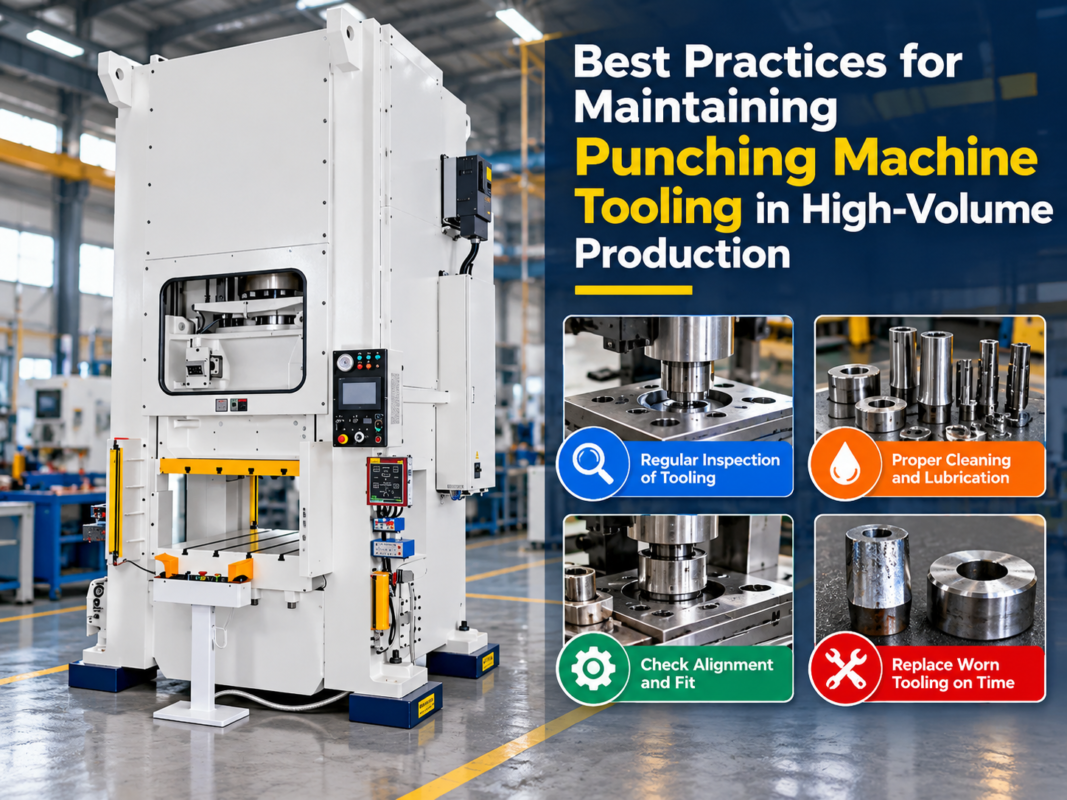
Tooling Management: Dull tools require significantly more force to penetrate the material, which puts unnecessary strain on the machine’s motor and frame. Implementing a tool sharpening schedule based on the number of hits is a proactive way to reduce the load on the machine. Additionally, using the correct lubricant for the material being punched will reduce friction and heat, further extending the life of both the tool and the machine.
Frequently Asked Questions (FAQ)
1. Why does my punching machine stop at the bottom of the stroke?
This is usually caused by a tonnage overload. The machine does not have enough power to complete the cycle through the material. This can happen if the material is too thick, the punch is dull, or the machine’s capacity is being exceeded. In mechanical presses, this is known as being “stuck on bottom.”
2. What should I do if the CNC screen displays an ‘Encoder Error’?
An encoder error indicates that the controller has lost track of the ram’s position. This can be caused by a loose cable, a faulty encoder, or excessive vibration. Check the connections first; if the problem persists, the encoder may need to be cleaned or replaced.
3. Can a lack of lubrication cause the machine to stop?
Yes. Without proper lubrication, friction increases between the moving parts of the ram and the guides. This can lead to overheating and, in extreme cases, the parts can seize, causing the machine to stop mid-operation to prevent further damage.
4. How do I safely remove a punch that is stuck in the workpiece?
First, ensure the machine is locked out. You may need to manually back off the ram using the flywheel or hydraulic override. Never use a hammer to strike the punch directly, as this can shatter the hardened steel. Use specialized pullers or consult the manufacturer’s manual for the specific “unsticking” procedure.
5. Why does my machine stop when the hydraulic oil gets hot?
Most modern machines have a thermal protection switch. When oil gets too hot, it loses its ability to lubricate and maintain pressure. The machine stops to prevent damage to the hydraulic pump and valves. Check your cooling system and ensure the oil level is sufficient.
6. Is it safe to bypass a sensor to finish a production run?
No. Bypassing safety sensors or limit switches is extremely dangerous and can lead to catastrophic machine failure or severe operator injury. If a sensor is stopping the machine, it is doing so for a reason. Identify and fix the underlying issue instead.
Conclusion: Ensuring Long-Term Reliability
A punching machine stopping mid-operation is a challenge that every fabricator will face at some point. However, by staying calm, following strict safety protocols, and utilizing a systematic troubleshooting approach, you can resolve these issues efficiently. The key is to treat every stoppage as a learning opportunity—an indication that a component needs adjustment, a tool needs sharpening, or a process needs refinement.
At HARSLE, we are committed to providing not only high-performance machinery but also the knowledge and support our customers need to succeed. By choosing machines with advanced protection systems and maintaining them with a rigorous PM schedule, you can significantly reduce the frequency of unexpected halts. Remember, the goal is not just to fix the machine when it stops, but to build a production environment where it rarely has a reason to stop in the first place.
Investing in quality equipment, training your operators in proper diagnostic techniques, and never compromising on safety are the hallmarks of a world-class metal fabrication operation. Whether you are punching thin sheet metal or heavy plate, the principles of maintenance and troubleshooting remain the same. Stay proactive, stay safe, and keep your production moving forward with HARSLE.