
Why a Punching Machine Punches Off-Center and How to Correct It


Introduction to Punching Precision in Metal Fabrication
In the world of metal fabrication, precision is not just a goal; it is a requirement. When a punching machine operates at peak performance, it produces clean, accurate holes that meet strict engineering tolerances. However, one of the most frustrating issues operators face is when a punching machine punches off-center. This phenomenon, often referred to as ‘punch drift’ or ‘misalignment,’ can lead to significant material waste, damaged tooling, and costly downtime. Understanding the root causes and knowing how to implement a solution is vital for any fabrication shop aiming for efficiency.
At HARSLE, we recognize that even the most robust industrial machinery requires meticulous setup and maintenance. Whether you are using a mechanical power press or a high-speed CNC turret punch press, the physics of the punching process remain the same. A punch must enter the die with perfectly even clearance on all sides. If the punch is slightly offset, the lateral forces generated during the stroke can cause the punch to deflect further, leading to burrs, uneven hole edges, or even catastrophic tool failure. This article serves as a comprehensive guide to help you understand why a punching machine punches off-center correct it effectively.
Addressing off-center punching requires a systematic approach. It involves inspecting the machine’s structural integrity, the condition of the tooling, and the accuracy of the control systems. By the end of this guide, you will have a technical roadmap to diagnose and fix alignment issues, ensuring your production line remains productive and your output remains high-quality.
Key Considerations: Why Does Misalignment Occur?
Before diving into the technical fixes, it is essential to categorize the potential causes of off-center punching. Misalignment rarely happens without a reason; it is usually the result of cumulative wear or a specific mechanical shift. The first consideration is the tooling assembly. If the punch and die are not seated correctly in their respective holders, the entire operation starts from a point of error. Even a few microns of debris under a die can tilt it sufficiently to cause an off-center punch.
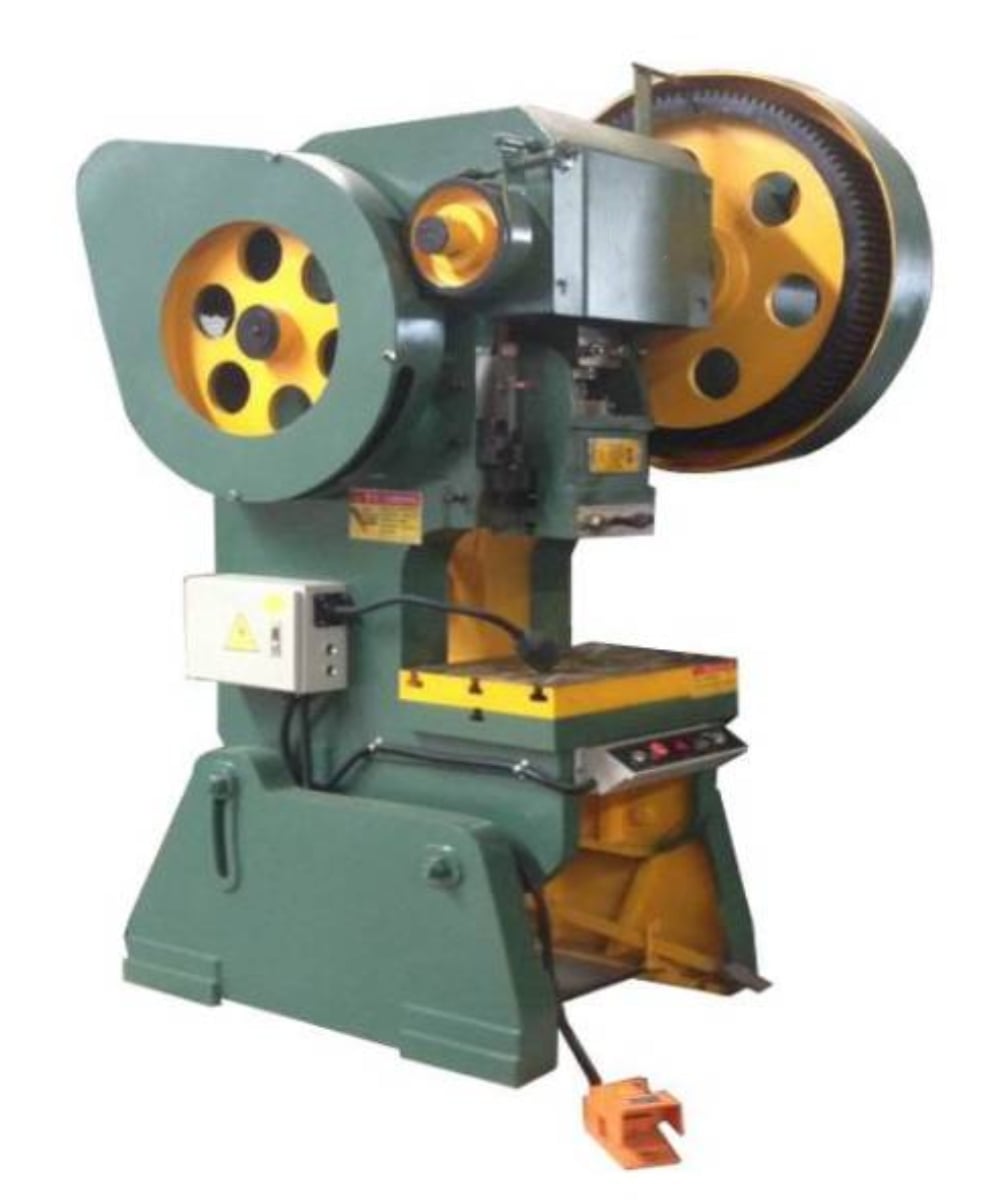
The second major consideration is machine frame deflection. All punching machines experience some level of ‘spring’ or deflection when they hit the material. However, if the frame is not rigid enough or if the machine is being used beyond its rated capacity, this deflection can become asymmetrical. This is particularly common in C-frame machines where the ‘throat’ of the machine can open up under high tonnage, causing the punch to enter the die at an angle rather than vertically.
Thirdly, we must look at wear and tear on guiding components. The ram of the punching machine is guided by gibs or bushings. Over years of operation, these guides can wear down, allowing the ram to have ‘play’ or lateral movement. When the ram is not perfectly constrained to a vertical path, the punch will naturally follow the path of least resistance, which is often off-center. Regular lubrication and adjustment of these gibs are critical to maintaining long-term accuracy.
Finally, material properties and positioning play a role. If the sheet metal is not held securely by the work clamps or if the stripper plate does not apply even pressure, the material can shift during the initial contact of the punch. This shift can give the appearance of an off-center punch when, in reality, the material moved while the tool remained stationary. Understanding these variables is the first step in the process to ensure a punching machine punches off-center correct it properly.
Technical Details: The Mechanics of Alignment
The Importance of Die Clearance
Die clearance is the space between the punch and the die when the punch enters the die. It is typically expressed as a percentage of the material thickness. For most applications, a clearance of 15% to 20% of the material thickness is standard. However, if the punch is off-center, the clearance becomes uneven—too tight on one side and too wide on the other. This causes the material to tear prematurely on the wide side and creates excessive friction and heat on the tight side. Over time, this uneven clearance will dull the punch and can lead to ‘galling,’ where material welds itself to the tool.
Turret and Station Alignment
In CNC turret punch presses, the alignment between the upper turret (holding the punch) and the lower turret (holding the die) is paramount. These machines use an indexing pin or shot pin to lock the turrets in place before the stroke. If the shot pins or their corresponding bushings are worn, the turrets may not align perfectly. Technical calibration involves using a ‘boring tool’ or an alignment mandrel to check that the center of the upper station is perfectly concentric with the center of the lower station. This is a high-precision task that often requires dial indicators capable of measuring in increments of 0.01mm.
Ram Perpendicularity and Bolster Parallelism
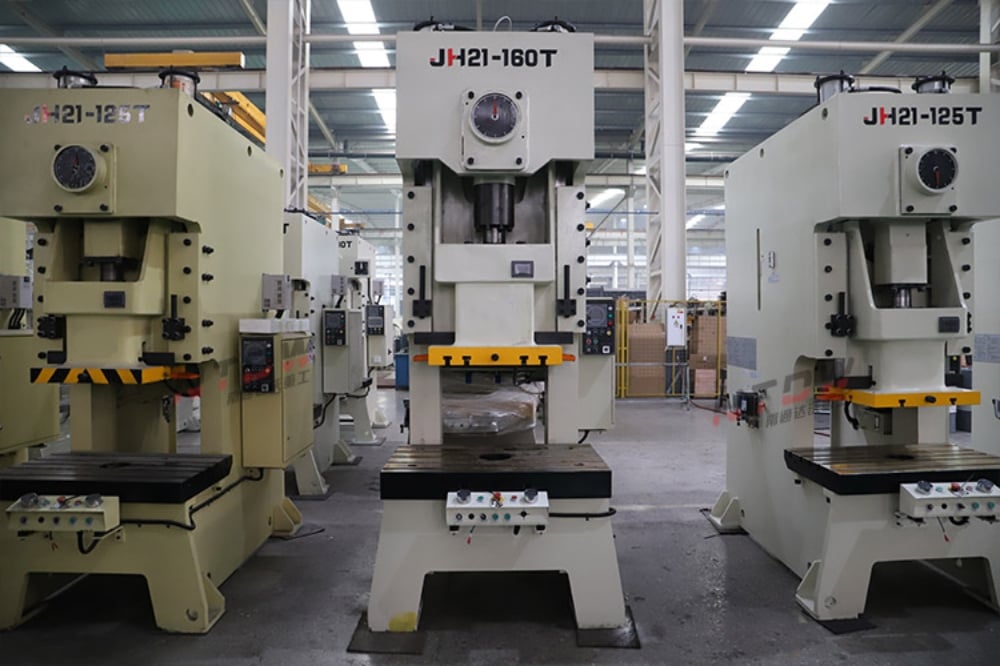
The ram is the heart of the punching machine. It must move perfectly perpendicular to the bolster plate (the table where the die is mounted). If the bolster plate is not level or if the ram is slightly tilted due to uneven wear in the drive mechanism (such as the eccentric shaft or hydraulic cylinders), the punch will strike the material at an angle. This ‘angularity’ is a common cause of off-center punching in older mechanical presses. Correcting this involves ‘shimming’ the bolster or regrinding the ram face to restore parallelism.
Step-by-Step Guide: A Punching Machine Punches Off-Center Correct It
If you have identified that your machine is producing inaccurate parts, follow this systematic guide to correct the issue. This process moves from the simplest fixes to the more complex mechanical adjustments.
Step 1: Clean and Inspect Tooling
Begin by removing the punch and die from the machine. Clean the tool holders, the turret stations, and the tools themselves using a high-quality degreaser. Look for metal chips, dust, or dried lubricant buildup. Even a tiny shard of metal trapped between the die and the die holder can cause the die to sit at an angle. Inspect the tools for signs of uneven wear; if one side of the punch is shinier or more worn than the other, it confirms an alignment issue.
Step 2: Verify Die Seating
Reinstall the die and ensure it is seated firmly. Use a dial indicator to check the flatness of the die surface relative to the machine table. If the die is tilted, check the die holder for damage. In many cases, the ‘slug’ (the piece of metal punched out) can get caught in the discharge chute, backing up and pushing the die out of alignment. Ensure the slug ejection system is clear and functioning.
Step 3: Check the Stripper Plate
The stripper plate’s job is to hold the material flat and ‘strip’ it off the punch as it retracts. If the stripper plate is not parallel to the die or if the springs providing the stripping force are unevenly worn, the material will tilt during the punch cycle. This tilt forces the punch to deflect. Ensure the stripper plate moves freely and applies uniform pressure across the work area.
Step 4: Align the Turret (For CNC Machines)
If you are using a turret punch, use an alignment tool (often provided by the manufacturer like HARSLE) to check the concentricity of the upper and lower stations. Insert the alignment mandrel into the upper station and lower it slowly into the die. It should enter without any resistance. If there is friction on one side, you will need to adjust the station’s alignment bolts. This usually involves loosening the station housing, shifting it slightly, and re-torquing the bolts to the manufacturer’s specifications.
Step 5: Adjust the Gibs
For mechanical presses, check the clearance in the ram gibs. Use a feeler gauge to measure the gap between the ram and the guides. If the gap exceeds the manufacturer’s recommended tolerance, tighten the gib adjustment screws. This reduces the lateral ‘play’ of the ram and ensures it travels in a straight vertical line. Be careful not to overtighten, as this can cause excessive heat and seize the ram.
Selection Advice: Choosing a Machine for Long-Term Precision
When purchasing a new punching machine, the best way to avoid off-center issues is to invest in a machine designed for rigidity and precision. Here are several factors to consider during the selection process:
- Frame Construction: Look for machines with heavy-duty, heat-treated steel frames. O-frame (or bridge frame) designs are inherently more rigid than C-frame designs because they enclose the work area, virtually eliminating frame ‘yawn’ or deflection under high loads.
- Guideway Quality: High-end machines use hardened and ground linear guides or wide, adjustable gibs. These components are more resistant to wear and provide better support for the ram, ensuring long-term alignment.
- Auto-Index Accuracy: If you require complex shapes, ensure the auto-index stations use high-precision worm gear drives. These systems should have minimal backlash to prevent the punch from rotating slightly off-center during the stroke.
- Control Systems: Modern CNC controls, such as those found on HARSLE machines, include features like ‘tonnage monitoring.’ This allows the operator to see if the machine is experiencing unbalanced loads, which is a precursor to misalignment.
- Ease of Maintenance: Choose a machine where the turret stations and ram guides are easily accessible. If maintenance is difficult, it is more likely to be neglected, leading to the very alignment issues you want to avoid.
By prioritizing these features, you ensure that the task to a punching machine punches off-center correct it becomes a rare maintenance event rather than a daily struggle. A well-built machine from a reputable manufacturer like HARSLE provides the foundation for decades of accurate production.
Maintenance Strategies to Prevent Off-Center Punching
Preventive maintenance is the most effective way to ensure your punching machine remains centered. A daily, weekly, and monthly checklist can save thousands of dollars in repairs and wasted material. Below is a recommended maintenance schedule for industrial punching machines.
| Frequency | Task | Objective |
|---|---|---|
| Daily | Clean turret and die holders | Remove debris that causes tool tilting. |
| Daily | Lubricate ram and guides | Reduce friction and prevent wear in the guiding system. |
| Weekly | Inspect punch and die edges | Identify uneven wear patterns early. |
| Weekly | Check hydraulic oil levels | Ensure consistent pressure and ram speed. |
| Monthly | Verify station alignment | Use alignment tools to check concentricity. |
| Quarterly | Adjust ram gibs | Eliminate lateral play in the ram movement. |
| Annually | Professional calibration | Full machine geometry check by a certified technician. |
In addition to these tasks, always ensure that your operators are trained to recognize the signs of misalignment. A change in the sound of the punch, an increase in the size of the burr on the workpiece, or the punch ‘sticking’ in the material are all early warning signs. Encouraging a culture of ‘stop and check’ rather than ‘push through’ is essential for maintaining machine health.
FAQ: Troubleshooting Punching Machine Alignment
1. Why does my punch break frequently even though it’s new?
Frequent punch breakage is a classic sign of severe misalignment. If the punch is hitting the side of the die rather than entering the center, the lateral shock will cause the brittle tool steel to snap. Check your die clearance and turret alignment immediately.
2. Can I use shims to correct an off-center die?
While shimming is a common practice in metalworking, it should be used cautiously in punching. Shimming a die to correct a tilt is acceptable, but shimming to move a die laterally is often a temporary fix. It is better to find out why the die holder is not centered and fix the root cause.
3. How does material thickness affect alignment?
Thicker materials require higher tonnage. Higher tonnage increases frame deflection. If your machine is punching off-center only on thick materials, it suggests that the frame is flexing too much or the machine is under-powered for that specific application.
4. What is the role of the ‘shot pin’ in turret alignment?
The shot pin is a hardened steel pin that drops into a notch in the turret to lock it in place. If the pin or the notch is worn, the turret can ‘wiggle’ slightly. This wiggle allows the punch to be off-center during the stroke. Replacing worn shot pins is a standard part of turret press maintenance.
5. Does the type of lubricant matter for alignment?
Yes. Using the wrong lubricant can lead to ‘gumming,’ where the lubricant mixes with metal dust to create a thick paste. This paste can prevent tools from seating properly or cause the ram to move sluggishly, affecting the timing and precision of the punch.
6. How do I know if my machine frame is permanently deformed?
If you have aligned the tools, adjusted the gibs, and checked the turret, but the machine still punches off-center under load, the frame may have ‘set’ in a deformed position. This usually happens after a major crash or years of overloading. A professional technician can use laser leveling tools to verify the frame’s structural integrity.
Conclusion: Mastering Punching Precision
Maintaining a punching machine is a balance of mechanical knowledge and disciplined maintenance. When a punching machine punches off-center correct it by following the steps outlined in this guide: clean the components, inspect for wear, verify the geometry of the ram and turret, and ensure the material is properly supported. Precision is not a one-time setup; it is a continuous process of monitoring and adjustment.
At HARSLE, we are dedicated to providing the metal fabrication industry with high-performance machinery that stands the test of time. Our machines are engineered with the rigidity and technological sophistication required to minimize deflection and maximize accuracy. However, even the best machine depends on the skill and care of its operator. By understanding the technical details of punch and die alignment, you empower your team to produce better parts, reduce waste, and extend the life of your valuable tooling.
In summary, don’t ignore the small signs of misalignment. A slight burr today can become a broken punch or a damaged turret tomorrow. Invest the time in regular calibration and maintenance, and your punching machine will reward you with years of reliable, high-precision service. For more technical guides and high-quality fabrication equipment, trust HARSLE to be your partner in industrial excellence.












