
How to Diagnose Uneven Hole Quality in a Punching Machine: A Comprehensive Guide


Introduction to Hole Quality in Metal Fabrication
In the world of metal fabrication, precision is the cornerstone of quality. When operating a punching machine, whether it is a mechanical press or a high-tech CNC turret punch, the expectation is a clean, consistent, and accurate hole every time. However, operators often encounter the frustrating issue of uneven hole quality. This can manifest as excessive burrs, deformed edges, inconsistent hole diameters, or misalignment across a single workpiece. Understanding how to diagnose uneven hole quality in a punching machine is essential for maintaining production efficiency and reducing scrap rates.
Uneven hole quality is rarely the result of a single catastrophic failure. Instead, it is usually a symptom of several minor variables drifting out of tolerance. These variables include the condition of the tooling, the alignment of the machine frame, the properties of the material being processed, and the precision of the feeding system. For manufacturers using HARSLE machinery, maintaining the high standards of output requires a systematic approach to troubleshooting these deviations.
This guide provides an in-depth look at the diagnostic process. We will explore the technical nuances of the punching process, from the initial impact of the punch to the final fracture of the material. By the end of this article, you will have a comprehensive framework to identify, analyze, and rectify the root causes of poor hole quality, ensuring your metal fabrication equipment operates at peak performance.
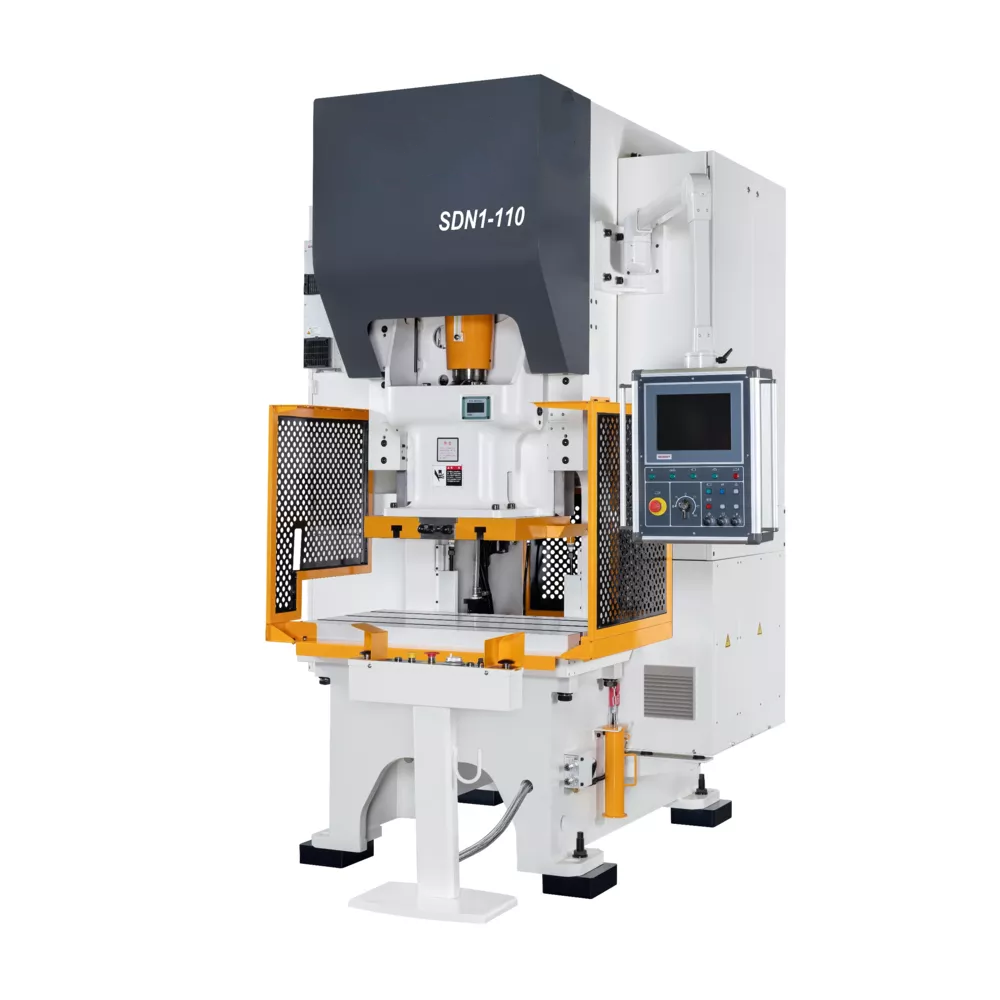
Key Considerations for Diagnosing Hole Quality
1. Tooling Condition and Wear Patterns
The most common culprit behind uneven hole quality is the state of the punch and die. Over time, the sharp edges of the punch become rounded due to the intense friction and heat generated during the shearing process. When a punch is dull, it no longer cuts through the metal cleanly; instead, it pushes the material into the die, leading to large burrs and edge deformation. Diagnosing this requires a physical inspection of the tool edges. Look for signs of galling (material pickup), chipping, or uneven wear on one side of the punch tip.
2. Die Clearance Accuracy
Die clearance—the space between the punch and the die—is critical. If the clearance is too tight, the power required to punch increases, leading to secondary shear and rapid tool wear. If it is too loose, the material is drawn into the gap, resulting in a large rollover and heavy burrs. Uneven hole quality often occurs when the clearance is not uniform around the perimeter of the punch, which usually points to an alignment issue between the punch holder and the die block.
3. Material Consistency and Thickness
Not all sheet metal is created equal. Variations in material hardness, thickness, and surface coating can affect how the metal reacts to the punching force. If you notice that hole quality fluctuates between different batches of material, the issue may lie in the metallurgy of the workpiece rather than the machine itself. Harder materials require sharper tools and specific clearances, while softer materials like aluminum are prone to galling, which can quickly degrade hole quality if not properly lubricated.
4. Machine Alignment and Rigidity
A punching machine must maintain perfect perpendicularity between the punch and the workpiece. If the machine frame deflects under load (often called “yaw” or “spring back”), the punch will enter the die at a slight angle. This results in a hole that is “tapered” or has a larger burr on one side. Diagnosing frame deflection involves checking the machine’s tonnage limits and ensuring that the foundation is level and stable. HARSLE machines are designed for high rigidity, but improper installation can still lead to alignment issues.
Technical Details: The Science of the Punch
The Mechanics of the Shearing Process
To effectively diagnose uneven hole quality in a punching machine, one must understand the three stages of the punching process: deformation, shear, and fracture. Initially, the punch contacts the material, causing elastic and then plastic deformation (the rollover). Next, the punch penetrates the material, creating a smooth “burnished” zone. Finally, the internal stress exceeds the material’s strength, and it fractures. In a perfect hole, the burnished zone should be uniform around the circumference, typically occupying about one-third of the material thickness.
When diagnosing uneven quality, examine the “slug” (the waste piece). If the fracture zone on the slug is lopsided, it indicates that the punch is not centered in the die. A shiny, burnished area that extends too deep suggests the clearance is too tight, while a rough, torn appearance suggests the tools are dull or the clearance is too wide. Analyzing the slug is often the fastest way to identify the technical root cause of the problem.
Hydraulic vs. Mechanical Consistency
The drive system of the machine plays a significant role in hole consistency. Hydraulic punching machines offer the advantage of constant pressure throughout the stroke, which is beneficial for thicker materials. However, if there is air in the hydraulic lines or if the valves are sticking, the ram speed may fluctuate, leading to inconsistent shearing. Mechanical presses, on the other hand, rely on flywheel energy. If the flywheel speed drops due to a slipping belt or motor fatigue, the punch may “struggle” through the material, causing a jagged edge. Monitoring the stroke consistency is a vital technical diagnostic step.
CNC Feed and Positioning Precision
In automated systems, the quality of the hole is also dependent on the stability of the workpiece during the punch. If the work clamps are loose or if the X-Y axis movement has backlash, the material may move slightly as the punch makes contact. This results in elongated holes or holes that are not positioned correctly relative to each other. Checking the servo motor calibration and the condition of the ball screws is essential for diagnosing positioning-related quality issues.
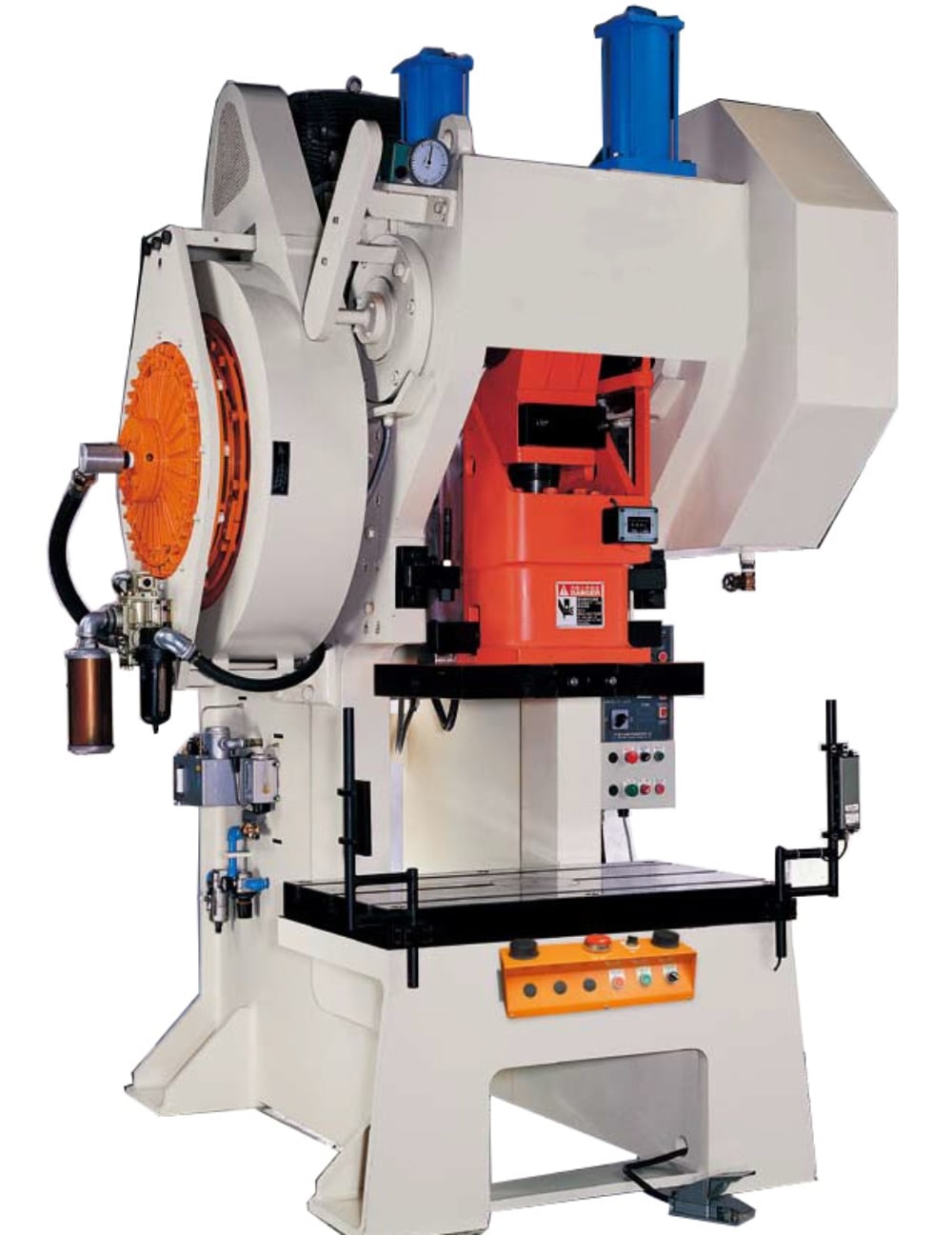
Selection Advice for High-Quality Punching
Choosing the Right Machine for Your Application
When selecting a punching machine, consider the maximum thickness and the type of material you process most frequently. For high-volume precision work, a CNC turret punch press with a high hit rate and automatic tool lubrication is ideal. HARSLE offers a range of machines designed with heavy-duty O-frames or C-frames that minimize deflection, which is the primary enemy of hole quality. Ensure the machine’s tonnage rating exceeds your requirements by at least 20% to avoid operating at the limit of the machine’s structural integrity.
Tooling Selection and Maintenance Strategy
Invest in high-quality tool steel (such as M2 or D2) that can withstand the heat of high-speed punching. Furthermore, implement a mandatory sharpening schedule. Waiting until the hole quality degrades to sharpen tools is a mistake; proactive sharpening removes only a few microns of material and significantly extends the total life of the tool. Additionally, consider using “whisper” or roof-top shears on your punches to reduce the punching force and noise, which also helps in maintaining a cleaner cut on thicker plates.
The Importance of Lubrication Systems
Lubrication is often overlooked in the diagnostic process. Without proper lubrication, heat builds up rapidly, leading to material welding onto the punch (galling). This not only ruins the hole quality but can also cause the punch to stick in the material, potentially damaging the machine’s stripping mechanism. Select a machine with an automatic oil mist system that targets the punch tip and the material surface. This ensures consistent friction reduction and heat dissipation.
Frequently Asked Questions (FAQ)
Why does my punching machine produce holes with a large burr on only one side?
This is a classic sign of misalignment. Either the punch is not perfectly centered in the die, or the machine frame is deflecting under pressure. Check the alignment of the tool holders and ensure that the die is seated correctly in the bolster plate. If the problem persists only on high-tonnage hits, the machine frame may lack the necessary rigidity for that specific material thickness.
How often should I sharpen my punching tools?
There is no universal rule, but a good practice is to inspect tools every 10,000 to 50,000 hits depending on the material. Stainless steel will dull tools much faster than mild steel or aluminum. If you see the burnished zone of the hole decreasing and the fracture zone increasing, it is time to sharpen.
Can the type of lubricant affect hole quality?
Yes, significantly. Using the wrong lubricant can lead to residue buildup or insufficient cooling. For heavy-duty punching, use high-pressure lubricants. For aluminum, use specialized non-staining oils to prevent the material from sticking to the punch. Always ensure the lubricant is clean and free of metal chips.
What is the ideal die clearance for mild steel?
For most mild steel applications, a total clearance of 15% to 20% of the material thickness is recommended. However, this can vary based on the desired hole characteristics. A tighter clearance yields a better finish but increases tool wear, while a wider clearance reduces the load but increases the burr size.
How do I diagnose if the machine’s hydraulic system is causing uneven holes?
Monitor the cycle time and the sound of the machine. If the punch seems to “hesitate” or if the pressure gauge fluctuates wildly during a steady run, you likely have a hydraulic issue. Check for leaks, inspect the oil filters, and ensure the hydraulic fluid is at the correct viscosity and temperature.
Conclusion: Mastering the Diagnostic Process
To diagnose uneven hole quality in a punching machine, an operator must act as a detective, looking at the clues left on the workpiece, the slug, and the tools themselves. By systematically checking tooling wear, die clearance, machine alignment, and material properties, most quality issues can be resolved before they lead to significant downtime or wasted material. Consistency in maintenance and a deep understanding of the shearing physics are the best defenses against poor production quality.
At HARSLE, we emphasize that the machine is only one part of the equation. The synergy between high-quality metal fabrication equipment, precision tooling, and a skilled operator determines the final output. Regularly calibrating your equipment and adhering to a strict tool management program will ensure that every hole punched is as perfect as the first. Whether you are working with thin decorative sheets or heavy industrial plates, the principles of diagnosis remain the same: observe, measure, and adjust.
In conclusion, don’t view uneven hole quality as an inevitable part of the process. It is a solvable technical challenge. By applying the insights from this guide, you can optimize your punching operations, extend the life of your machinery, and deliver superior products to your clients. High-quality punching is a hallmark of professional metal fabrication, and with the right diagnostic approach, it is well within your reach.












