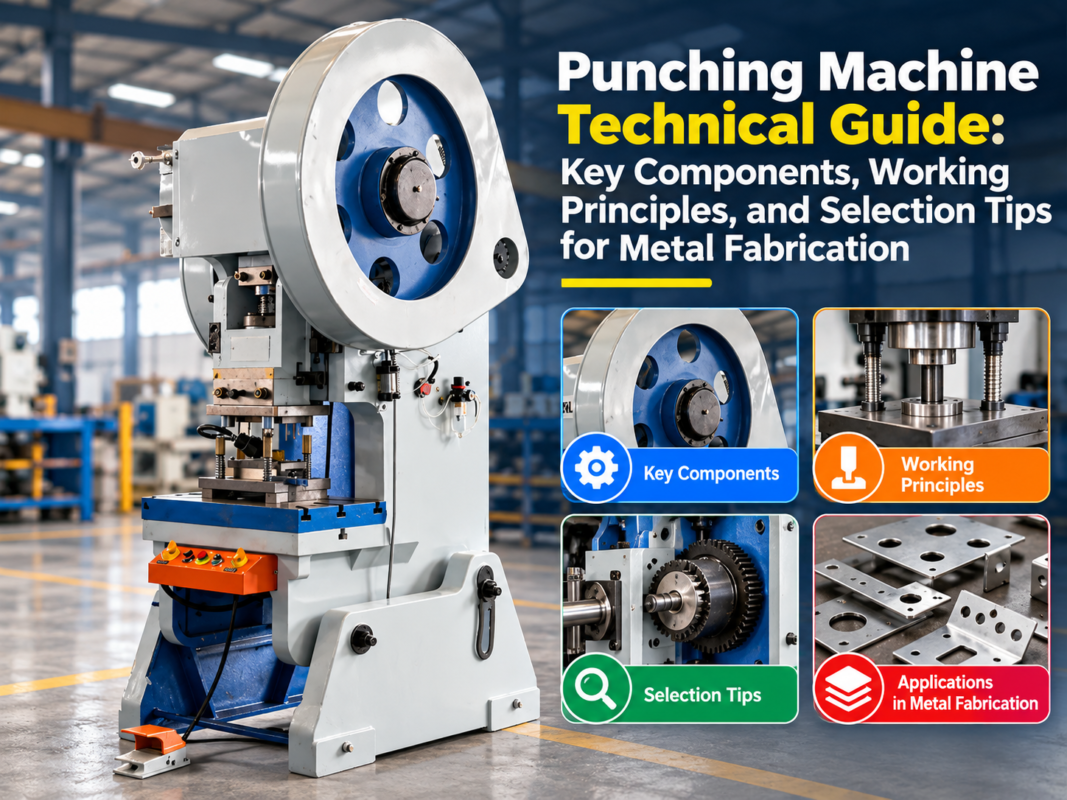
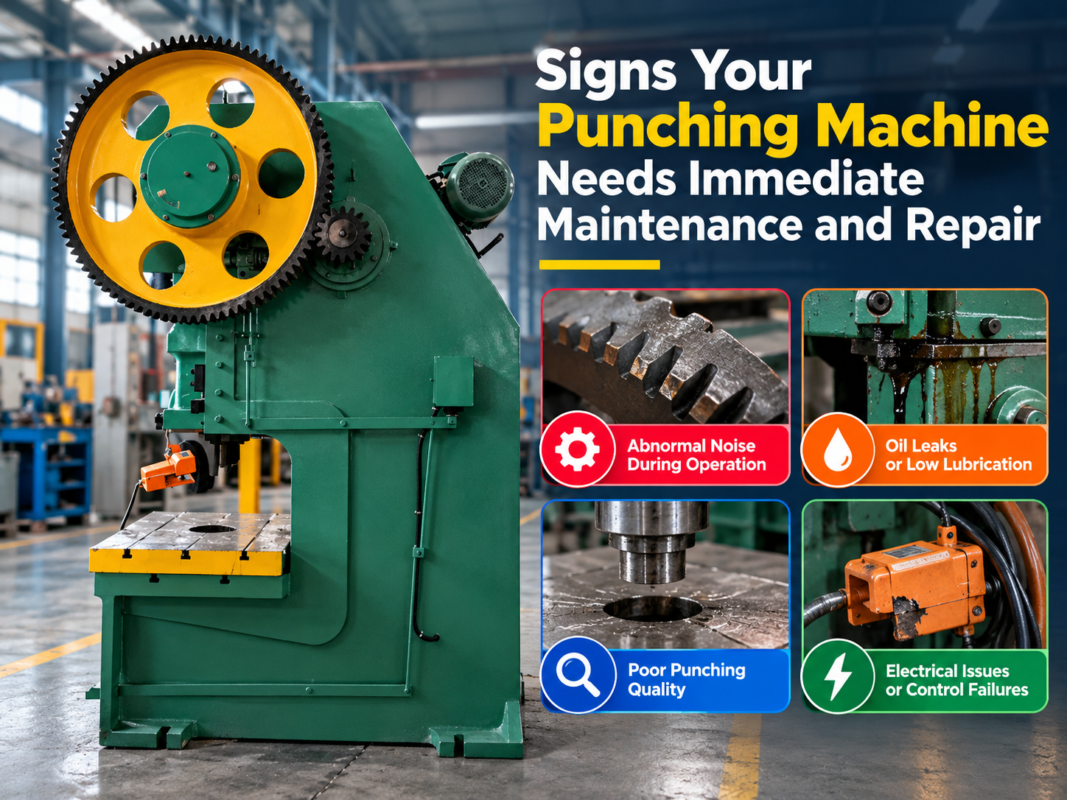
Why Your Punching Machine Makes Excessive Noise and How to Fix It


Introduction to Punching Machine Noise Issues
In the high-stakes environment of metal fabrication, the rhythmic sound of a punching machine is often the heartbeat of production. However, when that rhythm turns into a cacophony of grinding, screeching, or excessive banging, it signals more than just a noisy workplace. Excessive noise in industrial machinery is a primary indicator of mechanical distress, inefficiency, and potential safety hazards. For operators and shop managers, understanding why your punching machine makes excessive noise and how to fix it is critical for maintaining equipment longevity and ensuring a productive work environment.
Noise in a punching machine can stem from various sources, ranging from simple lubrication issues to complex hydraulic failures or structural misalignments. Ignoring these auditory warnings can lead to catastrophic machine failure, expensive downtime, and even long-term hearing damage for your workforce. At HARSLE, we recognize that a quiet machine is often a healthy machine. This guide aims to dissect the technical causes of noise in punching machines and provide actionable solutions to restore your equipment to peak performance.
Modern metal fabrication demands precision and speed. As machines operate at higher strokes per minute, the physical forces involved are immense. When these forces are not properly managed or when components begin to wear, the energy is dissipated as sound. By identifying the specific type of noise—whether it is a high-pitched squeal, a heavy thud, or a persistent vibration—technicians can narrow down the root cause and apply the correct punching machine makes excessive noise fix it strategy.
Throughout this article, we will explore the mechanical, hydraulic, and operational factors that contribute to noise. We will also provide a comprehensive framework for selection and maintenance, ensuring that your facility remains compliant with safety regulations while maximizing the ROI on your industrial machinery investments.
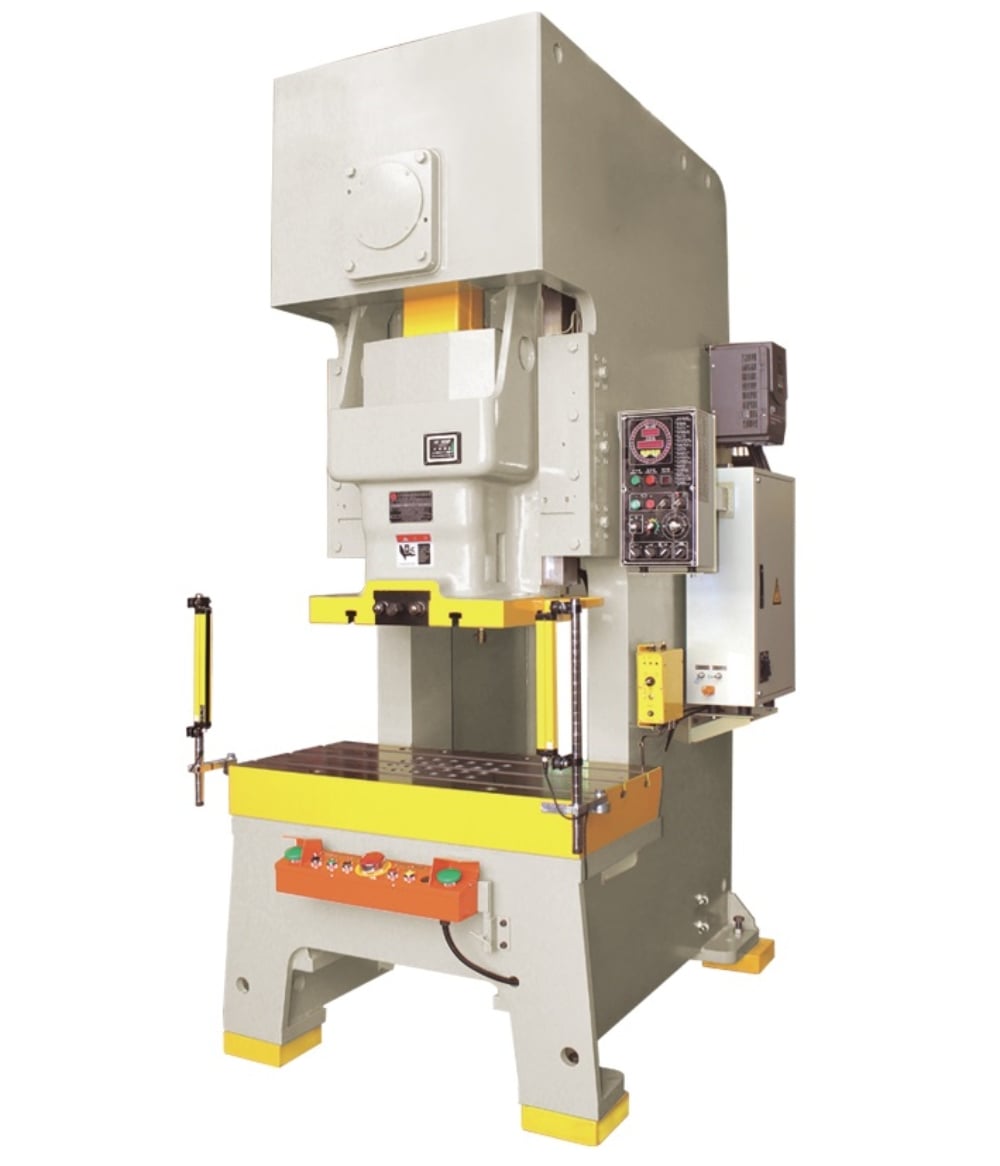
Key Considerations for Noise Management in Metal Fabrication
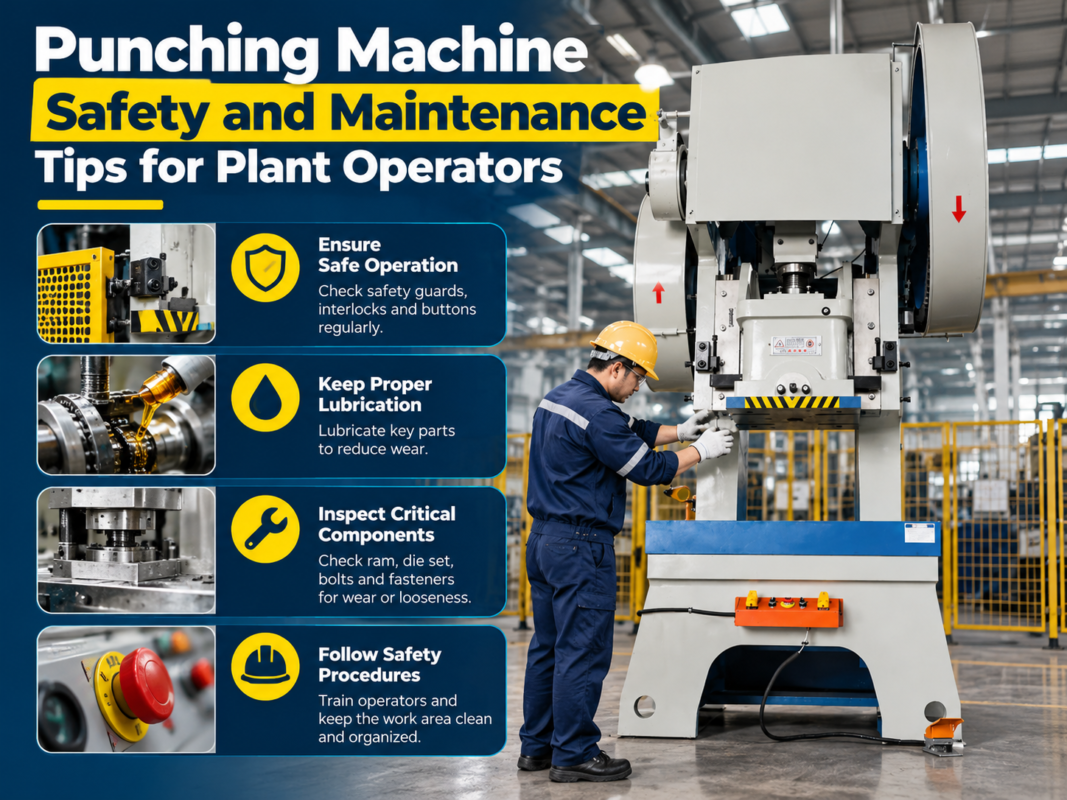
Before diving into the technical fixes, it is essential to understand the broader implications of machine noise. Noise management is not just about comfort; it is a multifaceted issue involving regulatory compliance, machine health, and operational costs. The first consideration is the Occupational Safety and Health Administration (OSHA) standards. Excessive noise levels (typically above 85 decibels for an 8-hour shift) require the implementation of a hearing conservation program. Reducing noise at the source is always preferred over relying solely on personal protective equipment (PPE).
Secondly, consider the impact of noise on machine precision. Excessive vibration, which often manifests as noise, can lead to poor punching quality, including burrs, irregular hole shapes, and accelerated tool wear. If your punching machine makes excessive noise fix it protocols are not followed, you may find that your scrap rate increases significantly. The energy that produces noise is energy that is not being used to cut metal, representing a direct loss in mechanical efficiency.
Another key consideration is the psychological impact on operators. High-decibel environments increase stress, fatigue, and the likelihood of human error. A quieter shop floor improves communication and allows operators to hear subtle changes in machine performance that might indicate a problem before it becomes a failure. Therefore, investing time in noise reduction is an investment in your human capital as much as your physical assets.
Finally, consider the age and type of your machine. Older mechanical fly-wheel presses are inherently noisier than modern hydraulic or servo-electric punching machines. However, even the most advanced CNC punching machines can become noisy if not properly leveled or if the tooling is neglected. Understanding the baseline noise level of your specific model is the first step in identifying when something has gone wrong.
Technical Details: Why Your Punching Machine Makes Excessive Noise
1. Tooling and Die Misalignment
One of the most common reasons a punching machine makes excessive noise fix it situation arises is due to the tooling. If the punch and die are not perfectly aligned, the machine must exert more force to shear the material. This results in a loud “clunking” sound as the punch hits the die edge rather than passing cleanly through the material. Furthermore, improper clearance between the punch and die for the specific material thickness can cause excessive “breakthrough” noise—the sound produced when the material finally snaps under pressure.
2. Hydraulic System Cavitation and Aeration
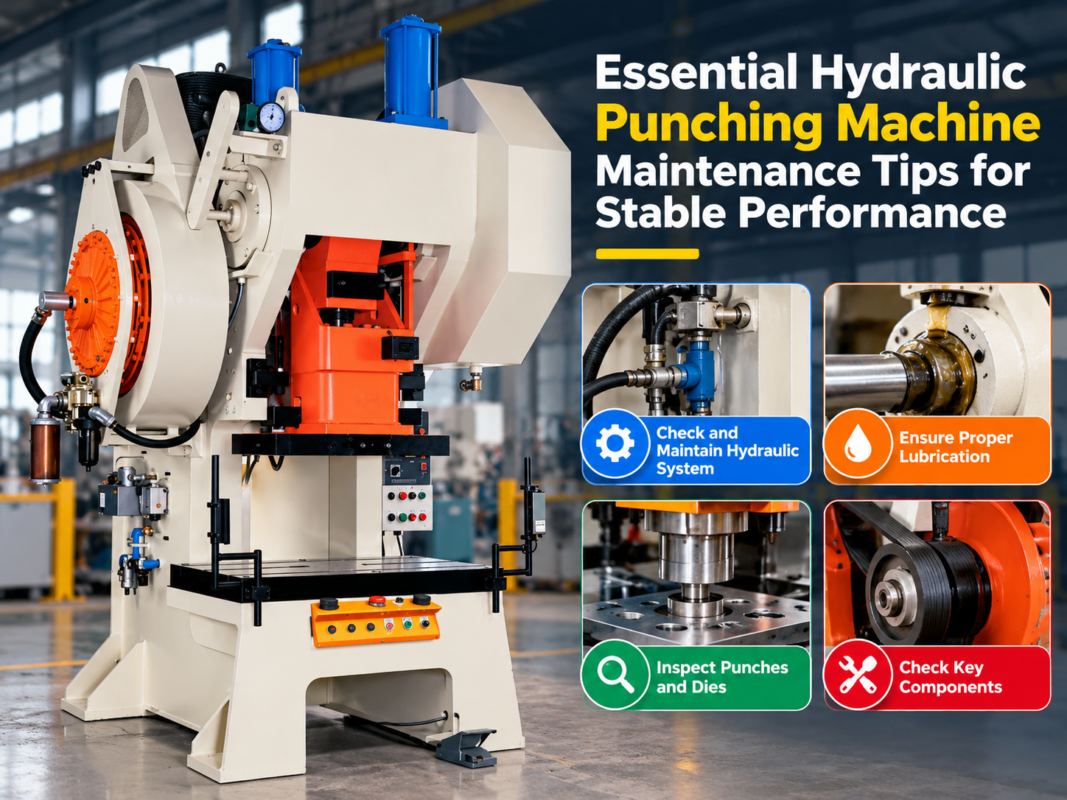
In hydraulic punching machines, the fluid power system is a frequent source of high-pitched whining or growling. Cavitation occurs when the demand for oil exceeds the supply, creating vacuum bubbles that implode with violent force. This not only creates a loud noise but also pits the internal surfaces of the pump. Aeration, or air trapped in the hydraulic lines, causes a similar “spongy” sound and erratic machine movement. Both issues are often caused by low fluid levels, clogged filters, or leaks in the suction line.
3. Mechanical Wear in Bearings and Bushings
Mechanical presses rely on a series of bearings, bushings, and crankshafts to convert rotational motion into linear punching force. Over time, these components wear down, creating “play” or clearance where there should be none. This slack causes parts to rattle or bang against each other during the stroke cycle. If you hear a repetitive knocking sound that synchronizes with the machine’s stroke, it is highly likely that a bearing or bushing has reached the end of its service life.
4. Foundation and Leveling Issues
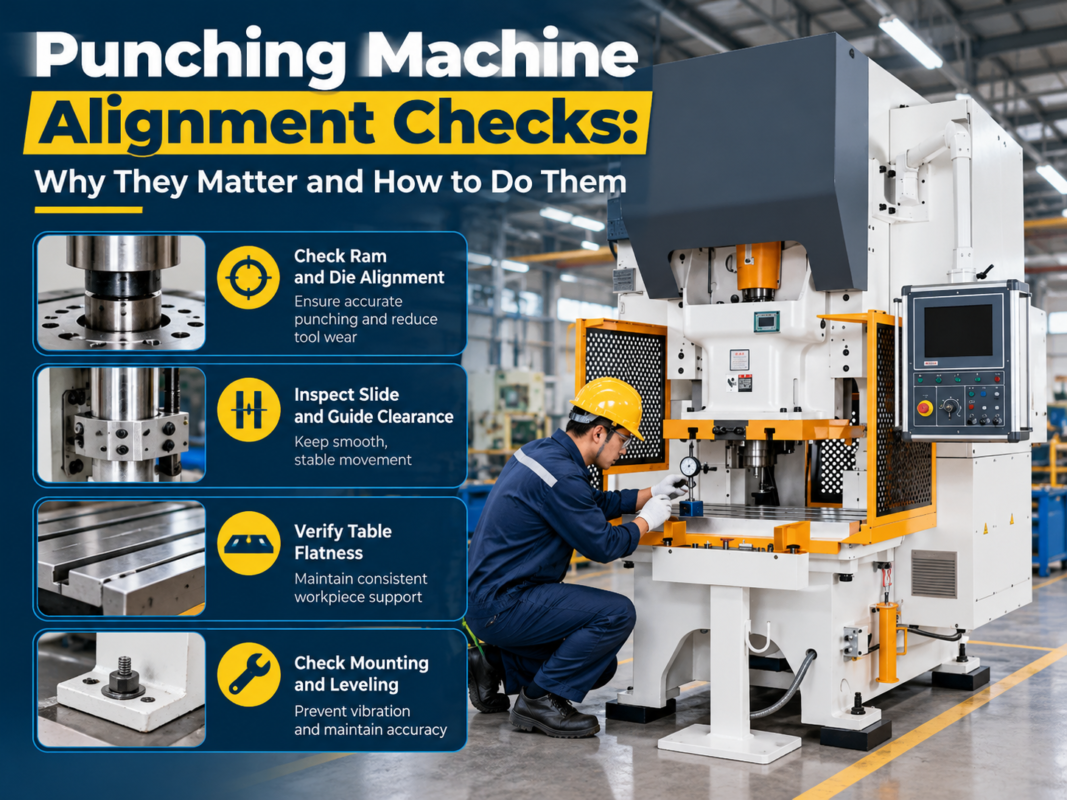
A punching machine generates massive kinetic energy. If the machine is not properly anchored to a reinforced concrete foundation or if the leveling pads have shifted, this energy is transferred into the floor and the machine frame itself. This results in deep, resonant vibrations and a general increase in ambient noise. A machine that is “walking” or vibrating excessively is not only noisy but is also at risk of structural frame cracking over time.
5. Lack of Lubrication
Friction is the enemy of quiet operation. Without a consistent film of lubricant, metal-to-metal contact occurs between moving parts. This produces a grinding or squeaking sound. Many modern machines feature automatic lubrication systems, but if these systems fail or if the wrong grade of lubricant is used, the noise level will spike almost immediately. Regular inspection of lubrication points is a fundamental part of any punching machine makes excessive noise fix it checklist.
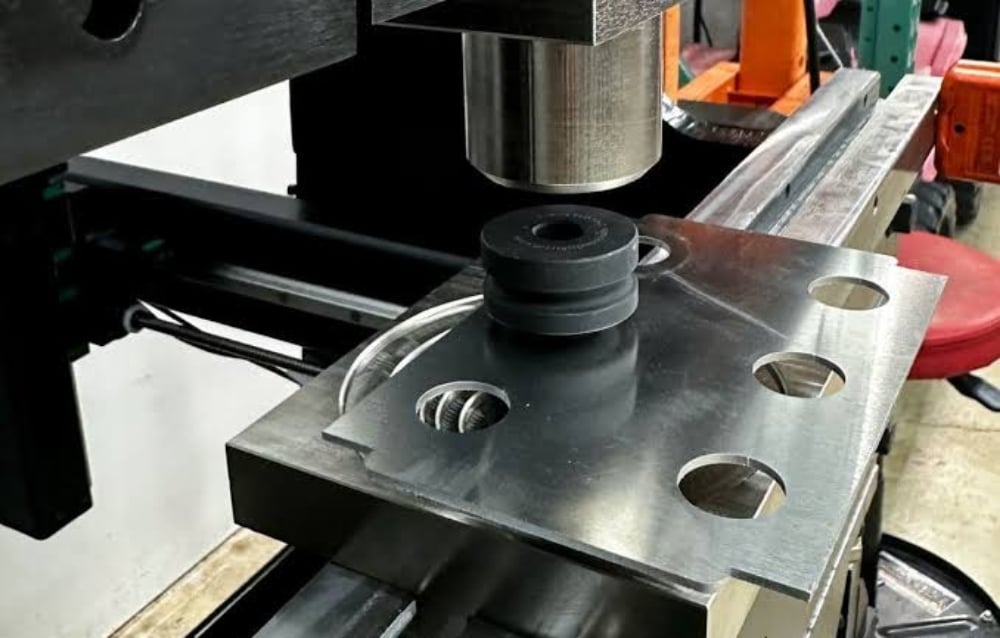
How to Fix Excessive Noise: A Step-by-Step Guide
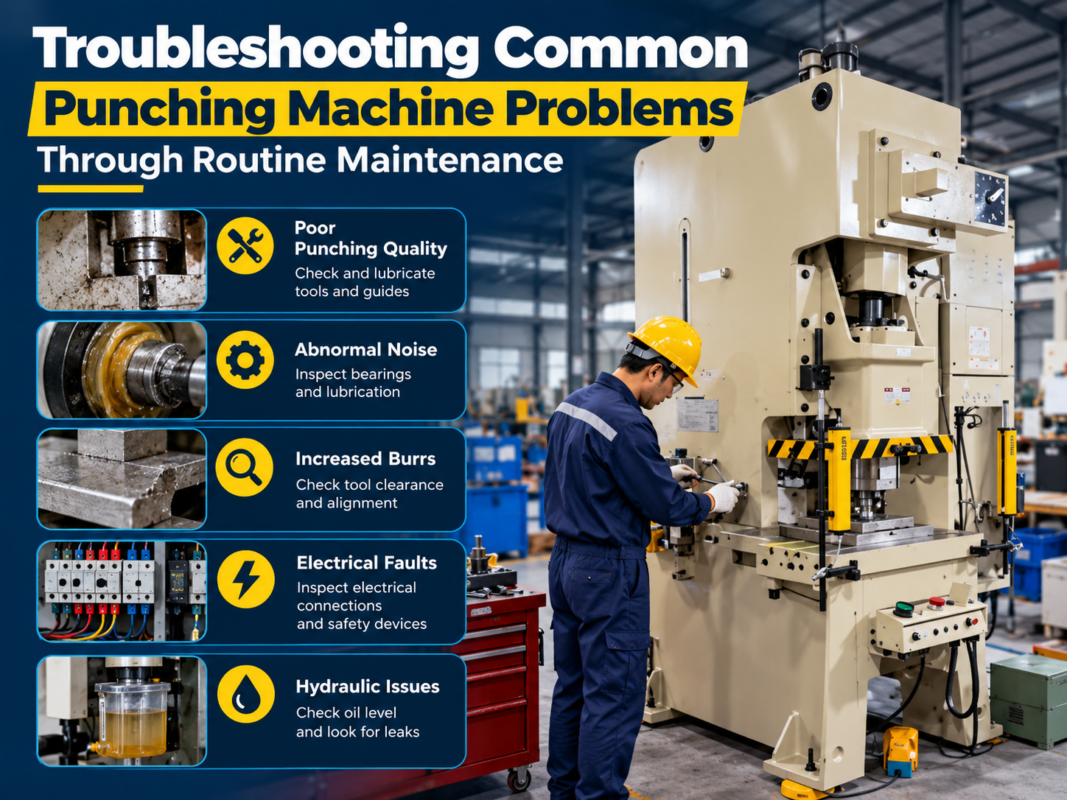
Once you have identified the source of the noise, the next step is implementation. Fixing excessive noise requires a systematic approach. Start with the easiest and least invasive checks before moving to major mechanical overhauls. Below is a structured guide to resolving common noise issues in punching machines.
Step 1: Inspect and Sharpen Tooling
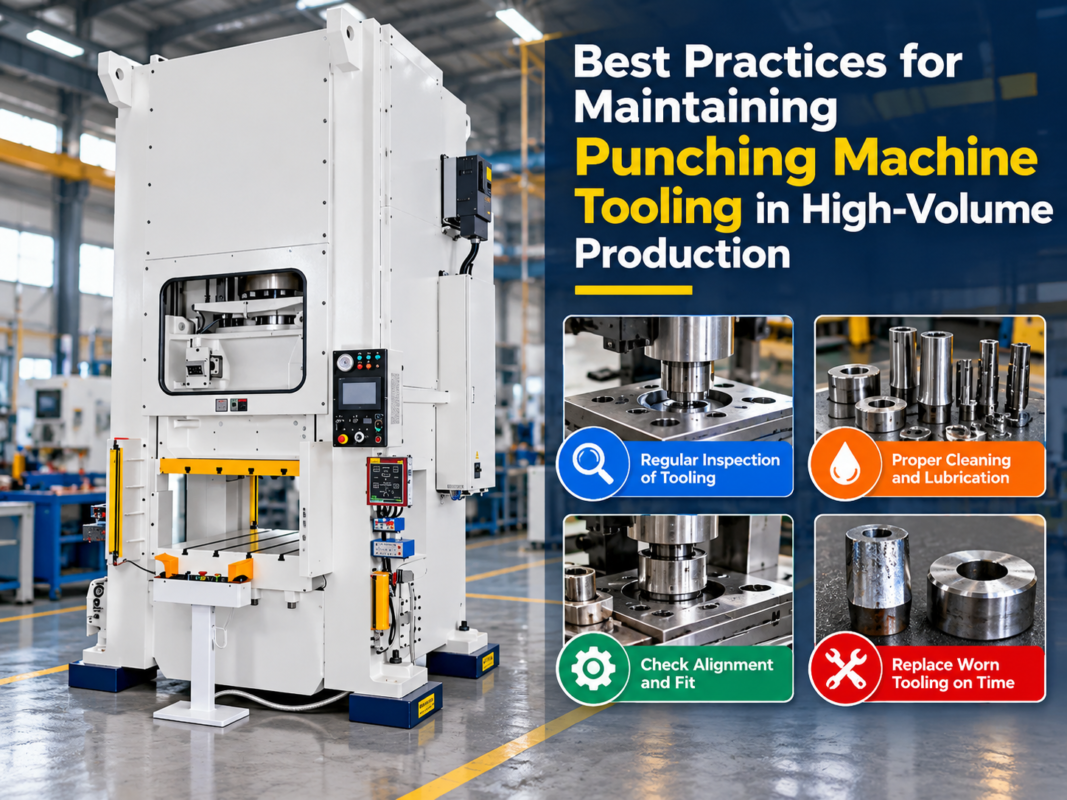
Dull tools don’t cut; they tear. This tearing action requires significantly more force and produces a louder bang. Regularly inspect your punches and dies for signs of rounding or chipping. Sharpening your tools not only reduces noise but also improves the quality of the finished part. Additionally, ensure that you are using the correct die clearance (typically 15-20% of material thickness for steel) to minimize the shock of the punch hitting the material.
Step 2: Service the Hydraulic System
If the noise is coming from the hydraulic unit, check the oil level and color. Milky oil indicates water contamination, while foamy oil indicates aeration. Tighten all fittings on the suction side of the pump to prevent air from entering. Replace hydraulic filters and ensure the oil is at the correct operating temperature. If cavitation persists, you may need to clean the suction strainer or replace a worn-out pump. Using high-quality, anti-wear hydraulic fluid can also dampen sound significantly.
Step 3: Check Leveling and Vibration Dampening
Use a precision level to ensure the machine is perfectly horizontal. If the machine has shifted, re-level it according to the manufacturer’s specifications. Consider installing high-performance vibration isolation pads or mounts. These specialized components are designed to absorb the shock of the punch, preventing it from echoing through the shop floor. For heavy-duty applications, ensuring the foundation meets the minimum depth and reinforcement requirements is non-negotiable.
Step 4: Lubricate and Tighten
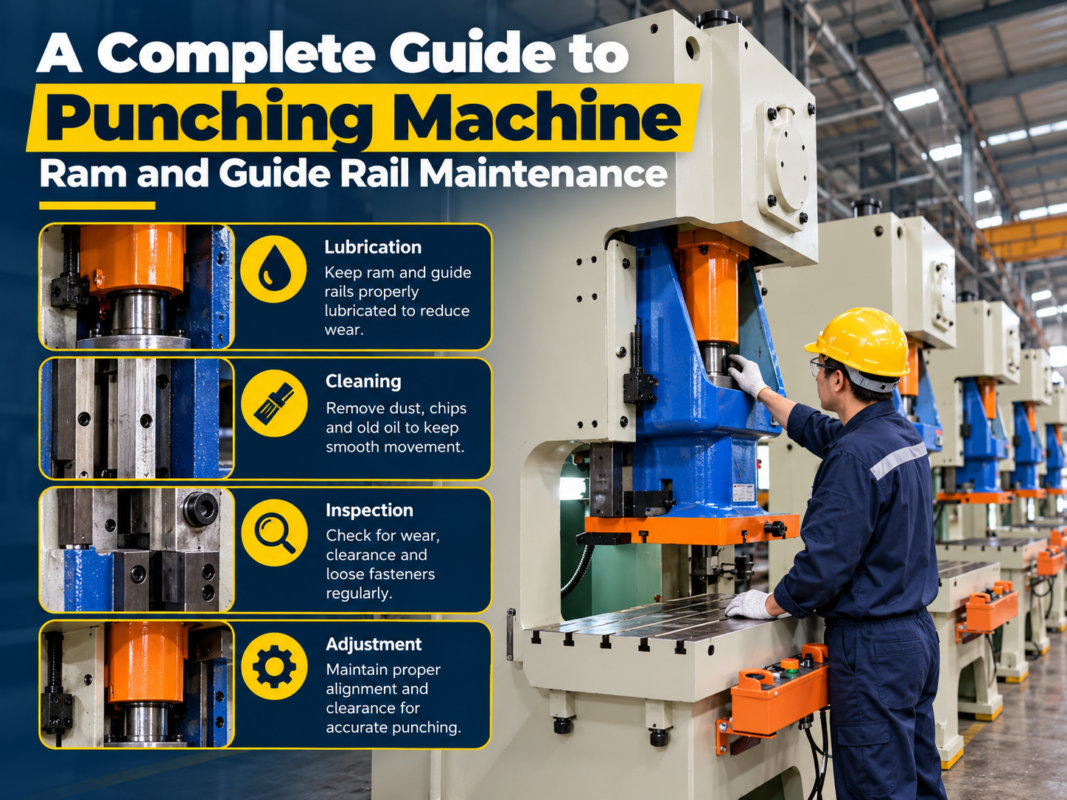
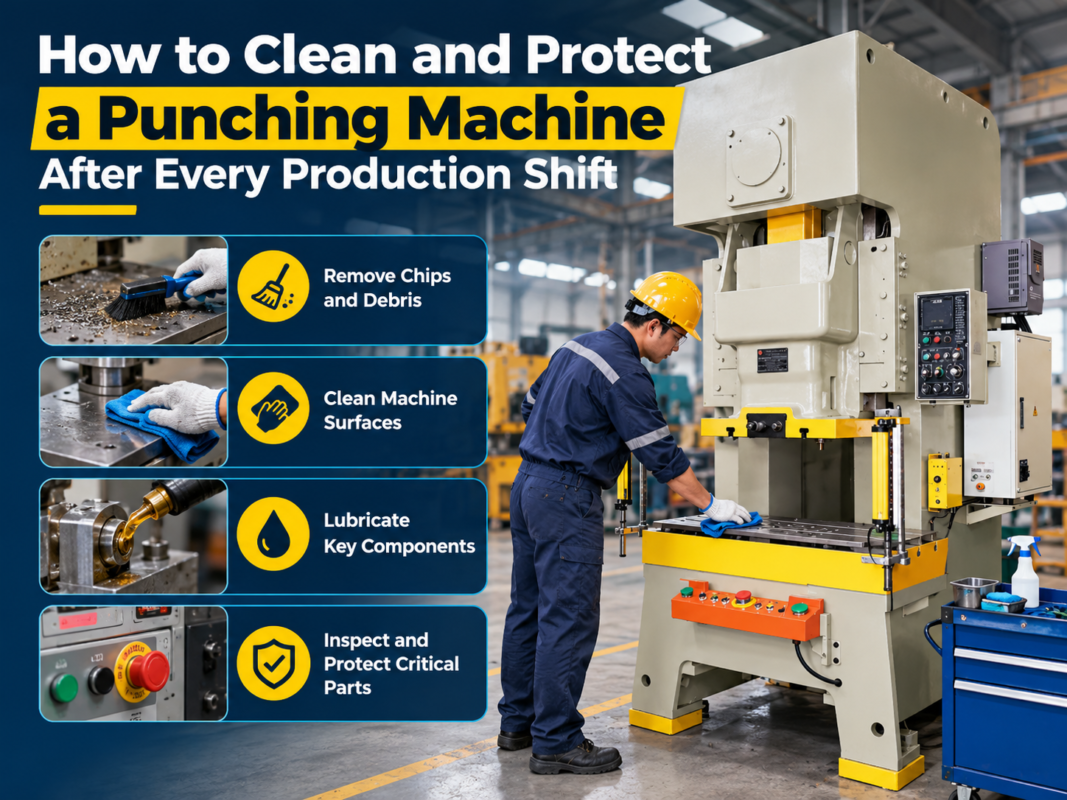
Conduct a thorough “grease and tighten” session. Follow the machine’s lubrication chart and ensure every point is receiving the correct amount of grease or oil. While doing this, check for loose bolts, especially on the motor mounts, frame covers, and guarding. A loose sheet metal cover can act like a drum, amplifying internal machine noises to an unbearable level.
Selection Advice: Choosing a Low-Noise Punching Machine
If you are in the market for a new machine, noise should be a key factor in your selection criteria. Modern technology has made significant strides in reducing the decibel output of metal fabrication equipment. When evaluating your next purchase from HARSLE or other manufacturers, keep the following features in mind:
| Feature | Benefit for Noise Reduction | Recommended For |
|---|---|---|
| Servo-Electric Drive | Eliminates hydraulic pumps and reduces mechanical impact noise through controlled stroke speed. | High-precision, low-noise environments. |
| Hydraulic Cushioning | Absorbs the shock at the end of the stroke, reducing the “breakthrough” bang. | Heavy-duty plate punching. |
| Automatic Tool Lubrication | Ensures tools are always coated, reducing friction and squealing. | High-volume production lines. |
| Enclosed Cabinetry | Sound-dampening enclosures trap noise inside the machine frame. | Small shops with close proximity to offices. |
When selecting a machine, ask for the decibel rating under load, not just at idle. A machine might be quiet when running without material, but the true test is during a full-capacity punch. Furthermore, consider the machine’s weight; heavier frames generally have better natural dampening properties than lighter, cheaper alternatives. HARSLE’s range of CNC punching machines is engineered with structural integrity in mind, utilizing FEA (Finite Element Analysis) to minimize resonance and vibration.
Maintenance Checklist for a Quieter Shop
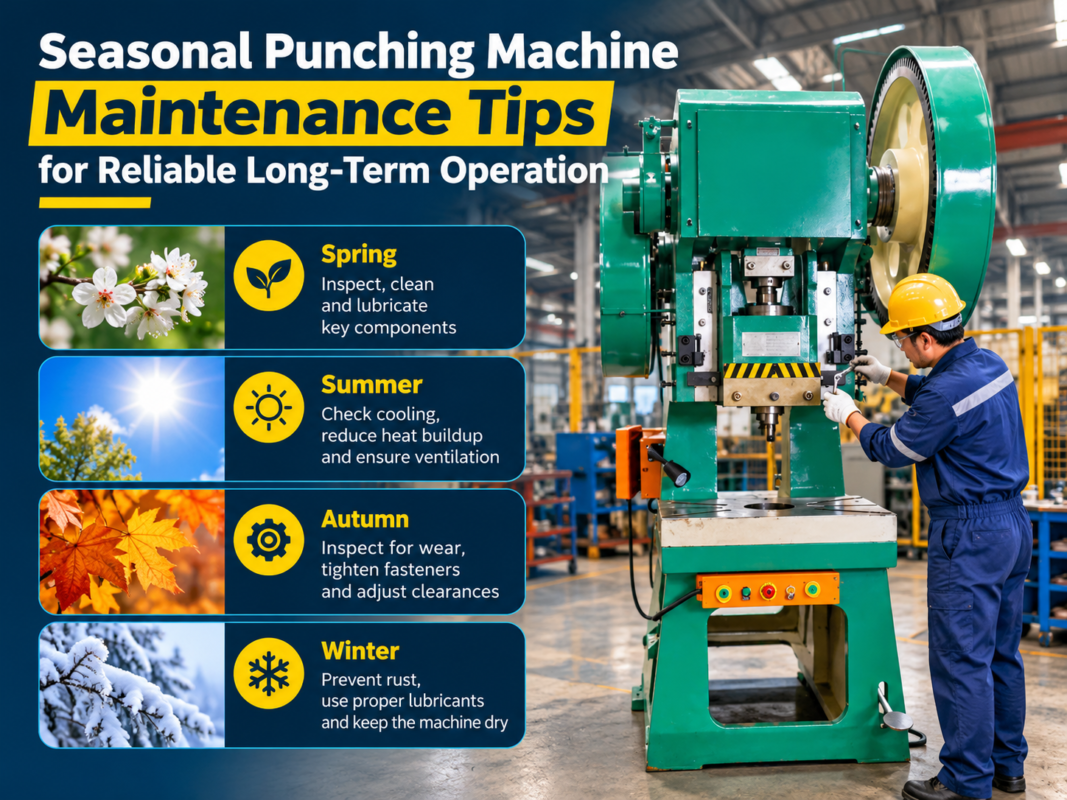
To prevent the need for a punching machine makes excessive noise fix it emergency, implement a preventative maintenance schedule. Consistency is the key to noise control. Use the following checklist as a guide for your maintenance team:
- Daily: Check oil levels and look for visible leaks. Listen for any unusual sounds during the first few cycles of the day.
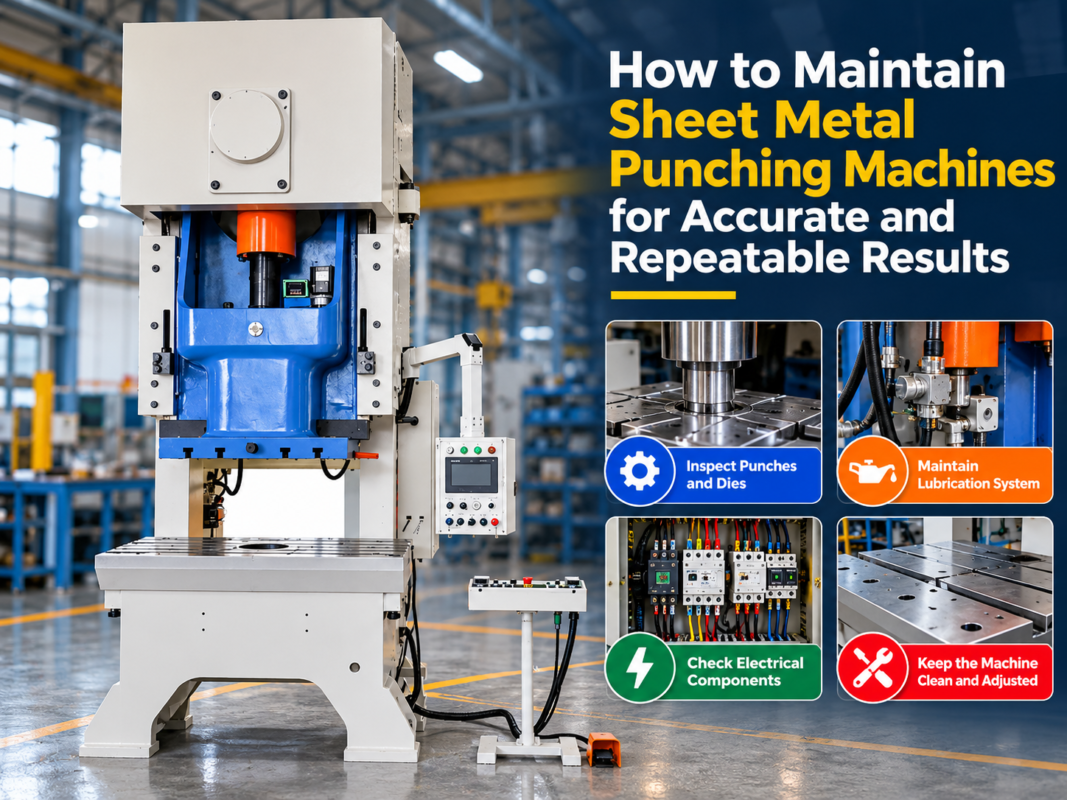
- Weekly: Inspect tooling for wear and ensure the automatic lubrication system is functioning. Clean debris and slugs from the die area.
- Monthly: Check the tension of drive belts and the tightness of mounting bolts. Inspect hydraulic hoses for signs of wear or bulging.
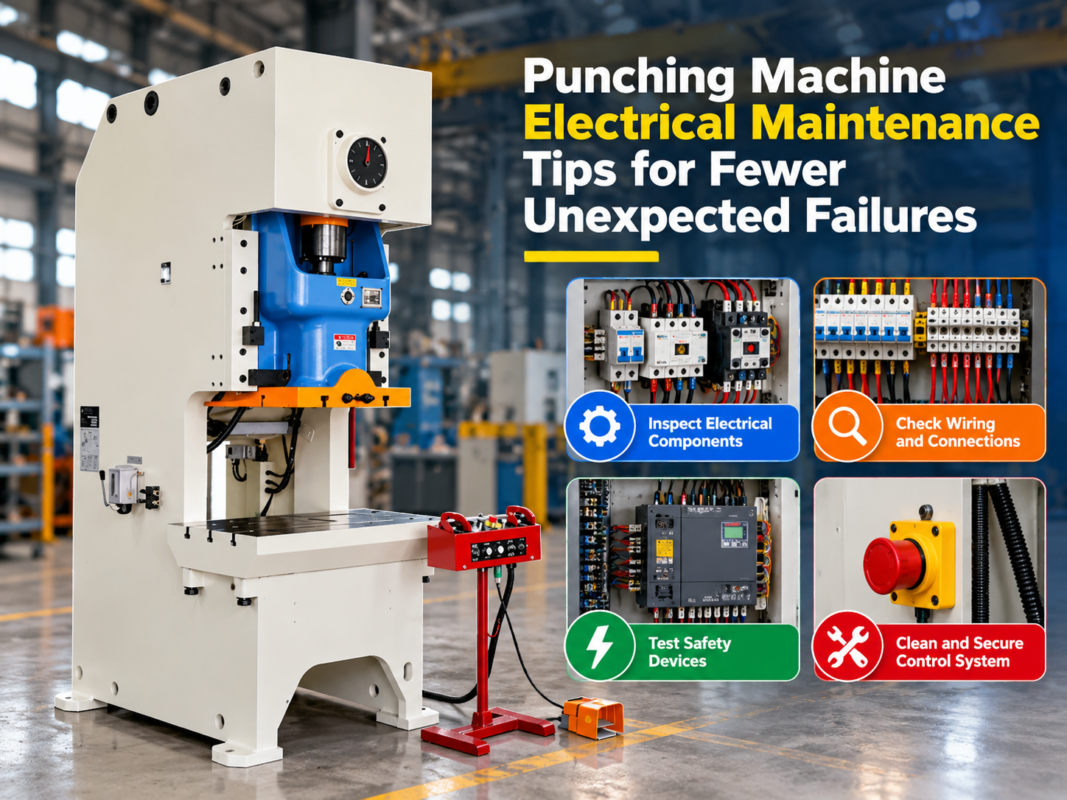
- Quarterly: Verify the machine’s level. Test the hydraulic oil for contamination. Inspect electrical cabinets for loose cooling fans (a common source of high-frequency buzzing).
- Annually: Perform a full structural inspection. Replace hydraulic fluid and filters. Calibrate the stroke and pressure settings to ensure the machine isn’t overworking.
Frequently Asked Questions (FAQ)
Q1: Why does my punching machine make a loud ‘bang’ when it breaks through the metal?
This is known as breakthrough noise. It occurs when the stored energy in the machine frame is suddenly released as the material shears. You can fix this by using sharp tools, ensuring correct die clearance, or using a machine with hydraulic shock absorbers or a servo-drive that can slow the punch speed at the point of contact.
Q2: Can the type of material I am punching affect the noise level?
Absolutely. Harder materials like stainless steel require more force and generate more noise than softer materials like aluminum. Thicker materials also increase the duration and intensity of the noise. If you frequently switch materials, ensure your die clearance is adjusted accordingly to minimize noise.
Q3: Is a high-pitched whine always a sign of a bad hydraulic pump?
Not necessarily. While it can indicate pump wear or cavitation, it can also be caused by a clogged suction filter or a partially closed valve. Always check the simplest solutions—like fluid levels and filters—before replacing expensive components like pumps.
Q4: How often should I sharpen my punching tools?
This depends on the material and volume, but a general rule is to inspect tools every 10,000 to 50,000 hits. If you notice an increase in noise or a larger burr on the underside of the part, it is time to sharpen. Regular sharpening removes less material each time, extending the total life of the tool.
Q5: Does the temperature of the shop affect machine noise?
Yes. Cold hydraulic oil is more viscous and can cause the pump to labor and whine until it reaches operating temperature. Conversely, extremely hot oil loses its lubricating properties, leading to increased mechanical friction and noise. Most machines operate best between 15°C and 50°C (60°F – 120°F).
Conclusion: The Path to a Quieter, More Efficient Operation
Addressing the question of why your punching machine makes excessive noise and how to fix it is a vital part of modern industrial management. As we have explored, noise is rarely just an acoustic problem; it is a symptom of underlying mechanical or operational issues. By focusing on sharp tooling, proper hydraulic maintenance, precise leveling, and consistent lubrication, you can significantly reduce the decibel levels in your facility.
A quieter punching machine is a hallmark of a well-maintained shop. It leads to better part quality, longer machine life, and a safer, more focused workforce. Whether you are troubleshooting an older mechanical press or optimizing a state-of-the-art CNC punching center, the principles of noise reduction remain the same: identify the source, understand the physics, and apply the technical fix.
At HARSLE, we are committed to providing not only high-quality metal fabrication machinery but also the technical expertise required to keep that machinery running at peak efficiency. If your current equipment is beyond repair or if you are looking to upgrade to a modern, low-noise solution, our team of experts is ready to assist you in selecting the perfect machine for your needs. Remember, a quiet machine is a productive machine—don’t let excessive noise hold back your production potential.