
Punching Machine Hydraulic Pressure Problems: Symptoms, Causes, and Solutions


Introduction to Hydraulic Punching Machine Performance
In the high-stakes world of metal fabrication, the hydraulic punching machine stands as a cornerstone of productivity. These machines utilize fluid power to generate the immense force required to pierce, notch, and form various metals with precision. However, like any complex mechanical system, they are susceptible to operational hiccups. Among the most common and disruptive issues are Punching Machine Hydraulic Pressure Problems: Symptoms, Causes, Solutions. When the hydraulic system fails to maintain consistent pressure, the entire production line can grind to a halt, leading to wasted materials, missed deadlines, and increased operational costs.
Understanding the nuances of hydraulic pressure is essential for any operator or maintenance engineer. A hydraulic system is a delicate balance of flow, pressure, and temperature. When this balance is disturbed, the machine communicates its distress through various symptoms. Recognizing these signs early can mean the difference between a simple seal replacement and a catastrophic pump failure. HARSLE, a leader in metal fabrication machinery, emphasizes that proactive maintenance and a deep understanding of hydraulic dynamics are the keys to machine longevity.
This comprehensive guide is designed to navigate the complexities of hydraulic pressure issues. We will delve into the technical symptoms that indicate a problem, explore the root causes ranging from fluid contamination to mechanical wear, and provide actionable solutions to restore your machine to peak performance. Whether you are operating a CNC turret punch or a heavy-duty hydraulic press, the principles of pressure management remain universal.
By the end of this article, you will have a robust framework for troubleshooting and resolving hydraulic pressure issues, ensuring that your punching machine remains a reliable asset in your workshop. Let’s explore the critical considerations that define a healthy hydraulic system and how to address the challenges that arise when pressure fails to meet expectations.
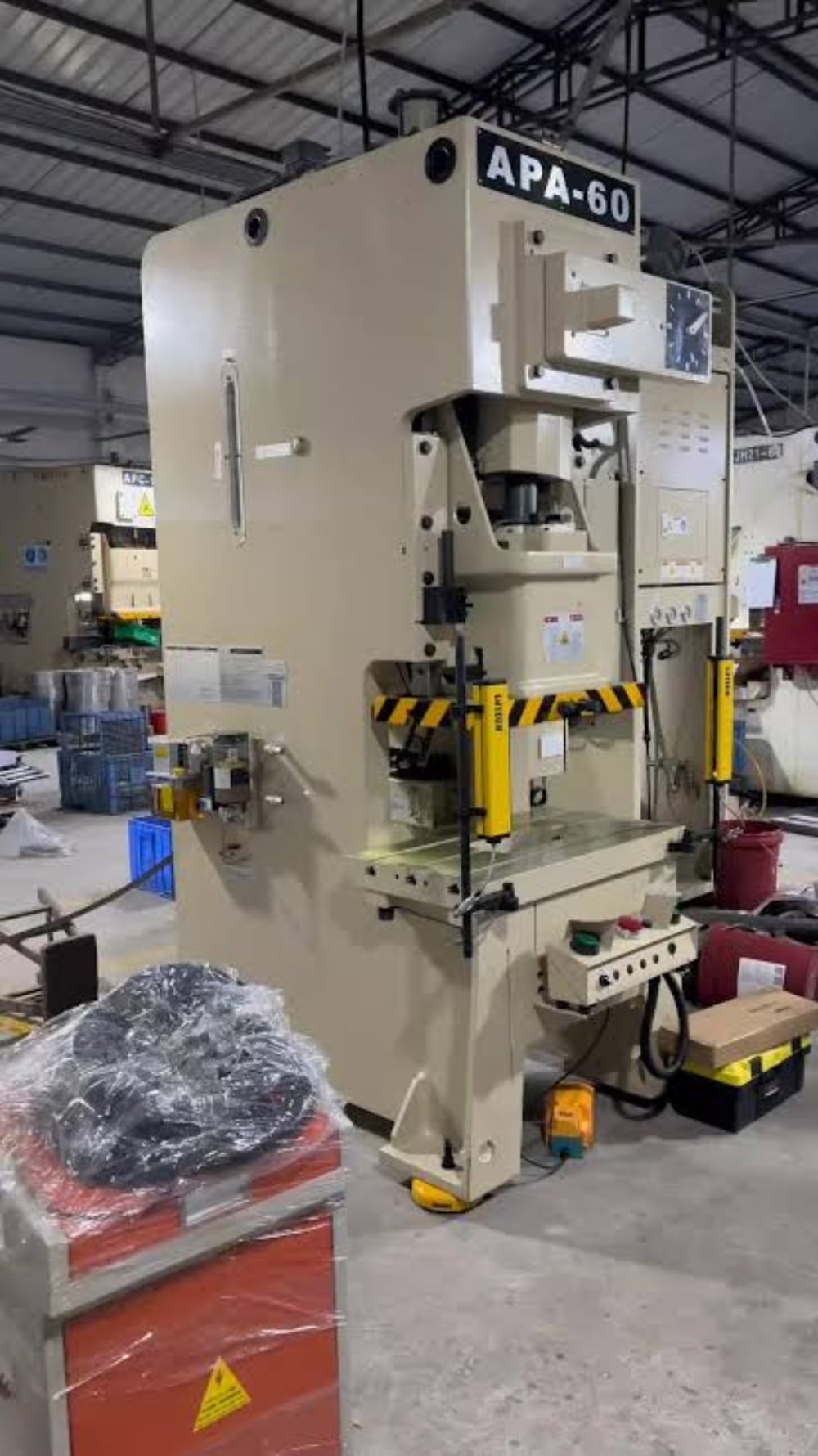
Key Considerations for Hydraulic System Integrity
Before diving into specific problems, it is vital to understand the key factors that influence hydraulic integrity. The first consideration is the quality of the hydraulic fluid itself. Fluid is not just a medium for power transmission; it is also a lubricant and a coolant. If the fluid is contaminated with particulates or moisture, it can cause internal erosion of valves and pumps, leading to gradual pressure loss. Regular fluid analysis is a non-negotiable aspect of industrial machinery management.
Secondly, the environment in which the punching machine operates plays a significant role. High ambient temperatures can cause hydraulic oil to thin out, reducing its viscosity and leading to internal leakage within the system. Conversely, extremely cold environments can make the oil too thick, causing the pump to cavitate as it struggles to draw fluid. Maintaining a stable operating temperature through heat exchangers or climate-controlled facilities is essential for consistent pressure output.
Another critical consideration is the mechanical condition of the seals and hoses. Hydraulic systems operate under thousands of pounds per square inch (PSI). Even a microscopic tear in a piston seal or a slight degradation in a high-pressure hose can lead to significant pressure drops. These components are considered consumables in the world of metal fabrication and should be inspected on a rigorous schedule. Ignoring a minor leak today can lead to a major system failure tomorrow.
Finally, the calibration of pressure relief valves and sensors must be verified. These components act as the “brain” and “safety net” of the hydraulic circuit. If a relief valve is set too low, the machine will never reach the force required for thick materials. If it is stuck open, pressure will bypass the cylinder entirely. Understanding how these components interact is the first step in effective troubleshooting for Punching Machine Hydraulic Pressure Problems: Symptoms, Causes, Solutions.
Technical Details: Symptoms of Hydraulic Pressure Problems
1. Slow Cycle Times and Reduced Punching Force
One of the most immediate symptoms of a pressure problem is a noticeable decrease in the machine’s speed. If the punch takes longer to complete a cycle or fails to penetrate the material entirely, it is a clear indicator that the system is not generating or maintaining the required pressure. This often happens because the volume of oil reaching the cylinder is insufficient, or the pressure is leaking back to the reservoir through a faulty valve.
In many cases, operators might try to compensate by increasing the pressure settings on the control panel. However, if the underlying cause is a worn-out pump or a leaking internal seal, increasing the setting will only accelerate the wear and potentially lead to a dangerous burst in the hydraulic line. Slow operation is the machine’s way of signaling that the hydraulic “heart” is struggling.
2. Excessive Noise and Vibration
Hydraulic systems should operate with a consistent, rhythmic hum. Unusual noises, such as high-pitched whining, banging, or grinding, are red flags. Whining is often a sign of pump cavitation, which occurs when the pump is starved of oil. This creates vacuum bubbles that implode with violent force, pitting the internal surfaces of the pump and causing a drop in pressure.
Banging or “water hammer” effects usually indicate air trapped in the system or a sudden shock wave caused by a valve closing too quickly. Vibration can loosen fittings and lead to external leaks. When you hear these sounds, it is imperative to stop the machine immediately to prevent permanent damage to the expensive hydraulic pump and motor assembly.
3. Overheating of the Hydraulic Fluid
Excessive heat is both a symptom and a cause of pressure problems. When hydraulic fluid exceeds its recommended operating temperature (usually above 60°C or 140°F), its viscosity drops. Thin oil slips past seals and through internal clearances more easily, leading to “internal leakage.” This leakage prevents the system from building the necessary pressure to perform heavy punching tasks.
Overheating is often caused by the pump working too hard to overcome a blockage, or by a cooling system failure. If the oil feels excessively hot to the touch or if the machine’s temperature alarms are triggering, the pressure stability will inevitably suffer. Long-term exposure to high heat also oxidizes the oil, creating sludge that further clogs the system.
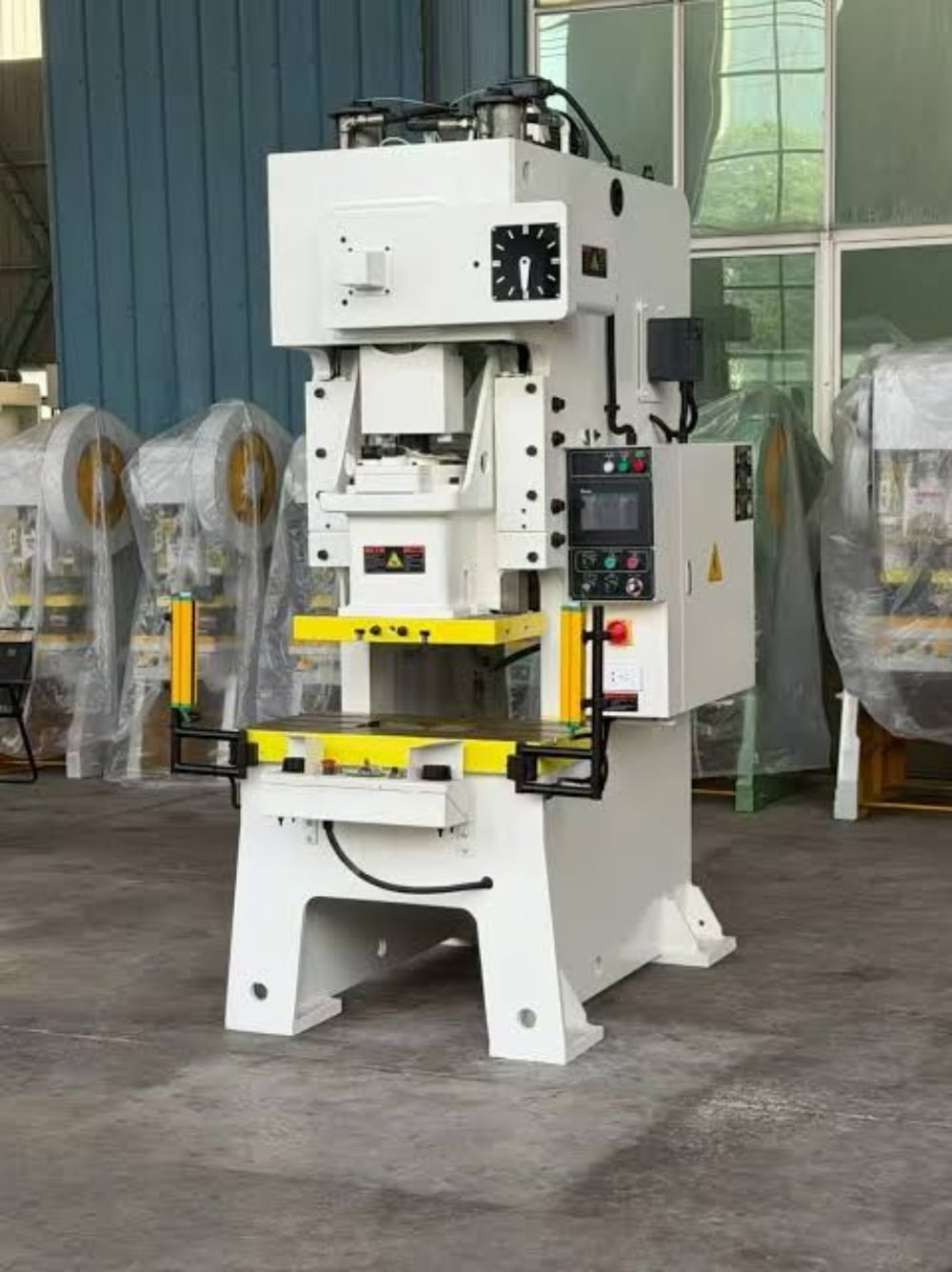
Technical Details: Root Causes and Professional Solutions
1. Contamination: The Silent Killer
Cause: Contamination is responsible for nearly 80% of hydraulic system failures. Dust, metal shavings from the punching process, and moisture can enter the reservoir during fluid changes or through worn breathers. These particles act like sandpaper, grinding away at the precision-machined surfaces of valves and pumps.
Solution: Implement a strict fluid management program. This includes using high-quality filters with the correct micron rating and changing them according to the manufacturer’s schedule. If contamination is suspected, the entire system should be flushed, and the oil replaced. Using a portable filtration cart (kidney loop) can also help clean the oil while the machine is in operation.
2. Air Ingress and Aeration
Cause: Air can enter the hydraulic system through a leak in the pump suction line, low fluid levels in the reservoir, or faulty shaft seals. When air mixes with the oil (aeration), it makes the fluid compressible. Since hydraulic systems rely on the incompressibility of liquids to transmit force, the presence of air leads to spongy operation and erratic pressure spikes.
Solution: Check the fluid level in the reservoir and ensure it is at the correct height. Inspect the suction line for any signs of cracks or loose fittings. To remove trapped air, the system may need to be “bled.” This involves cycling the cylinders to their full extent several times or using specific bleed valves located at the highest points of the hydraulic circuit.
3. Component Wear and Internal Leakage
Cause: Over time, the internal components of the pump, directional control valves, and cylinders will wear down. A worn pump cannot move the same volume of oil, and a worn valve may allow oil to bypass the intended circuit. Internal leakage in the cylinder (past the piston seals) is a common reason why a punching machine might lose pressure mid-stroke.
Solution: Conduct a flow test to determine if the pump is meeting its rated output. If the pump is found to be inefficient, it may need to be rebuilt or replaced. For cylinders, a “drift test” can identify if internal seals are failing. Replacing seals is a cost-effective way to restore pressure and prevent the need for a full cylinder replacement.
4. Faulty Pressure Relief Valves
Cause: The pressure relief valve is designed to protect the system from over-pressurization. If the spring inside the valve weakens or if a piece of debris gets stuck in the seat, the valve may open at a lower pressure than intended. This prevents the system from ever reaching the necessary force for the punching operation.
Solution: Inspect and clean the relief valve. Use a calibrated pressure gauge to check the opening pressure against the machine’s specifications. If the valve cannot be adjusted to the correct setting or fails to hold pressure, it should be replaced with a genuine OEM part to ensure the safety and performance of the machine.
Selection Advice: Choosing the Right Punching Machine
When purchasing a new punching machine, the quality of the hydraulic system should be your primary concern. Not all hydraulic systems are created equal. High-end manufacturers like HARSLE utilize components from world-renowned brands such as Bosch Rexroth, Vickers, or Yuken. These components are engineered for high-duty cycles and offer superior reliability compared to generic alternatives. When evaluating a machine, ask for the hydraulic circuit diagram and the brand of the main pump and valves.
Consider the machine’s cooling capacity. If you plan to run the machine for multiple shifts in a warm environment, ensure it is equipped with an oversized oil cooler or an industrial chiller. A machine that runs cool will always have more stable pressure than one that operates at the edge of its thermal limits. Additionally, look for machines with integrated diagnostic systems that monitor pressure and temperature in real-time, providing early warnings before a problem becomes a failure.
The ease of maintenance is another factor. Are the filters easily accessible? Is the reservoir designed to prevent the ingress of contaminants? A well-designed machine makes it easy for your team to perform the necessary upkeep, which directly translates to fewer Punching Machine Hydraulic Pressure Problems: Symptoms, Causes, Solutions. Investing in a machine with a robust, well-documented hydraulic system will save thousands of dollars in downtime over the life of the equipment.
Finally, consider the support and expertise of the manufacturer. A company like HARSLE provides not just the machinery, but also the technical expertise to help you troubleshoot issues. Access to a reliable supply of spare parts and expert advice is invaluable when you are facing a complex pressure problem that threatens your production schedule.
Maintenance Checklist for Hydraulic Punching Machines
| Frequency | Task | Objective |
|---|---|---|
| Daily | Check oil level and temperature | Ensure sufficient fluid and prevent overheating. |
| Daily | Inspect for external leaks | Prevent fluid loss and environmental hazards. |
| Weekly | Check filter indicators | Identify clogged filters before they bypass. |
| Monthly | Inspect hoses and fittings | Look for signs of wear, bulging, or abrasion. |
| Quarterly | Fluid analysis (Sampling) | Check for contamination and chemical breakdown. |
| Annually | Flush system and replace fluid | Remove accumulated sludge and restore additives. |
FAQ: Common Questions About Hydraulic Pressure Issues
Why does my punching machine lose pressure after it gets hot?
This is typically due to a drop in oil viscosity. As the oil heats up, it becomes thinner and can leak more easily through internal clearances in the pump or past worn seals in the valves and cylinders. This is known as internal leakage. Ensuring your cooling system is working correctly and using the correct grade of hydraulic oil can mitigate this issue.
How often should I change the hydraulic oil in my punching machine?
Most manufacturers recommend changing the hydraulic oil every 2,000 to 4,000 hours of operation, or at least once a year. However, this can vary based on the operating environment. Regular oil analysis is the best way to determine the actual condition of the oil and whether it needs to be replaced sooner.
What is the difference between cavitation and aeration?
Aeration occurs when air from the outside enters the hydraulic fluid, often due to low reservoir levels or leaks in the suction line. Cavitation occurs when the pump cannot get enough oil, creating vacuum bubbles that implode. Both are damaging to the pump and cause pressure fluctuations, but they have different root causes.
Can I use any hydraulic oil in my HARSLE punching machine?
No, you should always use the oil grade specified in the machine’s manual (usually ISO VG 32 or 46). Using the wrong viscosity can lead to poor performance, overheating, and increased wear on hydraulic components. Always choose high-quality anti-wear (AW) hydraulic oil.
Why is my machine making a loud screaming noise?
A high-pitched screaming or whining noise is usually a sign of pump cavitation. This means the pump is struggling to draw oil, possibly due to a clogged suction strainer, a closed intake valve, or oil that is too thick for the cold start-up conditions. Stop the machine immediately to avoid destroying the pump.
Conclusion: Mastering Hydraulic Pressure for Maximum Uptime
Managing Punching Machine Hydraulic Pressure Problems: Symptoms, Causes, Solutions is an ongoing process that requires vigilance, technical knowledge, and a commitment to maintenance. By recognizing the early symptoms of pressure loss—such as slow cycle times, unusual noises, and overheating—you can intervene before minor issues escalate into major repairs. Understanding the root causes, from contamination to component wear, allows for targeted and effective solutions that restore machine performance quickly.
HARSLE remains dedicated to providing high-quality metal fabrication machinery that stands the test of time. However, even the best machines require proper care. Implementing a rigorous maintenance schedule, using high-quality fluids, and training operators to spot the signs of hydraulic distress are the best strategies for ensuring long-term productivity. Remember, the hydraulic system is the lifeblood of your punching machine; keep it clean, keep it cool, and it will serve your business for years to come.
In the competitive landscape of modern manufacturing, uptime is everything. By mastering the complexities of hydraulic pressure, you not only protect your investment but also ensure that your production remains consistent, precise, and profitable. For more information on maintaining your metalworking equipment or to explore our latest range of high-performance punching machines, contact the experts at HARSLE today.












