
How to Solve Misalignment Problems in a Punching Machine: A Comprehensive Industrial Guide


Introduction to Precision in Punching Operations
In the high-stakes world of metal fabrication, precision is not just a goal; it is a requirement. When operating industrial machinery, specifically punching machines, the alignment between the punch and the die is the most critical factor determining the quality of the finished product. Misalignment can lead to a cascade of issues, ranging from minor aesthetic defects to catastrophic tool failure and significant financial losses due to scrapped material. Understanding how to solve misalignment problems in a punching machine is essential for any facility aiming to maintain high productivity and low overhead costs.
HARSLE has long been at the forefront of providing robust metalworking solutions, and we recognize that even the best machinery requires diligent maintenance and technical oversight. Misalignment often manifests as uneven burrs on the workpiece, excessive noise during the punching cycle, or rapid wear on one side of the tooling. If left unaddressed, these symptoms can evolve into permanent damage to the machine’s ram or bolster plate. This guide is designed to provide operators, maintenance technicians, and factory managers with a deep dive into the causes and solutions for misalignment.
The complexity of modern CNC punching machines means that misalignment isn’t always a simple mechanical shift. It can be the result of thermal expansion, software calibration errors, or even improper material handling. By adopting a systematic approach to troubleshooting, you can ensure your HARSLE equipment operates at peak efficiency. In the following sections, we will explore the fundamental considerations, technical nuances, and practical steps required to achieve and maintain perfect alignment.
Key Considerations Before Troubleshooting
Before diving into the mechanical adjustments, it is vital to consider the environmental and operational factors that influence machine behavior. One of the primary considerations is the material being processed. Different metals—such as stainless steel, aluminum, or carbon steel—exert different levels of lateral force on the tooling. If the machine is not rated for the specific thickness or tensile strength of the material, the resulting deflection can mimic a misalignment problem. Always verify that your project parameters align with the machine’s technical specifications.
Another key consideration is the age and service history of the equipment. Over years of operation, the internal components of a punching machine, such as the gibs and ways, can undergo natural wear. This wear introduces “play” or clearance that allows the ram to shift slightly during the downward stroke. Identifying whether the misalignment is a sudden occurrence or a gradual degradation helps in determining whether the fix is a simple recalibration or a major component replacement.
Operator training also plays a significant role. Many misalignment issues stem from improper tool installation. If the punch holder or die block is not cleaned thoroughly before insertion, even a tiny metal chip can cause the tool to sit at an angle. This “cocked” tooling will inevitably lead to misalignment. Therefore, establishing a strict cleanliness protocol is a prerequisite for any troubleshooting effort. Furthermore, consider the ambient temperature of the shop floor; extreme fluctuations can cause the metal frame of the machine to expand or contract, subtly shifting the alignment of the turret or ram.
Technical Details: Identifying and Solving Misalignment
1. Mechanical Inspection of the Ram and Gibs
The ram is the heart of the punching machine, and its path must be perfectly vertical. To solve misalignment problems in a punching machine, you must first inspect the gibs—the adjustable guides that control the ram’s movement. If the gibs are too loose, the ram will tilt under the pressure of the punch. Conversely, if they are too tight, they can cause excessive friction and heat, leading to thermal expansion issues.
To check for ram play, use a dial indicator mounted to the bed of the machine. Place the indicator tip against the ram and attempt to move the ram manually or with a pry bar (carefully). Any movement beyond the manufacturer’s specified tolerance indicates that the gibs need adjustment. Tighten the adjusting screws in small increments, ensuring the ram still moves freely throughout its entire stroke. Lubrication is also critical here; ensure the automatic lubrication system is functioning and that the oil is reaching the guide surfaces.
2. Tooling and Die Clearance Calibration
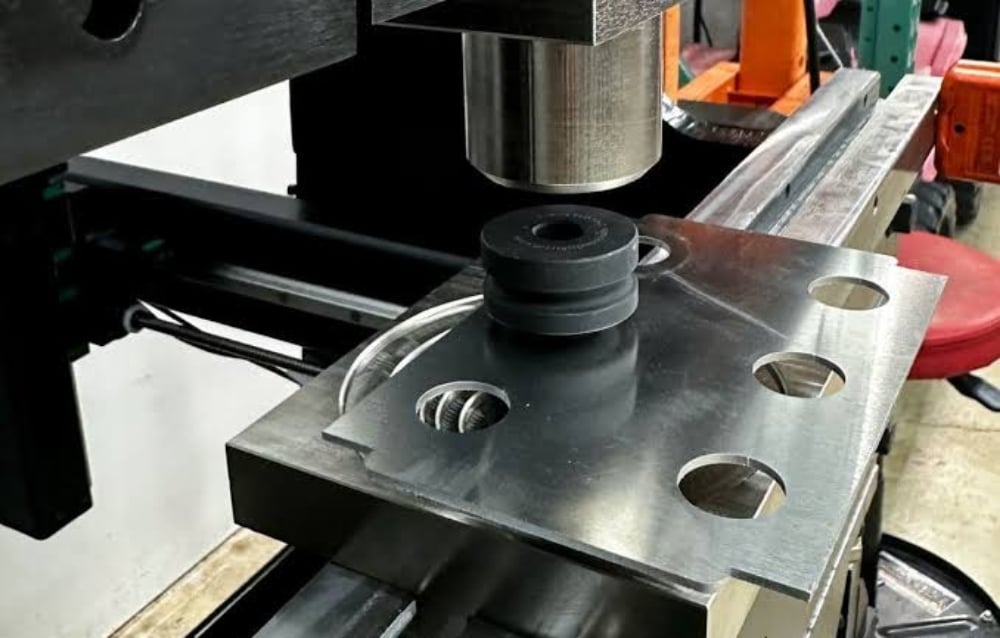
Misalignment is often most visible at the interface between the punch and the die. Die clearance—the space between the punch and the die—must be uniform around the entire perimeter. If the clearance is tighter on one side, the punch will “rub” against the die, causing premature dulling and potentially breaking the tool. This is often caused by a misaligned die holder or a worn turret station in CNC models.
To solve this, perform a “slug test.” Punch a hole in a piece of scrap material and examine the resulting slug. A perfectly aligned tool will produce a slug with a uniform shiny “burnish” zone and a uniform “break” zone. If the burnish zone is deeper on one side, the punch is leaning toward that side. Use a precision alignment tool (often a laser or a specialized mandrel) to center the die holder relative to the punch head. In turret punch presses, ensure the index pins are not worn, as these are responsible for locking the turret in the exact position for each hit.
3. Checking the Bolster Plate and Bed Parallelism
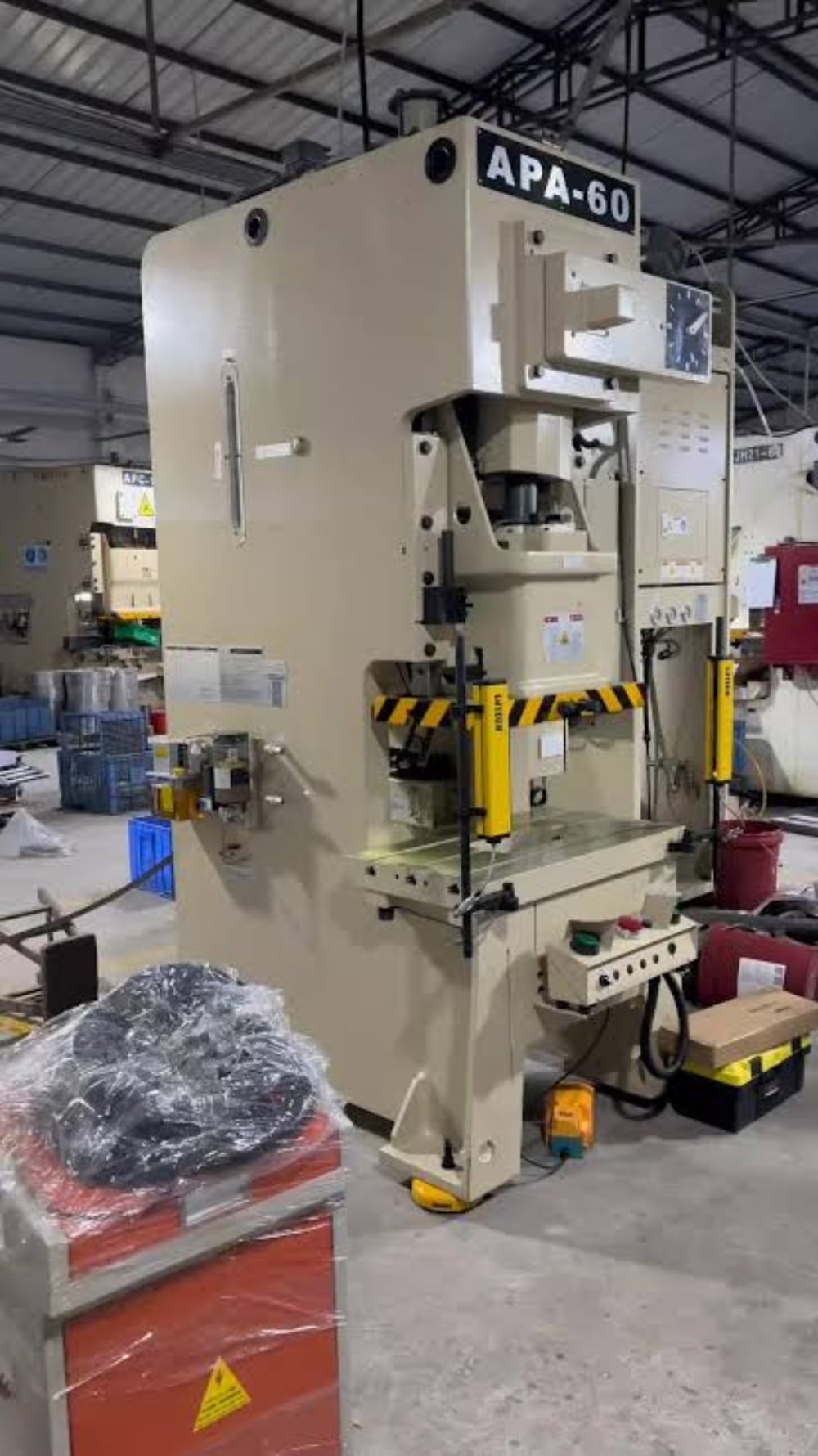
The foundation of the punching operation is the bed or bolster plate. If the bed is not perfectly parallel to the ram face, every tool installed will be misaligned relative to the workpiece. This can happen if the machine was not leveled correctly during installation or if the foundation has shifted over time. Use a high-precision machinist’s level to check the bed in both the X and Y axes.
If the bed is out of level, use the leveling bolts at the base of the machine to correct it. In some cases, the bolster plate itself may have become scarred or warped due to years of heavy use. If the surface is uneven, it may need to be reground by a professional service. A flat, level bed ensures that the forces generated during punching are distributed evenly, preventing the lateral shifts that lead to misalignment.
4. Addressing Feeding System Inaccuracies
Sometimes, the “misalignment” isn’t in the punch itself, but in where the hole is placed on the sheet. This is a feeding system issue. In automated lines, the rollers or grippers must move the material with extreme precision. If the grippers are slipping or if the servo motors are losing steps, the holes will not align with the programmed coordinates. Check the tension on the feed rollers and ensure the material is clean; oil or debris on the sheet can cause slippage. Recalibrate the CNC software to ensure the physical movement matches the digital commands.
Selection Advice: Choosing a Machine to Minimize Misalignment
When purchasing a new punching machine, selecting a model designed for rigidity is the best way to prevent future misalignment issues. HARSLE machines are engineered with high-tensile steel frames that undergo stress-relieving heat treatments. This ensures the frame remains stable even under maximum tonnage, reducing the “spring back” or deflection that causes misalignment in cheaper, lighter machines.
Look for machines with the following features:
- O-Frame or Bridge Construction: These designs are inherently more rigid than C-frame machines, as they support the ram on both sides, virtually eliminating frame deflection.
- High-Precision Linear Guides: Modern machines should use high-quality linear bearings that offer smooth movement with zero play.
- Advanced CNC Controls: Systems that include real-time monitoring of ram position and tonnage can detect misalignment before it causes damage.
- Automatic Tool Lubrication: This reduces heat buildup, which is a common cause of thermal-induced misalignment.
Investing in a machine with a reputable turret design is also crucial. The turret should have hardened bushings and precision-ground index pins. If you are choosing between a mechanical and a hydraulic system, consider that hydraulic systems often allow for better control over the stroke, which can be adjusted to minimize the impact forces that contribute to mechanical shift over time.
Troubleshooting Summary Table
| Symptom | Probable Cause | Recommended Solution |
|---|---|---|
| Uneven burrs on the workpiece | Uneven die clearance | Re-center the die holder and check punch straightness. |
| Excessive tool noise/vibration | Loose ram gibs or worn bearings | Adjust gib clearance and inspect lubrication levels. |
| Holes not matching CNC coordinates | Feeding system slippage | Clean feed rollers and recalibrate servo motors. |
| Rapid wear on one side of the punch | Angular misalignment of the ram | Check bed parallelism and ram squareness. |
| Slug sticking in the die | Tight clearance due to shift | Verify tool alignment and increase clearance if necessary. |
Frequently Asked Questions (FAQ)
How often should I check the alignment of my punching machine?
For high-volume production environments, a basic visual inspection should be performed daily. A comprehensive alignment check using dial indicators and precision mandrels should be conducted monthly or whenever a new tooling set is installed. If the machine experiences a “crash” or an overload event, alignment must be checked immediately before resuming operation.
Can thermal expansion really cause misalignment?
Yes, absolutely. In large industrial machines, the heat generated by continuous operation can cause the metal components to expand. If one side of the machine is near a heat source (like a furnace or direct sunlight), it may expand more than the other, leading to a slight tilt. It is best to operate the machine in a temperature-controlled environment and allow a warm-up period before starting high-precision work.
What tools do I need to solve misalignment problems?
At a minimum, you should have a high-quality dial indicator with a magnetic base, a set of feeler gauges for checking die clearance, a machinist’s level, and the manufacturer’s alignment mandrels. For CNC machines, specialized laser alignment kits are highly recommended for checking turret-to-ram concentricity.
Does the type of lubricant affect alignment?
While lubricant doesn’t directly align the machine, the *wrong* lubricant can lead to misalignment. If the oil is too thin, it won’t provide the necessary cushion for the ram guides, leading to wear and play. If it’s too thick, it can attract debris that gets lodged in the ways, forcing the ram out of alignment. Always use the lubricant grade specified in your HARSLE manual.
Conclusion: Maintaining Long-Term Accuracy
To solve misalignment problems in a punching machine, one must look beyond the immediate symptom and address the root mechanical or operational cause. Whether it is adjusting the gibs, recalibrating the turret, or simply ensuring the material is fed correctly, precision requires a commitment to detail. Regular maintenance is the most effective way to prevent misalignment from occurring in the first place, saving your business time and money.
At HARSLE, we build our machines to withstand the rigors of heavy industrial use, but we also empower our users with the knowledge to keep their equipment in top condition. By following the technical steps outlined in this guide, you can ensure that every punch is as accurate as the first. Remember that a well-aligned machine not only produces better parts but also extends the life of your expensive tooling and the machine itself. For further technical support or to explore our latest high-precision punching solutions, contact the HARSLE technical team today.












