How to Troubleshoot Tooling Breakage in a Punching Machine: A Comprehensive Guide


Introduction to Punching Machine Tooling Challenges
In the high-stakes world of metal fabrication, efficiency and precision are the twin pillars of success. Punching machines, particularly those engineered by HARSLE, are designed to deliver high-speed performance and consistent accuracy. However, even the most robust industrial machinery can encounter issues, and one of the most frustrating and costly problems is tooling breakage. When a punch or die fails prematurely, it doesn’t just mean the cost of a replacement part; it results in unplanned downtime, potential damage to the workpiece, and risks to the machine’s internal components.
To effectively troubleshoot tooling breakage in a punching machine, one must look beyond the broken piece of steel. Tooling failure is rarely an isolated incident; it is usually a symptom of an underlying issue within the machine setup, material properties, or operational parameters. Understanding the mechanics of how a punch interacts with the material and the die is essential for any operator or maintenance engineer looking to optimize their production line.
This guide provides an in-depth technical analysis of why tooling breaks and offers a systematic approach to troubleshooting these issues. By following these professional insights, you can extend the life of your HARSLE equipment, reduce operational costs, and maintain the high standards of quality that your clients expect. Whether you are working with a mechanical turret punch or a high-speed hydraulic punching machine, the principles of troubleshooting remain consistent and vital.
Key Considerations Before You Troubleshoot Tooling Breakage In A Punching Machine
Before diving into the mechanical adjustments, it is crucial to evaluate the environment and the materials involved in the punching process. Tooling breakage is often the result of a mismatch between the tool’s capabilities and the task it is being asked to perform. The first consideration should always be the material being processed. Is the tensile strength of the metal higher than what the tool was designed for? For instance, switching from mild steel to stainless steel without adjusting the tooling or the machine settings is a frequent cause of catastrophic failure.
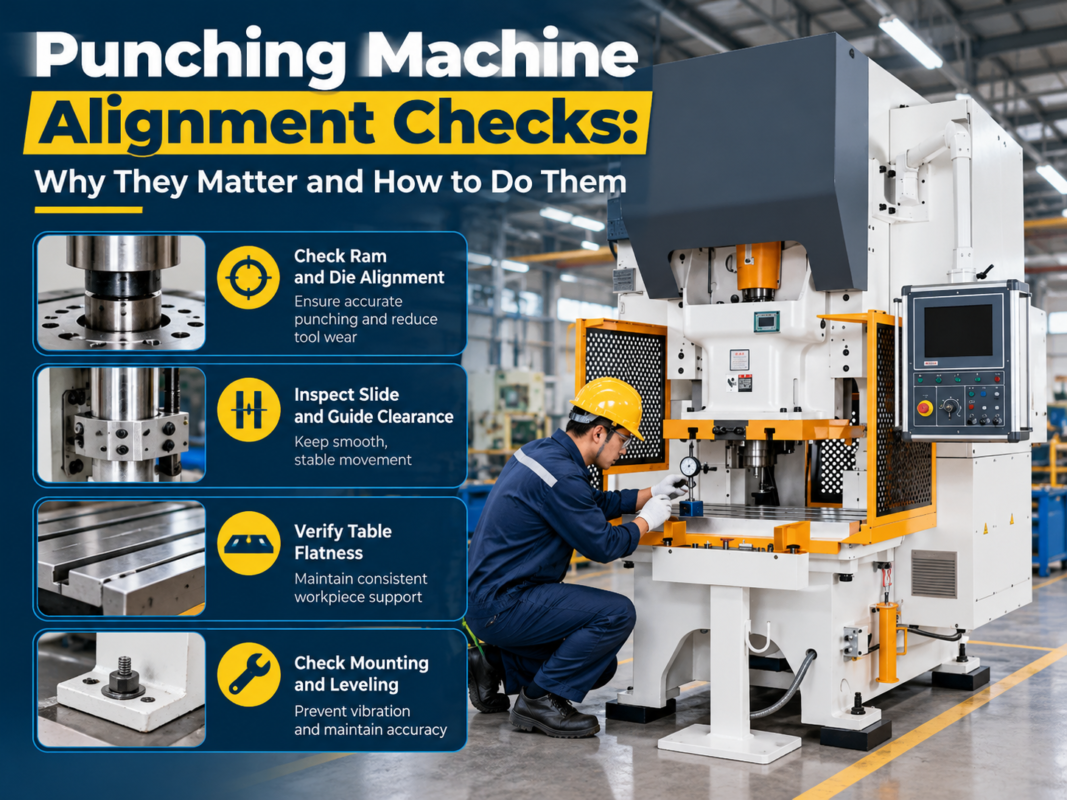
Another key consideration is the machine’s alignment. In a punching machine, the punch and the die must be perfectly concentric. Even a microscopic deviation in alignment can cause the punch to hit the edge of the die, leading to chipping or total breakage. This is especially true in high-speed operations where the force of impact is magnified. Regular checks of the turret alignment or the tool holder’s seat are non-negotiable for preventing breakage.
Lubrication also plays a pivotal role. Many operators underestimate the heat generated during the punching process. Without adequate lubrication, friction increases, leading to “galling”—where the workpiece material welds itself to the punch. This build-up increases the stripping force required to pull the punch back out of the material, often leading to the punch head snapping off. Proper lubrication not only cools the tool but also provides a barrier that prevents this material transfer.
Finally, consider the human element. Operator error, such as incorrect tool installation or failing to clear slugs from the die, accounts for a significant percentage of tooling failures. Ensuring that the staff is well-trained on HARSLE machinery and understands the specific requirements of each tool set is the first line of defense against unnecessary breakage.
Technical Details: The Science Behind Tool Failure
To truly troubleshoot tooling breakage in a punching machine, we must examine the technical variables that govern the punching cycle. One of the most critical factors is die clearance. Die clearance is the total space between the punch and the die. If the clearance is too tight, the force required to penetrate the material increases exponentially, putting immense stress on the punch tip. Conversely, if the clearance is too large, the material will stretch and burr, often pulling the punch into an angled position that causes it to snap during the return stroke.
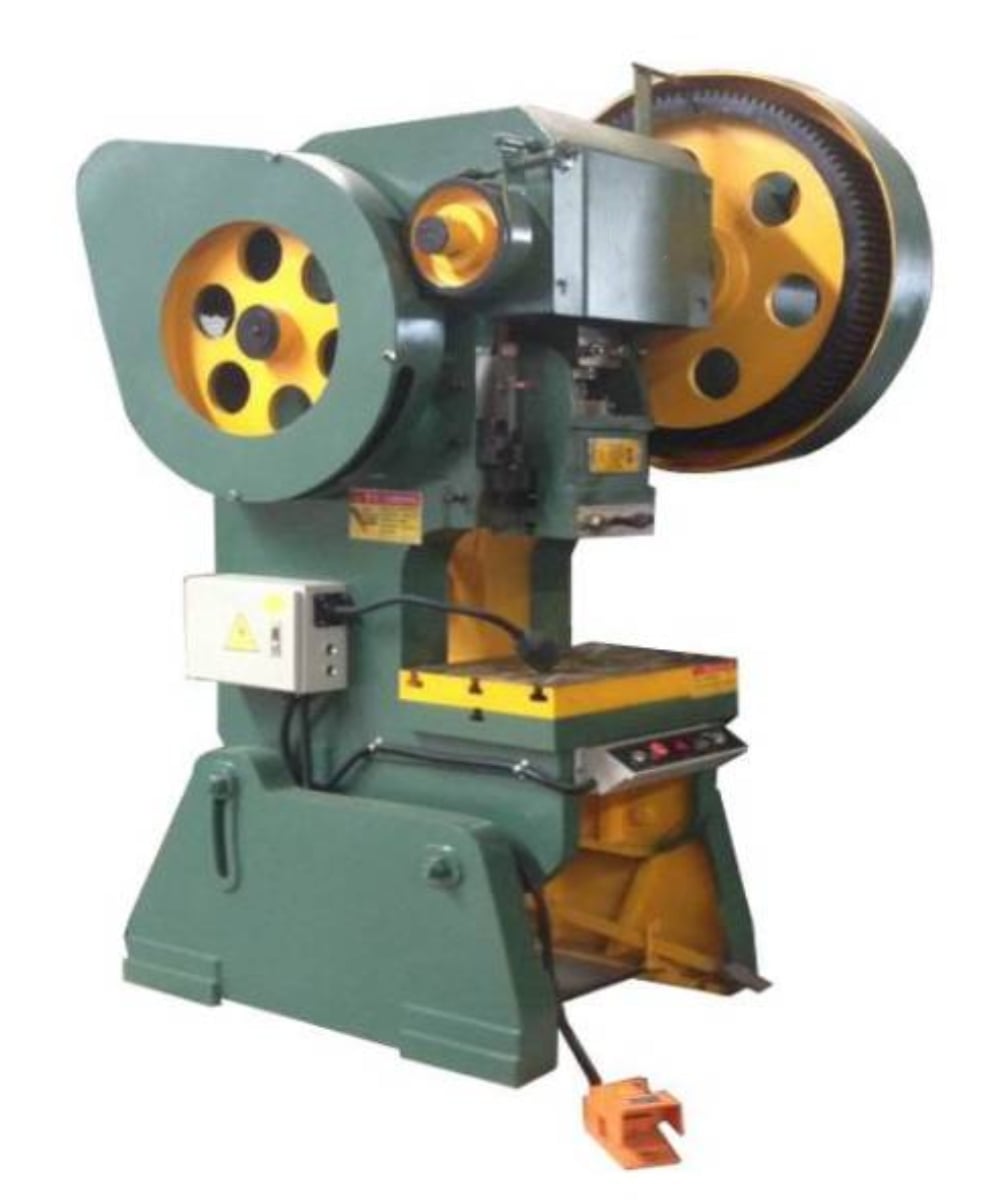
Understanding Tonnage and Force Distribution
Every tool has a maximum tonnage limit. Exceeding this limit is a guaranteed way to break the tool. The tonnage required for a specific hole can be calculated using the formula: Force (tons) = (Perimeter of the hole x Material Thickness x Shear Strength) / 2000. If the calculated force is close to the tool’s limit, any slight variation in material thickness or hardness can push the tool over the edge. HARSLE machines are equipped with pressure monitoring, but the operator must ensure the tooling is rated for the specific job.
The Role of Stripping Force
Breakage doesn’t always happen on the downward stroke. In many cases, the punch breaks during the “stripping” phase—when the machine pulls the punch back out of the metal. If the material is thick or gummy, it can grip the punch tightly. If the stripping springs in the tool holder are weak or if the stripping plate is not properly adjusted, the upward force can exceed the tensile strength of the punch shank, causing it to pull apart. This is particularly common when punching small holes in thick materials.
| Failure Mode | Common Cause | Technical Solution |
|---|---|---|
| Chipped Punch Tip | Insufficient Die Clearance | Increase clearance to 15-20% of material thickness. |
| Broken Punch Shank | Excessive Stripping Force | Improve lubrication and check stripping springs. |
| Split Die | Over-tonnage or Slug Pulling | Verify material thickness and use slug-retention dies. |
| Rapid Wear | Heat Build-up / No Lube | Implement an automated mist lubrication system. |
Step-by-Step Guide to Troubleshoot Tooling Breakage In A Punching Machine
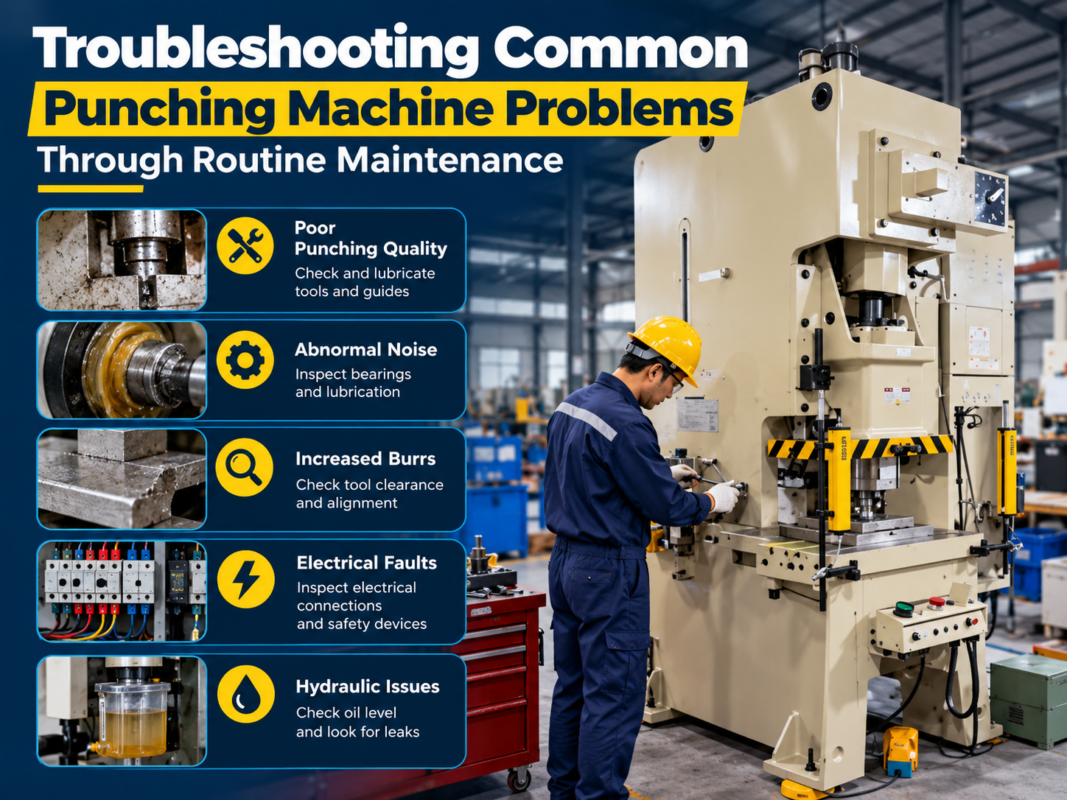
When a tool breaks, follow this systematic troubleshooting process to identify the root cause and prevent a recurrence:
- Inspect the Breakage Pattern: Look at the fractured surface of the tool. A clean, granular break often indicates an overload or excessive hardness in the tool steel. A jagged, angled break usually suggests misalignment or side-loading.
- Check the Slugs: The slugs (the scrap metal punched out) tell a story. If the burnished land on the slug is uneven, your punch and die are not centered. If the slug is deformed or shows signs of being hit twice, you have a “slug pulling” issue where the scrap is sticking to the punch and being forced back into the die.
- Verify Material Specifications: Use a micrometer to check the actual thickness of the sheet metal. Often, material delivered as “10 gauge” might be at the upper limit of the tolerance, requiring more tonnage than the tool can handle. Also, check for hard spots in the metal, which are common in lower-quality recycled steels.
- Audit the Tool Sharpening Process: If the tool was recently sharpened, it might have been overheated during the grinding process. This “burns” the steel, drawing out the temper and making it brittle. Always use plenty of coolant during sharpening and take light passes.
- Examine the Machine Turret/Station: Check for debris in the tool seat. A single metal chip under the die can tilt it just enough to cause the punch to strike the edge. Ensure the station is clean and the locking mechanisms are tight.
- Test the Stripping Mechanism: Manually check the tension of the stripping springs. If they have lost their “spring,” they won’t push the material off the punch effectively, leading to breakage on the upstroke.
Selection Advice for Durable Punching Machine Tooling
Choosing the right tooling is just as important as maintaining the machine. When you troubleshoot tooling breakage in a punching machine, you may find that the tool material itself was the weak link. For standard applications, D2 tool steel is a common choice due to its balance of toughness and wear resistance. However, for high-speed applications or for punching stainless steel, M2 high-speed steel or even powdered metal (PM) steels are superior. PM steels offer a more uniform grain structure, which significantly reduces the risk of chipping under heavy loads.
Consider the coating of the tools as well. Titanium Nitride (TiN) or Titanium Carbonitride (TiCN) coatings can drastically reduce friction. This is particularly helpful in preventing galling when working with aluminum or galvanized steel. A coated tool might have a higher upfront cost, but the reduction in breakage and the increase in intervals between sharpenings provide a much better return on investment.
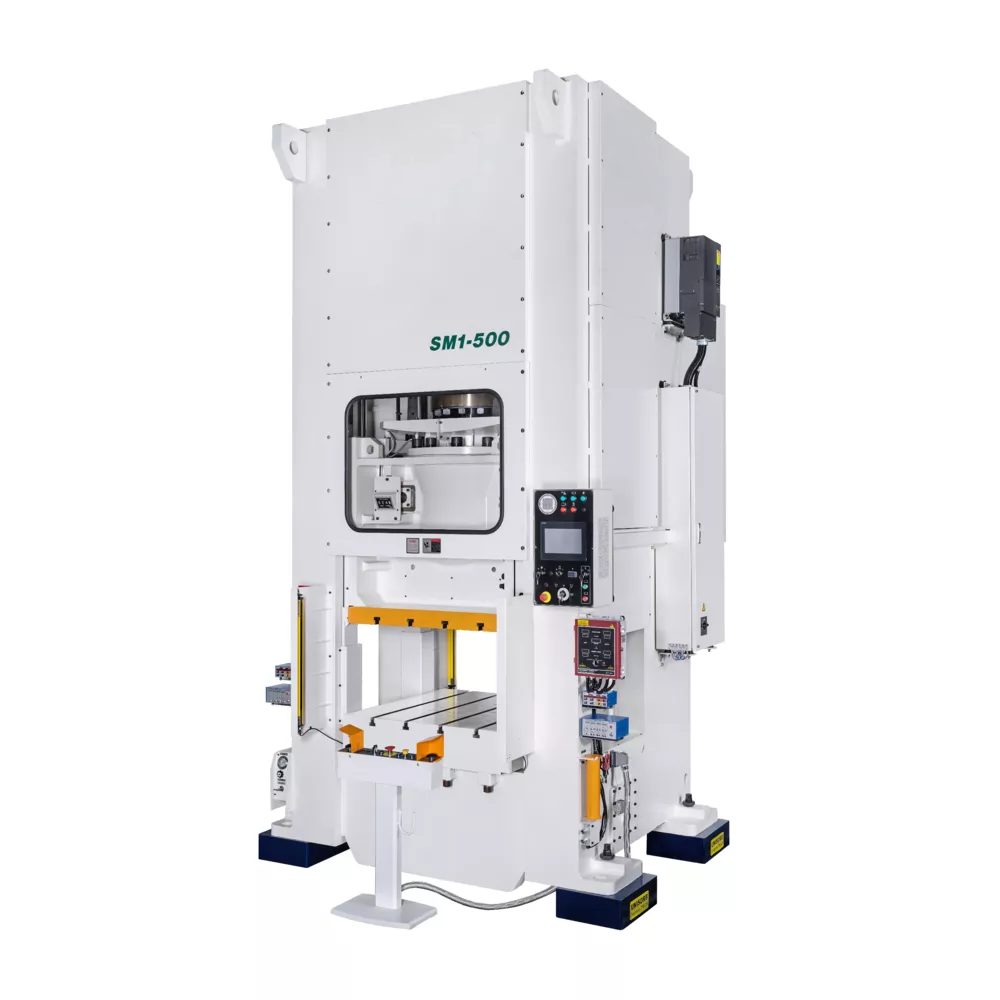
When purchasing a HARSLE punching machine, always consult with our technical team regarding the best tooling packages for your specific industry. We provide guidance on the optimal die clearances for various materials and can recommend specialized “slug-hugger” dies that prevent the common problem of slug pulling. Remember, the machine is only as good as the tool that touches the metal.
Furthermore, ensure that your tooling inventory is managed correctly. Using a tool that has been sharpened down past its minimum height can lead to issues with the machine’s stroke length and pressure settings. Keep detailed logs of how many hits each tool has performed and its current height to ensure you are never operating with compromised equipment.
Frequently Asked Questions (FAQ)
1. How often should I sharpen my punching tools?
Sharpening should be based on the quality of the hole and the wear on the punch edge. A general rule is to sharpen when the edge radius reaches 0.010 inches (0.25mm). Waiting too long to sharpen causes the tool to work harder, increasing the risk of breakage. Regular, light sharpening is much better for tool life than infrequent, heavy grinding.
2. Why does my punch keep breaking when working with stainless steel?
Stainless steel work-hardens very quickly. If your machine speed is too slow or if your punch is slightly dull, the material becomes incredibly hard before the punch can penetrate it. Ensure you are using M2 or PM-M4 steel tools with a TiCN coating and increase your die clearance to roughly 20-25% of the material thickness.
3. What is “slug pulling” and how do I stop it?
Slug pulling occurs when the scrap metal sticks to the face of the punch and is pulled out of the die on the upstroke. This can cause the next hit to strike two pieces of metal, breaking the tool. To stop this, use dies with slug-retention features, use a punch with a “shear” angle, or apply a small amount of oil to the material to break the vacuum between the punch and the slug.
4. Can a machine’s hydraulic pressure cause tooling breakage?
Yes. If the hydraulic system is not properly calibrated, it may deliver a “spike” in pressure that exceeds the tool’s rating. HARSLE machines feature advanced hydraulic controls to prevent this, but regular maintenance of the hydraulic valves and sensors is necessary to ensure consistent pressure delivery.
5. Does the temperature of the workshop affect tooling?
Extreme cold can make tool steel more brittle, while extreme heat can affect the viscosity of your lubricants. In very cold environments, it is a good practice to “warm up” the machine with several dry cycles before starting production to ensure the metal components have reached a stable operating temperature.
6. Is it better to use a larger die clearance to prevent breakage?
While larger clearance reduces the force required, it also increases the burr on the part and can cause the material to “draw” into the die, which can snap small-diameter punches. The goal is to find the “sweet spot”—usually 15% to 20% of material thickness for most mild steels.
Conclusion: Mastering Tooling Longevity
To troubleshoot tooling breakage in a punching machine effectively, one must adopt a holistic view of the fabrication process. It is rarely just a matter of a “bad tool.” Instead, it is a complex interaction between machine precision, material science, and operator diligence. By maintaining strict alignment, calculating tonnage accurately, and selecting the highest quality tool steels, you can virtually eliminate unplanned breakage and the costs associated with it.
HARSLE remains dedicated to providing not just the machinery, but the technical expertise required to keep your shop running at peak performance. Our punching machines are engineered for durability, but they perform best when paired with a rigorous maintenance schedule and a deep understanding of tooling dynamics. By implementing the troubleshooting steps and selection advice outlined in this guide, you ensure that your investment continues to yield high-quality results for years to come. Remember, a well-maintained machine and a knowledgeable operator are the best tools in any fabrication shop.