Punching Machine Maintenance Guide: Preventing Downtime and Extending Service Life


Technical Overview of Punching Machine Maintenance
In the high-stakes world of metal fabrication, the punching machine stands as a cornerstone of productivity. Whether it is a mechanical power press or a high-precision CNC turret punch, these machines are subjected to immense forces, repetitive cycles, and harsh industrial environments. The core objective of Punching Machine Maintenance : Preventing Downtime Extending Service Life is to transition from a reactive ‘fix-it-when-it-breaks’ mindset to a proactive, predictive maintenance strategy. This ensures that every stroke of the ram is as precise as the first, minimizing scrap rates and maximizing the return on investment (ROI).
A punching machine operates through a complex interplay of electrical, hydraulic, and mechanical systems. Mechanical presses rely on flywheels, crankshafts, and clutches to deliver sudden bursts of energy, while hydraulic variants use fluid pressure to generate force. Over time, the friction generated by these movements leads to wear on bearings, seals, and guideways. Without a structured maintenance protocol, minor issues like a loose bolt or a slightly clogged oil filter can escalate into catastrophic failures, leading to weeks of unplanned downtime and expensive replacement parts.
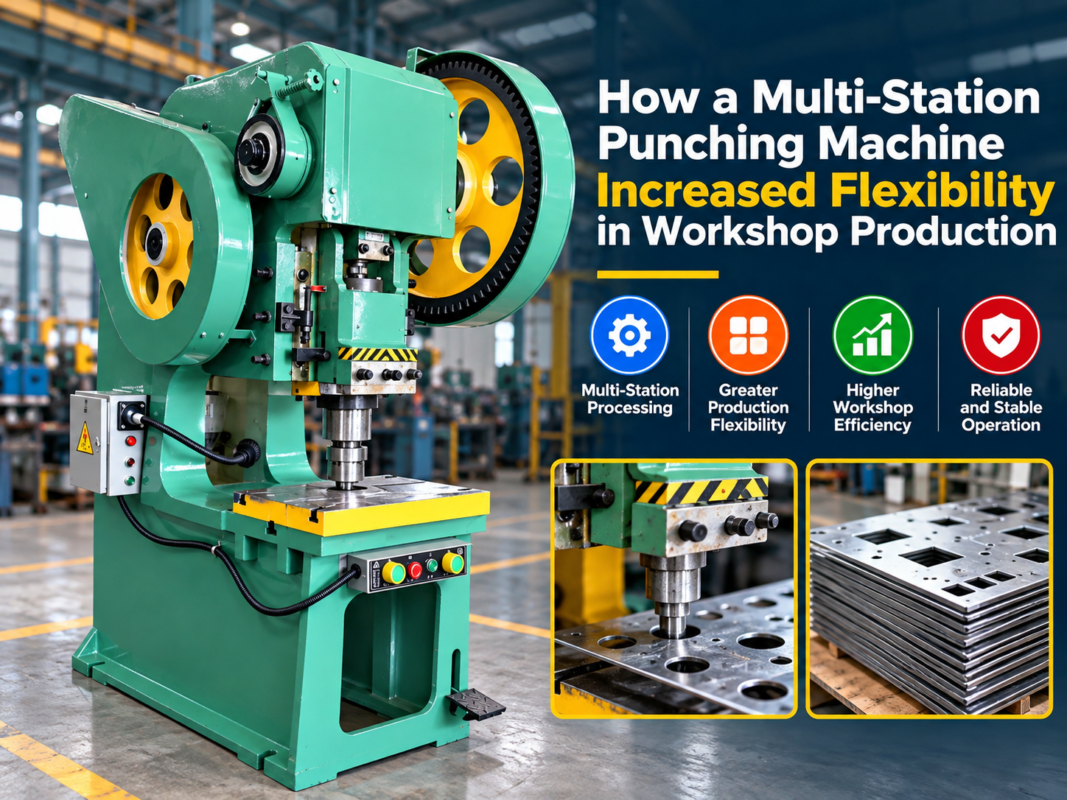
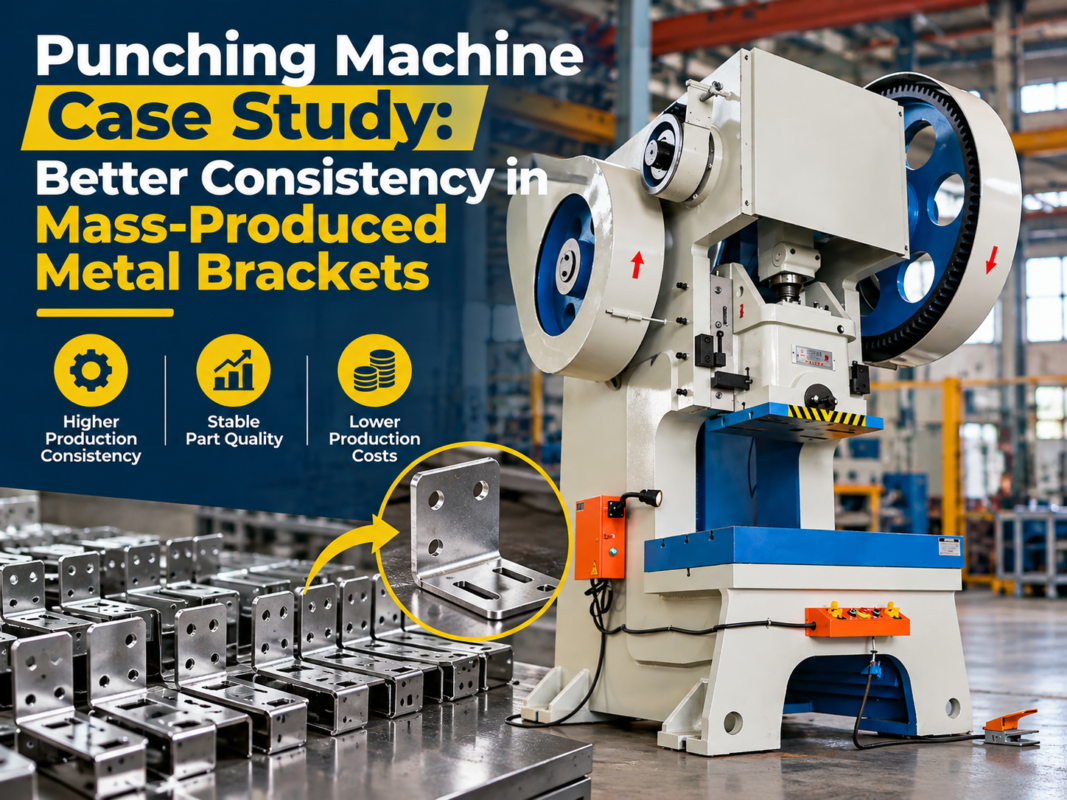
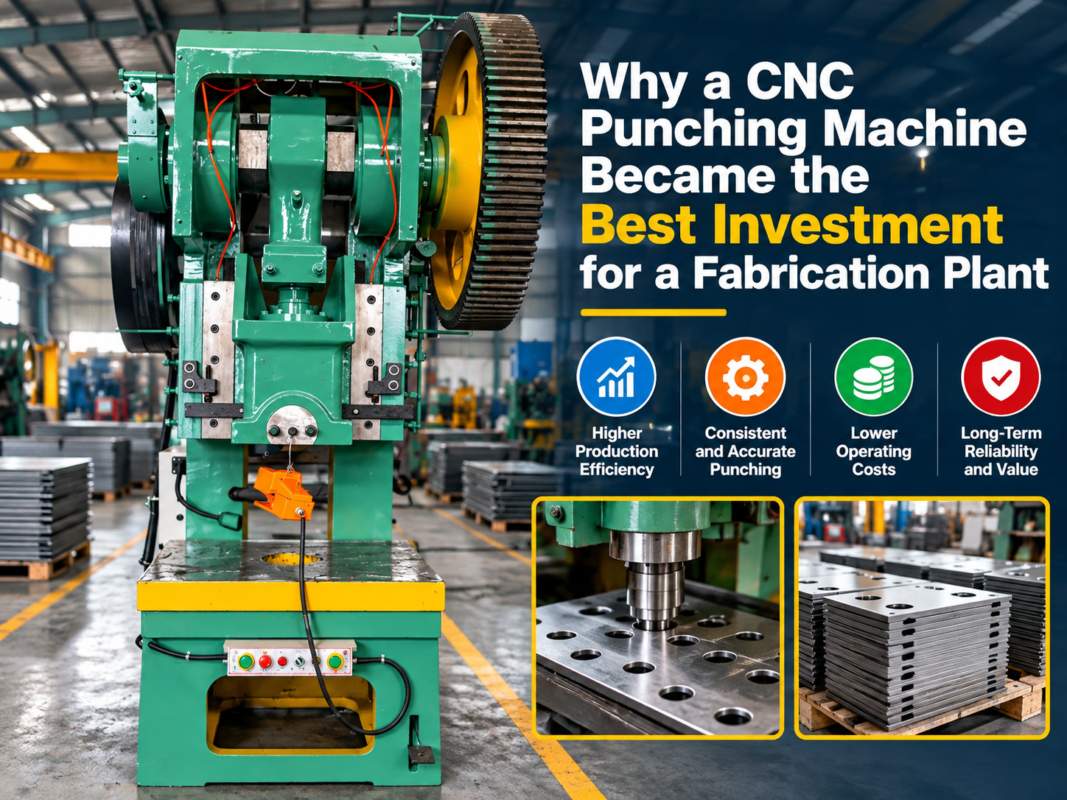
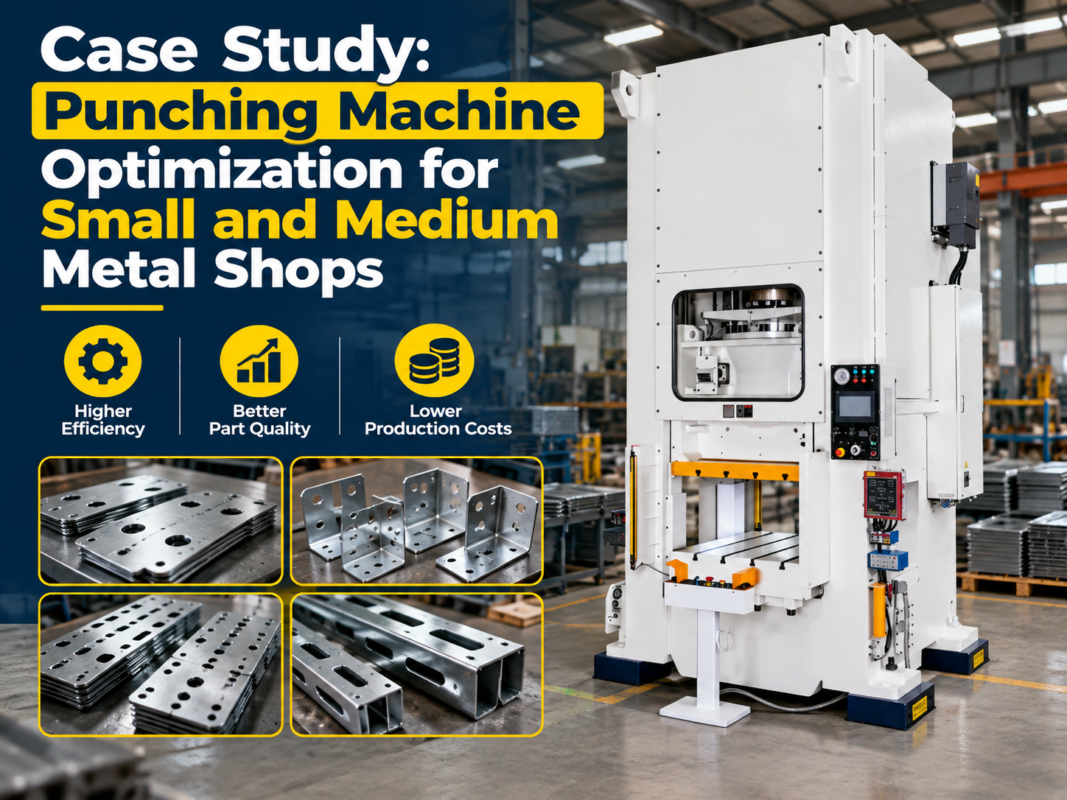
Effective maintenance begins with understanding the machine’s anatomy. The frame provides the structural rigidity necessary to resist deflection during the punching process. The drive system translates energy into the vertical movement of the ram. The tooling—consisting of the punch and the die—is the direct interface with the workpiece. Each of these subsystems requires specific attention. For instance, the lubrication of the gibs (the guides that ensure the ram moves straight) is critical for maintaining accuracy. If the gibs are too tight, they generate excessive heat; if they are too loose, the punch may hit the die off-center, leading to tool breakage.
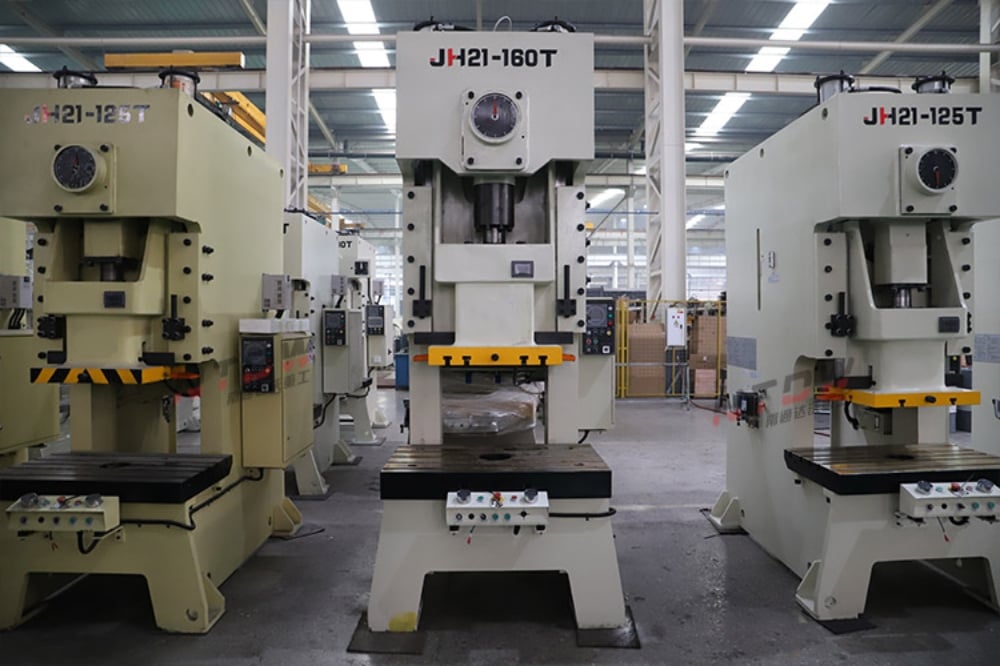
Furthermore, the modern punching machine is often integrated with sophisticated CNC controls and sensors. These electronic components are sensitive to dust, vibration, and temperature fluctuations. Maintenance, therefore, is not just about grease and oil; it involves cleaning cooling fans, checking electrical connections for tightness, and ensuring that the software is calibrated correctly. By implementing a comprehensive maintenance guide, manufacturers can ensure that their HARSLE equipment operates at peak efficiency for decades.
Core Parameters Influencing Maintenance Requirements
To maintain a punching machine effectively, one must understand the core parameters that define its operation. These parameters dictate the stress levels the machine undergoes and, consequently, the frequency and type of maintenance required. The most critical parameter is Tonnage. This is the maximum force the machine can exert. Operating a machine consistently at its maximum capacity accelerates the wear on the frame and the drive components. Maintenance schedules should be tightened if the machine is frequently used for heavy-duty applications near its rated limit.
Stroke Length and Speed are also vital. High-speed punching machines (often exceeding 500 strokes per minute) generate significant heat and vibration. This necessitates the use of high-performance lubricants and more frequent inspections of the damping systems. The stroke length determines the travel distance of the ram; longer strokes can lead to increased wear on the guide bushings. Monitoring the consistency of the stroke is a key part of preventive maintenance, as any deviation can indicate a failure in the clutch or hydraulic valves.
Another essential parameter is the Bolster and Slide Area. These surfaces must remain perfectly flat and clean. Any debris trapped between the die set and the bolster plate can cause misalignment, leading to uneven wear on the tools and the machine’s internal bearings. Regular cleaning and stone-polishing of these surfaces are necessary to maintain the precision of the punching operation. Additionally, the Shut Height—the distance between the slide and the bolster when the stroke is at the bottom—must be checked and calibrated to prevent ‘bottoming out,’ which can crack the machine frame.
Finally, the Hydraulic System Pressure (for hydraulic machines) and Air Pressure (for pneumatic clutches) must be monitored. Fluctuations in pressure can lead to inconsistent punching force and sluggish response times. Maintenance involves checking for leaks, replacing hydraulic fluid at specified intervals, and ensuring that the air filtration system is removing moisture and contaminants that could corrode internal valves. Understanding these parameters allows maintenance teams to tailor their efforts to the specific demands placed on the machine.
Calculation Method for Punching Force and Tooling Clearance
A significant part of Punching Machine Maintenance : Preventing Downtime Extending Service Life involves ensuring that the machine is not being overloaded. This requires accurate calculation of the punching force required for a specific job. The standard formula for calculating punching force (P) in kilonewtons (kN) is:
P = L × t × τ
Where:
L = The total perimeter of the hole to be punched (mm). For a round hole, L = π × d.
t = The thickness of the material (mm).
τ = The shear strength of the material (N/mm² or MPa).
For example, if you are punching a 50mm diameter hole in 3mm thick mild steel (shear strength approx. 400 MPa), the calculation would be: P = (3.14 × 50) × 3 × 400 = 188,400 N, or approximately 188.4 kN (roughly 19 tons). If your machine is rated for 20 tons, you are operating very close to the limit. Dull tools can increase the required force by up to 30-50%, potentially overloading the machine. Therefore, maintaining sharp tooling is a direct form of machine maintenance.
Another critical calculation is the Die Clearance. This is the space between the punch and the die. Proper clearance ensures a clean cut and reduces the force required. The general rule of thumb is that the total clearance should be 10% to 20% of the material thickness, depending on the material type and hardness. If the clearance is too small, it increases the friction and heat, leading to faster tool wear and increased strain on the machine’s motor. If it is too large, it results in excessive burrs and ‘slug pulling,’ which can damage the machine’s internal components if the slugs are not properly evacuated.
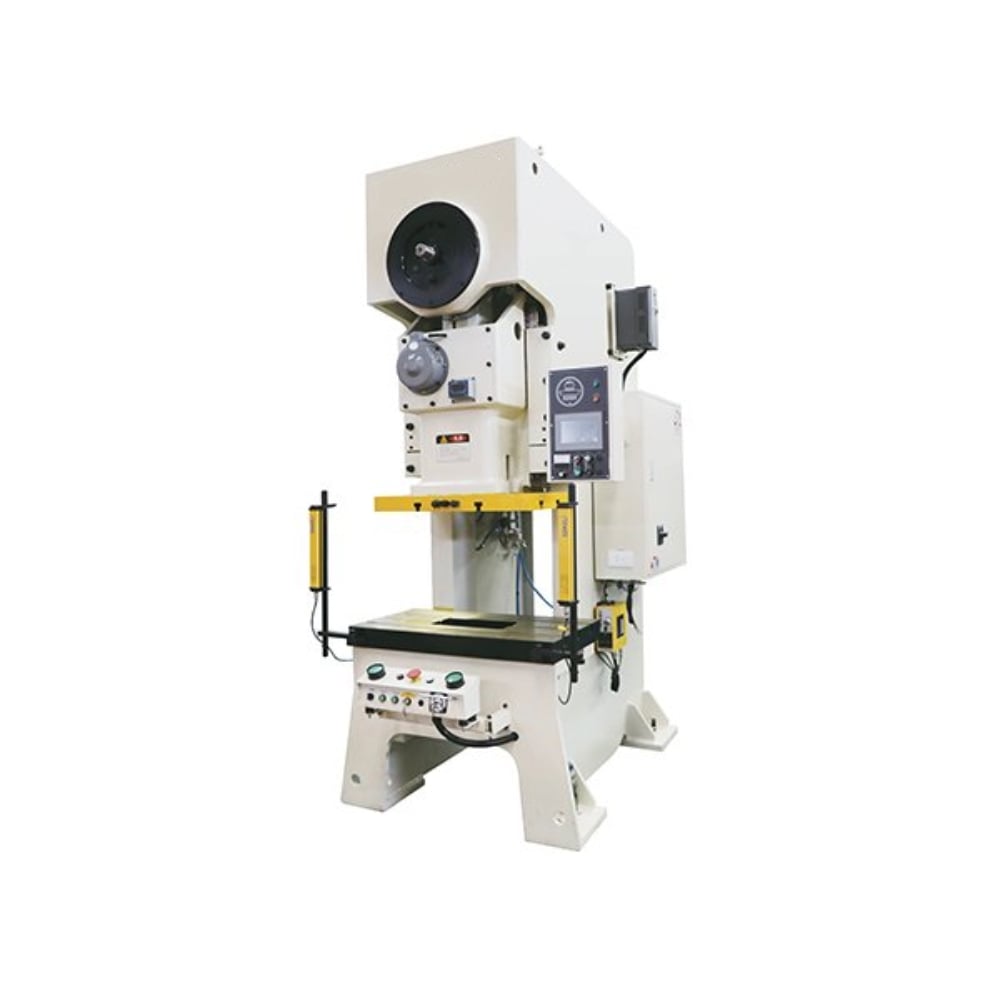
Punching Machine Maintenance Parameter Table
The following table provides a generalized maintenance schedule for a standard industrial punching machine. Note that specific HARSLE models may have unique requirements listed in their respective manuals.
| Component | Maintenance Action | Frequency | Purpose |
|---|---|---|---|
| Lubrication System | Check oil levels and grease points | Daily | Reduce friction and prevent seizing |
| Tooling (Punch & Die) | Inspect for chips, wear, and sharpness | Every Shift | Ensure cut quality and reduce load |
| Hydraulic Fluid | Check for contamination and level | Weekly | Maintain consistent pressure |
| Air Filters/Regulators | Drain moisture and clean filters | Weekly | Protect pneumatic components |
| Gibs and Slide Ways | Check for play and adjust if necessary | Monthly | Maintain ram alignment and precision |
| Drive Belts/Chains | Check tension and signs of wear | Quarterly | Prevent slippage and power loss |
| Electrical Cabinet | Vacuum dust and check connections | Quarterly | Prevent short circuits and overheating |
| Hydraulic Oil Change | Full system flush and filter replacement | Annually | Remove microscopic metal particles |
| Frame Inspection | Check for stress cracks or loose bolts | Annually | Ensure structural integrity |
Common Engineering Mistakes in Punching Machine Operation
One of the most common mistakes in punching machine maintenance is the neglect of the lubrication system. Many operators assume that as long as the oil reservoir is full, the machine is being lubricated. However, automatic lubrication lines can become clogged with thickened oil or debris. If one line is blocked, a specific bearing or guide might run dry while the rest of the machine appears fine. This leads to localized overheating and eventual seizure. Engineers should regularly verify that lubricant is actually reaching all designated points by observing the ‘weeping’ of oil at the joints.
Another frequent error is ignoring the importance of tool sharpening. Using dull tools is like trying to cut paper with blunt scissors; it requires significantly more force. This extra force is transmitted back into the machine’s frame and drive system, causing premature fatigue. Furthermore, dull tools create larger burrs and more metal dust, which can enter the machine’s sensitive components. A strict tool-management program, where punches are reground after a set number of hits, is essential for extending the machine’s service life.
Improper Die Alignment is a critical engineering oversight. Even a slight misalignment between the punch and the die can cause ‘side loading’ on the ram. Punching machines are designed for vertical force; lateral forces caused by misalignment put immense strain on the gibs and can lead to the punch ‘shaving’ the die. This not only destroys the tooling but can also warp the ram over time. Using precision alignment tools and ensuring the bolster plate is perfectly level are non-negotiable steps in professional maintenance.
Lastly, many facilities fail to manage the environment around the machine. Punching operations generate a lot of vibration and metallic dust. If the machine is located near a grinding station or in a poorly ventilated area, this dust can settle on oily surfaces, creating an abrasive paste that accelerates wear. Additionally, excessive vibration from nearby heavy machinery can loosen electrical connections and even affect the calibration of CNC sensors. Isolating the machine with proper foundation pads and maintaining a clean workspace are often overlooked but vital aspects of maintenance.
Selection Checklist for Low-Maintenance Punching Machines
When purchasing a new punching machine, considering ‘maintainability’ can save thousands of dollars in future labor and parts. Use this checklist to evaluate potential equipment:
- Accessibility: Are the lubrication points, filters, and electrical panels easily accessible? A machine that is hard to service is a machine that won’t be serviced.
- Automatic Lubrication: Does the machine feature a centralized, automatic lubrication system with a low-level alarm? This reduces the reliance on manual intervention.
- Frame Rigidity: Is the frame made of high-quality, stress-relieved steel? A rigid frame (like those found in HARSLE O-frame or high-end C-frame models) minimizes deflection, which protects the tooling and internal bearings.
- Component Sourcing: Does the machine use standard, high-quality components (e.g., Rexroth hydraulics, Siemens electronics)? Using ‘off-the-shelf’ parts from reputable brands makes finding replacements much faster and cheaper.
- Overload Protection: Does the machine have a hydraulic or mechanical overload protection system? This is a critical safety feature that prevents the machine from damaging itself if a mistake is made.
- Diagnostic Software: For CNC machines, does the control system provide detailed error codes and maintenance reminders? Modern HARSLE machines often include integrated diagnostics to help troubleshoot issues quickly.
- Tooling Compatibility: Does the machine use standard tooling styles (like Thick Turret or Trumpf style)? Standard tooling is easier to maintain and replace.
- Manufacturer Support: Does the manufacturer provide detailed maintenance manuals, training, and a reliable spare parts supply chain?
Frequently Asked Questions (FAQ)
1. How often should I sharpen my punching tools?
The frequency of sharpening depends on the material type, thickness, and the number of hits. As a general rule, tools should be inspected every 10,000 to 50,000 hits. If you notice an increase in burr height or a change in the sound of the punch, it is time to regrind. Regular, light sharpening is much better for tool life than waiting until the tool is severely damaged.
2. What type of hydraulic oil should I use?
Always refer to the manufacturer’s manual. Most punching machines use an ISO VG 32 or VG 46 anti-wear hydraulic oil. Using the wrong viscosity can lead to sluggish performance in cold weather or inadequate lubrication when the machine gets hot. It is also vital to use oil with high thermal stability to prevent the formation of sludge.
3. Why is my punching machine making a loud ‘banging’ noise?
While punching is naturally noisy, an unusually loud or metallic ‘bang’ can indicate several issues: the punch hitting the die (misalignment), the machine ‘bottoming out’ (incorrect shut height), or a failure in the shock absorbers/damping pads. Stop the machine immediately and inspect the tooling and the ram travel.
4. Can I perform maintenance myself, or do I need a professional?
Daily and weekly tasks like lubrication and cleaning should be performed by the operator. However, complex tasks like adjusting the gibs, repairing hydraulic valves, or calibrating the CNC system should be handled by trained maintenance technicians or the manufacturer’s service team to ensure safety and precision.
5. How does heat affect punching machine performance?
Excessive heat thins out lubricants, making them less effective, and can cause hydraulic seals to harden and leak. In CNC machines, heat can also cause electronic components to malfunction. Ensure your machine’s cooling systems (fans or oil coolers) are functioning correctly and that the ambient temperature in the shop is managed.
6. What is the most common cause of unplanned downtime?
Statistically, the most common causes are lubrication failure and tooling issues. A seized bearing due to lack of oil or a broken punch due to misalignment can stop production for days. Implementing a simple daily checklist is the most effective way to prevent these common failures.
7. Does the material type affect the maintenance schedule?
Yes. Punching abrasive materials like stainless steel or high-strength alloys puts significantly more stress on the machine and tools than punching aluminum or mild steel. If your shop primarily handles ‘tough’ materials, you should increase the frequency of your inspections and lubrication cycles.