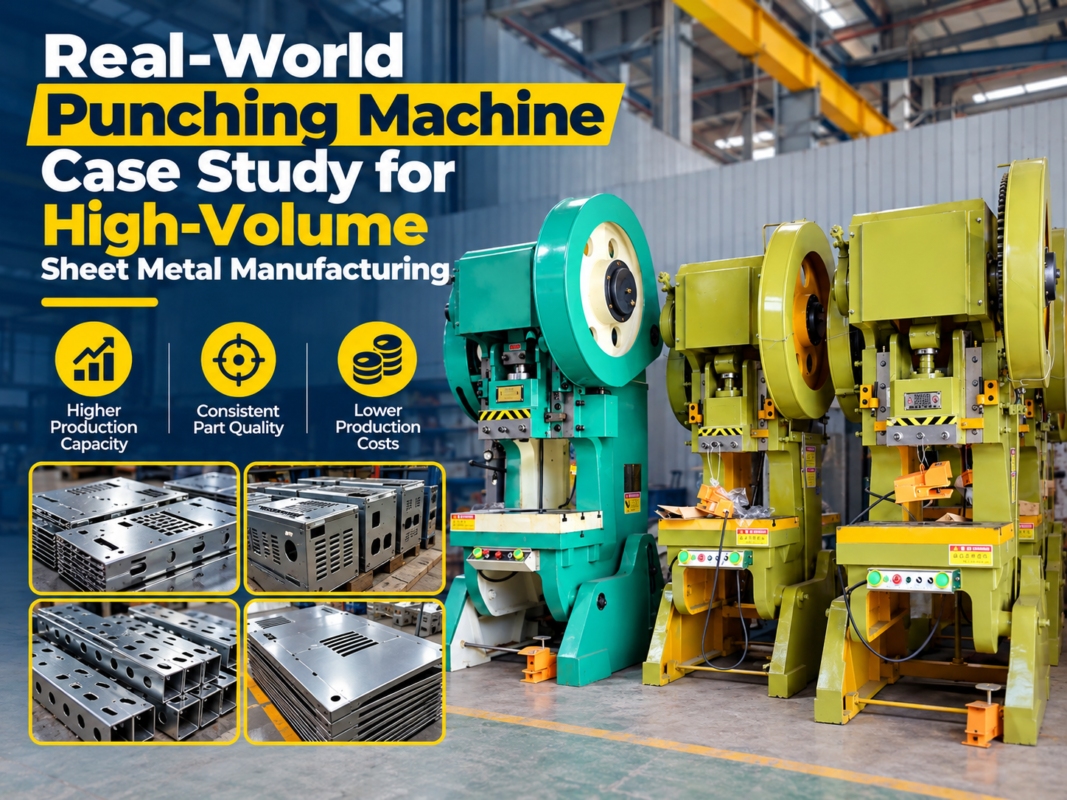
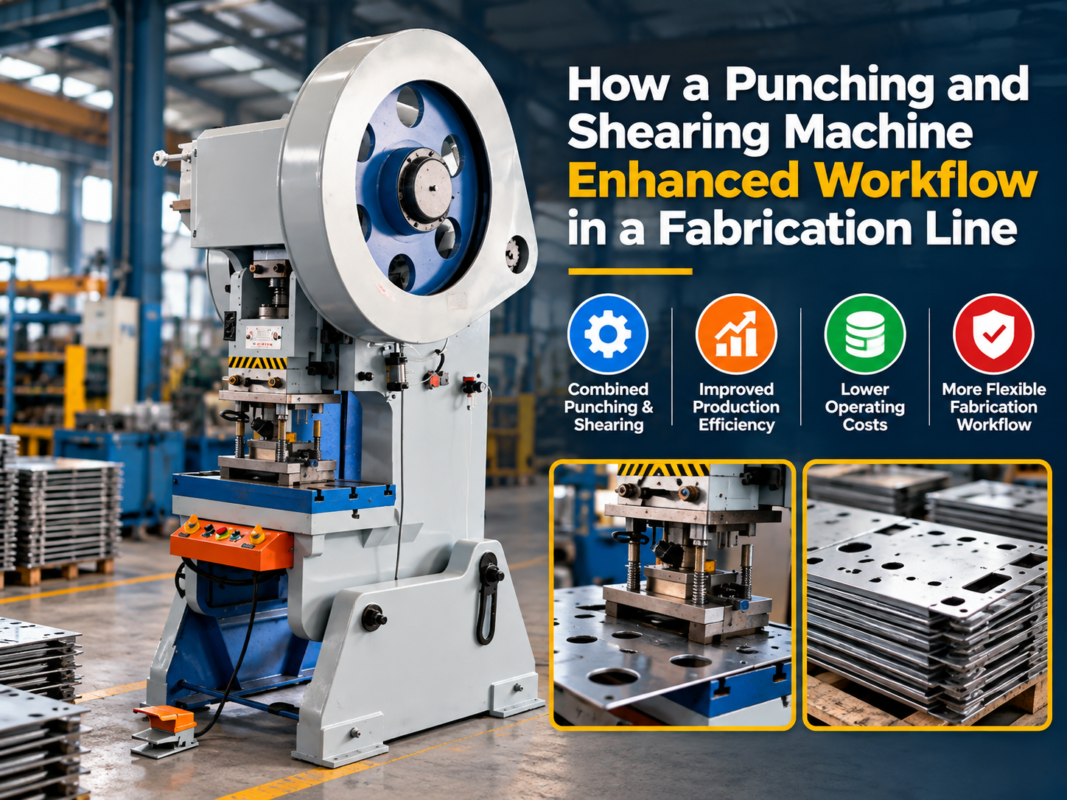
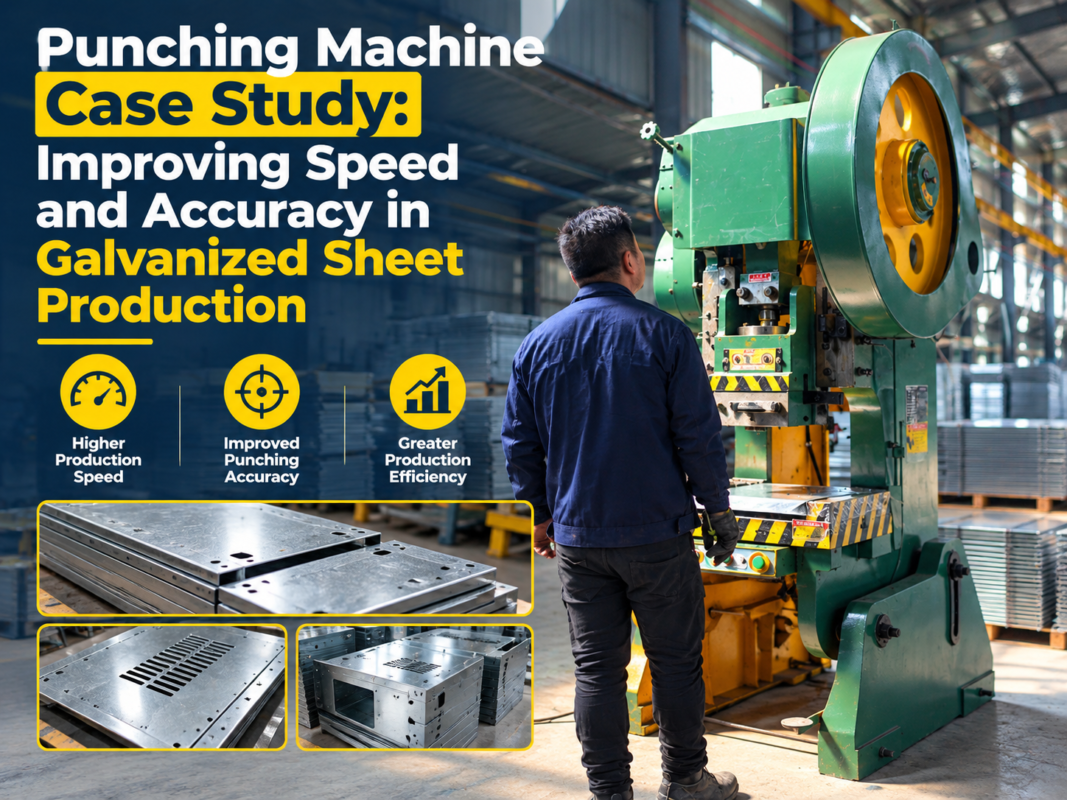
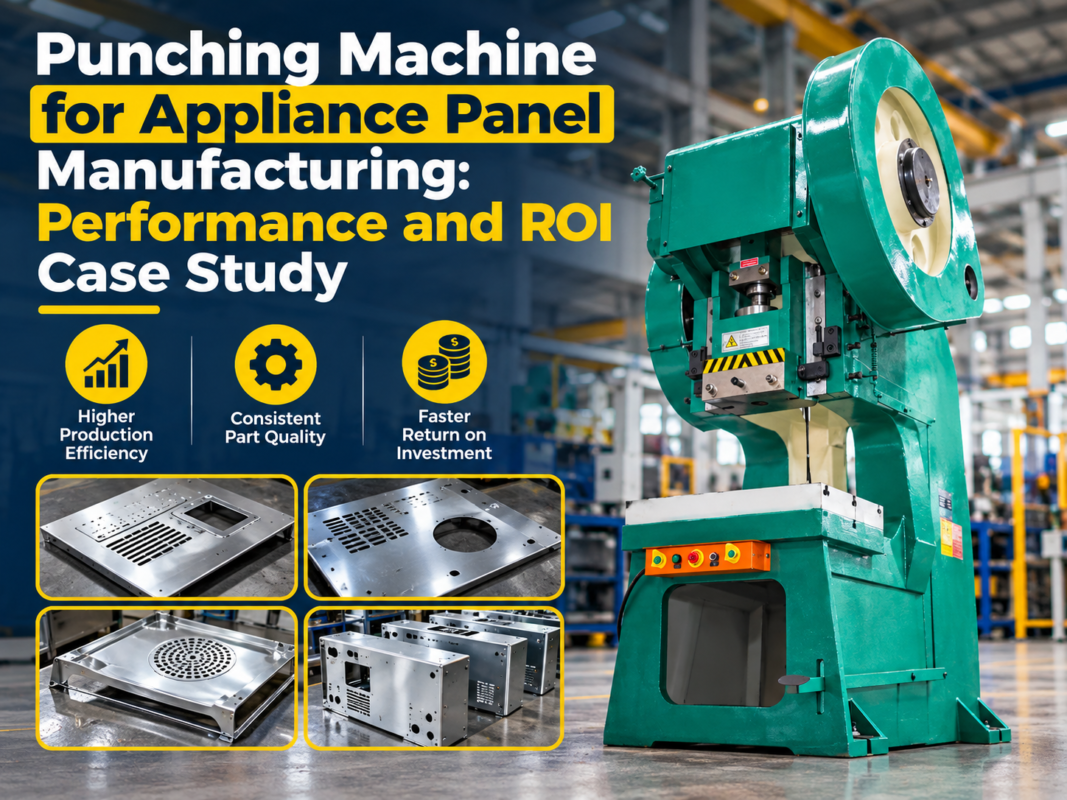
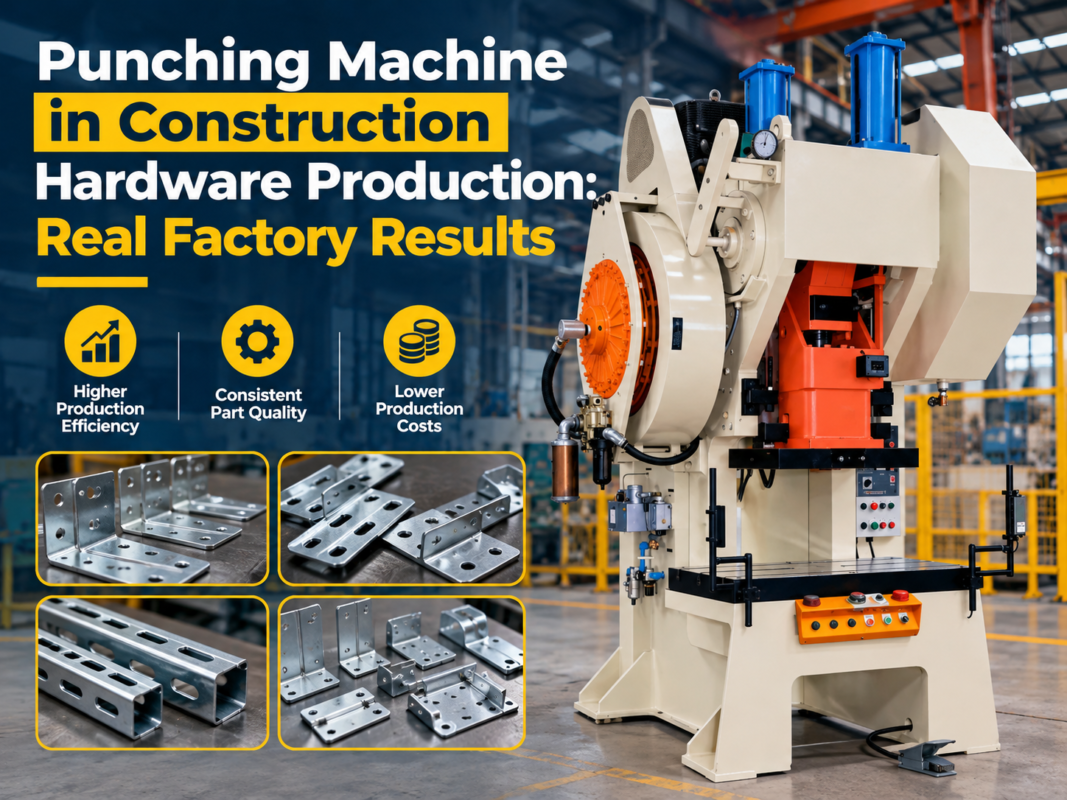
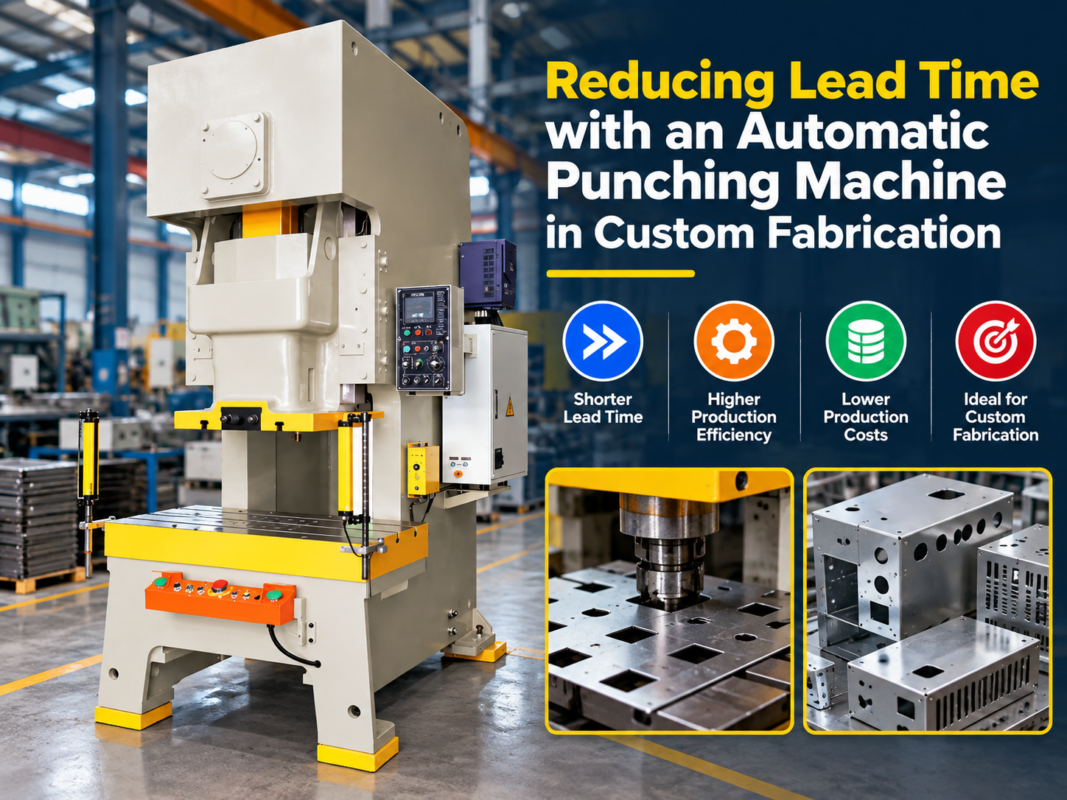
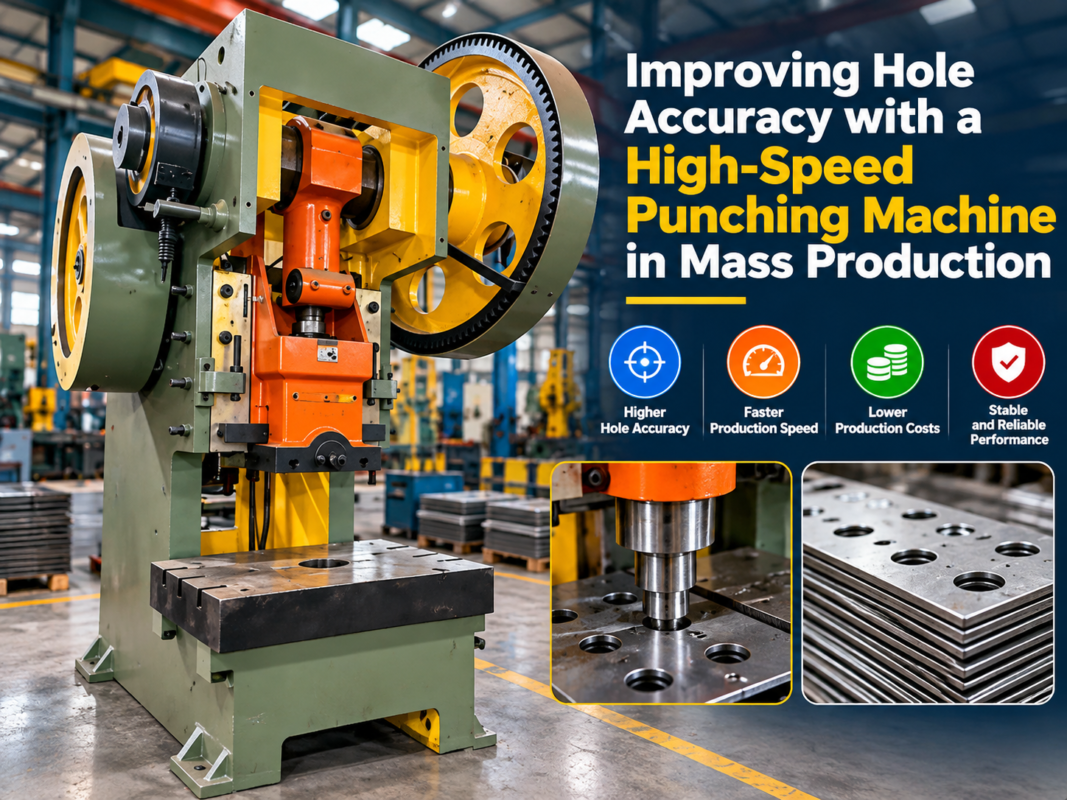
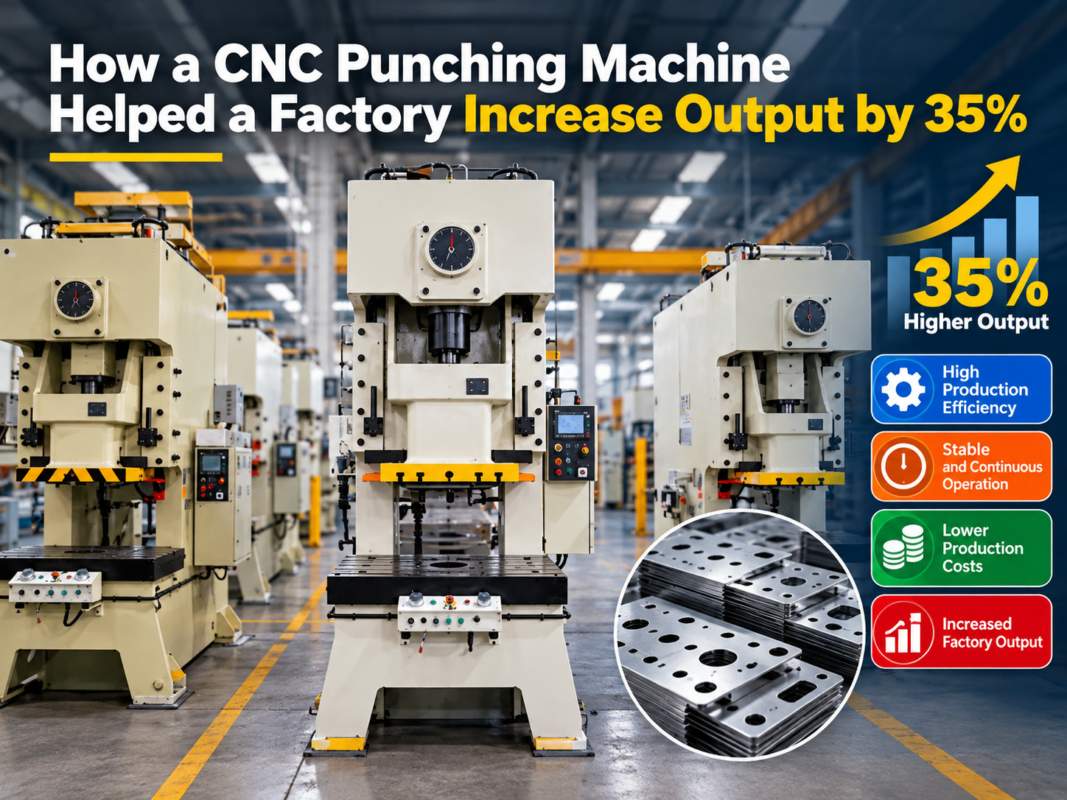
Understanding Punching Machine Capacity: Tonnage, Material Thickness, and Productivity


Technical Overview of Punching Machine Capacity
In the realm of metal fabrication, the punching machine stands as a cornerstone of efficiency, precision, and versatility. Understanding punching machine capacity: tonnage, material thickness, and productivity is not merely a technical requirement for engineers; it is a strategic necessity for business owners looking to optimize their production lines. At its core, punching capacity refers to the maximum force a machine can exert to shear through a specific material thickness and type. This force, measured in tons, dictates the limits of what a workshop can produce and how quickly it can do so.
Modern industrial punching machines, such as those engineered by HARSLE, utilize either mechanical flywheels or hydraulic systems to deliver the necessary energy. The physics of punching involves a punch (the male component) pressing into a workpiece supported by a die (the female component). As the punch descends, it creates a localized stress zone that exceeds the material’s ultimate shear strength, resulting in a clean fracture or ‘slug.’ The capacity of the machine must account for the resistance offered by the material, the friction of the process, and the structural integrity of the machine frame itself.
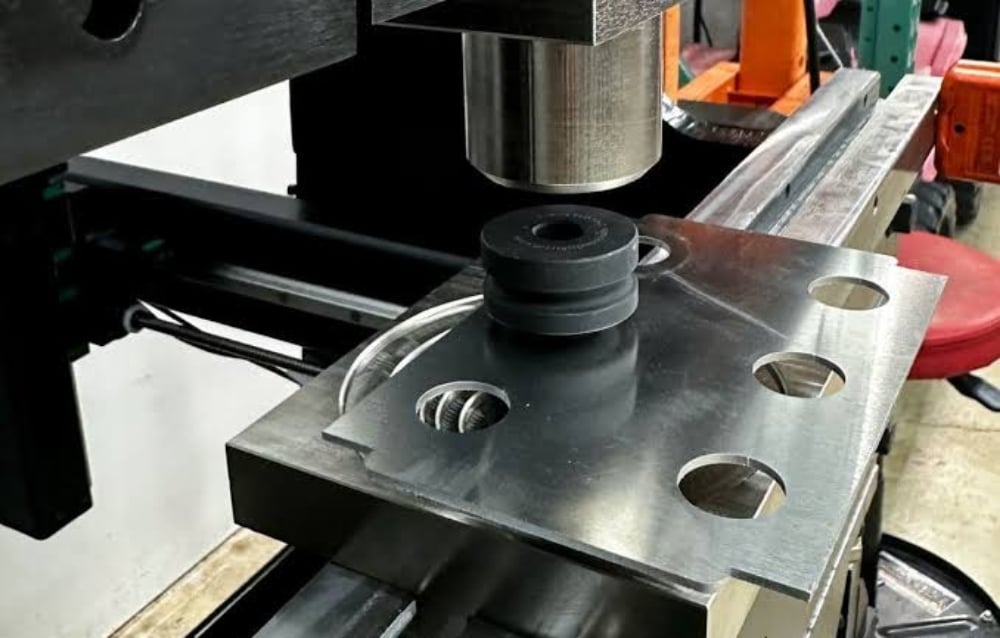
When we discuss capacity, we are looking at a multi-dimensional matrix. It is not just about the maximum thickness a machine can handle, but also the diameter of the hole, the speed of the stroke, and the durability of the tooling under high-stress conditions. A machine rated for 30 tons might punch a 20mm hole in 6mm mild steel with ease, but it would struggle or fail if asked to punch the same hole in 6mm stainless steel due to the latter’s higher shear strength. Therefore, a comprehensive understanding of these variables is essential for maintaining equipment longevity and ensuring operator safety.
Core Parameters: Tonnage, Throat Depth, and Stroke
To master the concept of punching machine capacity, one must first break down the core parameters that define a machine’s performance envelope. The most prominent of these is Tonnage. Tonnage represents the total pressing force available at the point of impact. In hydraulic machines, this is a result of fluid pressure acting on a cylinder area, whereas in mechanical machines, it is the kinetic energy stored in a rotating flywheel. HARSLE machines are designed to provide consistent tonnage throughout the stroke, ensuring that the material is sheared cleanly without excessive burring or tool wear.
Another critical parameter is Throat Depth. This is the distance from the center of the punch to the back of the machine frame. Throat depth determines the maximum width of the sheet metal that can be processed. For instance, a machine with a 500mm throat depth can process a sheet up to 1000mm wide if the sheet is flipped. Understanding throat depth is vital for productivity, as it dictates the nesting strategies and the number of setups required for large workpieces. A deeper throat allows for larger parts but requires a more robust frame to prevent ‘yawing’ or deflection under load.
Stroke Length and Speed also play a pivotal role in productivity. The stroke length is the total distance the punch travels from its highest point to its lowest. Adjustable stroke lengths are a hallmark of advanced HARSLE punching machines, allowing operators to minimize the travel distance for thinner materials, thereby increasing the number of hits per minute (HPM). Productivity is directly tied to HPM; however, high speeds must be balanced against the heat generated during the punching process, which can affect tool life and material properties.
Calculation Method: Determining Required Tonnage
Calculating the required tonnage for a specific job is the most important step in preventing machine overload. The standard formula for calculating punching force (P) is: P = L × T × τ / 1000. In this formula, ‘L’ represents the perimeter of the hole (in mm), ‘T’ is the material thickness (in mm), and ‘τ’ (tau) is the shear strength of the material (in N/mm²). The result is then converted into tons. For a circular hole, the perimeter is calculated as π × d (where d is the diameter).
Let’s look at a practical example. If you are punching a 50mm diameter hole in 5mm thick mild steel with a shear strength of 400 N/mm², the calculation would be: (3.14 × 50) × 5 × 400 = 314,000 Newtons. Converting this to metric tons (dividing by 9806.65), we get approximately 32 tons. This means a 30-ton machine would be operating at its absolute limit, which is not recommended for long-term use. HARSLE engineers typically suggest a safety margin of 20-30% to account for tool dulling and material variations.
It is also important to consider the impact of Shear Angles on the tooling. By grinding the face of the punch at an angle (roof shear or concave shear), the total force required at any single moment is reduced because the punch enters the material progressively rather than all at once. This can reduce the required tonnage by up to 50%, allowing a lower-capacity machine to handle thicker materials or larger diameters. However, this comes at the cost of potential part distortion, which must be managed through proper die selection.
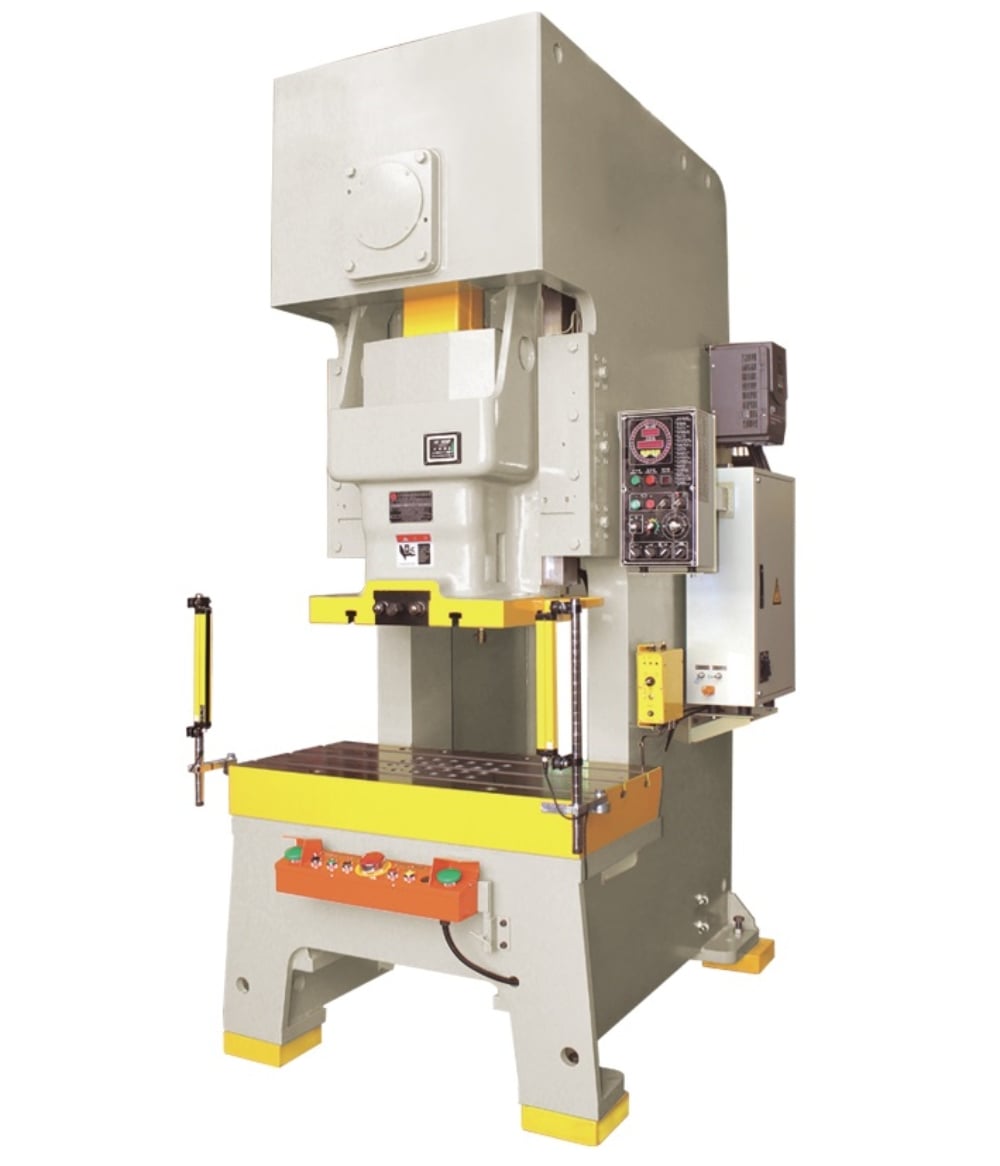
Parameter Table: Material vs. Tonnage Requirements
The following table provides a general reference for the tonnage required to punch a 10mm diameter hole in various materials and thicknesses. Note that these are estimates based on standard shear strengths (Mild Steel: 400 N/mm², Stainless Steel: 600 N/mm², Aluminum: 200 N/mm²).
| Material Thickness (mm) | Mild Steel (Tons) | Stainless Steel (Tons) | Aluminum (Tons) |
|---|---|---|---|
| 1.0 mm | 1.28 | 1.92 | 0.64 |
| 2.0 mm | 2.56 | 3.84 | 1.28 |
| 3.0 mm | 3.84 | 5.76 | 1.92 |
| 5.0 mm | 6.40 | 9.60 | 3.20 |
| 8.0 mm | 10.24 | 15.36 | 5.12 |
| 10.0 mm | 12.80 | 19.20 | 6.40 |
As seen in the table, stainless steel requires significantly more force than mild steel or aluminum. This is due to its higher carbon content and work-hardening properties. When selecting a HARSLE punching machine, always consider the toughest material you plan to process. If your production involves a mix of materials, sizing the machine for the highest required tonnage ensures versatility across your entire product range.
Common Engineering Mistakes in Punching Operations
One of the most frequent mistakes in metal punching is Incorrect Die Clearance. Die clearance is the space between the punch and the die. If the clearance is too small, it increases the required tonnage and causes excessive wear on the tools. If it is too large, it results in large burrs and a poor-quality finish. Generally, die clearance should be 10% to 15% of the material thickness. Ignoring this rule not only reduces productivity but can also lead to catastrophic tool failure and machine frame stress.
Another common error is Neglecting Tool Maintenance. A dull punch requires significantly more force to penetrate the material than a sharp one. As the edge rounds off, the machine must work harder, which generates heat and can lead to the material welding itself to the punch (galling). Regular sharpening and lubrication are essential. HARSLE machines often feature integrated lubrication systems, but manual inspection remains a critical part of the workflow to ensure that the capacity is not being wasted on overcoming friction from dull tools.
Finally, many operators fail to account for Material Hardness Variations. Not all “mild steel” is created equal. Variations in the manufacturing process of the raw material can lead to “hard spots” or higher-than-expected tensile strengths. If a machine is consistently run at 95% of its rated capacity, these variations can easily push it into an overload condition. This leads to hydraulic seal leaks, frame fatigue, and electrical component strain. Always leave a buffer to ensure the machine operates within its “sweet spot” for maximum longevity.
Selection Checklist for HARSLE Punching Machines
Choosing the right punching machine involves more than just looking at the tonnage. Use this checklist to ensure you are selecting a machine that matches your productivity goals:
- Maximum Material Thickness: What is the thickest plate you will punch? Ensure the machine tonnage exceeds the calculation for this thickness by at least 20%.
- Hole Diameter vs. Thickness: Remember the 1:1 rule. The hole diameter should generally not be less than the material thickness to prevent punch breakage.
- Workpiece Dimensions: Does the throat depth accommodate your largest sheets? Consider if you need a CNC turret punch for complex patterns or a single-station machine for heavy plates.
- Production Volume: For high-volume runs, look for machines with high HPM (Hits Per Minute) and automated loading/unloading capabilities.
- Tooling Compatibility: Does the machine use standard thick-turret or thin-turret tooling? Standardized tooling reduces long-term operational costs.
- Control Systems: Does the CNC interface support the file types your design team uses (e.g., DXF, DWG)? HARSLE machines feature intuitive controllers that simplify complex nesting.
- Future Proofing: Will your needs change in 2-3 years? It is often more cost-effective to buy a slightly higher capacity machine now than to replace a machine that has become obsolete due to growing production demands.
Frequently Asked Questions (FAQ)
1. How does material type affect punching machine capacity?
Material type is a primary factor because different metals have different shear strengths. Stainless steel, for example, is much harder than aluminum and requires about 50% more tonnage to punch the same hole. The machine’s capacity is effectively “lower” when working with harder materials, meaning you can punch thinner sheets or smaller holes compared to mild steel.
2. Can I punch a hole smaller than the material thickness?
While it is technically possible with specialized heavy-duty punches and slow speeds, the general rule of thumb is that the hole diameter should be at least equal to the material thickness (1:1 ratio). Punching holes smaller than the thickness puts immense compressive stress on the punch, leading to frequent breakage and potential damage to the machine’s ram.
3. What is the difference between hydraulic and mechanical punching machines?
Hydraulic machines offer full tonnage throughout the entire stroke and are generally better for thick materials and deep drawing. Mechanical machines are typically faster and better suited for high-speed, thin-sheet applications where the hit rate is the priority. HARSLE offers both types to cater to different industrial needs.
4. How often should I sharpen my punching tools?
Tool sharpening frequency depends on the material being punched and the number of hits. A good indicator is the quality of the slug and the presence of burrs on the workpiece. If you notice an increase in noise during the punch or a visible decrease in edge quality, it is time to sharpen. Regular maintenance prevents the machine from having to use excess tonnage to compensate for dull tools.
5. How does CNC technology improve punching productivity?
CNC (Computer Numerical Control) allows for automated positioning of the sheet, optimized nesting to reduce waste, and the ability to perform complex patterns without manual layout. This significantly reduces setup time and human error, allowing the machine to operate at its maximum theoretical productivity rate.
6. What safety features should I look for in a high-capacity punching machine?
Safety is paramount. Look for machines with light curtains, emergency stop buttons, and overload protection valves (in hydraulic models). HARSLE machines are equipped with advanced sensors that can detect an overload condition and stop the cycle instantly to prevent structural damage or operator injury.