How to Maintain a Punching Machine for Consistent Production Quality: The Ultimate Guide


Introduction to Punching Machine Longevity and Precision
In the competitive world of metal fabrication, the ability to deliver high-quality parts consistently is what separates industry leaders from the rest. At the heart of many fabrication shops is the punching machine—a versatile workhorse capable of creating complex holes, notches, and forms in sheet metal with incredible speed. However, the high-speed, high-force nature of these machines means they are subject to significant wear and tear. To maintain a punching machine for consistent production quality, a proactive and comprehensive maintenance strategy is not just a recommendation; it is a necessity.
HARSLE understands that downtime is the enemy of profitability. When a punching machine loses its alignment or a tool becomes dull, the resulting burrs, dimensional inaccuracies, and material waste can quickly erode your margins. This guide is designed to provide shop managers and operators with a deep dive into the technical requirements of punching machine upkeep. By following these protocols, you ensure that every stroke of the ram produces a part that meets the strictest tolerances, while simultaneously extending the operational lifespan of your investment.
The Critical Importance of Maintenance for Production Quality
Why is maintenance so intrinsically linked to quality? In a punching machine, precision is a product of the relationship between the ram, the tool, and the workpiece. Even a microscopic shift in the alignment of the turret or the die holder can lead to uneven clearance. When clearance is uneven, the shearing action of the punch is compromised, leading to excessive burrs, fractured edges, and increased stress on the machine’s frame. Regular maintenance ensures that these mechanical relationships remain within factory specifications.
Furthermore, consistent production quality relies on the repeatability of the machine’s movements. If the hydraulic system is sluggish due to old oil or the electrical sensors are failing due to dust accumulation, the timing of the punch cycle can vary. This inconsistency often manifests as positional errors or depth variations in forming operations. By prioritizing maintenance, you are essentially protecting the ‘accuracy DNA’ of your equipment. A well-maintained machine performs the same way on Monday morning as it does on Friday afternoon, regardless of the production volume.
Finally, there is the aspect of tool life. Punching tools are expensive consumables. A machine that is out of alignment or poorly lubricated will destroy tools at an accelerated rate. Maintaining the machine environment protects your tooling investment, ensuring that the punches stay sharp longer and produce cleaner cuts. This reduction in tool replacement costs, combined with the avoidance of scrapped parts, provides a massive return on investment for the time spent on maintenance tasks.
Daily Inspection: The First Line of Defense
The daily inspection is perhaps the most vital part of any maintenance program. It allows operators to catch minor issues before they escalate into catastrophic failures. Before the first shift begins, a visual sweep of the machine should be conducted. This includes checking for any loose bolts, oil leaks on the floor, or debris that may have accumulated in the work area. A clean machine is easier to inspect; if the bed is covered in slugs and oil, it is nearly impossible to spot a hairline crack or a leaking seal.
Operators should specifically focus on the tooling and the turret area. Check that the punches and dies are securely seated and that there are no visible chips on the cutting edges. Slugs (the waste material from the punch) should be cleared from the discharge chutes. If slugs back up into the die, they can cause ‘slug pulling’ or even break the punch on the next stroke. Ensuring the slug vacuum or discharge system is functioning correctly is a critical daily task for maintaining part quality.
Another key daily check involves the pneumatic system. Many punching machines use air pressure for tool clamping or sheet positioning. Check the air pressure gauges to ensure they are within the required range (typically 0.5 to 0.7 MPa). Drain any moisture from the air filters or water separators. Moisture in the pneumatic lines can lead to corrosion in the solenoid valves, causing sluggish response times and inconsistent clamping force, which directly impacts the accuracy of the punched holes.
Hydraulic System Maintenance: The Power Behind the Punch
For hydraulic punching machines, the hydraulic system is the lifeblood of the operation. To maintain a punching machine for consistent production quality, you must ensure the hydraulic fluid is clean, cool, and at the correct level. Over time, hydraulic oil breaks down due to heat and pressure, losing its viscosity and lubricating properties. Contaminants such as fine metal dust can also enter the system, acting as an abrasive that wears down the internal components of pumps and valves.
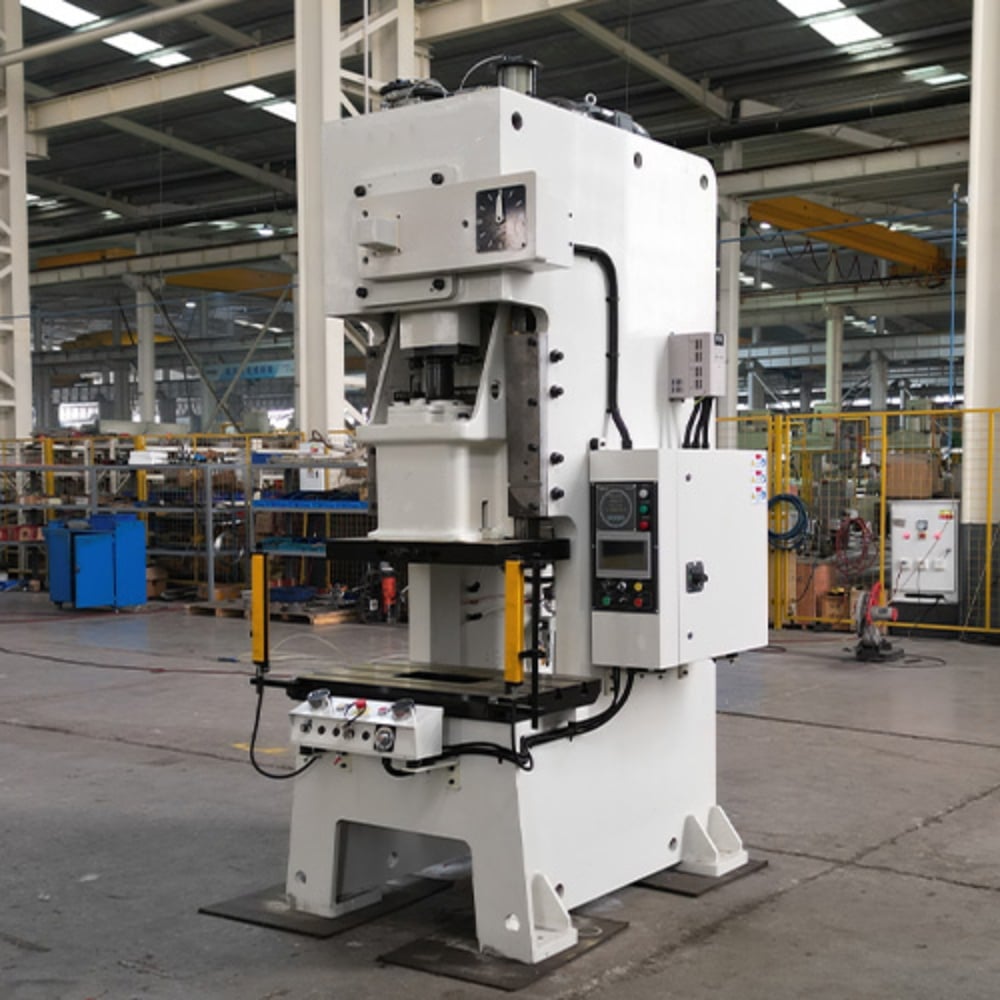
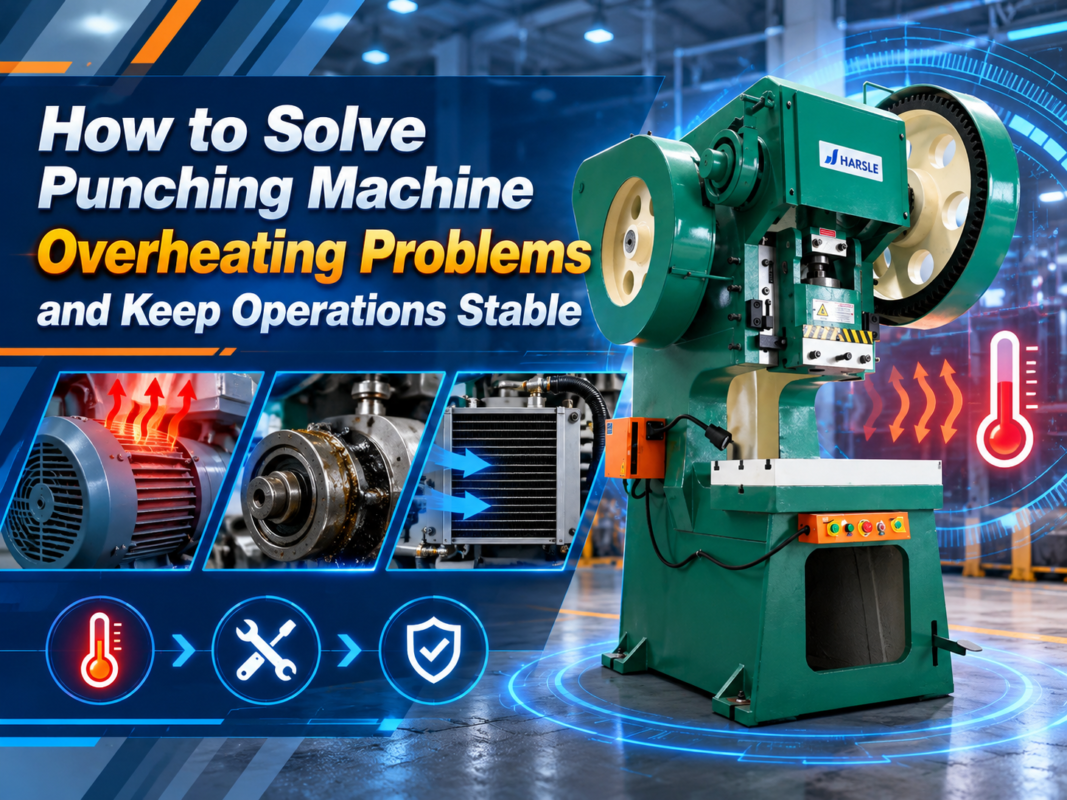
Oil temperature management is crucial. Most machines are designed to operate with oil temperatures between 30°C and 50°C. If the oil gets too hot, it becomes thin, leading to internal leakage in the valves and a loss of punching force. This can result in incomplete punches or variations in forming depth. Ensure that the cooling fans or heat exchangers are clean and functioning. If your machine uses a water-cooled system, check the flow rate and ensure there are no mineral deposits blocking the heat exchanger tubes.
Filter replacement is another non-negotiable task. Most modern punching machines feature pressure filters and return-line filters. These should be changed according to the manufacturer’s schedule or whenever the ‘filter clogged’ indicator light activates. Never bypass a filter. A small piece of debris entering a high-precision servo valve can cause the machine to lock up or behave erratically, leading to dangerous situations and ruined workpieces. Always use the specific grade of hydraulic oil recommended by HARSLE to ensure compatibility with seals and valves.
Electrical and Control System Care
The electrical system is the brain of the punching machine. In a CNC environment, the control system manages thousands of data points per minute to coordinate the movement of the X and Y axes with the stroke of the ram. Dust, vibration, and heat are the primary enemies of electrical components. The electrical cabinet should be kept closed at all times, and the cooling fans or air conditioners for the cabinet must be checked weekly to prevent the PLC and motor drives from overheating.
Periodically, a qualified technician should inspect the wiring for any signs of fraying or loose connections. Vibration from the punching process can gradually loosen terminal screws, leading to intermittent signals or ‘ghost’ alarms that are difficult to diagnose. Pay special attention to the cables in the energy chains (drag chains). These cables are constantly flexing; if the outer jacket is worn, it can lead to short circuits or signal interference, which compromises the positioning accuracy of the sheet metal.
Sensors and limit switches also require attention. These components tell the machine where the sheet is and when the ram has reached its proper depth. If a sensor is coated in oil and metal dust, it may fail to trigger or provide an inaccurate reading. Clean the sensors with a dry cloth and ensure they are securely mounted. Calibrating the axes periodically is also recommended to ensure that the software’s ‘zero point’ matches the machine’s physical reality, maintaining the tight tolerances required for high-quality production.
Mechanical Components and Tooling Precision
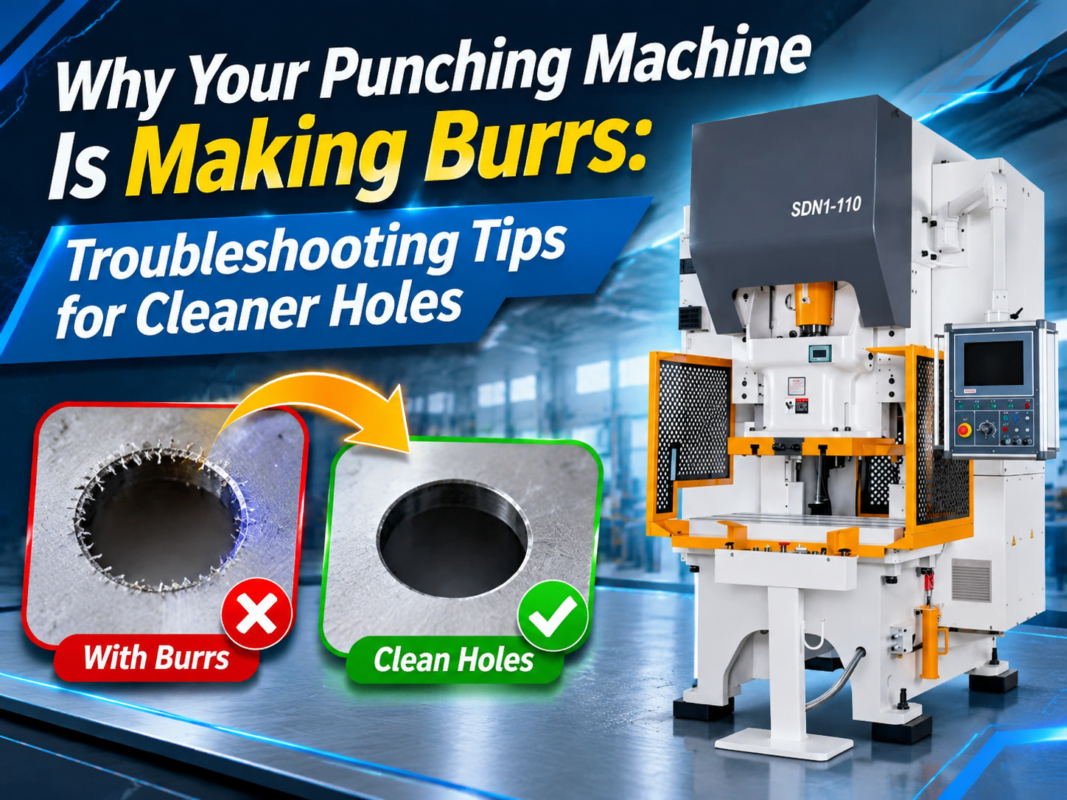
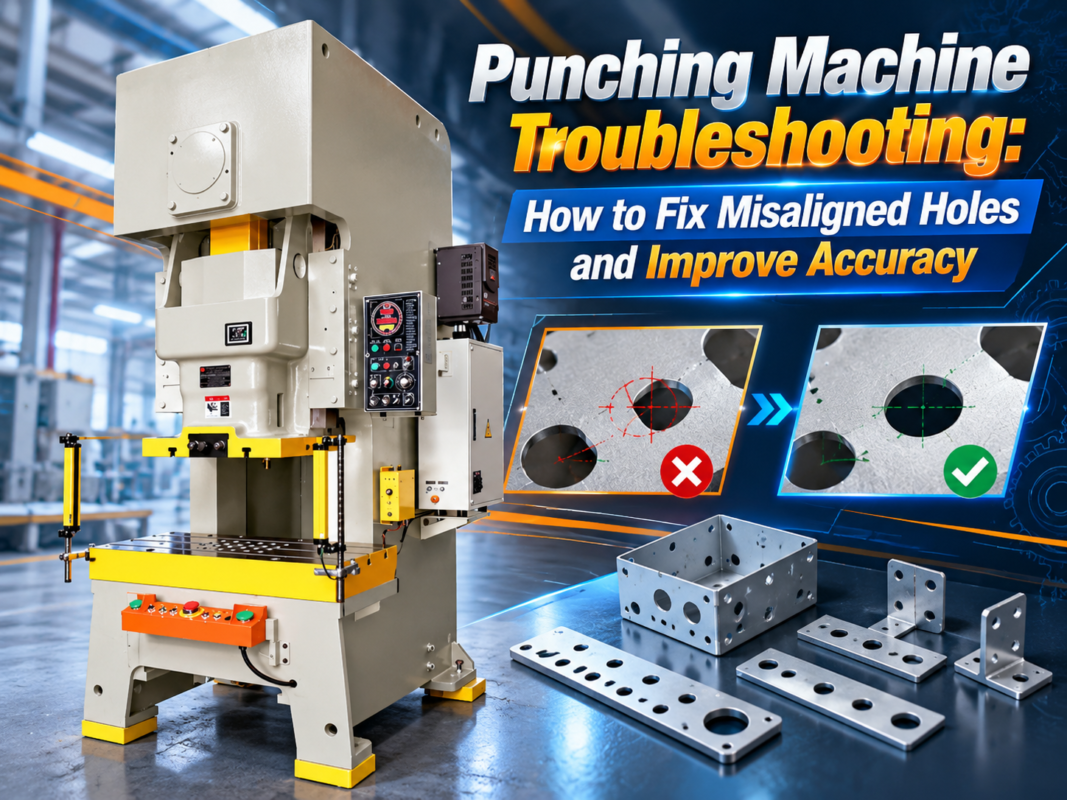
The mechanical integrity of the frame, the ram, and the drive system determines the machine’s ability to handle high tonnage without deflection. One of the most important mechanical checks is the alignment between the punch and the die. Over time, the turret or the tool holders can shift slightly. Using an alignment tool to verify that the punch enters the die perfectly centered is essential. Even a slight misalignment increases the wear on one side of the tool and produces a ‘heavy burr’ on the workpiece.
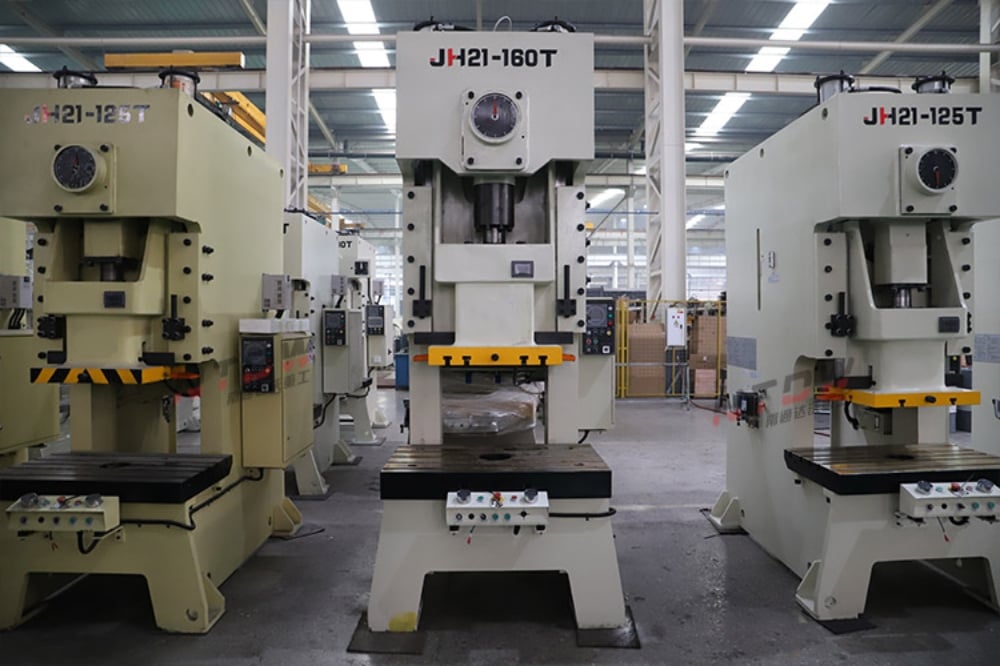
The drive mechanism—whether it is a mechanical flywheel, a toggle link, or a direct-drive servo—requires regular inspection. For mechanical presses, the clutch and brake system must be checked for wear. If the brake is slipping, the ram may not stop at the top of its stroke (TDC), which is a major safety hazard and can lead to double-hitting the material. For CNC machines, check the ball screws and linear guides for the X and Y axes. Any ‘play’ or backlash in these components will result in holes being punched in the wrong location.
Tooling maintenance is a sub-discipline of its own. To maintain a punching machine for consistent production quality, you must implement a tool sharpening program. A dull punch requires more force to penetrate the material, which stresses the machine and creates poor-quality edges. Use a surface grinder to sharpen tools frequently, taking off small amounts (0.05mm to 0.1mm) rather than waiting for the tool to become severely rounded. After sharpening, always demagnetize the tools to prevent slugs from sticking to the punch face.
Comprehensive Lubrication Plan
Lubrication is the simplest yet most frequently overlooked aspect of machine maintenance. A punching machine has dozens of moving parts that rub against each other under extreme pressure. Without a consistent film of lubricant, these parts will experience galling, heat buildup, and eventual seizure. Most modern machines feature an automatic lubrication system that delivers oil or grease to the linear guides, ball screws, and ram bushings at set intervals.
However, an automatic system is only effective if the reservoir is full and the lines are clear. Operators should check the lubricant levels daily. It is also important to verify that the lubricant is actually reaching its destination. Look for a fresh film of grease on the rails. If a line is blocked, that specific component will wear out rapidly while the rest of the machine appears fine. For manual lubrication points, such as certain turret bearings or hinge pins, follow the manufacturer’s interval—usually every 40 to 80 hours of operation.
The type of lubricant matters. Use only the lubricants specified in the HARSLE manual. Using a heavy grease where a light oil is required can gum up the works, while using a light oil where high-pressure grease is needed will lead to metal-to-metal contact. In addition to the machine itself, the workpiece material often requires lubrication. Using a light mist of ‘vanishing oil’ on the sheet metal can significantly reduce friction between the punch and the material, leading to cleaner holes and longer tool life.
Troubleshooting Signals: Listening to Your Machine
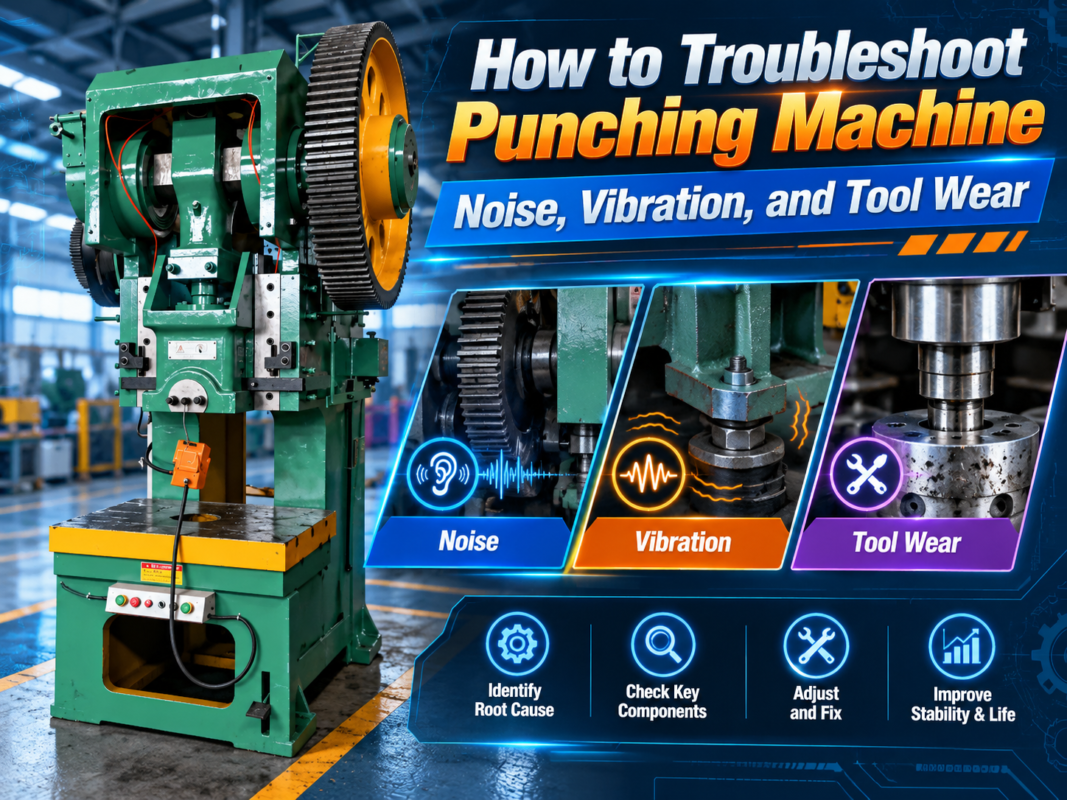
Experienced operators can often ‘hear’ when a machine is beginning to fail. To maintain a punching machine for consistent production quality, you must be sensitive to changes in the machine’s behavior. A change in the sound of the punch—from a crisp ‘crack’ to a dull ‘thud’—usually indicates that the tooling is dull or the material thickness has changed. High-pitched squealing often points to a lack of lubrication or a failing bearing in the motor or flywheel.
Vibration is another key indicator. While punching naturally creates vibration, an increase in the intensity or a change in the vibration pattern can suggest loose mounting bolts or an unbalanced flywheel. If the machine starts to ‘walk’ or move on its foundation, stop operation immediately. Excessive vibration not only ruins part accuracy but can also cause fatigue cracks in the machine frame over time.
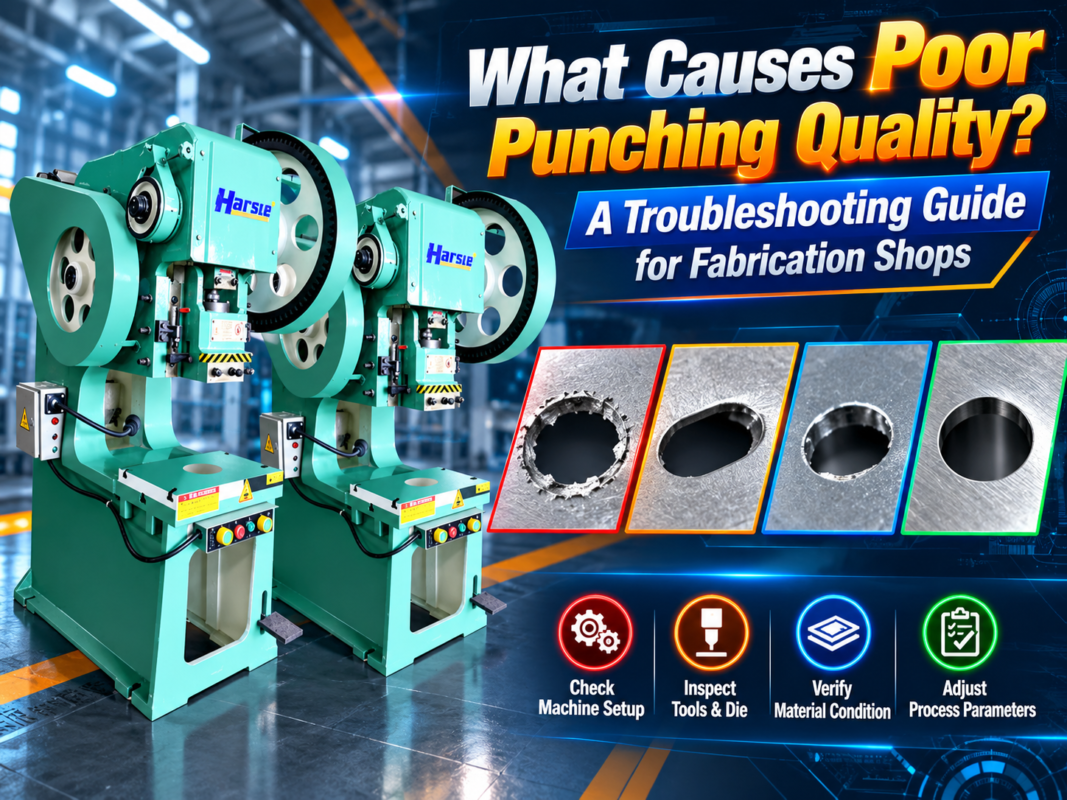
Monitor the quality of the output as a diagnostic tool. If you notice that the burr height is increasing on one side of the hole but not the other, your turret alignment is likely off. If the holes are becoming slightly oval, there may be play in the X or Y axis ball screws. By treating the finished parts as a report card for the machine’s health, you can identify and fix mechanical issues long before they cause a total breakdown.
Maintenance Schedule Table
| Frequency | Component | Action Required |
|---|---|---|
| Daily | Work Area & Bed | Clean debris, slugs, and excess oil. |
| Daily | Pneumatic System | Check air pressure and drain water separators. |
| Daily | Hydraulic System | Check oil level and monitor operating temperature. |
| Daily | Tooling | Inspect for chips, wear, and proper lubrication. |
| Weekly | Filters | Inspect hydraulic and electrical cabinet filters. |
| Weekly | Auto-Lube System | Verify reservoir level and check lines for blockages. |
| Monthly | Mechanical Fasteners | Check and tighten all external bolts and clamps. |
| Monthly | X/Y Axes | Clean and grease ball screws and linear guides. |
| Quarterly | Electrical System | Inspect wiring, tighten terminals, and clean sensors. |
| Bi-Annually | Hydraulic Oil | Perform oil analysis; replace if contaminated. |
| Annually | Machine Alignment | Full professional calibration of turret and axes. |
Frequently Asked Questions (FAQ)
1. How often should I sharpen my punching tools?
Tool sharpening frequency depends on the material type, thickness, and the number of hits. As a general rule, tools should be inspected every 10,000 to 50,000 hits. If you notice a burr height exceeding 10% of the material thickness, it is time to sharpen. Consistent, light sharpening is better than infrequent, heavy grinding.
2. What is the main cause of ‘slug pulling’ and how can I prevent it?
Slug pulling occurs when the waste material sticks to the punch and is pulled back up out of the die. This is often caused by a lack of lubrication, magnetized tools, or improper die clearance. To prevent it, use ‘slug-hugger’ dies, ensure tools are demagnetized, and use a consistent spray of lubricant on the workpiece.
3. Can I use any hydraulic oil in my HARSLE punching machine?
No. You must use the specific ISO viscosity grade (usually HM 32 or HM 46) recommended in your manual. Using the wrong oil can damage the high-precision valves and reduce the efficiency of the hydraulic system, leading to inconsistent punching speeds.
4. Why is my machine punching holes in the wrong location?
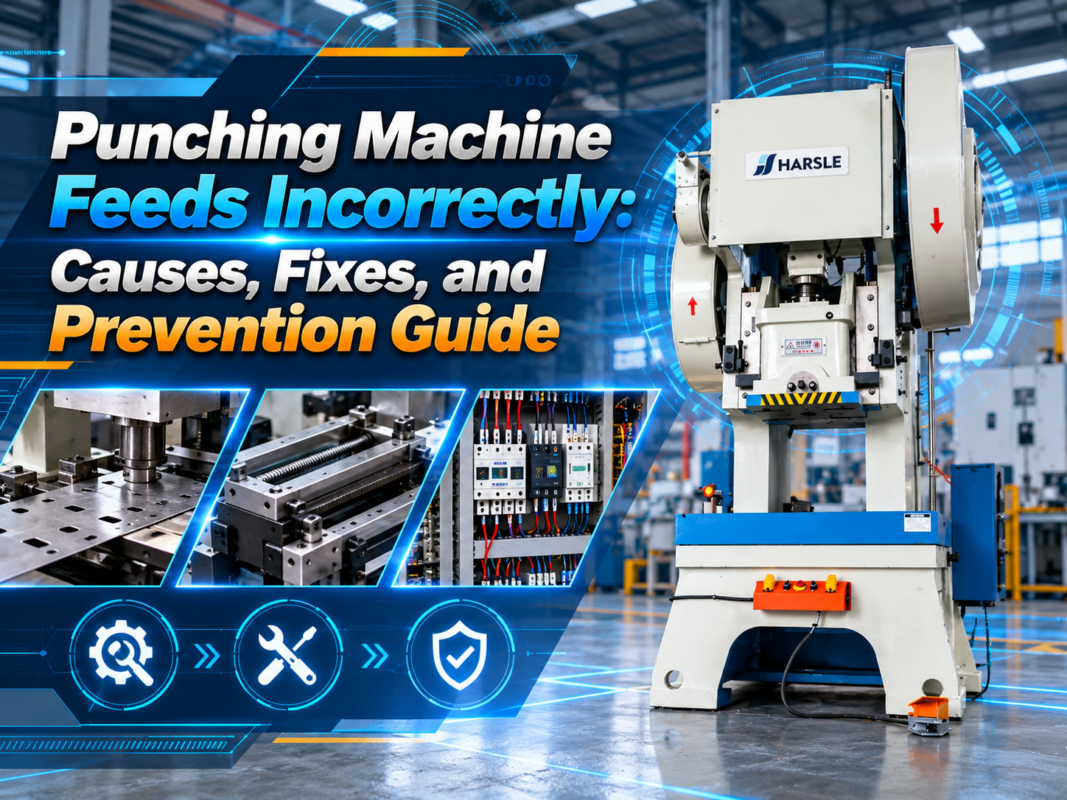
Positional errors are usually caused by issues in the drive system. Check for loose couplings between the motors and ball screws, wear in the ball screw nut, or dirt on the linear encoders. It could also be a result of the sheet metal slipping in the work clamps; ensure the clamping pressure is adequate.
5. How do I know if my turret is out of alignment?
The most common sign is uneven wear on your punches and dies. If one side of the punch is always duller than the other, or if the burr on your parts is only on one side of the hole, your turret likely needs a professional alignment check using a centering tool.
Conclusion: The Path to Manufacturing Excellence
To maintain a punching machine for consistent production quality is to commit to a culture of excellence on the shop floor. It requires a partnership between operators, maintenance staff, and management. While it may seem like a significant investment of time, the costs of neglect—broken tools, scrapped material, and lost customers—are far higher. By implementing the daily, weekly, and monthly checks outlined in this guide, you ensure that your HARSLE punching machine remains a reliable asset for years to come.
Remember that maintenance is not just about fixing what is broken; it is about preserving the precision that was engineered into the machine at the factory. A clean, well-lubricated, and perfectly aligned machine is a joy to operate and a powerhouse for production. Stay proactive, keep detailed maintenance logs, and never settle for ‘good enough’ when it comes to the health of your equipment. Your commitment to maintenance will be reflected in every high-quality part that leaves your facility.