Mechanical Punching Machine Maintenance Best Practices for Reliable Performance


Introduction to Mechanical Punching Machine Maintenance
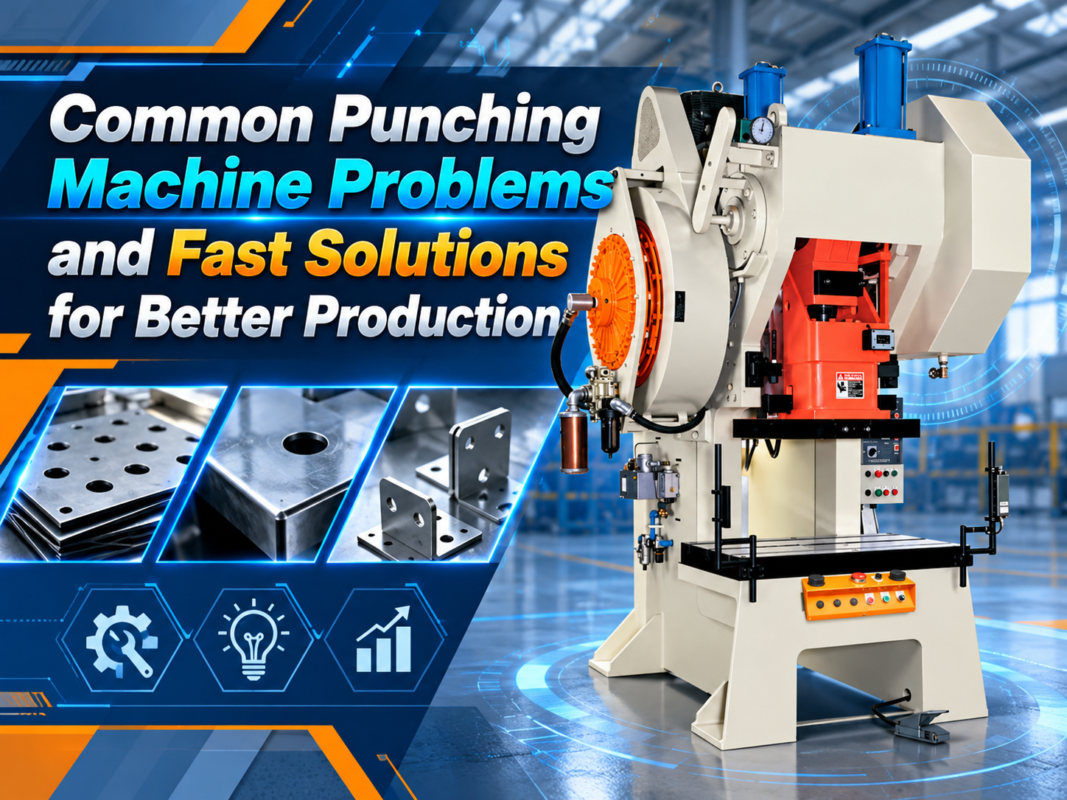
In the high-stakes world of metal fabrication, the mechanical punching machine stands as a cornerstone of productivity. Whether you are producing automotive components, electrical enclosures, or intricate hardware, the reliability of your press directly dictates your bottom line. However, the sheer force and repetitive nature of mechanical punching mean that these machines are subject to immense stress. Implementing mechanical punching machine maintenance best practices for reliable performance is not merely a recommendation; it is a necessity for any facility aiming to minimize downtime and maximize equipment lifespan.
HARSLE understands that a well-maintained machine is a profitable one. Mechanical presses rely on a complex interplay of flywheels, crankshafts, clutches, and precision tooling. Even a minor misalignment or a lack of lubrication can lead to catastrophic failure, resulting in expensive repairs and halted production lines. This comprehensive guide explores the systematic approach required to keep your punching machines operating at peak efficiency, ensuring that every stroke is as precise as the first.
The Critical Importance of Preventative Maintenance
The philosophy of maintenance has evolved from reactive—fixing things when they break—to proactive and preventative. For mechanical punching machines, preventative maintenance is the practice of regularly scheduled inspections and servicing designed to detect and correct potential problems before they lead to failure. The primary goal is to ensure reliable performance through consistent care.
One of the most significant benefits of a rigorous maintenance program is the extension of the machine’s service life. Mechanical presses are significant capital investments. By adhering to mechanical punching machine maintenance best practices for reliable performance, you protect that investment. Furthermore, a well-maintained machine produces higher quality parts. When gibs are properly adjusted and the clutch is responsive, the accuracy of the punch is maintained, reducing scrap rates and secondary finishing costs.
Safety is another paramount concern. A mechanical press that is poorly maintained poses a significant risk to operators. Worn brakes can lead to ‘unintended strokes,’ while loose bolts can result in structural failures. A disciplined maintenance routine ensures that all safety interlocks, light curtains, and emergency stop systems are functioning correctly, fostering a safer working environment for your team.
Daily Inspection: The First Line of Defense
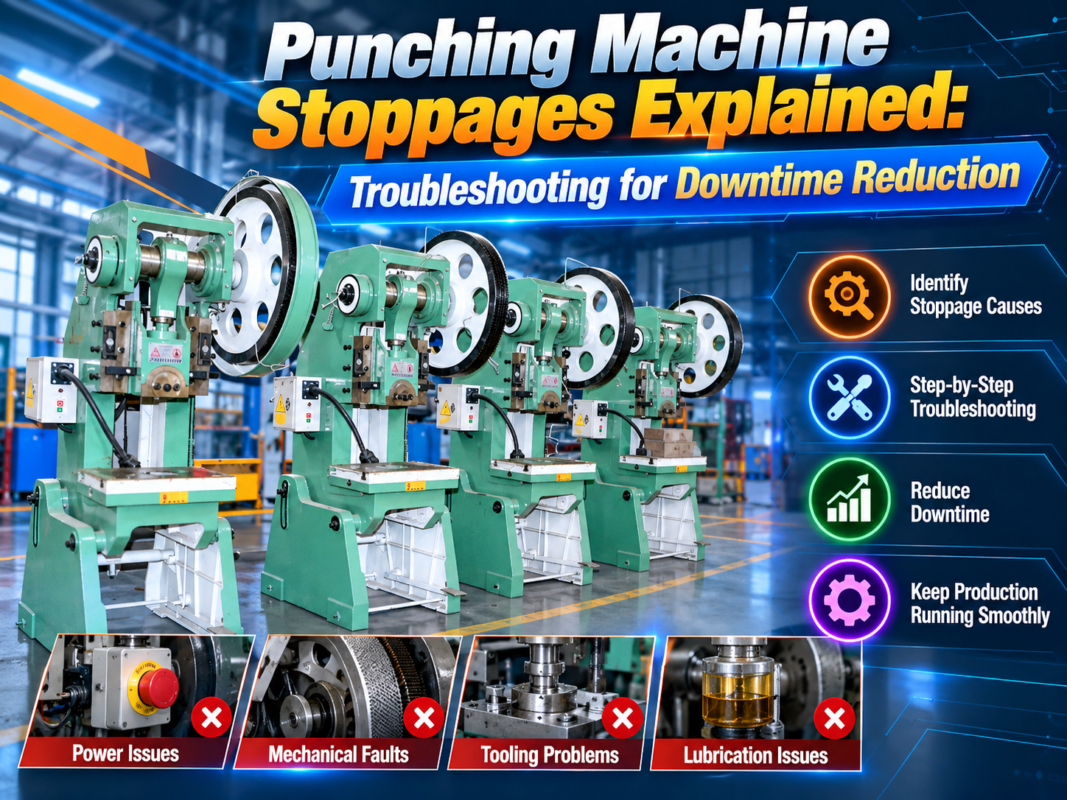
Every shift should begin with a thorough daily inspection. This routine allows operators to catch visible issues before they escalate. Start with a visual sweep of the machine. Look for any signs of oil leaks, loose fasteners, or debris in the working area. A clean machine is easier to inspect and less prone to contamination-related failures.
Check the pneumatic system’s air pressure. Most mechanical punching machines utilize air-actuated clutches and brakes; if the pressure is too low, the clutch may slip, causing excessive wear and heat. Conversely, excessive pressure can damage seals. Listen for unusual sounds during the initial startup. Grinding, squealing, or heavy thumping often indicates a lack of lubrication or a failing bearing. If the machine sounds ‘different’ than it did the day before, it warrants immediate investigation.
Mechanical, Electrical, and Hydraulic System Checks
Mechanical Component Integrity
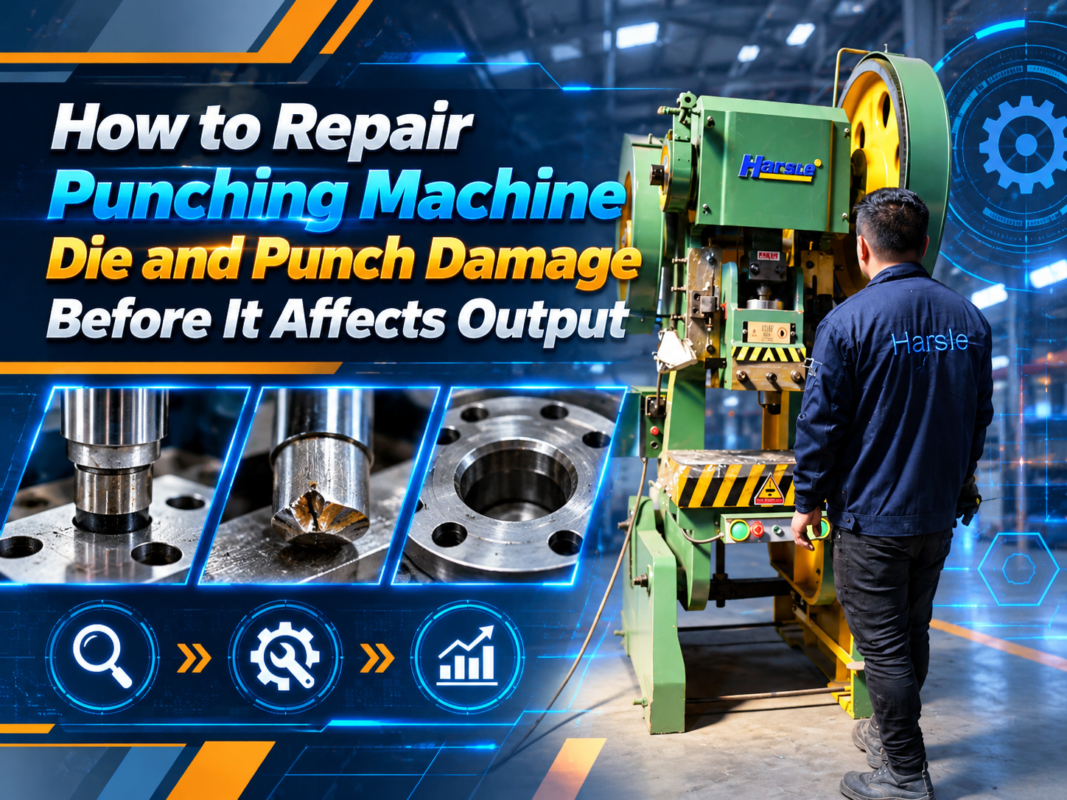
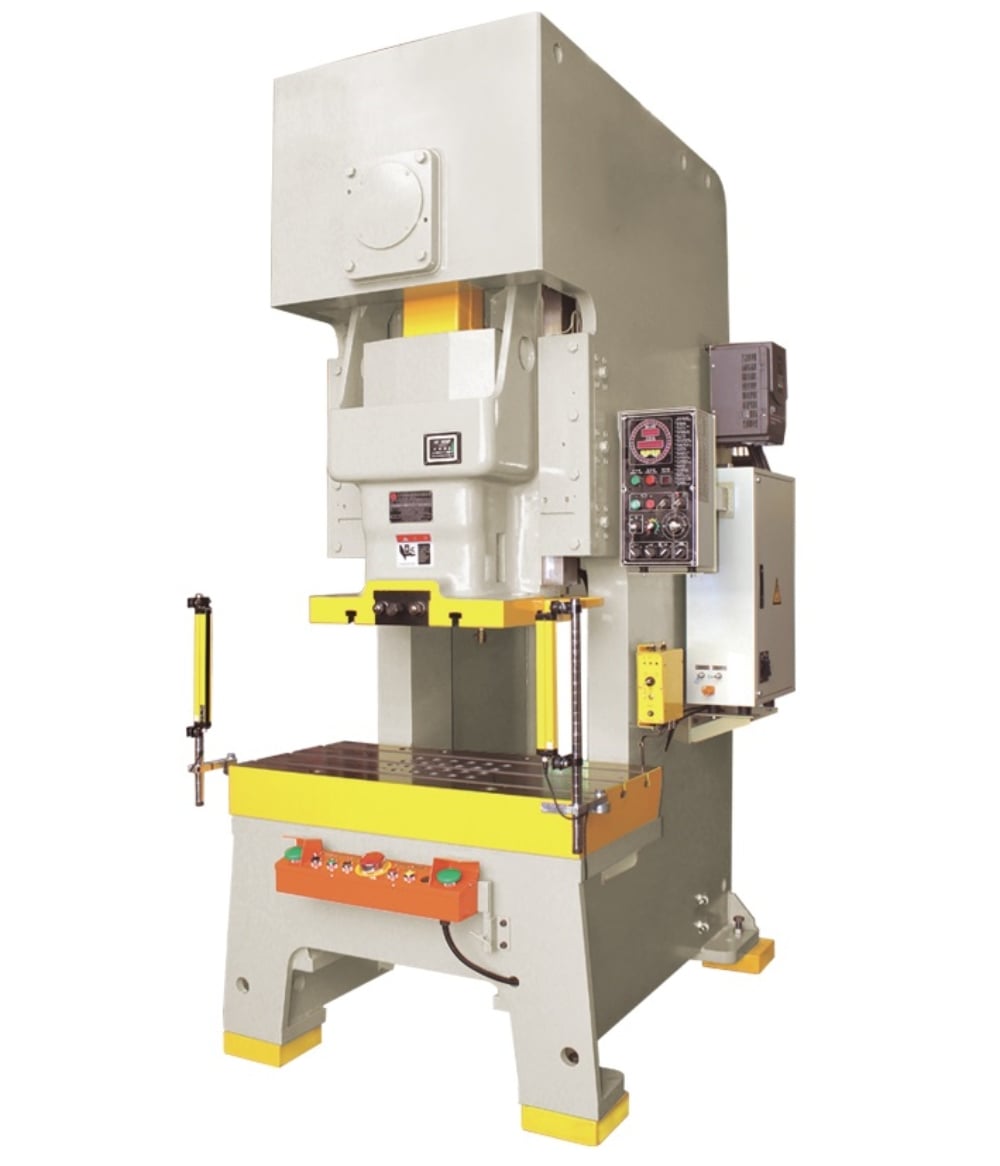
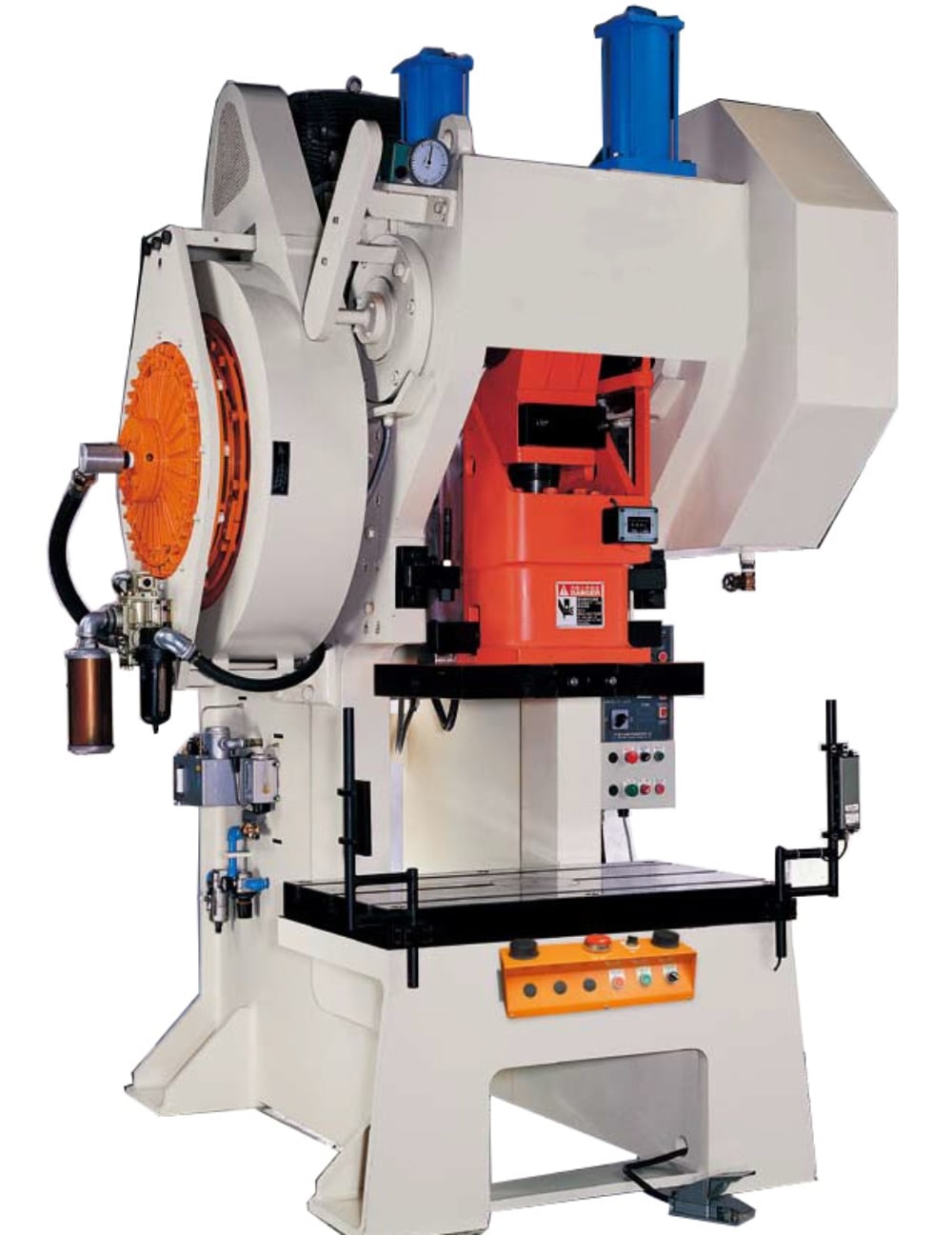
The mechanical heart of the press—the crankshaft, connecting rods, and slide—requires constant monitoring. One of the most critical mechanical punching machine maintenance best practices for reliable performance is the adjustment of the gibs. Gibs are the guides that ensure the slide moves vertically with minimal lateral play. Over time, these can wear down. If the clearance is too large, the punch will not hit the die squarely, leading to tool wear and poor part quality. Use a feeler gauge to check clearances against the manufacturer’s specifications.
The clutch and brake unit is another high-wear area. In a mechanical press, the clutch engages the flywheel’s energy to the crankshaft, while the brake stops the motion. Check the friction plates for wear and ensure the gap is within the recommended range. A dragging brake or a slipping clutch generates heat, which can warp components and lead to total system failure.
Electrical System Reliability
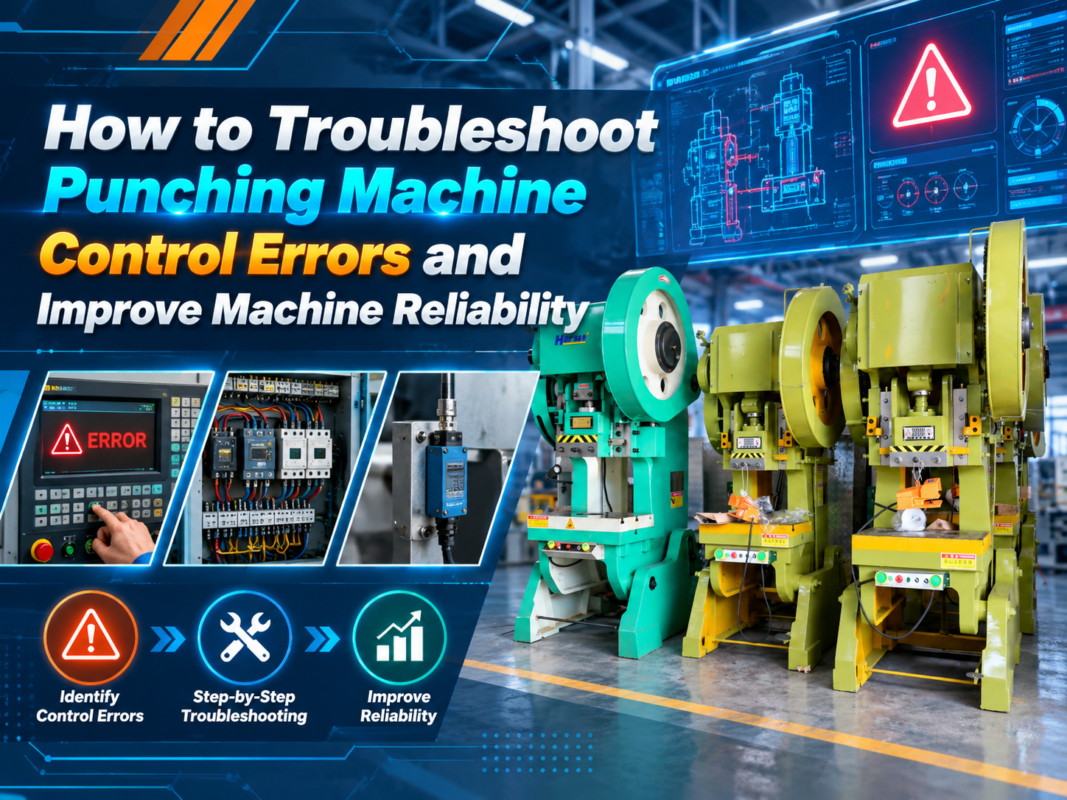
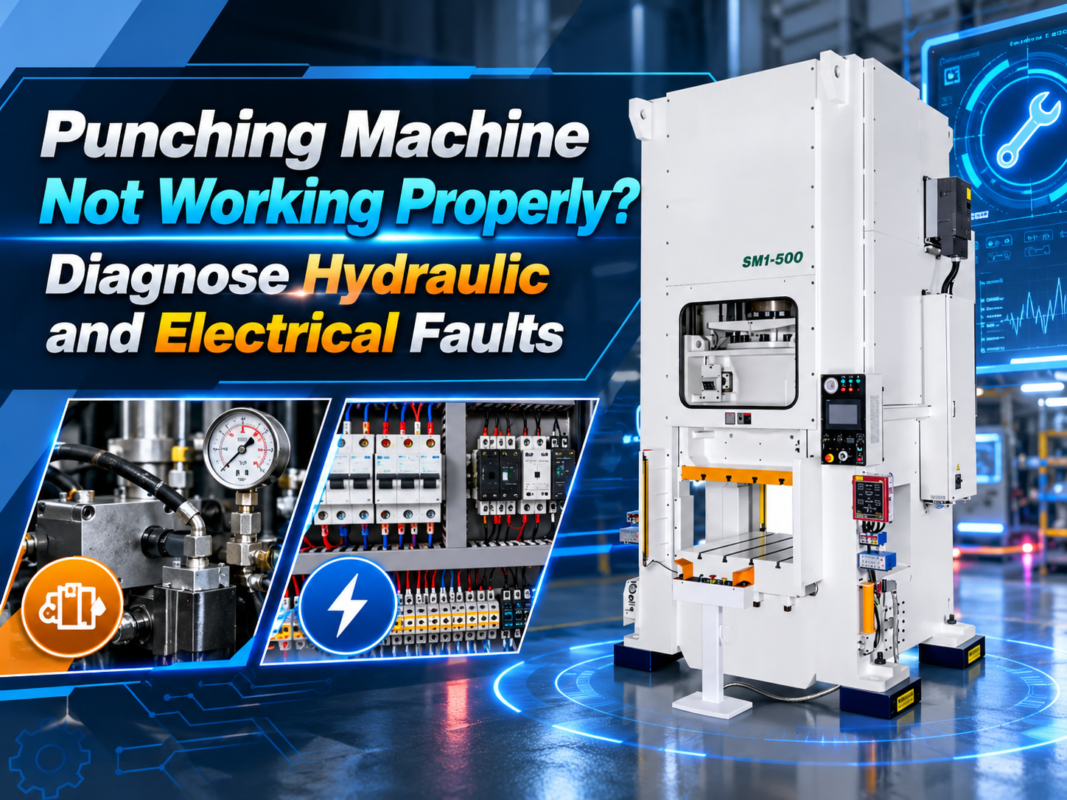
Modern mechanical presses, like those from HARSLE, incorporate sophisticated electrical controls. Maintenance should include checking all wiring for fraying or heat damage. Ensure that the control cabinet is free of dust and metal shavings, which can cause short circuits. Test the functionality of all limit switches and sensors. These components tell the machine’s PLC (Programmable Logic Controller) where the slide is in its stroke; if a sensor fails, the machine may not stop at the top of the stroke (TDC), leading to operational hazards.
Hydraulic Overload Protection
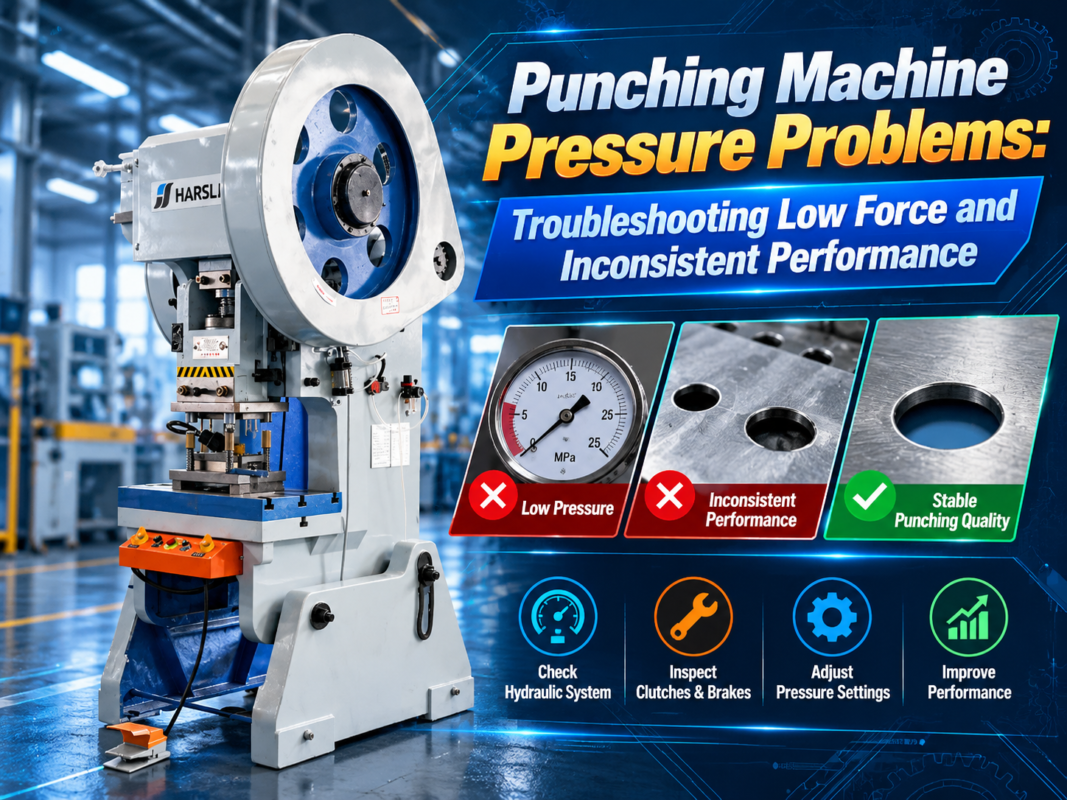
While the primary drive is mechanical, many high-quality presses feature a hydraulic overload protection (HOLP) system. This system acts as a safety valve; if the press encounters a force exceeding its capacity (e.g., a double hit or a misplaced workpiece), the hydraulic pressure is released, instantly stopping the slide. Check the hydraulic oil level and the pressure settings regularly. Ensure there are no leaks in the high-pressure lines, as a failure here renders the overload protection useless.
The Comprehensive Lubrication Plan
If there is a single most important factor in mechanical punching machine maintenance best practices for reliable performance, it is lubrication. Mechanical presses involve high-speed rotation and high-pressure sliding contacts. Without a consistent film of lubricant, metal-on-metal contact will quickly destroy bearings, bushings, and ways.
Most HARSLE machines feature an automatic lubrication system. However, ‘automatic’ does not mean ‘maintenance-free.’ Operators must check the lubricant reservoir daily and ensure it is filled with the correct grade of oil or grease. It is also vital to verify that the lubricant is actually reaching the destination points. Check the distribution blocks and lines for blockages. A dry bearing can seize within minutes of operation at high speeds.
Different parts of the machine may require different types of lubrication. The main bearings and crankshaft often require a heavy-duty gear oil, while the slide ways might use a specific way-lube designed to prevent ‘stick-slip’ motion. Always refer to the machine’s manual for the specific lubrication schedule and lubricant types. Over-lubrication can be just as problematic as under-lubrication, as excess grease can attract abrasive dust and debris.
Identifying Troubleshooting Signals
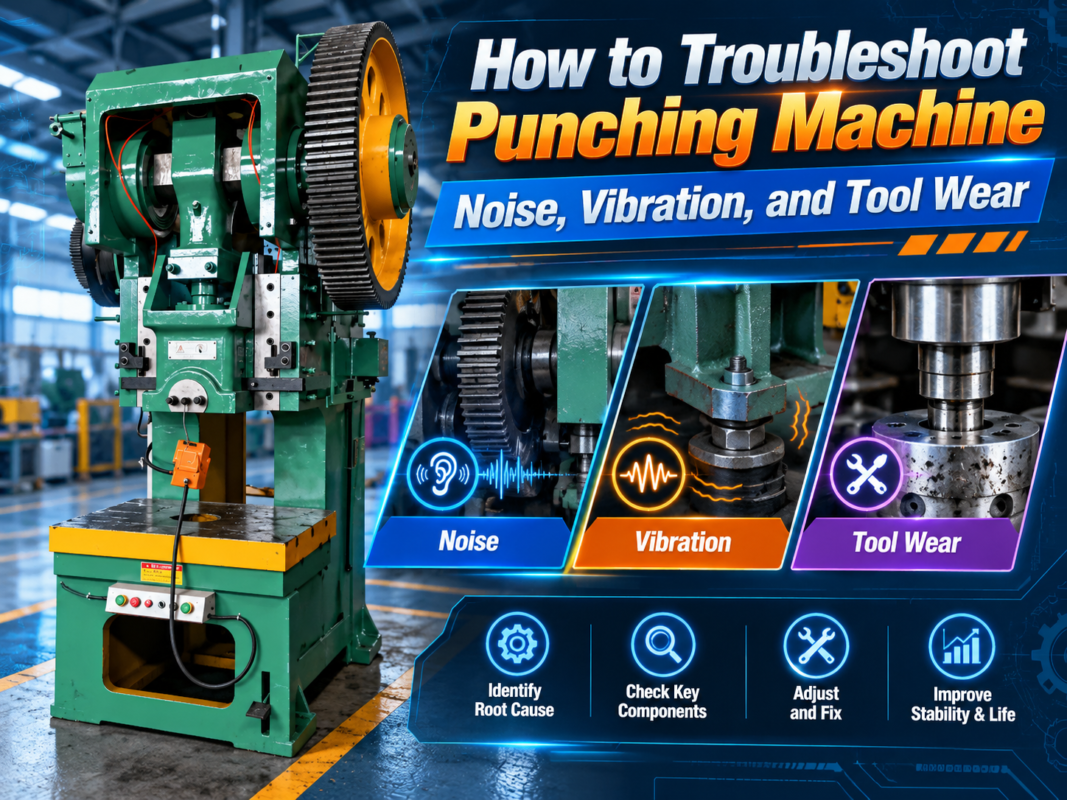
Experienced operators develop an intuition for their machinery, but technical troubleshooting should be based on objective signals. Vibration is a key indicator. Excessive vibration often points to an unbalanced flywheel, loose mounting bolts, or a die that is not properly centered. Using vibration analysis tools can help identify these issues before they cause structural cracks.
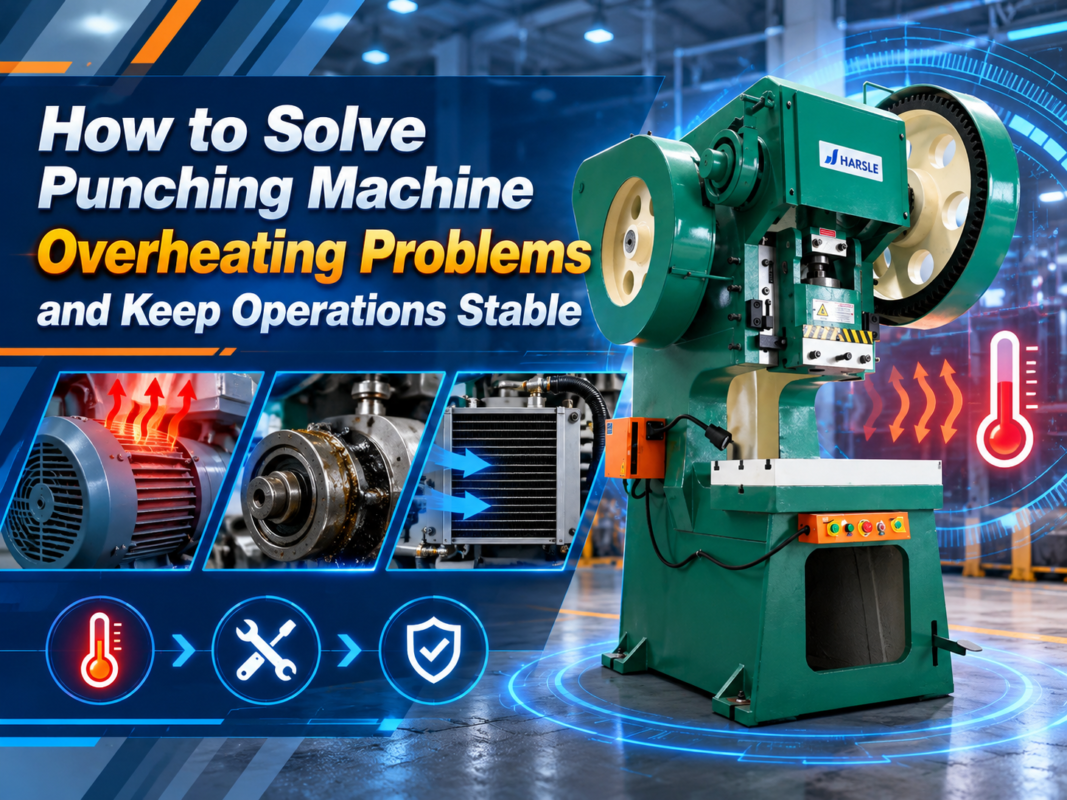
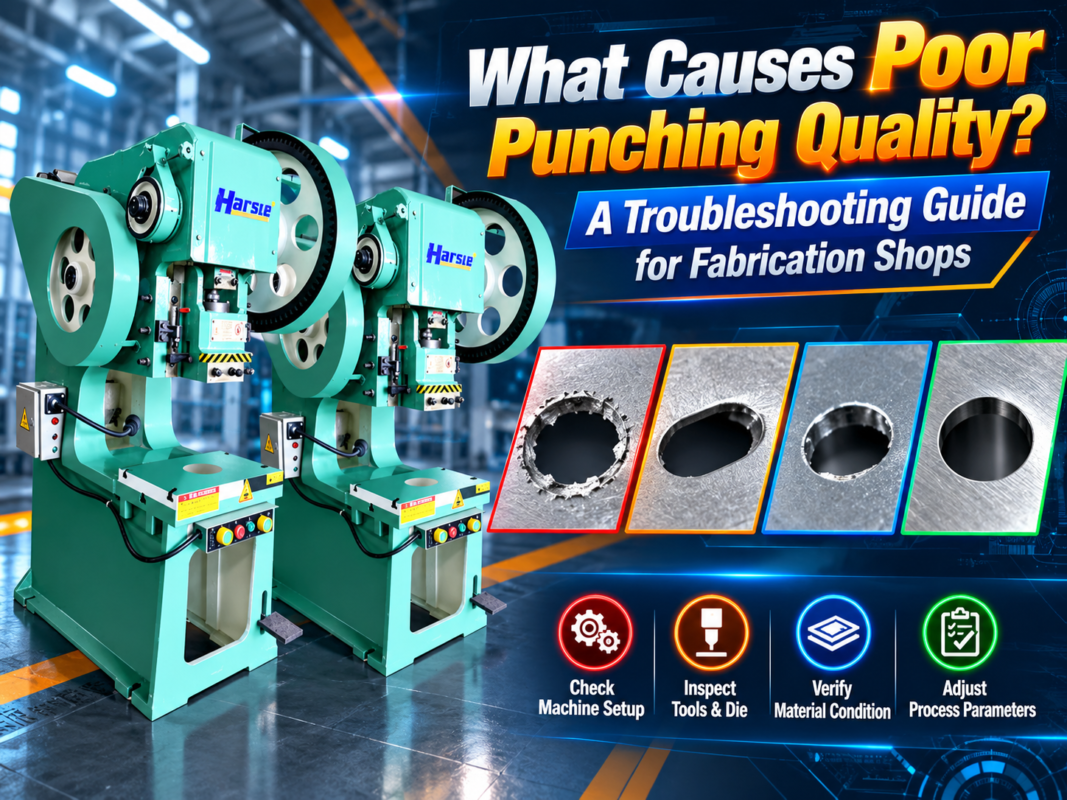
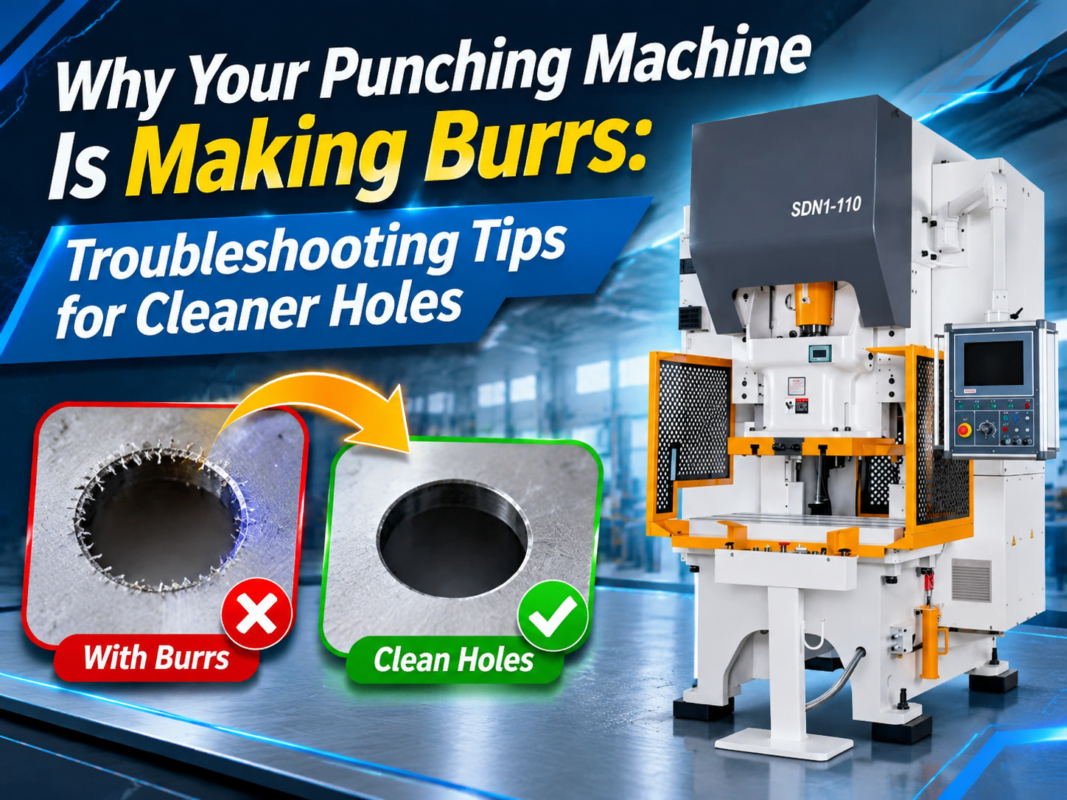
Heat is another major signal. Use an infrared thermometer to check the temperature of bearings and the motor. A sudden spike in temperature usually indicates a lubrication failure or an internal mechanical bind. Furthermore, pay attention to the quality of the punched parts. If you notice an increase in burrs or a change in the dimensions of the holes, it is a clear signal that the tool alignment or the slide clearance has shifted.
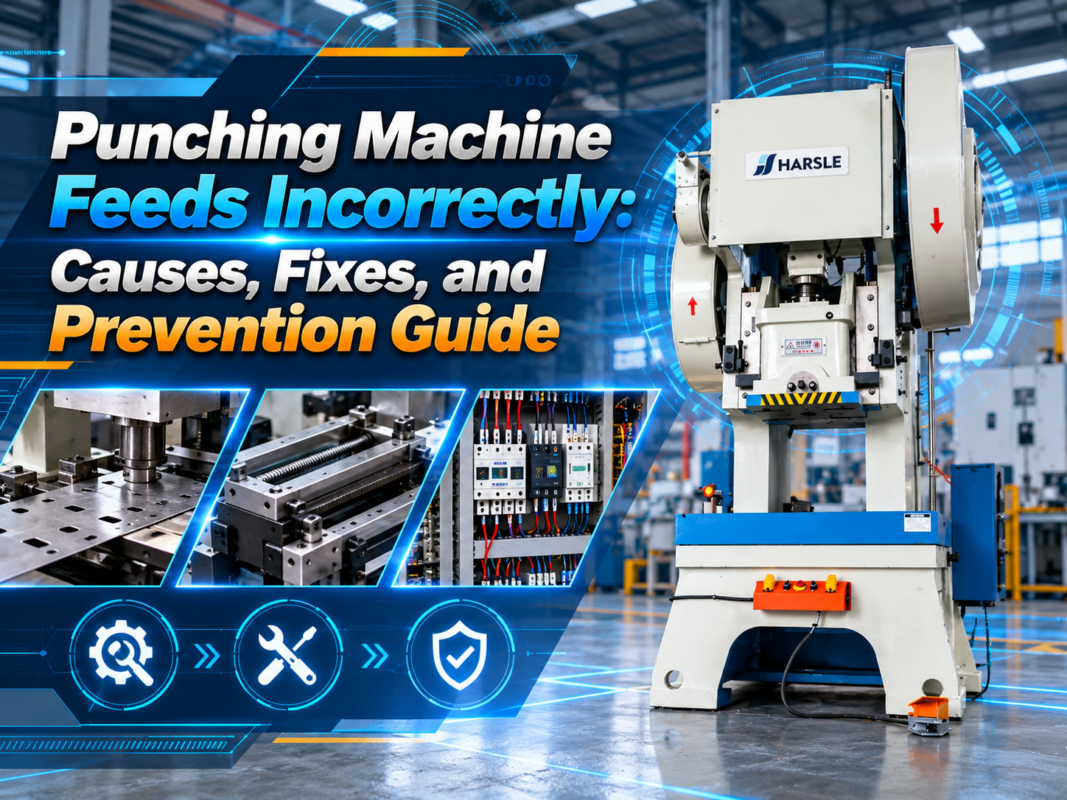
Finally, monitor the air consumption. If the compressor is cycling more frequently than usual, there may be a leak in the pneumatic clutch or the counterbalance cylinders. Addressing these small leaks early prevents the larger issue of the clutch failing to engage or disengage properly, which is critical for reliable performance.
Structured Maintenance Schedule Table
To implement mechanical punching machine maintenance best practices for reliable performance effectively, a structured schedule is required. Below is a recommended maintenance framework:
| Frequency | Component | Action Required |
|---|---|---|
| Daily | Lubrication Reservoir | Check levels and refill with specified oil/grease. |
| Daily | Pneumatic System | Drain water from air filters; check operating pressure. |
| Daily | Safety Systems | Test light curtains, E-stops, and two-hand controls. |
| Weekly | Clutch & Brake | Inspect for wear, unusual noise, or excessive heat. |
| Weekly | Fasteners | Check and tighten foundation bolts and die-set bolts. |
| Monthly | Gib Clearances | Measure and adjust slide guides to factory specs. |
| Monthly | Electrical Cabinet | Clean filters and vacuum dust from components. |
| Quarterly | Drive Belts | Check tension and look for signs of cracking or wear. |
| Bi-Annually | Hydraulic Overload | Change hydraulic fluid and clean the suction filter. |
| Annually | Full Calibration | Professional inspection of crankshaft alignment and parallelism. |
Frequently Asked Questions (FAQ)
1. How often should I adjust the gibs on my mechanical punching machine?
Gib adjustment frequency depends on your production volume. For high-shift operations, checking clearances monthly is recommended. If you notice a decrease in part accuracy or increased tool wear, check them immediately. Proper gib adjustment is central to mechanical punching machine maintenance best practices for reliable performance.
2. What type of oil should I use for my HARSLE punching machine?
Always consult the specific manual provided with your machine. Generally, mechanical presses require high-pressure (EP) gear oils for the main drive and specialized way-lubricants for the slide. Using the wrong oil can lead to premature wear of bronze bushings.
3. Why is my machine making a loud knocking sound during the stroke?
A knocking sound often indicates excessive clearance in the connecting rod bearings or the main crankshaft bearings. It could also be a loose flywheel. This requires immediate attention to prevent the bearing from seizing or the crankshaft from breaking.
4. Can I use general-purpose grease for all lubrication points?
No. Different components have different load and speed profiles. High-speed bearings require different lubrication than slow-moving, high-pressure slide ways. Using the wrong grease can lead to ‘gumming’ or inadequate protection under load.
5. How do I know if my clutch is slipping?
If the slide seems to hesitate at the start of a stroke or if the machine fails to reach its full tonnage, the clutch may be slipping. You may also notice a burnt smell or excessive heat radiating from the clutch housing. This is a critical maintenance issue that affects reliable performance.
Conclusion
Maintaining a mechanical punching machine is an ongoing commitment to excellence. By following these mechanical punching machine maintenance best practices for reliable performance, you ensure that your HARSLE equipment remains a durable and productive asset in your facility. From the daily vigilance of the operator to the technical precision of quarterly calibrations, every step taken in maintenance is an investment in the future of your manufacturing capabilities. Remember, a machine that is cared for will always return the favor with consistent, high-quality output and minimal downtime.