Punching Machine Alignment Maintenance Guide for Cleaner Holes and Fewer Errors


The Critical Role of Alignment in Punching Machine Performance
In the high-precision world of metal fabrication, the difference between a perfect component and a piece of scrap often comes down to fractions of a millimeter. Punching machine alignment maintenance is the cornerstone of achieving cleaner holes and fewer errors, ensuring that every stroke of the ram translates into a productive result. When a punching machine is perfectly aligned, the punch enters the die with uniform clearance on all sides. This uniformity is essential for creating clean shear edges and minimizing the formation of burrs, which can otherwise require costly secondary finishing processes.
Neglecting alignment maintenance leads to a cascade of mechanical failures. Misalignment causes uneven wear on the tooling, as one side of the punch strikes the die with more force than the other. This not only dulls the tools prematurely but can also lead to catastrophic tool breakage, potentially damaging the turret or the ram itself. For operators using HARSLE equipment, maintaining the structural integrity and precision of the machine is paramount to maximizing the return on investment. A well-maintained machine operates more quietly, consumes less energy, and produces parts that meet the most stringent quality standards.
Furthermore, the impact of alignment extends to the machine’s structural longevity. Constant off-center loading puts undue stress on the bearings, bushings, and hydraulic seals. Over time, this stress can lead to permanent deformation of the machine frame or the turret housing. By prioritizing a comprehensive punching machine alignment maintenance guide for cleaner holes and fewer errors, fabrication shops can significantly reduce their total cost of ownership while increasing their throughput. This guide provides a detailed roadmap for maintaining peak performance through rigorous inspection and proactive care.
The Importance of Maintenance for Precision Punching
Precision in punching is not a static state; it is a dynamic condition that must be preserved through consistent maintenance. The primary goal of alignment maintenance is to ensure that the centerline of the punch perfectly matches the centerline of the die. When these two components are out of sync, the material is not sheared cleanly. Instead, it is torn or deformed, resulting in “heavy burrs” and inconsistent hole diameters. This is particularly problematic when working with thicker materials or high-strength alloys where the margin for error is significantly smaller.
Beyond hole quality, maintenance is the first line of defense against unexpected downtime. In a modern production environment, a single hour of machine failure can cost thousands of dollars in lost productivity. By following a structured maintenance plan, operators can identify wear patterns before they lead to failure. For instance, observing slight changes in the sound of the punch or the appearance of the scrap slug can provide early warnings of alignment shifts. Addressing these issues early is far simpler and cheaper than replacing a damaged turret station or a bent ram.
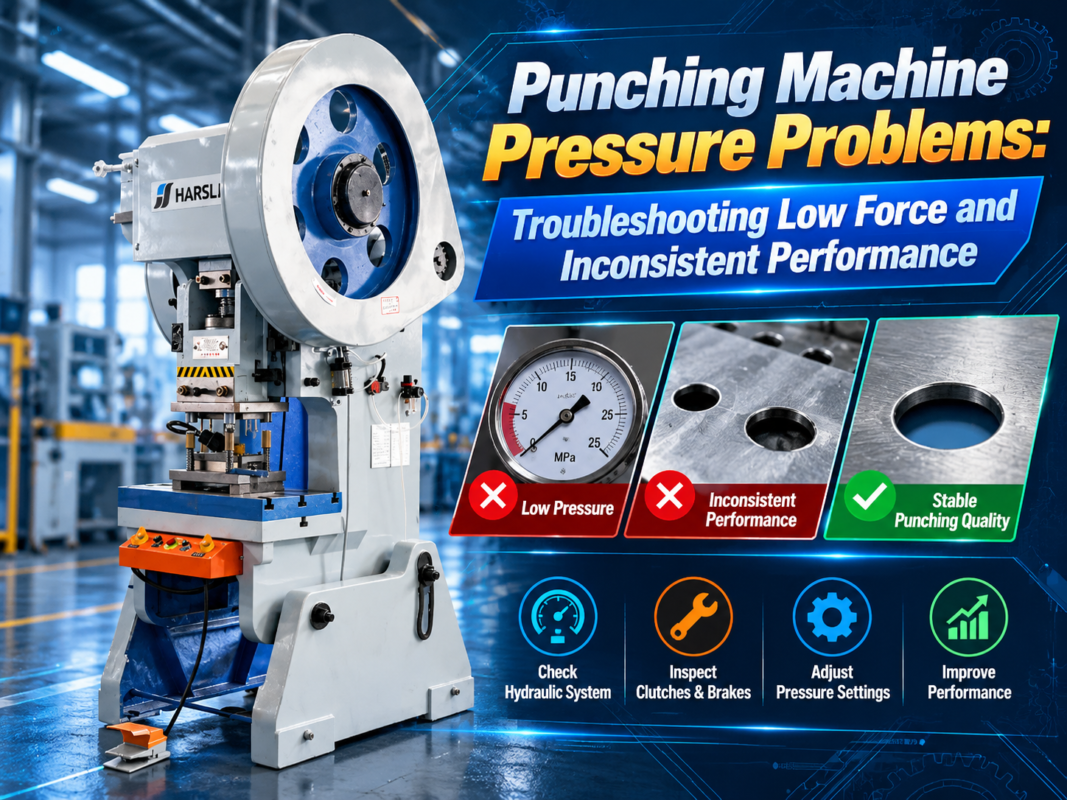
Moreover, accurate alignment reduces the tonnage required to complete a punch. When the punch and die are misaligned, the machine must overcome additional friction and resistance, which increases the load on the hydraulic system. This extra load generates heat, which can degrade hydraulic fluid and accelerate the wear of seals and valves. Therefore, alignment maintenance is not just about the quality of the hole; it is about the holistic health of the entire mechanical and hydraulic ecosystem of the punching machine.
Daily Inspection: The First Step to Fewer Errors
A successful maintenance strategy begins with a daily inspection routine. Before the first part is even loaded, the operator should perform a visual and functional check of the machine. Start by cleaning the worktable and the turret area. Metal shavings, dust, and oil buildup can interfere with the sensors and the seating of the tools. A clean environment is essential for spotting leaks or loose components that might otherwise go unnoticed. Check the clamps for any signs of wear or debris, as insecure clamping can lead to material shifting during the punching process, causing alignment errors.
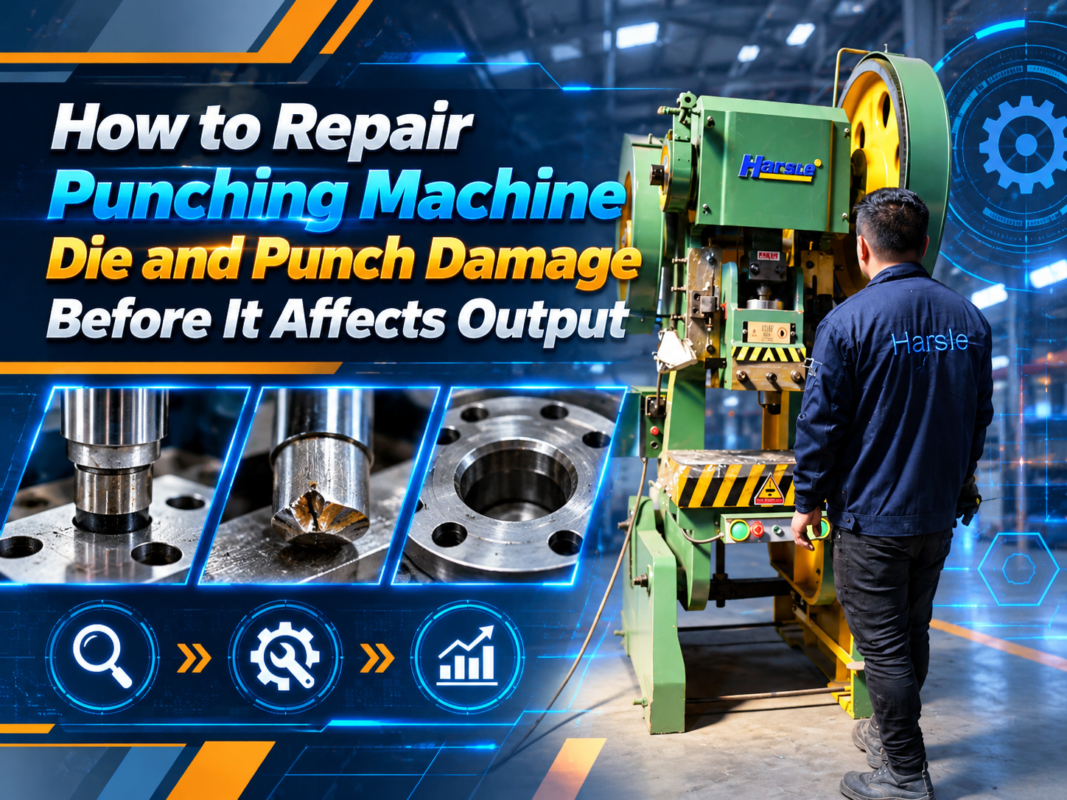
Next, inspect the tooling itself. Look for signs of chipping, galling, or excessive dullness. Even a perfectly aligned machine will produce poor results if the tools are in bad condition. Ensure that the punch and die are correctly seated in their holders. Any play or movement in the tool holder will translate into misalignment during the high-pressure punching cycle. Listen for unusual noises during the machine’s warm-up cycle. Grinding, squealing, or heavy thumping sounds are often the first indicators that something is mechanically amiss.
Finally, verify the machine’s zero positions and calibration. Modern CNC punching machines rely on precise feedback from encoders and sensors. If the machine’s reference points have shifted due to a power surge or mechanical jar, the alignment will be off regardless of the physical state of the turret. A quick test punch on a scrap piece of material can confirm that the machine is hitting its marks accurately. This five-minute daily routine is the most effective way to prevent minor issues from escalating into major production errors.
Hydraulic, Electrical, and Mechanical Checks
Hydraulic System Integrity
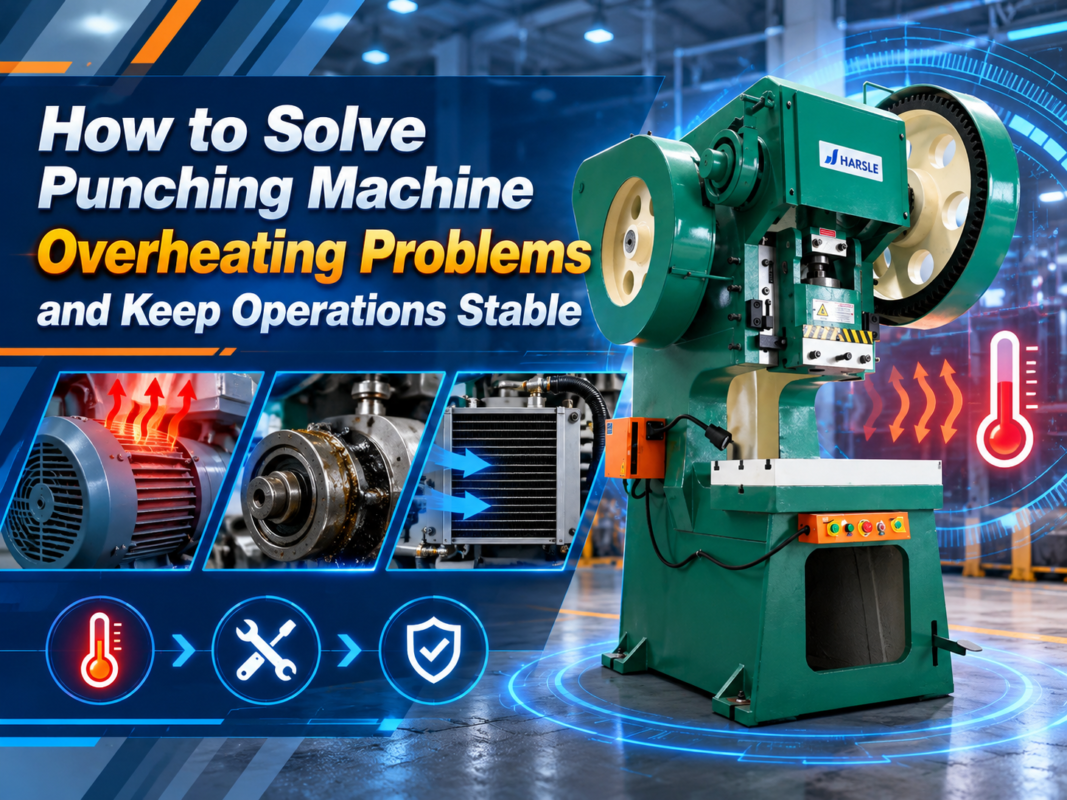
The hydraulic system is the heart of the punching machine, providing the force necessary to shear through metal. Maintenance here focuses on fluid quality and pressure stability. Check the hydraulic oil level daily and inspect the color of the oil; cloudy or dark oil indicates contamination or oxidation. High temperatures are the enemy of hydraulic systems, as they thin the oil and cause alignment-shifting thermal expansion. Ensure that the cooling system is functioning correctly and that the heat exchanger fins are free of dust.
Inspect all hoses and fittings for leaks. Even a small weep can lead to a loss of pressure, which affects the consistency of the punch stroke. Furthermore, check the accumulator pressure if your machine is equipped with one. The accumulator helps maintain a steady flow of oil during high-speed operations. If the pressure is too low, the ram may not retract fully or may hesitate, leading to timing issues and potential misalignment with the material feed system.
Electrical and Control Systems
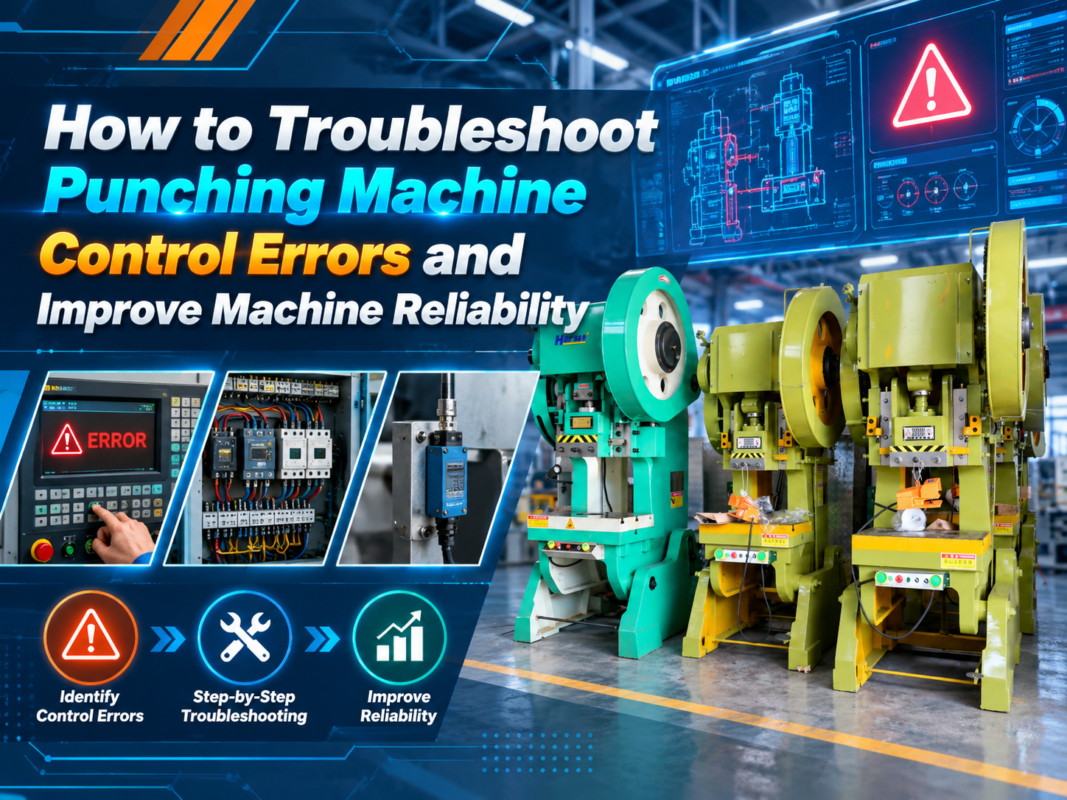
Electrical maintenance ensures that the “brain” of the machine is communicating correctly with the “muscles.” Start by inspecting the wiring for any signs of fraying or damage, especially in areas where cables move frequently. Loose connections in the control cabinet can cause intermittent signals, leading to erratic ram behavior. Clean the cooling fans on the electrical cabinet to prevent the PLC and motor drives from overheating, which can cause software glitches and positioning errors.
Check the functionality of all limit switches and safety interlocks. These components not only protect the operator but also prevent the machine from over-traveling and damaging its own internal components. Regularly back up the machine’s parameters and software. In the event of a control failure, having a recent backup ensures that you can restore the machine to its factory-aligned settings without having to perform a manual recalibration from scratch.
Mechanical Alignment and Turret Health
The mechanical structure requires the most direct attention regarding alignment. The turret is the most critical component; it must be perfectly indexed so that the punch and die stations align within microns. Check the indexing pins and bushings for wear. If there is any “play” in the turret when it is locked into position, the alignment will be compromised. Use a dial indicator to check the runout of the turret stations periodically. If the turret is out of alignment, it may require a professional recalibration of the drive motor or the locking mechanism.
Additionally, inspect the ram and the gibs. The gibs guide the ram’s vertical movement and must be adjusted to eliminate lateral play while still allowing for smooth motion. If the gibs are too loose, the ram can tilt under load, causing the punch to enter the die at an angle. This is a common cause of “one-sided” tool wear. Ensure that all mounting bolts for the frame and the worktable are tightened to the manufacturer’s torque specifications, as vibration can loosen these over time, leading to a gradual drift in alignment.
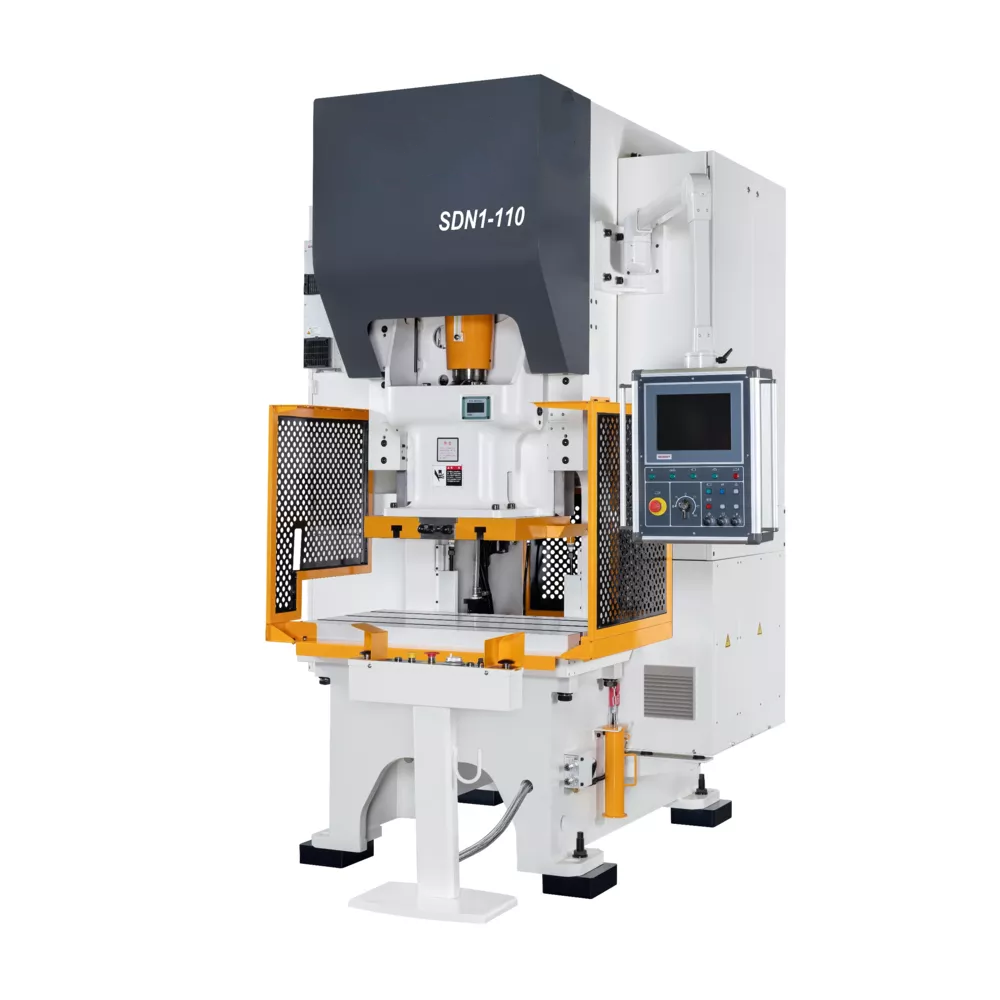
Comprehensive Lubrication Plan
Lubrication is the lifeblood of mechanical precision. Without a proper lubrication plan, friction will quickly degrade the tight tolerances required for clean punching. Different parts of the machine require different types of lubricants. For example, the high-speed bearings in the turret drive might require a light synthetic oil, while the heavy-duty slideways and gibs require a tacky, high-pressure grease that won’t be squeezed out under load. Always refer to the HARSLE manual for the specific ISO grades recommended for your model.
The frequency of lubrication is just as important as the type. Automated lubrication systems should be checked daily to ensure the reservoir is full and the lines are not blocked. For manual points, a strict schedule must be followed. Over-lubrication can be just as damaging as under-lubrication, as excess grease can attract metal dust and create an abrasive paste that wears down components faster. Focus on the “critical zones”: the ram guides, the turret indexing pins, the ball screws for the X and Y axes, and the tool holders themselves.
A good practice is to apply a light mist of lubricant to the sheet metal itself or use a tool lubrication system. This reduces the friction between the punch and the material, which not only results in cleaner holes but also helps in stripping the material from the punch. This prevents the material from “sticking” and being pulled up, which can disturb the alignment of the next punch. Consistent lubrication ensures that the mechanical components move with minimal resistance, maintaining the precision of the CNC commands.
Troubleshooting Signals: Identifying Misalignment
Operators should be trained to “read” the machine and the parts it produces. One of the most telling signs of misalignment is the appearance of the slug (the piece of metal punched out). A healthy slug should have a uniform shiny “burnish” zone and a uniform dull “fracture” zone around its entire circumference. If the burnish zone is deeper on one side than the other, it indicates that the punch is not centered in the die. This is a clear signal that alignment maintenance is required immediately.
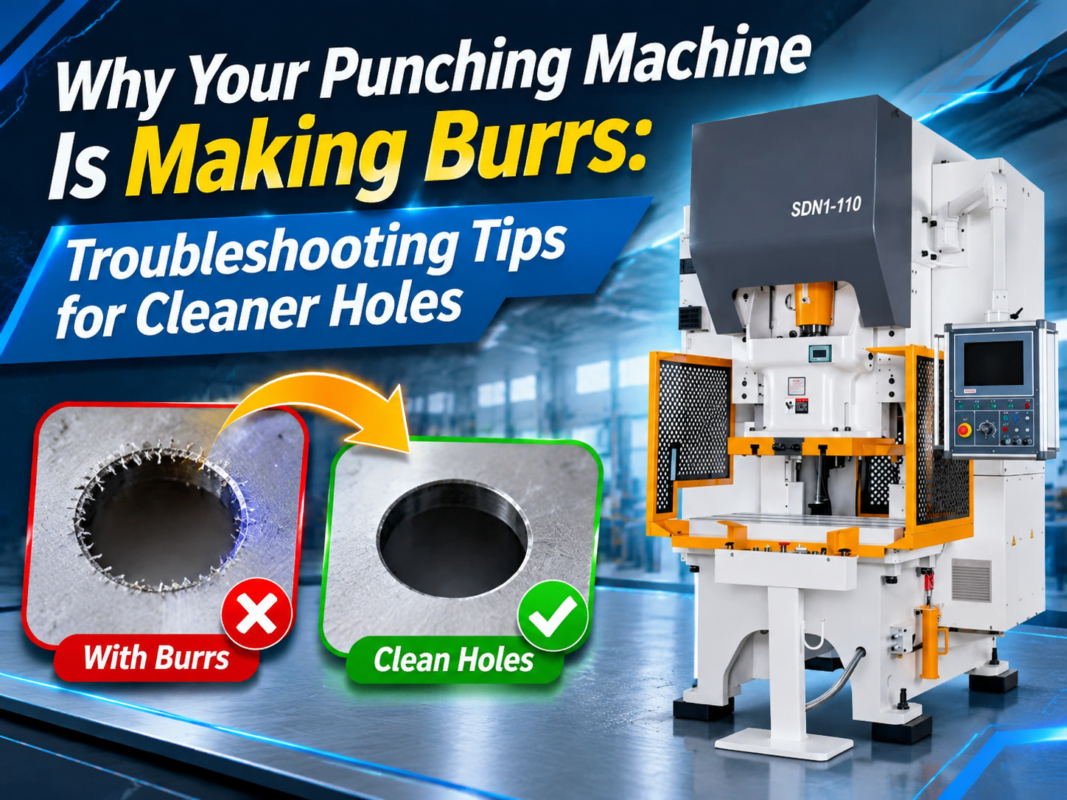
Another signal is the burr height on the finished part. While all punching produces some burr, an excessive or uneven burr is a red flag. If you notice that the burr is significantly larger on one side of the hole, the punch is likely deflected or the die is tilted. Noise is also a major indicator. A sharp, consistent “crack” is normal, but a “crunching” or double-hitting sound suggests that the punch is struggling to clear the die or that the stripping mechanism is failing. These sounds often precede a tool break.
Finally, monitor the machine’s energy consumption or hydraulic pressure gauges. If the machine suddenly requires more tonnage to punch the same material, it is likely fighting internal friction caused by misalignment. Similarly, if the X or Y axis motors are drawing more current than usual, it may be because the worktable is no longer level or the ball screws are binding. Tracking these metrics allows for predictive maintenance, where you fix the alignment before it causes a failure, rather than reacting to a breakdown.
Maintenance Schedule Table
| Frequency | Task Description | Component Focus |
|---|---|---|
| Daily | Clean worktable, turret, and sensors; check oil levels; visual tool inspection. | General Machine Environment |
| Weekly | Inspect hydraulic hoses for leaks; grease manual points; check air filters. | Hydraulics & Slideways |
| Monthly | Check turret indexing accuracy; inspect electrical connections; test safety stops. | Turret & Control System |
| Quarterly | Check ram gib adjustment; inspect ball screws for wear; calibrate X/Y axes. | Mechanical Drive Train |
| Annually | Change hydraulic oil and filters; professional alignment audit; software updates. | Full System Overhaul |
Frequently Asked Questions (FAQ)
1. Why are my punched holes showing excessive burrs on only one side?
This is a classic symptom of misalignment. It usually means the punch is not entering the die perfectly centered, causing the clearance to be tighter on one side and wider on the other. You should check the turret station alignment and the condition of the tool holder. Also, ensure the die is seated flat in its bolster.
2. How often should I sharpen my punching tools?
Tool sharpening frequency depends on the material type and thickness. However, a general rule is to sharpen when the cutting edge radius reaches 0.1mm to 0.2mm. Using dull tools increases the punching force required, which can eventually knock the machine out of alignment. Regular sharpening is a key part of alignment maintenance.
3. Can software settings fix mechanical alignment issues?
While CNC controllers allow for “offsets” to compensate for small positioning errors, they should not be used to mask mechanical wear. If the turret is physically misaligned, software offsets will only provide a temporary fix and will not prevent the accelerated tool wear and stress on the machine frame. Always fix the mechanical root cause first.
4. What is the most common cause of turret misalignment?
The most common causes are “crashes” (where the tool hits a clamp or a misplaced piece of metal) and worn indexing pins. Over time, the mechanical shock of punching can also cause the turret drive components to shift slightly. Regular inspection of the locking mechanism is vital.
5. Does the temperature of the shop affect punching accuracy?
Yes, significant temperature fluctuations can cause the metal frame of the machine to expand or contract. This thermal growth can shift the alignment of the turret relative to the worktable. It is best to operate the machine in a temperature-controlled environment or allow the machine to reach a stable operating temperature before performing high-precision work.