Punching Machine Ram and Tooling Maintenance Tips for Improved Precision


The Critical Role of Maintenance in Punching Precision
In the high-stakes world of metal fabrication, precision is not just a goal; it is a requirement. When operating a HARSLE punching machine, the synergy between the ram and the tooling determines the quality of every hole, notch, and form produced. However, even the most advanced machinery can suffer from accuracy drift if a rigorous maintenance protocol is not followed. Implementing effective Punching Machine Ram Tooling Maintenance Tips Improved Precision is essential for any facility looking to maintain a competitive edge, reduce scrap rates, and extend the operational lifespan of their equipment.
The ram is the powerhouse of the punching machine, delivering the force necessary to shear through metal. If the ram is misaligned or if its stroke is inconsistent, the resulting parts will fail to meet tight tolerances. Similarly, the tooling—comprising the punch and the die—is subject to immense pressure and friction. Without proper care, these components wear down, leading to burrs, deformations, and increased stress on the machine’s motor and hydraulic systems. Maintenance is the proactive shield that prevents these issues from escalating into costly repairs or catastrophic failures.
Beyond simple part quality, maintenance directly impacts the Return on Investment (ROI) of your metal fabrication equipment. A well-maintained machine operates more efficiently, consuming less energy and requiring fewer replacement parts over time. By focusing on the ram and tooling, operators can ensure that the machine’s core functions remain optimized. This article provides a deep dive into the technical aspects of maintaining these critical components, offering actionable insights for shop managers and operators alike.
Precision in punching is often measured in microns. A slight deviation in the ram’s descent or a dull edge on a punch can result in a rejected batch of parts. Therefore, understanding the mechanics of wear and the importance of scheduled inspections is the first step toward achieving consistent excellence. In the following sections, we will explore the specific daily, weekly, and monthly tasks required to keep your punching machine in peak condition.
Daily Inspection: The Foundation of Machine Longevity
Daily inspections are the first line of defense against mechanical failure. Before the first shift begins, operators should perform a comprehensive walk-around of the punching machine. This process starts with cleaning. Dust, metal shavings, and excess oil can hide developing cracks or leaks. Using a lint-free cloth and appropriate cleaning agents, ensure the ram area and the tool holders are free from debris. This simple act prevents contaminants from entering the precision-machined surfaces of the ram guides.
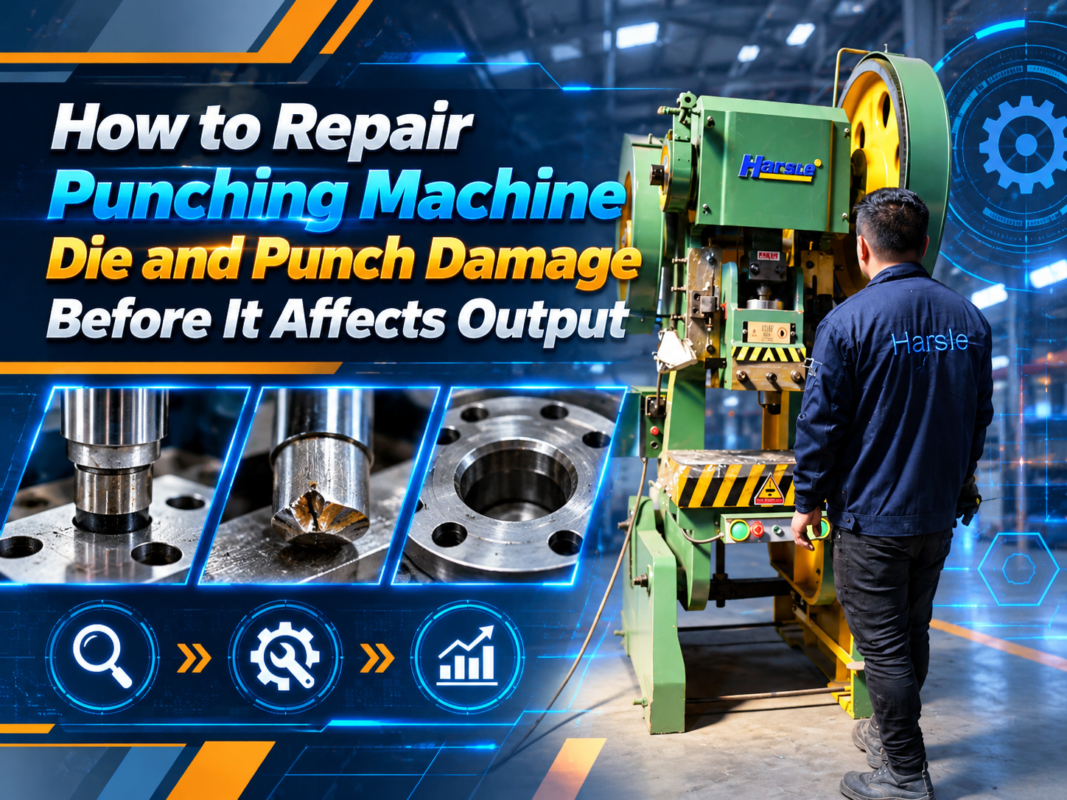
Next, focus on the tooling itself. Inspect the punch and die for signs of chipping or excessive wear. A dull punch requires more force to penetrate the material, which puts unnecessary strain on the ram and the hydraulic system. Check the die for any buildup of material, often referred to as “slug pulling” or “galling.” If the die is clogged, it can cause the punch to break or the ram to jam. Ensuring that the tooling is sharp and clean every morning is one of the most effective Punching Machine Ram Tooling Maintenance Tips Improved Precision can offer.
Safety systems must also be verified daily. Check that all light curtains, emergency stop buttons, and interlocks are functioning correctly. A machine that is not safe to operate is a liability, regardless of its precision. Furthermore, listen for unusual sounds during the initial warm-up cycles. Grinding, clicking, or excessive vibration can indicate that the ram is not moving smoothly within its gibs or that there is air trapped in the hydraulic lines.
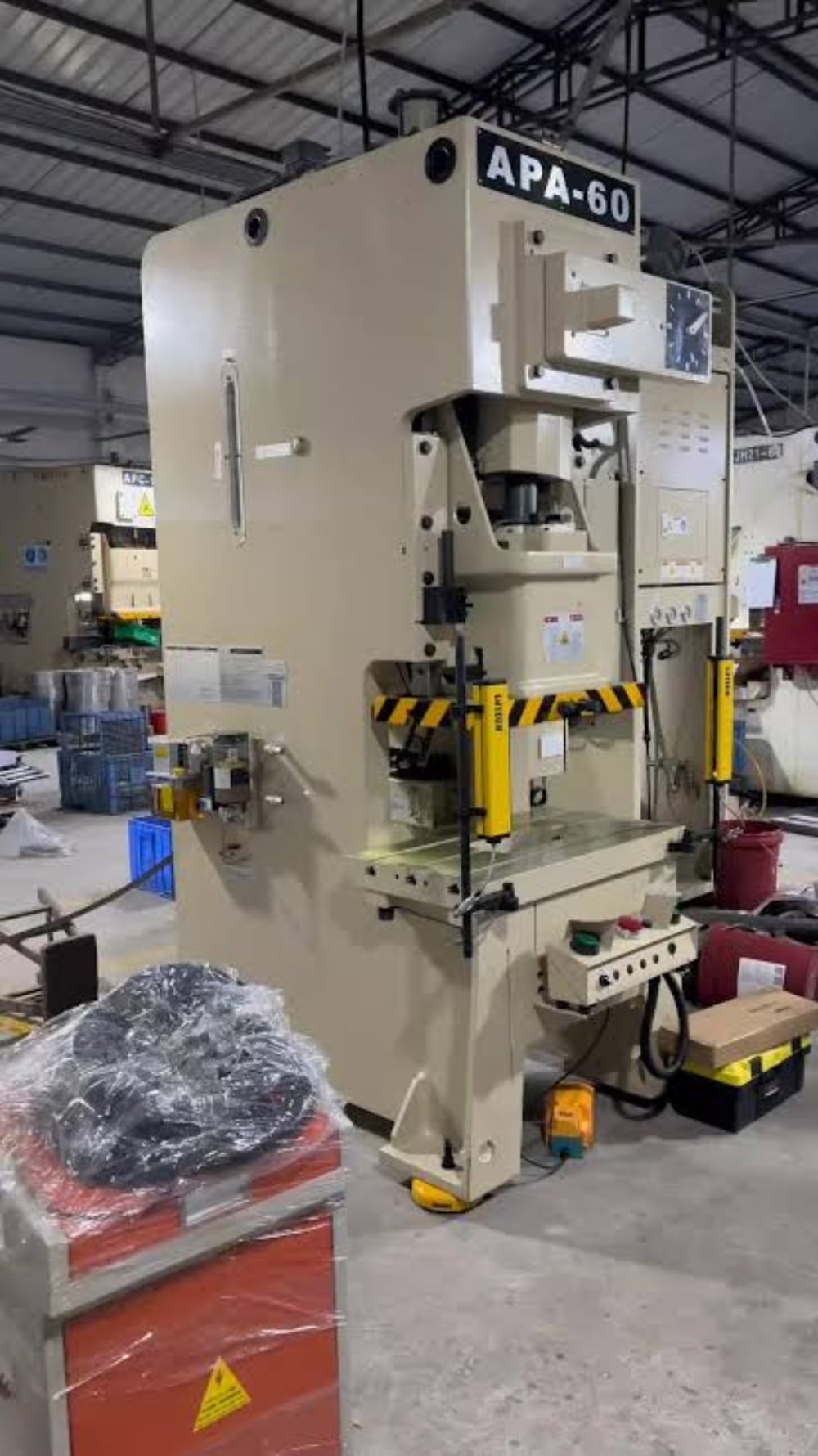
Finally, verify the alignment of the punch and die. Even a slight misalignment can cause the punch to hit the edge of the die, leading to immediate tool damage and potential ram deflection. Use a centering tool or a visual check to ensure that the punch enters the die perfectly centered. This daily habit ensures that the machine starts the day in the best possible condition for high-precision work.
Hydraulic, Electrical, and Mechanical System Checks
Hydraulic System Integrity
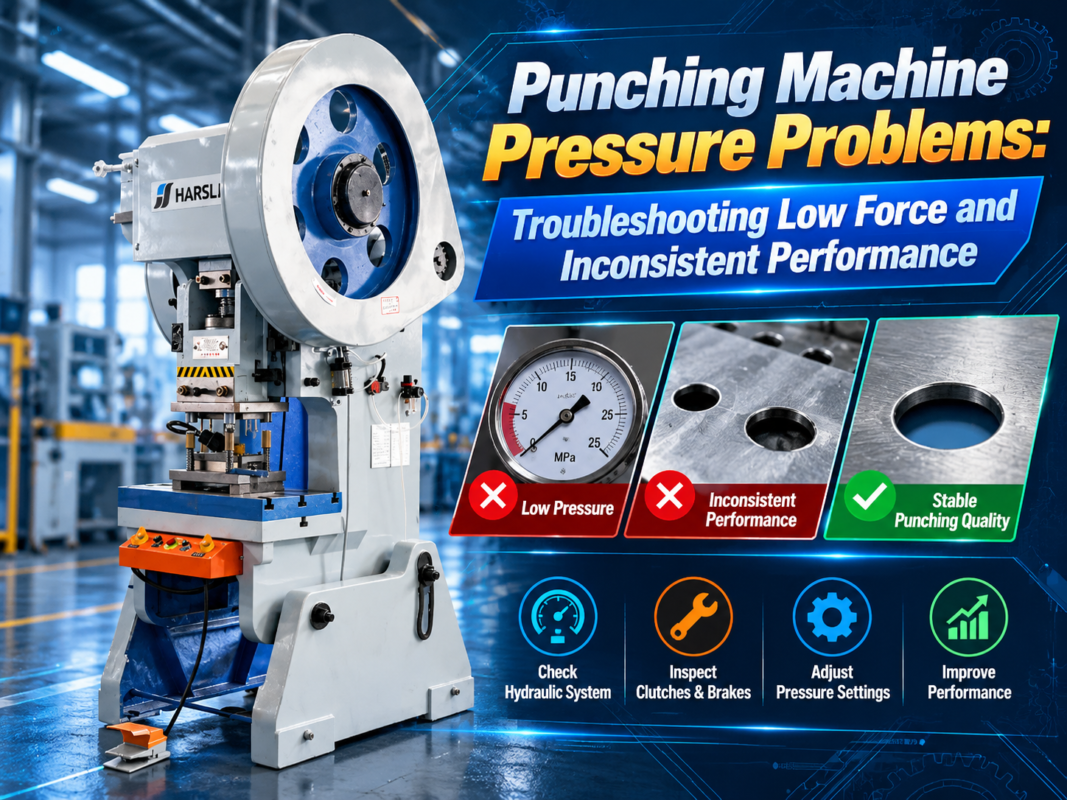
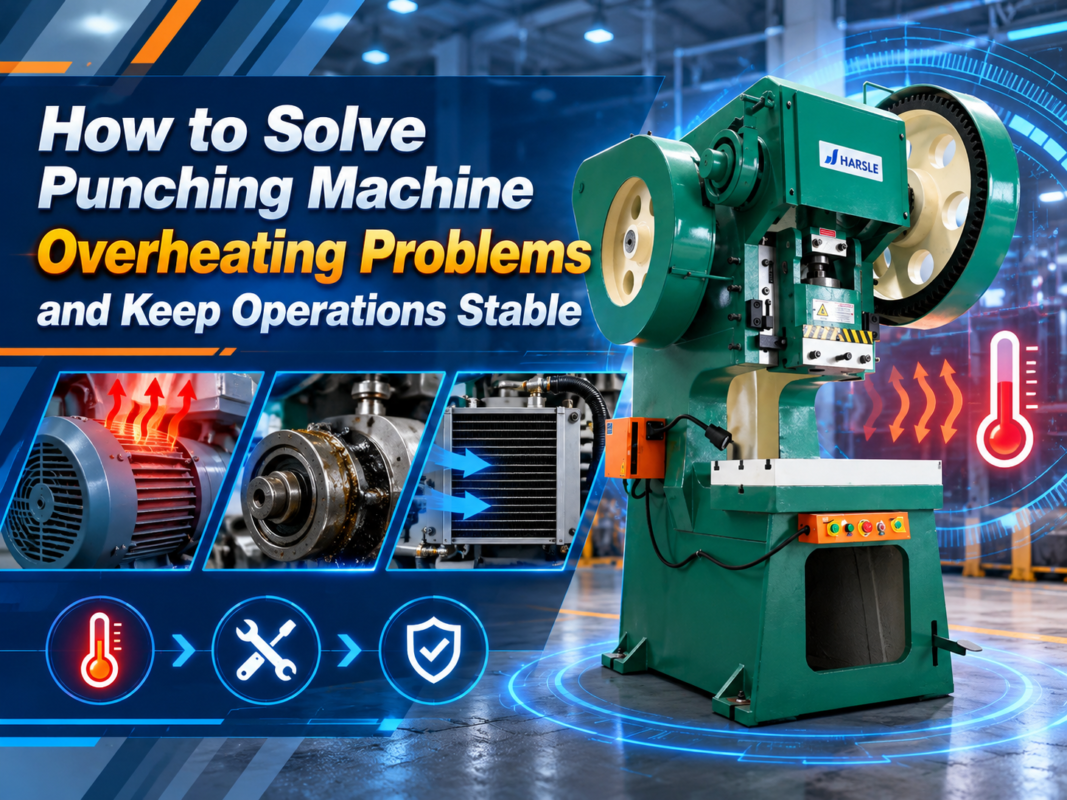
The hydraulic system is the lifeblood of a hydraulic punching machine. Maintaining the correct oil level and quality is paramount. Over time, hydraulic oil can break down due to heat and pressure, losing its lubricating properties and becoming contaminated with microscopic metal particles. Check the oil level daily and inspect the color; if the oil appears milky or dark, it may be time for a change or a filtration cycle. Ensure the oil temperature remains within the manufacturer’s specified range, as overheating can lead to seal failure and loss of ram pressure.
Inspect all hydraulic hoses and fittings for leaks. Even a small weep can lead to a significant drop in pressure over time, affecting the ram’s ability to deliver a consistent punch. Tighten any loose fittings and replace hoses that show signs of cracking or bulging. Additionally, the hydraulic filters should be replaced according to the maintenance schedule to prevent contaminants from reaching the sensitive valves that control the ram’s movement.
Electrical and Control Systems
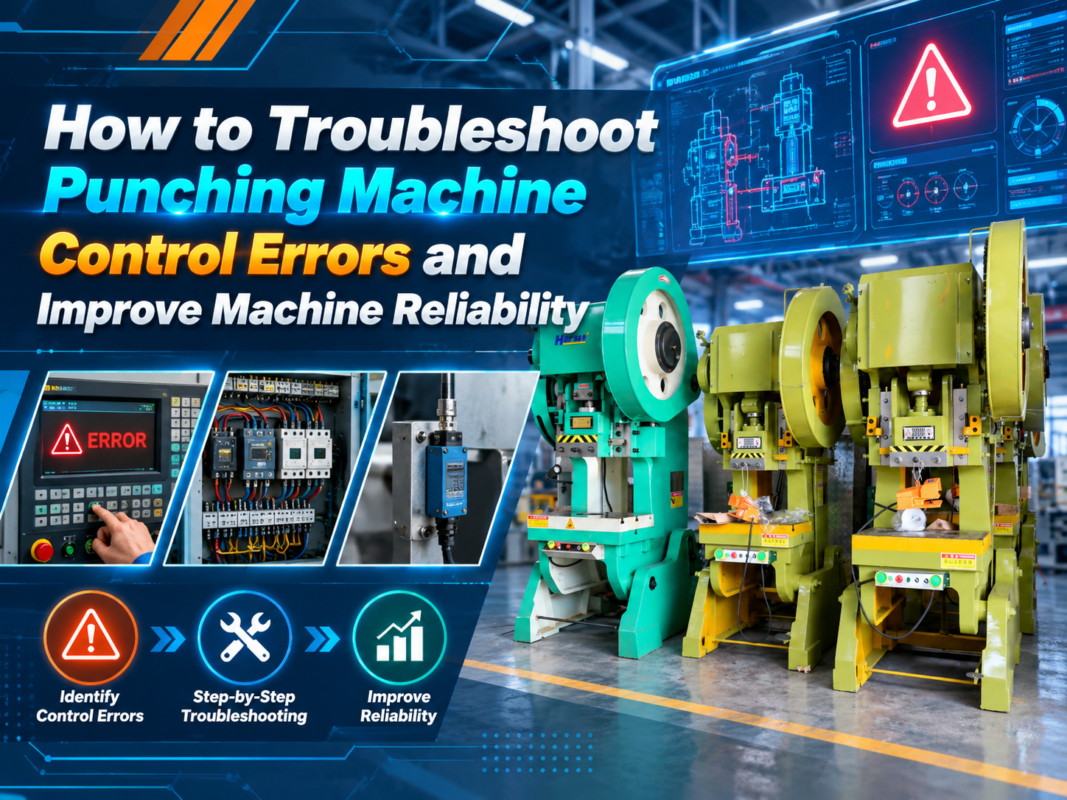
Modern punching machines rely on sophisticated electrical systems and PLCs (Programmable Logic Controllers) to manage the ram’s stroke and timing. Periodically inspect the electrical cabinet for dust accumulation, which can cause overheating and short circuits. Ensure that all wiring connections are tight, as vibrations from the punching process can loosen terminals over time. Loose connections can lead to intermittent faults that are difficult to diagnose and can cause the ram to behave erratically.
Check the cooling fans in the electrical cabinet to ensure they are moving air effectively. If your machine uses encoders or linear scales to track the ram’s position, ensure these sensors are clean and securely mounted. Any movement or dirt on these sensors will directly translate to a loss of precision in the ram’s depth control. Regularly backing up the machine’s software and parameters is also a critical part of electrical maintenance, ensuring a quick recovery in the event of a control system failure.
Mechanical Components and Ram Gibs
The mechanical stability of the ram is maintained by the gibs—the adjustable guides that ensure the ram moves in a perfectly vertical path. Over time, these gibs can wear, leading to “ram play” or lateral movement. This movement is the enemy of precision. Use a feeler gauge to check the clearance between the ram and the gibs according to the manufacturer’s specifications. If the gap is too wide, adjust the gibs to restore the ram’s stability. However, be careful not to over-tighten them, as this can cause excessive friction and heat.
Inspect the drive mechanism, whether it is a hydraulic cylinder or a mechanical flywheel and crankshaft. Look for signs of wear on bushings, bearings, and pins. Any mechanical slop in these components will result in inconsistent punching force and depth. For mechanical punching machines, ensure the clutch and brake systems are properly adjusted and that the friction plates are not excessively worn. A slipping clutch can lead to incomplete strokes and poor part quality.
Comprehensive Lubrication Plan
Lubrication is the most critical factor in reducing wear and maintaining the precision of moving parts. A comprehensive lubrication plan should identify every point on the machine that requires oil or grease, the type of lubricant to be used, and the frequency of application. For the ram, the guiding surfaces (gibs) require constant lubrication to prevent galling and ensure smooth movement. Many HARSLE machines feature automatic lubrication systems; these must be checked daily to ensure the reservoir is full and the pump is functioning.
Tooling also requires lubrication, especially during high-speed punching operations. Applying a thin film of specialized punching oil to the material or the punch itself reduces friction, prevents material from sticking to the tool (galling), and dissipates heat. This not only improves the quality of the hole but also significantly extends the life of the punch and die. In some applications, an air-mist lubrication system can be used to provide a consistent and controlled amount of oil to the tooling area.
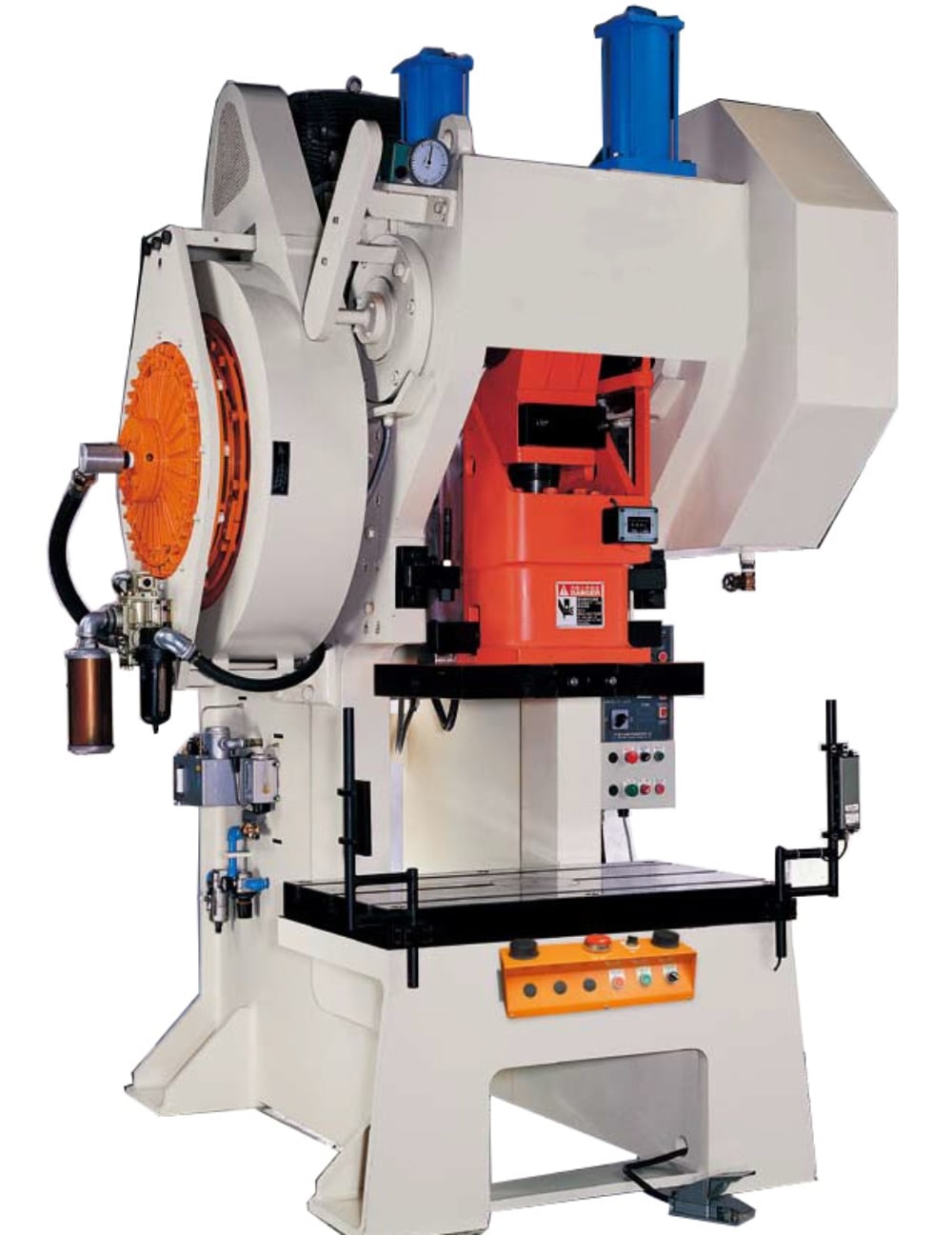
Don’t forget the secondary components. Pivot points, foot pedals, and adjustment screws all require occasional lubrication to prevent rust and ensure ease of operation. When selecting lubricants, always follow the manufacturer’s recommendations. Using the wrong grade of oil in the hydraulic system or the wrong type of grease on the bearings can lead to premature component failure. Keep a log of all lubrication activities to ensure no points are missed and to track the consumption of lubricants, which can be an early indicator of leaks or mechanical issues.
Troubleshooting Signals: Identifying Issues Early
Operators should be trained to recognize the early warning signs of machine distress. One of the most common signals is a change in the sound of the machine. A sharp, metallic “crack” during the punch might indicate that the tool is dull or that the clearance between the punch and die is incorrect. A dull tool produces a different acoustic signature than a sharp one. Similarly, a whining sound from the hydraulic pump could indicate cavitation or a clogged filter, both of which will eventually affect the ram’s precision.
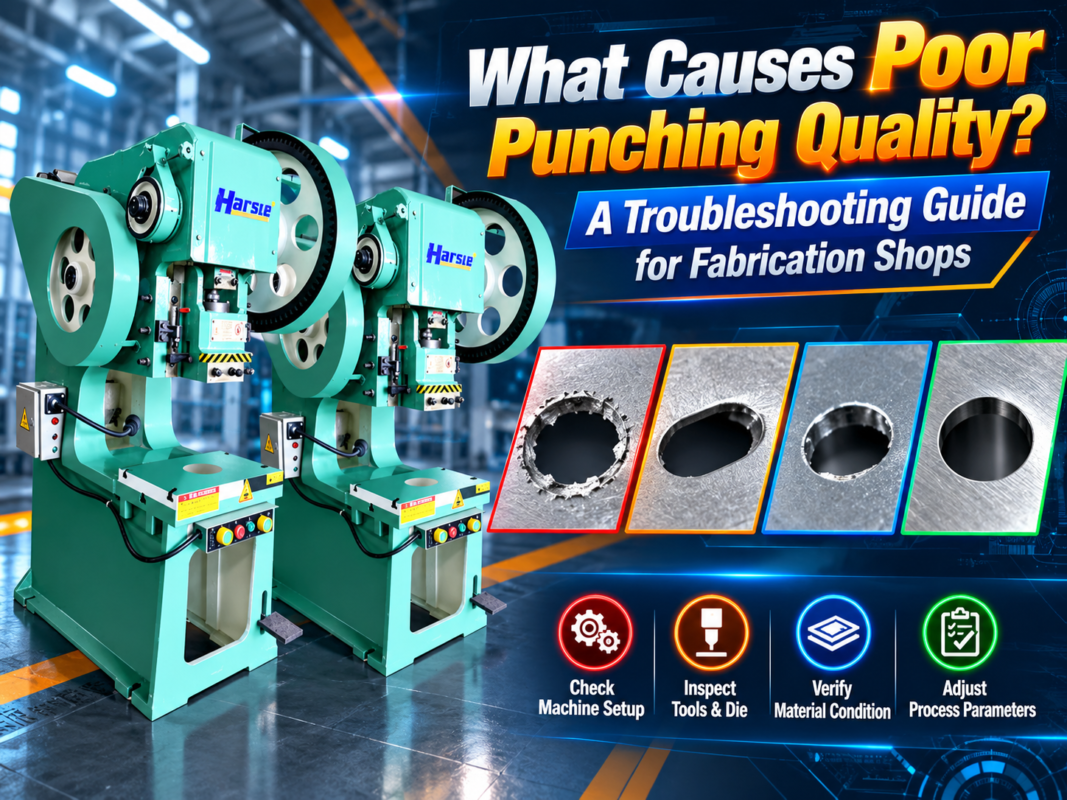
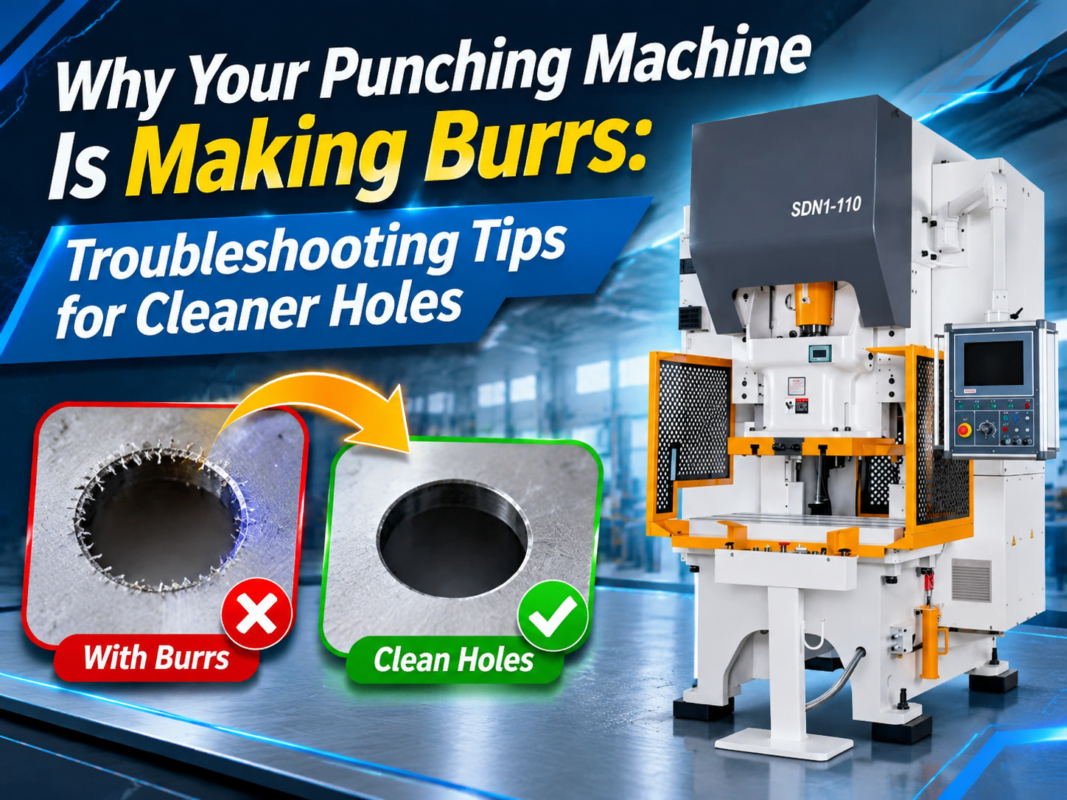
Visual cues on the finished parts are also vital troubleshooting signals. If you notice an increase in the size of the burr on the bottom of the hole, it is a clear indication that the punch is dull or the die clearance has become too large. If the holes are not perfectly round or if they are slightly offset, the ram may be misaligned or the gibs may need adjustment. Heat is another indicator; if the tooling or the ram guides feel excessively hot to the touch after a short run, there is likely a lubrication failure or a mechanical bind.
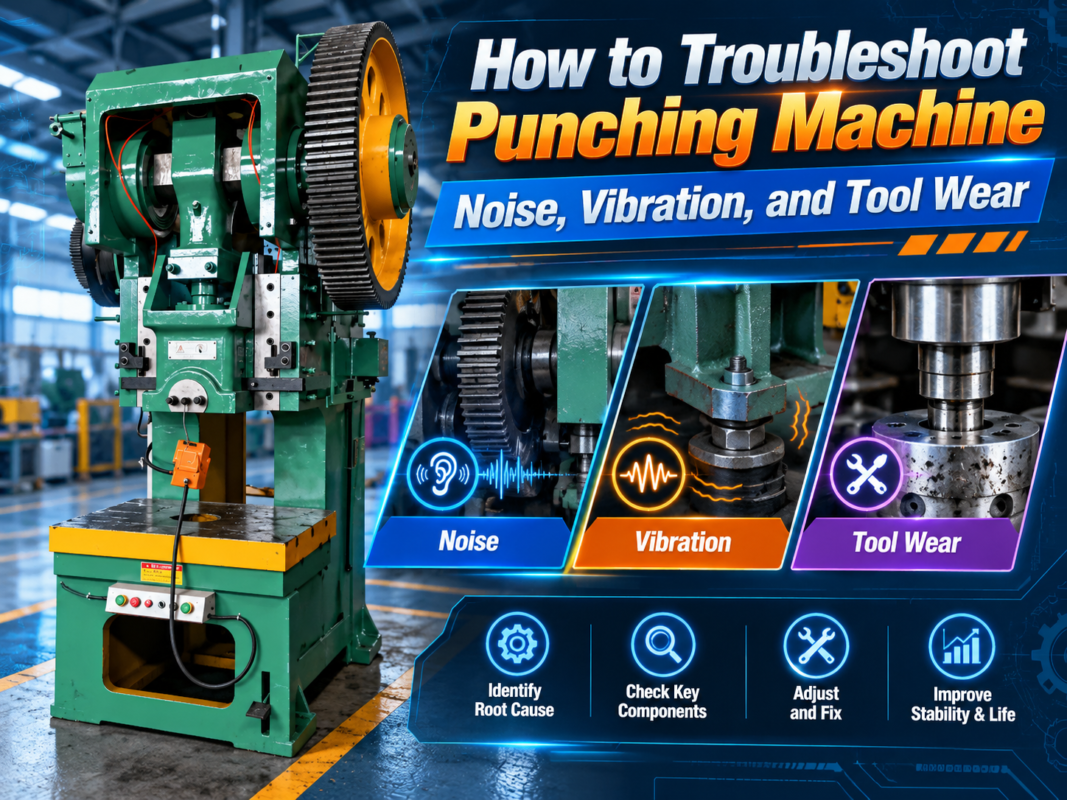
Vibration is another key signal. While punching naturally creates some vibration, an increase in the intensity or a change in the frequency can point to loose mounting bolts, worn bearings, or an unbalanced flywheel. Regularly checking the tightness of all structural bolts and the foundation of the machine can prevent these vibrations from degrading the machine’s precision over time. By responding to these signals immediately, maintenance teams can perform minor adjustments before they turn into major repairs.
Comprehensive Maintenance Schedule Table
To ensure that no task is overlooked, a structured maintenance schedule is essential. The following table outlines the recommended frequency for key maintenance tasks for a HARSLE punching machine.
| Frequency | Component | Action Required |
|---|---|---|
| Daily | Ram & Tooling | Clean debris, inspect for chips, and verify alignment. |
| Daily | Hydraulic System | Check oil level, temperature, and inspect for leaks. |
| Daily | Lubrication | Check auto-lube reservoir and apply manual grease where needed. |
| Weekly | Ram Gibs | Inspect for wear and ensure proper lubrication film. |
| Weekly | Electrical Cabinet | Clean filters and check cooling fan operation. |
| Monthly | Hydraulic Filters | Replace return line and suction filters. |
| Monthly | Mechanical Fasteners | Check and tighten all structural and mounting bolts. |
| Quarterly | Ram Alignment | Perform a precision alignment check using dial indicators. |
| Annually | Hydraulic Oil | Complete oil change and tank cleaning. |
| Annually | Electrical System | Tighten all terminals and perform a full system diagnostic. |
Tooling Storage and Handling for Precision
Maintenance doesn’t stop when the tool is removed from the machine. How you store and handle your punches and dies significantly impacts their longevity and the precision of your next job. Tooling should always be stored in a clean, dry environment, preferably in dedicated cabinets or racks that prevent the tools from knocking against each other. Contact between hardened steel tools can cause micro-chipping on the cutting edges, which will lead to poor hole quality.
Before storing, each tool should be cleaned and coated with a light layer of rust-preventative oil. This is especially important in humid shop environments where surface rust can form overnight. When handling tools, avoid dropping them or placing them on hard metal surfaces. Use plastic or wooden trays for transport. Additionally, keep a record of the number of hits each tool has performed. This allows you to schedule regrinding before the tool becomes so dull that it requires excessive material removal to restore the edge.
Regrinding is a precision operation in itself. When sharpening a punch, ensure that the face is ground flat and that the appropriate shear angle is maintained. Use plenty of coolant during the grinding process to prevent overheating, which can draw the temper out of the steel and make the tool soft. After grinding, always stone the edges slightly to remove any burrs and ensure a clean cut. Proper tooling management is a cornerstone of the Punching Machine Ram Tooling Maintenance Tips Improved Precision philosophy.
Frequently Asked Questions (FAQ)
1. How often should I sharpen my punching tools?
The frequency of sharpening depends on the material being punched, the thickness, and the number of hits. A general rule is to sharpen the tool when the burr height on the part exceeds 10% of the material thickness. Regular, light sharpening is better than waiting until the tool is severely dulled.
2. What is the correct die clearance for my punching machine?
Die clearance is typically calculated as a percentage of the material thickness, usually between 10% and 20% depending on the material type (e.g., stainless steel requires more clearance than aluminum). Consult your HARSLE manual for specific clearance charts to ensure the best hole quality and tool life.
3. Why is my punching machine ram moving slowly?
Slow ram movement can be caused by several factors: low hydraulic oil levels, a clogged hydraulic filter, a failing pump, or air in the hydraulic system. It could also be due to excessive friction in the ram gibs if they are too tight or poorly lubricated.
4. Can I use any hydraulic oil in my HARSLE machine?
No, you must use the specific grade and type of hydraulic oil recommended by the manufacturer. Using the wrong oil can lead to poor performance, seal damage, and voiding your warranty. Most machines require a high-quality anti-wear (AW) hydraulic oil.
5. How do I know if my ram gibs need adjustment?
If you notice inconsistent hole positioning, uneven wear on your punches, or if you can physically see or feel lateral movement in the ram during its stroke, the gibs likely need adjustment. Use a feeler gauge to check the clearance against the factory specifications.
6. What causes “slug pulling” and how can I prevent it?
Slug pulling occurs when the waste material (the slug) sticks to the punch and is pulled back up out of the die. This can be prevented by using sharp tools, proper lubrication, and ensuring the die has the correct clearance. Some dies also feature “slug-hugger” geometries or urethane strippers to keep the slug down.