Preventive Maintenance for Punching Machines: A Practical Workshop Guide


The Critical Importance of Preventive Maintenance in Metal Fabrication
In the high-stakes world of metal fabrication, the punching machine stands as a cornerstone of production. Whether you are operating a mechanical turret punch or a high-speed hydraulic CNC punching machine, the reliability of this equipment directly dictates your workshop’s throughput and profitability. Preventive Maintenance Punching Machines: A Practical Workshop approach is not merely about fixing things when they break; it is a proactive philosophy designed to eliminate the root causes of machine failure before they manifest as costly downtime.
Implementing a rigorous maintenance strategy ensures that the machine operates within its designed tolerances. Over time, the repetitive high-force impact of punching operations can lead to microscopic misalignments, thermal expansion issues, and the gradual degradation of hydraulic seals. Without a structured guide, these minor issues snowball into catastrophic failures that can halt production for days or even weeks. For HARSLE users, maintaining the integrity of the machine means preserving the precision that the brand is known for.
Beyond the mechanical health of the machine, preventive maintenance is a vital component of workplace safety. A well-maintained machine is a predictable machine. Unexpected ram movements, hydraulic leaks that create slip hazards, or electrical shorts can pose significant risks to operators. By following a practical workshop guide, floor managers can foster a culture of safety where equipment is respected and cared for, reducing the likelihood of industrial accidents.
Finally, the economic argument for preventive maintenance is undeniable. The cost of a few liters of high-quality hydraulic oil and an hour of daily inspection is negligible compared to the price of a replacement main motor or a damaged turret assembly. Furthermore, machines with documented maintenance histories retain a significantly higher resale value, making preventive care a smart long-term investment for any fabrication business.
Daily Inspection: The First Line of Defense
The daily inspection is the most fundamental aspect of Preventive Maintenance Punching Machines: A Practical Workshop. It should be performed at the start of every shift, ideally by the operator who will be using the machine. This process begins with a visual sweep of the entire unit. Operators should look for any signs of oil leakage around the hydraulic cylinders and hoses. Even a small damp spot can indicate a failing seal or a loose fitting that could lead to a sudden loss of pressure during a heavy punch cycle.
Next, the worktable and the turret area must be cleared of all metal scraps, slugs, and debris. Slugs that fail to fall through the die can cause ‘slug pulling,’ where the waste material is lifted back up and interferes with the next punch, potentially shattering the tool or damaging the workpiece. Using compressed air or a specialized vacuum system to keep the die holders clean is essential for maintaining part quality and machine longevity.
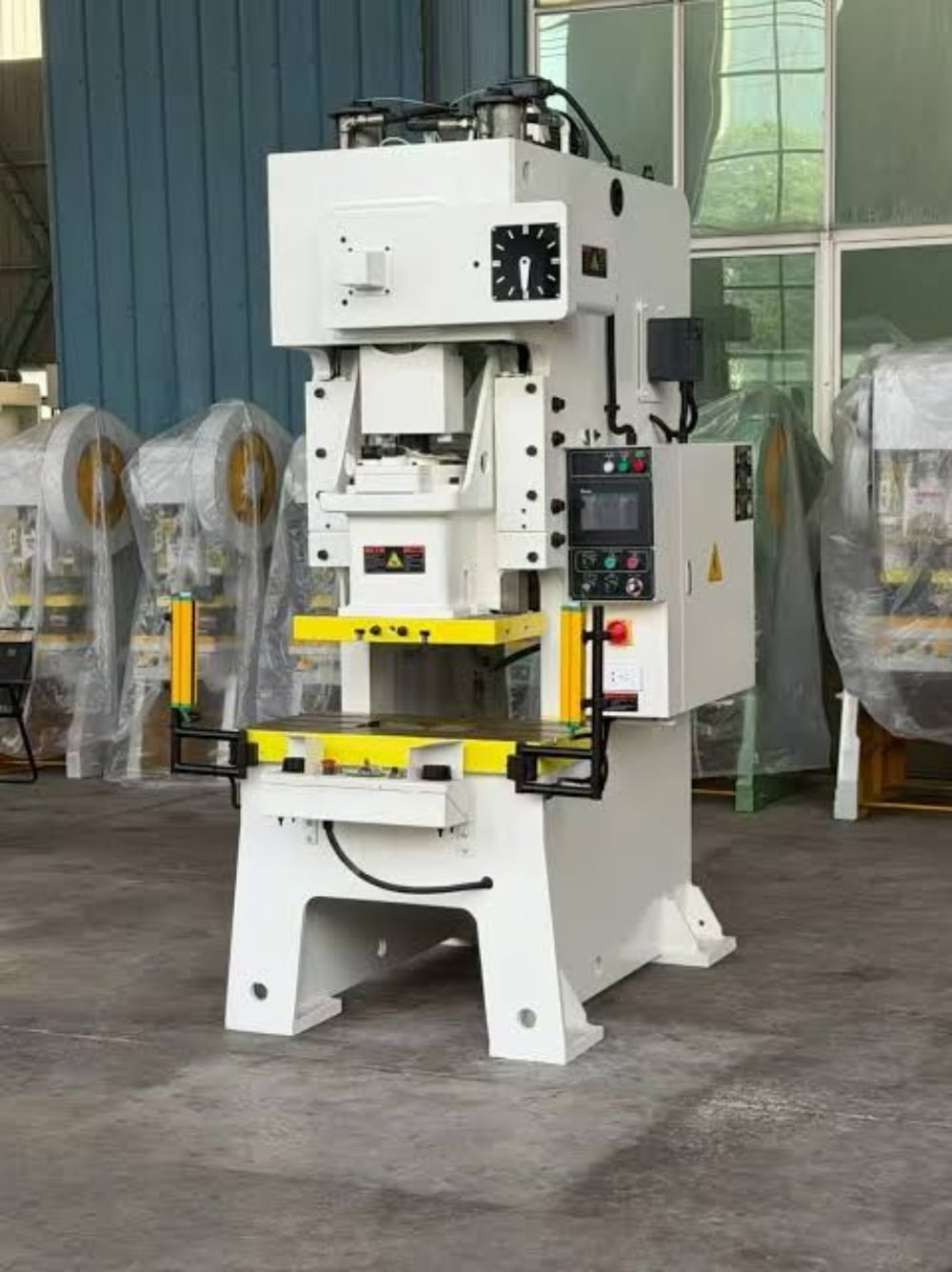
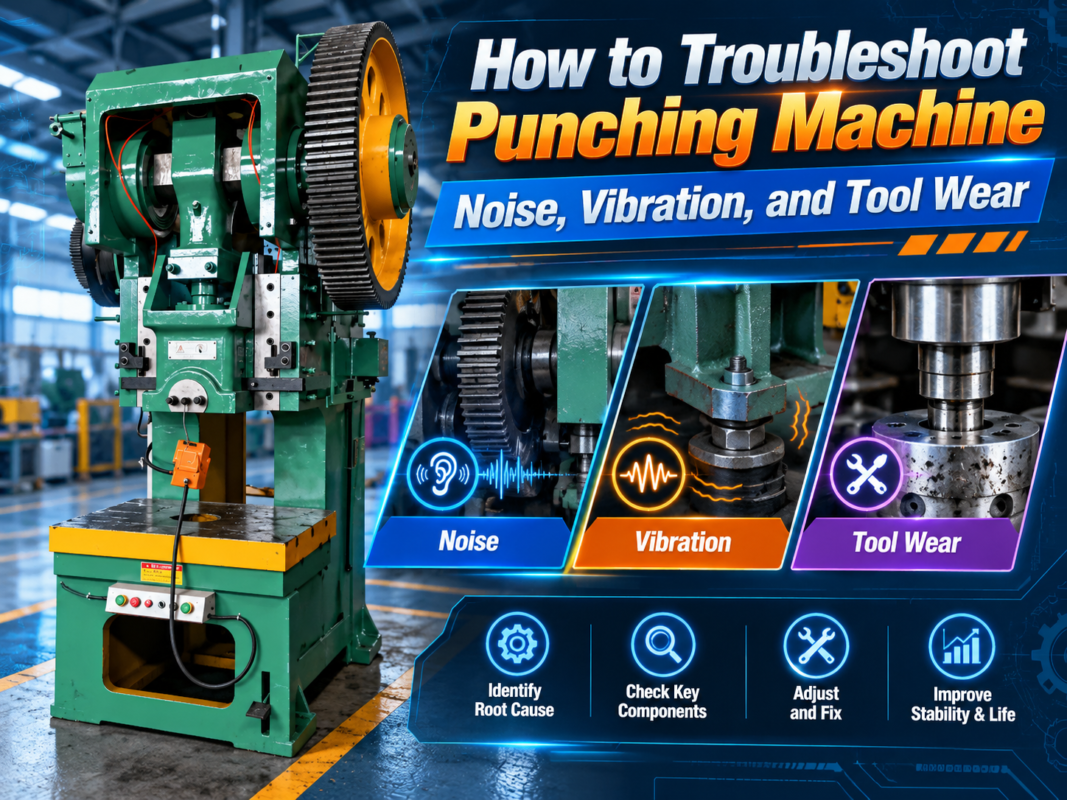
The “Listen and Feel” method is also a part of the daily routine. Before starting a production run, the operator should cycle the machine several times without a workpiece. Listen for unusual grinding, clicking, or whistling sounds. A whistling sound often points to a hydraulic bypass issue, while grinding might suggest a lack of lubrication in the guide rails. Feeling for excessive vibration in the frame can also alert the operator to loose foundation bolts or internal mechanical imbalances.
Lastly, daily checks must include the verification of safety devices. Emergency stop buttons, light curtains, and interlocking doors must be tested to ensure they function perfectly. A punching machine exerts tons of force; if a safety sensor fails to trigger, the results can be devastating. Documenting these daily checks in a logbook creates a trail of accountability and helps identify recurring issues that may need professional intervention.
Deep Dive: Hydraulic, Electrical, and Mechanical Checks
Hydraulic System Integrity
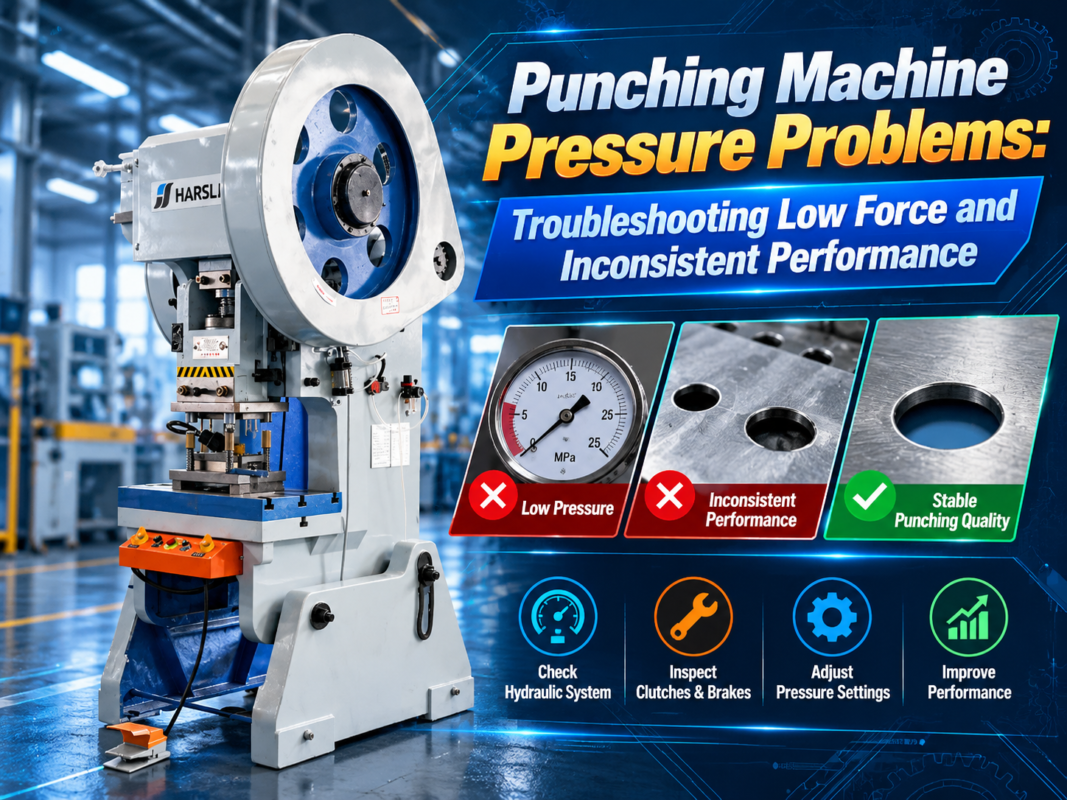
The hydraulic system is the heart of most modern punching machines. Maintenance here focuses on fluid cleanliness and temperature management. Hydraulic oil should be checked for color and clarity; cloudy oil usually indicates water contamination, while dark, burnt-smelling oil suggests overheating. It is vital to maintain the oil level within the specified range on the sight glass, as low levels can lead to aeration, causing jerky ram movements and cavitation damage to the pump.
Filters are the unsung heroes of the hydraulic circuit. They must be replaced according to the manufacturer’s intervals or whenever the clogging indicator moves into the red zone. Additionally, the cooling system—whether air-cooled or water-cooled—must be kept clean. Dust buildup on heat exchangers is a common cause of oil overheating, which thins the fluid and leads to premature wear of valves and seals.
Electrical and Control Systems
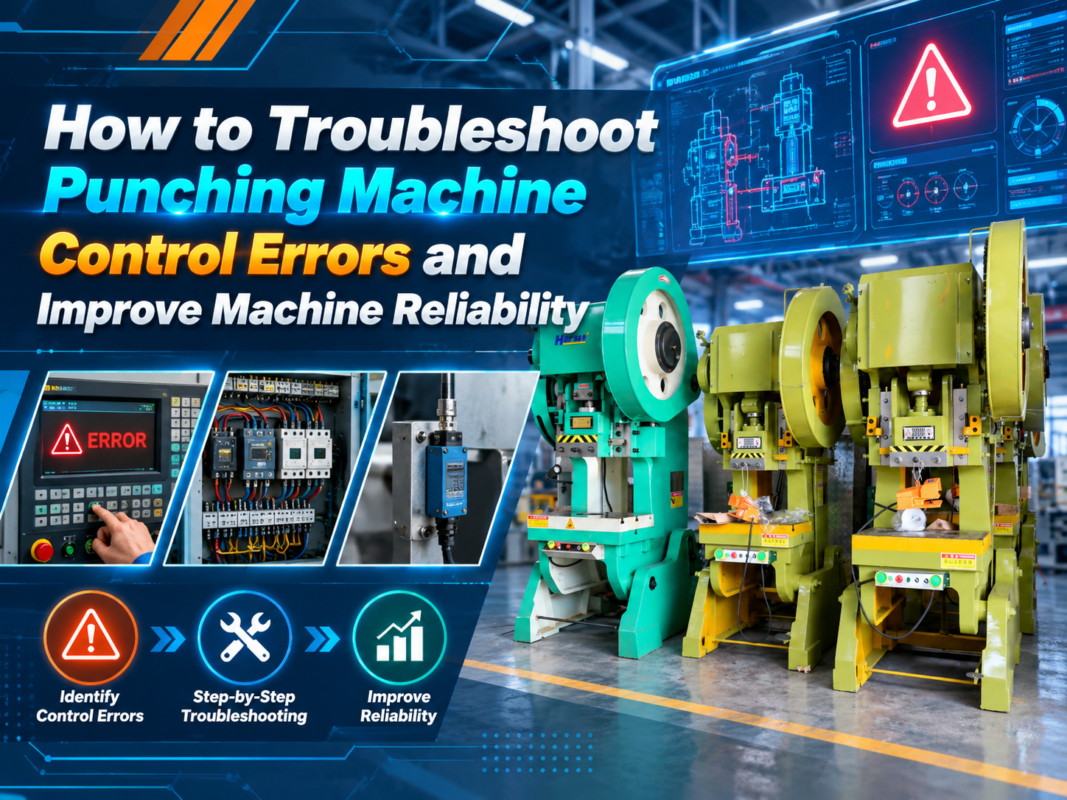
In a CNC environment, the electrical cabinet is as important as the mechanical frame. Dust is the primary enemy here, as it can cause short circuits or trap heat on sensitive circuit boards. Monthly, the cabinet should be opened (with power disconnected) and cleaned using a vacuum or low-pressure dry air. Check all wiring connections for tightness; the vibrations from punching can occasionally loosen terminal screws, leading to intermittent signal loss or PLC errors.
Sensors and limit switches require special attention. These components are often located near the work area and can become coated in oil mist or metal dust. Wiping them down and ensuring they are securely mounted prevents “ghost errors” where the machine stops for no apparent reason. Furthermore, ensure that the cooling fans for the servo drives are spinning freely to prevent thermal tripping during high-speed operations.
Mechanical Components and Tooling Alignment
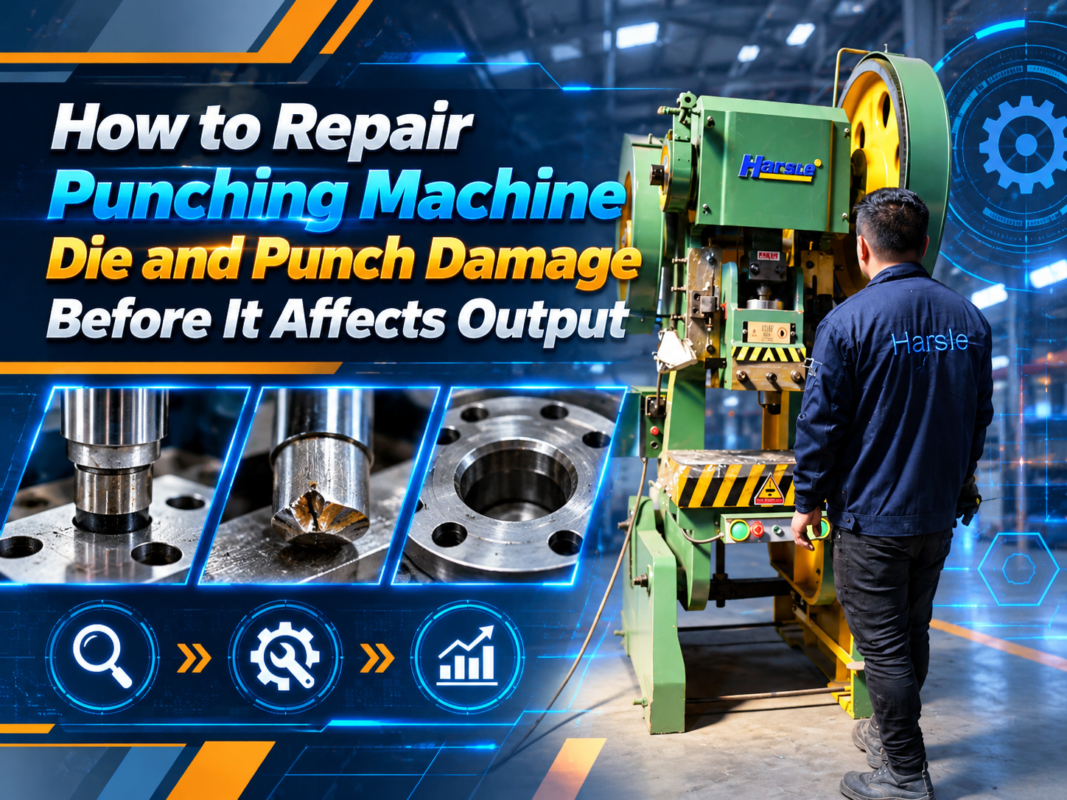
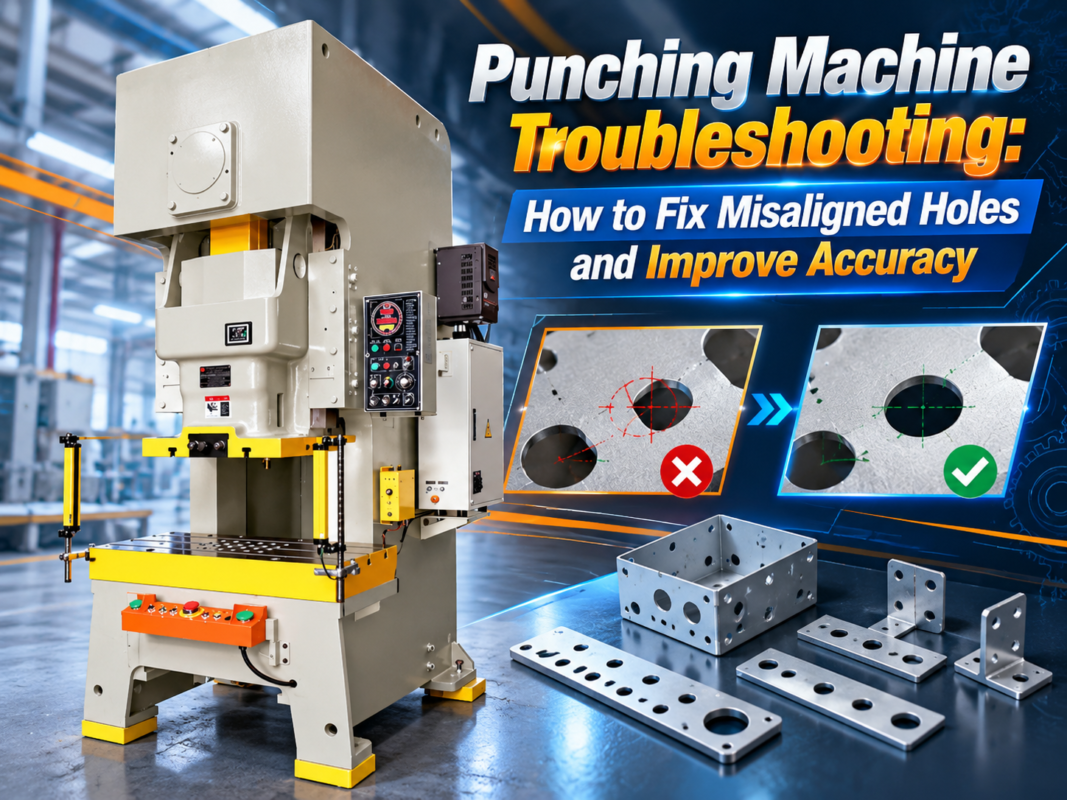
The mechanical structure, specifically the turret and the ram assembly, requires precision checks. Over time, the alignment between the upper punch and the lower die can shift. Using a precision alignment tool to verify that the punch enters the die perfectly centered is crucial. Misalignment leads to uneven tool wear and poor edge quality on the finished parts. Check the turret indexing pins for wear, as any play in these pins will result in inaccurate hole placement.
Fasteners throughout the machine should be checked for torque. The high-frequency vibration of a punching machine can loosen even the most secure bolts. Pay particular attention to the bolts securing the machine to the floor and those holding the main motor and hydraulic manifold. A loose frame can lead to resonance issues that negatively impact the accuracy of the CNC system.
Comprehensive Lubrication Plan
Lubrication is the lifeblood of Preventive Maintenance Punching Machines: A Practical Workshop. Without proper lubrication, the friction generated by moving parts will quickly lead to galling and seizure. A comprehensive plan distinguishes between different types of lubricants: heavy-duty grease for slow-moving, high-load areas like the turret bearings, and high-grade machine oil for fast-moving components like the ball screws and linear guides.
Most modern HARSLE machines feature an automatic lubrication system. However, the operator must not become complacent. The lubricant reservoir must be topped up regularly with the correct grade of oil. It is also necessary to verify that the oil is actually reaching the distribution points. Sometimes, a lubrication line can become pinched or clogged, leaving a critical bearing bone-dry while the pump appears to be working normally. Manually triggering a lube cycle and observing the film of oil on the ways is a good practice.
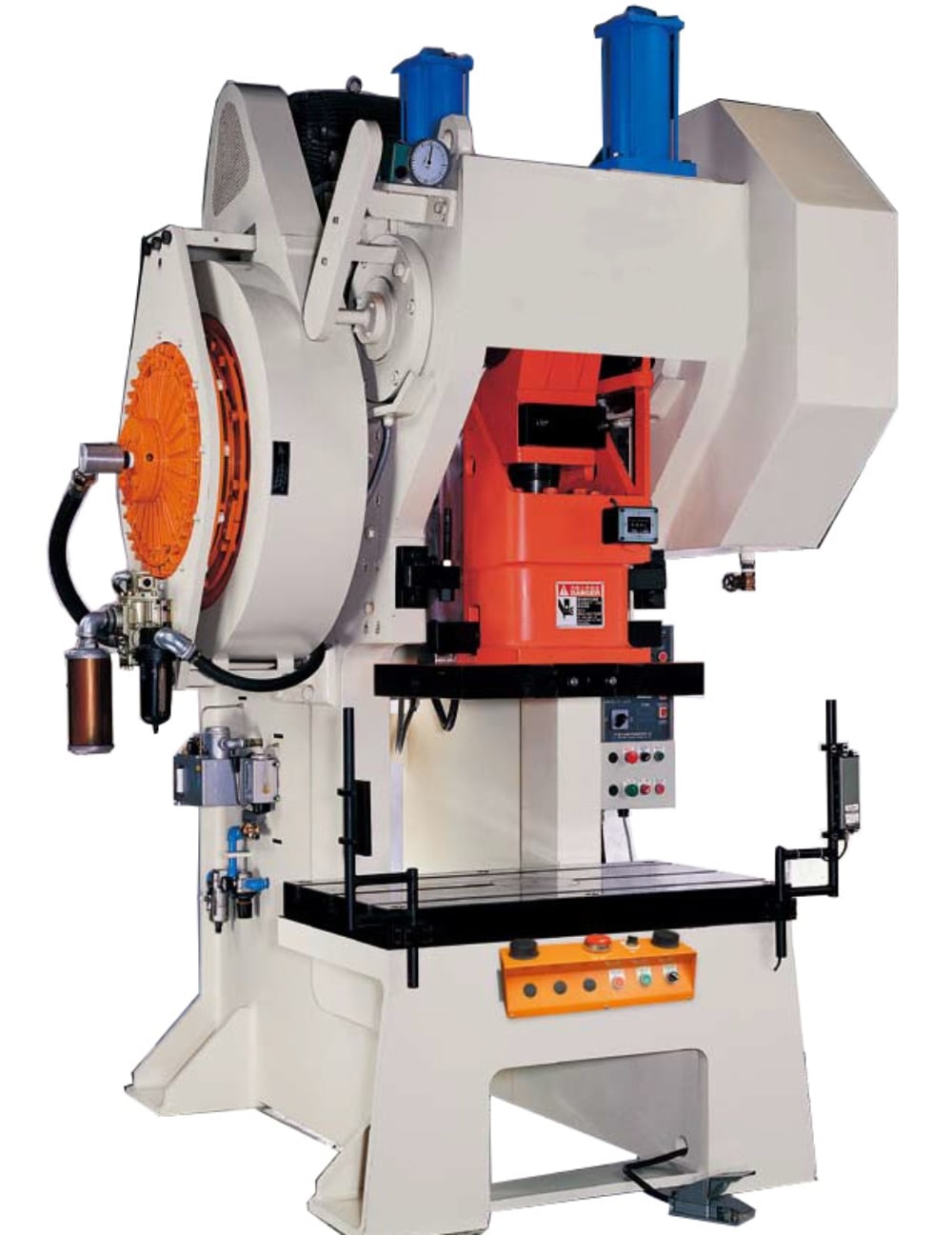
For manual lubrication points, such as certain pivot pins or secondary linkages, a strict schedule must be followed. Over-greasing can be just as harmful as under-greasing, as excess grease can attract metal dust and create an abrasive paste that wears down components. Always wipe away old grease before applying new lubricant to ensure that contaminants are removed from the system rather than pushed deeper into the bearings.
Identifying Troubleshooting Signals
A key skill in Preventive Maintenance Punching Machines: A Practical Workshop is the ability to read the machine’s signals. One of the most common signals is a change in the sound of the punch. A sharp, clean “crack” indicates a sharp tool and proper clearance. A dull “thud” or a dragging sound during the return stroke suggests that the punch is dull or that the stripper plate is not functioning correctly. Dull tools increase the load on the hydraulic system and the frame, accelerating wear.
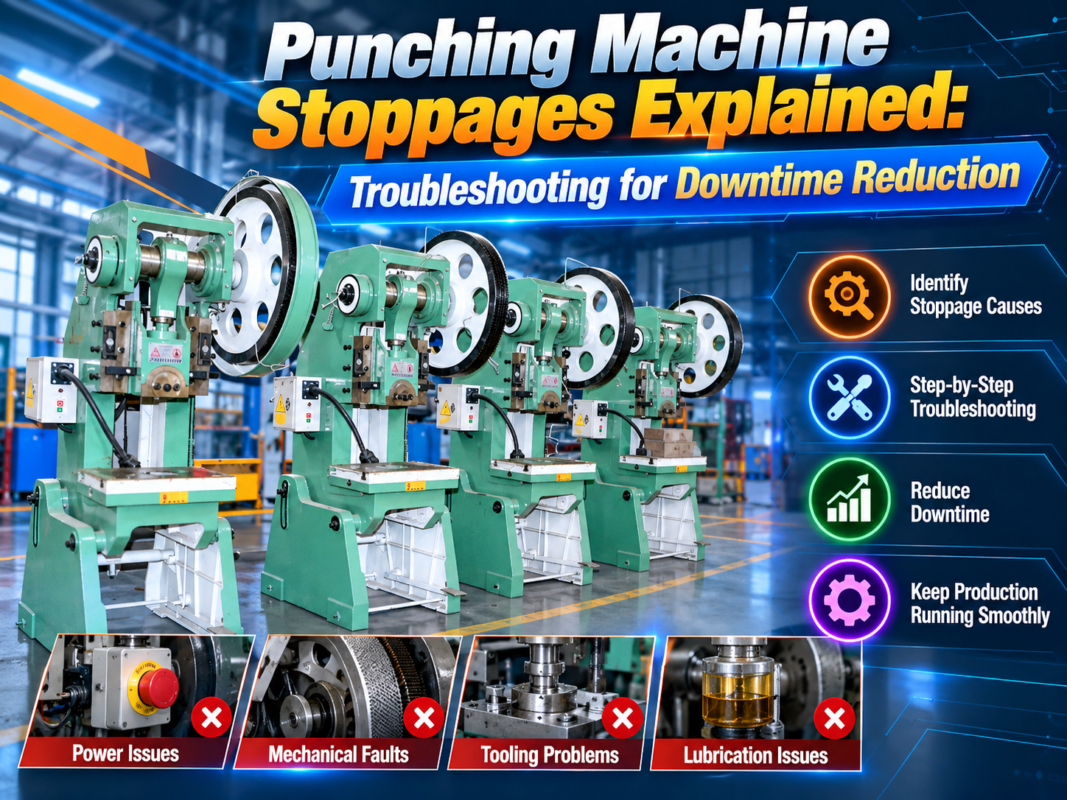
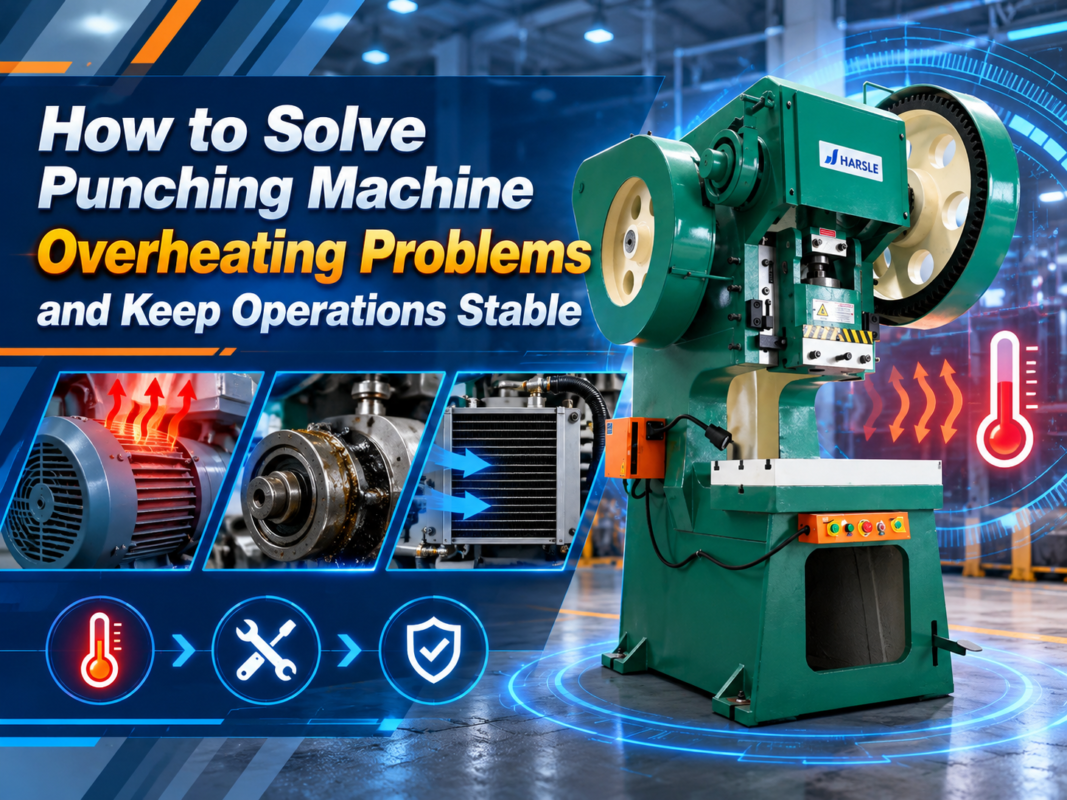
Heat is another major indicator. If the hydraulic tank or the servo motors feel excessively hot to the touch, the machine is struggling. This could be due to a mechanical bind, an electrical overload, or a failure in the cooling system. Monitoring the temperature gauges and setting alarms on the CNC control can help catch these issues before they lead to a total system shutdown.
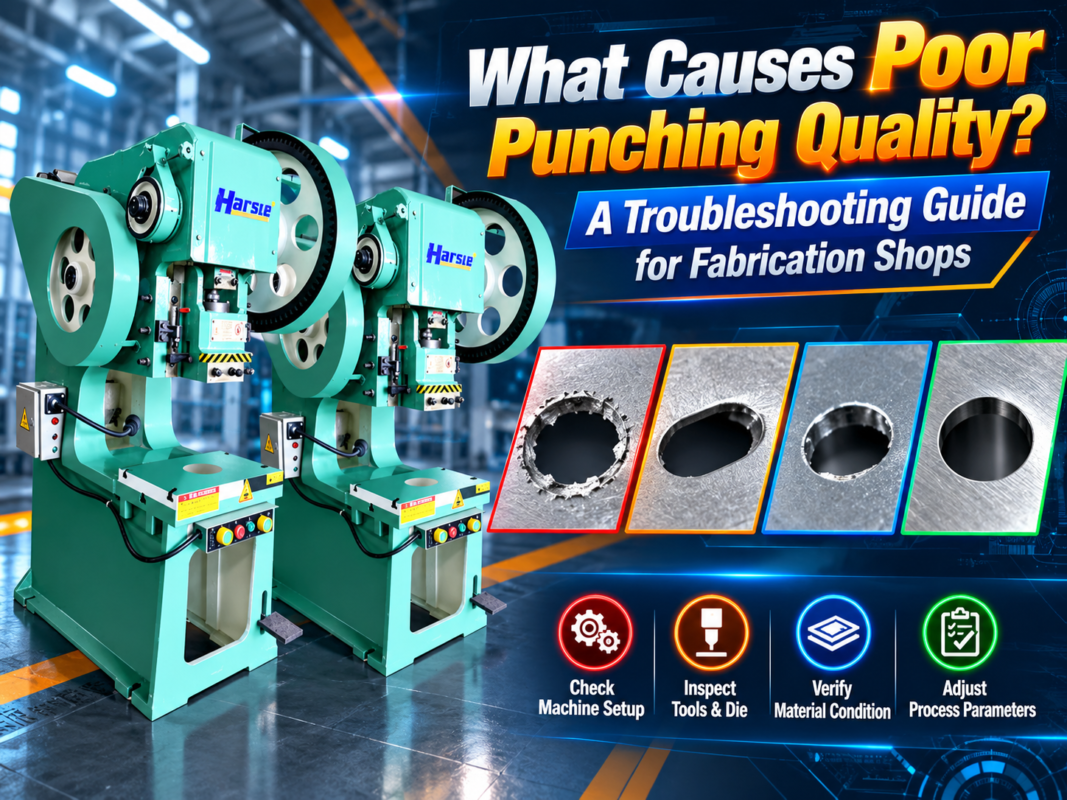
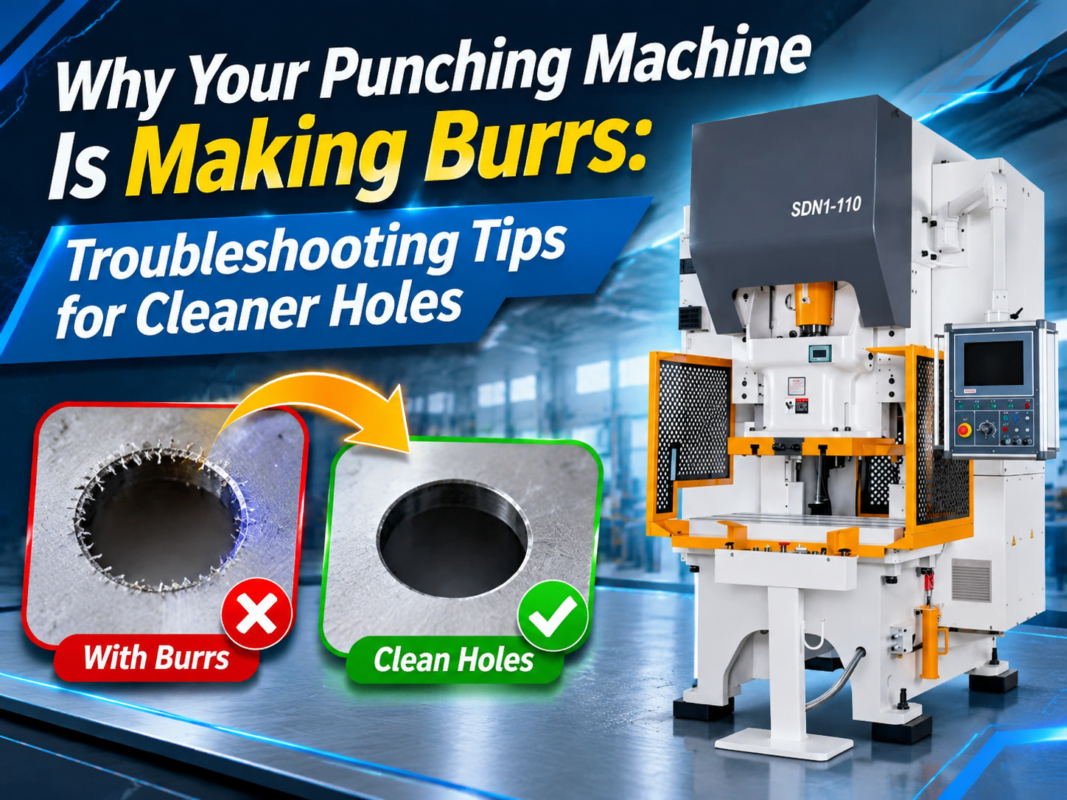
Finally, the quality of the output parts is a direct reflection of the machine’s health. If you notice an increase in burr height, or if holes are becoming slightly oval rather than perfectly round, it is time to stop and inspect the tooling and the ram alignment. These subtle changes in part quality are often the first warnings of a mechanical shift that, if ignored, will lead to a significant breakdown.
Maintenance Schedule Table
To keep your workshop organized, use the following table as a baseline for your punching machine maintenance program. Adjust the frequency based on your specific shift patterns and material types.
| Frequency | Component | Action Required |
|---|---|---|
| Daily | Worktable & Turret | Clean debris, remove slugs, and wipe down surfaces. |
| Daily | Hydraulic System | Check oil level and look for leaks in hoses/fittings. |
| Daily | Safety Systems | Test E-stops, light curtains, and interlocks. |
| Weekly | Linear Guides | Clean and check for adequate lubrication film. |
| Weekly | Air Filters | Clean or replace pneumatic and electrical cabinet filters. |
| Monthly | Electrical Cabinet | Vacuum dust and check for loose wire connections. |
| Monthly | Tooling | Inspect all punches and dies for chips or excessive wear. |
| Quarterly | Hydraulic Oil | Perform a patch test or laboratory analysis for contamination. |
| Quarterly | Turret Alignment | Verify punch-to-die centering using alignment tools. |
| Yearly | Full System Calibration | Professional inspection of CNC accuracy and frame integrity. |
| Yearly | Hydraulic Fluid | Complete oil change and tank cleaning (if required by analysis). |
Frequently Asked Questions (FAQ)
How often should I sharpen my punching tools?
Tool sharpening frequency depends on the material type and thickness. As a rule of thumb, tools should be inspected every 10,000 hits. If you notice a burr height exceeding 10% of the material thickness, it is time to sharpen. Consistent sharpening extends the total life of the tool by removing only a small amount of material each time.
What type of hydraulic oil is best for HARSLE punching machines?
Most HARSLE machines require an anti-wear hydraulic oil with a viscosity grade of ISO VG 32 or 46, depending on your ambient workshop temperature. Always refer to your specific machine manual, as using the wrong viscosity can lead to sluggish performance or pump damage.
Why is my machine showing a ‘Hydraulic Overload’ error?
This error usually occurs when the pressure required to punch the material exceeds the machine’s capacity. This can be caused by trying to punch material that is too thick, using dull tools, or a malfunction in the pressure relief valve. Check your tool condition and material specs first.
Can I use compressed air to clean the electrical cabinet?
It is generally safer to use a vacuum cleaner to remove dust from an electrical cabinet. Compressed air can force conductive dust deeper into sensitive components or connectors, potentially causing a short circuit. If you must use air, ensure it is completely dry and used at a very low pressure.
How do I know if my turret is out of alignment?
Signs of misalignment include uneven wear on one side of the punch, excessive burrs on one side of the hole, and the punch ‘nibbling’ the edge of the die. You can perform a ‘paper test’ or use a laser alignment tool to confirm the centering of the station.