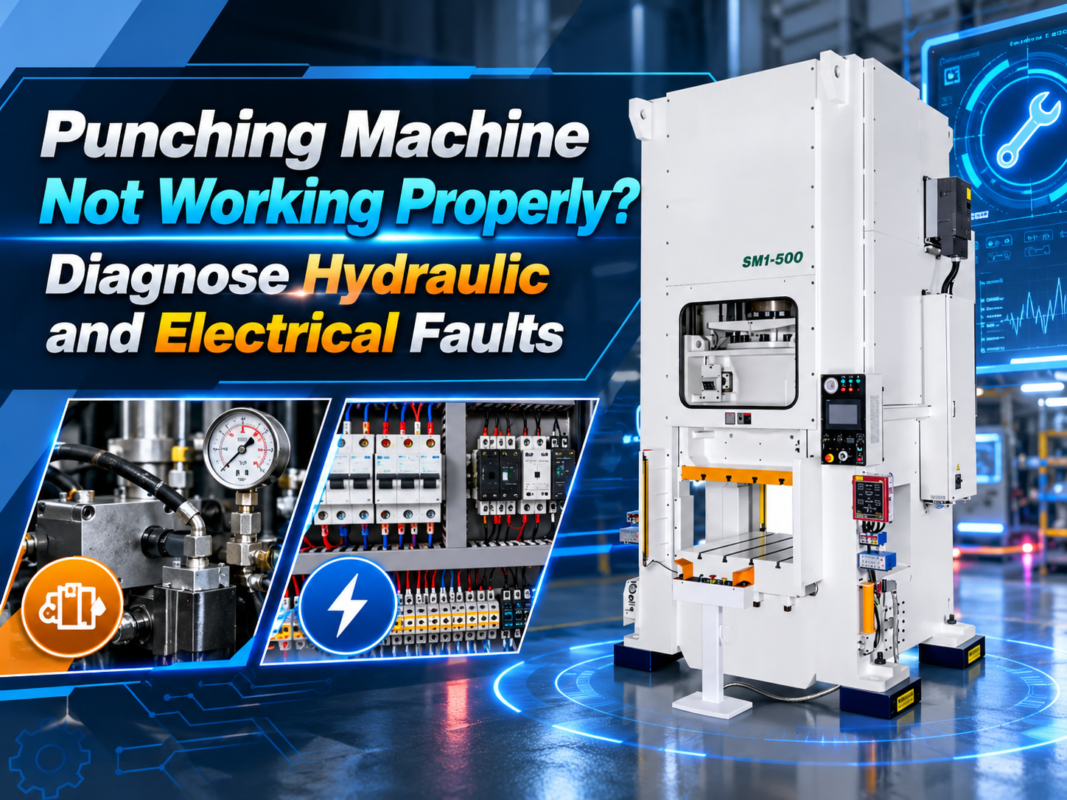
Punching Machine Maintenance Guide for Higher Output and Lower Repair Costs


The Critical Role of Maintenance in Metal Fabrication
In the high-stakes world of metal fabrication, the punching machine stands as a cornerstone of production. Whether you are operating a mechanical power press or a high-speed CNC turret punch, the efficiency of your operations is directly tied to the health of your machinery. Implementing a rigorous Punching Machine Maintenance Higher Output Lower Repair Costs strategy is not merely a suggestion; it is a financial necessity. When a machine is well-maintained, it operates at peak precision, reducing scrap rates and ensuring that every stroke contributes to the bottom line.
Neglecting maintenance often leads to a catastrophic chain reaction. A minor lubrication failure can cause excessive friction, leading to heat buildup, which then warps critical components or causes premature motor failure. The resulting downtime is often far more expensive than the cost of the replacement parts themselves. By prioritizing a proactive maintenance culture, manufacturers can ensure that their HARSLE equipment remains a reliable asset for decades rather than a liability that requires constant emergency repairs.
Furthermore, consistent maintenance enhances operator safety. A machine that is prone to unexpected stops or mechanical glitches poses a significant risk to the personnel operating it. Ensuring that safety guards, emergency stops, and structural components are in top condition creates a secure working environment, which in turn boosts morale and productivity. This guide provides a deep dive into the technical aspects of maintaining your punching machine to achieve the dual goals of maximized output and minimized expenditure.
Ultimately, the goal of this guide is to transform maintenance from a reactive chore into a strategic advantage. By understanding the intricacies of hydraulic, electrical, and mechanical systems, you can predict failures before they occur. This foresight allows for scheduled downtime that does not disrupt your production deadlines, ensuring that your facility remains competitive in an increasingly demanding global market.
The Importance of a Systematic Maintenance Approach
A systematic approach to maintenance involves more than just occasional oil changes. It requires a comprehensive understanding of how different systems interact within the punching machine. For instance, the relationship between the hydraulic pressure and the mechanical ram movement must be perfectly synchronized to ensure clean punches. If the hydraulic system is sluggish due to contaminated oil, the mechanical components may experience uneven loading, leading to accelerated wear on the gibs and ways.
Higher output is achieved when the machine can run at its rated speed without the risk of overheating or vibration-induced errors. When components are properly aligned and lubricated, the machine consumes less energy and produces parts with tighter tolerances. This precision reduces the need for secondary operations, such as deburring or straightening, which further streamlines the production process and increases the overall throughput of the shop floor.
Lower repair costs are the direct result of catching wear and tear in its infancy. Replacing a worn-out seal is a low-cost procedure that takes an hour. However, ignoring that leaking seal can lead to hydraulic fluid contamination, pump cavitation, and eventually, a full system overhaul costing thousands of dollars. By following a structured maintenance guide, you shift your budget from “emergency recovery” to “preventive optimization,” which is significantly more cost-effective in the long run.
Moreover, a well-documented maintenance history increases the resale value of the machinery. Should you decide to upgrade to a newer HARSLE model in the future, a machine with a proven track record of professional care will command a much higher price on the secondary market. This lifecycle management is a key component of a smart industrial investment strategy.
Daily Inspection: The First Line of Defense
The daily inspection is perhaps the most critical part of any maintenance program. It should be performed at the start of every shift and takes no more than 15 to 20 minutes. This routine allows operators to become intimately familiar with the “normal” state of the machine, making it easier to spot anomalies such as unusual noises, leaks, or loose fasteners. The daily checklist should begin with a visual sweep of the entire machine, looking for any signs of oil weeping from hydraulic lines or loose bolts on the bolster plate.
Operators must check the air pressure levels if the machine utilizes pneumatic clutches or counterbalances. Incorrect air pressure can lead to sluggish response times or failure of the braking system, which is a major safety concern. Additionally, the lubrication reservoirs should be topped off, and the automatic lubrication system (if equipped) should be verified for proper operation. A dry slide or bearing can sustain permanent damage in just a few hours of high-speed operation.
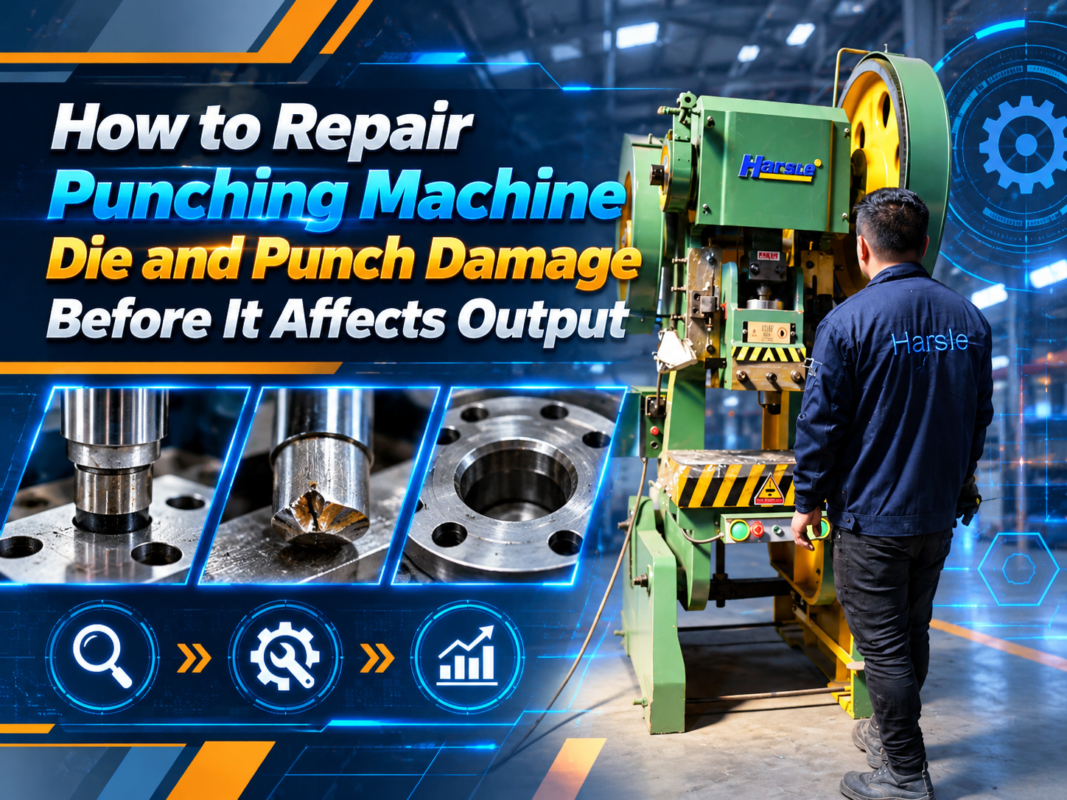
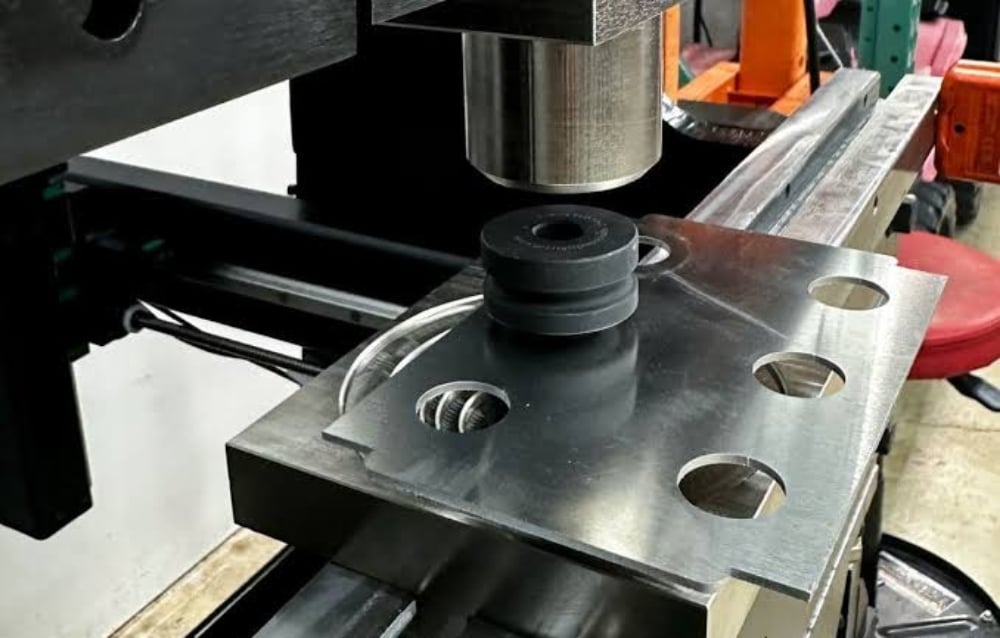
Tooling inspection is another vital daily task. Punches and dies should be checked for sharpness, chipping, or galling. Using dull tools increases the tonnage required to pierce the material, which puts unnecessary stress on the machine’s frame and drive system. Sharp tools not only produce better parts but also extend the life of the punching machine itself. Any signs of misalignment between the punch and die should be addressed immediately to prevent “slug pulling” or tool breakage.
Finally, the work area around the machine must be kept clean. Metal shavings, slug buildup, and oil spills are not just safety hazards; they can also interfere with the machine’s sensors and moving parts. A clean machine is easier to inspect and less likely to suffer from external contamination. Ensuring that the scrap bins are emptied and the worktable is clear of debris is a simple yet effective way to maintain high operational standards.
Hydraulic System Checks and Fluid Management
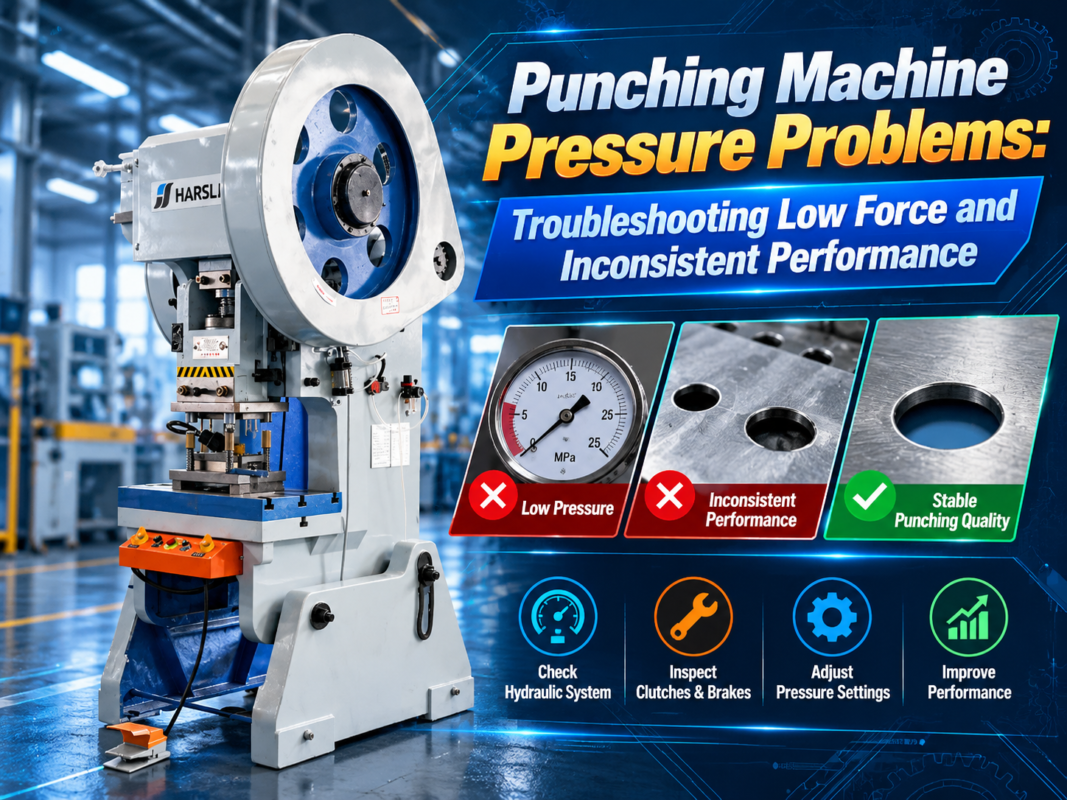
The hydraulic system is the heart of many modern punching machines, providing the force necessary to shear through thick metal plates. Maintaining the integrity of this system is paramount for consistent performance. The first priority is oil quality. Over time, hydraulic oil breaks down due to heat and pressure, losing its lubricating properties and becoming acidic. Regular oil analysis can help determine the exact state of the fluid, but as a general rule, the oil should be changed according to the manufacturer’s recommended intervals.
Temperature control is equally important. Hydraulic systems operate best within a specific temperature range. If the oil becomes too hot, its viscosity drops, leading to internal leakage in pumps and valves, which reduces the machine’s punching force. Ensure that the cooling fans or heat exchangers are clean and functioning correctly. Conversely, in cold environments, the machine should be allowed to warm up before full-load operation to prevent cavitation in the pump due to high-viscosity oil.
Filters are the primary defense against contamination. Microscopic metal particles, dust, and moisture can wreak havoc on sensitive hydraulic valves. Replacing filters on a strict schedule—or whenever the indicator suggests—is a non-negotiable task. It is also essential to check all hydraulic hoses and fittings for signs of wear, cracking, or bulging. A high-pressure hose failure can be extremely dangerous and results in a significant environmental cleanup task.
Lastly, check the accumulator pressure if your machine is equipped with one. Accumulators store energy to assist in high-speed cycles and dampen pressure spikes. If the nitrogen pre-charge is too low, the hydraulic system will experience increased vibration and slower cycle times. Maintaining the correct pressure in the accumulator ensures smooth operation and protects the pump from premature wear caused by rapid pressure fluctuations.
Electrical System and Control Integrity
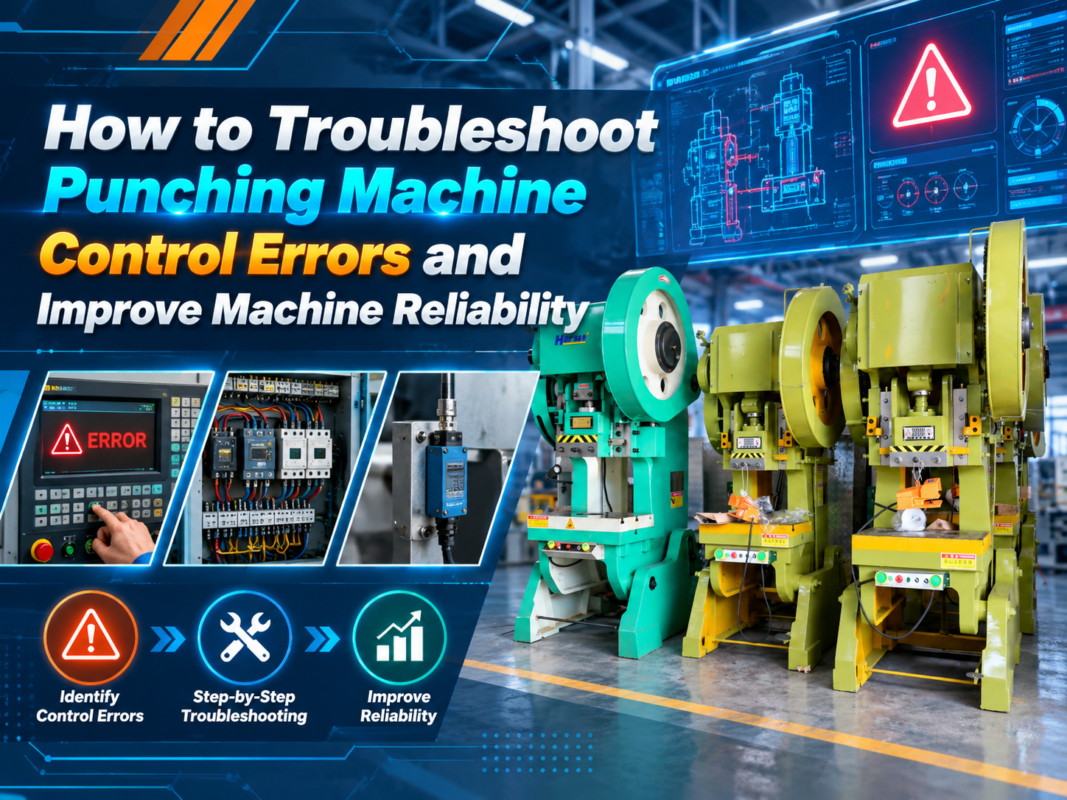
Modern punching machines rely heavily on sophisticated electrical systems and CNC controllers. These components are sensitive to environmental factors such as dust, heat, and vibration. The electrical cabinet should be kept sealed and the cooling fans or air conditioners checked regularly. Dust accumulation on circuit boards can lead to short circuits or overheating, resulting in erratic machine behavior or total controller failure.
Wiring and connections should be inspected periodically for signs of fraying or loosening. Vibration from the punching process can cause terminal screws to back out over time, leading to intermittent signals or power loss. It is also important to check the integrity of the grounding system. Poor grounding can cause electrical noise, which interferes with the precision of the CNC system and can lead to positioning errors in the turret or worktable.
Sensors and limit switches are the “eyes” of the machine. They ensure that the ram is in the correct position and that the material is properly clamped. These components should be cleaned of oil and metal dust, and their mounting brackets checked for tightness. A faulty sensor can cause the machine to crash or fail to start, leading to significant downtime. Regular calibration of these sensors ensures that the machine operates within its designed safety and precision parameters.
Software and firmware updates should also be part of your electrical maintenance routine. Manufacturers like HARSLE often release updates that improve machine efficiency, add new features, or patch known bugs. Keeping your control software up to date ensures that you are getting the most out of your machine’s capabilities. Additionally, always maintain a backup of the machine’s parameters and PLC programs on an external drive to facilitate quick recovery in the event of a hardware failure.
Mechanical Components: Alignment and Wear
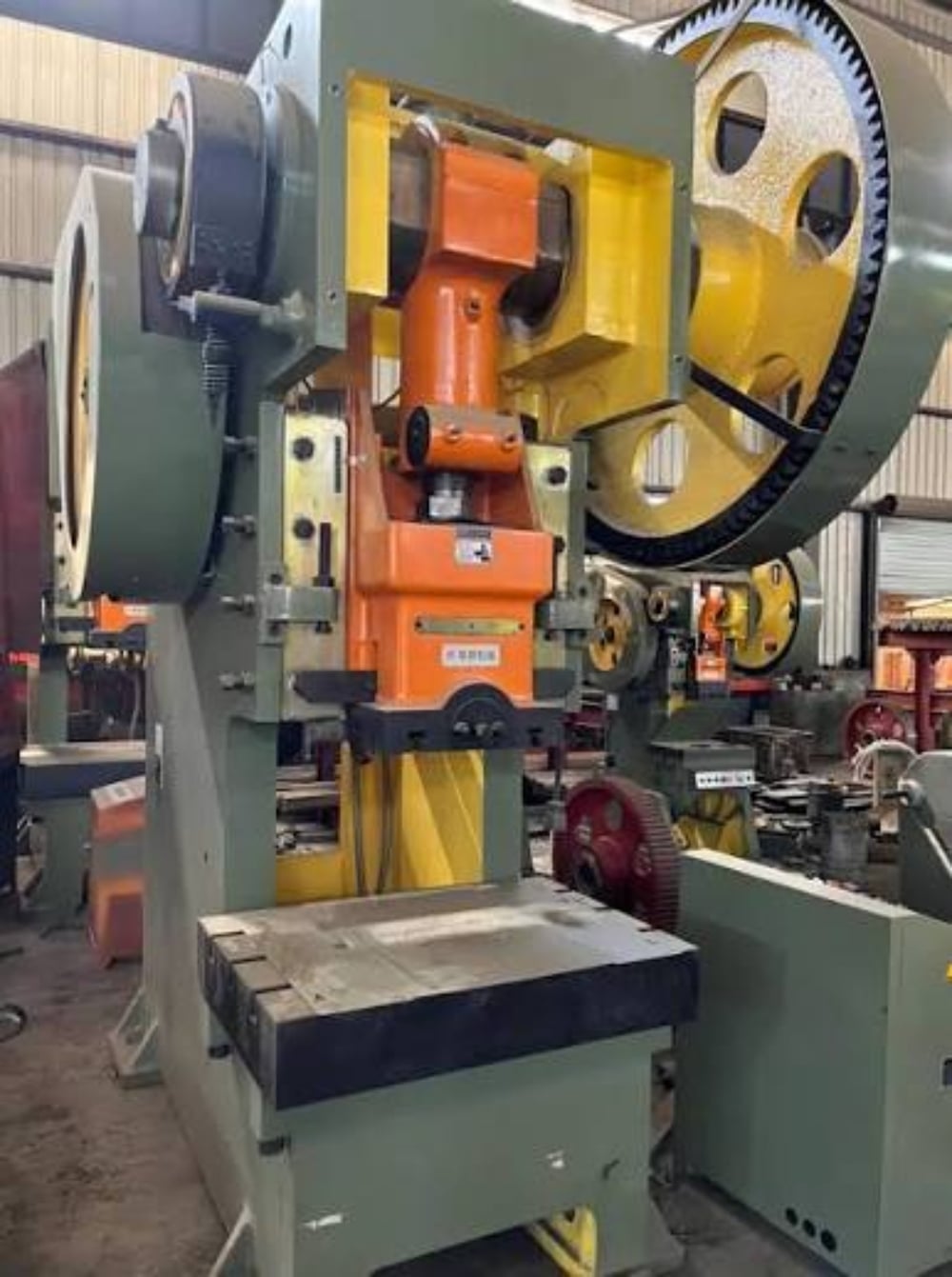
The mechanical structure of a punching machine must withstand immense forces during every cycle. The ram and gibs are the primary moving parts that require careful attention. The gibs guide the ram’s vertical movement and must be adjusted to maintain the correct clearance. If the gibs are too loose, the ram will tilt, leading to poor punch quality and tool wear. If they are too tight, they will cause excessive friction and heat. Regular measurement of the clearance and adjustment to factory specifications is essential.
The flywheel and drive belt system (in mechanical presses) require periodic inspection. Belts should be checked for tension and signs of cracking. A slipping belt reduces the energy delivered to the punch, while an over-tightened belt puts excessive load on the motor and flywheel bearings. The flywheel bearings themselves should be monitored for noise or vibration, which could indicate the need for replacement or re-greasing.
Clutch and brake systems are critical for both operation and safety. In mechanical punching machines, the clutch-brake unit must engage and disengage precisely. Wear on the friction plates can lead to “over-run,” where the ram does not stop at the top of its stroke. This is a serious safety hazard and can also damage the tooling. Regular measurement of the brake gap and replacement of friction linings when they reach their wear limit is a vital maintenance task.
Finally, inspect the machine frame for any signs of stress cracking, especially around the throat area of C-frame machines. While rare in high-quality machines like those from HARSLE, extreme overloading or years of heavy use can lead to structural fatigue. Early detection of cracks allows for professional repair before the frame suffers a catastrophic failure. Ensuring the machine is properly leveled and anchored to a solid foundation also reduces structural stress and vibration.
Comprehensive Lubrication Plan
Lubrication is the lifeblood of mechanical longevity. A comprehensive lubrication plan specifies what type of lubricant to use, where to apply it, and how often. Using the wrong type of grease or oil can be as damaging as using none at all. For example, high-pressure areas like the crankshaft bearings require specialized extreme-pressure (EP) grease, while the slide ways might require a specific way-lube that prevents stick-slip motion.
Automatic lubrication systems are common in modern punching machines, but they are not “set and forget.” These systems can develop clogs in the distribution lines or failures in the pump. Operators should verify that lubricant is actually reaching the destination points by looking for a fresh film of oil or grease on the moving surfaces. If a particular bearing looks dry despite the system being active, the line must be flushed or the metering valve replaced immediately.
Manual lubrication points, such as those on the turret or worktable positioning system, should be addressed according to a strict schedule. It is helpful to color-code lubrication points based on the frequency of service (e.g., red for daily, blue for weekly). This visual aid helps ensure that no point is missed during a busy shift. Always clean the grease fittings before applying the grease gun to prevent pushing dirt and grit into the bearing.
The lubrication plan should also include the maintenance of the lubricant itself. Store oil and grease in a clean, dry environment to prevent contamination. When refilling reservoirs, use clean funnels and containers. Contaminated lubricant acts like a grinding paste, accelerating the wear of the very components it is supposed to protect. By maintaining a clean and consistent lubrication regime, you can significantly extend the mean time between failures (MTBF) for all moving parts.
Troubleshooting Signals: Listening to Your Machine
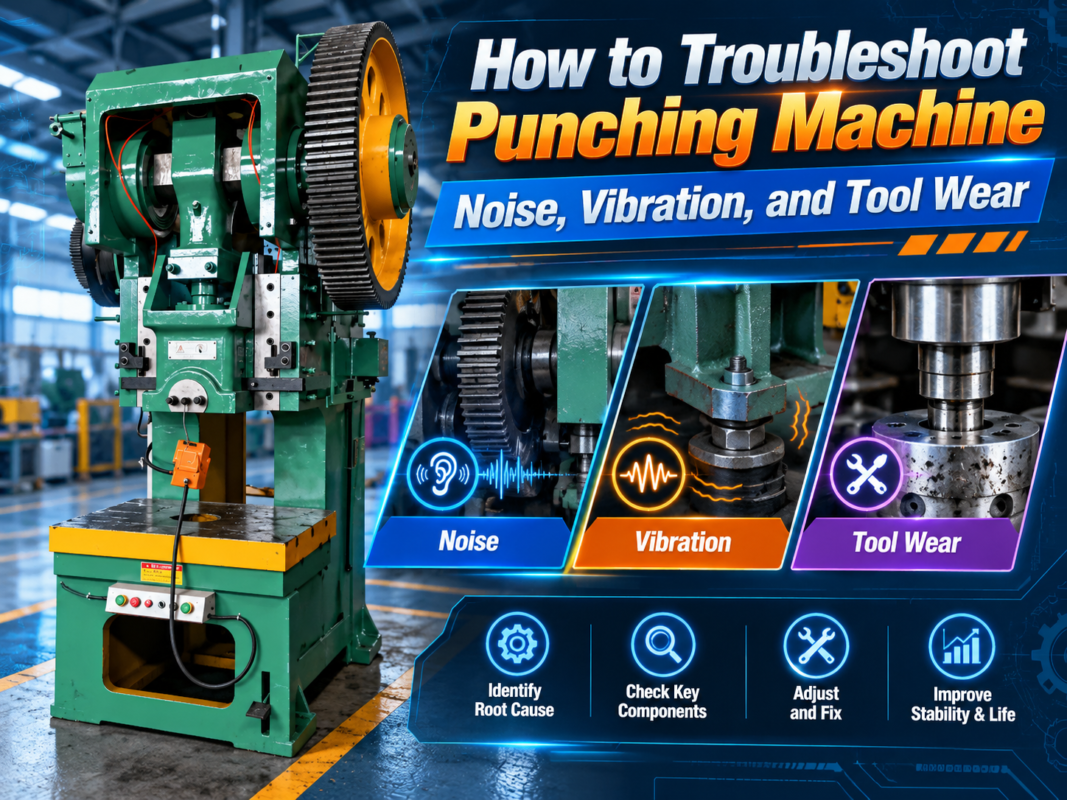
Experienced operators can often tell if a machine is failing just by the sound it makes. Developing this “ear” for the machinery is a valuable skill in a maintenance program. A change in the pitch of the motor, a new clicking sound in the drive train, or a rhythmic thumping can all be early warning signs of mechanical trouble. For instance, a high-pitched squeal from the hydraulic pump often indicates cavitation or air entering the system, which requires immediate attention to prevent pump destruction.
Vibration is another key indicator. While punching is inherently a high-vibration process, an increase in the baseline vibration level can signal loose mounting bolts, an unbalanced flywheel, or failing bearings. Using a simple handheld vibration meter can provide objective data to track the machine’s condition over time. If vibration levels spike, it is a clear signal to stop the machine and perform a thorough inspection before a major failure occurs.
Heat is a byproduct of friction and electrical resistance. Periodically checking the temperature of motors, bearings, and hydraulic reservoirs with an infrared thermometer can reveal hidden problems. A bearing that is running significantly hotter than its neighbors is likely failing or under-lubricated. Similarly, a hot spot in the electrical cabinet could indicate a loose connection or an overloaded circuit. Monitoring these thermal signatures allows for targeted maintenance during scheduled breaks.
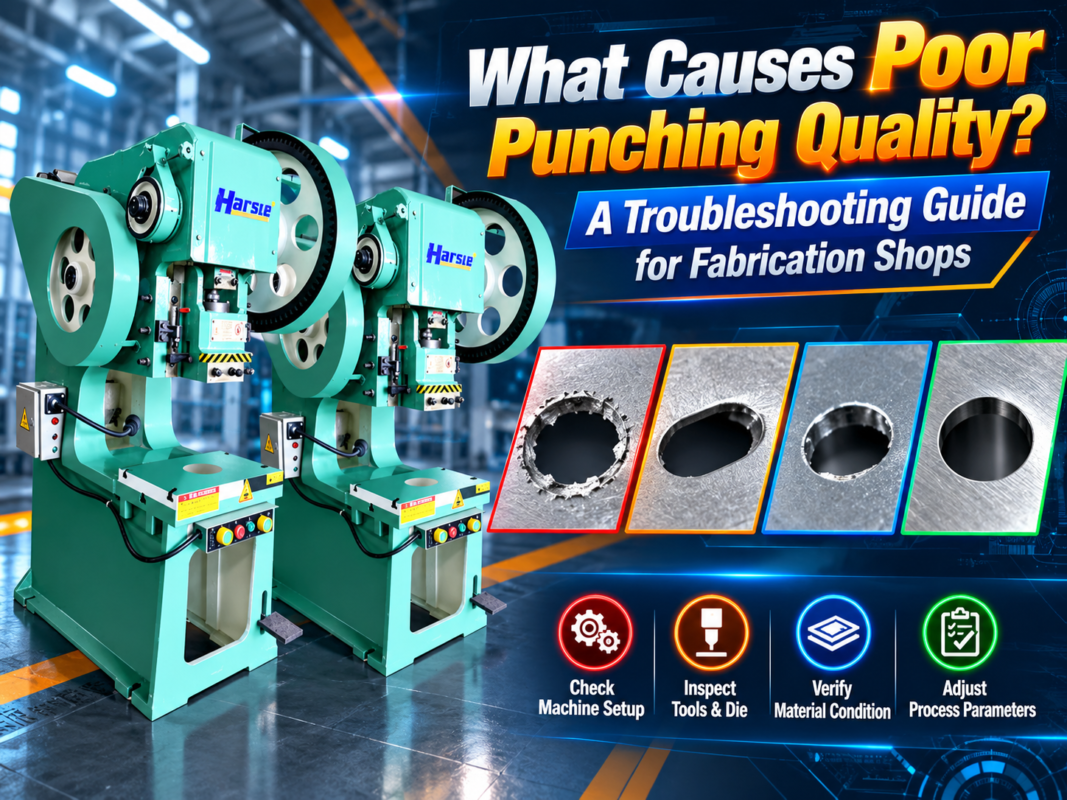
The quality of the punched parts is the ultimate indicator of machine health. If you notice an increase in burr height, a change in the hole dimensions, or marks on the material surface, the machine is telling you something is wrong. These issues are often related to tool wear, but they can also stem from ram misalignment or table positioning errors. By treating part quality as a diagnostic tool, you can link production issues directly to specific maintenance needs, ensuring Punching Machine Maintenance Higher Output Lower Repair Costs.
Maintenance Schedule Table
A structured schedule is the backbone of preventive maintenance. Below is a recommended schedule for a standard industrial punching machine. Always consult your HARSLE manual for specific requirements related to your model.
| Frequency | Task Description | System |
|---|---|---|
| Daily | Check oil levels, air pressure, and tool sharpness. Clean worktable. | General/Hydraulic |
| Weekly | Inspect hydraulic hoses for leaks. Clean electrical cabinet filters. | Hydraulic/Electrical |
| Monthly | Check gib clearance and ram alignment. Lubricate manual points. | Mechanical |
| Quarterly | Inspect clutch/brake wear. Check belt tension. Test safety systems. | Mechanical/Safety |
| Semi-Annually | Analyze hydraulic oil. Tighten all electrical connections. | Hydraulic/Electrical |
| Annually | Full system calibration. Change hydraulic oil and filters. Frame inspection. | Complete Machine |
Frequently Asked Questions (FAQ)
1. How often should I sharpen my punching tools?
The frequency of sharpening depends on the material type, thickness, and the number of hits. As a rule of thumb, tools should be inspected every shift. If you notice a burr height exceeding 10% of the material thickness, it is time to sharpen. Regular light sharpening is better than waiting for the tool to become severely dull, as it removes less material and extends the total life of the punch.
2. Why is my hydraulic punching machine losing power?
Loss of power is usually related to the hydraulic system. Common causes include low oil levels, clogged filters, a failing pump, or internal leaks in the control valves. It can also be caused by overheating oil, which loses its viscosity. Start by checking the oil level and filter condition, then move to pressure testing the pump and cylinders.
3. Can I use any industrial grease for my machine?
No. You must use the lubricant specified by the manufacturer. Different parts of the machine require different properties, such as load-bearing capacity, temperature resistance, and tackiness. Using the wrong grease can lead to bearing failure or clogged lubrication lines. Always refer to the HARSLE maintenance manual for approved lubricant types.
4. What are the signs of a failing clutch-brake unit?
The most common sign is “over-run,” where the ram stops past the Top Dead Center (TDC) position. Other signs include unusual grinding noises during engagement, sluggish response times, or the machine failing to stop immediately when the emergency stop is pressed. If you notice any of these, the machine should be locked out until the unit is inspected and repaired.
5. How does environmental temperature affect my punching machine?
Extreme temperatures can impact both the hydraulic oil and the electrical components. In cold weather, oil becomes thick, which can cause pump cavitation. In hot weather, oil can overheat, leading to seal failure and loss of pressure. Electrical components are also prone to failure in high heat. It is best to maintain a stable shop temperature or use heaters/coolers specifically designed for the machine’s systems.
6. Is it necessary to level the machine if it’s bolted down?
Yes, leveling is critical. Even if a machine is bolted to the floor, if it is not perfectly level, the frame can twist slightly. This twist puts uneven stress on the ram guides and gibs, leading to premature wear and loss of punching precision. Leveling should be checked during installation and re-verified annually or after any significant seismic event.