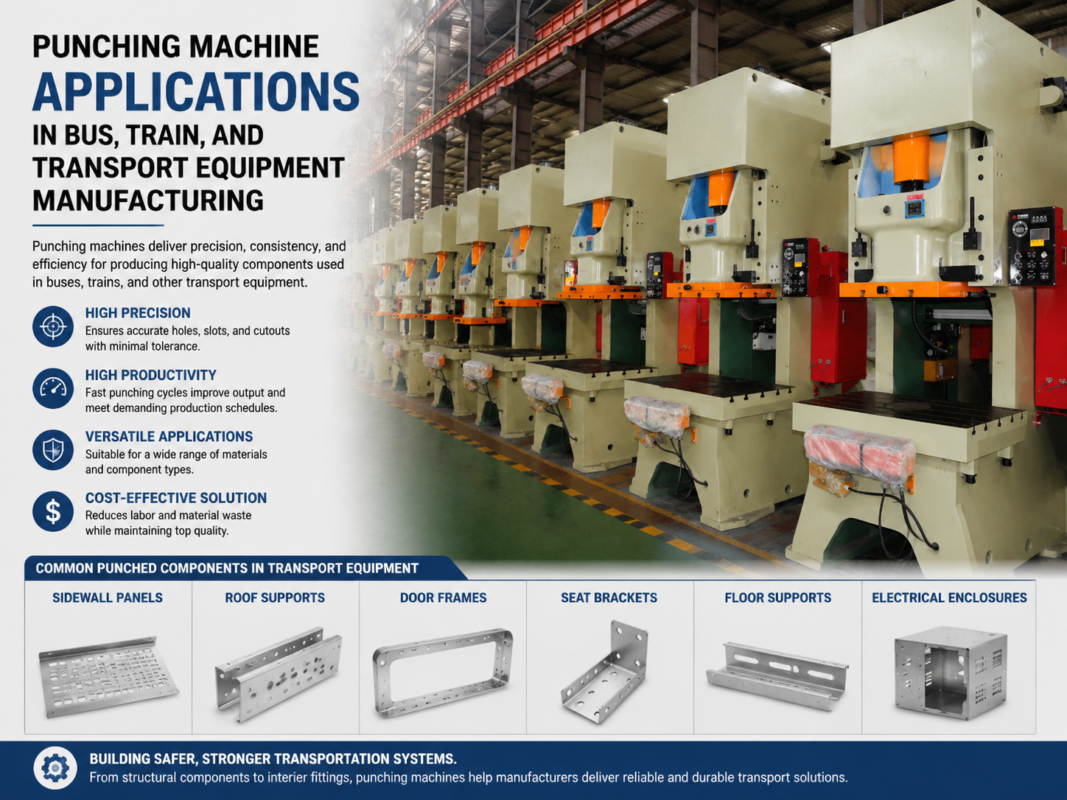
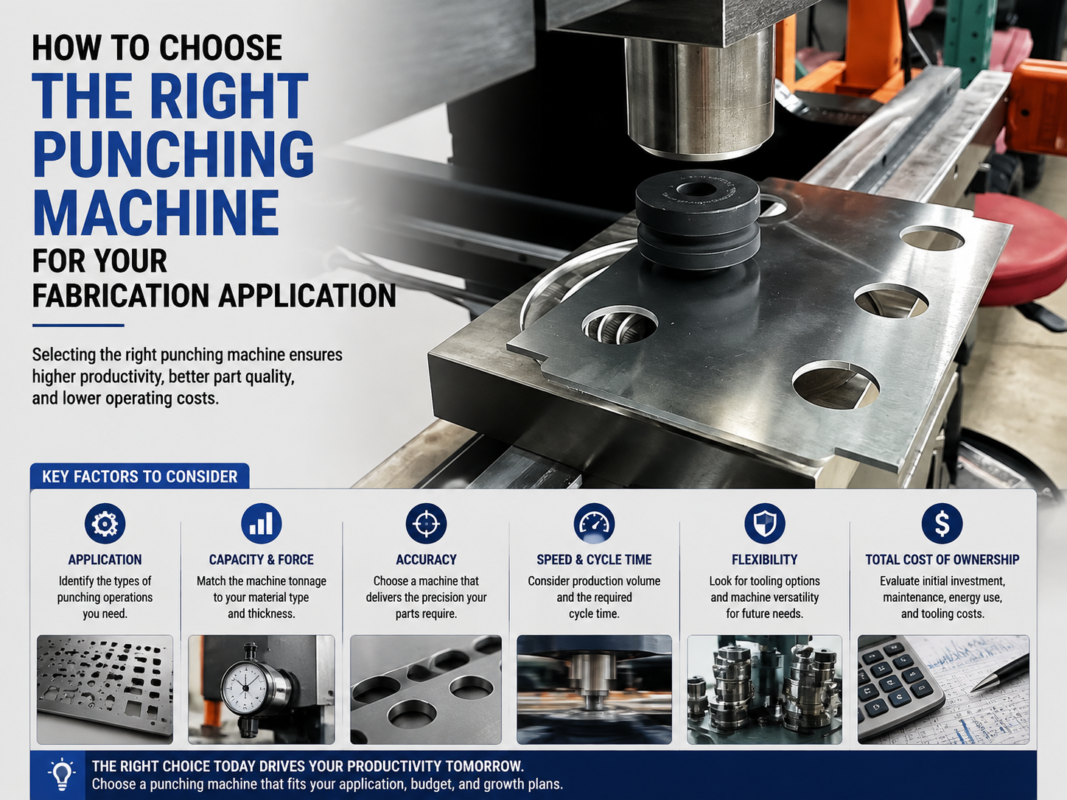
Why Punching Machines Are Essential for Electrical Cabinet Fabrication


Introduction to Electrical Cabinet Fabrication and the Role of Punching
In the modern industrial landscape, the production of electrical cabinets and enclosures represents a significant sector of the sheet metal fabrication industry. These cabinets, ranging from small junction boxes to massive industrial control centers, serve as the protective shell for sensitive electronic components, power distribution systems, and automation hardware. Because these enclosures must meet strict safety standards, such as NEMA or IP ratings, the precision and quality of their construction are paramount. This is where the necessity of specialized machinery comes into play, and specifically, why Punching Machines Are Essential Electrical Cabinet Fabrication processes.
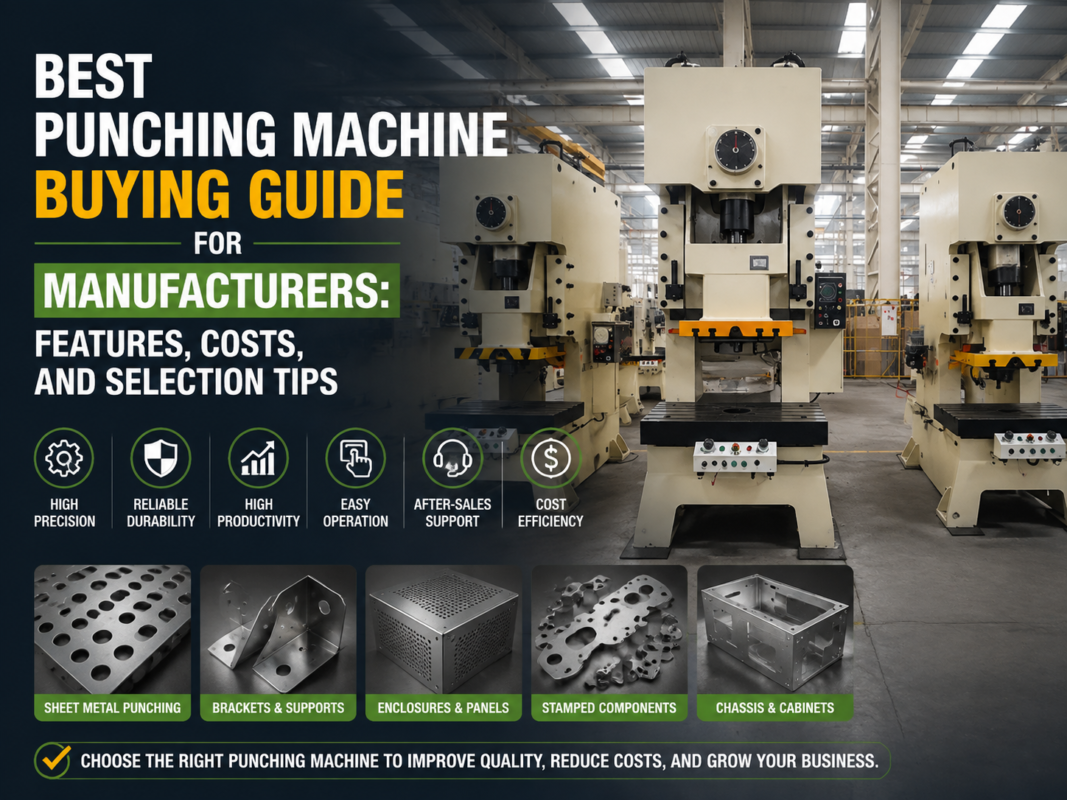
For decades, HARSLE has been at the forefront of providing high-performance industrial machinery that addresses the specific needs of cabinet manufacturers. While laser cutting technology has seen rapid adoption, the CNC turret punch press remains the backbone of cabinet production lines. This is due to its unique ability to combine high-speed hole punching with complex forming operations—tasks that are frequently required in the design of electrical housings. From ventilation louvers to grounding tabs and knockouts, the punching machine offers a level of versatility that other cutting methods simply cannot match in a single setup.
The fabrication of an electrical cabinet involves more than just cutting a perimeter. It requires the creation of numerous mounting holes for DIN rails, cutouts for HMI screens, and specialized ventilation patterns to manage heat dissipation. Furthermore, the efficiency of the production cycle is determined by how quickly these features can be produced without secondary manual labor. In this comprehensive guide, we will explore the technical and economic reasons why punching machines are the indispensable tool for any serious electrical enclosure manufacturer.
As we delve deeper into the mechanics of these machines, it becomes clear that the integration of CNC technology has transformed the humble punch press into a sophisticated manufacturing center. By automating the tool selection and positioning process, modern punching machines allow for rapid prototyping and high-volume production with minimal downtime. For HARSLE customers, understanding these advantages is the first step toward optimizing their shop floor for maximum profitability and quality output.
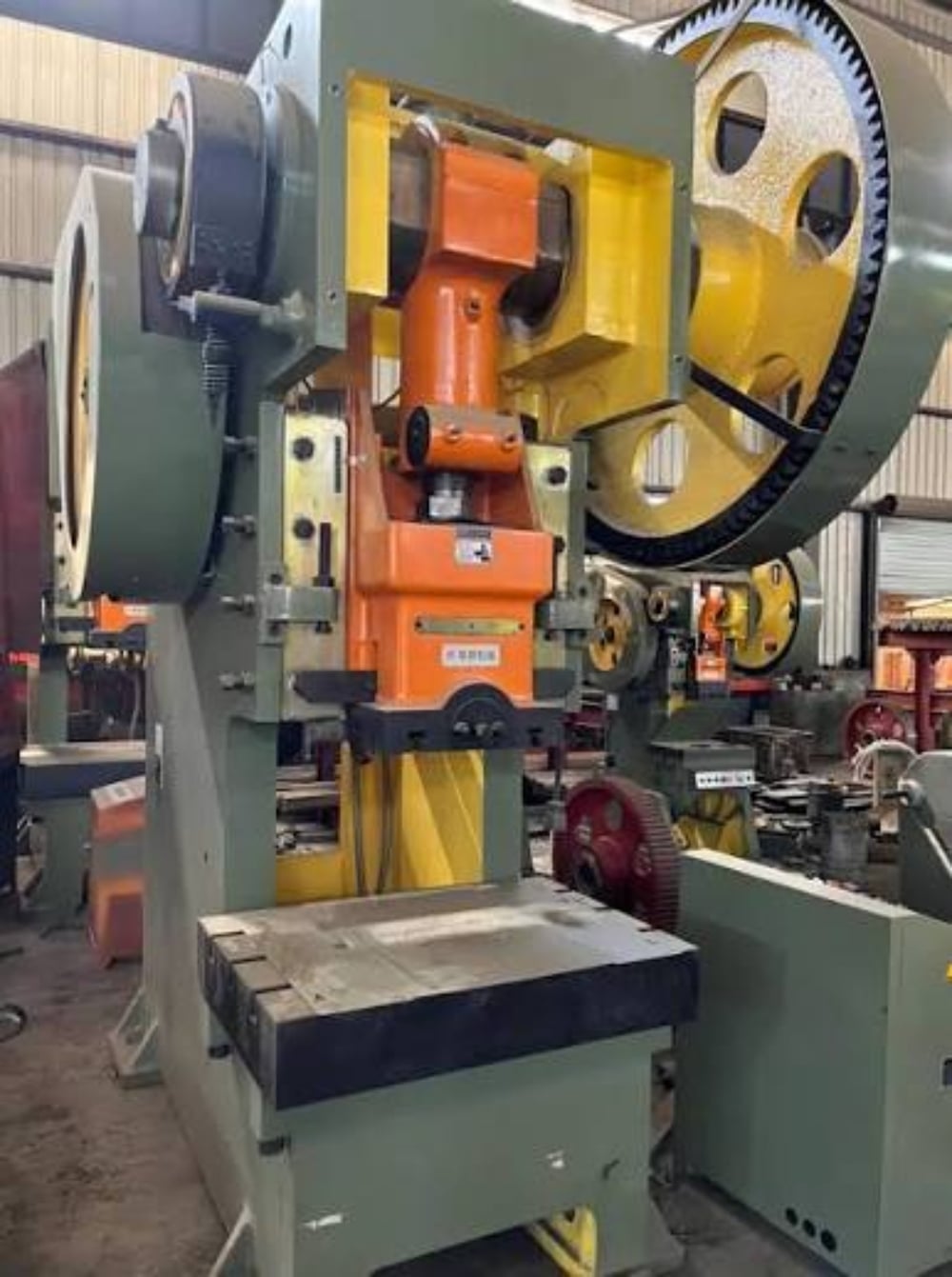
Key Considerations: Why Punching Machines Are Essential Electrical Cabinet Fabrication
1. Versatility in Forming Operations
One of the primary reasons why Punching Machines Are Essential Electrical Cabinet Fabrication is their ability to perform forming operations. Unlike laser or plasma cutters, which are strictly 2D cutting tools, a punch press can manipulate the metal in the third dimension. Electrical cabinets frequently require louvers for airflow, countersinks for flush-mounted screws, and knockouts for cable entry. A CNC turret punch press can execute these forms in a single hit using specialized tooling.
For instance, ventilation louvers are critical for preventing internal components from overheating. Creating these with a laser requires cutting the shape and then moving the part to a separate press brake or manual station for forming. A punching machine, however, uses a louver tool to cut and form the shape simultaneously. This eliminates secondary handling, reduces the risk of part damage, and significantly lowers the labor cost per unit.
2. High-Speed Repetitive Hole Punching
Electrical cabinets are often characterized by patterns of identical holes used for mounting components or providing ventilation grids. When it comes to repetitive patterns, the “hit rate” of a punching machine is unmatched. Modern CNC punch presses can achieve speeds of over 1,000 hits per minute. For a cabinet panel requiring hundreds of small perforation holes, a punching machine will complete the task in a fraction of the time it would take a laser to pierce and cut each circle.
This speed advantage translates directly to higher throughput. In a competitive market, the ability to produce more panels per shift allows manufacturers to take on larger contracts and offer faster turnaround times. HARSLE’s range of CNC punching machines is engineered specifically to maintain this high speed without sacrificing the positional accuracy required for tight-tolerance electrical assemblies.
3. Cost-Efficiency and Material Utilization
From an operational standpoint, punching machines offer a lower cost-per-part for many cabinet components. The consumables for a punch press—primarily the punches and dies—have a long service life and can be reground multiple times. In contrast, laser systems require expensive gases and have higher energy consumption rates. When processing standard gauges of cold-rolled steel or galvanized steel (the most common materials for cabinets), the punch press is often the most economical choice.
Furthermore, nesting software optimized for punching can maximize material utilization. Because the punch press uses physical tools, the “kerf” or waste material is predictable and minimal. Advanced nesting algorithms allow parts to be placed closely together, and the use of “common line punching” further reduces scrap. For large-scale production, even a 5% improvement in material yield can result in thousands of dollars in annual savings.
4. Integration of Tapping and Threading
Modern electrical cabinets often require threaded holes for grounding lugs or mounting brackets. Advanced CNC punching machines can be equipped with tapping stations that thread holes automatically during the punching cycle. This integration is a game-changer for cabinet fabrication. By eliminating the need for a separate manual tapping operation, the manufacturer ensures that every thread is perfectly aligned and consistent, reducing the likelihood of assembly errors on the final production line.
Technical Details of Punching Machine Performance
The Turret Configuration
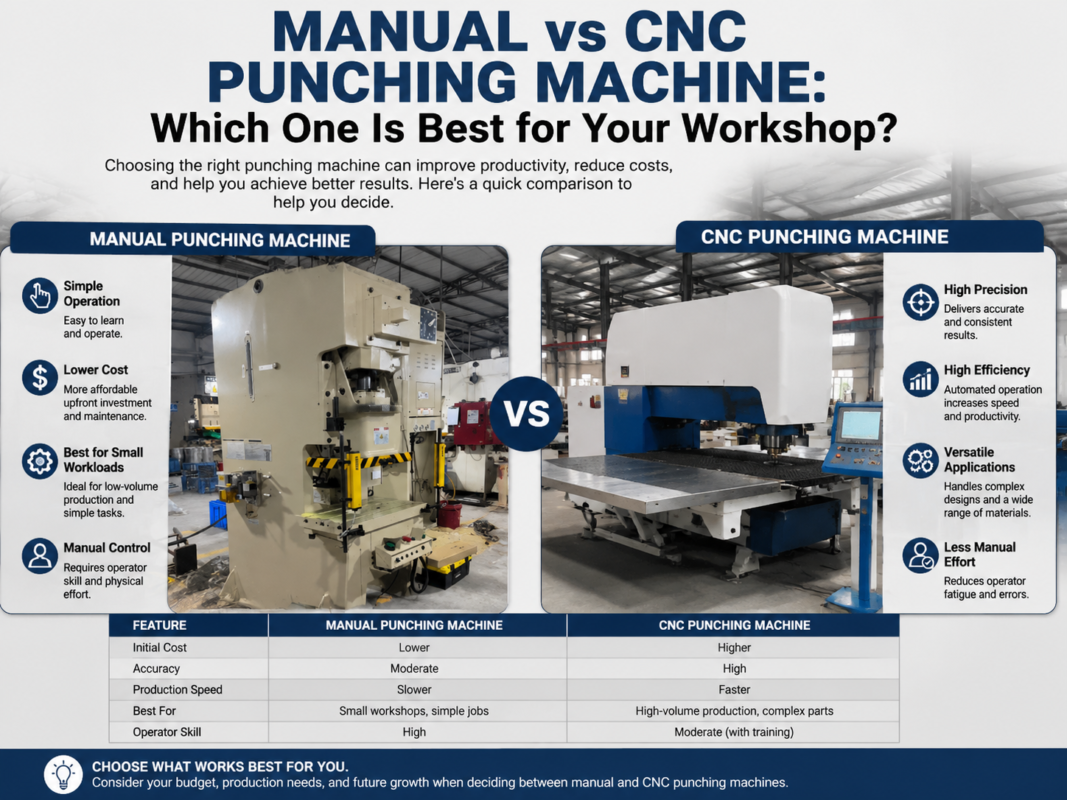
The heart of the punching machine is the turret, which holds a variety of tools ready for immediate use. For electrical cabinet fabrication, a large turret capacity is beneficial. It allows the machine to hold standard round and square punches, as well as specialized forming tools like louver tools, bridge tools, and embossing tools, all at once. This variety means that a single machine can process a complex cabinet door with multiple cutouts and forms without the operator needing to stop and change tools manually.
| Feature | Punching Machine Advantage | Impact on Cabinet Fabrication |
|---|---|---|
| Forming Capability | Louvers, Ribs, Countersinks | Eliminates secondary manual forming steps. |
| Hit Rate | Up to 1200 HPM | Rapid production of ventilation grids. |
| Tooling Variety | Turret with 32+ stations | Processes complex designs in one setup. |
| Accuracy | +/- 0.1mm positioning | Ensures perfect alignment for HMI and switch cutouts. |
| Material Handling | Automatic loading/unloading | Enables lights-out manufacturing for high volume. |
Hydraulic vs. Servo-Electric Systems
When selecting a punching machine, manufacturers must choose between hydraulic and servo-electric drive systems. Hydraulic systems, long the industry standard, offer immense power and reliability, making them ideal for thicker materials used in heavy-duty industrial enclosures. Servo-electric systems, on the other hand, offer higher energy efficiency and precise control over the ram’s stroke, which is particularly useful for delicate forming operations. HARSLE provides both options, ensuring that whether you are working with 1mm aluminum or 3mm stainless steel, the machine is optimized for the task.
Nesting and CAD/CAM Software
The efficiency of a punching machine is only as good as the software driving it. For electrical cabinets, which often have complex internal layouts, CAD/CAM software is used to convert 3D designs into optimized tool paths. This software handles “nibbling” (using a small tool to cut a large shape), tool selection, and sheet repositioning. By simulating the punching process before the first hit is made, manufacturers can avoid tool collisions and ensure that the final product meets the exact specifications of the electrical engineers.
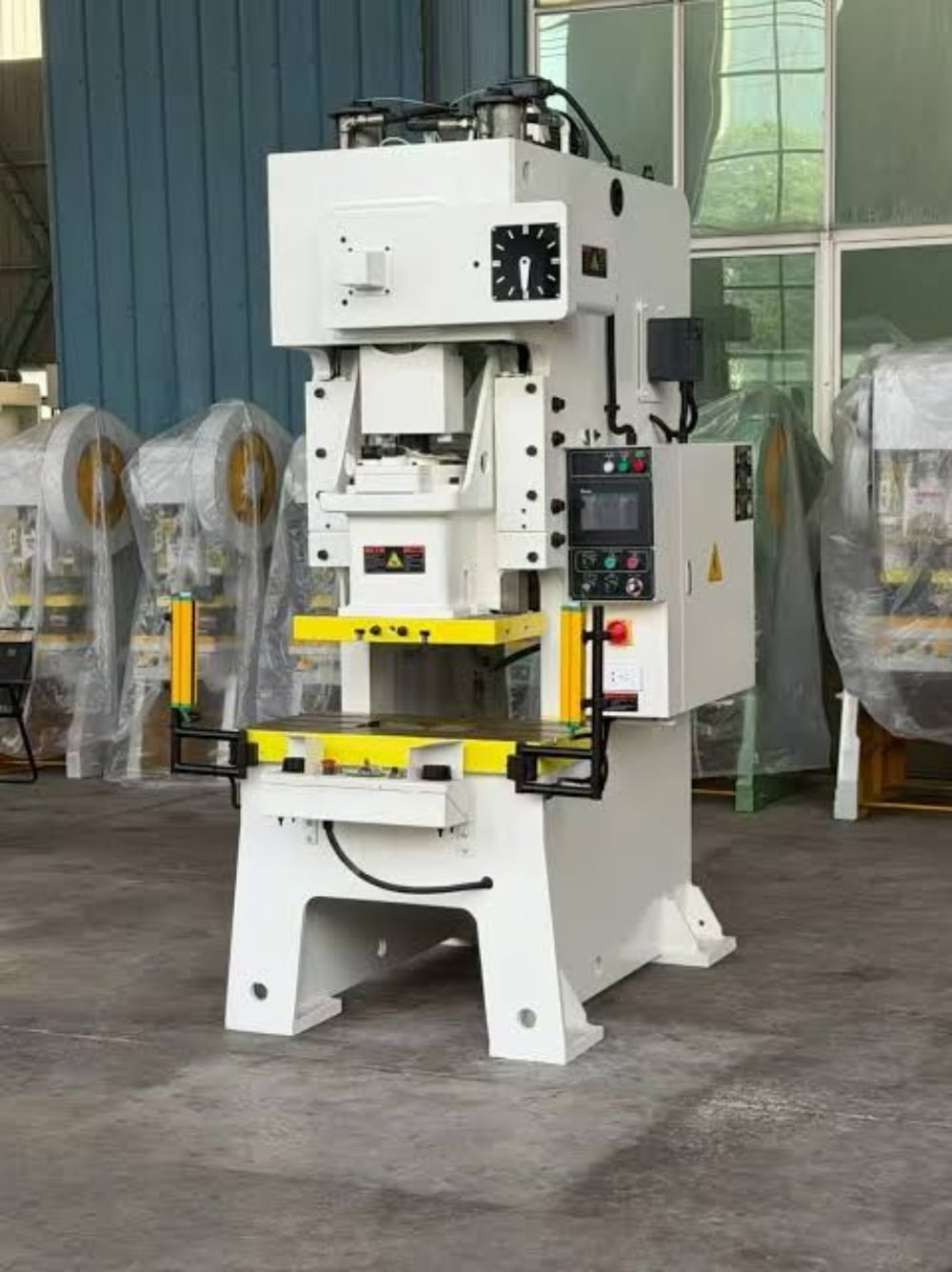
Selection Advice: Choosing the Right Punching Machine
Assessing Tonnage and Sheet Size
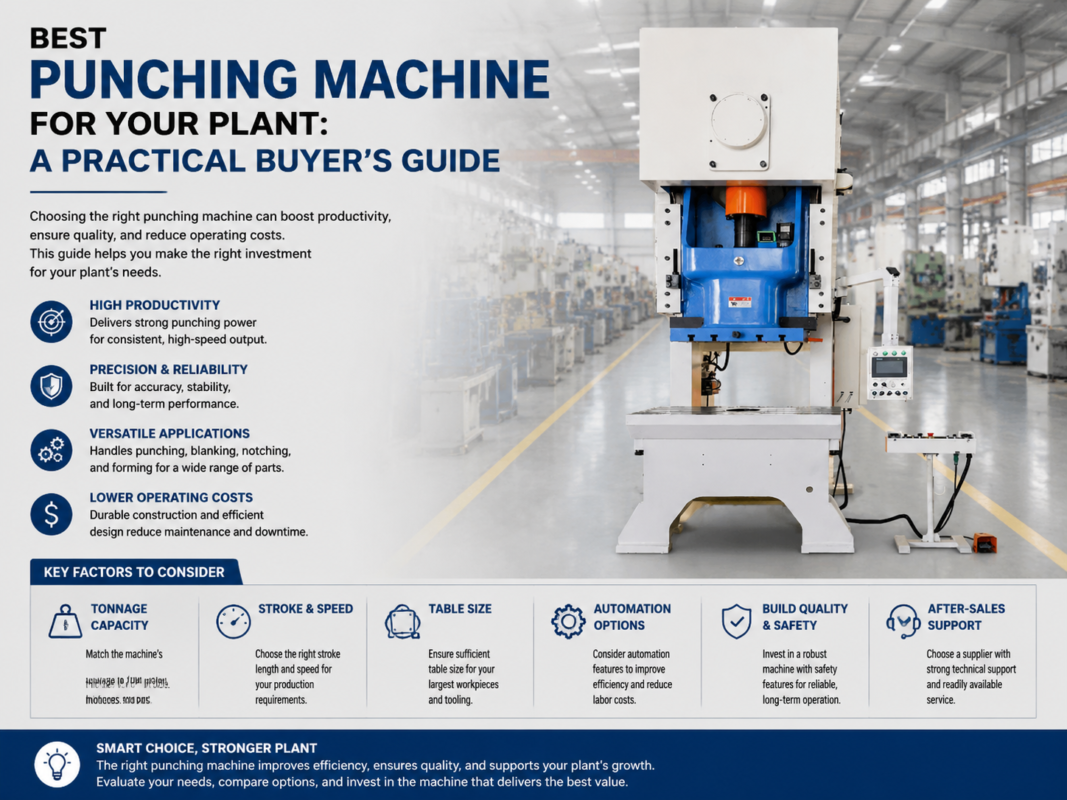
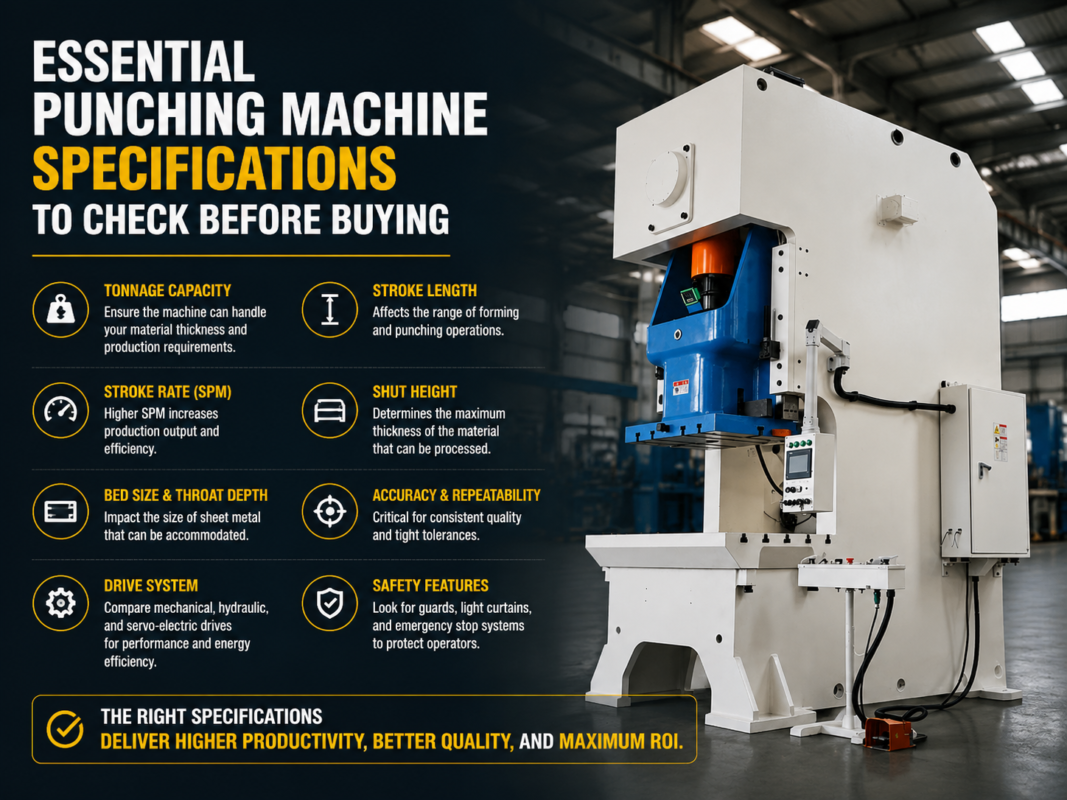
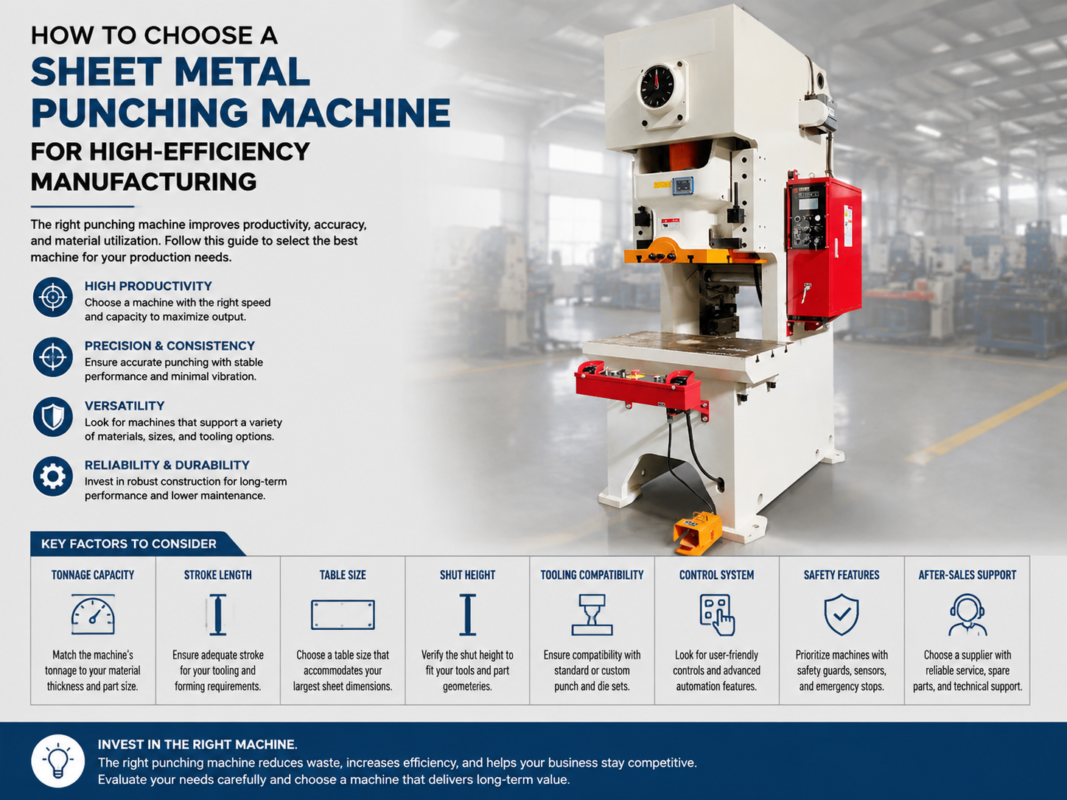
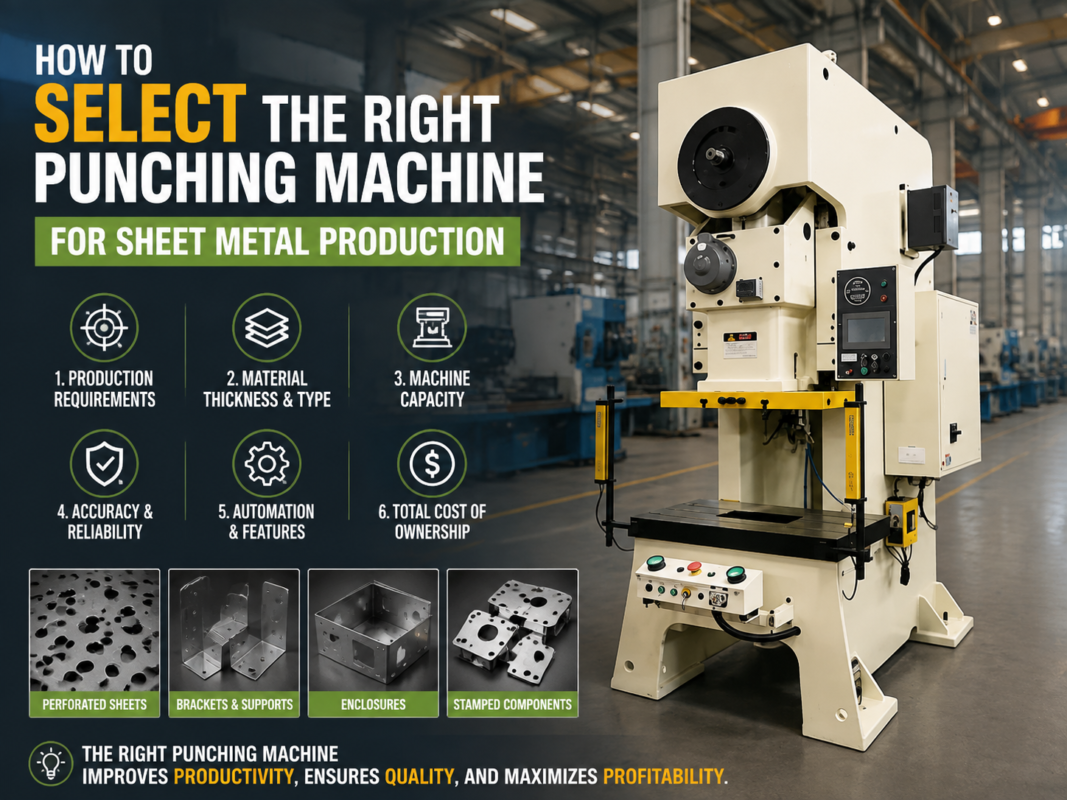
The first step in selecting a machine is determining the maximum thickness and size of the sheets you will process. Most electrical cabinets are made from 1.0mm to 3.0mm steel. A 20-ton or 30-ton machine is typically sufficient for these gauges. However, the “throat depth” of the machine is equally important. If you are fabricating large walk-in enclosures, you need a machine with a deep throat or the ability to automatically reposition the sheet to reach all areas of a large panel.
Evaluating Tooling Compatibility
Not all punching machines use the same tooling system. The “Thick Turret” style is the most common and offers the widest range of third-party forming tools. When buying a machine for cabinet fabrication, ensure that the turret configuration supports “Auto-Index” stations. Auto-index stations allow the tool to be rotated to any angle, which is essential for creating diagonal louvers or complex shapes without needing a dedicated tool for every angle.
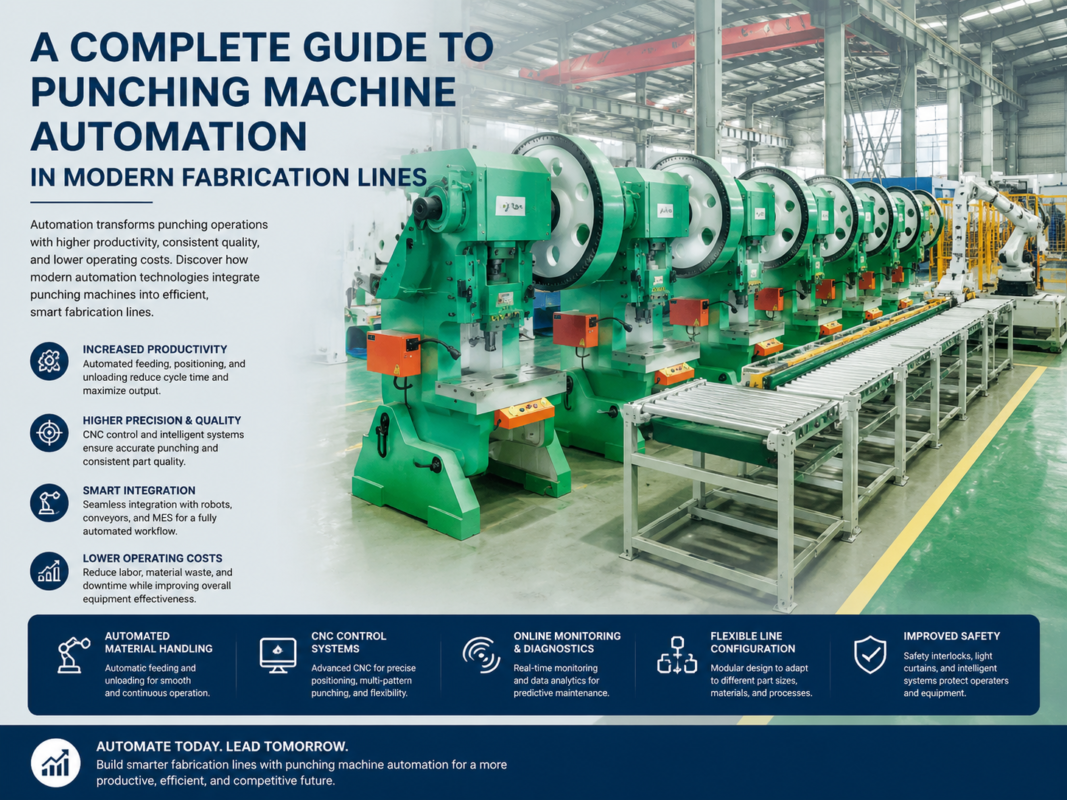
Automation and Future-Proofing
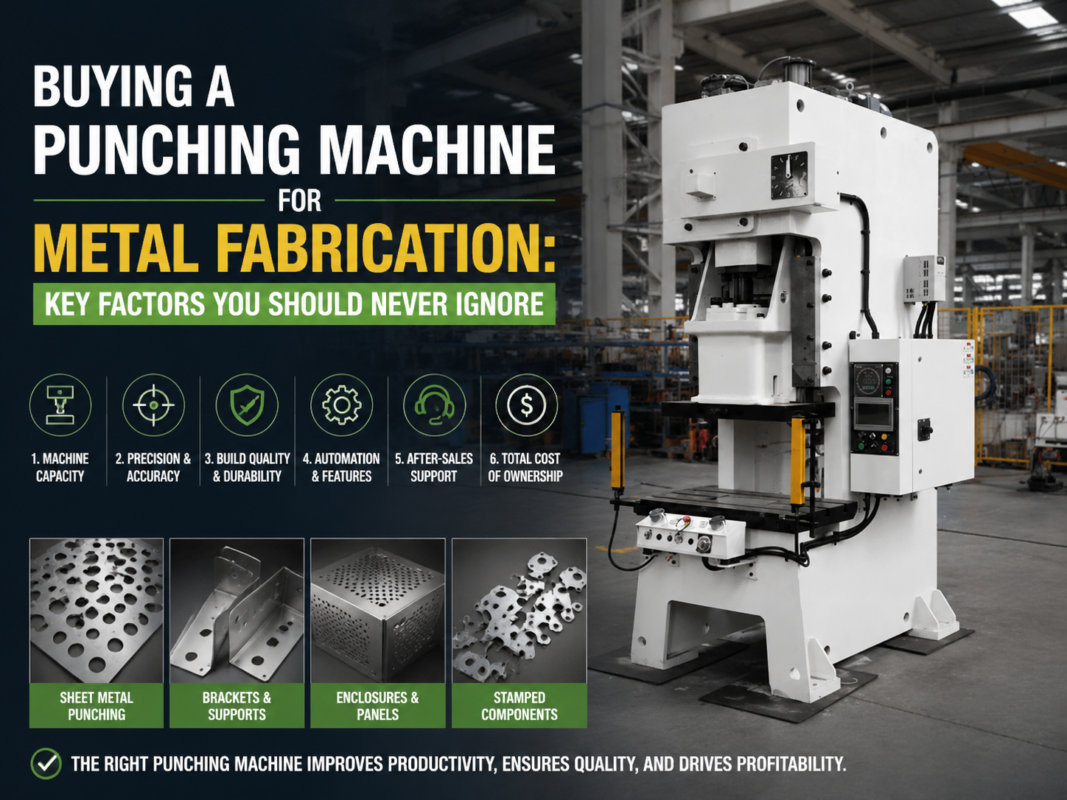
As labor costs rise, automation becomes a key factor. Look for machines that can be integrated with automatic sheet loaders and unloaders. For cabinet manufacturers, this means the machine can run unattended during night shifts, significantly increasing the ROI. Additionally, consider the control system; a user-friendly CNC interface like Fanuc or Siemens ensures that your operators can be trained quickly and that replacement parts are easily sourced.
Maintenance and Support
A punching machine is a significant investment, and its longevity depends on proper maintenance. Choose a manufacturer like HARSLE that provides comprehensive technical support and readily available spare parts. Regular maintenance of the hydraulic system, lubrication of the turret, and sharpening of the tools are essential to prevent burrs and ensure clean cuts. A well-maintained machine can easily provide 15-20 years of reliable service in a high-production environment.
Frequently Asked Questions (FAQ)
Why is punching better than laser cutting for electrical cabinets?
While laser cutting is excellent for complex contours, punching is superior for cabinets because it can perform forming operations (louvers, knockouts) and is significantly faster for repetitive hole patterns. Punching also has lower operating costs for the standard material thicknesses used in cabinet manufacturing.
Can a punching machine handle stainless steel enclosures?
Yes, but it requires high-quality, coated tooling and a machine with sufficient tonnage. Stainless steel is harder on tools than mild steel, so regular tool maintenance and the use of specialized lubricants are necessary to ensure clean edges and prevent tool wear.
What is “nibbling” in CNC punching?
Nibbling is a process where a small punch (usually round or square) makes a series of overlapping hits to create a larger or more complex shape. This allows a machine to cut large holes or outer profiles that are bigger than any single tool in the turret.
How often should punching tools be sharpened?
Tool sharpening frequency depends on the material type and thickness. Generally, tools should be inspected every 50,000 to 100,000 hits. Sharpening tools early and often extends their total life and ensures that the punched parts do not have excessive burrs or deformations.
Is it difficult to program a CNC punching machine for new cabinet designs?
With modern CAD/CAM software, programming is very efficient. Most software can import DXF or DWG files directly and automatically assign tools to the various features of the design. This makes it easy to switch between different cabinet models or customize enclosures for specific client needs.
Conclusion: The Future of Cabinet Fabrication with HARSLE
In conclusion, the evidence is clear: Punching Machines Are Essential Electrical Cabinet Fabrication tools that provide a unique combination of speed, versatility, and cost-effectiveness. While other technologies have their place in the workshop, the ability of the CNC turret punch press to cut, form, and even thread metal in a single automated process makes it the undisputed leader for enclosure production. By investing in high-quality punching equipment, manufacturers can ensure they meet the rigorous standards of the electrical industry while maintaining a competitive edge in production efficiency.
HARSLE continues to innovate in this space, offering machines that are not only powerful and precise but also integrated with the latest smart manufacturing features. Whether you are a small shop looking to bring fabrication in-house or a large-scale manufacturer aiming to automate your production line, the right punching machine will serve as the foundation of your success. As the demand for sophisticated electrical infrastructure grows globally, the role of the punching machine in creating the housings for this technology will only become more vital. By choosing the right equipment and maintaining it properly, you can ensure that your fabrication capabilities remain at the cutting edge for years to come.