Common Shearing Machine Problems and How Regular Maintenance Prevents Them


The Critical Role of Maintenance in Metal Shearing Operations
In the fast-paced world of metal fabrication, the shearing machine stands as a foundational piece of equipment. Whether it is a hydraulic guillotine shear or a swing beam shear, this machine is responsible for the primary processing of sheet metal. However, like all heavy industrial machinery, shearing machines are subject to intense mechanical stress, high hydraulic pressures, and the wear and tear of repetitive cycles. Understanding common shearing machine problems and how regular maintenance prevents them is not just about avoiding repairs; it is about ensuring the longevity of your investment and the safety of your operators.
When a shearing machine fails, the entire production line often comes to a standstill. A jagged cut or an inaccurate dimension can lead to wasted material and downstream errors in bending or welding. HARSLE, a leader in metal fabrication technology, emphasizes that nearly 80% of mechanical failures in shearing machines can be traced back to neglected maintenance. By implementing a rigorous maintenance protocol, fabricators can ensure that their machines operate at peak efficiency, delivering clean, burr-free cuts every time.
Regular maintenance serves as a proactive shield against the most frequent issues encountered in the shop. It allows technicians to identify minor wear before it escalates into a catastrophic failure. From the hydraulic seals to the precision of the backgauge, every component requires specific attention. This guide provides an in-depth look at the common issues faced by operators and the preventative measures that keep these machines running smoothly for decades.
Beyond the mechanical benefits, a well-maintained machine is a safer machine. Loose bolts, leaking hydraulic fluid, or malfunctioning safety light curtains are all hazards that can be mitigated through routine checks. In the following sections, we will break down the essential maintenance tasks into daily, weekly, and monthly categories, providing a comprehensive roadmap for any fabrication facility.
The Importance of Daily Inspection: The First Line of Defense
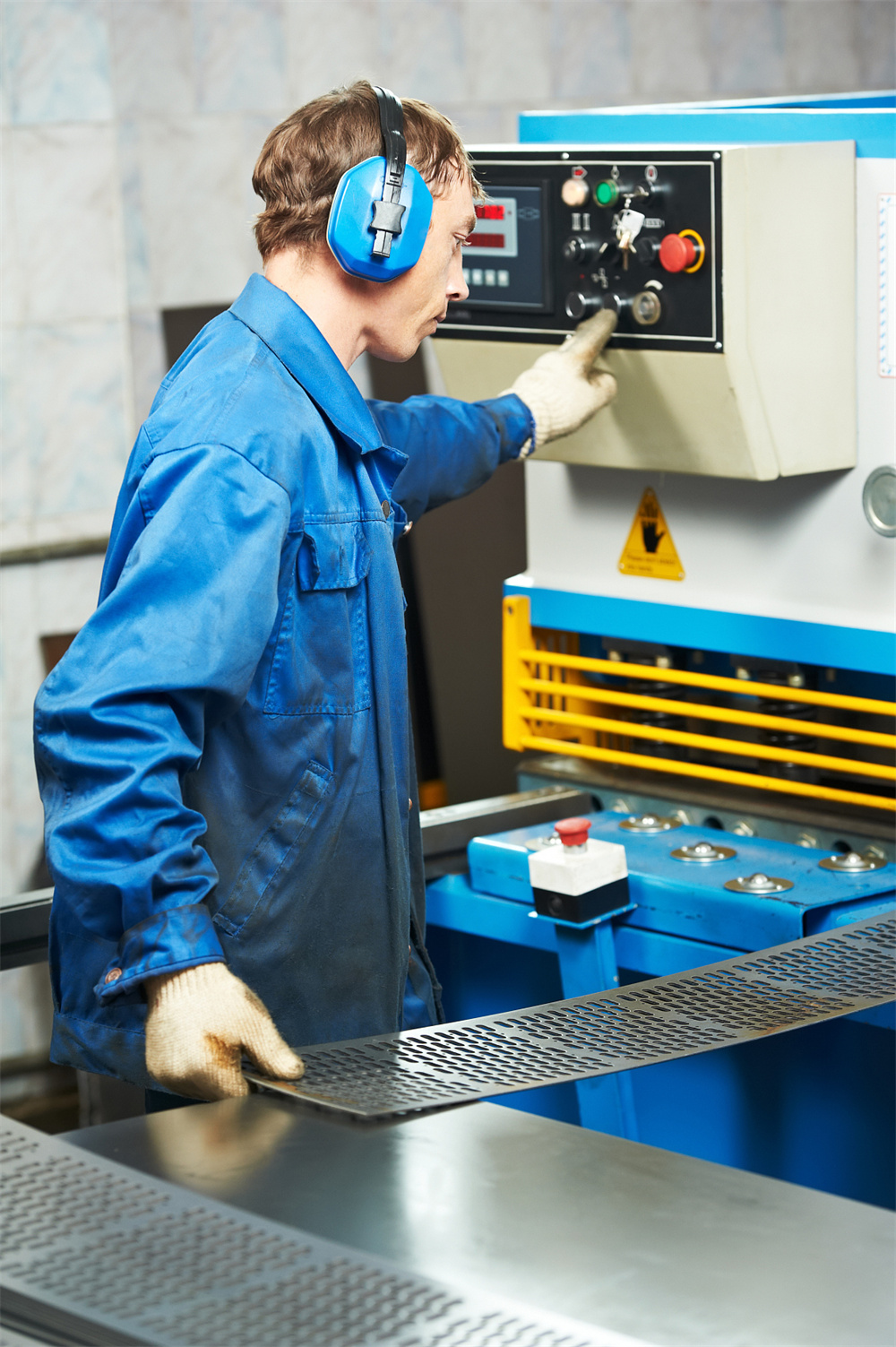
The daily inspection is perhaps the most critical aspect of preventing common shearing machine problems regular maintenance prevents them. This process should take no more than 15 to 20 minutes at the start of every shift, yet it can save thousands of dollars in downtime. The primary goal of a daily check is to ensure that the machine is in a “normal” state before power is applied and high-pressure operations begin.
Operators should begin with a visual sweep of the machine. Look for any signs of hydraulic oil leaks on the floor or around the cylinders. A small puddle today could indicate a blown seal tomorrow. Additionally, check the worktable for any debris or metal shavings. Foreign objects trapped between the blade and the table can cause nicks in the blade or damage the hold-down cylinders. Ensuring a clean work environment is the simplest way to maintain cutting accuracy.
Another vital daily task is checking the blade clearance. While the clearance is often set based on the material thickness, verifying that the adjustment mechanism is moving freely is essential. If the blade gap is too wide, the material will fold rather than cut; if it is too tight, you risk damaging the blades or the machine frame. Operators should also test the emergency stop buttons and safety guards to ensure they are fully functional before starting production.
Finally, the daily inspection should include a check of the hydraulic oil level and temperature. Most modern HARSLE shearing machines come equipped with easy-to-read gauges. If the oil level is low, it may introduce air into the system, leading to erratic movement and noise. If the oil is too hot, it loses its lubricating properties, which can lead to premature wear of the hydraulic pump and valves.
Hydraulic System Checks: Ensuring Power and Precision
The hydraulic system is the heart of the shearing machine. It provides the force necessary to cut through thick steel plates with ease. However, hydraulic systems are sensitive to contamination and pressure fluctuations. One of the most common shearing machine problems regular maintenance prevents them is the degradation of hydraulic fluid. Over time, oil breaks down due to heat and pressure, and microscopic metal particles can accumulate, acting as an abrasive within the valves.
To prevent hydraulic failure, the oil filters must be checked and replaced according to the manufacturer’s schedule. A clogged filter will cause a drop in pressure and can lead to cavitation in the pump, which produces a distinct high-pitched whining sound. If you hear this noise, it is a signal that the pump is being starved of oil and is likely sustaining damage. Regular filter changes ensure that the oil remains clean and the pump operates under optimal conditions.
Leaking seals are another common hydraulic issue. The main cylinders and the hold-down cylinders use high-quality seals to maintain pressure. If these seals are allowed to dry out or become contaminated with dust, they will eventually leak. During maintenance, technicians should inspect the piston rods for any scratches or pitting. Keeping the piston rods clean and lightly lubricated prevents damage to the seals as the rods retract into the cylinder body.
Pressure settings also require periodic verification. If the relief valve is set too high, it puts unnecessary strain on the entire system, including the hoses and fittings. If it is set too low, the machine will struggle to cut materials within its rated capacity. Using a calibrated pressure gauge to check the system’s peak pressure ensures that the machine is operating within its designed safety margins.
Electrical and Mechanical Integrity
While the hydraulics provide the power, the electrical and mechanical systems provide the control and precision. Modern shearing machines rely on sophisticated PLC (Programmable Logic Controller) systems and CNC backgauges to deliver accurate cuts. Electrical problems often manifest as intermittent faults, where the machine might stop mid-cycle or the backgauge might lose its calibration. These issues are frequently caused by loose wiring connections or dust accumulation in the electrical cabinet.
Regularly cleaning the electrical cabinet with compressed air (ensuring it is dry and low pressure) prevents short circuits caused by metallic dust. Technicians should also check the tightness of all terminal blocks. Vibration from the shearing process can cause wires to wiggle loose over time, leading to poor contact and potential overheating of electrical components. Checking the cooling fans in the cabinet is also vital to prevent the PLC and motor drives from overheating.
Mechanically, the backgauge is the most sensitive component. It must move smoothly and stop precisely at the commanded position. The lead screws and linear guides of the backgauge should be checked for play or backlash. If the backgauge becomes misaligned, every piece of metal cut will be out of square. Regular calibration and tightening of the mounting bolts ensure that the backgauge remains parallel to the cutting edge.
The hold-down system is another mechanical area that requires attention. These cylinders hold the sheet metal firmly against the table during the cut. If the hold-down pressure is uneven, the sheet can shift, leading to inaccurate cuts and potential blade damage. Checking the rubber pads on the hold-downs and ensuring they are not worn or missing is a simple task that prevents material slippage and surface scratching.
The Comprehensive Lubrication Plan
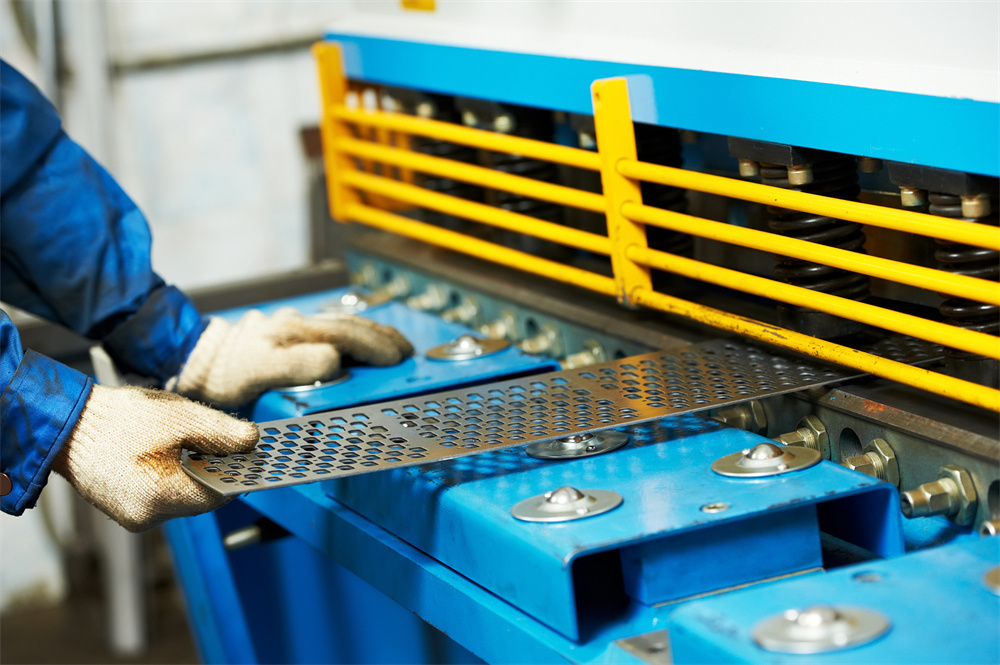
Lubrication is the lifeblood of mechanical longevity. In a shearing machine, there are numerous moving parts that rub against each other under extreme pressure. Without a proper lubrication film, these parts will experience metal-on-metal contact, leading to rapid wear and eventual seizure. A comprehensive lubrication plan is the most effective way to address common shearing machine problems regular maintenance prevents them.
Key lubrication points include the blade slide guides (the ways), the backgauge lead screws, and the pivot points of the swing beam (if applicable). Most HARSLE machines feature a centralized lubrication system, which simplifies this process. However, the operator must still ensure that the lubricant reservoir is full and that the distribution lines are not blocked or broken. If one line is pinched, that specific bearing or guide will receive no oil, leading to localized failure.
The type of lubricant used is just as important as the frequency. Using the wrong grade of grease or oil can be detrimental. For example, a grease that is too thick may not reach the tight tolerances of a linear guide, while an oil that is too thin may run off before it can provide adequate protection. Always refer to the machine’s manual for the specific ISO grades recommended for different temperatures and workloads.
In addition to the automated systems, manual lubrication of the hinges, foot pedal pivot, and backgauge rails should be performed weekly. This not only ensures smooth operation but also provides an opportunity for the technician to inspect these parts closely for any signs of wear or loosening. A well-lubricated machine runs quieter, uses less energy, and produces more consistent results.
Troubleshooting Signals: Listening to Your Machine
Experienced operators often “feel” or “hear” when a machine is not performing correctly. Being attuned to these troubleshooting signals is a vital part of preventative maintenance. One of the most common signals is a change in the sound of the cut. A sharp blade and a properly adjusted machine produce a clean “thwack” sound. If the sound becomes a dull thud or a grinding noise, it is a clear indication that the blades are dull or the clearance is incorrect.
Another signal is the quality of the cut edge. If you notice excessive burrs on the bottom edge of the material, the blade gap is likely too wide. If the edge appears crushed or deformed, the gap may be too tight. Regularly inspecting the cut pieces is the best way to monitor the health of the blades. If the blades are chipped, they must be removed and reground or flipped to a new edge immediately to prevent further damage to the machine frame.
Vibration is another red flag. While shearing is inherently a high-impact process, excessive vibration can indicate loose foundation bolts or an unbalanced motor. If the machine starts to “walk” or if you notice new vibrations in the control panel, stop the machine and check all mounting hardware. Ignoring vibration can lead to the cracking of hydraulic lines and the loosening of electrical connections.
Finally, watch for inconsistencies in the backgauge positioning. If the backgauge dimensions start to drift throughout the day, it could indicate a failing encoder or a loose coupling on the drive motor. Catching these issues early prevents the production of a large batch of scrap parts and allows for a quick mechanical adjustment rather than a costly electronic replacement.
Comprehensive Maintenance Schedule Table
To help organize your maintenance efforts, use the following table as a template for your shearing machine’s upkeep. This schedule is designed to cover the most critical components of HARSLE and similar industrial shearing machines.
| Frequency | Component | Action Required |
|---|---|---|
| Daily | Hydraulic Oil | Check level and temperature; inspect for leaks. |
| Daily | Safety Systems | Test E-stops, light curtains, and foot pedal. |
| Daily | Work Area | Clean table and remove metal shavings/debris. |
| Weekly | Lubrication | Check central reservoir; manually grease pivot points. |
| Weekly | Backgauge | Clean lead screws and check for parallelism. |
| Monthly | Blades | Inspect for nicks/dullness; check bolt tightness. |
| Monthly | Electrical Cabinet | Clean dust; check for loose wiring and fan operation. |
| Quarterly | Hydraulic Filters | Replace return line and suction filters. |
| Annually | Hydraulic Oil | Complete oil change and tank cleaning. |
| Annually | Foundation | Check and tighten anchor bolts; verify machine level. |
Frequently Asked Questions (FAQ)
1. How often should I sharpen my shearing machine blades?
The frequency of sharpening depends on the material being cut and the volume of production. For standard mild steel, blades may last for thousands of cuts. However, cutting stainless steel or high-tensile alloys will dull blades much faster. You should sharpen or flip the blades as soon as you notice increased burr height or if the machine requires more pressure to complete a cut.
2. Why is my shearing machine making a loud banging noise during the stroke?
A loud banging noise often indicates that the nitrogen return cylinders are low on pressure or that the mechanical stops are worn. It could also mean the blade clearance is far too wide, causing the material to snap rather than shear. Check the nitrogen pressure gauges and inspect the shock absorbers/bumpers.
3. Can I use any hydraulic oil in my HARSLE shearing machine?
No. You must use the specific grade recommended in the manual, typically an anti-wear hydraulic oil (ISO VG 46 or 68). Using the wrong oil can lead to sluggish performance, overheating, and damage to the precision valves in the hydraulic manifold.
4. What causes the backgauge to become inaccurate?
Inaccuracy is usually caused by mechanical wear in the lead screws, a loose encoder coupling, or the backgauge hitting a heavy plate too hard, causing it to shift. Regular calibration and ensuring the backgauge is not used as a “stop” for heavy plates being slammed into the machine will prevent this.
5. How do I know if my hydraulic pump is failing?
Signs of a failing pump include a high-pitched whining noise (cavitation), slow cycle times even when the oil is warm, and a noticeable loss of cutting power. If you suspect pump failure, check the suction filter first, as a clogged filter often mimics pump failure symptoms.
6. Why is the sheet metal sliding during the cut?
This is usually due to a problem with the hold-down system. Check if the hold-down cylinders are reaching full pressure or if the rubber pads are worn out. Also, ensure the material is clean; oil or grease on the sheet metal can reduce the friction needed for the hold-downs to work effectively.
7. Is it necessary to warm up the machine in cold weather?
Yes. In cold environments, hydraulic oil becomes thicker (more viscous). Running the machine at full capacity immediately can damage the pump and seals. It is best to cycle the machine without material for 5-10 minutes to allow the oil to reach a stable operating temperature.