How to Choose a Shearing Machine for Stainless Steel and Carbon Steel: A Comprehensive Guide


Introduction to Metal Shearing Technology
In the world of metal fabrication, the ability to accurately and efficiently cut sheet metal is the foundation of every successful project. Whether you are producing automotive components, HVAC ducting, or heavy industrial equipment, the shearing machine is often the first stop in the production line. However, the decision to choose a shearing machine for stainless steel and carbon steel is not as straightforward as it might seem. These two materials possess vastly different physical properties, requiring specific machine configurations to ensure clean cuts, minimal distortion, and long-term tool durability.
Carbon steel is generally more forgiving, with lower tensile strength and higher ductility. Stainless steel, on the other hand, is notorious for its work-hardening properties and high shear strength. Using a machine designed solely for carbon steel to cut stainless steel can lead to premature blade wear, hydraulic system strain, and poor edge quality. This guide is designed to walk you through the technical nuances, financial considerations, and operational requirements of selecting the perfect shearing machine for your facility.
At HARSLE, we understand that a shearing machine is a significant investment. It is not just about the initial purchase price; it is about the total cost of ownership and the machine’s ability to grow with your business. By the end of this article, you will have a clear roadmap for evaluating machine specifications against your specific material needs, ensuring that your investment delivers maximum value for years to come.
Price Range Overview: What to Expect
The market for shearing machines is broad, with prices varying significantly based on capacity, technology, and country of origin. Understanding the price tiers helps in setting a realistic budget for your fabrication needs. Generally, shearing machines are categorized into three main price brackets: entry-level, mid-range, and high-end industrial systems.

Entry-Level Machines ($5,000 – $15,000): These are typically mechanical or basic hydraulic swing-beam shears with NC (Numerical Control) systems like the E21S. They are suitable for small workshops focusing on thin-gauge carbon steel. While they can cut stainless steel, their capacity is often limited to 50-60% of their rated carbon steel thickness. They lack advanced features like automatic blade gap adjustment or variable rake angles.
Mid-Range Machines ($15,000 – $45,000): This is the most popular category for professional fabrication shops. These machines are usually hydraulic guillotine shears or high-quality swing-beam models equipped with more sophisticated controllers (e.g., DAC-310 or DAC-360). They offer better precision, motorized backgauges, and more robust frames capable of handling thicker stainless steel plates consistently. HARSLE’s standard hydraulic series often falls within this range, providing a balance of performance and affordability.
High-End Industrial Systems ($45,000 – $120,000+): These are full CNC shearing centers designed for high-volume production. They feature automatic material handling, high-speed cutting cycles, and advanced sensors to detect material thickness and adjust the blade gap and rake angle in real-time. These machines are essential for industries where precision is non-negotiable and downtime must be minimized.
Main Cost Drivers in Shearing Machinery
When you choose a shearing machine for stainless steel and carbon steel, several factors influence the final price tag. Understanding these drivers allows you to prioritize features that matter most to your specific applications.
1. Material Capacity and Shear Strength
The primary cost driver is the machine’s rated capacity. It is critical to note that shearing machines are rated based on the shear strength of the material. Most manufacturers rate their machines for carbon steel with a tensile strength of approximately 450 N/mm². Stainless steel (specifically 304 or 316 grades) has a much higher tensile strength, often exceeding 600 N/mm². Consequently, a machine rated for 6mm carbon steel can typically only handle 3mm to 4mm of stainless steel. Buying a machine with a higher capacity than your thickest carbon steel plate is necessary if you plan to cut stainless steel regularly.
2. Blade Quality and Material
The blades are the heart of the shearing machine. For carbon steel, standard 9CrSi or 6CrW2Si blades are often sufficient. However, stainless steel is highly abrasive and tends to work-harden during the cut. To handle this, you need high-carbon, high-chrome blades such as Cr12MoV or D2 steel. These materials are more expensive but offer the hardness required to maintain a sharp edge against stainless steel. The cost of upgrading to premium blades is a significant driver but is essential for long-term efficiency.
3. Hydraulic and Electrical Components
The reliability of a shearing machine depends on its internal components. Machines equipped with world-class hydraulics (like Rexroth or Bosch) and electrical systems (like Schneider or Siemens) command a higher price. These components ensure smooth pressure transitions and reduce the risk of leaks or electrical failures, which are common in cheaper, generic-brand machines. For heavy-duty stainless steel cutting, the hydraulic system must be robust enough to handle the increased pressure requirements without overheating.
Configuration Impact: Swing Beam vs. Guillotine
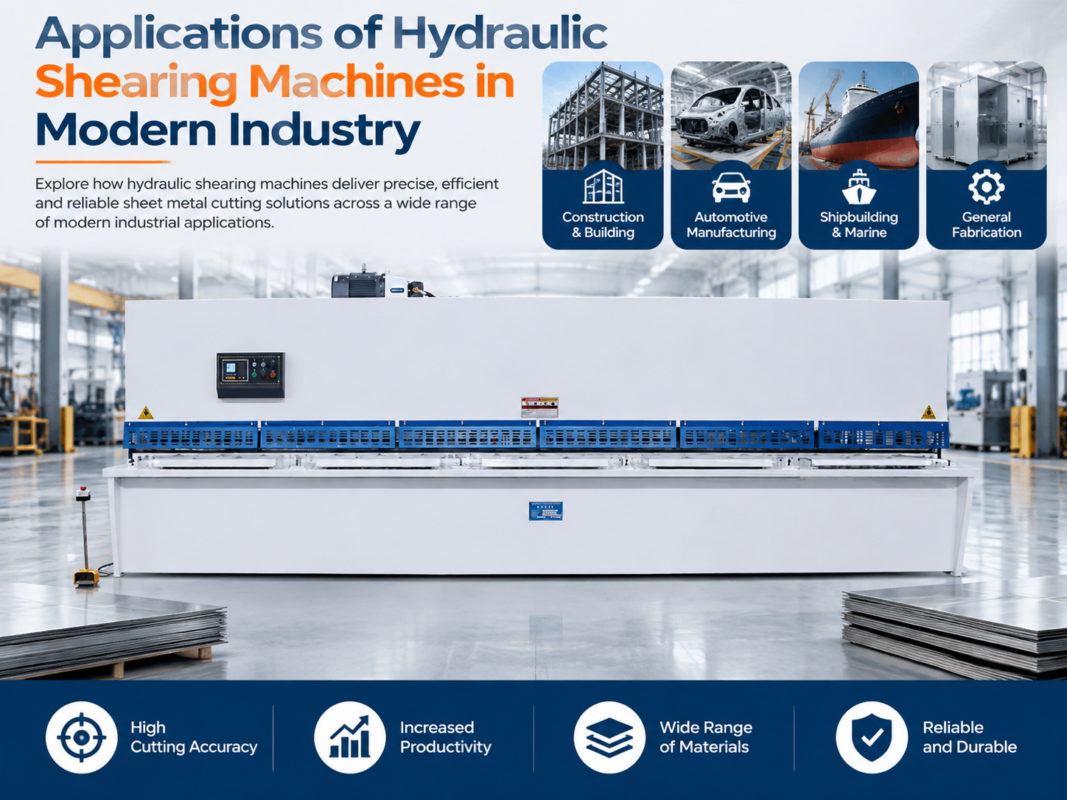
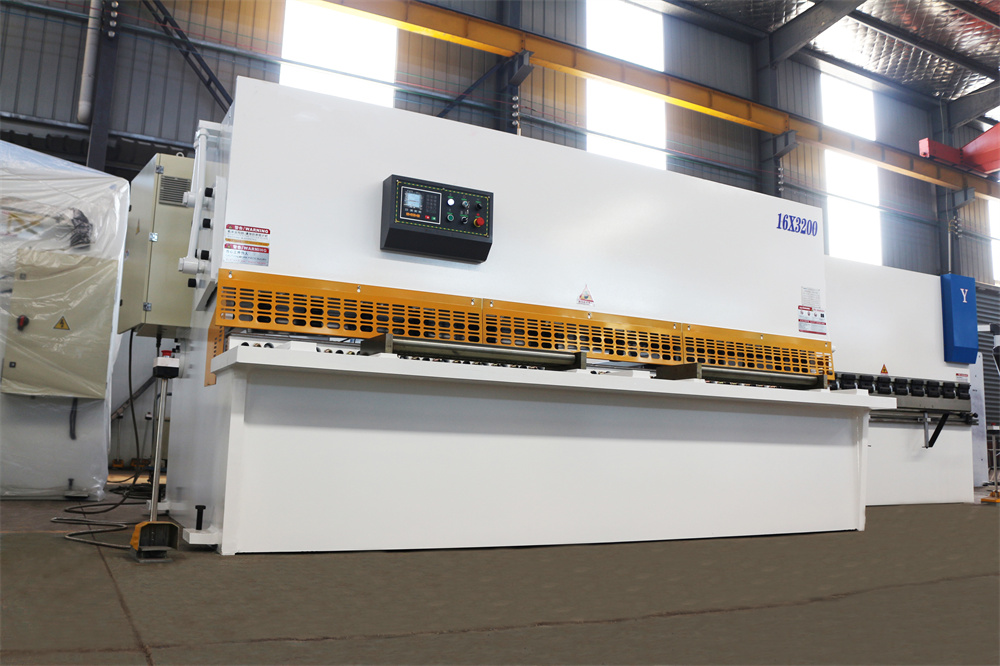
The mechanical design of the shear significantly impacts its performance on different materials. There are two primary configurations: the Hydraulic Swing Beam Shear and the Hydraulic Guillotine Shear.
Hydraulic Swing Beam Shears
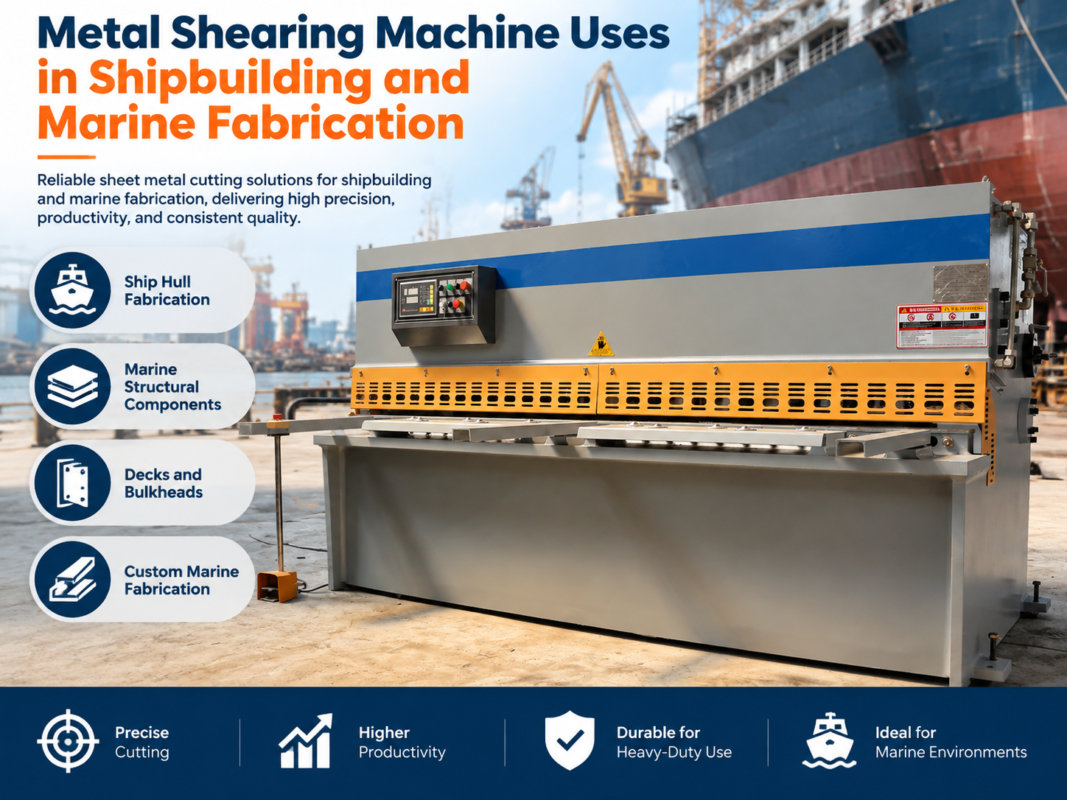
In a swing beam shear, the upper blade moves in a circular arc. This design is simpler and generally more cost-effective. However, because the blade moves at an angle, the rake angle (the angle of the blade relative to the plate) is fixed. This can lead to “twist” or “bow” in the cut piece, especially when cutting narrow strips of stainless steel. Swing beam shears are excellent for general-purpose carbon steel work but may struggle with the precision required for high-end stainless steel fabrication.
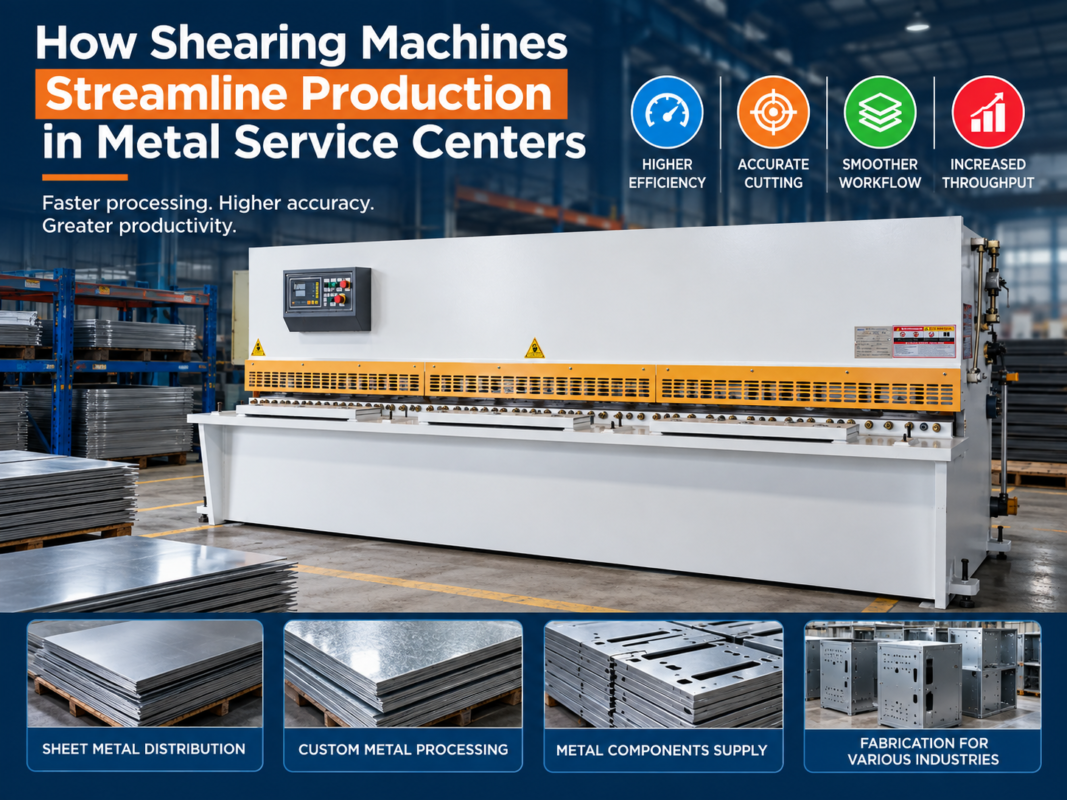
Hydraulic Guillotine Shears
Guillotine shears move the upper blade in a straight vertical line. This allows for an adjustable rake angle. By lowering the rake angle, you can significantly reduce the distortion (twist and camber) in the cut material, which is vital for stainless steel where aesthetic and dimensional accuracy are paramount. Furthermore, guillotine shears typically allow for easier blade gap adjustment, which is the distance between the upper and lower blades. Proper blade gap is the single most important factor in achieving a clean cut; too wide, and the metal burrs; too tight, and you risk damaging the blades.
CNC Controllers and Automation
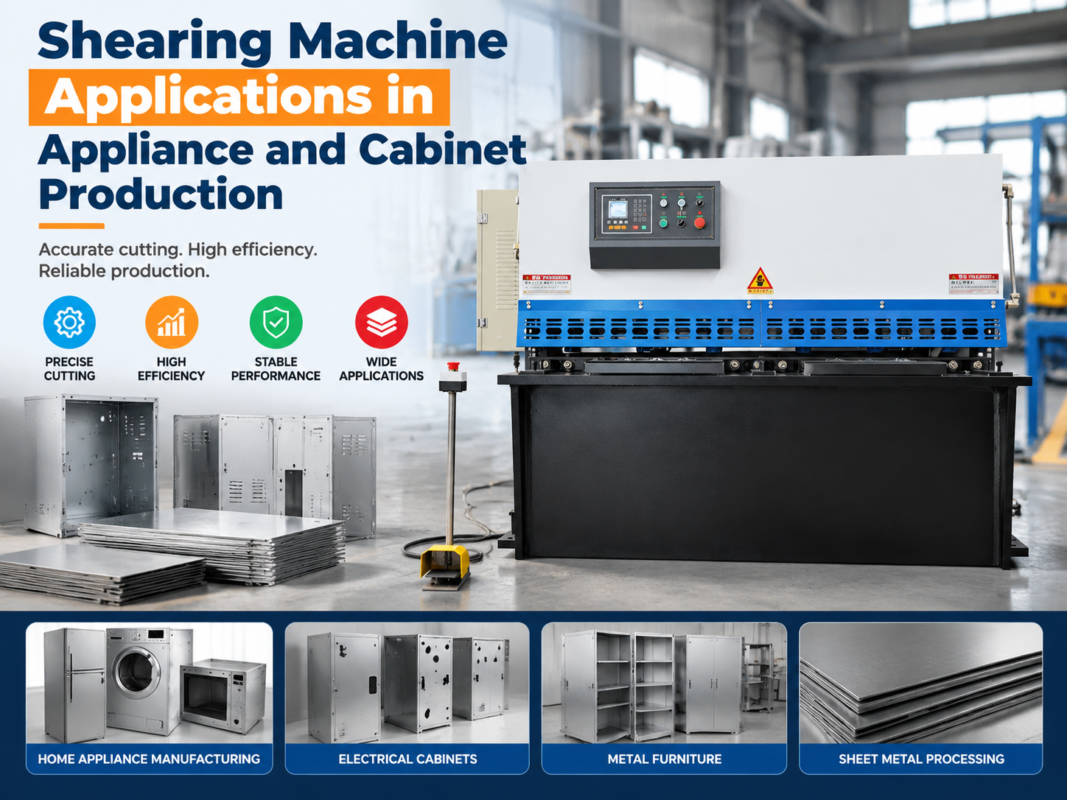
The level of automation you choose will dictate your production speed. A basic NC controller manages the backgauge position, while a full CNC controller can automatically calculate the required blade gap and rake angle based on the material type and thickness you input. For shops switching frequently between carbon steel and stainless steel, an automated blade gap adjustment system saves hours of manual setup time and prevents operator error.
Hidden Costs of Owning a Shearing Machine
The purchase price is only the beginning. To truly understand the cost of your equipment, you must account for the “hidden” expenses that arise during operation.
- Blade Maintenance: Stainless steel dulls blades faster than carbon steel. You must budget for periodic professional blade regrinding. A dull blade increases the load on the hydraulic system and produces poor-quality parts.
- Power Consumption: High-capacity shears require significant electrical power. If your facility’s power grid is insufficient, you may face additional costs for electrical upgrades.
- Hydraulic Oil and Filters: Regular oil changes and filter replacements are necessary to keep the valves and pumps functioning. Contaminated oil is the leading cause of hydraulic failure.
- Floor Space and Foundation: Large shearing machines are heavy and require a reinforced concrete floor to maintain level and accuracy. Some high-capacity models may even require a dedicated pit.
- Tooling for Different Materials: If you frequently switch between very thin and very thick materials, you may need different sets of blades with different edge radii to optimize cut quality.
ROI Calculation: Is the Investment Worth It?
Calculating the Return on Investment (ROI) involves comparing the cost of the machine against the savings and revenue it generates. When you choose a shearing machine for stainless steel and carbon steel, consider the following factors:
| Factor | Manual/Outsourced Shearing | In-House CNC Shearing |
|---|---|---|
| Labor Cost | High (Manual setup/handling) | Low (Automated cycles) |
| Material Waste | High (Human error/inaccuracy) | Low (Precision backgauges) |
| Lead Time | Days/Weeks (Dependent on vendors) | Minutes (On-demand production) |
| Secondary Processing | High (Grinding burrs/distortions) | Minimal (Clean, square edges) |
For example, if your shop currently spends $2,000 a month on outsourced shearing services and loses another $500 in material waste due to poor quality, a $30,000 mid-range HARSLE shear could pay for itself in just over a year. Furthermore, the ability to offer faster turnaround times to your customers can allow you to command higher prices and win more contracts.
Buying Advice: A Checklist for Success
Before signing a purchase order, use this checklist to ensure the machine meets your requirements for both stainless and carbon steel:
- Verify the “Stainless Capacity”: Always ask the manufacturer for the maximum thickness the machine can cut in 304 stainless steel, not just carbon steel.
- Check the Blade Material: Ensure the blades are at least Cr12MoV or equivalent if you plan to cut stainless steel more than 20% of the time.
- Test the Backgauge: Look for a ball-screw backgauge rather than a lead-screw for better precision and longevity.
- Evaluate the Frame: A heavier machine frame generally means less deflection during the cut, leading to better accuracy. Check the weight of the machine compared to competitors.
- Support and Warranty: Ensure the manufacturer (like HARSLE) provides local or accessible technical support and has spare parts readily available.
- Safety Features: Ensure the machine complies with CE or local safety standards, including finger guards, rear light curtains, and emergency stop buttons.
Frequently Asked Questions (FAQ)
Can I use the same blades for both stainless and carbon steel?
Yes, you can, provided the blades are made of a high-quality tool steel like Cr12MoV. However, you must adjust the blade gap when switching between materials. Stainless steel typically requires a tighter blade gap than carbon steel of the same thickness to prevent the material from “folding” rather than shearing.
Why does my stainless steel plate twist after shearing?
Twisting is usually caused by a rake angle that is too high. Stainless steel has high internal stresses; when you cut it, these stresses are released. Using a hydraulic guillotine shear with an adjustable rake angle allows you to lower the angle for thin strips, significantly reducing twist.
How often should I sharpen the blades?
This depends on your volume and material. For carbon steel, blades can last 1-2 years between sharpenings. For heavy stainless steel use, you might need to rotate or sharpen the blades every 6-9 months. Most shearing blades have four cutting edges, so you can flip them three times before needing a professional regrind.
Is a CNC controller necessary for a shearing machine?
It is not strictly necessary but highly recommended for efficiency. An NC controller like the E21S is great for simple, repetitive cuts. However, if you deal with various thicknesses and materials, a CNC controller that automatically adjusts the blade gap will pay for itself in reduced setup time and improved accuracy.
What is the difference between a mechanical and hydraulic shear?
Mechanical shears are faster but noisier and offer less control over the cutting stroke. Hydraulic shears are the industry standard today because they provide full tonnage throughout the entire stroke, offer overload protection, and allow for much easier adjustment of the stroke length and blade gap.
Choosing the right shearing machine is a pivotal decision for any metal fabrication business. By focusing on material-specific requirements, understanding the mechanical differences between swing beam and guillotine designs, and accounting for the total cost of ownership, you can select a machine that enhances your productivity and profitability. HARSLE remains committed to providing high-quality, durable shearing solutions tailored to the rigorous demands of modern metalworking.