What Buyers Should Know About CNC Shearing Machine Systems: A Comprehensive Guide


Introduction to Modern CNC Shearing Technology
In the rapidly evolving landscape of metal fabrication, the transition from manual to automated processes has become a necessity rather than a luxury. For business owners and procurement managers, understanding what buyers should know about CNC shearing machine systems is the first step toward optimizing production efficiency and ensuring long-term profitability. A CNC (Computer Numerical Control) shearing machine is not just a piece of heavy equipment; it is a precision instrument designed to cut sheet metal with high accuracy, speed, and repeatability.
Unlike traditional mechanical or simple hydraulic shears, CNC systems integrate advanced software with robust mechanical engineering. This allows for automated adjustments of the blade gap, rake angle, and backgauge position, significantly reducing the margin for human error. As the demand for tighter tolerances in industries like aerospace, automotive, and electronics grows, the role of the CNC shearing machine has become central to the fabrication shop’s workflow. This guide aims to provide a deep dive into the technical and financial aspects of these machines to help you make an informed investment.
Price Range Overview: Setting Realistic Expectations
When researching what buyers should know about CNC shearing machine systems, the first question is almost always regarding the cost. The price of a CNC shearing machine can vary wildly based on its capacity, technology, and country of origin. Generally, the market is divided into three primary tiers: entry-level, mid-range, and high-end industrial systems.
| Machine Tier | Estimated Price Range (USD) | Typical Specifications |
|---|---|---|
| Entry-Level CNC | $8,000 – $18,000 | 4mm to 6mm thickness, 2500mm length, basic CNC controllers (e.g., E21S). |
| Mid-Range Industrial | $20,000 – $45,000 | 8mm to 12mm thickness, 3200mm to 4000mm length, advanced controllers (e.g., DAC310, DAC360). |
| High-End / Heavy Duty | $50,000 – $150,000+ | 16mm+ thickness, 6000mm+ length, full automation, high-speed hydraulics, and premium components. |
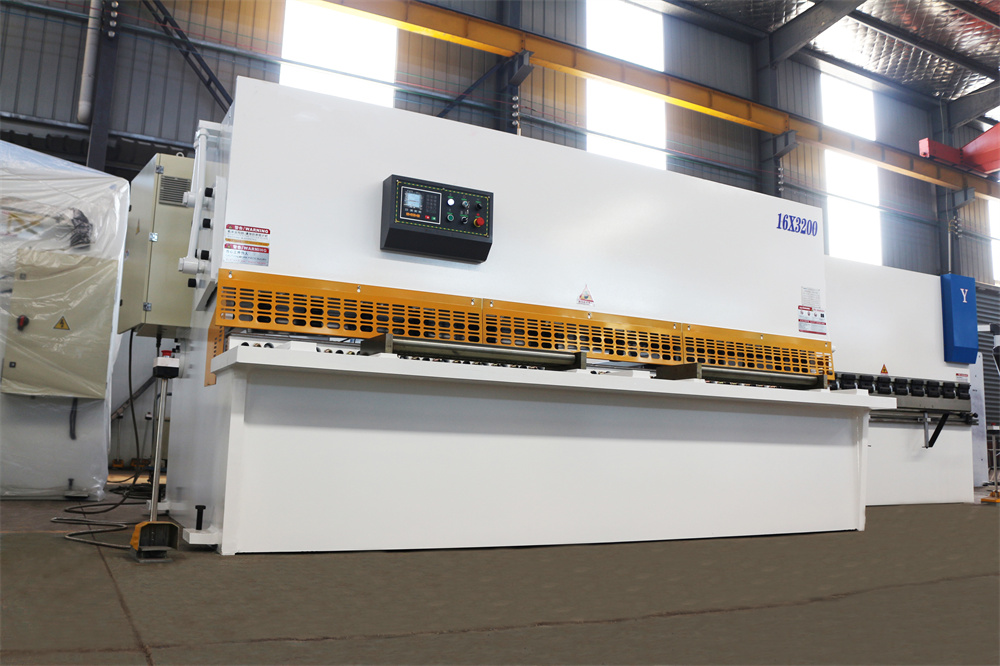
Entry-level machines are often suitable for small workshops or businesses that do not require continuous 24/7 operation. These machines usually feature a hydraulic swing beam design and a simple CNC backgauge. Mid-range machines offer better precision and are built for higher duty cycles, often incorporating hydraulic guillotine designs which provide cleaner cuts on thicker materials. High-end systems are custom-built for specific industrial applications, featuring automated loading/unloading and sophisticated sensors to ensure zero-defect production.
Main Cost Drivers in CNC Shearing Systems
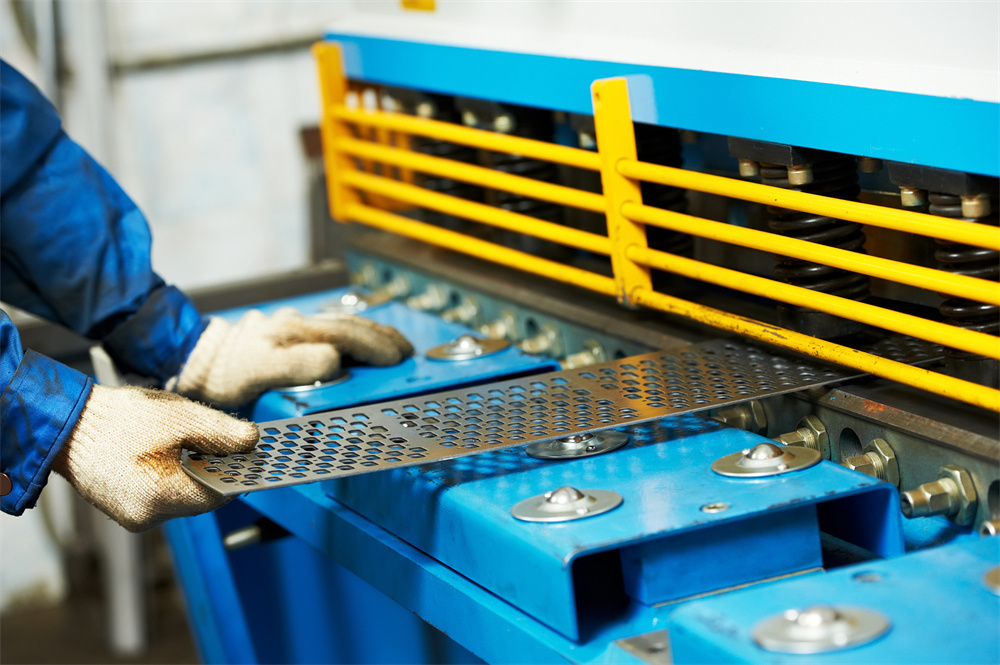
Understanding the factors that influence the final quote is essential for any buyer. The most significant cost driver is the cutting capacity, which includes both the maximum thickness of the material (usually rated for mild steel) and the maximum cutting length. A machine capable of cutting 12mm plate will require a much more robust frame, larger hydraulic cylinders, and more powerful motors than a machine rated for 4mm sheet metal.
Another critical factor is the quality of the blades. High-carbon, high-chrome blades (such as 6CrW2Si or Cr12MoV) are more expensive but offer a significantly longer lifespan and the ability to cut stainless steel without rapid dulling. Buyers should also consider the hydraulic system components. Machines equipped with premium valves and pumps from brands like Bosch-Rexroth or Sunny often command a higher price but offer better reliability and smoother operation compared to generic components.
The CNC controller itself is a major variable. A basic controller that only manages the backgauge position is relatively inexpensive. However, a high-end controller that automatically calculates the optimal rake angle and blade gap based on material type and thickness adds several thousand dollars to the cost. While the upfront investment is higher, these automated features reduce setup time and prevent blade damage caused by incorrect manual settings.
Configuration Impact: Swing Beam vs. Guillotine
One of the most technical aspects of what buyers should know about CNC shearing machine systems is the difference between the two primary mechanical designs: the Hydraulic Swing Beam Shear and the Hydraulic Guillotine Shear. Each has its own set of advantages and price points.
Hydraulic Swing Beam Shears
In a swing beam design, the upper blade moves in an arc. This design is generally simpler and more cost-effective to manufacture. It is excellent for light to medium-duty shearing. However, because the blade moves in a curve, the rake angle is fixed. This can lead to slight distortion or “twist” in the cut piece, especially when cutting narrow strips. For many general fabrication tasks, this distortion is negligible, making the swing beam a popular choice for budget-conscious buyers.
Hydraulic Guillotine Shears
The guillotine design features an upper blade that moves vertically in a straight line. This allows for an adjustable rake angle. By lowering the rake angle for thinner materials, the machine can produce incredibly flat cuts with minimal distortion. Conversely, increasing the rake angle allows the machine to cut thicker materials than a swing beam shear of the same size could handle. Guillotine shears are typically more expensive due to the complexity of the vertical guides and the adjustable angle mechanism, but they are the gold standard for high-precision shops.
Hidden Costs: Beyond the Purchase Price
When calculating the total cost of ownership, buyers often overlook several “hidden” expenses that can impact the budget. Freight and Logistics are significant, as these machines are heavy and require specialized shipping containers and flatbed transport. Depending on your location relative to the manufacturer or distributor, shipping can add $2,000 to $10,000 to the total cost.
Installation and Training are also vital. While some experienced shops can set up a machine themselves, most benefit from a factory-trained technician to ensure the machine is leveled correctly and the CNC system is calibrated. Training for operators is equally important; a poorly trained operator can easily damage expensive blades or the hydraulic system within the first week of operation. Furthermore, consider the initial fill of hydraulic oil. Large shears can require hundreds of liters of high-grade hydraulic oil, which is a significant one-time expense during commissioning.
Finally, consider power consumption and infrastructure. CNC shearing machines require stable, high-amperage industrial power. You may need to upgrade your facility’s electrical panel or install dedicated circuits to handle the motor’s startup current. Ignoring these factors can lead to unexpected delays and additional costs during the installation phase.
ROI Calculation: Is the Investment Worth It?
To justify the purchase, a Return on Investment (ROI) analysis is necessary. The primary source of ROI in a CNC shearing system is labor savings. In a manual setup, an operator spends a significant amount of time measuring, marking, and manually adjusting the backgauge. A CNC system automates these steps, allowing the operator to simply input the dimensions and start cutting. This can increase throughput by 30% to 50%.
Material waste reduction is another key factor. Because CNC systems are more accurate, the number of rejected parts due to sizing errors decreases. In industries where material costs (like stainless steel or aluminum) are high, saving even 2% of material per year can result in thousands of dollars in savings. Additionally, the improved edge quality of a CNC shear often eliminates the need for secondary grinding or deburring processes, further reducing labor costs and speeding up the overall production cycle.
Buying Advice: How to Choose the Right Supplier
Selecting the right machine is only half the battle; selecting the right supplier is equally important. When evaluating what buyers should know about CNC shearing machine systems, the supplier’s support infrastructure should be a top priority. Ask the following questions:
- Do they stock spare parts locally? Waiting for a specialized hydraulic valve to ship from overseas can result in weeks of downtime.
- What is the warranty coverage? A standard warranty should cover the frame, hydraulics, and CNC controller for at least 12 to 24 months.
- Can they provide references? Speak with other fabrication shops that use the same model to understand the machine’s real-world reliability.
- What CNC software do they use? Ensure the software is user-friendly and available in your preferred language. Controllers like Delem or Cybelec are internationally recognized for their ease of use and reliability.
It is also advisable to request a cutting test. Send samples of the specific materials you work with to the supplier and ask them to provide video proof of the cut quality and accuracy. This ensures the machine’s capabilities align with your specific production requirements before you commit to the purchase.
Frequently Asked Questions (FAQ)
1. How often do CNC shearing blades need to be sharpened?
Blade longevity depends on the material being cut and the volume of production. Typically, for mild steel, blades can last 1-2 years before needing to be flipped or sharpened. Most blades have four cutting edges, meaning you can rotate them three times before professional regrinding is required. Cutting stainless steel will reduce this lifespan significantly.
2. Can a CNC shearing machine cut plastic or rubber?
While primarily designed for metal, some CNC shears can cut hard plastics or specialized composites. However, soft materials like rubber do not shear well and can get jammed between the blades. Always consult the manufacturer before attempting to cut non-metallic materials.
3. What is the difference between a DAC310 and a DAC360 controller?
The DAC310 is a basic CNC controller that primarily manages the backgauge (X-axis). The DAC360 is more advanced, offering control over the backgauge, rake angle, stroke length, and blade gap adjustment, providing a much higher level of automation and precision.
4. Is a pneumatic rear support system necessary?
If you are cutting thin sheets (under 2mm) that are very long, the material may sag before it hits the backgauge, leading to inaccurate cuts. A pneumatic rear support system holds the sheet level until the moment of the cut, ensuring high precision for thin-gauge materials.
5. How much maintenance does a CNC shearing machine require?
Daily maintenance includes checking oil levels and cleaning the table. Monthly maintenance involves lubricating the backgauge ball screws and checking the tightness of the blade bolts. An annual professional inspection of the hydraulic seals and electrical connections is highly recommended to prevent major breakdowns.