Sheet Metal Punching Machine Applications In Custom Fabrication Shops: A Comprehensive Guide


Introduction to Sheet Metal Punching in Modern Fabrication
In the dynamic world of metalworking, the versatility of equipment often dictates the success of a workshop. Among the most critical assets in any facility are the various Sheet Metal Punching Machine Applications In Custom Fabrication Shops. These machines are not merely tools for creating holes; they are sophisticated systems capable of forming, extruding, and even threading metal sheets with incredible precision. For custom fabrication shops, where every project brings unique challenges, the ability to adapt quickly is paramount. HARSLE has long been at the forefront of providing robust punching solutions that cater to these evolving needs, ensuring that fabricators can maintain high throughput without sacrificing quality.
The evolution of punching technology has transitioned from manual lever-operated presses to highly automated CNC (Computer Numerical Control) turret punch presses. This shift has revolutionized how custom shops approach production. Instead of relying on multiple machines for different processes, a single modern punching machine can handle complex geometries and repetitive tasks with minimal human intervention. This efficiency is particularly vital in custom fabrication, where lead times are often tight and material waste must be kept to a minimum to ensure profitability.
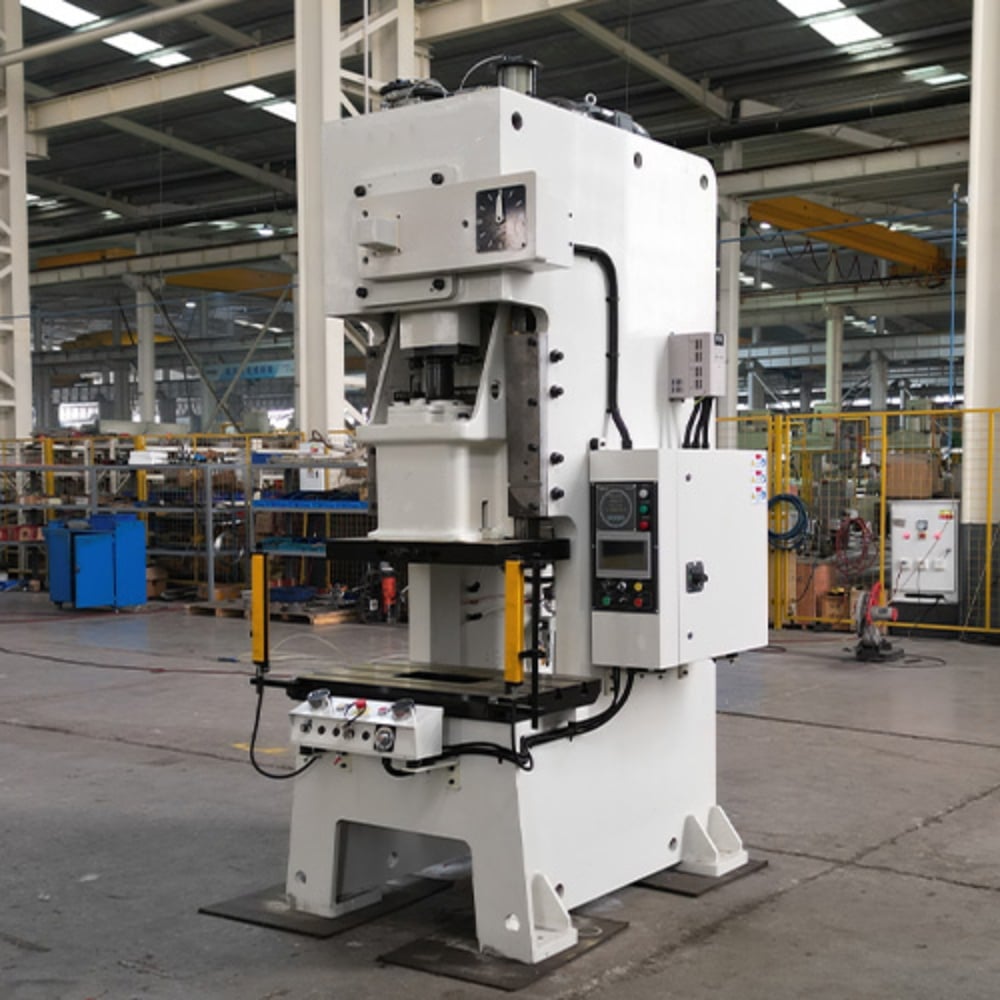
Understanding the full scope of Sheet Metal Punching Machine Applications In Custom Fabrication Shops requires a deep dive into the technical capabilities of these machines. Beyond simple perforation, they are used for creating louvers for ventilation, knockouts for electrical boxes, and countersinks for flush-mounted screws. This multi-functionality makes the punch press a cornerstone of industrial manufacturing, bridging the gap between raw material and finished product in industries ranging from electronics to aerospace.
Key Considerations for Punching Machine Implementation
When integrating a punching machine into a custom shop, several factors must be evaluated to ensure the equipment aligns with the shop’s specific output goals. The first consideration is material compatibility. Different metals—such as aluminum, stainless steel, and carbon steel—react differently to the punching process. For instance, stainless steel requires higher tonnage and specialized tooling coatings to prevent galling, while aluminum demands precise clearance to avoid burrs. A versatile machine must be able to handle these variations through adjustable stroke lengths and pressure settings.
Another critical factor is the complexity of the parts being produced. Custom fabrication often involves low-volume, high-mix production. This means the machine must support quick tool changes and have a large enough turret capacity to hold various punch sizes and shapes. If a shop frequently switches between projects, a CNC turret punch press with an auto-index station becomes invaluable, as it allows tools to rotate to any angle, reducing the total number of tools required and shortening setup times.
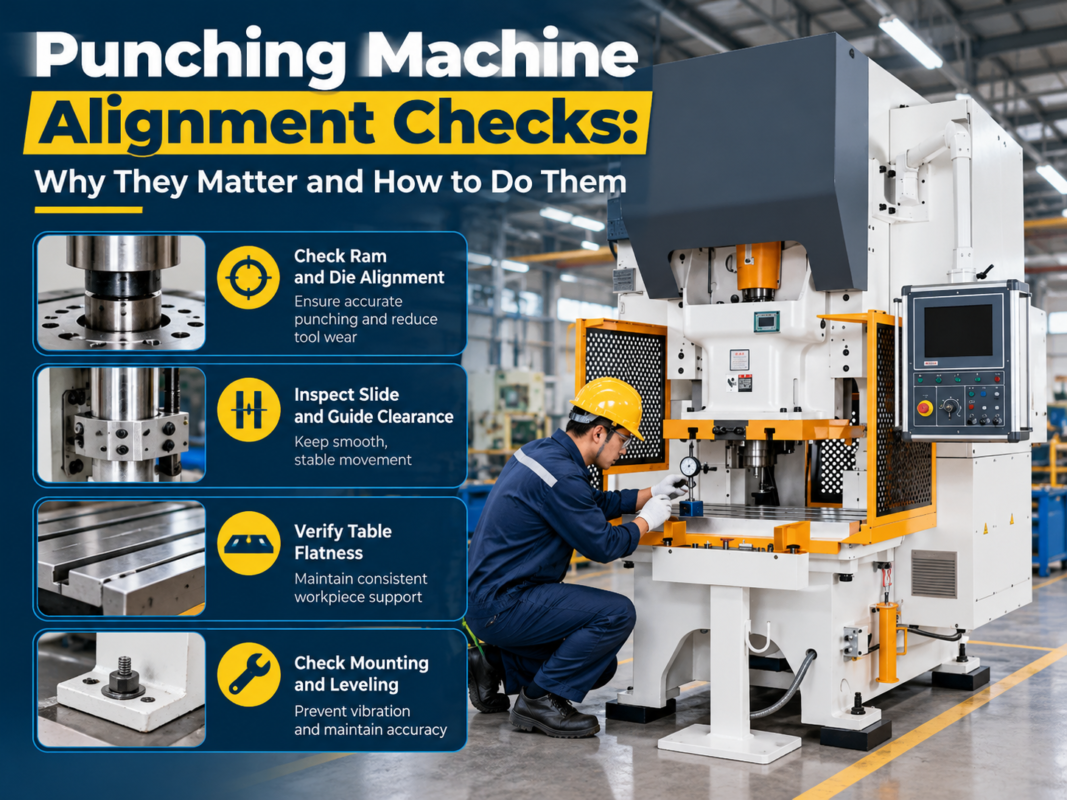
Precision and repeatability are the hallmarks of a high-quality fabrication shop. The mechanical stability of the machine frame—often referred to as the O-frame or C-frame design—plays a significant role in maintaining accuracy over long production runs. HARSLE machines are engineered with high-rigidity frames to minimize deflection, ensuring that every punch is perfectly aligned. This level of precision is essential for parts that will later be assembled into larger structures, where even a fraction of a millimeter in deviation can cause significant issues.
Finally, the software ecosystem surrounding the machine cannot be overlooked. Modern Sheet Metal Punching Machine Applications In Custom Fabrication Shops rely heavily on CAD/CAM integration. The ability to import a design file and automatically generate the most efficient nesting pattern and tool path is a major competitive advantage. This not only saves time but also maximizes material utilization, which is a key driver of ROI in custom fabrication environments.
Technical Details of Modern Punching Systems
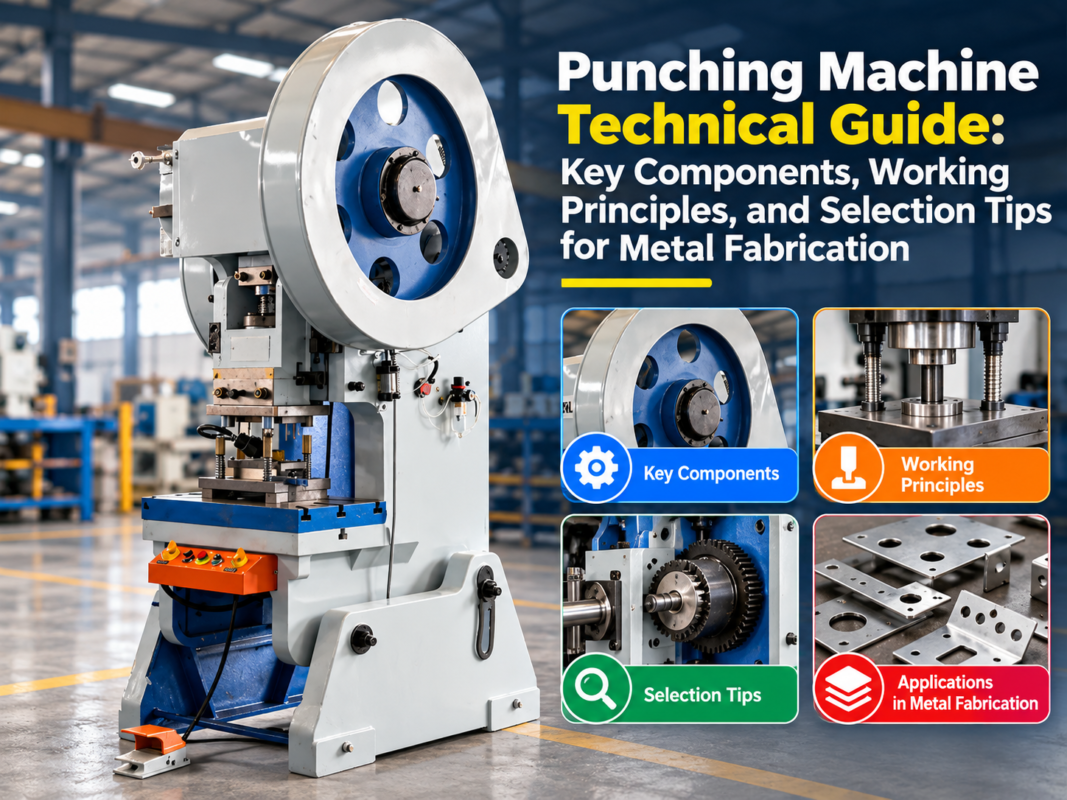
To fully appreciate the capabilities of these machines, one must understand the underlying technology. Punching machines generally fall into two categories: mechanical and hydraulic. Mechanical presses are known for their speed and are often used for high-volume, simple punching tasks. However, hydraulic presses, which are more common in custom shops, offer greater control over the punch cycle. This control allows for “forming” operations, where the punch doesn’t fully penetrate the material but instead shapes it into features like ribs or offsets.
The Role of the Turret and Tooling
The turret is the heart of the CNC punching machine. It holds a variety of tools that can be called upon by the controller. Turrets are typically divided into “stations” of different sizes (A, B, C, and D stations), each capable of holding tools for different material thicknesses and hole diameters. In a custom shop, having a diverse tool library is essential. Specialized tooling can include:
- Louver Tools: For creating ventilation slots in enclosures.
- Threading Tools: For tapping holes directly on the press.
- EKO (Electrical Knockout) Tools: For creating easy-to-remove plugs in junction boxes.
- Cluster Tools: For punching multiple holes in a single hit, significantly increasing speed.
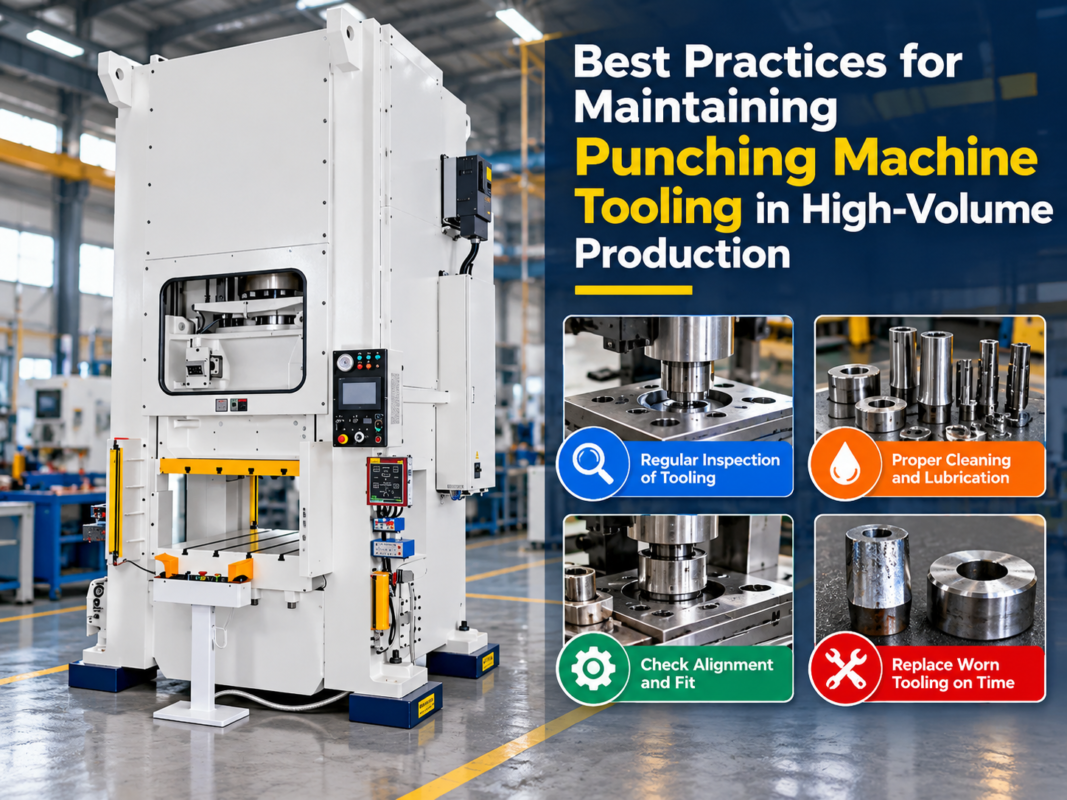
Tooling maintenance is equally important. Sharp tools reduce the force required for punching, which extends the life of the machine and improves the edge quality of the workpiece. Many modern HARSLE machines include sensors that monitor tool wear and alert operators when sharpening is required, preventing costly downtime and scrap.
CNC Control and Automation
The “brain” of the machine is the CNC controller. High-end controllers offer real-time simulation, allowing operators to visualize the punching process before the first hit is made. This feature is a lifesaver in custom fabrication, where mistakes on expensive materials can be devastating. Furthermore, automation features like automatic sheet loading and unloading systems can be added to punching machines to allow for “lights-out” manufacturing, where the machine continues to work unattended overnight.
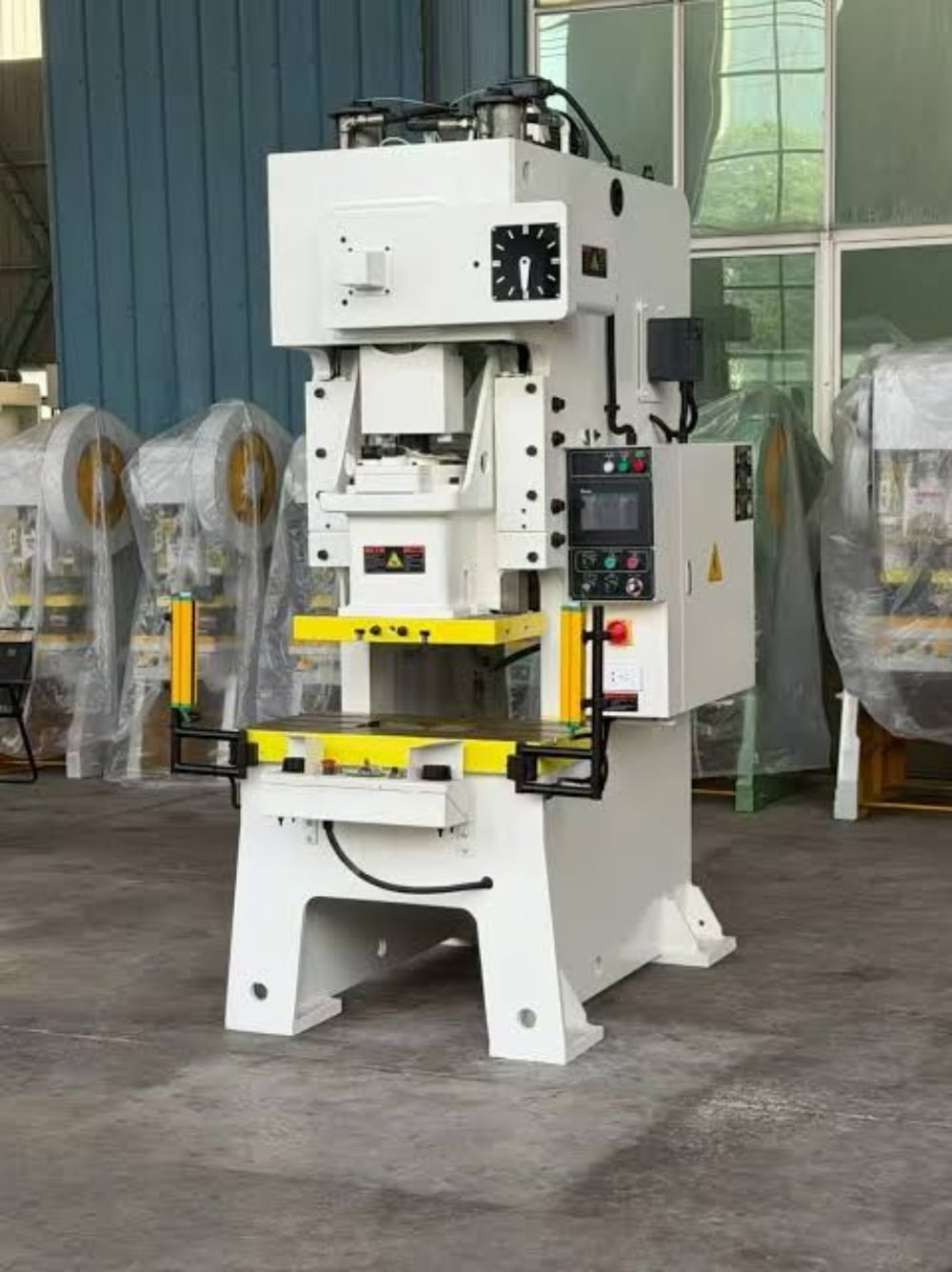
Diverse Sheet Metal Punching Machine Applications In Custom Fabrication Shops
The range of Sheet Metal Punching Machine Applications In Custom Fabrication Shops is vast. Because these machines can perform both cutting and forming, they are used in almost every sector of manufacturing. Let’s explore some of the most common applications in detail.
1. Electrical Enclosures and Cabinetry
Custom shops frequently produce server racks, control panels, and junction boxes. These items require numerous holes for wiring, mounting points, and ventilation. A punching machine is ideal here because it can create the main cutouts, the mounting holes, and the ventilation louvers in a single setup. The speed of a punch press for these types of repetitive patterns is often superior to laser cutting, especially when considering the cost per hole.
2. HVAC Components
The Heating, Ventilation, and Air Conditioning industry relies heavily on sheet metal fabrication. Ductwork, mounting brackets, and furnace housings are all products of punching machines. The ability to create flanges and hemmed edges on the punch press allows for stronger joints and safer handling of the finished parts. Custom HVAC shops use punching machines to quickly adapt to the specific dimensions required for unique building layouts.
3. Architectural and Decorative Panels
Perforated metal is a popular choice in modern architecture for facades, sunshades, and interior partitions. Custom fabrication shops use punching machines to create intricate patterns that are both functional and aesthetic. By varying the hole size and spacing, fabricators can create “image perforation,” where the holes themselves form a larger picture or logo when viewed from a distance. This application requires extreme precision and consistent spacing over large sheets of metal.
4. Automotive and Transportation
From heavy-duty truck brackets to internal components for passenger vehicles, the automotive sector utilizes punching for its speed and reliability. Many automotive parts require “extrusions”—where the metal is pushed out to create a threaded boss or a pilot for a weld nut. Punching machines are uniquely suited for this, as they can form the extrusion and punch the hole in one motion, ensuring perfect concentricity.
5. Medical and Laboratory Equipment
The medical industry demands high levels of cleanliness and precision. Stainless steel is the material of choice, and punching machines are used to create the chassis for diagnostic equipment, surgical trays, and laboratory furniture. The ability to produce burr-free holes is critical in these applications to prevent contamination and ensure the safety of healthcare professionals.
Selection Advice: Choosing the Right Machine for Your Shop
Selecting the right machine for Sheet Metal Punching Machine Applications In Custom Fabrication Shops involves more than just looking at the price tag. You must conduct a thorough needs analysis based on your current and projected workload. Here is a checklist to guide your decision:
| Feature | Importance in Custom Fabrication | HARSLE Recommendation |
|---|---|---|
| Tonnage | Determines the maximum thickness and hole size. | 30-ton models are the industry standard for versatility. |
| Throat Depth | Determines the maximum sheet width the machine can handle. | Choose a deeper throat (1250mm+) for large architectural panels. |
| Tool Stations | Affects how many different jobs can be run without a tool change. | A 32-station turret provides a good balance of variety and speed. |
| Auto-Index Stations | Reduces the need for specialized tools by rotating standard ones. | At least 2 auto-index stations are recommended for complex shapes. |
| Software Compatibility | Ensures seamless transition from design to production. | Look for machines that support standard G-code and popular CAM software. |
Beyond the technical specs, consider the manufacturer’s reputation for support and spare parts availability. In a custom shop, a machine that is down for two weeks waiting for a part can result in lost contracts. HARSLE provides comprehensive training and technical support to ensure that your operators can maximize the machine’s potential from day one. Additionally, consider the “total cost of ownership,” which includes energy consumption, tooling costs, and routine maintenance requirements.
Maintenance and Safety Protocols
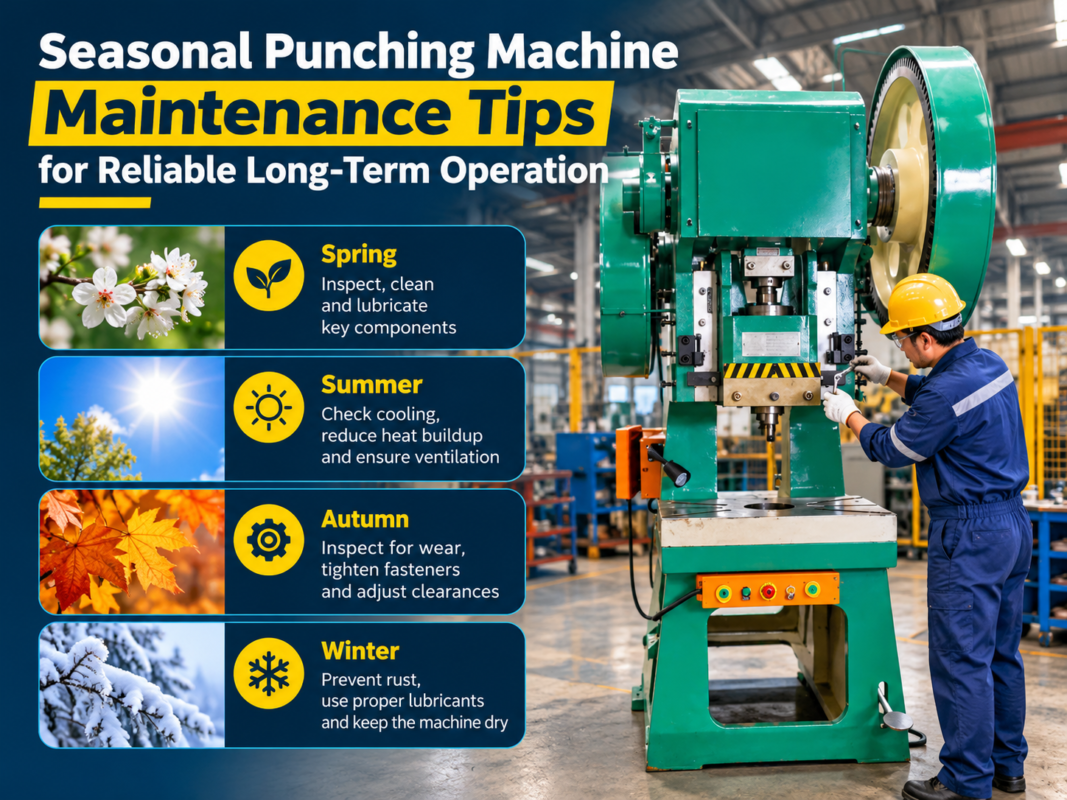
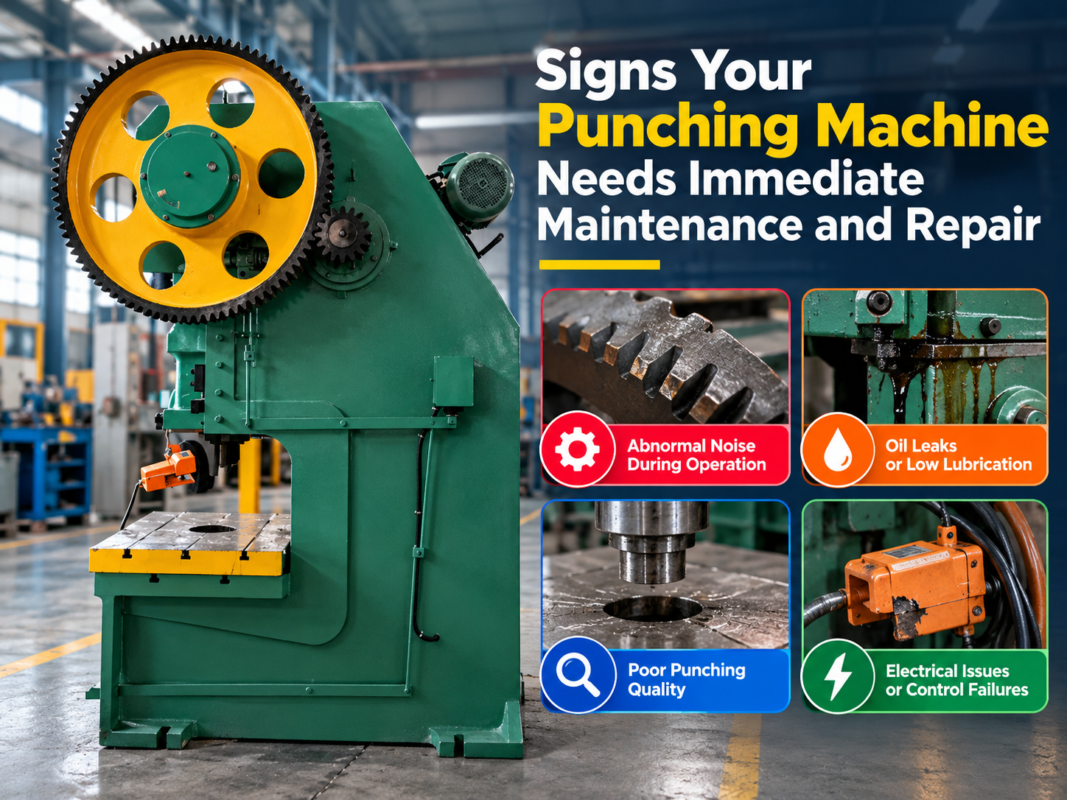
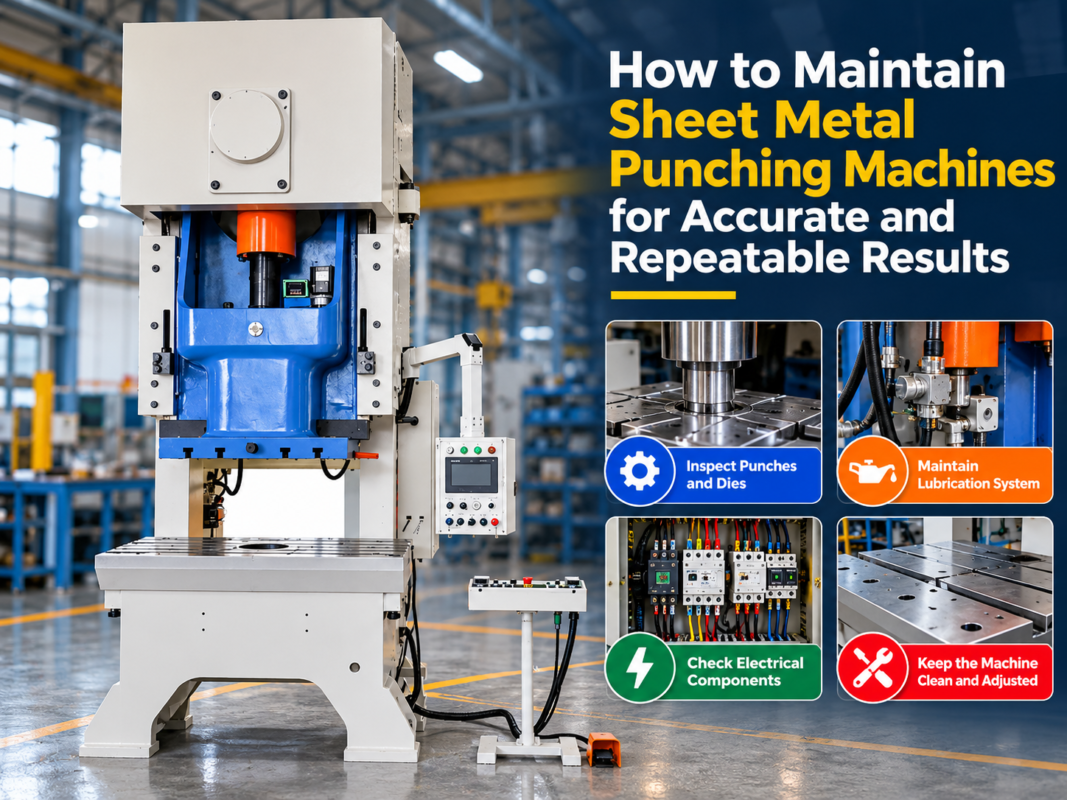
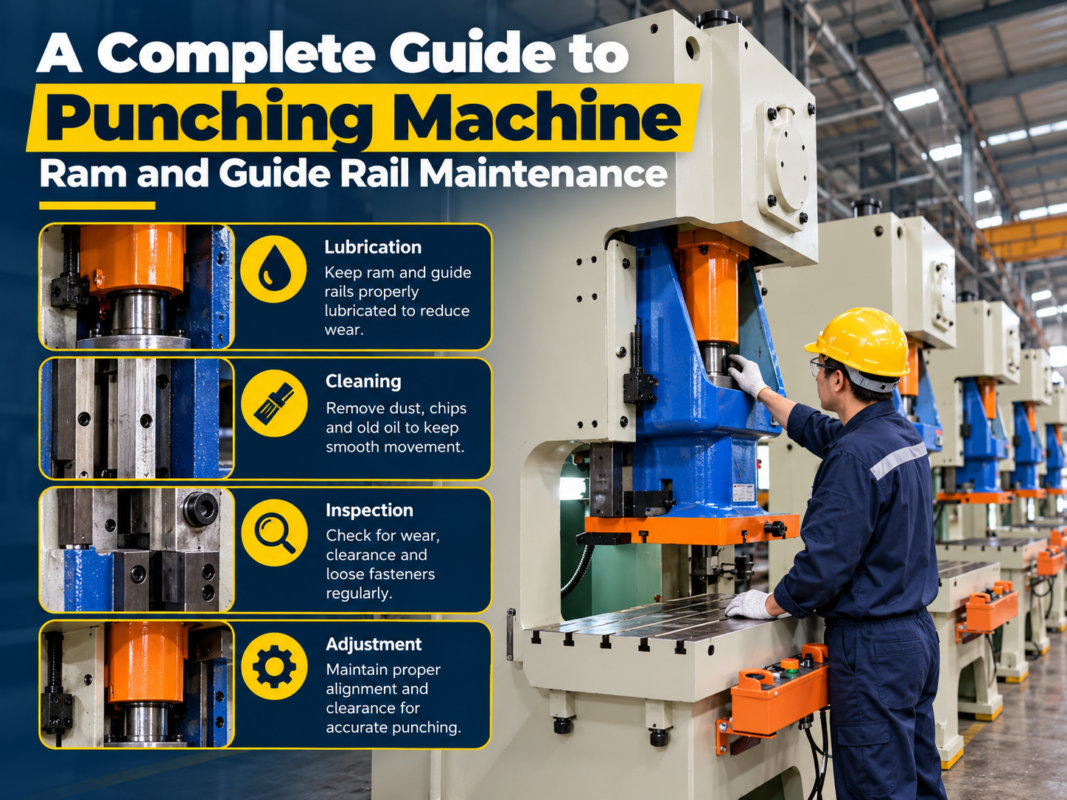
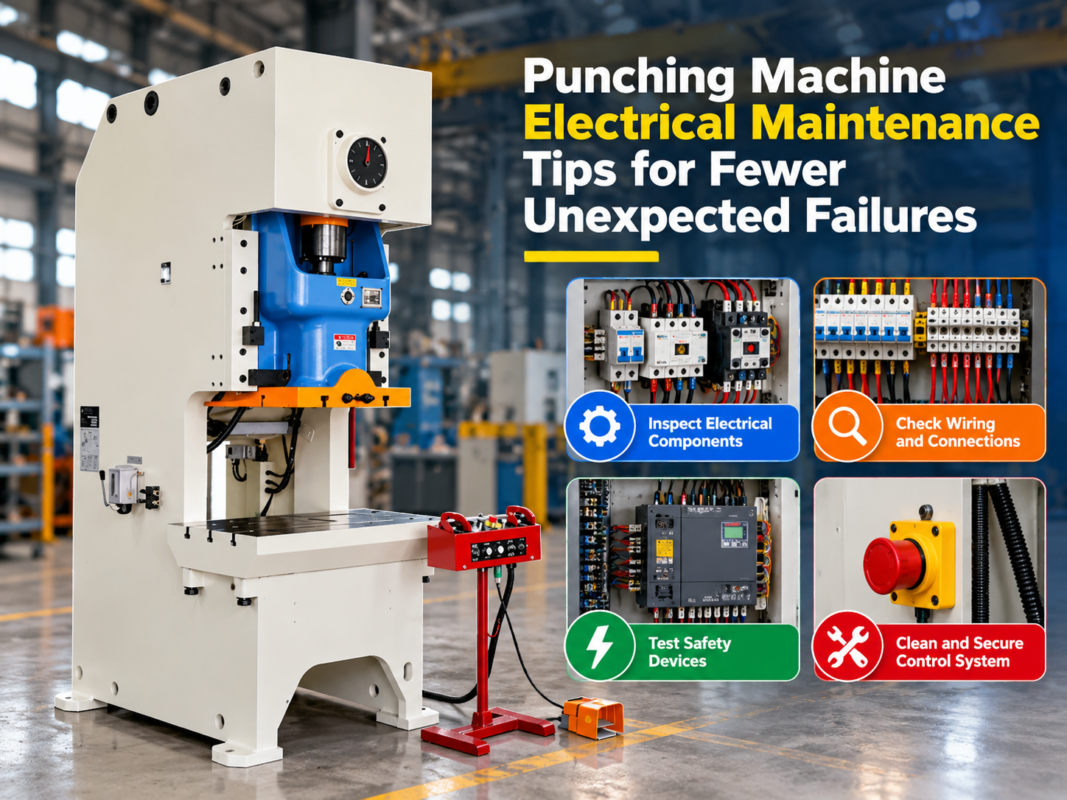
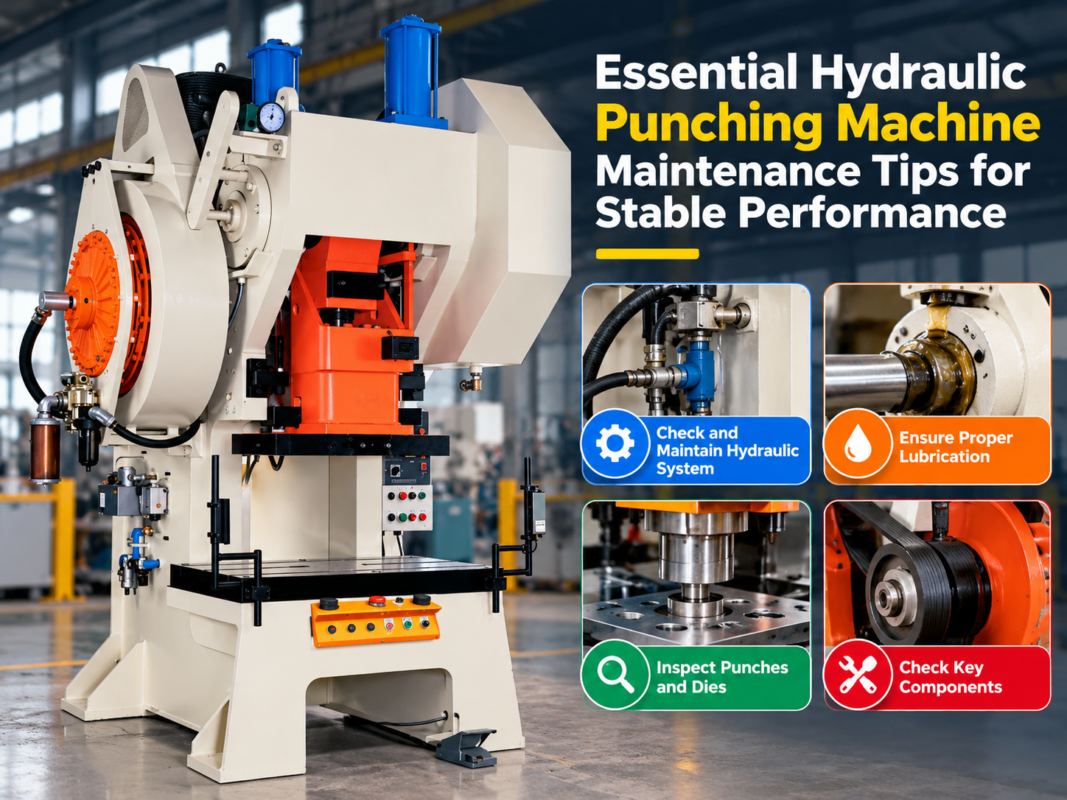
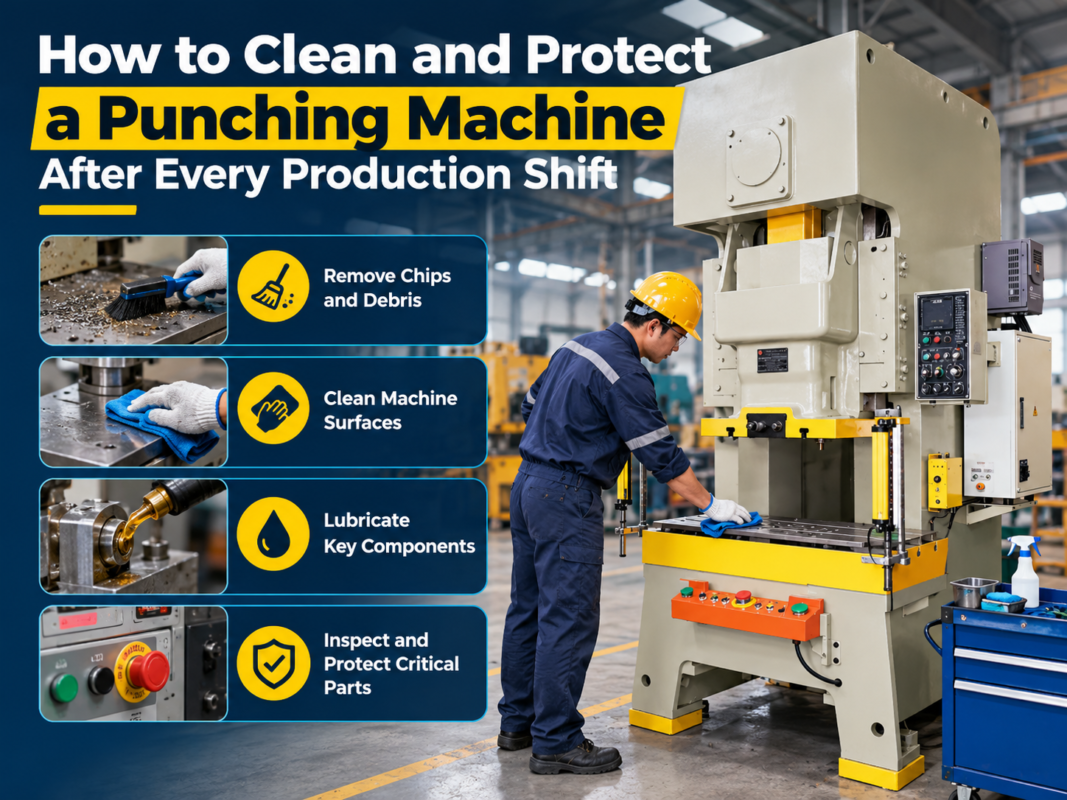
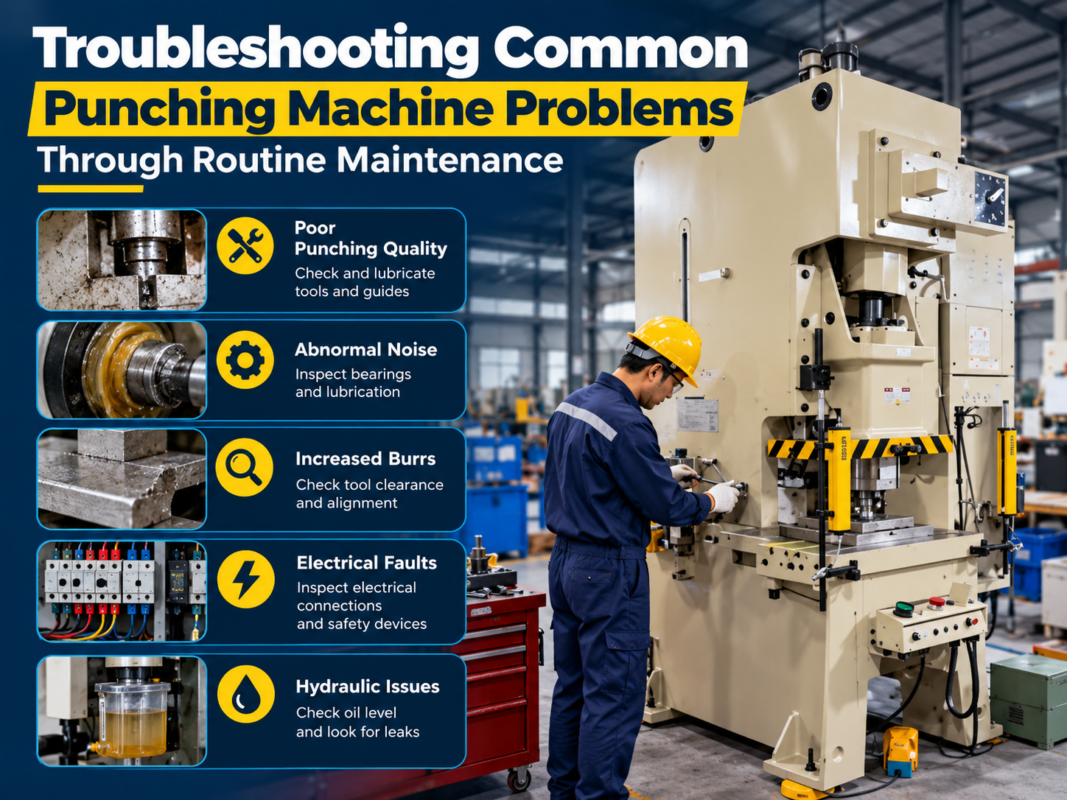
To keep a punching machine running at peak performance, a strict maintenance schedule is necessary. This includes daily checks of the hydraulic fluid levels, lubrication of the turret and moving parts, and inspection of the electrical cabinets for dust buildup. Tooling should be inspected after every shift; dull tools not only produce poor quality parts but also put unnecessary strain on the machine’s hydraulic system and frame.
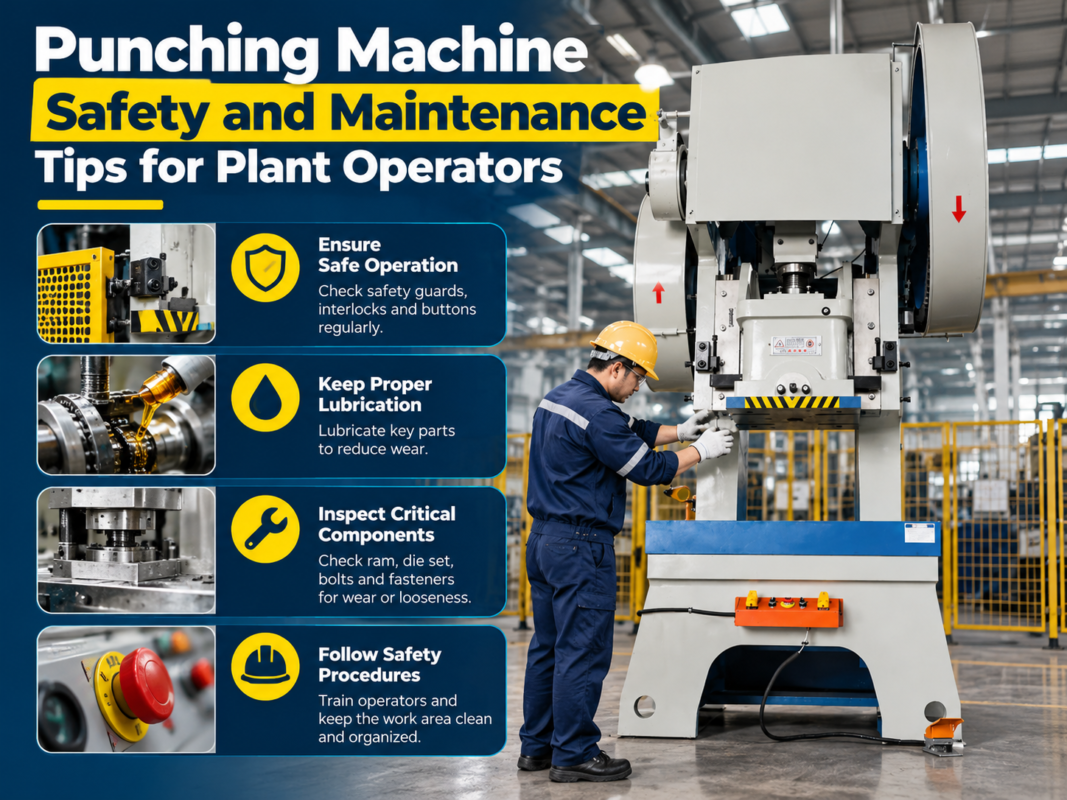
Safety is the most important aspect of operating heavy machinery. Modern punching machines are equipped with light curtains, emergency stop buttons, and interlocked guarding. However, the most effective safety measure is a well-trained operator. Ensuring that staff understand the machine’s limits and follow proper loading and unloading procedures is essential for a safe working environment. Regular safety audits and refresher training sessions should be a standard part of any shop’s operations.
Frequently Asked Questions (FAQ)
What is the difference between a punching machine and a laser cutter?
While both can cut sheet metal, a punching machine is generally faster for creating repetitive holes and can perform forming operations like louvers and knockouts, which a laser cannot. Lasers are better for very intricate, non-linear shapes and thicker materials where a punch might struggle with edge quality.
Can a punching machine handle stainless steel?
Yes, but it requires higher tonnage and specialized tooling. Stainless steel work-hardens quickly, so the machine must have a sharp, high-quality punch and the correct die clearance to prevent the material from sticking to the tool.
How long does it take to set up a new job on a CNC turret punch?
With modern CNC controls and a well-organized tool library, setup can take as little as 10 to 20 minutes. If the required tools are already in the turret, the setup time is essentially the time it takes to load the new program and the sheet of metal.
What is the maximum thickness a standard 30-ton punch can handle?
Typically, a 30-ton machine can punch up to 6.35mm (1/4 inch) thick mild steel, depending on the hole diameter. As the hole diameter increases, the maximum thickness decreases to stay within the machine’s tonnage limits.
Is it worth buying a used punching machine?
While used machines are cheaper, they often lack the precision, speed, and software compatibility of new models. For a custom shop where reliability is key, a new HARSLE machine with a warranty and modern features often provides a better long-term ROI.
Conclusion: The Future of Punching in Custom Fabrication
The various Sheet Metal Punching Machine Applications In Custom Fabrication Shops demonstrate that this technology remains a vital component of the manufacturing landscape. Despite the rise of alternative cutting methods, the unique ability of the punch press to combine cutting, forming, and high-speed perforation makes it irreplaceable for many industries. As custom shops continue to face pressure for faster delivery and higher precision, investing in a high-quality punching machine from a trusted manufacturer like HARSLE is a strategic move that pays dividends in both capability and efficiency.
By understanding the technical nuances, selecting the right configuration, and maintaining the equipment properly, fabricators can unlock new levels of creativity and productivity. Whether you are producing simple brackets or complex architectural facades, the sheet metal punching machine is the workhorse that will drive your shop’s success into the future. Explore the full range of HARSLE punching solutions today and take the first step toward transforming your custom fabrication capabilities.