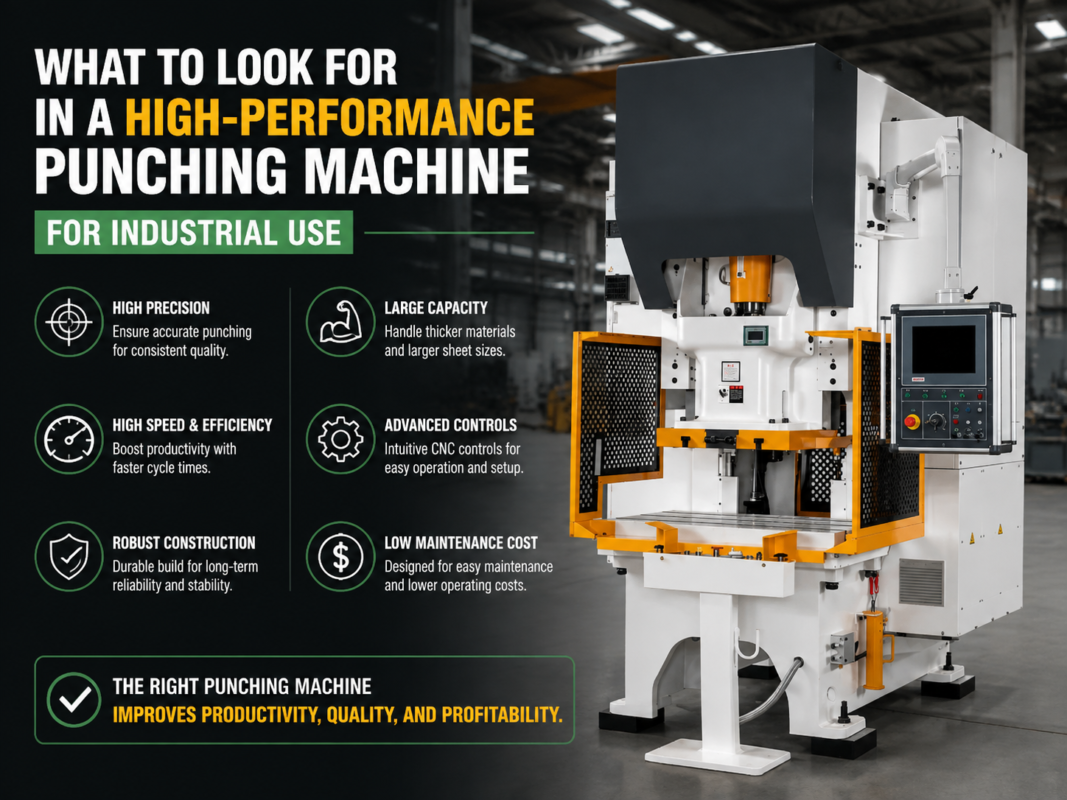
Comprehensive Guide to Punching Machine Uses In Construction Metal Fabrication


Introduction to Punching Machine Uses In Construction Metal Fabrication
In the modern industrial landscape, the construction sector stands as one of the most demanding consumers of fabricated metal components. From the skeletal frames of skyscrapers to the intricate ductwork of ventilation systems, the precision and efficiency of metal processing are paramount. Central to this efficiency is the industrial punching machine. Understanding the diverse Punching Machine Uses In Construction Metal Fabrication is essential for any contractor or fabricator looking to optimize their production line and ensure structural integrity.
A punching machine, at its core, is a type of machine press used to create holes in metal sheets or plates by applying high pressure through a tool known as a punch, which enters a die. Unlike drilling, which removes material through rotation and cutting, punching is a shearing process. This makes it significantly faster and more cost-effective for high-volume construction projects. HARSLE, a leader in metal fabrication machinery, provides advanced hydraulic and CNC punching solutions designed to meet the rigorous standards of the global construction industry.
The evolution of these machines from manual hand-operated presses to sophisticated CNC (Computer Numerical Control) systems has revolutionized how we build. In construction, where timelines are tight and safety margins are non-negotiable, the ability to produce thousands of identical, high-precision parts per day is a game-changer. This article explores the technical nuances, application areas, and selection criteria for punching machines within the construction realm.
Key Considerations for Punching in Construction
When evaluating Punching Machine Uses In Construction Metal Fabrication, several critical factors must be considered to ensure the machinery aligns with project requirements. The first consideration is material compatibility. Construction often utilizes heavy-duty materials such as hot-rolled steel, stainless steel, and high-strength aluminum alloys. A punching machine must have the necessary tonnage—the measure of force the machine can exert—to penetrate these materials without deforming the surrounding area.
Precision and repeatability are the second pillars of consideration. In structural steel fabrication, a hole that is off by even a fraction of a millimeter can prevent a bolt from seating correctly, leading to delays on the job site. CNC punching machines address this by using programmed coordinates to ensure every punch is identical. This level of accuracy is vital for components like gusset plates and splice plates that join massive steel beams together.
Furthermore, the versatility of the tooling is a major factor. Construction projects often require various hole shapes—round, square, slotted, or even custom decorative patterns for architectural facades. A machine with a quick-change tool system or a multi-tool turret allows fabricators to switch between tasks rapidly, reducing downtime. HARSLE machines are engineered with these versatile tool-holding systems to maximize operational uptime.
Lastly, one must consider the “heat-affected zone” (HAZ). Unlike laser or plasma cutting, punching is a cold-working process. This means it does not introduce thermal stress into the metal, preserving the metallurgical properties of the steel. In construction, where the load-bearing capacity of a component is calculated based on its raw material strength, avoiding thermal degradation is a significant advantage of using punching machines over thermal cutting methods.
Technical Details of Modern Punching Systems
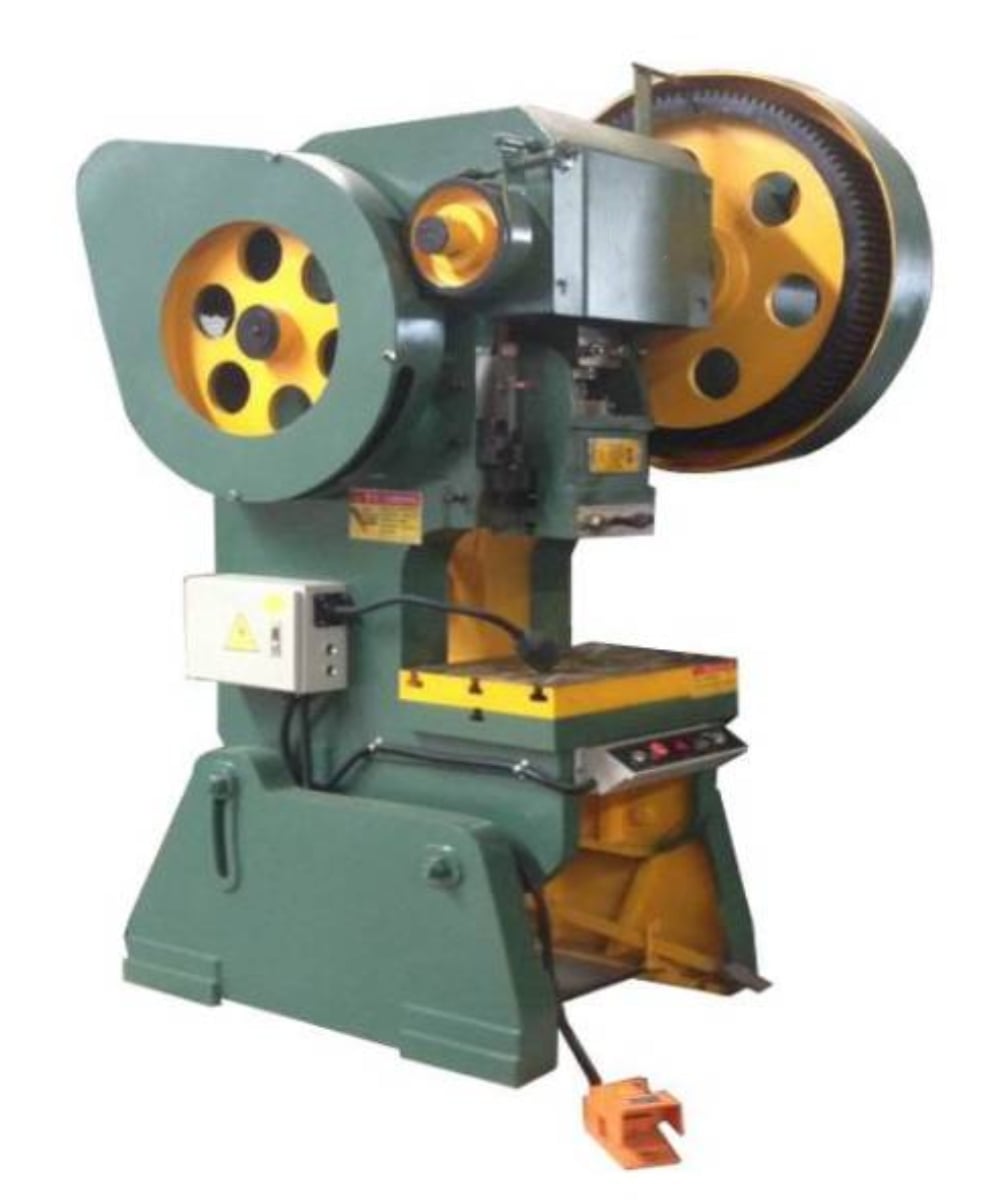
The technical architecture of a punching machine determines its suitability for specific construction tasks. Most modern machines used in construction are either mechanical or hydraulic. Mechanical presses utilize a flywheel to store energy and a crankshaft to deliver a quick, powerful stroke. These are excellent for high-speed, repetitive punching of thinner gauges. However, for the thick plates common in structural construction, hydraulic punching machines are often preferred.
Hydraulic systems provide full tonnage throughout the entire stroke, allowing for greater control and the ability to punch through much thicker materials. This is particularly useful when fabricating base plates for columns or heavy-duty brackets. The integration of CNC technology allows these hydraulic systems to follow complex patterns, perform nibbling (creating large shapes through a series of small overlapping punches), and even emboss or form the metal during the punching cycle.
Tonnage Requirements for Construction Materials
Calculating the required tonnage is a fundamental technical step. The formula generally used is: Tonnage = (Perimeter of Hole x Material Thickness x Shear Strength) / Constant. In construction, where 10mm to 20mm steel plates are common, the machine must often exceed 100 tons of force. Below is a simplified reference table for common construction steel (Mild Steel, approx. 345 MPa shear strength):
| Hole Diameter (mm) | Material Thickness (mm) | Estimated Tonnage Required |
|---|---|---|
| 10 | 5 | 15-20 Tons |
| 20 | 10 | 60-70 Tons |
| 30 | 15 | 130-150 Tons |
| 50 | 20 | 300+ Tons |
Beyond tonnage, the “throat depth” of the machine is a vital technical specification. This refers to the distance from the center of the punch to the back frame of the machine. For construction applications involving large sheets—such as roofing panels or floor decking—a deep throat is necessary to reach the center of the workpiece. HARSLE offers various throat depths to accommodate the oversized dimensions typical in the building industry.
Primary Applications in Construction Metal Fabrication
The Punching Machine Uses In Construction Metal Fabrication are vast and varied. One of the most prominent applications is in the production of structural connectors. Every steel-framed building relies on thousands of plates to connect beams to columns. Punching machines are used to create the bolt holes in these plates with incredible speed. Because these holes are often slotted to allow for thermal expansion and contraction of the building, the ability of a punching machine to create non-round shapes is indispensable.
In the realm of HVAC (Heating, Ventilation, and Air Conditioning), punching machines are used to fabricate ductwork, mounting brackets, and air grilles. Here, the focus is often on thinner galvanized steel. CNC turret punch presses are particularly effective here, as they can punch, form louvers, and create knockouts for electrical wiring in a single setup. This multi-functionality reduces the need for secondary operations, significantly lowering the cost per part.
Architectural metalwork also relies heavily on punching. Perforated metal panels are a popular choice for building facades, sunshades, and acoustic ceilings. These panels require thousands of precisely spaced holes to achieve the desired aesthetic and functional effect. A high-speed CNC punching machine can process these panels with a level of consistency that would be impossible to achieve manually. The precision ensures that patterns align perfectly across multiple panels when installed on a building’s exterior.
Infrastructure projects, such as bridges and highway guardrails, also utilize punching technology. The heavy-duty posts and rails used in road safety must be punched to accommodate fasteners. Given the outdoor environment, these parts are often made of thick, galvanized steel. The robust nature of HARSLE’s hydraulic punching machines ensures they can handle the high-cycle demands of infrastructure manufacturing while maintaining the tight tolerances required for safety-critical components.
Selection Advice: Choosing the Right Machine
Selecting the right equipment for Punching Machine Uses In Construction Metal Fabrication requires a strategic approach. The first step is to analyze your most common material thickness and hole size. If your shop primarily handles heavy structural plates (over 12mm), a single-station hydraulic punching machine with high tonnage is the most cost-effective and durable choice. These machines are built for power and can withstand the shock of punching through thick plate steel day after day.
If your production involves a high variety of parts with different hole sizes and shapes in thinner materials (under 6mm), a CNC Turret Punch Press is the superior option. The turret allows you to house 20 to 50 different tools at once, and the CNC controller manages the positioning of the sheet. This is ideal for HVAC contractors and facade manufacturers who need flexibility and high-speed throughput.
Consider the level of automation required. In high-labor-cost markets, investing in a machine with automatic loading and unloading systems can pay for itself within a year. Furthermore, look for machines with modern control interfaces. HARSLE integrates user-friendly CNC systems that allow operators to import CAD files directly, reducing the risk of manual programming errors and speeding up the transition from design to finished part.
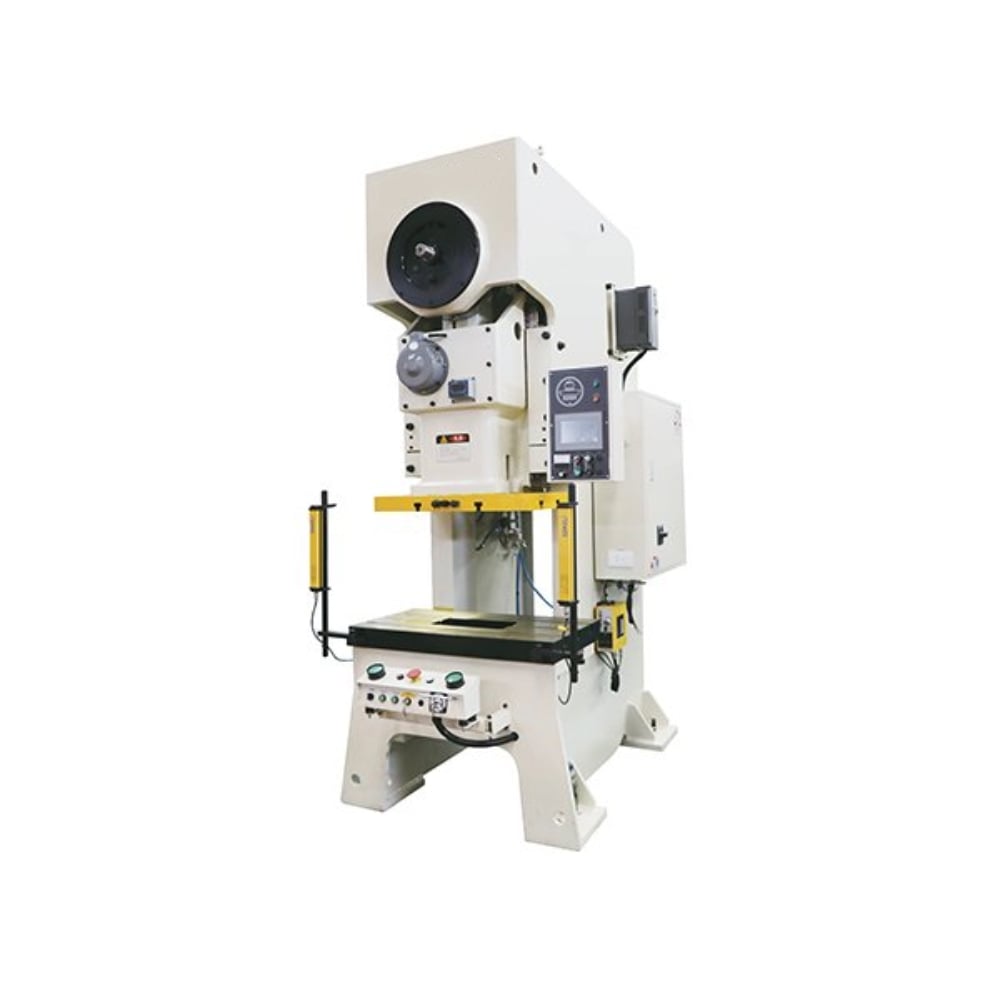
Finally, do not overlook the importance of after-sales support and parts availability. Construction projects operate on strict deadlines; a week of downtime due to a broken punch or a hydraulic seal can be catastrophic. Choosing a reputable manufacturer like HARSLE ensures that you have access to technical expertise and a reliable supply chain for consumables like punches and dies. Always verify the machine’s safety features, such as light curtains and emergency stop circuits, to protect your workforce in the high-paced construction environment.
Frequently Asked Questions (FAQ)
1. Is punching better than drilling for construction steel?
For most applications, yes. Punching is significantly faster—taking seconds compared to minutes for drilling. It is also more cost-effective for high volumes. However, for extremely thick materials (usually over 25mm) or when a perfectly smooth hole wall is required for high-fatigue applications, drilling may still be preferred. For standard structural connections, punching is the industry standard.
2. Can a punching machine handle stainless steel used in facades?
Yes, but it requires careful consideration. Stainless steel is harder and work-hardens quickly. You will need a machine with higher tonnage (roughly 50% more than mild steel) and specialized punches made from high-grade tool steel with specific coatings to prevent galling and premature wear.
3. What maintenance is required for a construction-grade punching machine?
Regular maintenance includes lubricating the ram and guides, checking hydraulic fluid levels and filters, and inspecting the punch and die for dullness or chipping. Sharp tools are essential; dull tools increase the required tonnage and can damage the machine’s frame over time. HARSLE recommends a daily inspection routine to ensure long-term reliability.
4. Can punching machines create shapes other than holes?
Absolutely. Beyond round holes, they can create squares, rectangles, obrounds, and D-shapes. With specialized forming tools, they can also create louvers, countersinks, ribs, and even thread-tapped holes in a single process, which is highly beneficial for electrical enclosures and HVAC components.
5. How does CNC technology improve construction fabrication?
CNC technology eliminates manual layout and marking, which are prone to human error. It allows for complex nesting of parts to minimize material waste and ensures that every part produced is a perfect replica of the digital design. This is crucial for large-scale construction where parts are fabricated off-site and must fit perfectly during assembly.
Conclusion: The Future of Punching in Construction
The role of Punching Machine Uses In Construction Metal Fabrication continues to expand as building designs become more complex and efficiency becomes more critical. The transition toward Industry 4.0 means that punching machines are no longer isolated tools but integrated components of a smart factory. With the ability to track production data, predict maintenance needs, and communicate with BIM (Building Information Modeling) software, modern punching machines are at the forefront of the construction revolution.
HARSLE remains committed to pushing the boundaries of what is possible in metal fabrication. By providing machines that combine raw power with digital precision, we empower fabricators to build the infrastructure of tomorrow. Whether you are punching simple bolt holes in a bridge girder or creating a complex perforated pattern for a landmark museum, the right punching machine is the foundation of your success. Investing in high-quality machinery today ensures that your fabrication shop remains competitive, safe, and capable of meeting the ever-evolving demands of the global construction industry.