The Role Of Punching Machines In Telecom Cabinet Fabrication


Introduction to Telecom Cabinet Fabrication and Punching Technology
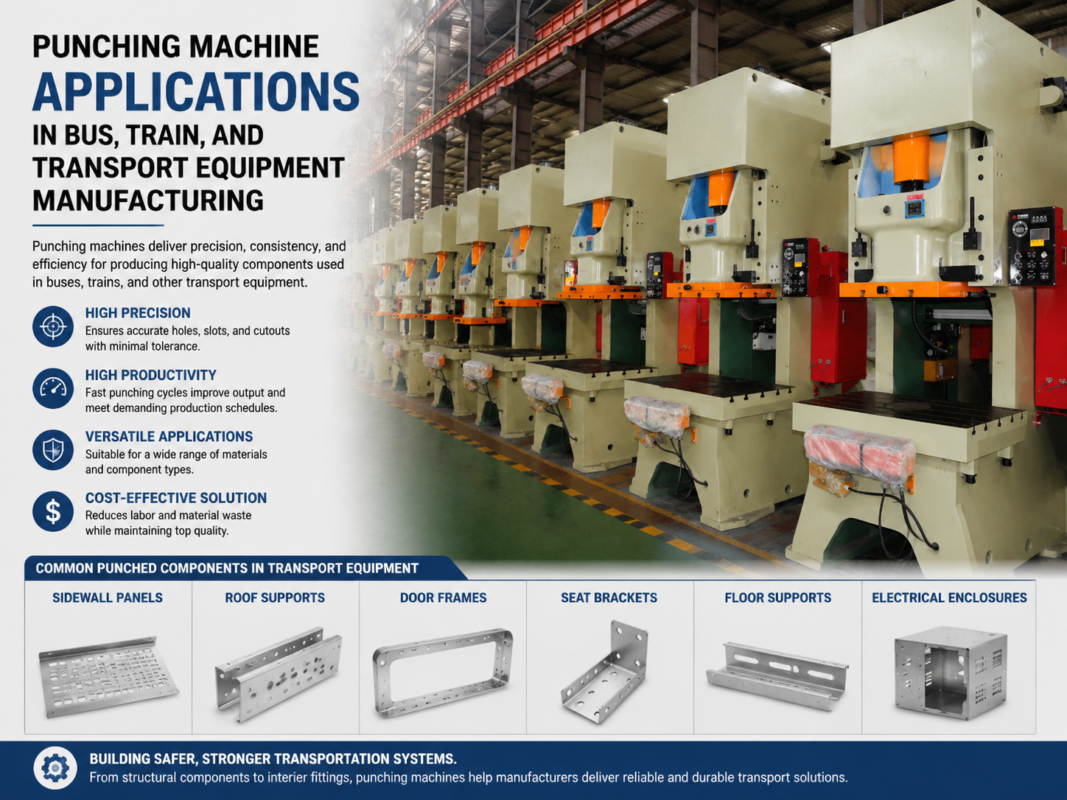
In the rapidly evolving landscape of global telecommunications, the demand for robust, high-precision infrastructure has never been higher. As 5G networks expand and data centers proliferate, the telecom cabinet—the protective housing for sensitive electronic components—has become a critical element of network reliability. The fabrication of these cabinets requires a blend of structural integrity, thermal management features, and precise mounting configurations. Central to this manufacturing process is the industrial punching machine, specifically the CNC turret punch press. The Role Of Punching Machines In Telecom Cabinet Fabrication is multifaceted, bridging the gap between raw sheet metal and a sophisticated enclosure capable of withstanding diverse environmental conditions.
Telecom cabinets are not merely metal boxes; they are engineered environments. They must provide electromagnetic interference (EMI) shielding, facilitate complex airflow patterns to prevent equipment overheating, and offer secure mounting points for standardized rack equipment. Achieving these specifications at scale requires machinery that offers both high speed and extreme repeatability. Punching machines excel in this regard, providing a cost-effective and efficient alternative to laser cutting for features like repetitive hole patterns, louvers, and embossed features that are ubiquitous in telecom designs.
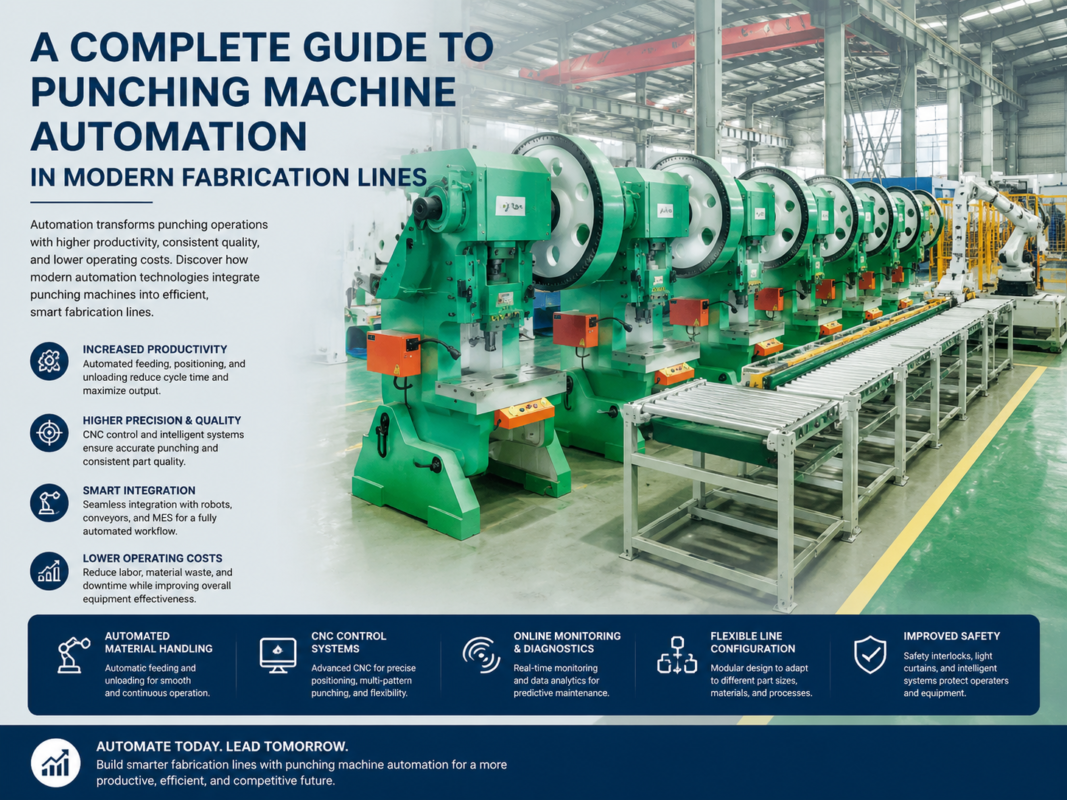
HARSLE, a leader in metal fabrication machinery, recognizes that the efficiency of a telecom cabinet production line often hinges on the performance of its punching equipment. By integrating advanced CNC controls and high-speed hydraulic or servo-electric systems, modern punching machines allow fabricators to execute complex designs with minimal manual intervention. This article explores the technical nuances, strategic advantages, and selection criteria for punching machines within the telecommunications sector, highlighting why they remain the cornerstone of modern enclosure manufacturing.
The transition from traditional manual punching to automated CNC systems has revolutionized the industry. In the past, creating a single cabinet might involve multiple setups and manual tool changes, leading to higher labor costs and increased margins for error. Today, the Role Of Punching Machines In Telecom Cabinet Fabrication involves a seamless digital workflow where CAD designs are translated directly into punch patterns, ensuring that every cabinet produced is an exact replica of the master design, down to the millimeter.
Key Considerations in Telecom Cabinet Design and Punching
When designing a telecom cabinet, several functional requirements dictate the punching process. The first and perhaps most critical is thermal management. Electronic components generate significant heat, and without proper ventilation, system failure is inevitable. Punching machines are uniquely suited for creating louvers—slotted vents that allow air to pass through while preventing rain or dust from entering. Unlike laser cutters, which can only cut the perimeter of a hole, a punching machine uses specialized forming tools to bend and shape the metal into a louver in a single hit. This dual-action capability (cutting and forming) is a primary reason why punching is preferred for telecom enclosures.
Material selection also plays a vital role in the punching strategy. Most telecom cabinets are fabricated from galvanized steel, stainless steel, or aluminum. Each material reacts differently to the punching process. For instance, galvanized steel requires specific tool clearances to prevent the zinc coating from flaking or clogging the die. Aluminum, being softer, requires high-speed punching to prevent burr formation. A high-quality punching machine must be versatile enough to handle these material variations while maintaining tight tolerances for the thousands of mounting holes required for internal component racks.
Another key consideration is the complexity of the internal geometry. Telecom cabinets often feature “knockouts” for cable entry, countersunk holes for flush-mounted screws, and embossed areas for branding or labeling. A CNC turret punch press can house dozens of different tools in its turret, allowing it to switch between a standard round punch, a square punch, a louver tool, and an embossing tool in a fraction of a second. This versatility reduces the need for secondary operations, significantly lowering the total cost per unit.
Structural rigidity is also influenced by the punching process. By using the punching machine to create ribs or stiffening features through embossing, fabricators can use thinner, lighter sheet metal without sacrificing the cabinet’s overall strength. This is particularly important for pole-mounted telecom equipment where weight is a critical factor. The ability to add structural integrity through the punching process itself is a sophisticated application of the Role Of Punching Machines In Telecom Cabinet Fabrication.
Finally, the speed of production cannot be overlooked. In the telecom industry, project timelines are often aggressive. Punching machines offer significantly higher hit rates for repetitive hole patterns compared to laser cutting. For a cabinet door featuring hundreds of small hexagonal ventilation holes, a punching machine can complete the task in a fraction of the time it would take a laser to trace each individual shape. This throughput is essential for meeting the high-volume demands of global infrastructure rollouts.
Technical Details of CNC Punching in the Telecom Sector
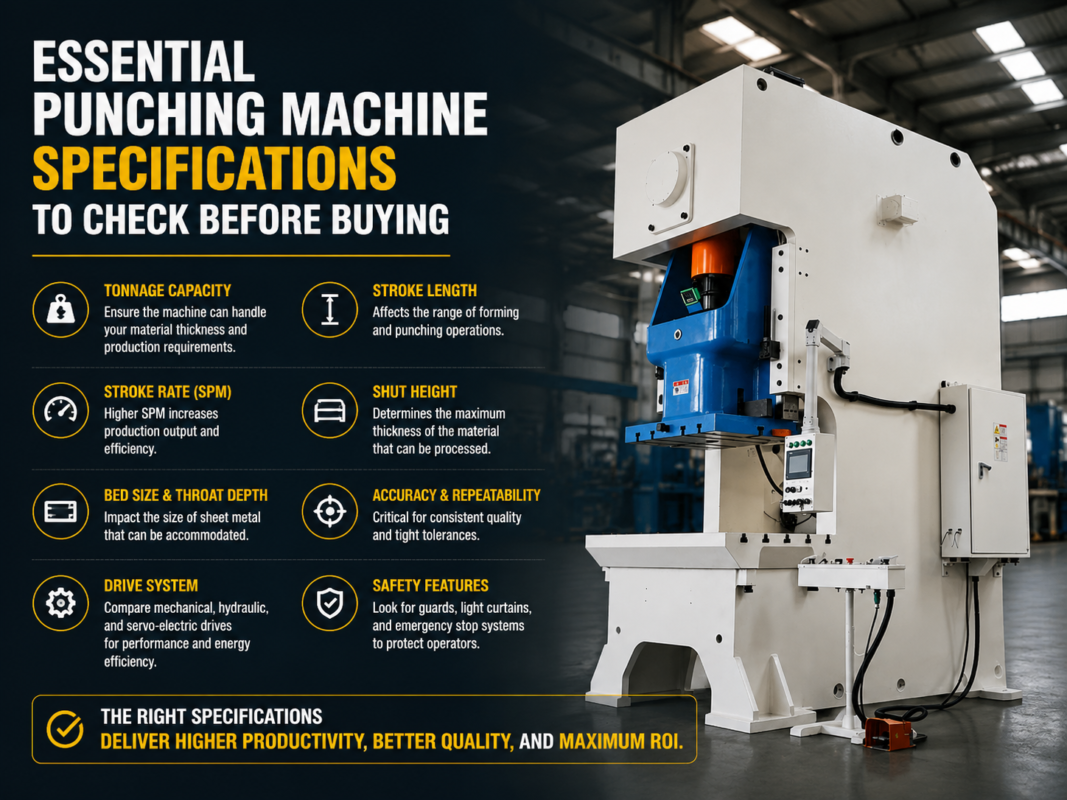
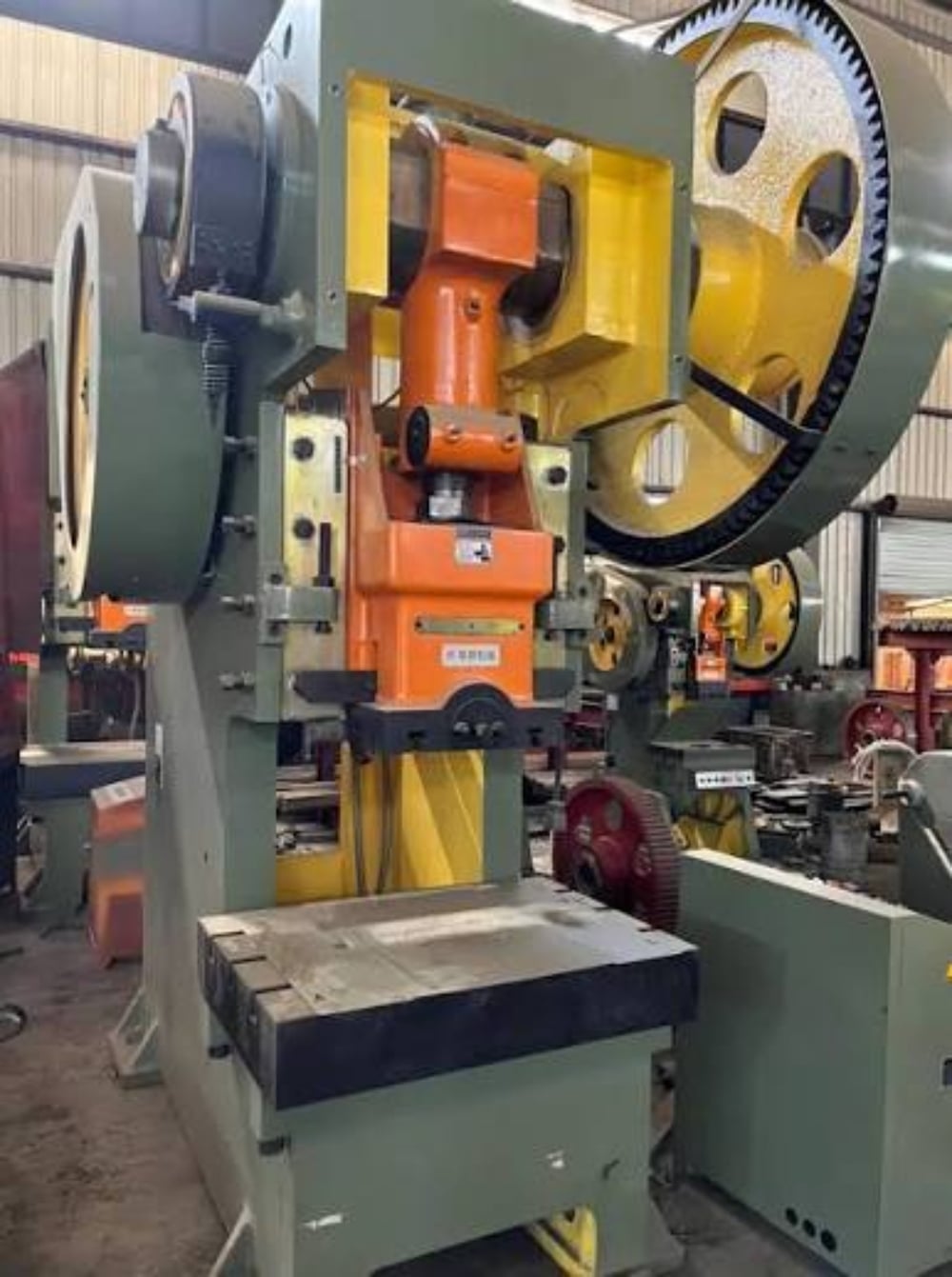
The technical prowess of a punching machine is defined by its drive system, turret configuration, and control software. In telecom cabinet fabrication, the choice between hydraulic and servo-electric drive systems is significant. Hydraulic systems offer immense power and are well-suited for thick materials, while servo-electric systems provide superior energy efficiency and precise control over the ram’s position. This precision is vital when performing delicate forming operations like half-shears or small-diameter extrusions used for self-tapping screws.
The turret configuration is another technical pillar. A large-capacity turret allows for a wide variety of tools to be resident in the machine at all times. For telecom cabinets, this typically includes a mix of standard shapes (round, square, obround) and specialized forming tools. Multi-tools, which hold several smaller punches within a single turret station, further expand the machine’s capability, allowing for even more complex patterns without increasing the machine’s physical footprint. This density of tooling is what enables the Role Of Punching Machines In Telecom Cabinet Fabrication to be so efficient.
The Importance of Tooling and Precision
Precision in punching is measured not just by the location of the hole, but by the quality of the edge. In telecom applications, burrs or sharp edges can damage delicate fiber optic cables or electrical wiring. High-quality punching machines utilize precision-ground tooling and sophisticated stripping mechanisms to ensure clean, burr-free cuts. Furthermore, the use of “thick turret” tooling provides better guidance and longer tool life, which is essential for the high-duty cycles common in cabinet manufacturing.
Advanced CNC controls also allow for “nibbling,” a process where a series of overlapping hits creates a large or irregular shape. While laser cutting has taken over some nibbling tasks, modern CNC punch presses have optimized nibbling paths to minimize scalloping on the edges, making the parts ready for assembly or powder coating without secondary grinding. This level of technical control ensures that the internal and external components of the telecom cabinet fit together perfectly every time.
Software Integration and Nesting
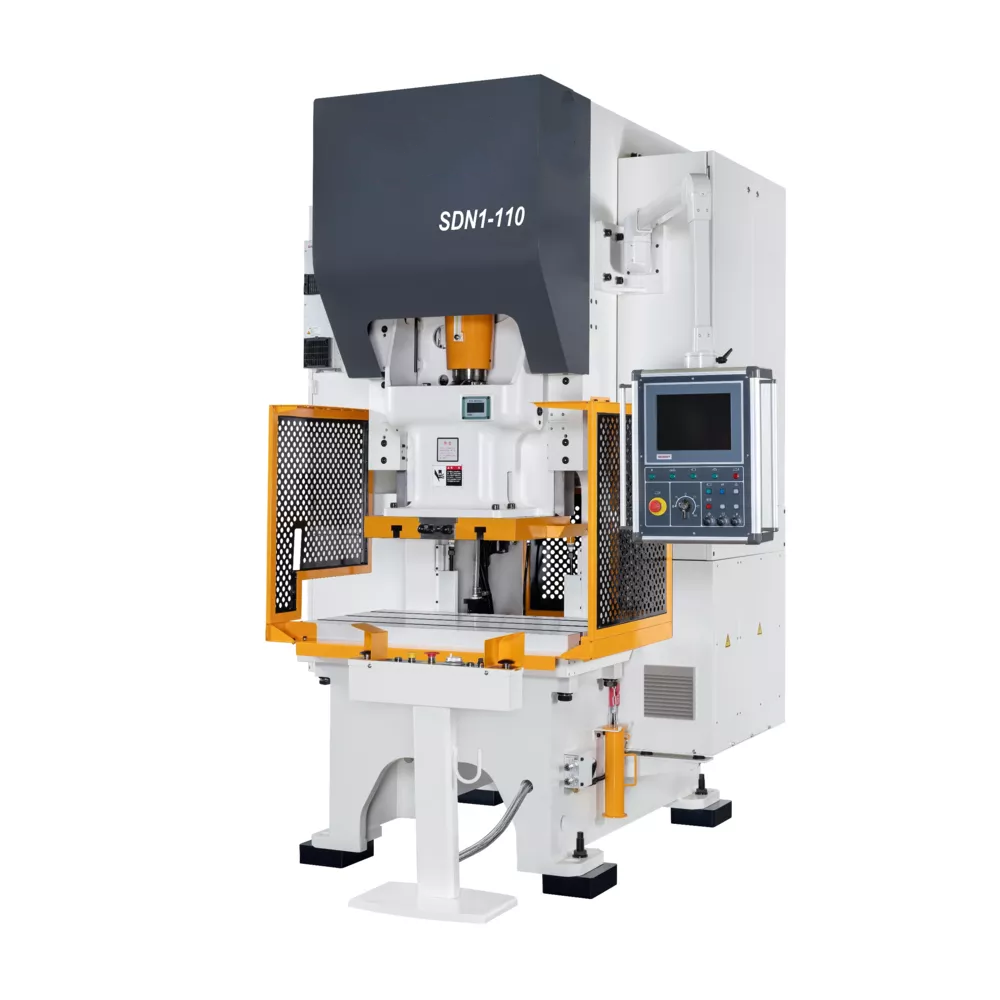
The role of software in the punching process is often underestimated. CAD/CAM software specifically designed for punching machines allows engineers to optimize the layout of parts on a single sheet of metal—a process known as nesting. For telecom cabinets, which often involve many small brackets and large panels, efficient nesting can reduce material waste by 15-20%. The software also calculates the most efficient path for the turret, minimizing travel time and maximizing hits per minute.
Furthermore, modern software can simulate the punching process to identify potential collisions or tool interference before the first sheet of metal is even loaded. This “digital twin” approach reduces setup time and prevents costly damage to the machine or tooling. In the context of the Role Of Punching Machines In Telecom Cabinet Fabrication, software is the brain that directs the mechanical brawn, ensuring that complex designs are executed with surgical precision.
Selection Advice: Choosing the Right Punching Machine
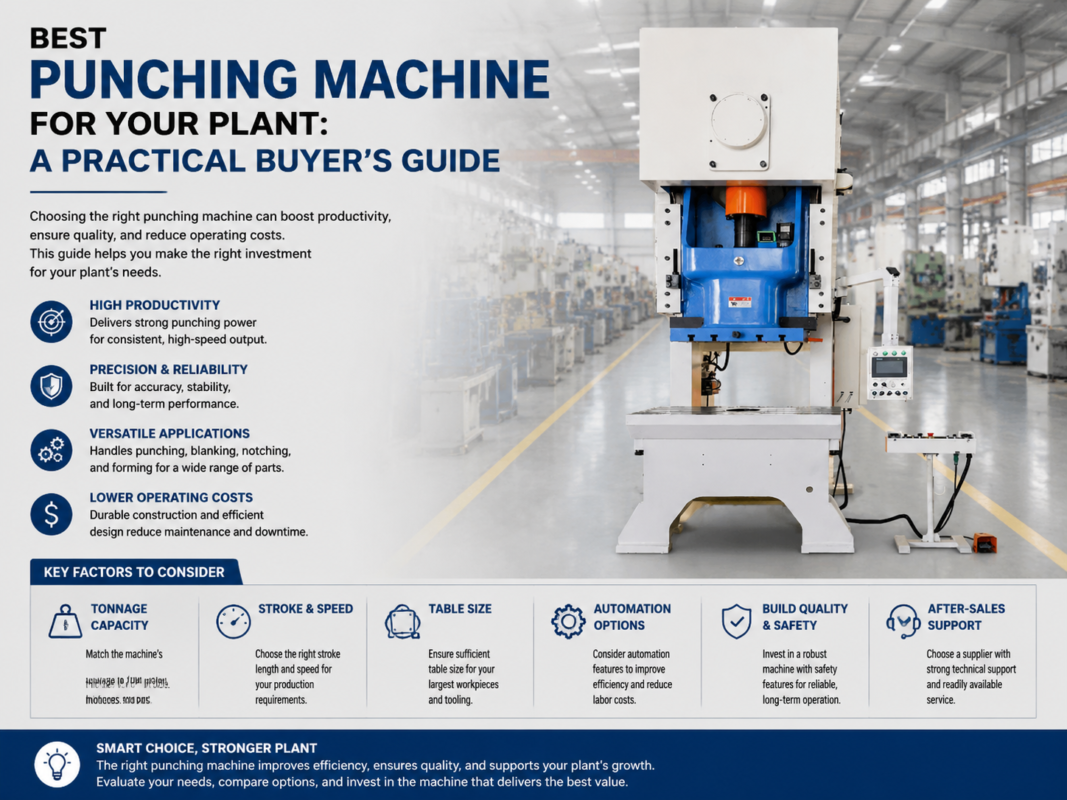
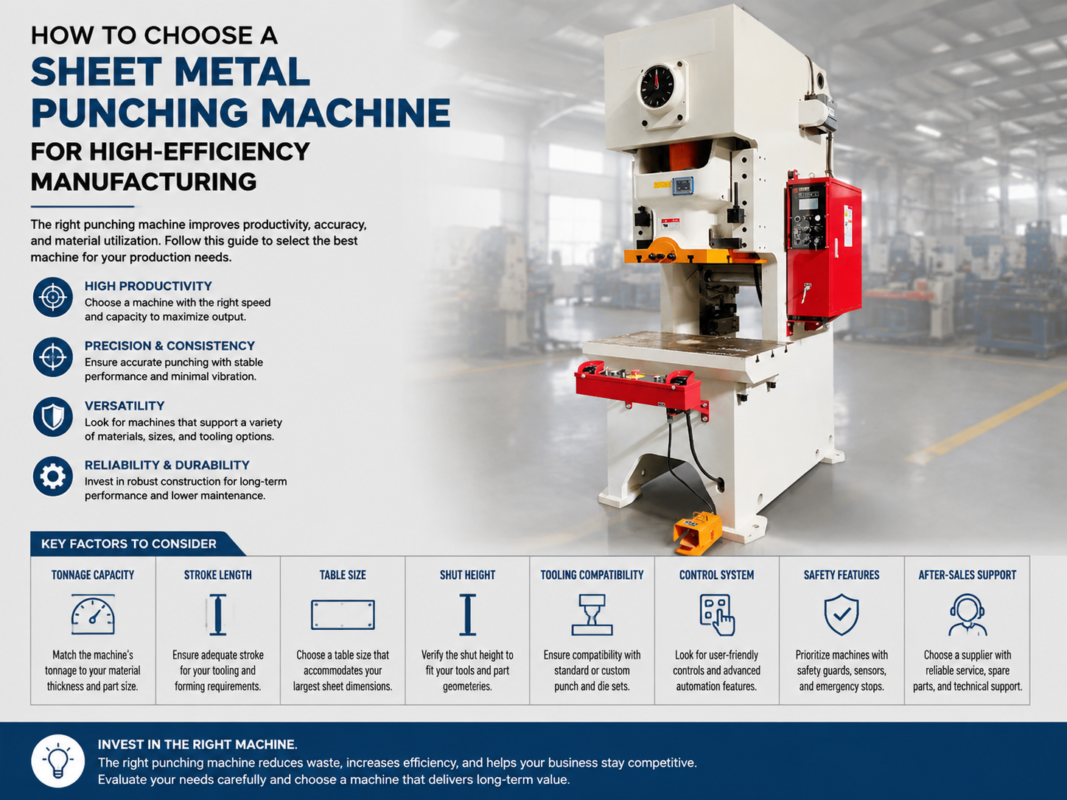
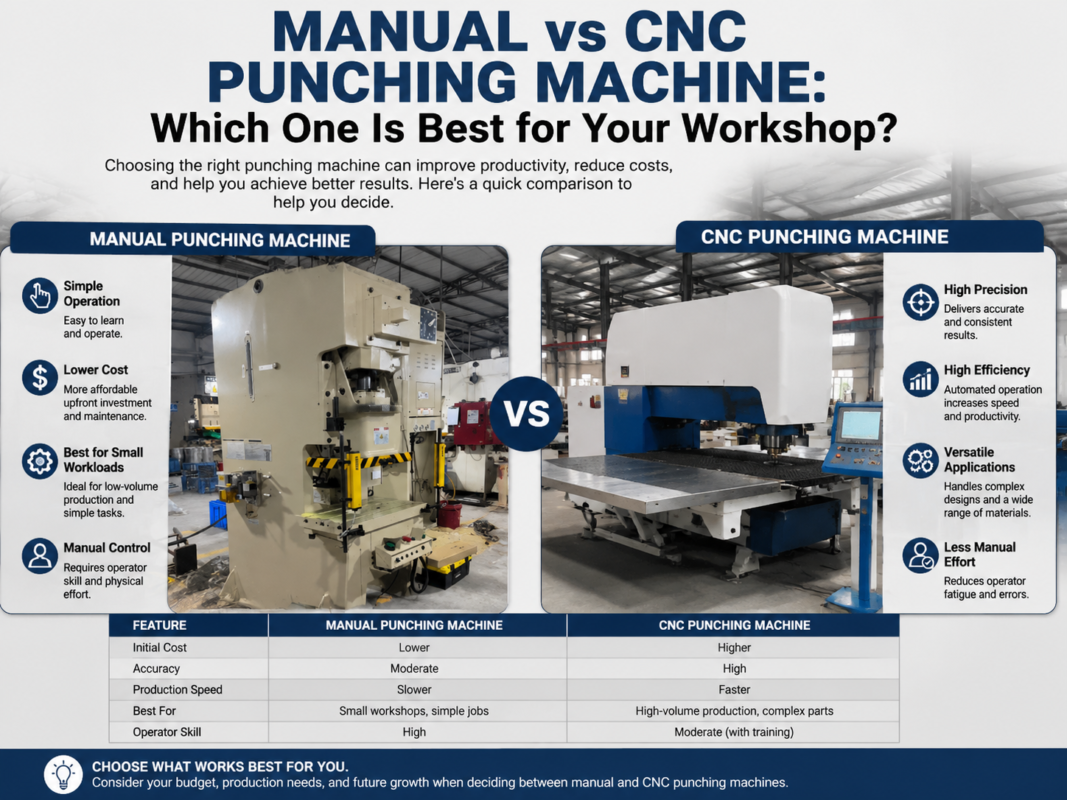
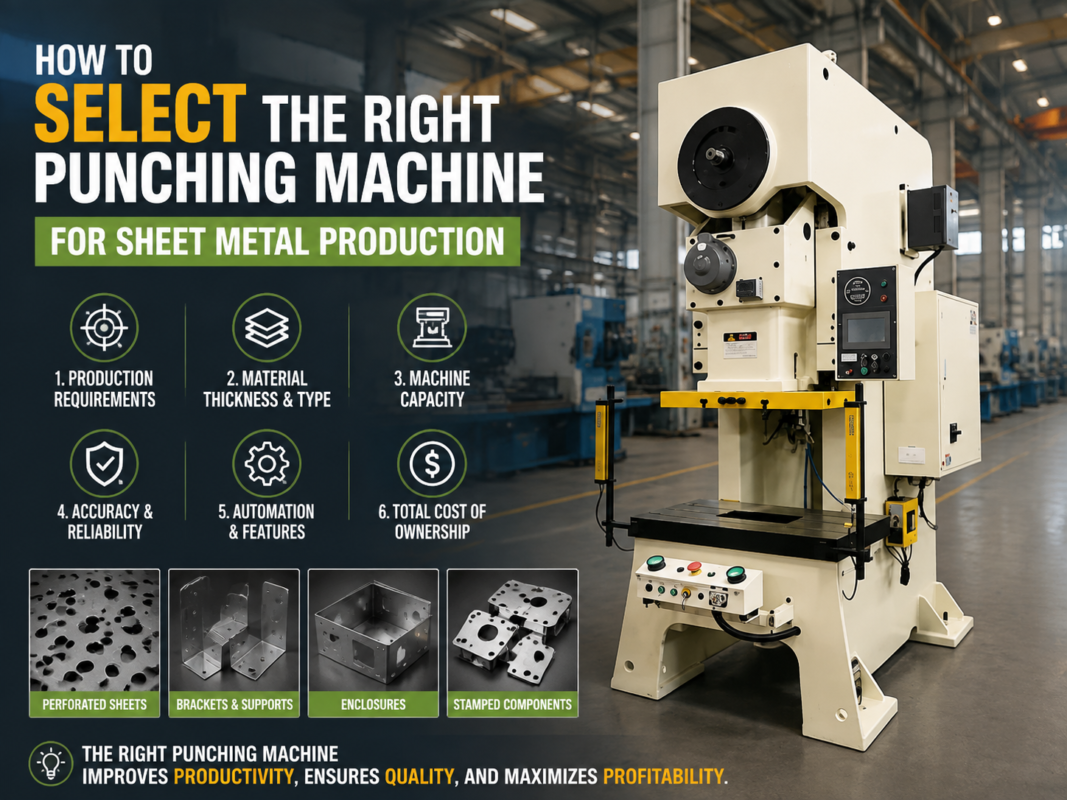
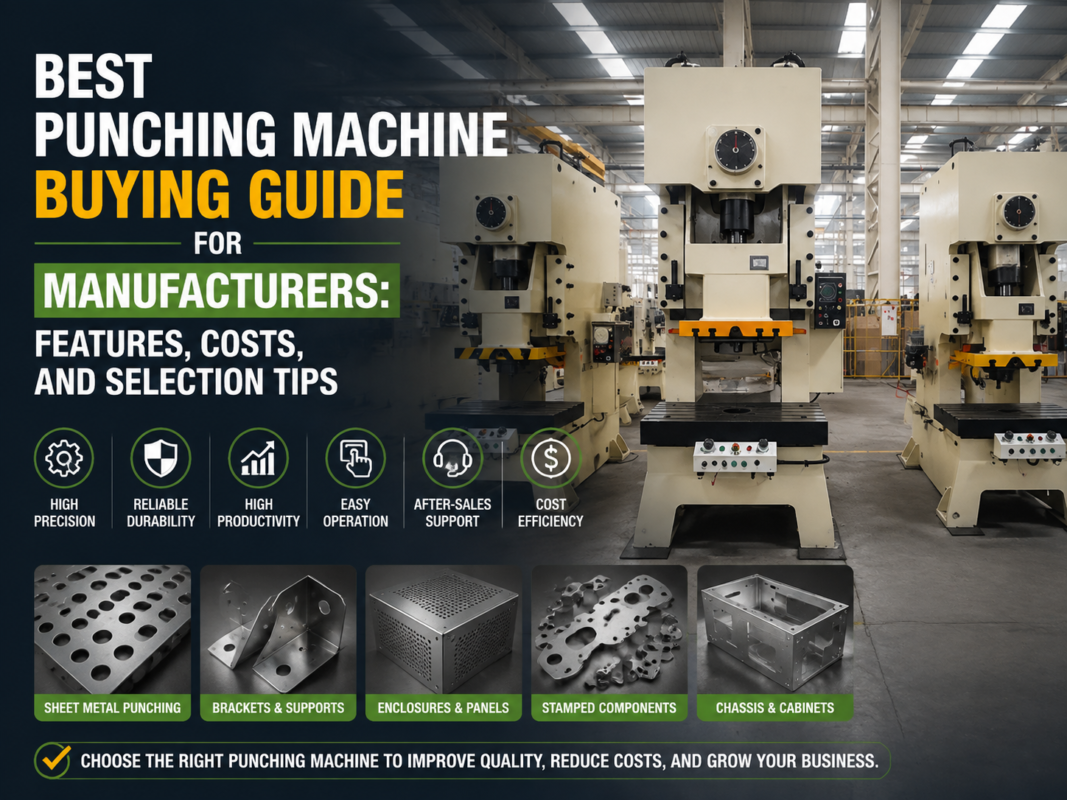
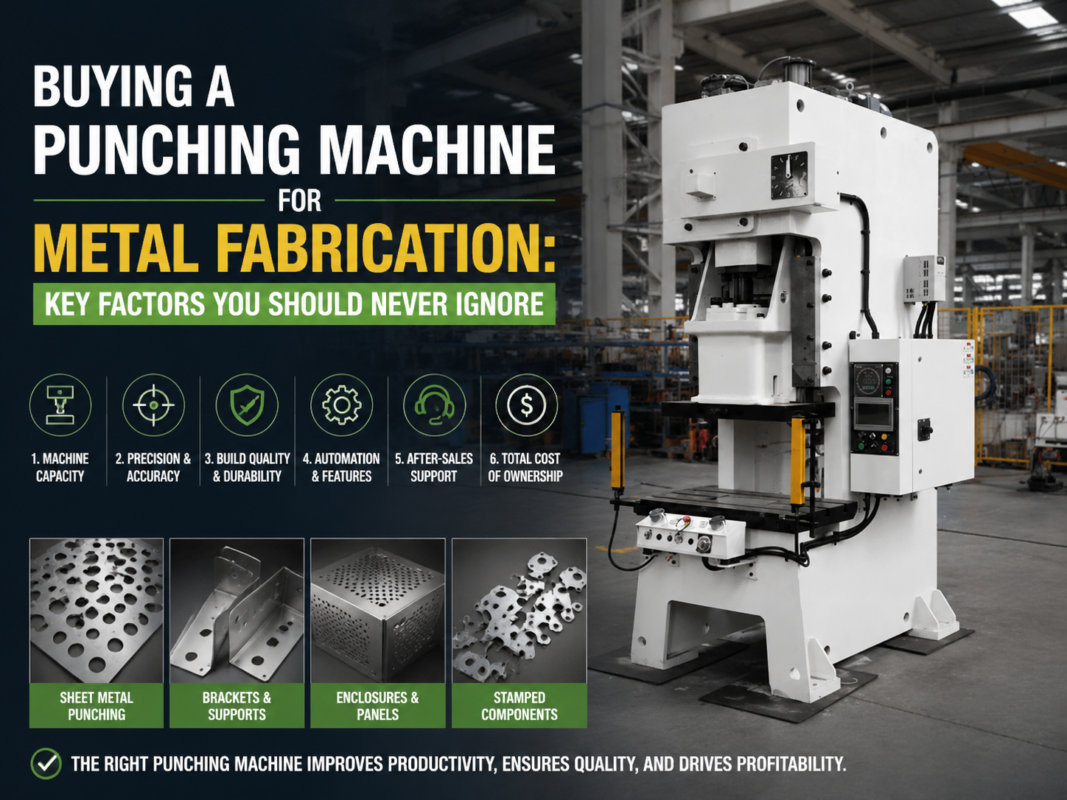
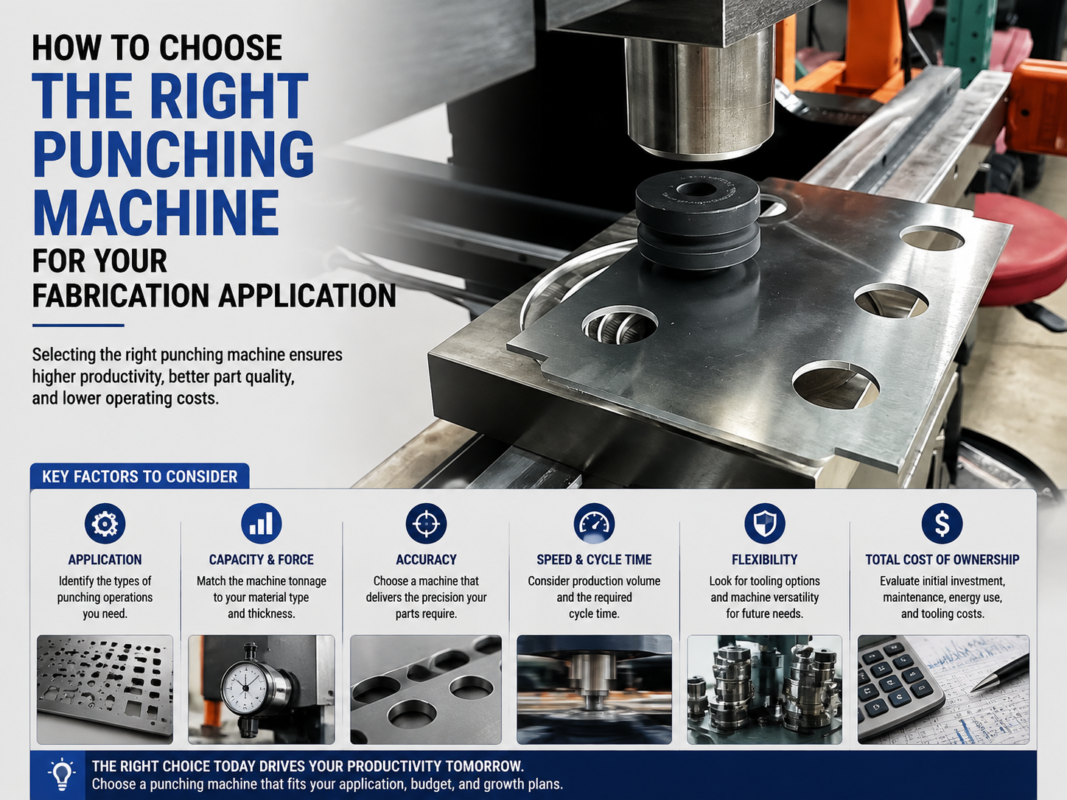
Selecting a punching machine for telecom cabinet fabrication requires a deep understanding of your production goals. The first factor to consider is tonnage. Most telecom cabinets are made from 1.0mm to 3.0mm thick material, meaning a 20-ton or 30-ton machine is usually sufficient. However, if you plan to punch thicker base plates or heavy-duty outdoor enclosures, a higher tonnage machine may be necessary to ensure clean cuts and longevity of the drive system.
The second factor is the sheet size capacity. Telecom cabinets can range from small wall-mounted boxes to large, multi-bay outdoor enclosures. A machine with a large throat depth and the ability to handle large sheets without repositioning will significantly increase accuracy and speed. Repositioning, while possible on most machines, introduces a small margin for error that can accumulate over a large part. For high-end telecom work, a machine that can handle a 1250mm x 2500mm or even a 1500mm x 3000mm sheet in a single setup is ideal.
- Drive System: Evaluate whether a servo-electric drive’s energy savings and precision outweigh the potentially lower initial cost of a hydraulic system.
- Turret Capacity: Look for a machine with at least 30-32 stations, including several auto-index stations that can rotate tools to any angle.
- Software Compatibility: Ensure the machine’s controller is compatible with industry-standard CAD/CAM packages like MetaCAM or Lantek.
- Maintenance and Support: Choose a manufacturer like HARSLE that offers robust technical support and readily available spare parts.
- Automation Options: Consider whether you need automatic loading and unloading systems to enable “lights-out” manufacturing for high-volume orders.
Another critical aspect is the versatility of the tooling system. For telecom cabinets, you will frequently use forming tools. Ensure the machine has a high-performance “forming” mode that allows for controlled ram movement at the bottom of the stroke. This is essential for creating consistent louvers, offsets, and knockouts. A machine that struggles with forming will limit your design capabilities and force you to rely on more expensive secondary processes.
Finally, consider the total cost of ownership. While the purchase price is important, factors like power consumption, tool wear, and maintenance intervals will have a greater impact on your profitability over the machine’s lifespan. Servo-electric machines, for example, often have higher upfront costs but significantly lower operating costs due to their energy efficiency and lack of hydraulic oil changes. When evaluating the Role Of Punching Machines In Telecom Cabinet Fabrication, look at the long-term ROI rather than just the initial investment.
Frequently Asked Questions (FAQ)
Why use a punching machine instead of a laser for telecom cabinets?
While laser cutting is excellent for complex outlines, punching machines are superior for telecom cabinets because they can perform forming operations like louvering, embossing, and countersinking in a single process. Additionally, for repetitive hole patterns (like ventilation grilles), punching is significantly faster and more cost-effective than laser cutting.
What materials are best for telecom cabinets?
The most common materials are galvanized steel (for corrosion resistance), aluminum (for weight reduction and heat dissipation), and stainless steel (for harsh or coastal environments). Modern CNC punching machines can handle all of these materials effectively, provided the correct tooling and clearances are used.
How does CNC punching improve cabinet quality?
CNC punching ensures extreme repeatability. Once a program is verified, every part produced is identical. This is crucial for telecom cabinets where internal components must align perfectly with mounting holes, and doors must seal tightly against the frame to maintain IP (Ingress Protection) ratings.
Can punching machines handle thick materials for heavy-duty enclosures?
Yes, depending on the tonnage. A 30-ton punching machine can typically handle mild steel up to 6mm thick. However, for most telecom applications, the material thickness is between 1.2mm and 2.5mm, which is well within the optimal range for high-speed CNC punching.
What maintenance is required for a CNC turret punch?
Regular maintenance includes lubricating the turret and moving parts, checking tool alignment, sharpening punches and dies, and ensuring the CNC controller is clean and cool. For hydraulic machines, oil and filter changes are also necessary. Consistent maintenance is key to maintaining the precision required for telecom fabrication.
Conclusion: The Future of Punching in Telecom Manufacturing
The Role Of Punching Machines In Telecom Cabinet Fabrication remains indispensable even as other technologies like 3D printing and advanced laser cutting emerge. The unique ability of the punch press to combine high-speed cutting with complex forming makes it the most efficient tool for creating the sophisticated enclosures required by the modern telecommunications industry. As we look toward the future, the integration of AI-driven optimization and even greater energy efficiency in servo-electric models will continue to drive the industry forward.
For manufacturers, the choice of machinery is a strategic decision that impacts every aspect of the business, from design flexibility to the bottom line. HARSLE continues to innovate in this space, providing punching machines that offer the precision, speed, and reliability needed to build the backbone of our digital world. By understanding the technical requirements and selection criteria outlined in this guide, fabricators can ensure they are well-equipped to meet the challenges of telecom infrastructure production both today and in the years to come.
In summary, the punching machine is more than just a tool; it is a versatile fabrication center that enables the creation of durable, functional, and high-performance telecom cabinets. Whether it is through the rapid creation of ventilation louvers or the precise placement of thousands of mounting holes, the punching machine’s contribution to the telecom sector is a testament to the enduring power of mechanical engineering in a digital age.