
Choosing the Right Punching Machine for Different Industrial Applications: A Comprehensive Guide


Introduction to Industrial Punching Technology
In the rapidly evolving landscape of metal fabrication, the ability to create precise holes, notches, and forms in sheet metal is fundamental to countless industries. The process of choosing punching machine different industrial applications is not merely a procurement task; it is a strategic investment that dictates a facility’s production capacity, accuracy, and long-term profitability. Whether you are manufacturing intricate electronic components or heavy-duty structural steel for construction, the right punching machine serves as the heartbeat of your workshop.
Modern punching machines have transitioned from simple manual presses to highly sophisticated CNC (Computer Numerical Control) systems capable of executing complex patterns at incredible speeds. HARSLE, a leader in metalworking machinery, understands that the diversity of materials and designs requires a nuanced approach to equipment selection. This guide aims to provide a deep dive into the technicalities of punching technology, helping manufacturers navigate the complexities of tonnage, speed, and automation to find the perfect fit for their specific operational needs.
The importance of this choice cannot be overstated. An undersized machine will lead to premature tool wear and mechanical failure, while an oversized machine represents wasted capital and excessive energy consumption. By understanding the synergy between machine capabilities and application requirements, businesses can optimize their workflow and maintain a competitive edge in the global market.
Key Considerations for Choosing Punching Machine Different Industrial Applications
When embarking on the journey of choosing punching machine different industrial applications, the first step is a thorough assessment of your material requirements. Different metals exhibit varying levels of tensile strength and ductility. For instance, punching stainless steel requires significantly more force than punching aluminum of the same thickness. Understanding the maximum thickness and the hardest material you intend to process is the baseline for determining the required machine tonnage.
Production volume is another critical factor. For small-scale workshops or prototype development, a manual or semi-automatic hydraulic punching machine might suffice. However, for high-volume industrial production, a CNC turret punch press is often the only viable solution. These machines can hold dozens of tools simultaneously, allowing for the rapid execution of diverse shapes without manual tool changes, thereby minimizing downtime and maximizing throughput.
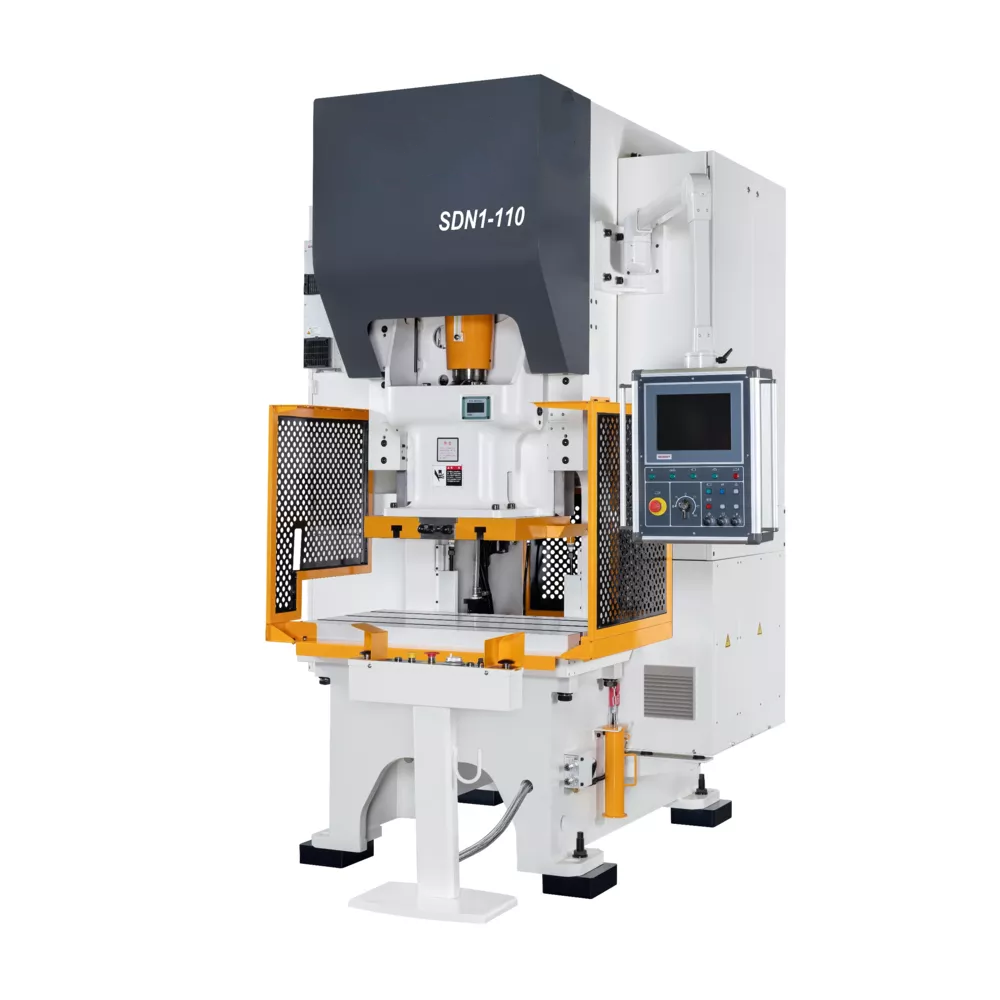
Accuracy and tolerance levels also play a pivotal role. In industries like aerospace or medical device manufacturing, tolerances are measured in microns. Here, the rigidity of the machine frame and the precision of the servo-drive system are paramount. A C-frame machine might offer better accessibility, but a bridge-frame (or O-frame) design provides superior stability, reducing frame deflection during high-tonnage operations and ensuring consistent hole alignment.
Finally, consider the physical footprint and integration capabilities of the machine. Modern factories are increasingly moving toward Industry 4.0 standards. Choosing a machine with advanced software compatibility allows for seamless integration with CAD/CAM systems, enabling remote monitoring, predictive maintenance, and automated nesting to reduce material waste. Budgetary constraints are always present, but it is essential to look beyond the initial purchase price and consider the total cost of ownership, including energy efficiency and maintenance requirements.
Technical Details: Understanding Machine Types and Specifications
Mechanical vs. Hydraulic Punching Machines
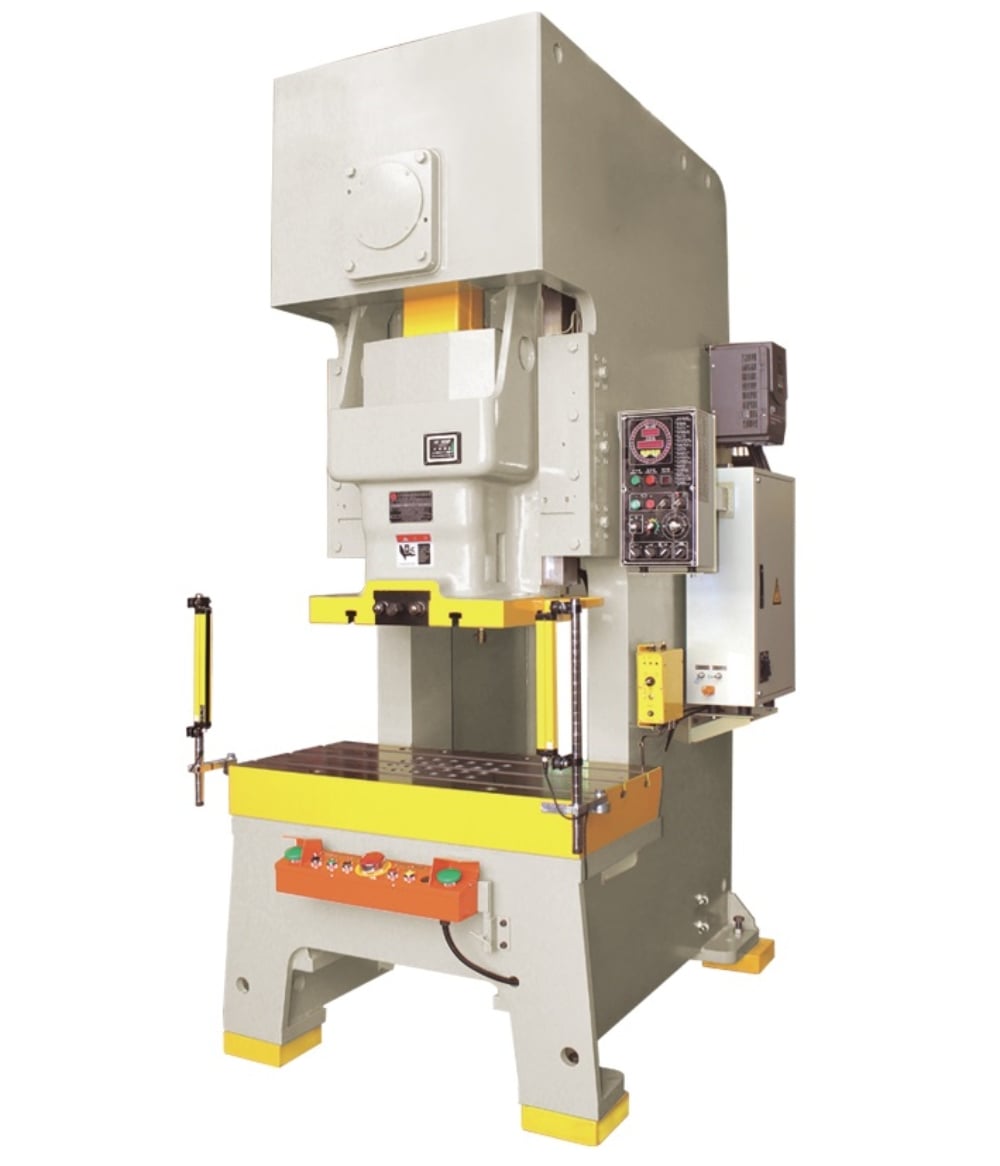
Mechanical punching machines utilize a flywheel to store energy, which is then released through a crankshaft to drive the ram. These machines are known for their high speed and are ideal for high-volume, simple punching tasks. However, they lack the flexibility of stroke control. Once the cycle starts, the ram must complete its full path. This makes them less suitable for forming operations like louvers or countersinks where precise depth control is required.
Hydraulic punching machines, on the other hand, use hydraulic cylinders to move the ram. This allows for full tonnage at any point in the stroke and provides the operator with complete control over the ram’s position and speed. This versatility makes hydraulic machines the preferred choice for complex fabrication tasks that involve both punching and forming. They are generally quieter than mechanical presses but may have slightly slower cycle times in basic punching applications.
The Power of CNC Turret Punch Presses
The CNC turret punch press represents the pinnacle of versatility in sheet metal fabrication. The “turret” is a rotating tool carrier that can hold a wide variety of punches and dies. When the program calls for a specific shape, the turret rotates the correct tool into position under the ram. This eliminates the need for the operator to stop the machine and manually change tools for every different hole size or shape. Advanced turrets also feature “Auto-Index” stations, which can rotate the tool to any angle, further increasing the machine’s capability to create complex geometries with a limited tool set.
Tonnage Calculation and Tooling
Calculating the required tonnage is a vital technical step in choosing punching machine different industrial applications. The formula generally used is: Tonnage = Perimeter of the cut (mm) × Material Thickness (mm) × Shear Strength (kN/mm²) / 10. It is always recommended to choose a machine that offers about 20-30% more tonnage than your maximum calculated requirement to avoid straining the machine components. Furthermore, the quality of the tooling—the punches and dies—is just as important as the machine itself. High-quality tool steel with proper coatings can significantly extend tool life and improve the edge quality of the punched parts.
Selection Advice for Specific Industrial Sectors
Different industries have unique demands that dictate the ideal punching solution. In the HVAC industry, for example, the focus is often on large sheets of relatively thin galvanized steel. Speed and the ability to handle large workpieces are key. A CNC turret punch with a large table and high-speed positioning is often the best choice here, as it can quickly process the numerous holes and notches required for ductwork and cabinet panels.
In the Automotive and Heavy Machinery sectors, the emphasis shifts toward material thickness and structural integrity. Components like chassis parts or bracketry often require punching through thick plate steel. Here, high-tonnage hydraulic presses or specialized plate punching machines are preferred. These machines must be built with exceptionally rigid frames to withstand the massive forces involved without deforming, ensuring that the holes remain perfectly perpendicular to the plate surface.
For the Electronics and Telecommunications industry, precision is the primary driver. Enclosures for servers or delicate electronic components require hundreds of small, closely spaced holes for ventilation and connector mounting. A high-speed CNC punch with excellent nibbling capabilities (the ability to create large or irregular shapes by overlapping small punches) is essential. In these applications, the machine’s ability to maintain tight tolerances over long production runs is the most critical factor in selection.
| Industry | Primary Material | Key Machine Feature | Recommended Machine Type |
|---|---|---|---|
| HVAC & Ducting | Thin Galvanized Steel | Large Table Size / Speed | CNC Turret Punch |
| Heavy Construction | Thick Steel Plate | High Tonnage / Rigidity | Hydraulic Plate Punch |
| Electronics | Aluminum / Thin Steel | Precision / Nibbling Speed | High-Speed CNC Punch |
| General Job Shop | Various | Versatility / Tool Capacity | CNC Turret with Auto-Index |
Maintenance and Safety: Ensuring Long-Term Performance
Once the process of choosing punching machine different industrial applications is complete, the focus must shift to maintenance. A punching machine is a high-precision instrument that operates under extreme pressure. Regular lubrication of the ram, turret, and guideways is non-negotiable. For hydraulic systems, monitoring the quality and temperature of the hydraulic oil is essential to prevent valve stiction and seal failure. Filters should be replaced according to the manufacturer’s schedule to keep the system free of contaminants.
Tool maintenance is equally critical. Dull punches increase the required tonnage and produce burrs on the workpiece, which can lead to rejected parts and increased secondary finishing costs. Implementing a regular tool sharpening program and using high-quality lubricants during the punching process will significantly extend the life of both the tools and the machine’s drive mechanism. Operators should also be trained to inspect tools for signs of chipping or galling before every shift.
Safety is the most important aspect of industrial machine operation. Modern punching machines are equipped with light curtains, emergency stop buttons, and interlocked guarding. However, safety also depends on proper training. Operators must understand the machine’s limits and the potential hazards of high-speed mechanical movements. Ensuring that the machine is properly leveled and anchored to a solid foundation prevents vibrations that can lead to both mechanical wear and safety risks. At HARSLE, we prioritize safety features in every design to protect the most valuable asset of any company: its people.
Frequently Asked Questions (FAQ)
1. How do I determine the tonnage I need for my application?
Tonnage is determined by the perimeter of the hole, the thickness of the material, and its shear strength. You can use the standard formula (Perimeter x Thickness x Shear Strength / 10) or consult with a HARSLE technical expert who can provide a precise calculation based on your specific material samples.
2. What is the advantage of a CNC Turret Punch over a Laser Cutting machine?
While lasers are excellent for complex outlines, a CNC turret punch is significantly faster for creating repetitive holes and can perform forming operations like louvers, tabs, and countersinks that a laser cannot. Punching is also generally more cost-effective for high-volume production of parts with many internal features.
3. Can one machine handle both thin and thick materials?
To an extent, yes. However, a machine designed for thin-gauge high-speed punching may lack the tonnage for thick plates, and a heavy-duty plate punch will be inefficiently slow for thin materials. It is best to choose a machine optimized for your most frequent material thickness range.
4. How often should I sharpen my punching tools?
This depends on the material being punched. Stainless steel dulls tools much faster than aluminum. A general rule is to inspect tools every 10,000 to 50,000 hits. If you notice increased burr height or a change in the sound of the punch, it is time to sharpen.
5. Is it worth investing in Auto-Index stations?
Absolutely. Auto-Index stations allow a single tool to be rotated to any angle, which drastically reduces the number of tools you need to buy and store. It also allows for more efficient nesting and the ability to create complex shapes with standard tools.
Conclusion: Making the Right Investment with HARSLE
Choosing punching machine different industrial applications is a multifaceted decision that requires a balance of technical knowledge, industry insight, and future planning. By carefully evaluating your material types, production volumes, and precision requirements, you can select a machine that not only meets your current needs but also provides the flexibility to grow with your business. From the robust power of hydraulic presses to the high-speed versatility of CNC turret punches, the right equipment is the foundation of manufacturing excellence.
HARSLE remains committed to providing high-quality, reliable, and innovative punching solutions to manufacturers worldwide. Our machines are designed with the user in mind, combining ease of operation with advanced technological features that drive efficiency. We invite you to explore our range of metal fabrication equipment and consult with our experts to find the perfect punching solution for your unique industrial challenges. Invest in precision, invest in power, and let HARSLE help you punch through the competition.












