Shearing Machine Cost Breakdown: Factors That Affect Metal Shear Prices


Introduction to Shearing Machine Investment
In the world of metal fabrication, the shearing machine is a cornerstone of production. Whether you are running a small job shop or a large-scale industrial manufacturing facility, the ability to accurately and efficiently cut sheet metal is vital. However, when it comes to purchasing a new unit, many buyers are overwhelmed by the wide range of prices. Understanding the Shearing Machine Cost Breakdown: Factors That Affect Metal Shear Prices is essential for making an informed decision that balances upfront expenditure with long-term operational efficiency.
The price of a shearing machine is not just a reflection of its size; it is a complex calculation involving engineering precision, material quality, hydraulic sophistication, and control technology. A machine that looks identical to another on the surface might differ in price by tens of thousands of dollars due to internal components and build standards. This guide aims to deconstruct these costs, providing a transparent look at what you are paying for when you invest in a HARSLE shearing machine or any high-quality industrial shear.
By the end of this article, you will have a clear understanding of why certain machines command a premium and how to identify the features that offer the best return on investment (ROI) for your specific applications. We will explore everything from the raw steel used in the frame to the software that drives the backgauge, ensuring you have the knowledge to navigate the market with confidence.
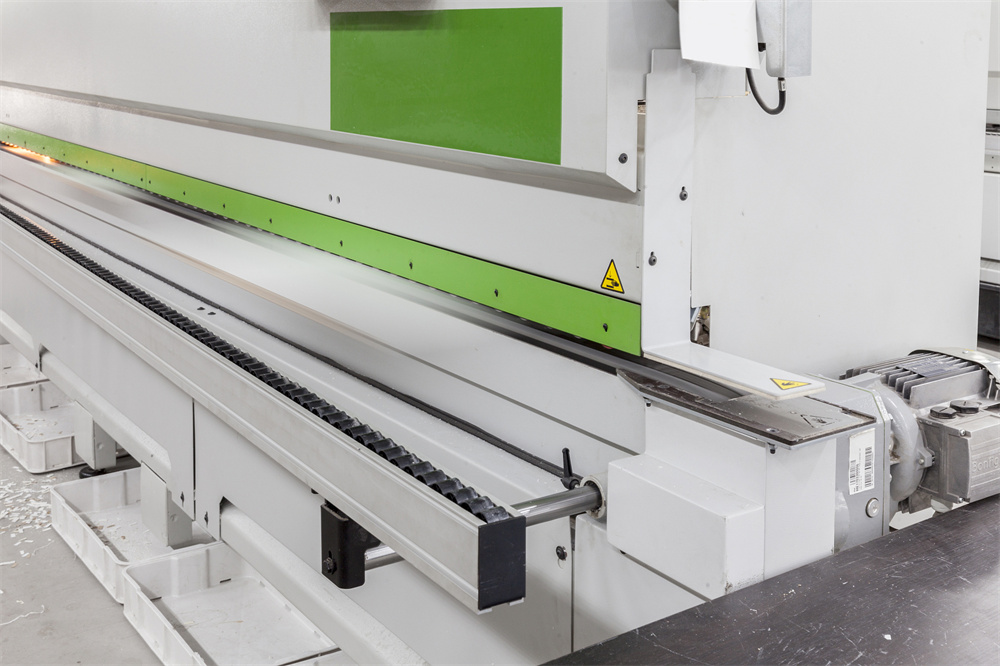
Price Range Overview: From Entry-Level to Industrial Powerhouses
The market for shearing machines is diverse, catering to everyone from hobbyists to aerospace manufacturers. Generally, prices can be categorized into four main tiers. Entry-level manual or small mechanical shears often start as low as $2,000 to $5,000. These are typically limited to very thin gauges and short lengths, suitable for light ductwork or prototype shops. They lack the rigidity and automation required for continuous industrial use.
Mid-range hydraulic swing beam shears, which are the workhorses of the industry, typically fall between $15,000 and $45,000. These machines offer a balance of power and precision, capable of handling 6mm to 12mm mild steel with lengths up to 3 or 4 meters. In this bracket, you begin to see features like NC (Numerical Control) for the backgauge and high-quality hydraulic valves from reputable brands like Bosch Rexroth.
High-end CNC hydraulic guillotine shears represent a significant step up, often priced between $50,000 and $150,000. These machines feature variable rake angles, automatic blade gap adjustment, and sophisticated CNC controllers that manage every aspect of the cut. They are designed for high-precision environments where material deformation must be minimized and production speed is paramount.
Finally, specialized or oversized heavy-duty shears can exceed $250,000. These are custom-built monsters designed to cut 25mm, 30mm, or even thicker plates over lengths exceeding 6 meters. The cost here is driven by the sheer volume of steel required for the frame and the massive hydraulic force needed to shear through heavy plate steel. Understanding where your needs fall on this spectrum is the first step in your Shearing Machine Cost Breakdown: Factors That Affect Metal Shear Prices analysis.
Main Cost Drivers: What Really Pushes the Price Up?
1. Cutting Capacity: Thickness and Length
The most obvious factor affecting price is the machine’s capacity. A shear designed to cut 6mm mild steel requires significantly less structural reinforcement and hydraulic pressure than one designed for 20mm plate. As the thickness increases, the frame must be exponentially more rigid to prevent deflection during the cutting stroke. Deflection leads to poor cut quality and premature blade wear, so manufacturers invest heavily in high-tensile steel frames for thicker capacity machines.
Similarly, the length of the cut plays a major role. A 6-meter shear is not just twice as expensive as a 3-meter shear; it is often three to four times the price. This is because maintaining a straight cut over a long distance requires massive cross-beams and sophisticated anti-deflection systems. The longer the blade, the more difficult it is to maintain a consistent blade gap across the entire length, necessitating more expensive machining and assembly processes.
2. Machine Architecture: Swing Beam vs. Guillotine
The mechanical design of the shear is a primary cost driver. Swing beam shears (often designated as QC12Y or QC12K) use a pivoting motion. They are generally more affordable because the design is simpler and requires fewer moving parts. However, they have a fixed rake angle, which can lead to “twist” or “bow” in thin, narrow strips of metal.
Guillotine shears (QC11Y or QC11K) move the upper blade in a strictly vertical path. This design allows for an adjustable rake angle. By lowering the rake angle for thinner materials, the machine can produce much flatter cuts with less distortion. The complexity of the vertical guides and the rake angle adjustment mechanism makes guillotine shears more expensive than swing beam models, but for many shops, the improved quality is worth the investment.
3. Hydraulic and Electrical Components
The “heart” of the machine—the hydraulic system—varies wildly in cost. Premium machines use components from world-class manufacturers like Bosch Rexroth (Germany) or Sunny (USA). These components offer better reliability, smoother operation, and easier sourcing of spare parts. Cheaper machines may use generic or local hydraulic pumps and valves, which lower the initial price but often lead to higher maintenance costs and downtime later.
Electrical components follow a similar pattern. Using Schneider or Siemens electronics ensures that the machine’s control logic is stable and that replacements are available globally. High-quality motors, such as those from Siemens or ABB, also contribute to the price but provide better energy efficiency and longevity under heavy workloads.
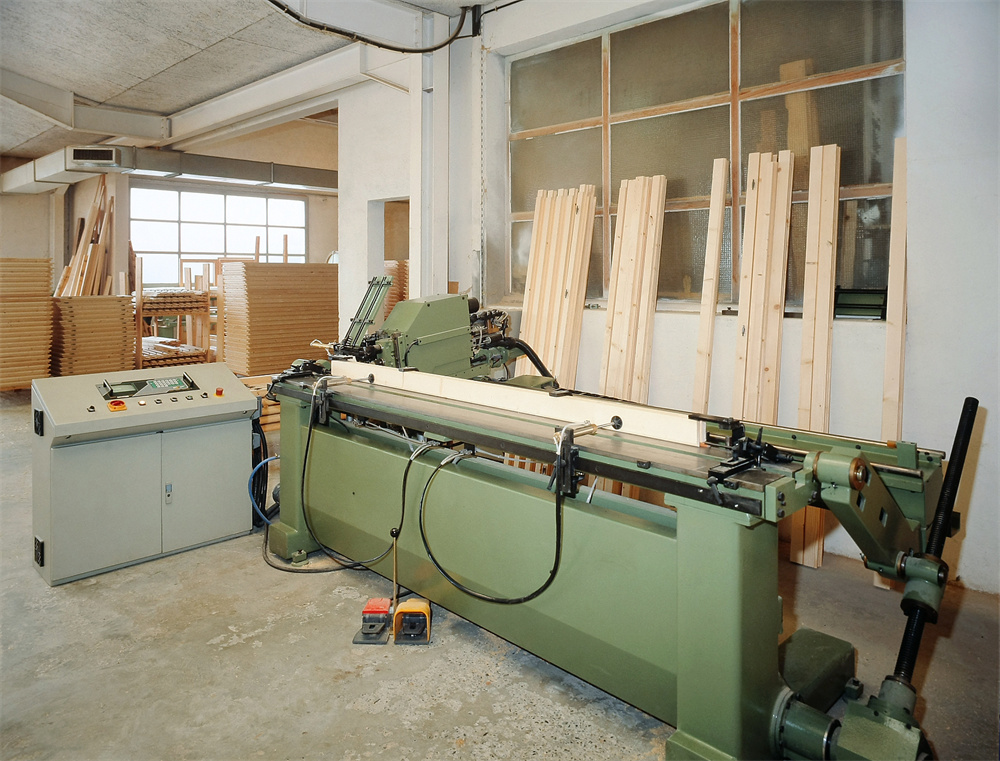
Configuration Impact: Customizing for Performance
CNC vs. NC Control Systems
The level of automation is a major variable in the Shearing Machine Cost Breakdown: Factors That Affect Metal Shear Prices. A basic NC system, like the E21S, controls the backgauge position and the number of cuts. It is reliable and cost-effective. However, moving to a full CNC system, such as the Delem DAC-310 or DAC-360, adds several thousand dollars to the price. CNC systems can automatically calculate and adjust the blade gap, rake angle, and stroke length based on the material type and thickness entered by the operator. This reduces setup time and eliminates human error, making it a high-value upgrade for high-volume shops.
Blade Quality and Metallurgy
Not all blades are created equal. Standard blades are usually made of 9CrSi or 6CrW2Si, which are suitable for mild steel. However, if you plan to cut stainless steel frequently, you need high-carbon, high-chrome blades like Cr12MoV or D2. These materials are much harder and more heat-resistant but are significantly more expensive to manufacture. Investing in superior blade material at the time of purchase can save thousands in sharpening and replacement costs over the machine’s life.
Backgauge Precision and Features
The backgauge is responsible for the accuracy of your finished parts. A standard backgauge might use a lead screw, while a high-precision version uses ball screws and linear guides. The latter provides faster movement and much tighter tolerances (within +/- 0.05mm). Additionally, features like a “swing-up” backgauge, which allows for cutting sheets longer than the backgauge range, add to the mechanical complexity and the final price tag.
Hidden Costs: Beyond the Sticker Price
When calculating the total cost of ownership, the purchase price is only the beginning. Shipping and logistics can be a major factor, especially for heavy machinery. Ocean freight, port fees, and inland trucking for a 10-ton machine can add $3,000 to $10,000 depending on your location. Furthermore, you must consider the cost of a crane or heavy-duty forklift to offload and position the machine in your shop.
Installation and commissioning are often overlooked. While HARSLE provides detailed manuals and remote support, some shops prefer to hire a local technician to ensure the machine is perfectly leveled and calibrated. This service, along with initial operator training, can add to the initial outlay. You also need to account for the hydraulic oil—large shears can require 200 to 800 liters of high-grade hydraulic fluid, which is a significant one-time expense during setup.
Finally, consider the electrical infrastructure. A large shearing machine may require a dedicated high-amperage circuit. If your shop’s electrical panel is already at capacity, you might face significant costs for a utility upgrade before the machine can even be turned on. Always consult with an electrician and review the machine’s power specifications before finalizing your purchase.
ROI Calculation: Justifying the Price
To truly understand the Shearing Machine Cost Breakdown: Factors That Affect Metal Shear Prices, you must look at the Return on Investment. A more expensive machine with CNC controls and automatic blade gap adjustment can reduce setup time by 70%. If your labor rate is $50/hour and you save 2 hours of setup time per day, the machine pays for itself much faster than a cheaper, manual version.
Material savings are another critical factor. High-precision shears produce less scrap and fewer rejected parts. In an era where steel prices are volatile, reducing waste by even 3-5% can result in thousands of dollars in annual savings. Furthermore, a machine that produces a cleaner edge reduces the need for secondary operations like grinding or deburring, further lowering your cost per part.
Maintenance and longevity also play into ROI. A machine built with premium components (Bosch hydraulics, Siemens motors) will have less downtime. In a production environment, a single day of downtime can cost more than the price difference between a high-quality machine and a budget one. When you view the purchase through the lens of a 10-to-15-year lifespan, the “expensive” machine often turns out to be the most economical choice.
Buying Advice: How to Choose the Right Machine
When navigating the Shearing Machine Cost Breakdown: Factors That Affect Metal Shear Prices, start by defining your “80/20” rule. What material thickness and length do you cut 80% of the time? Don’t overpay for a machine that can cut 20mm plate if you only handle 6mm steel once a year; it is often cheaper to outsource those rare heavy jobs. However, always leave a little “headroom”—if you regularly cut 6mm, buy an 8mm machine to avoid running the hydraulics at maximum pressure constantly.
Research the manufacturer’s reputation for after-sales support. A lower price from an unknown vendor might seem attractive, but if they cannot provide parts or technical guidance when a seal blows or a sensor fails, your investment becomes a liability. Companies like HARSLE have built a reputation on providing a balance of high-end features and robust support, ensuring that your machine remains an asset for years to come.
Lastly, always ask for a detailed component list. Know exactly what brand of valves, motors, and PLC are being used. This transparency allows you to compare “apples to apples” when looking at quotes from different suppliers. If one quote is significantly lower, check if they have swapped out ball screws for lead screws or used lower-grade blade steel.
Frequently Asked Questions (FAQ)
| Question | Answer |
|---|---|
| Why is a guillotine shear more expensive than a swing beam shear? | Guillotine shears use a vertical slide and allow for adjustable rake angles, which requires more complex engineering and more robust guides compared to the simpler pivot design of a swing beam. |
| How much does CNC control add to the price? | Depending on the brand (Delem, Cybelec, etc.), a full CNC system can add between $3,000 and $8,000 to the cost of the machine compared to a basic NC controller. |
| Does the type of metal I cut affect the machine price? | Yes. Cutting stainless steel requires higher-grade blades (like Cr12MoV) and often a more rigid frame to handle the higher shear strength of the material, which increases the cost. |
| What is the typical lifespan of an industrial shearing machine? | With proper maintenance and high-quality components, a professional-grade hydraulic shear can last 15 to 25 years in a production environment. |
| Are used shearing machines a good value? | Used machines can save 30-50% upfront, but you must factor in the risk of worn hydraulics, outdated electronics, and the lack of a manufacturer’s warranty. |
Conclusion
Understanding the Shearing Machine Cost Breakdown: Factors That Affect Metal Shear Prices is about more than just looking at a price tag. It is about evaluating the engineering, the components, and the long-term value the machine brings to your shop. By focusing on the right capacity, a suitable drive system, and high-quality internal components, you ensure that your investment drives profitability rather than frustration. Whether you choose a standard swing beam model or a high-precision CNC guillotine, the key is to align the machine’s capabilities with your production goals and material requirements.