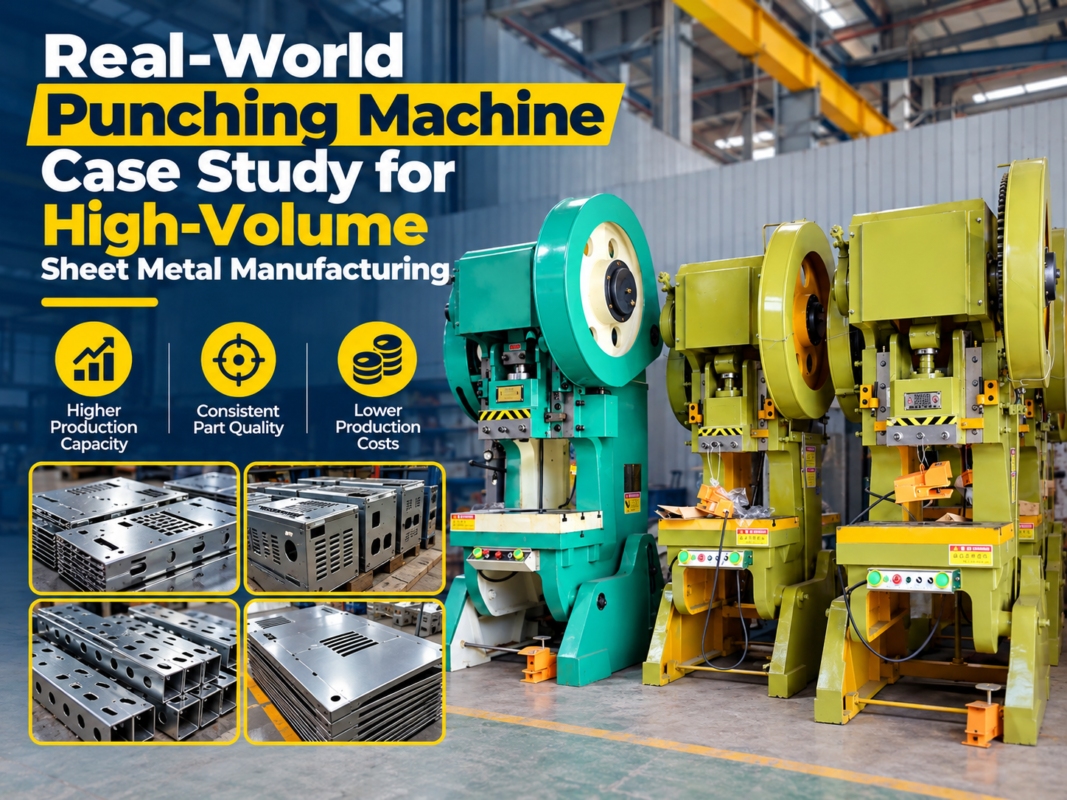
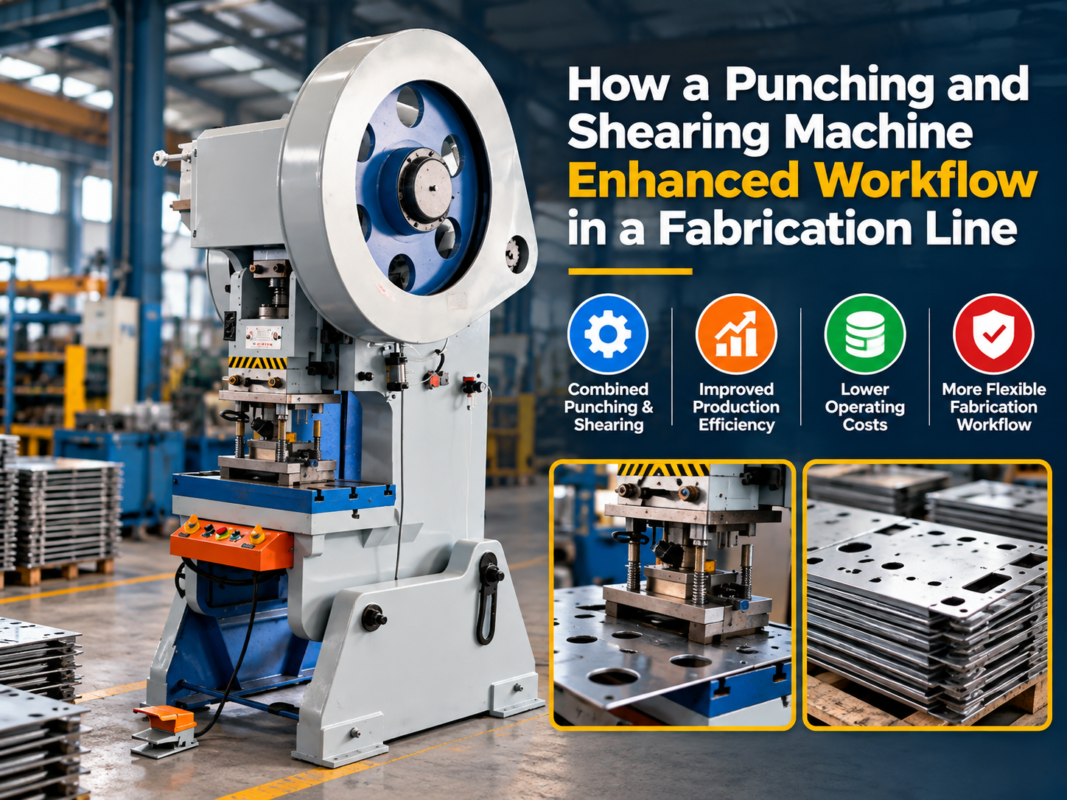
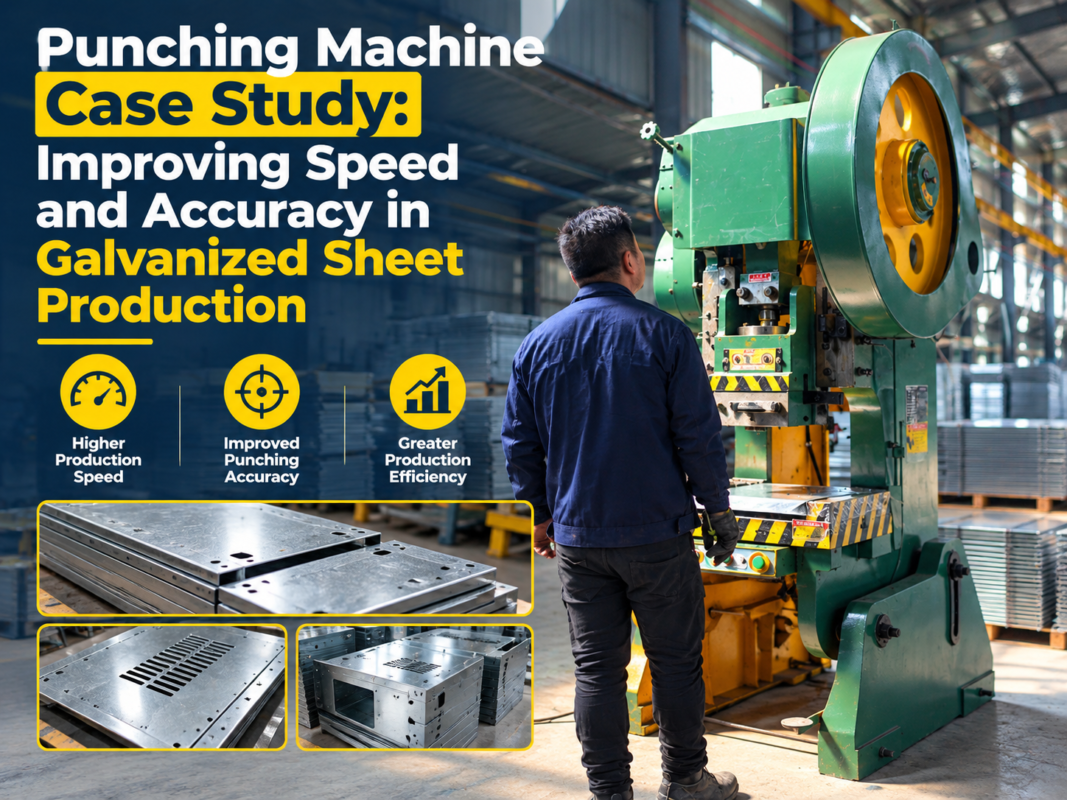
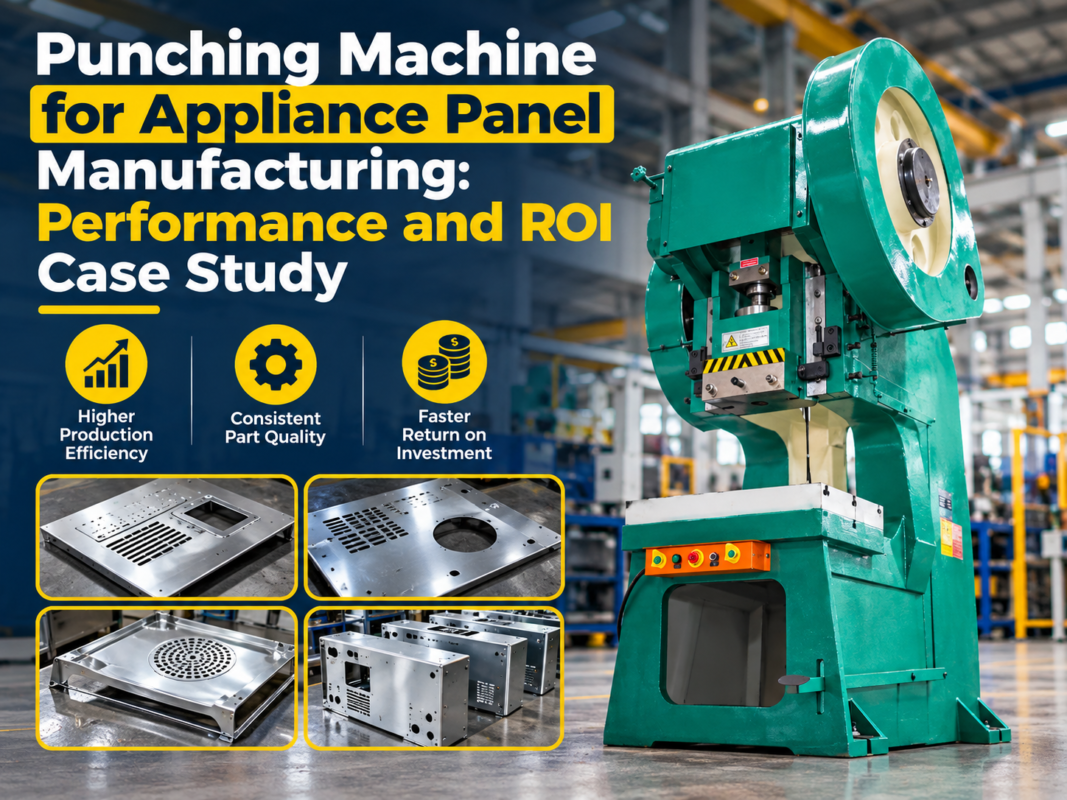
Comprehensive Guide to Shearing Machine Roles in HVAC Duct and Panel Manufacturing


Introduction to Shearing Machine Roles in HVAC Duct and Panel Manufacturing
In the modern industrial landscape, the production of Heating, Ventilation, and Air Conditioning (HVAC) systems stands as a cornerstone of infrastructure development. From massive commercial complexes to residential housing, the demand for efficient air distribution systems is ever-present. At the heart of this production line lies a critical piece of equipment: the shearing machine. Understanding the shearing machine roles in HVAC duct panel manufacturing is essential for any fabricator looking to optimize their workflow, reduce material waste, and ensure the structural integrity of their products.
The HVAC industry relies heavily on sheet metal, primarily galvanized steel, stainless steel, and aluminum. These materials must be cut into precise dimensions before they can be folded, rolled, or joined into ducts and panels. The shearing machine serves as the primary gateway in the fabrication process. It is the tool that transforms large, unwieldy coils or sheets of metal into the specific blanks required for complex ductwork components. Without the precision and speed of a high-quality shearing machine, the subsequent stages of production—such as punching, bending, and assembly—would suffer from cumulative errors, leading to poor fitment and energy-inefficient systems.
HARSLE, a leader in metal fabrication machinery, recognizes that the shearing machine is not just a cutter but a precision instrument. In HVAC manufacturing, where airtight seals and exact tolerances are non-negotiable, the role of the shear is magnified. This article delves deep into the technicalities, applications, and strategic importance of shearing machines in the HVAC sector, providing a comprehensive guide for industry professionals.
Key Considerations for Shearing in HVAC Production
When discussing shearing machine roles in HVAC duct panel manufacturing, several key considerations must be addressed to ensure the equipment meets the rigorous demands of the industry. The first and most obvious factor is material compatibility. HVAC ducts are often made from galvanized steel (GI) because of its corrosion resistance. However, specialized environments like laboratories or food processing plants may require stainless steel, while weight-sensitive applications might use aluminum. A versatile shearing machine must be able to handle these varying tensile strengths without compromising the quality of the cut.
Accuracy and repeatability are the next major considerations. In HVAC ductwork, panels are often joined using specialized seams like the Pittsburgh lock or the Snap-lock. These joints require the edges of the metal to be perfectly straight and the dimensions to be exact. If a shearing machine produces a ‘bowed’ or ‘twisted’ cut, the resulting duct will not align properly, leading to air leaks. Air leakage is a significant concern in HVAC systems, as it forces fans to work harder, increasing energy consumption and reducing the lifespan of the equipment. Therefore, the shearing machine’s ability to maintain a consistent backgauge position and a stable rake angle is paramount.
Volume and throughput also play a significant role. HVAC fabrication shops often operate on tight deadlines, especially for large-scale construction projects. The shearing machine must be capable of high-speed operation without overheating or losing precision. This is where the distinction between manual, hydraulic, and CNC-controlled machines becomes vital. For high-volume panel manufacturing, a CNC shearing machine with automated loading and unloading capabilities can significantly reduce labor costs and increase output. Furthermore, the integration of the shearing machine into a broader ‘Duct Line’—a series of machines that automate the entire duct-making process—is a growing trend in the industry.
Finally, safety and ergonomics cannot be overlooked. Modern shearing machines are equipped with light curtains, emergency stop buttons, and finger guards to protect operators. In the fast-paced environment of an HVAC shop, these features are essential for maintaining a productive and safe workplace. Additionally, the ease of blade gap adjustment allows operators to quickly switch between different metal thicknesses, which is a common requirement when moving from light-gauge residential ducting to heavy-gauge industrial plenums.
Technical Details of Modern Shearing Machines
To fully appreciate the shearing machine roles in HVAC duct panel manufacturing, one must understand the technical mechanics that drive these machines. There are two primary types of hydraulic shears used in the industry: the swing beam shear (QC12Y series) and the guillotine shear (QC11K series). Each has its specific advantages depending on the HVAC application.
Swing Beam vs. Guillotine Design
The swing beam shear utilizes a circular arc movement for the upper blade. This design is generally simpler and more cost-effective, making it a popular choice for standard HVAC ductwork where the material thickness rarely exceeds 6mm. The swing beam design naturally provides a clean break at the end of the cut, reducing the likelihood of burrs. On the other hand, the guillotine shear moves the upper blade in a straight vertical line. This allows for an adjustable rake angle. By reducing the rake angle, a fabricator can minimize the distortion (twisting) of thin strips, which is crucial when cutting narrow flanges or cleats for HVAC panels.

The Importance of Blade Gap and Rake Angle
In HVAC manufacturing, the thickness of the metal can vary from 0.5mm for small branch ducts to 3.0mm or more for large main trunks and AHU (Air Handling Unit) casings. The blade gap—the distance between the upper and lower blades—must be adjusted according to the material thickness. If the gap is too wide, the metal will bend rather than cut, leaving a large burr. If it is too tight, the blades will wear prematurely and the machine will require more force. High-end HARSLE machines often feature motorized blade gap adjustment, allowing the operator to set the gap via the CNC controller in seconds.
The rake angle refers to the angle of the upper blade relative to the lower blade. A higher rake angle reduces the force required to cut the metal but increases the distortion of the workpiece. For HVAC panels, which are often large and flat, maintaining a low rake angle is preferred to ensure the panels remain perfectly flat for subsequent bending operations. Modern CNC shears can automatically calculate the optimal rake angle and blade gap based on the material type and thickness entered by the operator.
CNC Control and Backgauge Precision
The backgauge is the component that determines the length of the cut. In the context of shearing machine roles in HVAC duct panel manufacturing, the backgauge is the most frequently adjusted part of the machine. CNC-controlled backgauges allow for the storage of multiple cutting programs. For example, an operator can program the machine to cut ten pieces at 1200mm, followed by five pieces at 800mm, without ever having to stop and manually measure. This level of automation is what allows modern HVAC shops to maintain high levels of efficiency.
| Feature | Swing Beam (QC12Y) | Guillotine (QC11K) |
|---|---|---|
| Movement Type | Arc Movement | Vertical Linear Movement |
| Rake Angle | Fixed | Adjustable |
| Cutting Precision | High | Very High |
| Distortion Level | Low | Minimal (Adjustable) |
| Best For | Standard Ductwork | Precision Panels & Heavy Plate |
Selection Advice for HVAC Fabricators
Choosing the right equipment is a strategic decision that impacts the long-term profitability of a fabrication business. When evaluating shearing machine roles in HVAC duct panel manufacturing for your specific needs, start by analyzing your typical workload. If your shop primarily produces standard rectangular ducting for residential projects, a high-speed hydraulic swing beam shear may be the most cost-effective solution. These machines are robust, easy to maintain, and more than capable of handling the light-gauge galvanized steel used in these applications.
However, if your business focuses on industrial HVAC, cleanrooms, or custom air handling units, you should consider a CNC guillotine shear. The ability to adjust the rake angle is a game-changer when working with stainless steel or thicker plates. Furthermore, look for machines with a deep throat depth. This allows you to cut sheets that are wider than the machine’s nominal length by performing multiple ‘nibbling’ cuts, providing extra flexibility for oversized HVAC plenums.
Another critical factor is the support and service network. A shearing machine is a long-term investment, often lasting 15-20 years with proper maintenance. Choosing a reputable brand like HARSLE ensures that you have access to spare parts, such as high-quality blades and hydraulic seals, as well as technical support for the CNC system. Consider the ‘Total Cost of Ownership’ (TCO), which includes not just the purchase price, but also energy consumption, maintenance costs, and the potential cost of downtime.
Checklist for Buying an HVAC Shearing Machine
- Material Capacity: Does the machine handle the maximum thickness and width of your largest HVAC projects?
- Blade Quality: Are the blades made of high-carbon, high-chrome steel (like 6CrW2Si or Cr12MoV) for long life?
- Control System: Is the CNC interface user-friendly? Can it store enough programs for your daily variety?
- Safety Features: Does it meet CE or local safety standards with light guards and emergency stops?
- Speed: What is the strokes-per-minute rating? Does it match your production targets?
- Footprint: Does the machine fit comfortably in your workshop layout while allowing for material handling?
Frequently Asked Questions (FAQ)
1. Why is the shearing machine so important in HVAC duct manufacturing?
The shearing machine is the first step in the fabrication process. Its role is to provide the precise blanks that all other machines (folders, roll formers, etc.) depend on. If the shear is inaccurate, the entire duct system will suffer from poor fitment, leading to air leaks and increased installation time.
2. Can I use a shearing machine for both galvanized and stainless steel?
Yes, but you must adjust the blade gap. Stainless steel is much harder than galvanized steel and typically requires a tighter blade gap and higher-quality blades to prevent rapid wear. Most HARSLE machines are designed to handle a variety of metals with simple adjustments.
3. How often should I sharpen the blades on my shearing machine?
This depends on the volume of work and the type of material. For a typical HVAC shop cutting galvanized steel, blades may need to be rotated or sharpened every 1-2 years. Most blades have four cutting edges, so you can flip them three times before needing a professional regrind.
4. What is the difference between a manual backgauge and a CNC backgauge?
A manual backgauge requires the operator to turn a handwheel and read a scale to set the cutting length. A CNC backgauge is motorized and controlled via a screen, allowing for much faster setups, higher precision (usually within 0.1mm), and the ability to run complex cutting sequences automatically.
5. How does rake angle affect HVAC panel quality?
The rake angle is the slope of the upper blade. A high rake angle makes it easier to cut thick metal but causes thin strips to twist or ‘corkscrew.’ For HVAC panels, which need to be flat for assembly, a lower rake angle is preferred to maintain the flatness of the sheet.
6. Is hydraulic or mechanical shearing better for HVAC?
While mechanical shears are very fast, hydraulic shears are the industry standard today because they offer better control, overload protection, and the ability to adjust the stroke length. Hydraulic systems are also generally quieter and more reliable for the varying thicknesses found in HVAC work.
Conclusion
The shearing machine roles in HVAC duct panel manufacturing are foundational to the success of any air distribution project. By providing the necessary precision, speed, and versatility, these machines enable fabricators to meet the high standards of modern building codes and energy efficiency requirements. Whether it is a simple residential duct or a complex industrial ventilation system, the quality of the final product begins with the first cut.
Investing in a high-quality shearing machine from a trusted manufacturer like HARSLE is not just about buying a tool; it is about investing in the future of your production line. With the right technical specifications—such as CNC controls, adjustable rake angles, and robust hydraulic systems—an HVAC shop can significantly reduce waste, improve worker safety, and increase overall profitability. As the industry continues to evolve toward more automated and ‘smart’ manufacturing processes, the shearing machine will remain an indispensable asset in the journey from raw sheet metal to high-performance HVAC systems.