How Shearing Machines Improve Efficiency In Metal Sheet Preparation


Introduction to Modern Metal Sheet Preparation
In the competitive landscape of modern manufacturing, the initial stages of production often dictate the overall success of a project. Metal sheet preparation is the foundational step in virtually every fabrication workflow, from automotive assembly to HVAC ductwork. The primary tool driving this stage is the shearing machine. Understanding how shearing machines improve efficiency in metal sheet preparation is essential for any facility looking to optimize throughput, reduce waste, and maintain high-quality standards. At HARSLE, we have observed that the transition from manual or outdated cutting methods to advanced hydraulic and CNC shearing systems can revolutionize a shop’s productivity.
Efficiency in this context is not merely about speed; it encompasses accuracy, repeatability, and the reduction of secondary operations. When a metal sheet is cut precisely to size with a clean edge, subsequent processes like bending, welding, and finishing become significantly easier and faster. Conversely, a poor initial cut leads to a domino effect of errors, requiring grinding, rework, or even the scrapping of expensive materials. This article explores the multifaceted ways in which modern shearing technology serves as the backbone of efficient metal fabrication.
The evolution of shearing technology has moved from simple mechanical levers to sophisticated hydraulic systems integrated with computer numerical control (CNC). These advancements allow operators to handle a wider variety of materials, including stainless steel, aluminum, and high-tensile alloys, with minimal setup time. By automating the positioning and cutting parameters, manufacturers can achieve a level of consistency that was previously impossible, ensuring that the first piece is as perfect as the thousandth.
Key Considerations for Efficiency Gains
When evaluating how shearing machines improve efficiency in metal sheet preparation, several key factors come into play. The first is the reduction of material waste. High-precision shearing machines utilize advanced backgauge systems that allow for incredibly tight tolerances. By minimizing the margin of error, fabricators can nest parts more effectively on a single sheet, maximizing material utilization and directly impacting the bottom line. In an era where raw material costs are volatile, this efficiency is a major competitive advantage.
Another critical consideration is the reduction of labor intensity. Traditional cutting methods often require multiple operators to handle large sheets or perform manual measurements. Modern HARSLE shearing machines feature ergonomic designs and automated handling options, such as pneumatic rear support systems. These systems prevent the metal sheet from sagging under its own weight, ensuring an accurate cut even on thin, large-format materials without requiring extra hands to hold the sheet in place. This allows skilled labor to be redirected to more complex tasks, optimizing the workshop’s human resources.
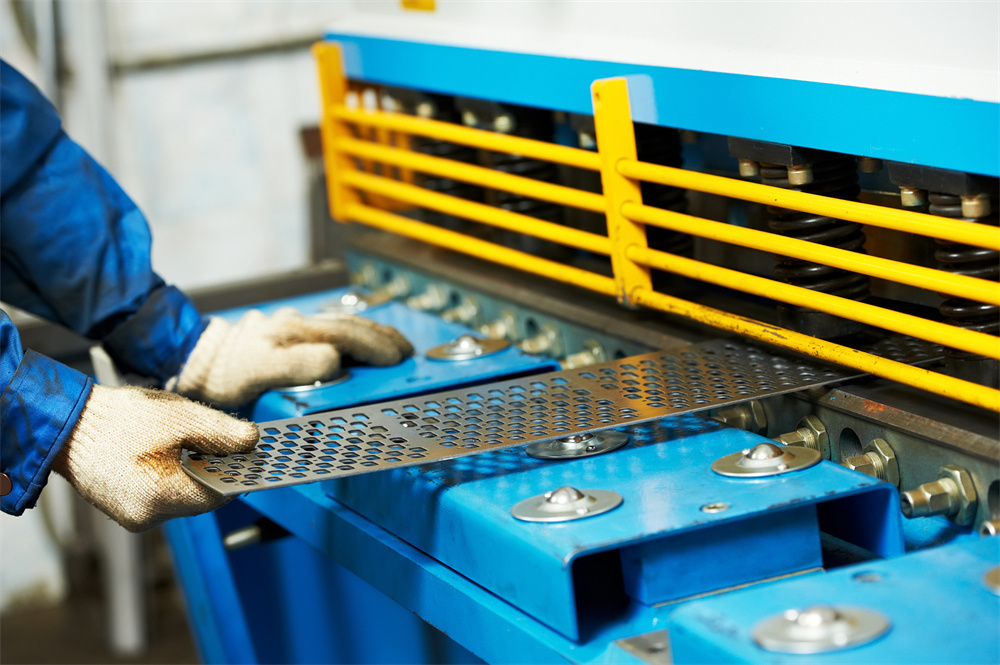
Speed and cycle time are perhaps the most visible metrics of efficiency. Hydraulic shearing machines are designed for rapid cycling, with the ability to adjust stroke length. For smaller workpieces, the operator can shorten the stroke of the upper blade, significantly increasing the number of cuts per minute. This flexibility ensures that the machine is always operating at its most efficient setting for the specific task at hand, whether it is cutting thick plate or thin gauge sheet.
Safety is an often-overlooked component of efficiency. A safe workplace is a productive workplace. Modern shearing machines are equipped with light curtains, emergency stop buttons, and finger guards that comply with international safety standards. By reducing the risk of accidents, manufacturers avoid costly downtime and legal liabilities, while also fostering a more confident and focused workforce. Efficiency is as much about maintaining a steady, uninterrupted flow of work as it is about the speed of the machine itself.
Technical Details of High-Efficiency Shearing
To truly understand how shearing machines improve efficiency in metal sheet preparation, one must look at the technical components that make these machines work. The heart of a modern shear is its drive system. Hydraulic shears, which are the industry standard, offer consistent pressure throughout the entire cut. This is particularly important for thicker materials where mechanical shears might struggle or produce an uneven edge. HARSLE’s hydraulic systems are engineered for durability and smooth operation, reducing the vibration that can lead to blade wear and inaccuracies.
The blade gap adjustment is another technical marvel. Different thicknesses and types of metal require different clearances between the upper and lower blades to achieve a clean cut without burrs. In older machines, this was a manual, time-consuming process. Modern high-efficiency shears feature rapid or even automatic blade gap adjustment. With a simple turn of a dial or a command on the CNC screen, the machine adjusts the gap in seconds, allowing the operator to switch between different jobs with almost zero downtime.
Comparison of Shearing Technologies
| Feature | Mechanical Shears | Hydraulic Swing Beam | Hydraulic Guillotine |
|---|---|---|---|
| Cutting Precision | Moderate | High | Very High |
| Adjustment Speed | Slow (Manual) | Fast (Manual/Auto) | Instant (CNC) |
| Maintenance Needs | High (Gears/Clutches) | Moderate | Low |
| Material Thickness | Limited | Versatile | Heavy Duty |
| Edge Quality | Standard | Good | Excellent (Variable Rake) |
The rake angle—the angle of the upper blade relative to the lower blade—is another critical technical factor. A higher rake angle reduces the force required to cut thick material but can cause more distortion (twisting or bowing) in the cut piece. High-end guillotine shears allow for variable rake angle adjustment. This means the operator can use a low rake angle for thin sheets to ensure perfectly flat strips, and a higher rake angle for thick plates to protect the machine’s hydraulic system. This versatility is a key reason why shearing machines improve efficiency in metal sheet preparation across diverse industries.
CNC integration has been the biggest game-changer in recent years. A CNC controller can store hundreds of programs, including backgauge positions, stroke lengths, and blade gap settings. When a recurring job comes into the shop, the operator simply loads the program, and the machine sets itself up. This eliminates the “trial and error” phase of setup, ensuring that every part is correct from the very first cut. Furthermore, CNC systems can interface with factory-wide ERP software, providing real-time data on production rates and material usage.
Selection Advice for Industrial Shearing Machines
Choosing the right equipment is vital to realizing the promise of how shearing machines improve efficiency in metal sheet preparation. The first step in selection is defining your primary material range. If your shop primarily handles thin-gauge aluminum, a high-speed swing beam shear might be the most cost-effective choice. However, if you are processing heavy steel plates for structural applications, a variable-rake hydraulic guillotine shear is necessary to maintain edge quality and machine longevity.
Consider the throat depth of the machine. The throat depth determines how much of the sheet can be fed into the machine beyond the side frames. For many standard jobs, a standard throat is sufficient, but for specialized long-format cutting or slitting, a deeper throat may be required. Selecting a machine with the correct throat depth prevents bottlenecks where large sheets have to be pre-cut using slower methods like plasma or oxy-fuel before they can fit into the shear.

Blade quality and material are non-negotiable. High-carbon, high-chrome blades (such as Cr12MoV) are essential for cutting stainless steel and other hard alloys. Investing in high-quality blades might have a higher upfront cost, but the efficiency gains from fewer sharpenings and cleaner cuts far outweigh the initial expense. Additionally, look for machines that offer four-edged blades for both the top and bottom; this allows you to flip the blades multiple times before they need to be professionally reground, doubling or quadrupling the life of the tooling.
Finally, evaluate the after-sales support and brand reputation. A shearing machine is a long-term investment. Choosing a manufacturer like HARSLE ensures that you have access to spare parts, technical documentation, and expert advice. Efficiency is lost every hour a machine is down, so having a reliable partner for maintenance and troubleshooting is just as important as the machine’s specifications. Check for features like self-lubricating systems and easy-access hydraulic manifolds, which simplify routine maintenance and keep the machine running at peak performance.
Frequently Asked Questions
How does a shearing machine reduce material waste?
Shearing machines reduce waste through high-precision backgauges and CNC controls that allow for exact positioning. This precision enables “nesting” of parts, where cuts are made as close together as possible. Additionally, the clean, square edges produced by a high-quality shear eliminate the need for trimming or grinding, which would otherwise remove more material.
What is the difference between a swing beam and a guillotine shear?
A swing beam shear uses a pivoting motion for the upper blade, which is generally faster and simpler for thinner materials. A guillotine shear moves the upper blade in a straight vertical line, allowing for variable rake angles. Guillotine shears are typically more robust and better suited for thicker plates and applications requiring the highest degree of edge squareness.
Can shearing machines handle stainless steel?
Yes, but it requires specific considerations. Stainless steel is much harder than mild steel, so the shearing machine must have a higher tonnage capacity and be equipped with high-quality, hardened blades. The blade gap must also be set more precisely to prevent work-hardening of the edge. HARSLE machines are frequently configured specifically for the demands of stainless steel fabrication.
How often should shearing blades be sharpened?
The frequency of sharpening depends on the material being cut, the thickness, and the volume of production. Generally, if you notice increased burring, a rounded edge on the cut piece, or the machine requiring more pressure to complete a cut, it is time to rotate or sharpen the blades. Regular inspection of the blade edges is a key part of maintaining efficiency.
Is CNC necessary for a shearing machine?
While manual machines are still used for simple, low-volume tasks, CNC is highly recommended for any production environment. CNC improves efficiency by automating the backgauge, storing job parameters, and reducing setup time. It significantly reduces the chance of human error, which is the most common cause of wasted material and time.
Conclusion: The Future of Sheet Preparation
In conclusion, the question of how shearing machines improve efficiency in metal sheet preparation is answered through a combination of mechanical power, precision control, and technological innovation. By providing a clean, accurate, and repeatable first cut, these machines set the stage for the entire manufacturing process. They reduce the need for secondary finishing, minimize material waste, and allow for a more streamlined workflow that can adapt to the changing demands of the market.
As we look toward the future, the integration of Industry 4.0 features will only further enhance these efficiencies. Imagine shearing machines that can self-diagnose blade wear or automatically adjust their settings based on the specific batch of material being fed into them. HARSLE remains at the forefront of this evolution, continuously refining our designs to ensure that our clients can achieve the highest possible ROI from their equipment.
Investing in a high-quality shearing machine is not just an equipment purchase; it is a strategic decision to improve the core competency of your fabrication shop. Whether you are a small job shop or a large-scale industrial manufacturer, the efficiency gains provided by a modern HARSLE shear will pay dividends in the form of higher quality products, faster turnaround times, and a more profitable operation. The foundation of excellence in metalworking starts with the cut, and the right shearing machine ensures that foundation is rock solid.