2026 Hydraulic Press Buying Guide: Price Ranges, Specs, and Supplier Tips


Introduction to the 2026 Hydraulic Press Market
As we approach 2026, the metal fabrication industry is witnessing a significant shift toward smarter, more efficient, and highly automated machinery. The hydraulic press remains a cornerstone of manufacturing, essential for tasks ranging from deep drawing and stamping to forging and assembly. However, the criteria for selecting the right machine have evolved. Modern buyers are no longer just looking at tonnage; they are evaluating energy efficiency, IoT connectivity, and precision control systems. This 2026 Hydraulic Press Buying Guide: Price Ranges, Specs, and Supplier Tips is designed to help procurement managers and factory owners navigate the complex landscape of industrial equipment to make an informed investment.
The global push for sustainability and the integration of Industry 4.0 technologies have fundamentally changed how hydraulic presses are engineered. In 2026, the focus is on reducing the carbon footprint of heavy machinery while increasing output. This means that while the initial purchase price remains a critical factor, the total cost of ownership (TCO) and the return on investment (ROI) are now calculated with much higher precision. Whether you are a small workshop looking for a versatile C-frame press or a large-scale automotive supplier requiring a massive H-frame production line, understanding the current market dynamics is essential.
2026 Hydraulic Press Price Range Overview
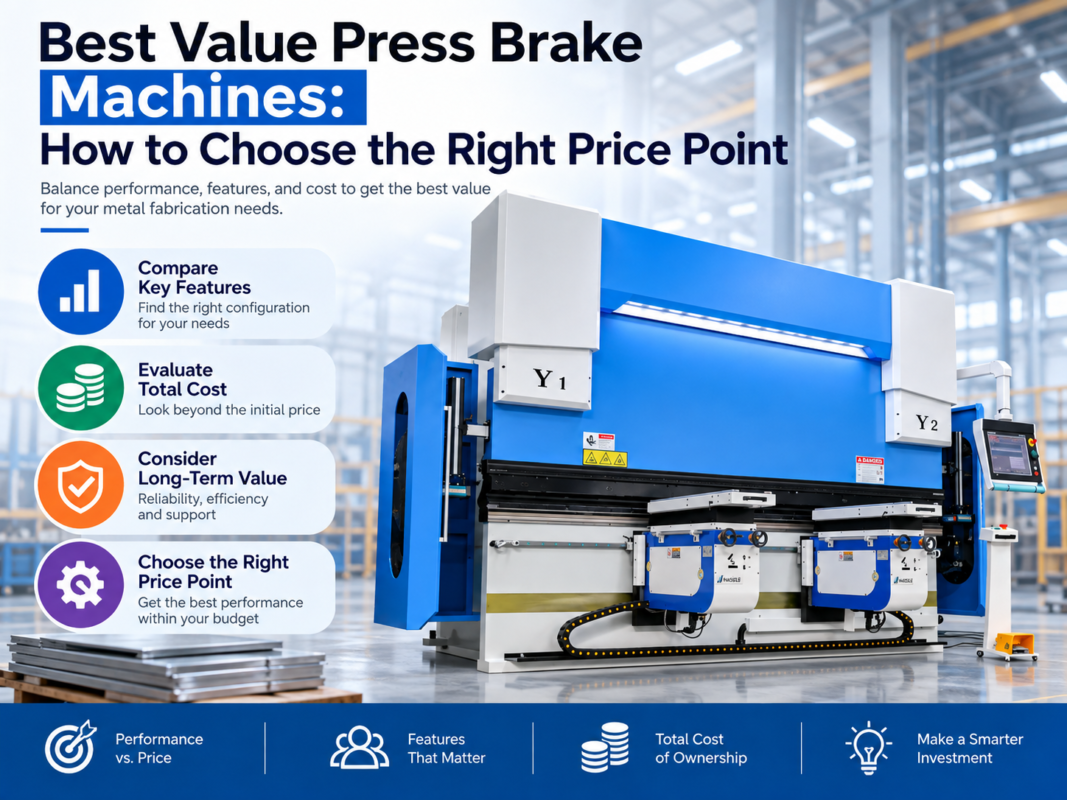
Understanding the price landscape is the first step in budgeting for new equipment. In 2026, prices are influenced by raw material costs (specifically high-grade steel), the complexity of electronic components, and the geographic location of the manufacturer. Below is a breakdown of estimated price ranges based on machine capacity and type.
Entry-Level and Small Capacity Presses (10T – 100T)
Small capacity presses, often used for laboratory work, small-scale assembly, or jewelry making, typically range from $5,000 to $20,000. These machines are usually C-frame or benchtop models. While they lack the advanced automation of larger units, 2026 models often feature improved safety sensors and more intuitive manual controls. If you are looking for a basic utility press for a maintenance shop, you can expect to stay at the lower end of this bracket.
Mid-Range Production Presses (100T – 500T)
This is the most competitive segment of the market. Mid-range presses are the workhorses of the appliance, electronics, and hardware industries. Prices for these machines generally fall between $30,000 and $120,000. The wide price variance is due to the inclusion of features like servo-motor drives, PLC (Programmable Logic Controller) systems, and specialized bolsters. A standard 200-ton H-frame press with basic controls might cost $45,000, whereas a high-speed servo-driven version could exceed $90,000.
Heavy-Duty and Specialized Presses (500T – 2000T+)
For heavy industrial applications such as automotive body panel stamping or large-scale forging, heavy-duty presses are required. These machines start at $150,000 and can easily exceed $1,500,000 for custom-engineered solutions. These units often include multi-station die sets, automated material handling systems, and advanced cooling systems to handle continuous high-pressure operations. In 2026, the demand for these machines is driven by the electric vehicle (EV) sector, which requires specialized forming for battery enclosures and lightweight structural components.
Main Cost Drivers in 2026
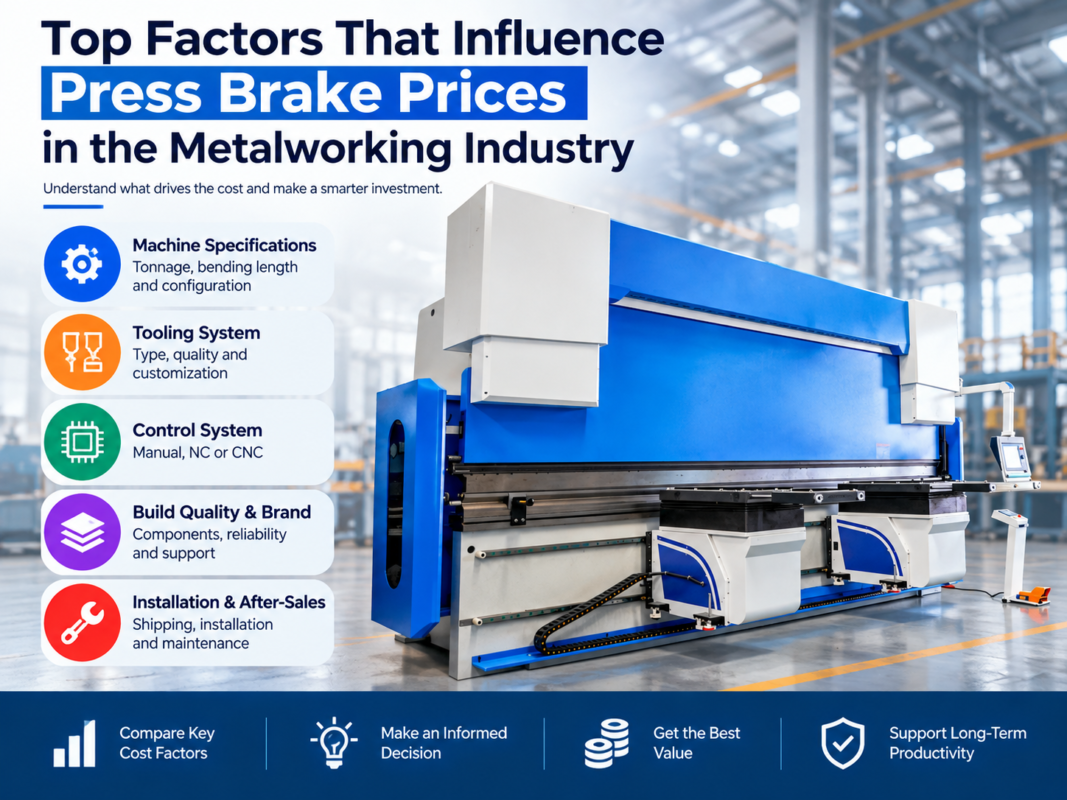
Several factors contribute to the final quote you receive from a supplier. Understanding these drivers allows you to prioritize features that add value to your specific process while cutting unnecessary costs.
Frame Construction and Material Quality
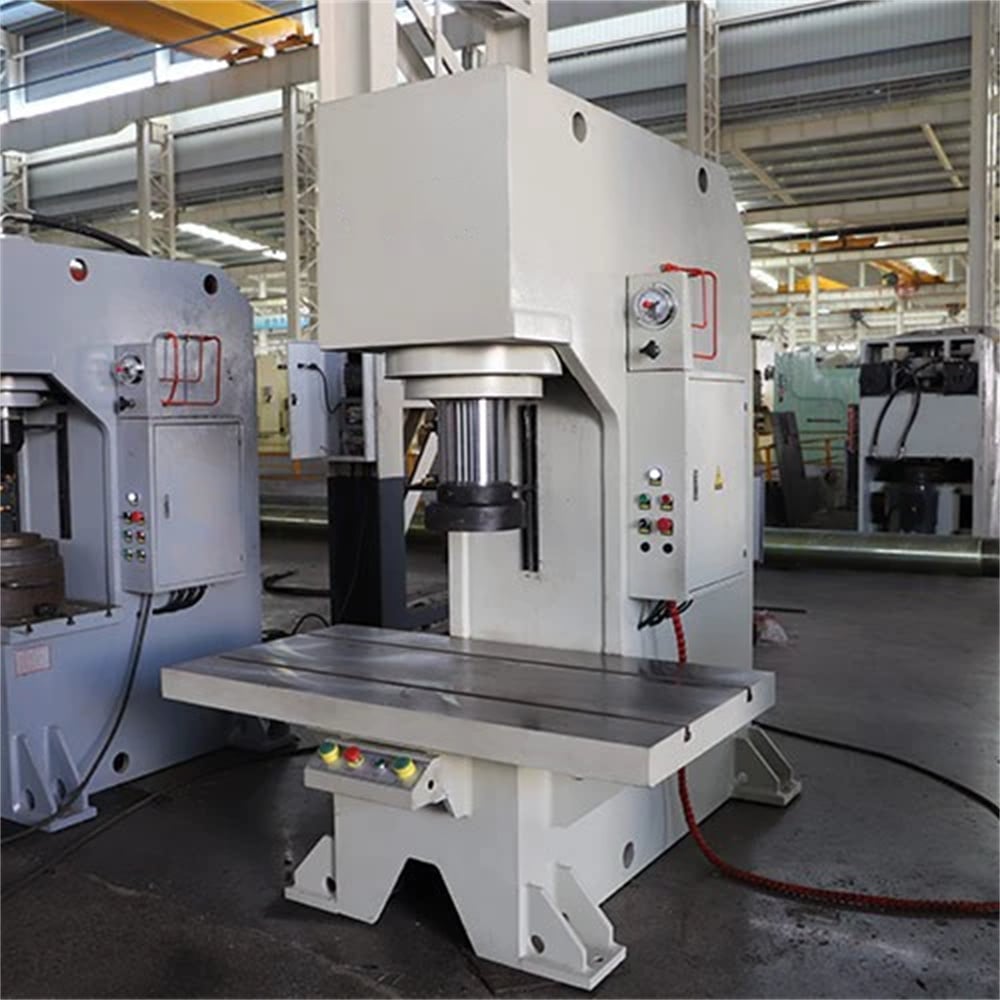
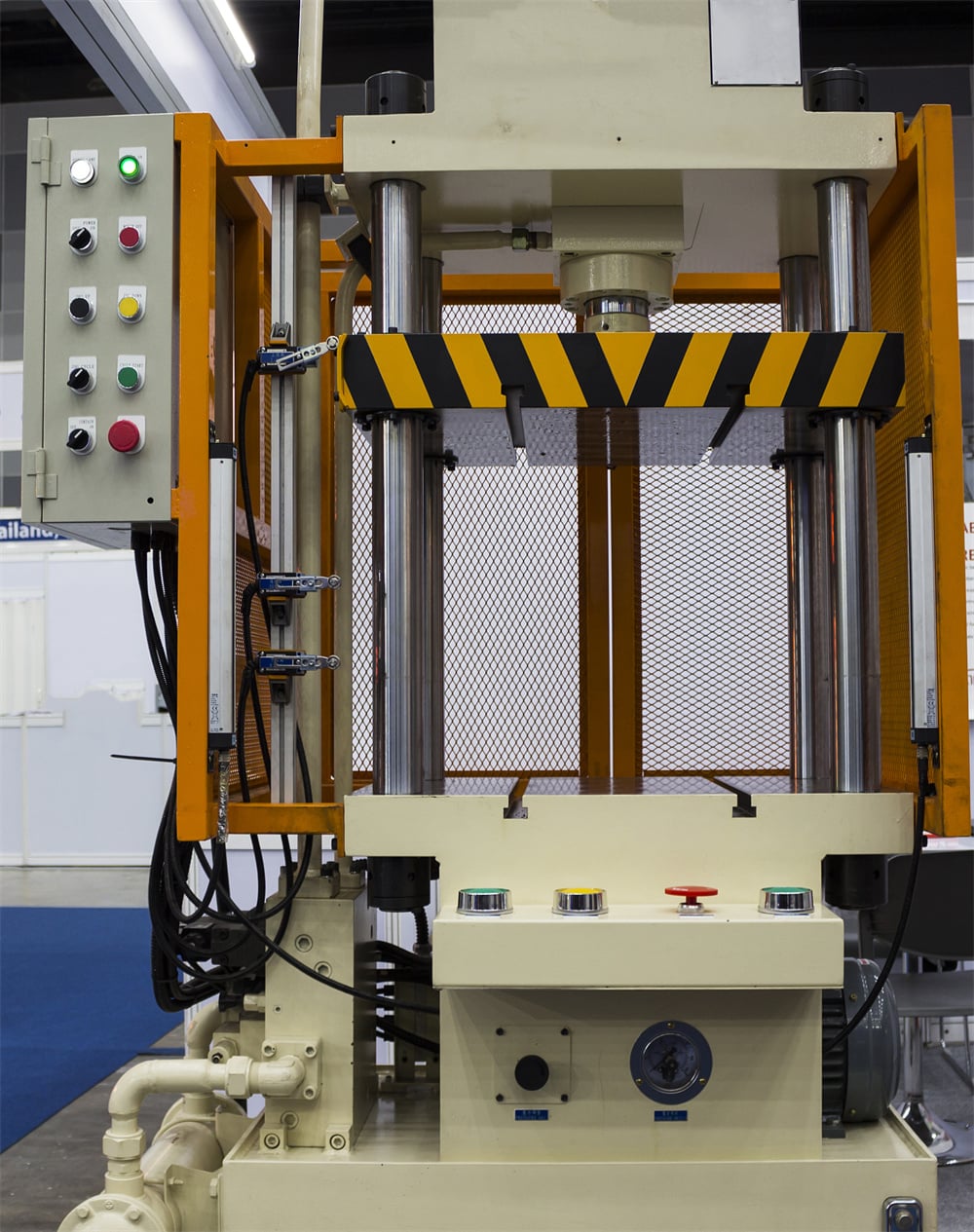
The rigidity of the press frame is paramount. A machine that flexes under load will produce inaccurate parts and cause premature die wear. H-frame (four-column) presses are inherently more stable and expensive than C-frame (gap) presses. In 2026, manufacturers are using higher-strength alloys to reduce the overall weight of the machine without sacrificing stiffness, which impacts both the material cost and the shipping logistics.
Hydraulic System Sophistication
The heart of the machine is its hydraulic circuit. The choice between a standard fixed-displacement pump and a variable-frequency drive (VFD) or servo-pump system is a major cost driver. While servo systems add 15-25% to the initial price, they can reduce energy consumption by up to 70%. In the 2026 market, the long-term energy savings often justify the higher upfront cost, especially in regions with high electricity rates.
Control Systems and Software
The transition to Industry 4.0 means that the “brains” of the hydraulic press are more expensive than ever. Modern presses feature large touch-screen interfaces, remote diagnostic capabilities, and integration with ERP (Enterprise Resource Planning) systems. The cost of the software license and the high-precision sensors required for real-time monitoring adds a significant layer to the base price of the machine.
Configuration Impact on Performance and Price
When configuring your 2026 hydraulic press, every choice affects both the price and the machine’s capability. It is vital to match the specs to your specific application to avoid over-paying for features you won’t use.
- Stroke Length and Daylight: Increasing the stroke length or the open height (daylight) requires longer cylinders and a taller frame, which increases the price. Ensure these dimensions are optimized for your tallest die set.
- Approach and Pressing Speeds: High-speed valves and accumulators allow for faster cycle times. If your production volume is high, the investment in speed is necessary. For deep drawing, however, a controlled, slower pressing speed is often more important than raw speed.
- Slide and Bolster Size: Larger working areas require more substantial structural support. If you work with large sheets, you will need a larger bolster, which directly correlates with a higher machine price.
- Safety Features: In 2026, safety standards like CE and OSHA are stricter. Light curtains, safety interlocks, and dual-redundant hydraulic circuits are often standard but can be upgraded for specific hazardous environments.
Hidden Costs of Purchasing a Hydraulic Press
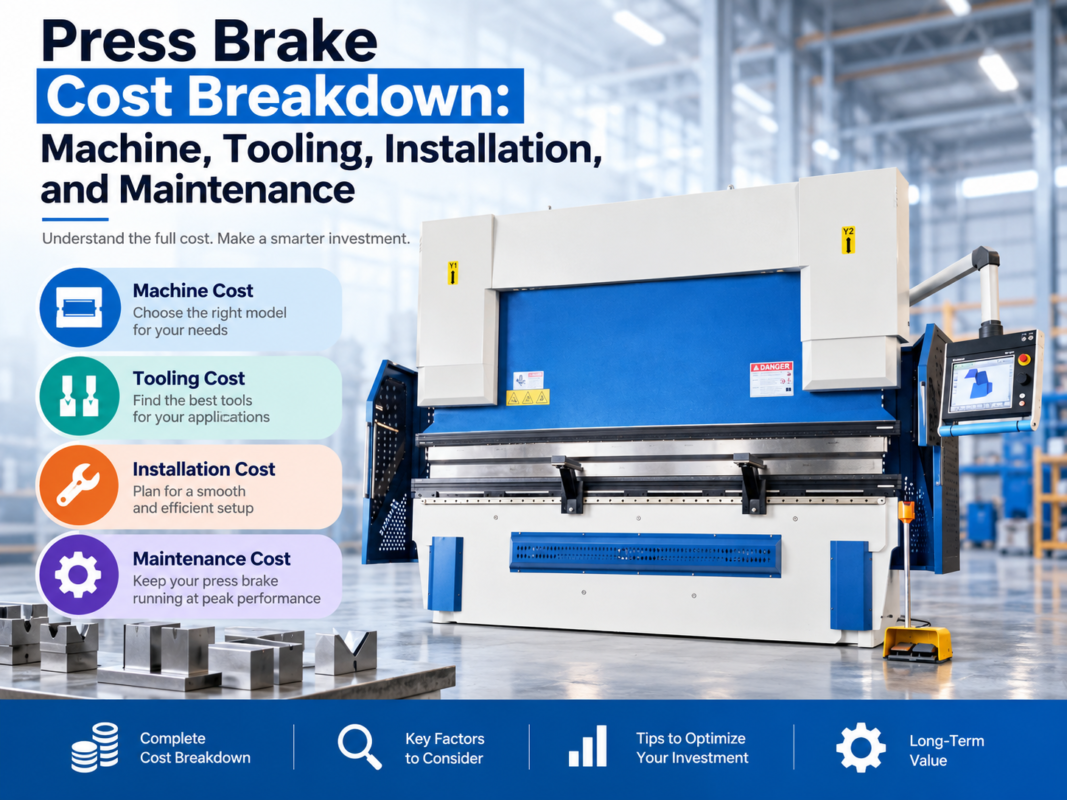
The sticker price is rarely the final cost. Buyers must account for several “hidden” expenses that can add 10% to 30% to the total project budget.
Logistics and Installation
Shipping a 50-ton machine across the ocean is a major logistical undertaking. Beyond freight costs, you must consider inland transportation, rigging, and crane rentals at your facility. Furthermore, large presses often require specialized foundations. A standard factory floor may not be able to support the concentrated weight and vibration of a 500-ton press, requiring a reinforced concrete pit that can cost thousands of dollars.
Commissioning and Training
Once the machine is on-site, it needs to be leveled, filled with hydraulic oil (which can be expensive for large reservoirs), and calibrated. Supplier technicians usually charge a daily rate plus travel expenses for commissioning. Additionally, your operators will need training on the new control systems to ensure they can operate the machine safely and efficiently.
Tooling and Maintenance
A press is useless without dies. The cost of custom tooling can sometimes approach the cost of the machine itself. Furthermore, a maintenance plan is essential. In 2026, many suppliers offer predictive maintenance packages using IoT sensors. While these have an annual fee, they prevent catastrophic failures that result in expensive downtime.
ROI Calculation: Justifying the Investment
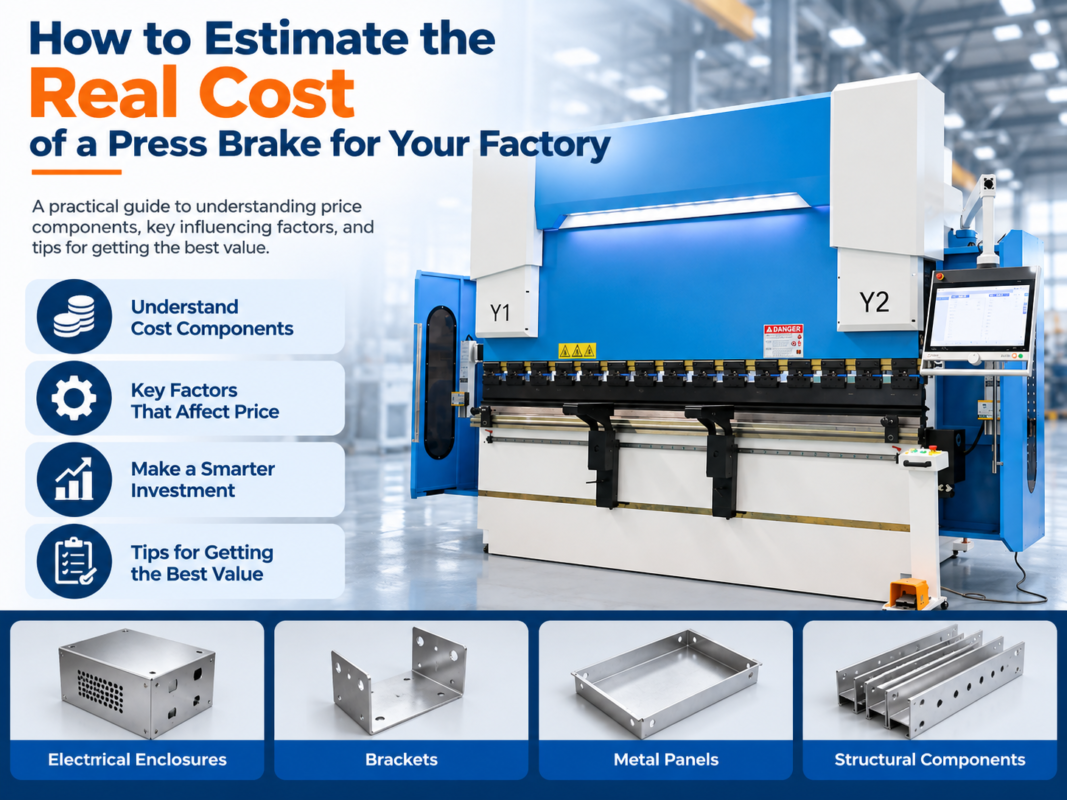
To secure approval for a 2026 hydraulic press purchase, a clear ROI calculation is necessary. This involves looking beyond the purchase price and analyzing how the machine improves the bottom line.
First, calculate the Productivity Gain. If a new servo-driven press can complete 15 cycles per minute compared to an old machine’s 10, that is a 50% increase in output. Second, factor in Energy Savings. With rising energy costs, a machine that uses 50% less power can save thousands of dollars annually. Third, consider Scrap Reduction. Modern presses with precision pressure control and position monitoring (down to 0.01mm) significantly reduce the number of rejected parts, saving on material costs.
Buying Advice and Supplier Tips for 2026
Choosing the right supplier is just as important as choosing the right machine. In the globalized market of 2026, you have many options, but not all suppliers are created equal.
Vetting the Manufacturer
Don’t just look at the brochure. Ask for a client list and, if possible, speak with current users of their equipment. Check if the manufacturer has experience in your specific industry. A supplier that specializes in plastic molding may not understand the nuances of metal forging. Look for certifications like ISO 9001 and ensure the machine components (valves, pumps, electronics) are from reputable global brands like Rexroth, Siemens, or Schneider, which ensures spare parts will be available locally.
The Importance of After-Sales Support
In 2026, the best suppliers offer robust digital support. This includes remote troubleshooting via AR (Augmented Reality) glasses or simple VPN connections to the machine’s PLC. Before signing a contract, clarify the warranty terms. Does it cover parts and labor? What is the guaranteed response time for a service technician? A cheaper machine from a supplier with poor support will eventually become the most expensive machine in your shop due to downtime.
Factory Audits and Pre-Shipment Inspections
If you are buying from an overseas supplier, such as HARSLE, consider a third-party factory audit. This ensures the facility meets quality standards. Before the machine ships, conduct a Pre-Shipment Inspection (PSI). You should provide the supplier with your actual dies so they can run test parts. Only authorize the final payment once you have seen video proof or a third-party report confirming the machine meets all performance specifications.
2026 Hydraulic Press Buying Checklist
- Define Tonnage: Calculate the maximum force required for your thickest/hardest material.
- Select Frame Type: Choose C-frame for accessibility or H-frame for high-precision/heavy loads.
- Evaluate Drive System: Compare standard hydraulic vs. servo-hydraulic for energy ROI.
- Check Dimensions: Ensure bolster size and daylight accommodate your largest dies.
- Review Safety: Confirm compliance with local safety regulations (CE, OSHA, etc.).
- Audit Supplier: Verify technical support capabilities and component brands.
- Plan for Logistics: Budget for shipping, rigging, and foundation work.
Frequently Asked Questions (FAQ)
What is the expected lifespan of a hydraulic press bought in 2026?
With proper maintenance, a high-quality hydraulic press can last 20 to 30 years. The mechanical frame often outlasts the electronic control systems, which may need upgrading every 10-15 years to stay compatible with current software standards.
Is a servo-hydraulic press worth the extra cost?
For most high-volume production environments, yes. The combination of energy savings, reduced noise, less heat generation (which extends oil life), and higher precision usually results in a payback period of less than 24 months.
How often does a hydraulic press need servicing?
Routine maintenance, such as checking oil levels and filter changes, should be done monthly. A comprehensive professional inspection should occur annually. Modern machines with IoT sensors will alert you to specific maintenance needs based on actual usage data.
Can I retrofit an old press with 2026 technology?
Yes, many companies offer retrofitting services to install new PLCs, servo-pumps, and safety systems on older frames. This can be a cost-effective way to gain modern efficiency without the price tag of a completely new machine, provided the original frame is still structurally sound.
What are the lead times for new hydraulic presses in 2026?
Lead times vary by complexity. Standard models may be available in 8-12 weeks, while large, custom-engineered presses can take 6 to 12 months from design approval to delivery. Always factor these timelines into your production planning.
Conclusion
Buying a hydraulic press in 2026 requires a balance between traditional mechanical engineering and modern digital technology. By focusing on the 2026 Hydraulic Press Buying : Price Ranges, Specs, Supplier Tips, you can ensure that your investment not only meets your current production needs but also positions your facility for future growth. Remember that the cheapest option is rarely the most profitable in the long run. Prioritize build quality, energy efficiency, and reliable after-sales support to ensure your metal fabrication operations remain competitive in an ever-evolving global market. HARSLE continues to lead the way in providing high-performance, cost-effective solutions tailored to these modern industrial requirements.