Hydraulic Press Pricing for Metal Forming: What Affects Delivery and Installation Costs


Introduction to Hydraulic Press Pricing for Metal Forming
In the world of metal fabrication, investing in a hydraulic press is a significant capital expenditure. Whether you are looking for a machine for deep drawing, punching, or stamping, understanding the total cost of ownership is crucial. However, the sticker price of the machine is often just the beginning. To truly budget for a new acquisition, manufacturers must look at the broader picture, specifically how Hydraulic Press Pricing Metal Forming: Affects Delivery Installation Costs. At HARSLE, we believe in transparency, helping our clients navigate the complexities of industrial machinery procurement.
The metal forming industry relies on precision and power. A hydraulic press provides the necessary force to shape metal sheets into complex components used in automotive, aerospace, and consumer electronics sectors. Because these machines vary wildly in size—from compact 10-ton benchtop models to massive 5,000-ton industrial giants—the pricing structure is equally diverse. Factors such as frame design, hydraulic efficiency, and control systems play a role, but the logistical challenges of moving and setting up these behemoths often surprise first-time buyers.
This guide aims to break down the various layers of hydraulic press pricing. We will explore the initial price ranges, the technical drivers of cost, and the often-overlooked expenses associated with getting the machine from the factory floor to your production line. By the end of this article, you will have a comprehensive understanding of how to evaluate a quote and calculate the true return on investment for your metal forming operations.
Price Range Overview: Categorizing Hydraulic Presses
When discussing hydraulic press pricing, it is helpful to categorize machines by their tonnage and intended application. Tonnage is the primary metric for capacity, and it scales directly with the amount of steel and hydraulic power required to build the machine. Generally, the market is divided into three main tiers: light-duty, medium-duty, and heavy-duty industrial presses.
Light-Duty and Entry-Level Presses (10T – 100T)
Small-scale hydraulic presses, often used for laboratory work, small parts assembly, or light punching, typically range from $5,000 to $25,000. These machines are often C-frame or small four-column designs. While they are affordable, they lack the advanced CNC controls and high-speed cycling found in larger models. For a small workshop, these are excellent entry points, but they have limited scalability for high-volume metal forming.
Medium-Duty Industrial Presses (100T – 500T)
This is the most common range for general metal fabrication. These machines are capable of deep drawing, bending, and forming thicker materials. Prices in this category typically fall between $30,000 and $150,000. The price variance here is largely driven by the level of automation, the quality of the hydraulic components (such as Rexroth or Vickers valves), and the inclusion of safety features like light curtains. HARSLE’s mid-range presses are designed to balance these costs with high durability.
Heavy-Duty and Custom Presses (500T – 5000T+)
For large-scale automotive body panels or heavy industrial components, heavy-duty presses are required. These machines start at $200,000 and can easily exceed $1,000,000 for custom-engineered solutions. At this level, the engineering costs become a significant portion of the price. These machines often require specialized foundations and are built to order, incorporating specific stroke lengths, bolster sizes, and high-speed servo-hydraulic systems.
Main Cost Drivers in Metal Forming Machinery
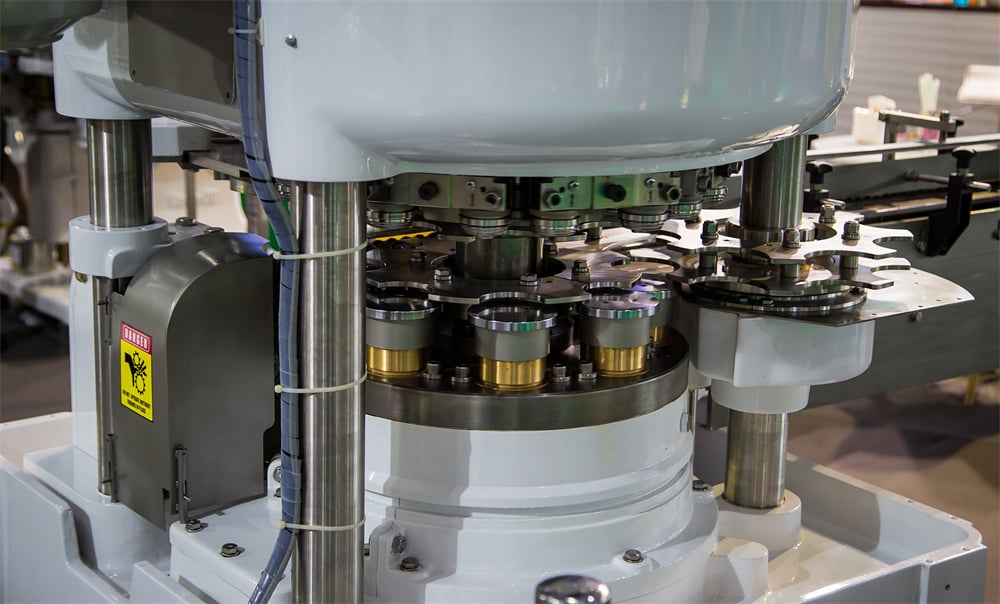
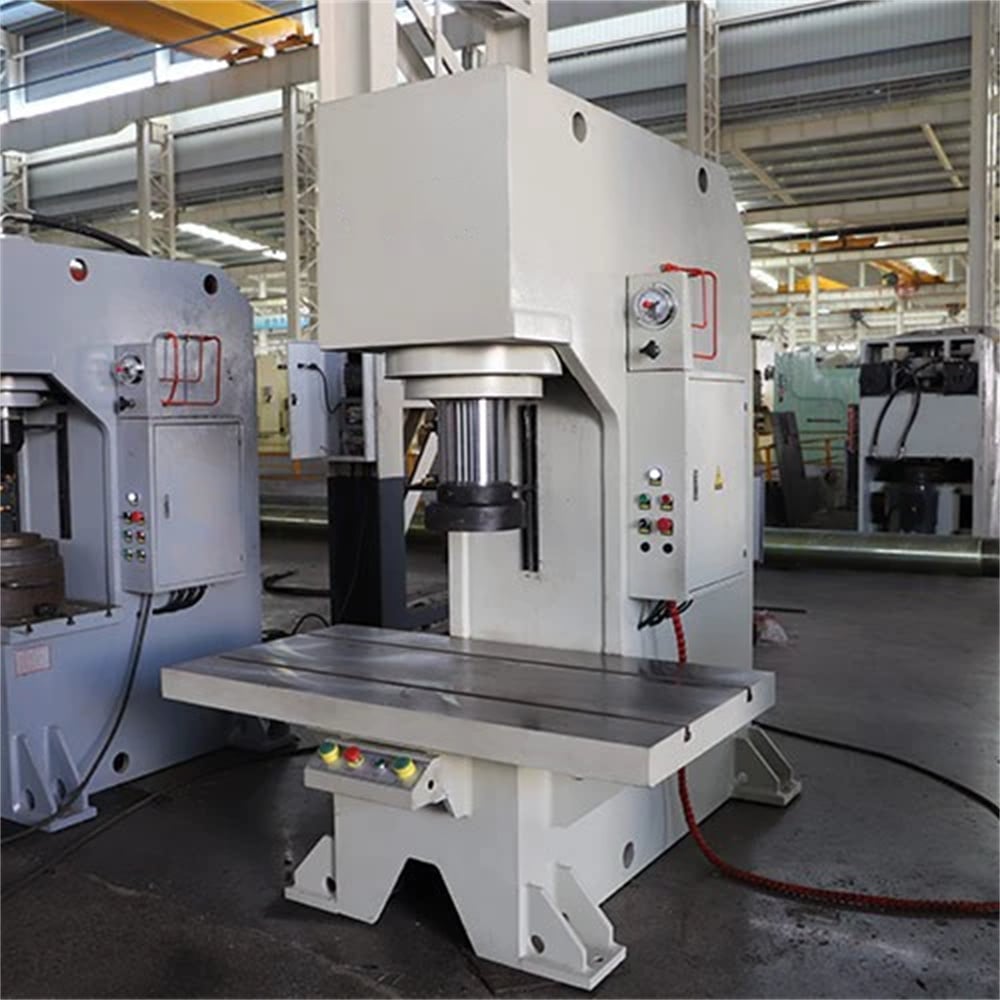
Understanding why one 200-ton press costs $40,000 while another costs $80,000 requires looking under the hood. Several technical factors drive the manufacturing cost of a hydraulic press. The most significant of these is the frame construction. A C-frame press is generally cheaper because it uses less steel and is easier to manufacture, but it is prone to “yaw” or deflection under high pressure. In contrast, an H-frame or a four-column press provides superior rigidity and alignment, which is essential for precision metal forming, but at a higher price point.
The hydraulic system itself is another major driver. Standard hydraulic systems use fixed-displacement pumps that run constantly, which is cheaper to install but less energy-efficient. Modern presses often utilize servo-driven hydraulic systems. While these add to the upfront Hydraulic Press Pricing Metal Forming: Affects Delivery Installation Costs, they can reduce energy consumption by up to 70% and offer much finer control over the pressing cycle. This precision reduces scrap rates, which is a critical factor in long-term profitability.
Control systems also play a pivotal role. A basic manual valve system is inexpensive but limits the machine to simple tasks. Moving up to a PLC (Programmable Logic Controller) with a touch-screen HMI (Human Machine Interface) allows for stored recipes, automated stroke adjustment, and integration with robotic loaders. As Industry 4.0 becomes the standard, the software and connectivity features of a press are becoming as important as the hardware, adding to the initial capital requirement.
Configuration Impact: Customizing for Performance
No two metal forming operations are exactly alike, and customization is where pricing can become complex. When a buyer requests a larger bolster area (the surface where the die is mounted) or a longer stroke length, the manufacturer must reinforce the entire structure of the press. This isn’t just about adding more steel; it involves complex stress analysis to ensure the machine remains stable under load. These structural modifications can add 15-30% to the base price of the machine.
Safety configurations are another essential consideration. In many regions, strict safety standards (such as CE or OSHA) require the installation of light curtains, dual-hand start buttons, and interlocking safety gates. While these are non-negotiable for modern factories, they do add to the cost. Furthermore, specialized features like hydraulic cushions for deep drawing or die-change systems (QDC) can significantly increase the machine’s versatility but also its price. These features are investments in efficiency, allowing for faster setup times and more complex part geometries.
The choice of internal components also dictates the price. Using premium brands for seals, pumps, and electrical components ensures a longer lifespan and easier sourcing of spare parts. HARSLE prioritizes high-quality components to ensure that while the initial price might be competitive, the long-term maintenance costs remain low. Choosing “no-name” components might save money today, but it often leads to costly downtime in the future when a custom seal or valve fails and cannot be easily replaced.
Hidden Costs: Delivery and Installation Logistics
This is where many buyers fail to budget correctly. The logistics of moving a 50-ton piece of machinery across the globe or even across a state are immense. When we talk about Hydraulic Press Pricing Metal Forming: Affects Delivery Installation Costs, we are referring to a complex chain of events. First, there is the shipping. For international orders, this involves sea freight, which is subject to fluctuating fuel surcharges and port fees. Because large presses are often “over-dimensional,” they cannot fit in standard containers and must be shipped as break-bulk or on flat-rack containers, which is significantly more expensive.
Once the machine arrives at the port, inland transportation requires specialized heavy-haul trucking. This often involves permits for oversized loads and, in some cases, pilot cars to escort the vehicle. Upon reaching the factory, a standard forklift will not suffice. You will need to hire a professional rigging company with heavy-duty cranes or gantry systems to move the press into position. Depending on the size of the machine, rigging alone can cost anywhere from $2,000 to over $20,000.
Installation also involves site preparation. Large hydraulic presses exert tremendous force on the floor. A standard 6-inch factory floor may crack under the weight and vibration of a 300-ton press. Many installations require a dedicated concrete foundation or a “pit” to house the lower portion of the press and the hydraulic cushion. Engineering these foundations requires soil testing and reinforced concrete work, which must be completed before the machine even arrives. Finally, there is the cost of commissioning—having a technician on-site to level the machine, fill it with hydraulic oil (which can be hundreds of gallons), and train your staff on its operation.
ROI Calculation: Justifying the Investment
With all these costs in mind, how does a manufacturer justify the purchase? The Return on Investment (ROI) for a hydraulic press is calculated by looking at productivity gains, waste reduction, and energy savings. A modern HARSLE press with a servo-hydraulic system might have a higher upfront cost, but if it reduces cycle time by 20%, the machine pays for itself much faster. For example, if a press produces 100,000 parts per year, a 20% increase in speed results in 20,000 additional parts without increasing labor hours.
Scrap reduction is another major factor. Precision controls and consistent pressure application mean fewer rejected parts. In industries like aerospace where raw material costs are high, reducing scrap by even 2% can save tens of thousands of dollars annually. Additionally, consider the “uptime” factor. A well-built machine with high-quality components will require less frequent maintenance and have a longer service life, spreading the initial Hydraulic Press Pricing Metal Forming: Affects Delivery Installation Costs over a decade or more of productive use.
Finally, consider the versatility of the machine. A press that can be easily reconfigured for different dies and products allows a shop to take on a wider variety of contracts. This flexibility is a key driver of revenue growth. When calculating ROI, always look at the 5-year and 10-year projections rather than just the first-year cash flow. A cheaper, less reliable machine often ends up being more expensive over its lifetime due to repairs and lost production time.
Buying Advice: Choosing the Right Partner
When you are ready to purchase, the most important step is choosing a reputable manufacturer. Don’t just look at the lowest quote; look at the company’s track record, their engineering capabilities, and their after-sales support. A good manufacturer like HARSLE will provide a detailed breakdown of the machine specifications and help you estimate the delivery and installation requirements. They should be able to provide foundation drawings and electrical requirements well in advance of delivery.
Always ask for a “turnkey” quote if you want to minimize surprises. A turnkey quote includes the machine, shipping, installation, and training. While this might look like a larger number initially, it protects you from the hidden costs mentioned earlier. If you choose to handle logistics yourself, ensure you have a dedicated project manager who understands the requirements of moving heavy machinery. It is also wise to visit the manufacturer’s facility or request a video demonstration of the machine under load before it is shipped.
Lastly, consider the availability of spare parts and technical support. A hydraulic press is a long-term asset. You need to be sure that 5 or 10 years from now, you can still get the seals, valves, and electronic components needed to keep it running. HARSLE’s commitment to using standardized, high-quality components ensures that our clients are never left with a “brick” on their factory floor. Proper planning and choosing the right partner are the best ways to manage the complexities of hydraulic press pricing.
Frequently Asked Questions (FAQ)
1. How long does it typically take to deliver a hydraulic press?
Lead times vary based on the complexity of the machine. Standard models may be available in 8-12 weeks, while highly customized, large-tonnage presses can take 6-10 months to design, build, and test. Shipping adds another 4-6 weeks depending on the destination.
2. Does the price include the hydraulic oil?
Usually, no. Due to weight and shipping regulations, hydraulic presses are shipped empty. The buyer is responsible for purchasing the correct grade and volume of hydraulic oil locally, which can be a significant expense for large machines (e.g., 500+ gallons).
3. What kind of electrical preparation is needed?
Hydraulic presses require significant industrial power. You will need to ensure your factory has the correct voltage (typically 220V, 380V, or 480V three-phase) and enough amperage to handle the motor’s startup current. A licensed electrician should review the machine’s schematics before it arrives.
4. Can I install the machine myself to save money?
While possible for very small presses, it is not recommended for industrial-scale machinery. Professional installation ensures the machine is perfectly level (critical for die life) and that all safety systems are functioning correctly. Improper installation can void your warranty.
5. How often should I budget for maintenance?
Routine maintenance (oil changes, filter replacements, and seal inspections) should be performed every 2,000 operating hours or annually. Budgeting approximately 2-3% of the machine’s purchase price for annual maintenance is a good rule of thumb to ensure long-term reliability.
6. What is the difference between FOB and DDP pricing?
FOB (Free On Board) means the manufacturer pays to get the machine to the port in their country; you pay for everything else. DDP (Delivered Duty Paid) means the manufacturer handles shipping, taxes, and delivery to your door. DDP is more expensive upfront but much simpler for the buyer.