What is a CNC Press Brake? Understanding Automated Bending Technology

In modern sheet metal fabrication, the CNC press brake is essential for precise engineering. Unlike traditional manual methods, CNC technology has revolutionized bending by offering high-speed, repeatable, and efficient processes. For engineers and factory managers, mastering CNC press brakes means improving production efficiency, minimizing material waste, and achieving tight tolerances. As manufacturing advances toward Industry 4.0, CNC press brakes play a crucial role in the automated supply chain, seamlessly translating digital designs into accurate physical components. Understanding these machines is key to staying competitive in the evolving industrial landscape.
Understanding the Basics of a CNC Press Brake

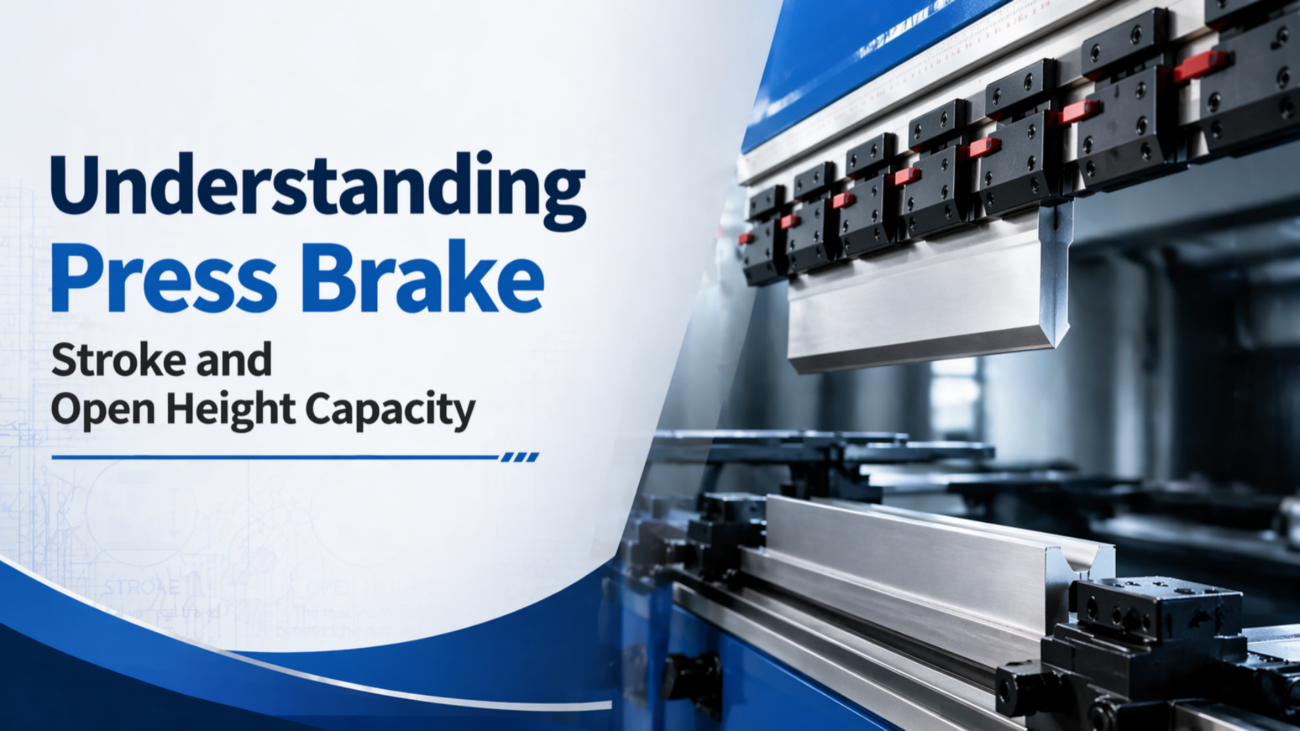
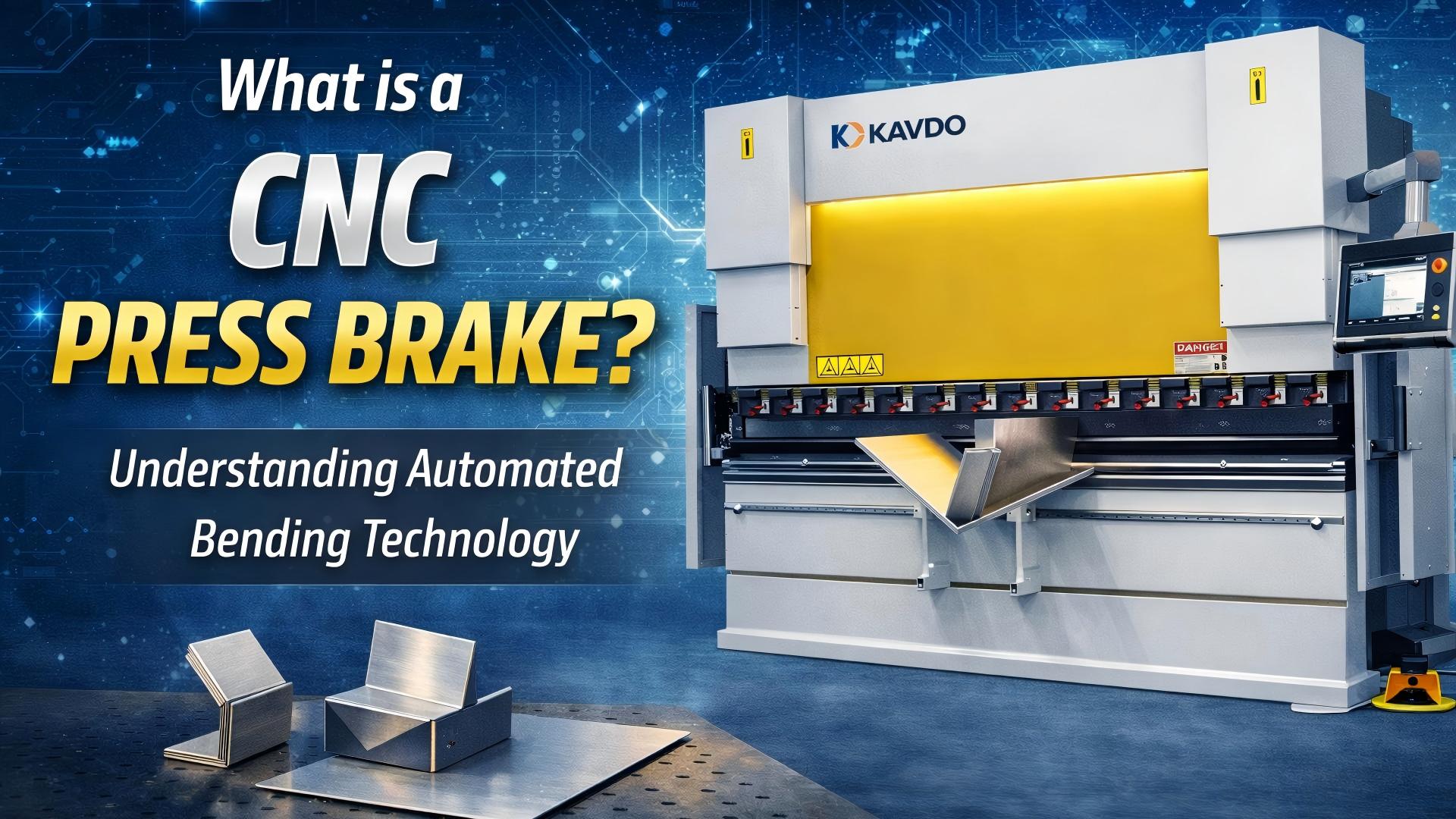
A CNC press brake is a sophisticated machine tool designed to bend sheet and plate material, most commonly sheet metal. It functions by clamping the workpiece between a matching punch and die. The CNC component refers to the computer system that controls the movement of the ram (the upper portion of the machine) and the backgauge system. Unlike traditional mechanical or simple hydraulic brakes, a CNC press brake allows for the programming of complex, multi-bend sequences in a single setup.
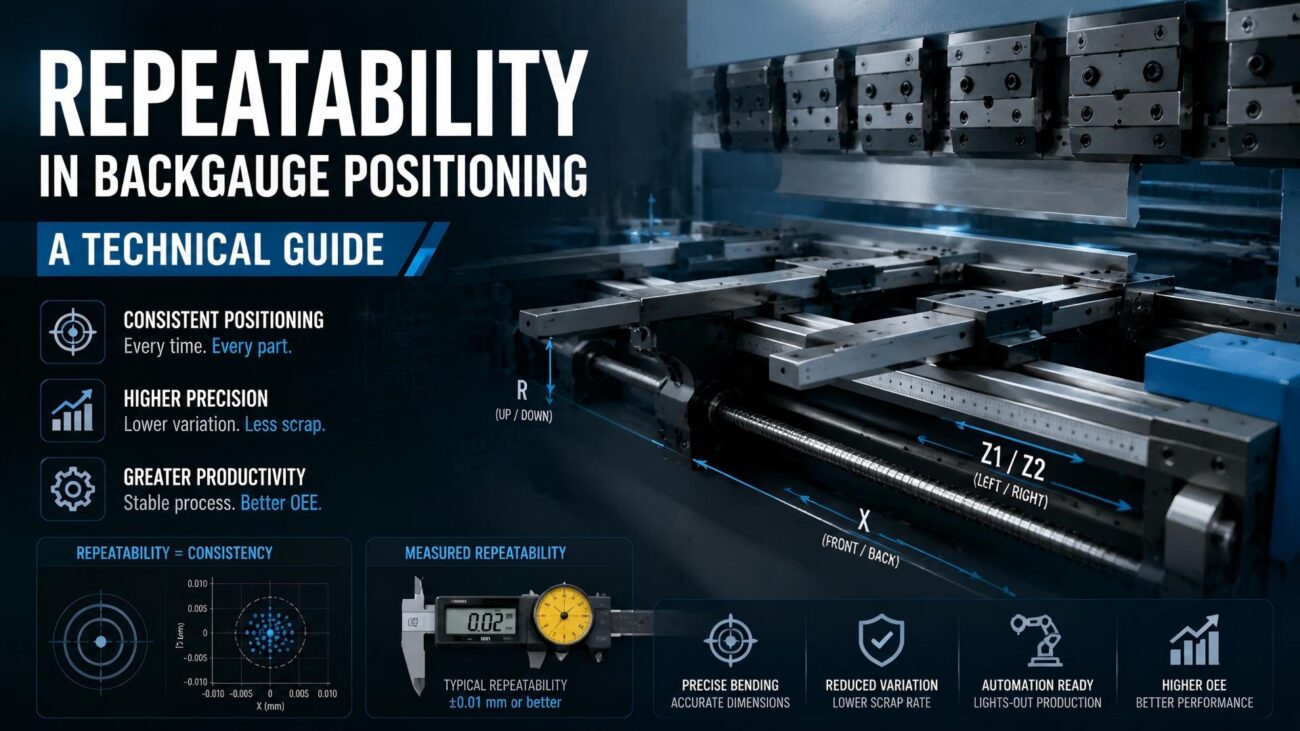
The primary components of a modern machine include the frame, the ram (Y1 and Y2 axes), the bed, the tooling (punches and dies), and the backgauge (X, R, and Z axes). The CNC controller acts as the brain, calculating the exact pressure and position required to achieve a specific angle based on material thickness, tensile strength, and die width. This level of control eliminates the trial-and-error approach common in manual operations.
Why a CNC Press Brake Matters in Sheet Metal Fabrication
In a competitive manufacturing landscape, the CNC press brake provides several strategic advantages:
- Precision and Repeatability: Once a program is validated, the machine can produce thousands of identical parts with micron-level accuracy.
- Complex Geometry: Advanced backgauge systems allow for the creation of intricate parts with multiple bends at different angles and orientations without removing the workpiece.
- Reduced Setup Time: Modern controllers store thousands of programs, allowing operators to switch between different jobs in minutes rather than hours.
- Waste Reduction: By accurately calculating bend deductions and springback, CNC systems minimize the amount of scrap metal produced during the prototyping phase.
In the era of precision manufacturing, the ability to maintain consistent bend angles across varying material batches is what separates a world-class fabrication shop from a standard job shop.
Key Factors to Consider in CNC Press Brake Selection
When evaluating a CNC press brake for an industrial facility, several technical specifications dictate its capability and ROI:
Tonnage Capacity
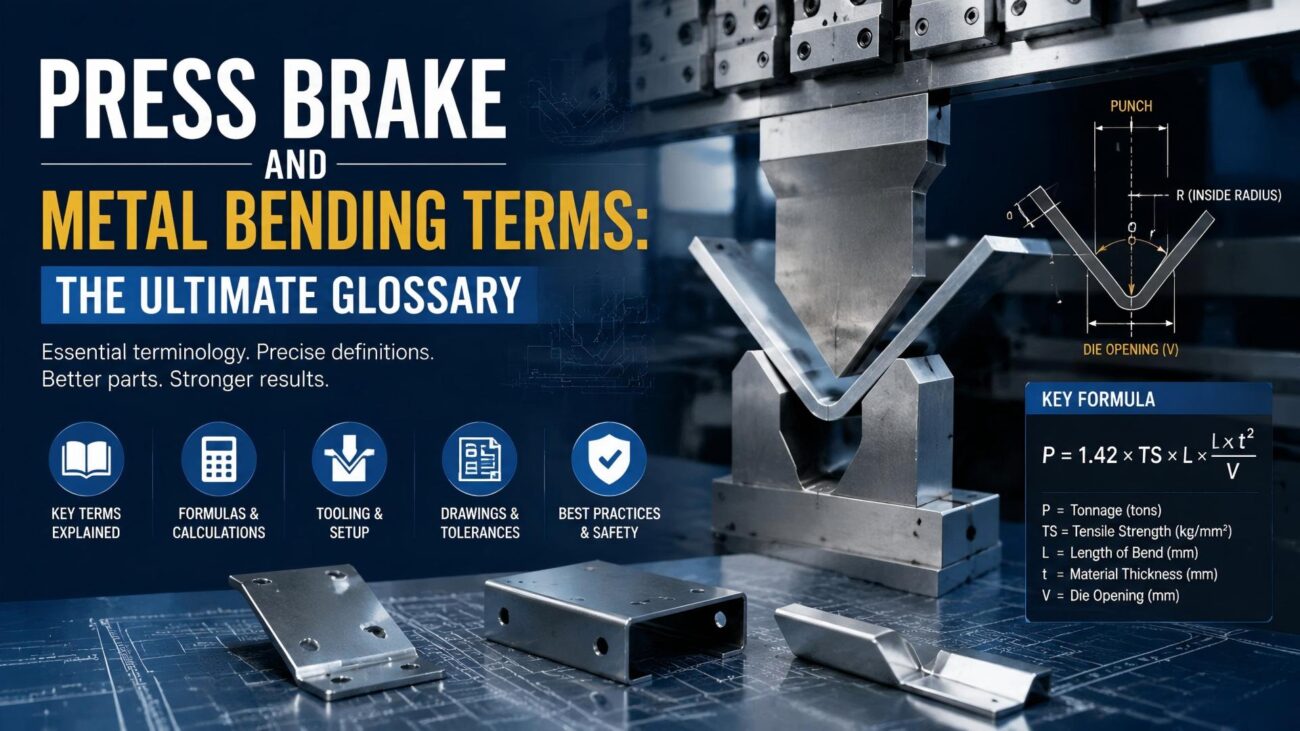
Tonnage is the amount of pressure the machine can exert. Choosing a machine with insufficient tonnage leads to incomplete bends or machine damage, while excessive tonnage for thin materials can lead to tool wear. Tonnage is typically calculated based on material thickness, length of the bend, and the V-opening of the die.
The Number of Controlled Axes

Standard CNC machines usually offer at least 3 axes (Y1, Y2, and X). However, high-end machines can feature 6 or even 8 axes. The X-axis controls the backgauge depth, the R-axis manages the height, and the Z-axes (Z1 and Z2) control the lateral position of the gauge fingers. More axes allow for more complex part handling without manual intervention.
Crowning Systems

Under high pressure, the bed and ram of a press brake can deflect slightly, leading to a canoe effect where the angle in the middle of the bend is wider than at the ends. A CNC-controlled crowning system compensates for this by slightly arching the bed upward, ensuring a perfectly straight bend across the entire length of the machine.
Technical Explanation and Tonnage Calculation
To operate a CNC press brake efficiently, an engineer must understand the physics of air bending. The force required to bend metal depends primarily on the material properties and the geometry of the tools. The most common formula used for calculating the required tonnage (P) in tons is:
P = (1.42 * TS * t^2 * L) / V
Where:
- P: Bending force (tons)
- TS: Tensile strength of the material (typically 45 kg/mm2 for mild steel)
- t: Material thickness (mm)
- L: Length of the bend (m)
- V: Die opening width (mm)
For example, if you are bending a 2-meter long piece of 3mm thick mild steel using a 24mm die opening, the calculation would look like this:
P = (1.42 * 45 * 3^2 * 2) / 24 = 47.9 Tons. Therefore, a 50-ton machine would be the absolute minimum, though a 100-ton machine is recommended to avoid running at maximum capacity constantly.
Comparison of Press Brake Drive Technologies
| Feature | Hydraulic Press Brake | Electric Press Brake | Hybrid Press Brake |
|---|---|---|---|
| Force Output | Very High (up to 3000+ tons) | Lower (usually up to 200 tons) | High (up to 1000 tons) |
| Energy Consumption | High (runs constantly) | Very Low (only when moving) | Moderate to Low |
| Speed | Standard | Very Fast | Fast |
| Maintenance | High (oil changes, seals) | Very Low | Moderate |
Step-by-Step Guide to Operating a CNC Press Brake
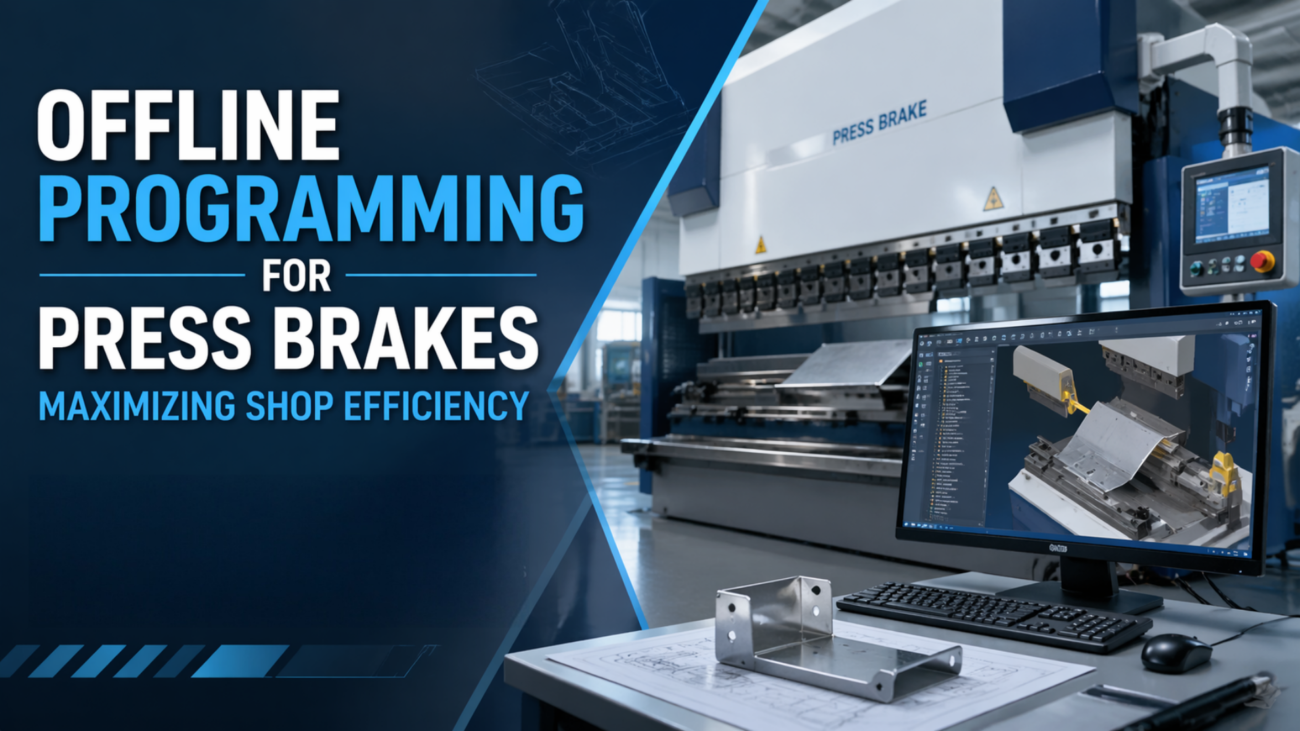
- Program Input: Load the CAD file into the CNC controller. The software will determine the bend sequence and calculate the required backgauge positions.
- Tooling Selection: Based on the material and bend radius, select the appropriate punch and die. Modern machines often use a QR code or RFID system to verify tool placement.
- Calibration: The Y1 and Y2 axes are homed to ensure the ram is perfectly level. The backgauge is calibrated to the zero point.
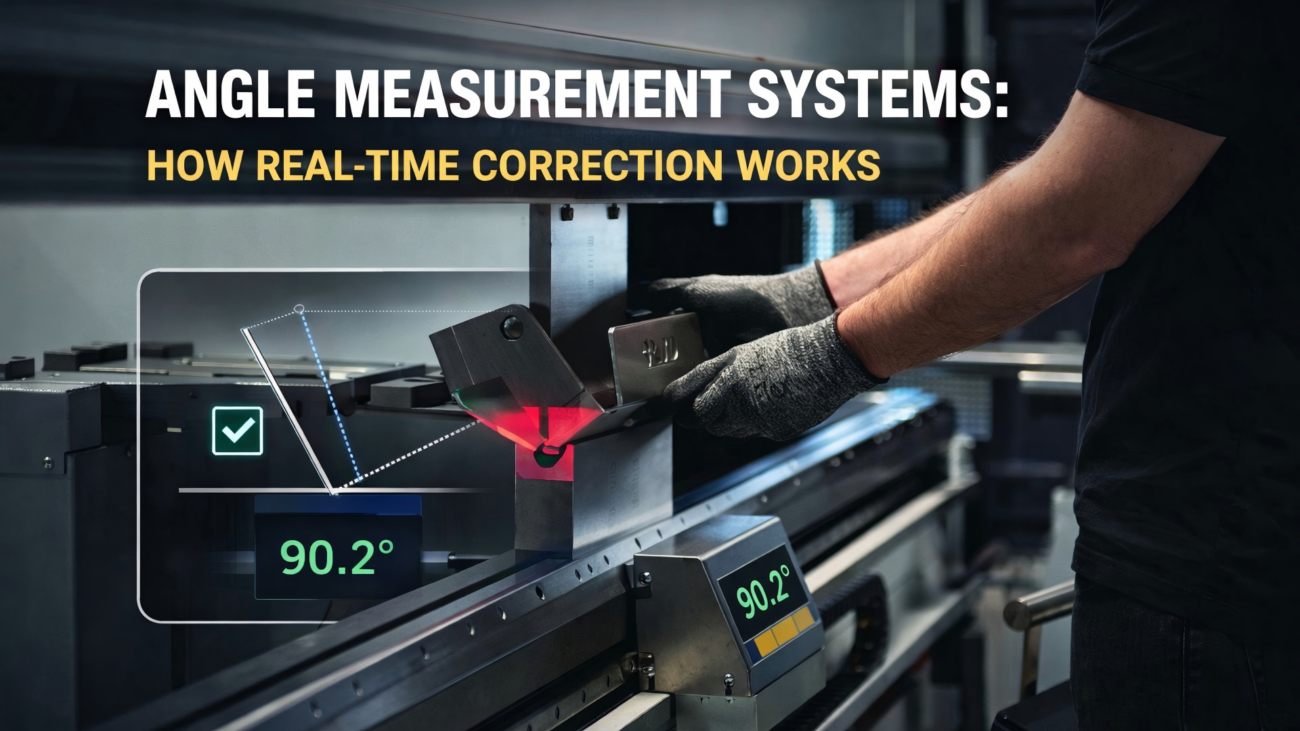
- Test Bend and Correction: Perform a sample bend on a scrap piece of the same material. Use a digital protractor to measure the angle and input any necessary corrections into the CNC controller.
- Production Run: Place the workpiece against the backgauge fingers. The CNC will automatically advance through each bend in the sequence, adjusting the ram depth and gauge position for each step.
Common Mistakes to Avoid
Even with advanced CNC technology, human error can lead to costly mistakes. Engineers should be wary of:
- Incorrect V-Opening Selection: Using a die opening that is too small for the material thickness significantly increases the required tonnage and can crack the material or the die.
- Ignoring Grain Direction: Metal has a grain direction from the rolling process. Bending against the grain can lead to cracking, while bending with the grain may result in a different angle than expected.
- Neglecting Lubrication: While CNC systems are automated, the physical tools require proper lubrication to prevent galling and ensure smooth sliding of the metal during the bend.
- Overlooking Springback: All metal tries to return to its original shape slightly after being bent. While CNC controllers estimate this, variations in material hardness between batches can require manual adjustment.
Reliability in the press brake process is not just a result of the software, but the synergy between precise mechanical maintenance and intelligent programming.
Industry Applications
The versatility of the CNC press brake makes it indispensable across various sectors:
- Aerospace: Production of lightweight aluminum structural components where precision is non-negotiable.
- Automotive: Forming chassis components, brackets, and internal panels with high repeatability for assembly lines.
- HVAC: Creating ductwork, furnace housings, and air conditioner cabinets from galvanized steel.
- Electronics: Fabrication of server racks, control panels, and specialized enclosures for sensitive equipment.
Conclusion
The CNC press brake has redefined the possibilities of sheet metal fabrication. By combining massive mechanical force with precise computer control, these machines allow manufacturers to produce complex, high-quality parts with minimal lead time. For those looking to invest, focusing on the drive system, axis configuration, and software compatibility is essential for ensuring long-term success. As automation continues to evolve, the integration of robotic arms with CNC press brakes is the next frontier, promising even higher levels of efficiency and safety in the modern factory.
FAQ
How do I choose the right die opening (V-width) for my CNC press brake?
The industry standard is to use a V-opening 8 times the thickness of the material for mild steel up to 3mm, and 10 to 12 times the thickness for thicker plates. A larger V-opening reduces required tonnage but increases the minimum flange length.
What is the difference between Y1 and Y2 axes?
Y1 and Y2 represent the two independent hydraulic or electric cylinders that drive the ram. By controlling them independently, the CNC can ensure the ram remains perfectly level or even tilt it slightly for specialized conical bending.
Why is crowning necessary in a CNC press brake?
Crowning compensates for the natural deflection of the machine’s frame under pressure. Without it, the middle of a long part would have a wider angle than the ends. CNC crowning systems use sensors to apply counter-pressure in real-time.
Can a CNC press brake bend stainless steel using the same settings as mild steel?
No. Stainless steel has a higher tensile strength and greater springback. You generally need about 50 percent more tonnage and more over-bending compared to mild steel of the same thickness.
What are the benefits of a 6-axis backgauge?
A 6-axis backgauge (X1, X2, R1, R2, Z1, Z2) allows for independent movement of each gauge finger. This is crucial for bending asymmetrical parts or parts where the bend lines are not parallel to each other.