Hybrid Press Brake: Combining Hydraulic Power and Servo Precision


In the evolving world of sheet metal fabrication, the Hybrid Press Brake offers a perfect balance between precision, energy efficiency, and faster cycle speeds. Traditionally, manufacturers chose between hydraulic power and all-electric precision. However, hybrid systems, combining servo-driven pumps with high-efficiency hydraulic circuits, now deliver power-on-demand, reducing thermal deformation and mechanical wear. This technology enhances Y1 and Y2 axis synchronization, achieving bending tolerances previously impossible with conventional systems. As material specifications evolve and energy costs rise, hybrid press brakes are emerging as the ideal solution for high-end manufacturing, setting a new standard for precision and performance in modern fabrication facilities.
Understanding the Basics
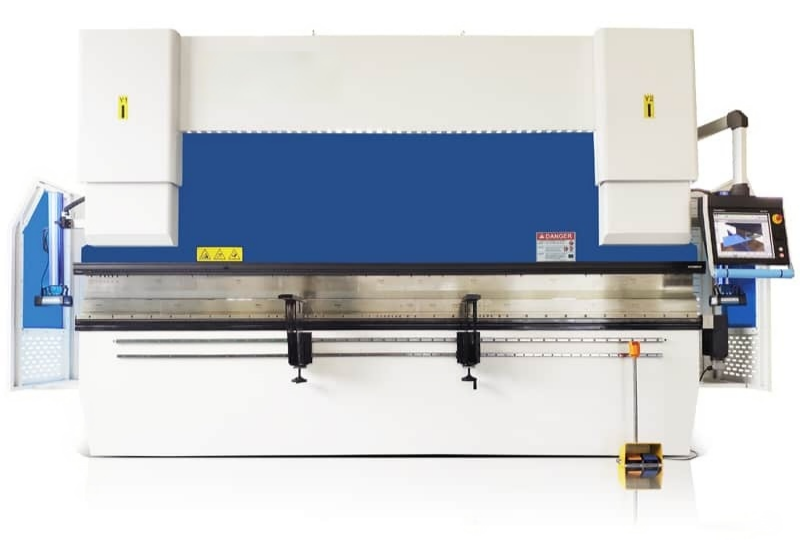
The Hybrid Press Brake features an advanced drive system that replaces traditional AC motors and constant-displacement pumps with a high-performance AC servo motor linked to a bi-directional internal gear pump. Unlike conventional hydraulic machines, where the motor runs continuously and excess oil is bypassed, the hybrid system adjusts the pump’s speed and direction in real-time using the servo motor. When the RAM is idle, the motor stops, minimizing energy consumption. During the bending cycle, the motor operates at precise RPMs, delivering the required oil flow and pressure for superior control, making the system more energy-efficient and precise in its performance.
Why Hybrid Press Brake Technology Matters in Sheet Metal Fabrication
The Hybrid Press Brake plays a critical role in modern manufacturing, especially when evaluating total cost of ownership (TCO). Its thermal stability is a key advantage, as the oil is only moved when required, maintaining a consistent temperature of 10-15°C above ambient levels. This prevents the thinning of hydraulic oil, which can cause inconsistent bending angles in traditional machines over time. Additionally, noise reduction is significant, with the hybrid machine operating at just 60-65 decibels and being nearly silent during idle periods, enhancing workshop ergonomics. For high-precision industries like aerospace and medical device manufacturing, the Y-axis repeatability (within +/- 0.002mm) ensures flawless production of complex multi-bend parts, reducing the need for manual corrections or excess scrap.
The hybrid press brake offers the high tonnage of hydraulic systems with the silent, surgical precision of electric drives, bridging the gap for heavy-duty precision manufacturing.
Key Factors to Consider
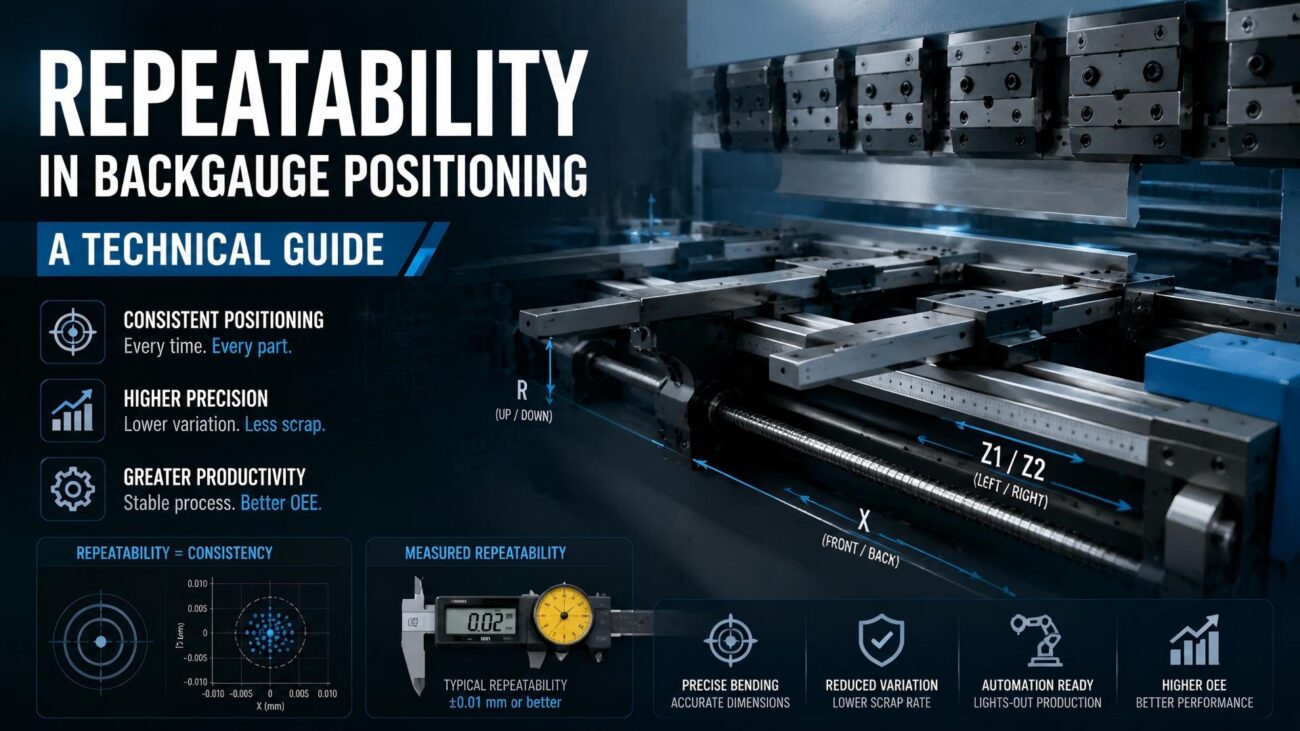
When procuring a hybrid press brake, several key factors must be considered. The servo-drive’s response time is critical, as the controller needs to process thousands of data points per second to adjust pump speed dynamically. The oil reservoir size is also important, as hybrid machines use 50% to 70% less hydraulic oil, reducing environmental impact and maintenance costs. The backgauge system must match high RAM precision with a 4, 5, or 6-axis backgauge and high-speed DC brushless motors to match cycle speed. Finally, the CNC control system must precisely calculate pressure for material thickness and bending radius, preventing over-tonnage that could damage tooling or the machine frame.
Technical Principles and Calculations for Hybrid Press Brake Systems
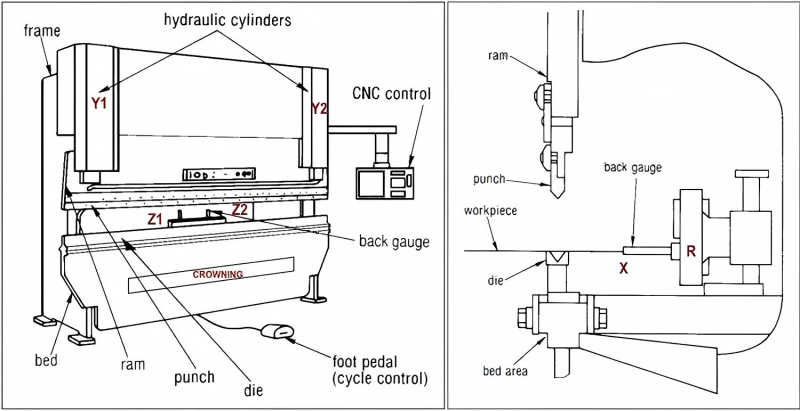
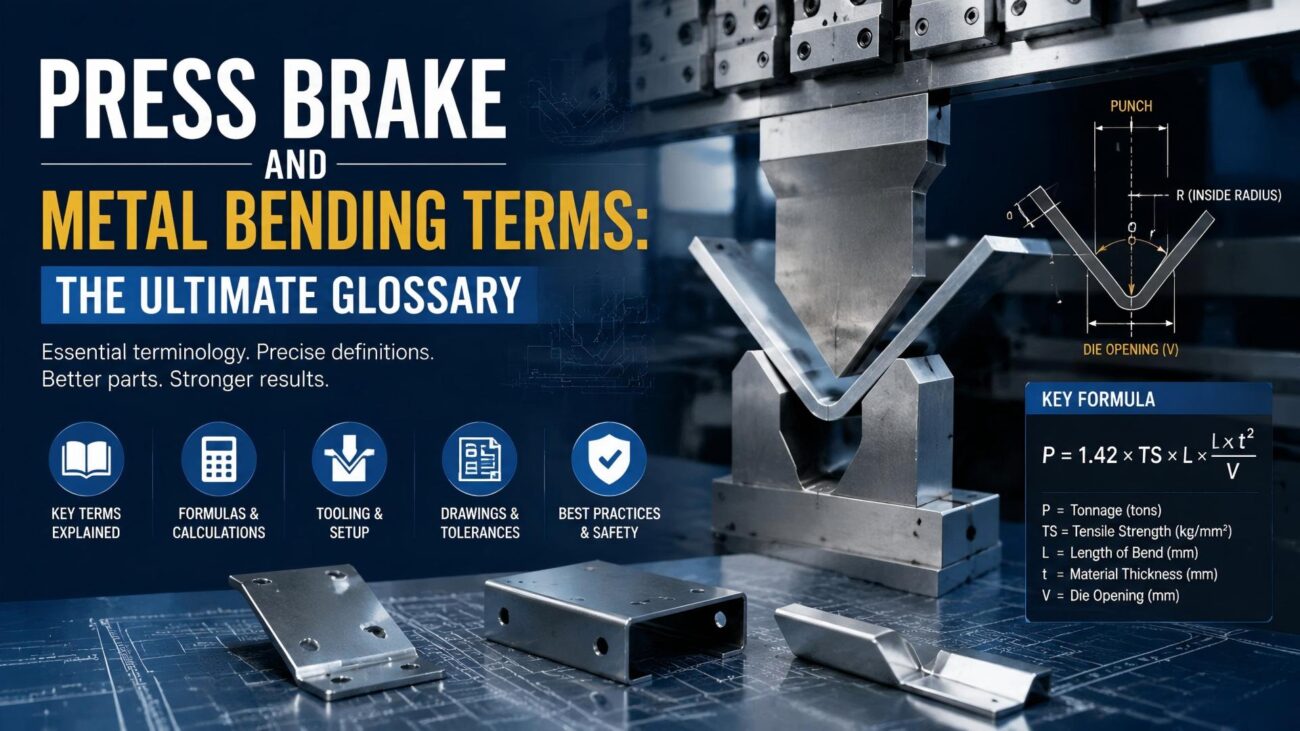
The engineering efficiency of a hybrid press brake is evident in its energy consumption and force calculation. Unlike traditional machines, which lose energy as heat (Q = m * c * deltaT), hybrid systems consume energy proportionally to the work performed. The required bending force (P) for air bending is calculated by P = (1.42 * UTS * L * s²) / V, where UTS is ultimate tensile strength, L is bend length, s is sheet thickness, and V is die opening width. The servo motor torque matches this force. Hybrid systems save energy; a traditional 100-ton press brake uses 7kW per hour, while a hybrid uses just 2.5kW, saving 9,000 kWh annually and reducing carbon footprint and costs.
Comparison of Modern Bending Technologies
Choosing the right technology requires a direct comparison of performance metrics. The following table highlights the differences between traditional hydraulic, all-electric, and hybrid press brake systems.
| Feature | Traditional Hydraulic | All-Electric Press Brake | Hybrid Press Brake |
|---|---|---|---|
| Energy Efficiency | Low (Constant motor run) | Very High (On-demand) | High (Servo-Pump) |
| Bending Force | Very High (up to 3000T) | Limited (usually <100T) | High (up to 1000T+) |
| Repeatability | +/- 0.01mm | +/- 0.001mm | +/- 0.002mm |
| Oil Volume | 100% (High Maintenance) | 0% (None) | 30-50% (Low Maintenance) |
| Operating Noise | High (>75dB) | Very Low (<60dB) | Low (62-65dB) |
Step-by-Step Guide to Implementing Hybrid Systems
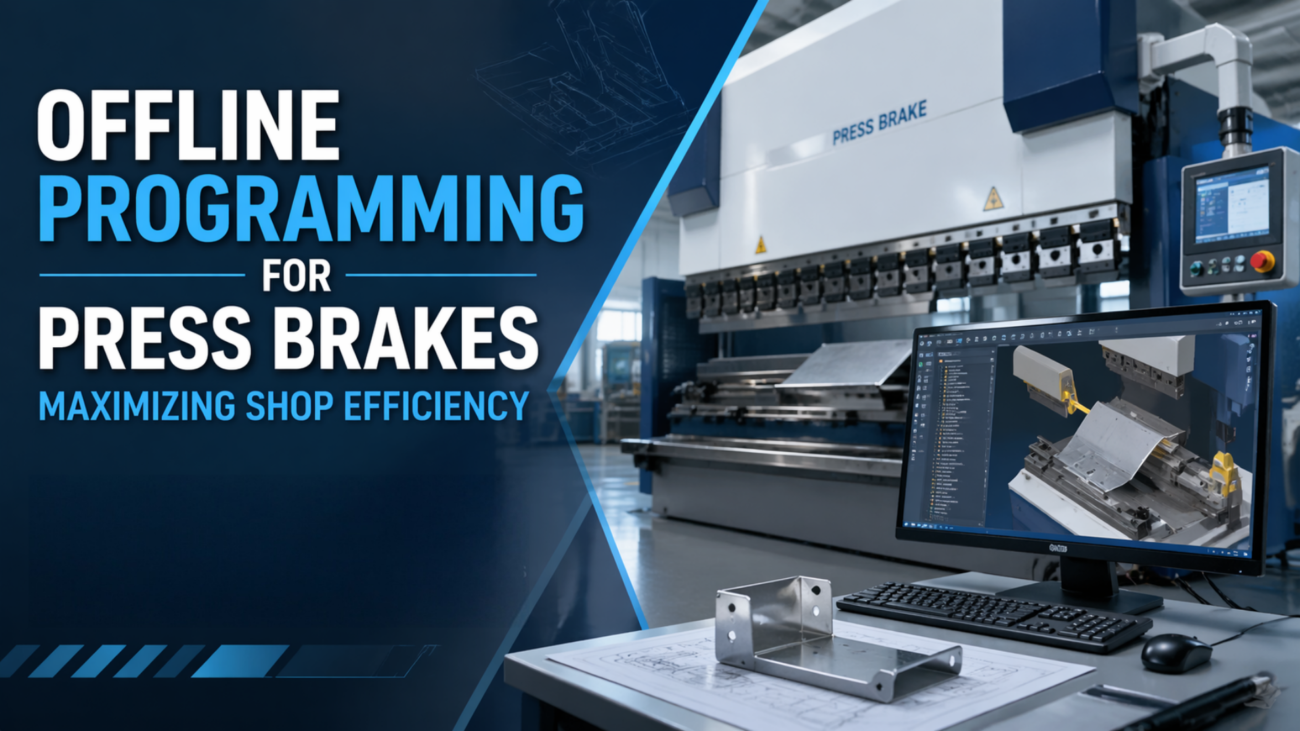
Transitioning to hybrid technology requires a structured approach to maximize ROI. Step 1: Material Audit – Analyze sheet thickness and material tensile strength to determine optimal tonnage. Step 2: Tooling Selection – Invest in high-quality, hardened, precision-ground tooling with a tolerance of +/- 0.01mm to ensure hybrid precision is not wasted. Step 3: Software Integration – Use 3D offline programming software to simulate the bending sequence, reducing setup time and enhancing Y-axis movement efficiency. Step 4: Calibration – Perform laser-checked calibration of the Y1 and Y2 axes upon installation to set the baseline for closed-loop control. Step 5: Operator Training – Train operators on the power-on-demand nature of the machine, ensuring they understand that no motor noise does not mean the machine is off.
Common Mistakes to Avoid with a Hybrid Press Brake
A common mistake operators make is neglecting the maintenance needs of a hybrid system. Despite using less oil, the quality of the hydraulic fluid is crucial. Low-grade oil can cause cavitation in the high-speed gear pumps, leading to premature failure. Another error is ignoring backgauge calibration; misalignment in the backgauge magnifies in the final part geometry due to the precise RAM. Engineers also often overlook the machine’s speed. Hybrid systems have faster approach and return speeds, requiring updated safety protocols and light curtain configurations. Finally, assuming a hybrid machine doesn’t need a cooling system is incorrect. While it generates less heat, proper ventilation is essential for the servo drives and electrical cabinet to maintain component longevity.
Industry Applications for Hybrid Systems
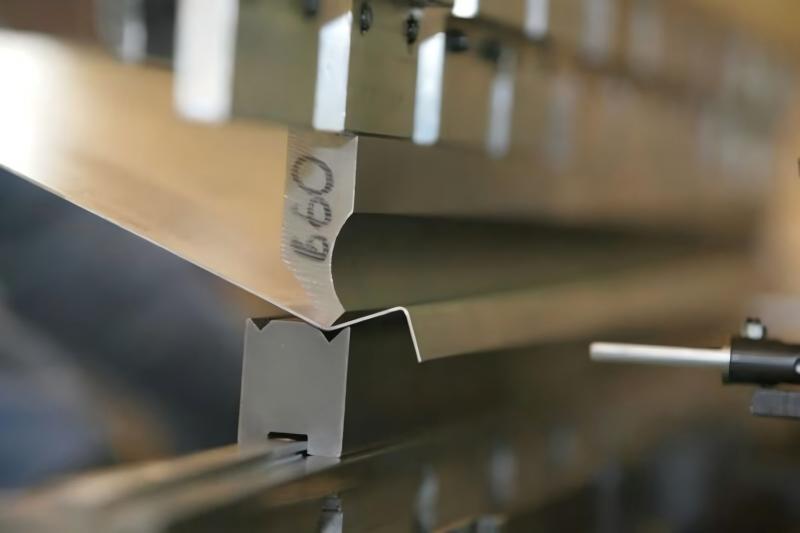
The versatility of hybrid press brake technology makes it ideal for a variety of demanding sectors. In the automotive industry, it is used for high-strength steel structural components where consistent bending angles are vital for downstream robotic welding. In the electronics sector, hybrid machines excel at forming thin aluminum enclosures for servers and telecommunications equipment, where aesthetic finish and tight tolerances are paramount. The elevator and escalator industry also utilizes hybrid machines for forming long panels, benefiting from the high tonnage and energy savings during long production runs. Even in heavy machinery manufacturing, hybrid systems are being used for complex plate work where the operator needs the sensitivity of a servo-motor to perform incremental.
FAQ
How much energy can I save with a hybrid press brake compared to a traditional one?
On average, a hybrid press brake consumes 60% to 70% less energy than a traditional hydraulic machine because the motor only runs during the actual movement of the RAM.
Does a hybrid press brake require special hydraulic oil?
Yes, hybrid systems typically require high-quality, high-viscosity-index hydraulic oil to ensure the servo-pump operates efficiently at varying speeds without cavitation.
Is the bending speed of a hybrid machine faster than a hydraulic one?
Generally, yes. The servo control allows for faster approach and return speeds (up to 200mm/s), significantly reducing total cycle times.
Can I achieve better angle accuracy with hybrid technology?
Yes, the closed-loop servo-pump system provides Y-axis repeatability of +/- 0.002mm, which translates to much higher angular consistency in the finished part.
What is the lifespan of the servo-motor in these machines?
High-quality AC servo motors used in hybrid press brakes are designed for millions of cycles and typically last 10-15 years with minimal maintenance in a standard production environment.