The Role of Hydraulic Fluid in Press Brake Performance and Longevity


Hydraulic Fluid in Press Brake systems plays a critical role in ensuring stable performance and precise bending results. In modern sheet metal fabrication, where accuracy and consistency are essential, the hydraulic fluid acts as more than just a working medium—it is the foundation of power transmission, heat dissipation, and internal lubrication. A press brake must deliver immense force while maintaining micron-level precision, making the fluid’s viscosity, cleanliness, and thermal stability extremely important. Any variation in fluid properties can directly affect bending repeatability and machine reliability. Therefore, engineers and factory managers should treat hydraulic fluid as a key component of the system, not simply a consumable, to ensure long-term efficiency and performance.
Understanding Hydraulic Fluid in Press Brake Performance Basics
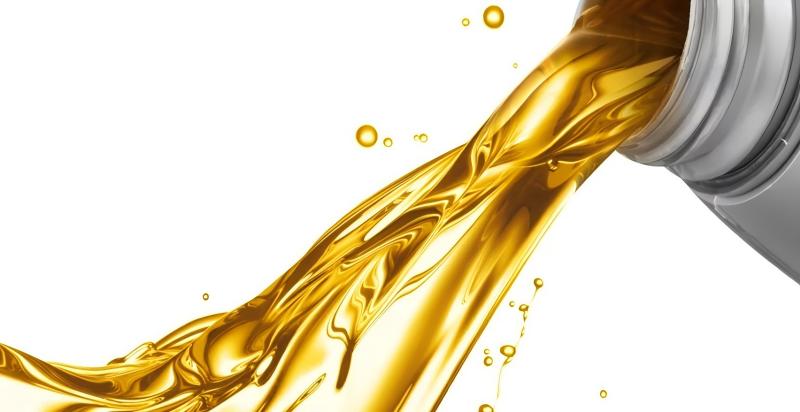
Hydraulic fluid in press brake systems is a multifunctional medium designed to efficiently transmit energy throughout the machine. As an incompressible fluid, it converts pump-generated power into precise linear force at the ram. However, in modern press brakes equipped with proportional valves and high-precision cylinders, the fluid must do much more than basic power transfer. It needs to maintain consistent viscosity under varying temperatures, provide effective lubrication to reduce component wear, and resist contamination from air and moisture. Typically, mineral-based hydraulic oil is composed of about 99% base oil and 1% additives, such as anti-wear agents, oxidation inhibitors, and defoamers. The stability of these components is essential for maintaining performance and extending machine lifespan.
Why Hydraulic Fluid in Press Brake Performance Matters for Industrial Precision
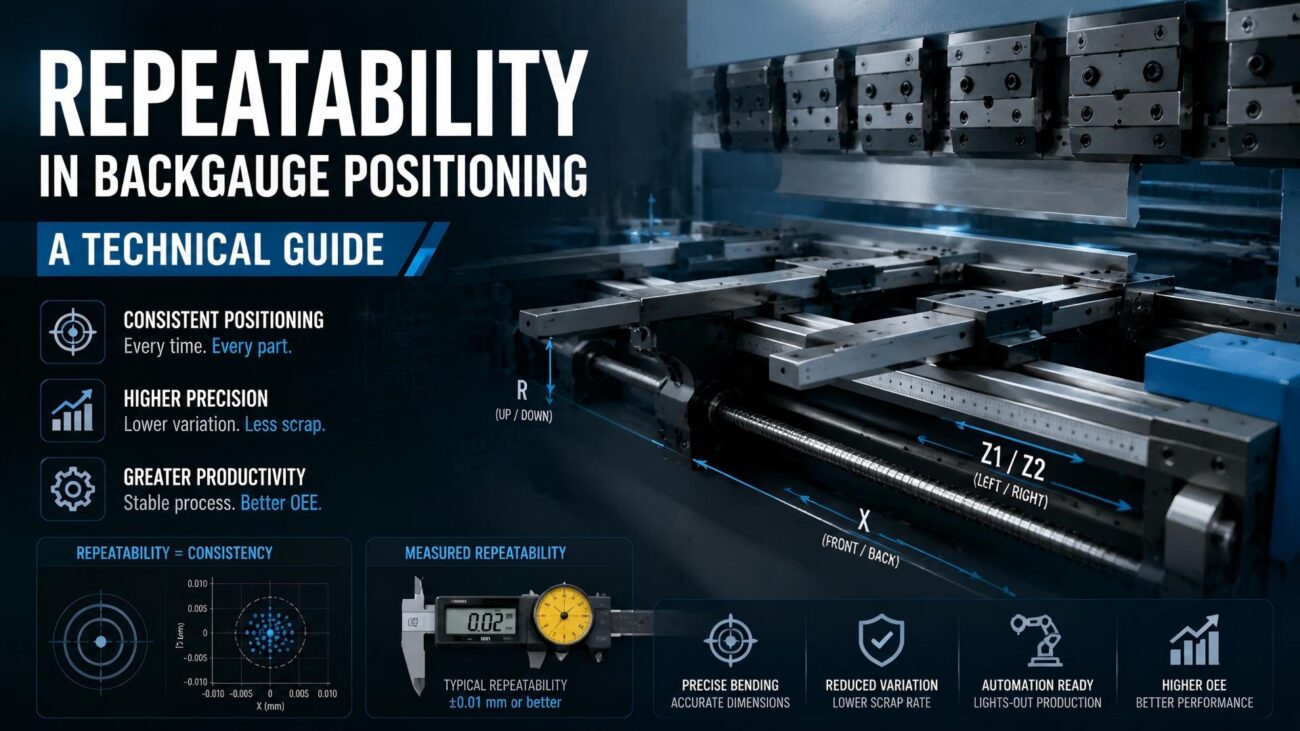
The precision of a CNC press brake relies heavily on the responsiveness of its hydraulic system, particularly proportional or servo-hydraulic valves. These components regulate oil flow with extreme accuracy to maintain ram synchronization and achieve tight tolerances, often within 0.01 mm. When hydraulic fluid becomes contaminated or degraded, performance is immediately affected. Air entrainment can alter the fluid’s bulk modulus, creating a compressible, “spongy” response that causes unstable ram positioning and inconsistent bending angles. Additionally, fluid degradation reduces shear stability, breaking down molecular structure under high pressure. This leads to lower viscosity, increased internal leakage, and reduced tonnage output, ultimately compromising both precision and machine efficiency.
Contamination is the silent killer of hydraulic systems, accounting for up to 80 percent of component failures in high-precision machinery.
Key Factors for Hydraulic Fluid in Press Brake Performance and Efficiency
Several key technical factors determine how well hydraulic fluid supports press brake performance. The most critical is viscosity. If it is too high, internal friction increases, resulting in higher energy consumption and slower system response. If it is too low, the fluid cannot maintain an adequate lubrication film, causing metal-to-metal contact and accelerated wear. Cleanliness is another essential factor. Modern press brakes require hydraulic oil that meets strict ISO 4406 standards, as even tiny particles can damage valve components and reduce control accuracy. In addition, thermal stability is crucial. The fluid must resist oxidation and varnish formation under high temperatures to ensure smooth valve operation and long-term system reliability.
Technical Explanation and Engineering Calculations
To understand how hydraulic fluid affects performance, it is essential to examine the relationship between pressure, flow, and force. The tonnage generated by a press brake depends on system pressure and piston area, expressed as: Force = Pressure × Area. When hydraulic fluid degrades, internal leakage within pumps and cylinders increases, reducing the effective force delivered. This leakage is strongly influenced by viscosity—lower viscosity leads to higher flow loss, which can rise dramatically under high pressure conditions. As a result, the actual tonnage applied to the workpiece decreases. Additionally, fluid properties impact flow behavior. Maintaining laminar flow, determined by the Reynolds number, is critical for stable valve control and smooth ram movement during precision bending operations.
Comparison of Common Hydraulic Fluid Types

Not all hydraulic fluids are suitable for every press brake environment. The following table compares common types used in the industry.
| Fluid Type | Advantages | Disadvantages | Best Use Case |
|---|---|---|---|
| Mineral-Based Oil (HM/HLP) | Cost-effective, excellent lubrication, widely available. | Flammable, limited temperature range. | Standard factory environments. |
| Synthetic Esters (HEES) | Biodegradable, high viscosity index, excellent thermal stability. | Higher cost, may affect certain seal materials. | High-precision, high-duty cycle machines. |
| Water-Glycol (HFC) | Fire-resistant, excellent cooling properties. | Lower lubrication quality, requires frequent monitoring. | High-heat environments or near welding stations. |
For most CNC press brakes, a high-quality mineral oil with a high Viscosity Index (VI) is the industry standard. This ensures that the fluid’s thickness remains relatively constant whether the machine is just starting up in a cold morning or has been running for eight hours in a warm shop.
Step-by-Step Guide to Maintaining Hydraulic Fluid Quality
Proper hydraulic fluid in press brake management is essential for maintaining press brake performance and longevity. First, always select oil that meets the manufacturer’s specifications, typically ISO VG 32 or 46 with strong anti-wear properties. Second, pre-filtration is critical—new oil should be filtered through a 3–5 micron filter cart before entering the system to ensure cleanliness. Third, implement regular monitoring through oil analysis at least twice a year to detect contamination, acidity, or wear particles early. Temperature control is also important; the fluid should operate within an optimal range of 40–50°C to maintain stability. Finally, replace system filters regularly based on operating hours or clogging indicators to ensure consistent performance.
Common Mistakes to Avoid
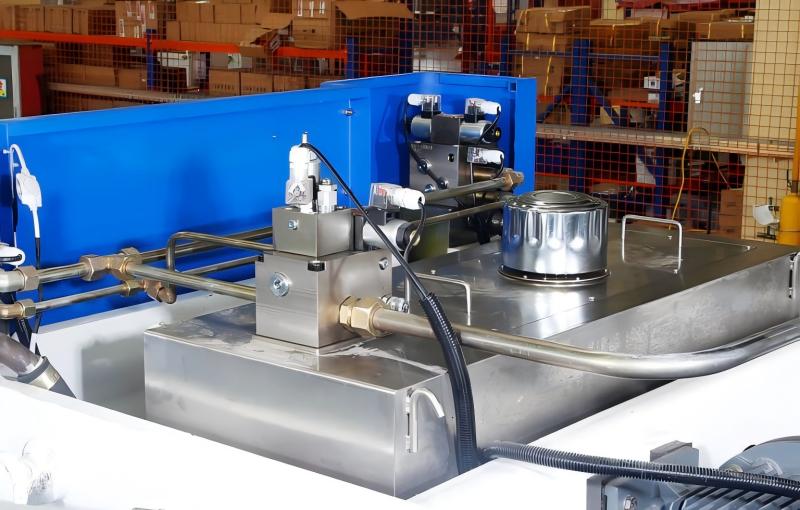
A common mistake in hydraulic system maintenance is mixing different brands or grades of oil. Even if the viscosity is similar, incompatible additive packages can react and form sludge, quickly clogging filters and damaging components. Another frequently overlooked issue is the reservoir air breather. If it is blocked or missing, dust and moisture can enter the system, leading to contamination and reduced fluid performance. In addition, operators often ignore visual and sensory signs of oil degradation. A burnt odor or dark, cloudy appearance typically indicates oxidation and chemical breakdown. When these signs appear, the fluid should be replaced immediately to protect critical components such as proportional valves.
Industry Applications and Real-World Scenarios
In heavy-duty industries such as shipbuilding or construction equipment manufacturing, press brakes often operate above 1000 tons, placing extreme demands on hydraulic fluid performance. In these conditions, the fluid must effectively manage high thermal loads; otherwise, instability can lead to issues like ram drift, creating serious safety risks. In contrast, industries such as electronics and aerospace rely on smaller, high-speed press brakes where fluid cleanliness is critical for precise valve response and fast cycle times. Even minor contamination can disrupt performance. For example, one fabrication shop traced a 5% defect rate in 90-degree bends to water contamination, which caused intermittent pump cavitation and inconsistent bending results.
Conclusion
The health of a hydraulic system is the foundation of high-quality sheet metal fabrication. By understanding the critical role of hydraulic fluid in press brake Performance, manufacturers can transition from reactive maintenance to a proactive strategy that ensures maximum uptime and precision. Investing in high-quality fluid, rigorous filtration, and regular analysis not only protects the machine’s expensive components like pumps and proportional valves but also guarantees the consistency of the final product. For factory managers, the goal is simple: keep the oil clean, cool, and dry to ensure the press brake remains a high-performance asset for decades.
FAQ
How often should the hydraulic fluid in press brake be replaced?
Typically, hydraulic fluid should be replaced every 2,000 to 4,000 operating hours. However, the best practice is to perform oil analysis every 6 months to determine the fluid’s actual condition, as high-duty cycles may require more frequent changes.
What is the risk of using the wrong viscosity grade?
Using oil that is too thin (low viscosity) increases internal leakage and wear, while oil that is too thick (high viscosity) causes sluggish response, higher energy consumption, and potential cavitation in the pump during cold starts.
Can I mix two different brands of ISO VG 46 hydraulic oil?
It is not recommended. Even if the viscosity is the same, different brands use different chemical additive packages. Mixing them can cause the additives to fall out of suspension, leading to sludge formation and filter clogging.
What does milky or cloudy hydraulic oil indicate?
Cloudy or milky oil is a clear sign of water contamination. This reduces the fluid’s lubrication ability, causes rust in internal components, and can lead to ice formation or steam pockets in high-pressure areas.
Why is the ISO 4406 cleanliness code important for CNC press brakes?
CNC press brakes use proportional valves with extremely tight clearances (1-5 microns). The ISO 4406 code measures particle concentration; if the oil is too dirty, these particles will jam or erode the valves, causing inaccurate bending.