How Much Does a Press Brake Cost? Full Price Guide for Buyers


Introduction to Press Brake Investment
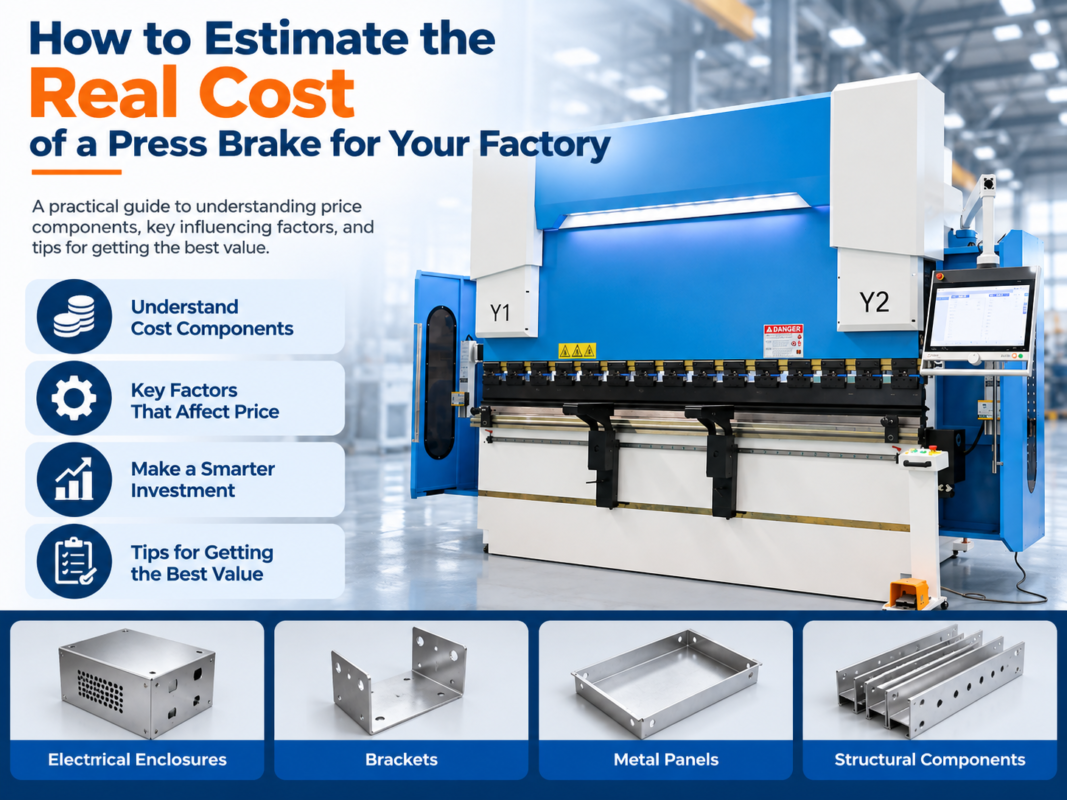
In the world of metal fabrication, the press brake is a cornerstone of production. Whether you are a small job shop or a large-scale industrial manufacturer, the question of Much Does A Press Brake Cost? Full Price Buyers often leads to a complex web of variables. Investing in a press brake is not just about the sticker price; it is about understanding the long-term value, the technical capabilities required for your specific projects, and the operational costs that follow the initial purchase.
HARSLE understands that purchasing a press brake is a significant capital expenditure. This guide is designed to demystify the pricing structures of modern bending machines, providing a clear roadmap for buyers to navigate the market. From entry-level manual machines to high-end, multi-axis CNC systems, we will break down every factor that influences the final invoice. By the end of this guide, you will have a comprehensive understanding of how to budget for your next machine and how to ensure you are getting the best return on investment (ROI).
Price Range Overview: What to Expect
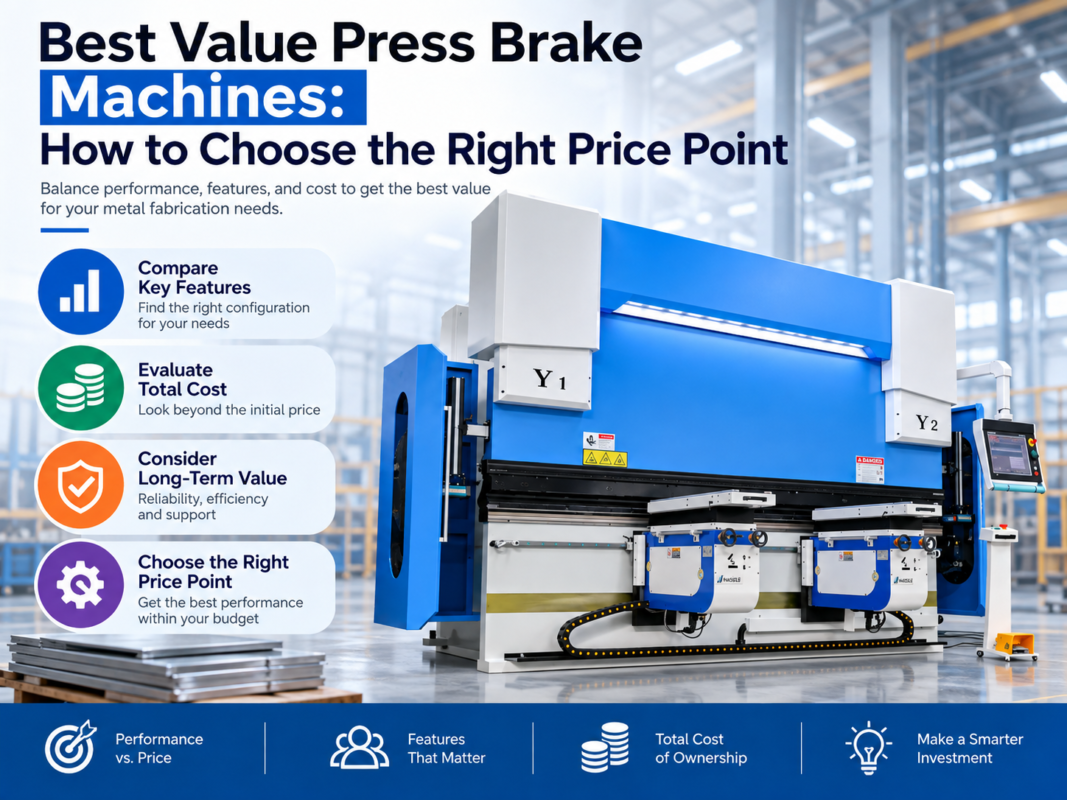
The price of a press brake can range from as little as $5,000 for a basic manual machine to over $500,000 for a highly automated, large-format robotic cell. To provide a useful Much Does A Press Brake Cost? Full Price Buyers overview, we must categorize these machines based on their technology and capacity.
Entry-Level and Manual Press Brakes ($5,000 – $15,000)
Manual or mechanical press brakes are the most affordable options. These are typically used for light-gauge materials and simple bends. They lack the precision of hydraulic or electric systems and are often found in hobbyist shops or maintenance departments where high-volume production is not a priority. While the initial cost is low, the labor cost per part is significantly higher due to manual setup and slower operation.
NC (Numerical Control) Torsion Bar Press Brakes ($15,000 – $35,000)
NC press brakes utilize a torsion bar to maintain parallelism between the cylinders. These machines usually feature a simple controller (like the E21 or E300) that manages the backgauge (X-axis) and the stroke depth (Y-axis). They are excellent for shops that need consistent results on standard parts but do not require the complex multi-angle bending capabilities of full CNC systems. HARSLE offers a range of NC machines that provide a perfect balance between affordability and industrial-grade durability.
Standard CNC Hydraulic Press Brakes ($40,000 – $120,000)
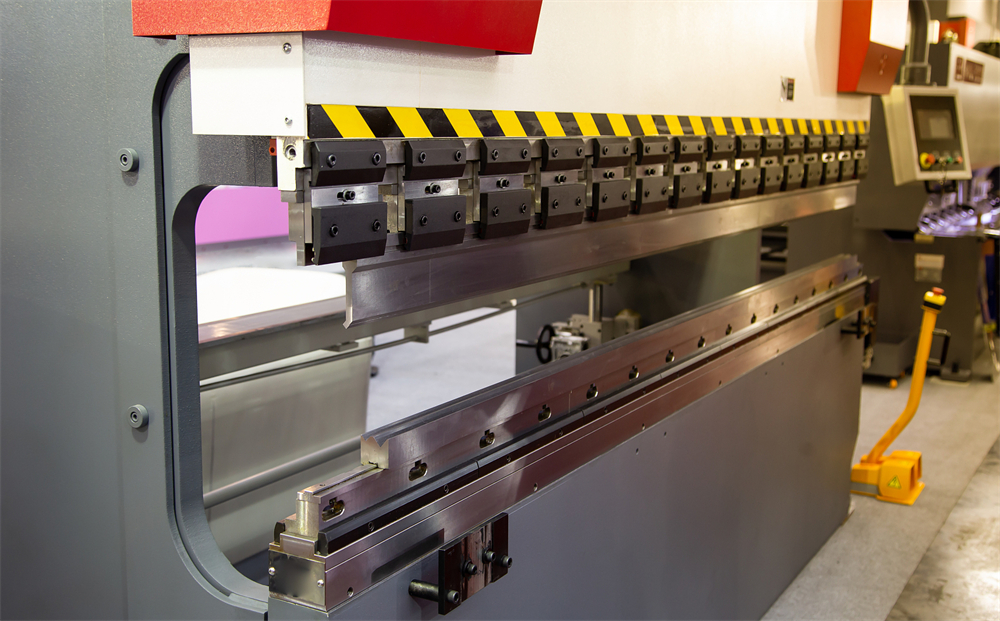
This is the most common category for professional fabrication shops. These machines feature electro-hydraulic synchronization, meaning each cylinder is controlled independently by a CNC system for extreme precision. Prices in this range vary based on tonnage (usually 63T to 200T) and bending length (2 meters to 4 meters). These machines often include 3 to 5 axes of control and advanced software integration.
High-End and Large-Format CNC Systems ($150,000 – $500,000+)
When you move into heavy-duty fabrication (400T to 2000T) or specialized high-speed production, the costs escalate. These machines feature 6 to 10 axes, specialized crowning systems, robotic integration, and advanced laser angle measurement systems. They are designed for 24/7 operation and maximum throughput with minimal human intervention.
Main Cost Drivers: What Are You Paying For?
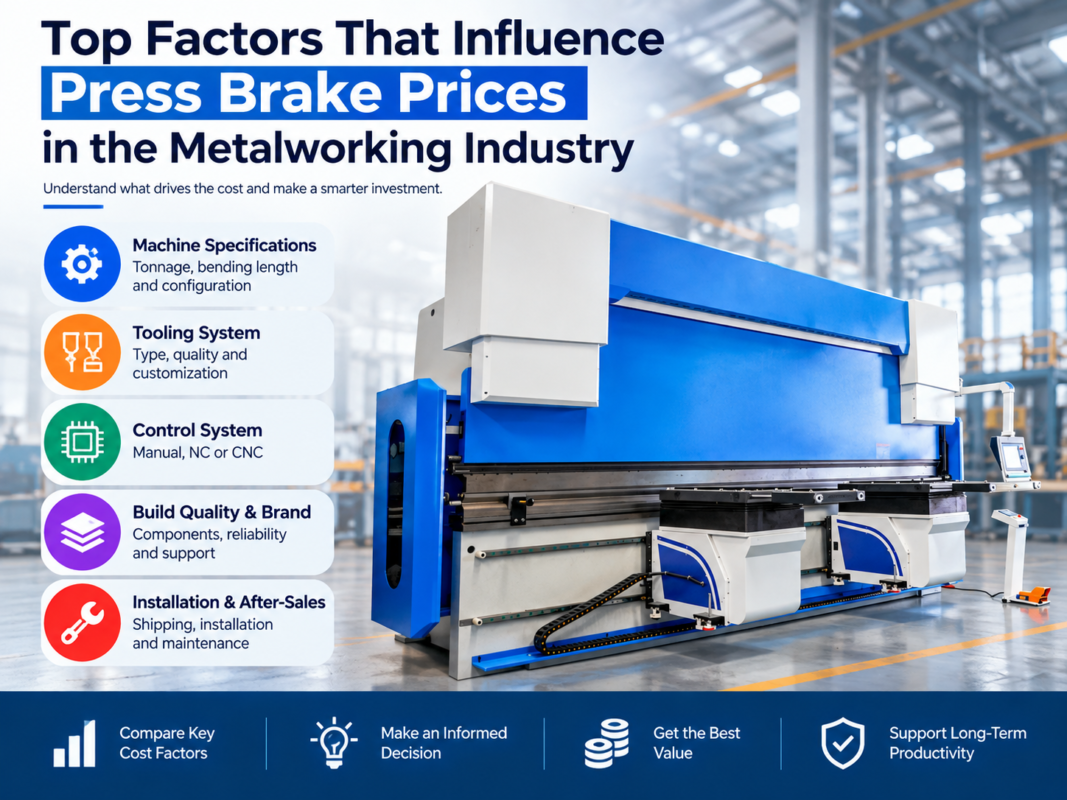
Understanding Much Does A Press Brake Cost? Full Price Buyers requires looking under the hood. Several primary factors dictate the price of a machine.
1. Tonnage and Bending Length
The most fundamental specifications are tonnage (the pressing force) and length (the maximum width of the sheet metal). A 40-ton machine is significantly cheaper than a 400-ton machine because the latter requires a much heavier frame, larger hydraulic cylinders, and more robust components to handle the immense pressure. Similarly, a 6-meter bed requires more material and more complex synchronization than a 2-meter bed.
2. The Control System (The Brain)
The CNC controller is a major price driver. Basic controllers handle simple movements, while high-end controllers like Delem (DA-66T, DA-69T), Cybelec, or ESA offer 3D visualization, offline programming, and real-time error correction. A top-tier controller can add $10,000 to $25,000 to the machine’s price but significantly reduces setup time and operator error.
3. Number of Axes
A standard machine might have 3 axes (Y1, Y2, X). However, complex parts require more movement. Adding an R-axis (vertical backgauge movement), Z1/Z2 axes (lateral finger movement), or Delta-X axes increases the machine’s versatility but also its price. Each additional axis involves servo motors, precision ball screws, and controller upgrades.
4. Drive System: Hydraulic vs. Servo-Electric
Traditional hydraulic systems are powerful and cost-effective for high tonnage. However, servo-electric press brakes are gaining popularity. They are faster, more energy-efficient, and more accurate, but they typically cost 20% to 40% more than a comparable hydraulic machine. The trade-off is found in lower utility bills and higher production speeds.
Configuration Impact: Customizing Your Machine
The base price of a press brake is rarely the final price. Configuration choices can swing the cost by tens of thousands of dollars.
Tooling Packages
A press brake is useless without punches and dies. Standard tooling might be included, but specialized applications (like deep boxes or heavy-duty plate bending) require custom or hardened tooling. High-quality precision-ground tooling is an investment that ensures the longevity of the machine and the accuracy of the parts.
Crowning Systems
When bending long sheets, the machine frame can deflect, causing the bend angle to vary across the length. A crowning system compensates for this. Manual crowning is cheaper, but motorized CNC crowning, which adjusts automatically based on the controller’s calculations, is essential for high-precision work and adds to the cost.
Safety Systems
Safety is paramount in modern manufacturing. Basic light curtains are affordable, but advanced laser protection systems (like DSP or LazerSafe) allow the machine to operate at high speeds while ensuring the operator’s hands are protected. These systems are often a required investment for compliance with local safety regulations.
Hidden Costs: Beyond the Sticker Price
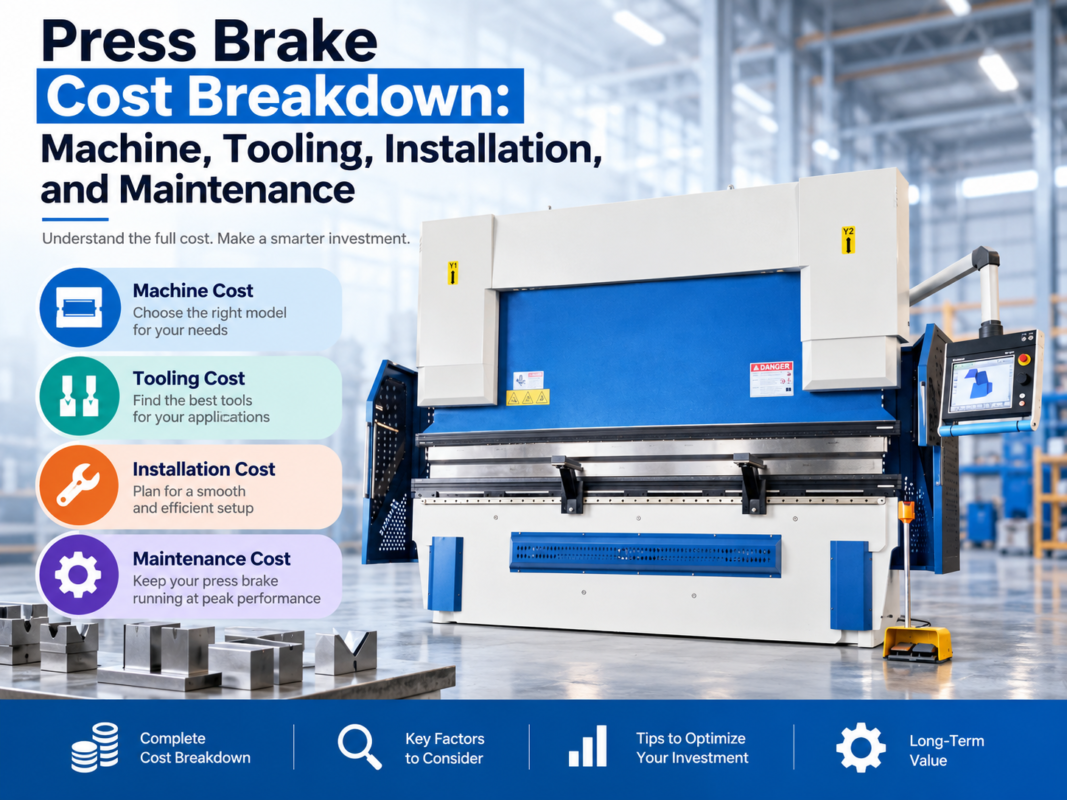
When calculating Much Does A Press Brake Cost? Full Price Buyers, many first-time owners overlook the “soft costs” associated with bringing a machine into the shop.
- Shipping and Logistics: Press brakes are incredibly heavy. Freight costs, especially for international shipping, can be significant. You also need to consider the cost of a crane or heavy-duty forklift to move the machine from the truck to its final position.
- Installation and Commissioning: Most CNC machines require a factory-trained technician to level the machine, calibrate the axes, and perform the initial setup. This service often costs between $2,000 and $5,000.
- Training: Your operators need to know how to use the new controller and software. While some manufacturers include basic training, advanced CAD/CAM software training may be an additional expense.
- Foundation Requirements: Large tonnage machines (typically over 300 tons) may require a reinforced concrete pit or a specialized foundation to handle the concentrated weight and vibration.
- Electricity and Maintenance: High-tonnage hydraulic machines consume significant power. Additionally, regular maintenance (oil changes, filter replacements, and seal inspections) must be budgeted to prevent costly downtime.
ROI Calculation: Justifying the Expense
A $100,000 press brake might seem expensive, but if it replaces two older machines and reduces scrap by 15%, the ROI can be achieved in less than two years. To calculate ROI, consider the following:
- Labor Savings: How many hours are saved in setup time due to the CNC controller?
- Scrap Reduction: How much money is saved by getting the bend right the first time?
- Increased Capability: Does the new machine allow you to take on jobs you previously had to outsource?
- Energy Efficiency: If choosing a servo-hybrid or electric model, what are the monthly savings on the power bill?
HARSLE machines are engineered to maximize these factors, providing high-speed operation and user-friendly interfaces that lower the barrier to entry for new operators, further reducing labor costs.
Buying Advice: How to Choose the Right Machine
When you are ready to buy, follow this checklist to ensure you get the best value for your Much Does A Press Brake Cost? Full Price Buyers investment:
- Define Your Maximums: Don’t buy a machine for your average job; buy it for your hardest job. What is the thickest material and the longest bend you will realistically perform?
- Check the Frame Construction: A heavy, stress-relieved steel frame is essential for long-term accuracy. Avoid machines that look “light” for their rated tonnage.
- Evaluate the Controller: Ensure the controller is widely supported and has the features you need. Delem and Cybelec are industry standards for a reason.
- Consider After-Sales Support: A cheap machine becomes very expensive if you can’t get parts or technical support when it breaks down. HARSLE prides itself on global support and readily available spare parts.
- New vs. Used: While used machines are cheaper, they often come with hidden wear and outdated controllers. A new HARSLE machine often provides better long-term value through warranty protection and modern efficiency.
Comparison Table: Press Brake Types and Estimated Costs
| Machine Type | Typical Tonnage | Estimated Price (USD) | Best For |
|---|---|---|---|
| Manual/Mechanical | 10T – 30T | $5,000 – $15,000 | Hobbyists, Small Repairs |
| NC Torsion Bar | 30T – 200T | $15,000 – $35,000 | Simple, Repetitive Bends |
| Standard CNC Hydraulic | 40T – 250T | $40,000 – $100,000 | General Fabrication, High Precision |
| Servo-Electric | 20T – 100T | $60,000 – $150,000 | High Speed, Small Parts, Green Energy |
| Heavy-Duty CNC | 400T – 2000T | $150,000 – $500,000+ | Infrastructure, Shipbuilding, Mining |
Frequently Asked Questions (FAQ)
1. Why is there such a big price difference between NC and CNC?
NC machines use a mechanical link (torsion bar) to keep the machine level, which is cheaper to build but less flexible. CNC machines use independent hydraulic valves and electronic sensors for each cylinder, allowing for much higher precision, automatic tilt for tapered bends, and better integration with complex software.
2. Is it worth paying extra for a Delem controller?
For most professional shops, yes. Delem controllers are the industry standard. They are intuitive, offer powerful 2D/3D simulation, and most experienced operators already know how to use them, which reduces training time.
3. How much should I budget for tooling?
As a rule of thumb, budget an additional 10% to 15% of the machine’s cost for a versatile starting set of tooling. This will cover a variety of V-dies and standard punches for different material thicknesses.
4. Do servo-electric press brakes really save money?
Yes, in two ways: they only consume power when the ram is moving (unlike hydraulics where the pump runs constantly), and they have fewer components like seals and oil that require maintenance. However, the higher initial cost means they are best suited for high-volume shops.
5. What is the typical lead time for a new press brake?
Depending on the customization and the manufacturer’s stock, lead times can range from 4 weeks for standard models to 16 weeks or more for custom, high-tonnage machines. Always factor this into your production planning.
6. Can I upgrade my press brake later?
Some features, like backgauge fingers or certain software modules, can be upgraded. However, core components like the tonnage capacity, the number of main axes, or the crowning system are difficult and expensive to change after the machine is built. It is usually better to buy a slightly higher specification than you currently need.
Conclusion
Determining Much Does A Press Brake Cost? Full Price Buyers is a vital step in growing your fabrication business. While the initial investment can be daunting, choosing a machine that aligns with your production needs and long-term goals will ensure profitability. HARSLE is committed to providing high-quality, cost-effective solutions that empower fabricators to achieve precision and efficiency. Whether you are looking for a robust NC machine or a state-of-the-art CNC system, understanding these cost drivers will help you make an informed and confident purchase.