Press Brake Price Guide 2026: What Affects the Cost of a New Machine?


Introduction to Press Brake Pricing in 2026
As we move into 2026, the metal fabrication industry continues to undergo a massive transformation driven by automation, energy efficiency, and high-precision requirements. For business owners and workshop managers, understanding the Press Brake Price 2026: Affects Cost Of A New Machine? is crucial for strategic budgeting and long-term growth. A press brake is a significant investment, often serving as the backbone of a fabrication shop. However, the price tag on a new machine is rarely a single, static number. It is a complex calculation influenced by technological advancements, material costs, and specific configuration needs.
In the current economic landscape, manufacturers like HARSLE are integrating more sophisticated AI-driven controls and eco-friendly servo-hybrid systems. These innovations provide better accuracy and lower operating costs but also shift the initial capital expenditure. This guide aims to demystify the pricing structures of 2026, helping you navigate the various tiers of machinery available on the market today. Whether you are looking for a compact entry-level machine or a massive 1000-ton industrial powerhouse, knowing what drives the cost will empower you to make a more informed purchasing decision.
The 2026 market is characterized by a divergence between traditional hydraulic systems and the rapidly growing electric and hybrid segments. While traditional machines remain cost-effective for heavy-duty applications, the precision and speed of electric models are becoming the standard for high-volume, high-accuracy sectors like electronics and aerospace. In the following sections, we will break down the price ranges, technical drivers, and hidden expenses that define the total cost of ownership for a modern press brake.
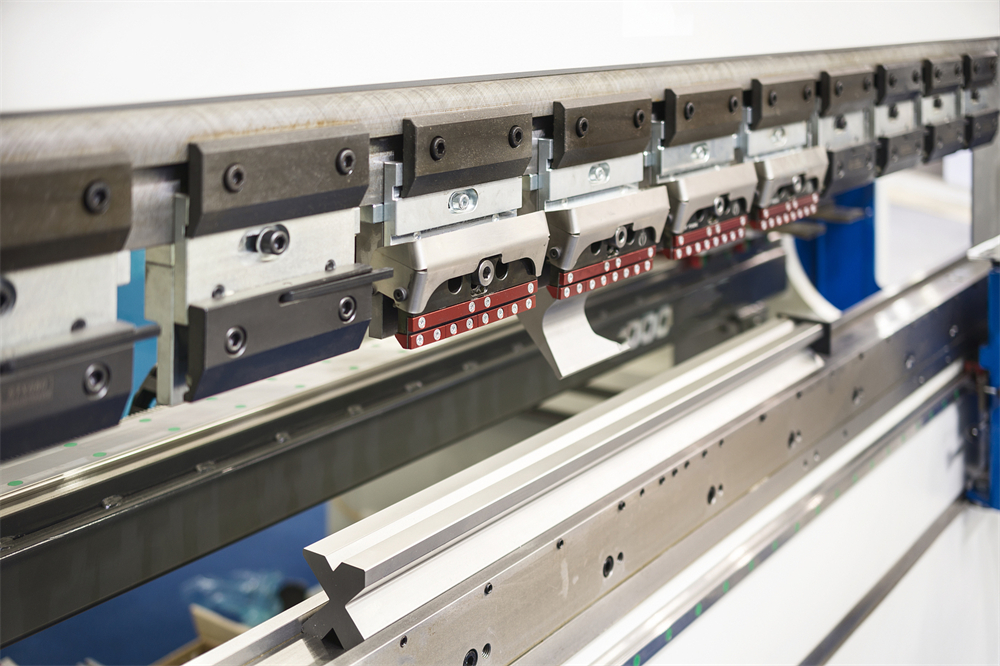
Price Range Overview: Categorizing the Investment
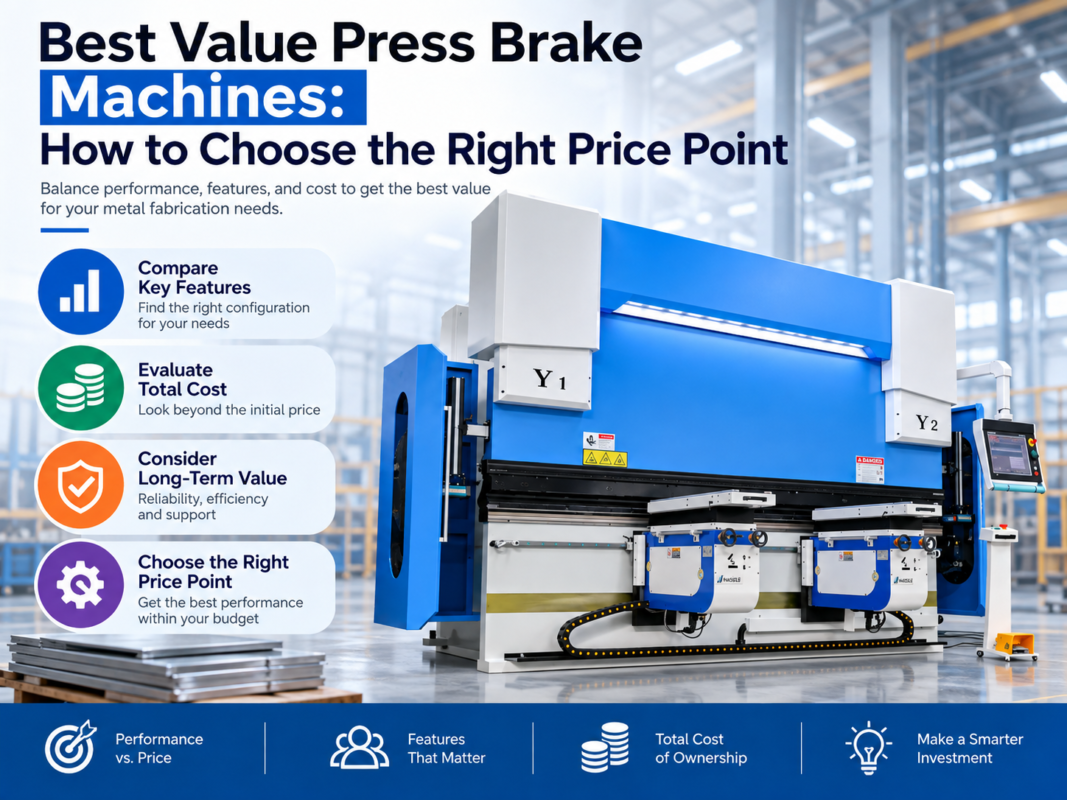
When evaluating the Press Brake Price 2026: Affects Cost Of A New Machine?, it is helpful to categorize machines into three primary tiers based on their capabilities and target industries. These ranges are estimates based on current market trends and include the machine body, standard controller, and basic safety features.
1. Entry-Level and NC Torsion Bar Machines ($15,000 – $35,000)
Entry-level machines are typically NC (Numerical Control) or simple CNC torsion bar models. These are ideal for smaller workshops or tasks that do not require extreme precision or complex multi-bend sequences. In 2026, even these “basic” machines have seen upgrades in user interface and safety. They usually offer 2-axis control (X and Y) and are best suited for simple 90-degree bends in mild steel. While affordable, they lack the automated crowning and high-speed positioning found in more expensive models.
2. Mid-Range Synchronized CNC Press Brakes ($40,000 – $95,000)
This is the most popular category for professional fabrication shops. These machines feature full synchronization between the two cylinders (Y1 and Y2), allowing for much higher precision and the ability to handle off-center loading. Prices in this range vary depending on the tonnage (typically 63T to 200T) and the sophistication of the backgauge (3 to 5 axes). Most machines in this tier come equipped with high-end controllers like the Delem DA-53T or DA-58T, which offer 2D graphical programming.
3. High-End, Hybrid, and Electric Models ($100,000 – $250,000+)
At the top of the spectrum are the high-performance machines designed for 24/7 operation. This includes large-tonnage hydraulic machines (300T+) and the latest all-electric or servo-hybrid press brakes. These machines offer incredible speed, energy savings of up to 50%, and extreme accuracy (within microns). They often feature 6+ axis backgauges, 3D graphical controllers, and integrated robotic interface capabilities. For industries like aerospace or medical device manufacturing, the ROI on these machines is justified by the reduction in scrap and the elimination of secondary operations.
Main Cost Drivers: What Are You Paying For?
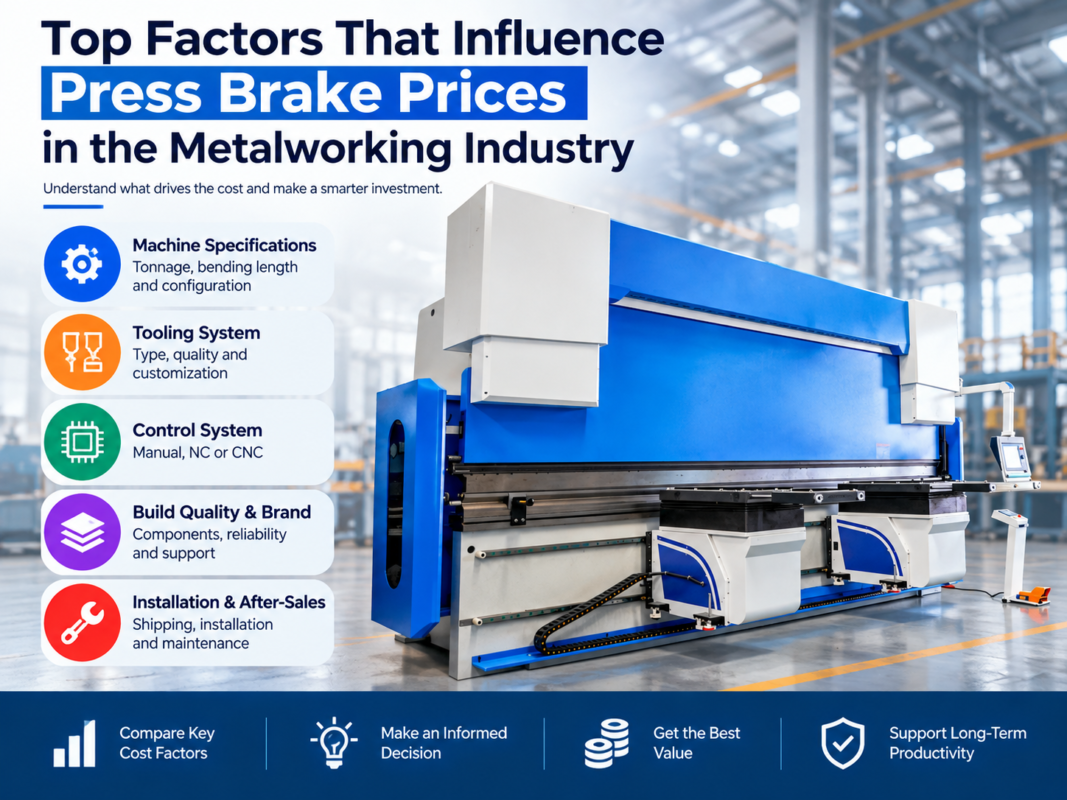
Understanding the Press Brake Price 2026: Affects Cost Of A New Machine? requires a deep dive into the specific components and specifications that dictate the final invoice. It is not just about the size of the machine; it is about the technology inside.
Tonnage and Bending Length
The most fundamental price drivers are the tonnage (pressing force) and the bending length. A 100-ton machine requires significantly less steel, smaller hydraulic components, and a lighter frame than a 400-ton machine. Similarly, a 4-meter bed requires a much more robust structure to prevent deflection than a 2-meter bed. In 2026, the cost of high-grade steel remains a volatile factor, directly impacting the base price of larger machines. Generally, as you double the tonnage, you can expect a 40-60% increase in the base price.
Control Systems (The Brain of the Machine)
The CNC controller is one of the most expensive individual components. Brands like Delem (Netherlands), Cybelec (Switzerland), and ESA (Italy) are the industry standards. A basic 2D controller might add $5,000 to the cost, while a top-of-the-line 3D multi-touch screen controller with offline software integration can add $15,000 to $25,000. The value of a high-end controller lies in its ability to reduce setup times and allow less experienced operators to produce complex parts accurately.
Backgauge Complexity
The backgauge is responsible for positioning the metal sheet. A simple X-axis (depth) backgauge is standard. However, adding R (height), Z1/Z2 (lateral movement), and X-prime axes increases the machine’s versatility but also its price. Each additional axis involves high-precision ball screws, servo motors, and drive systems. For complex parts with multiple flange lengths and angles, a 4-axis or 6-axis backgauge is essential, often adding $8,000 to $20,000 to the total cost.
Hydraulic vs. Electric Drive Systems
In 2026, the shift toward electric press brakes is accelerating. While an all-electric machine may cost 20-30% more upfront than a traditional hydraulic model of the same tonnage, the lack of oil, filters, and seals—combined with lower energy consumption—makes them highly attractive. Hybrid systems, which use servo motors to drive small hydraulic pumps only when the machine is moving, offer a middle ground in terms of both price and performance.
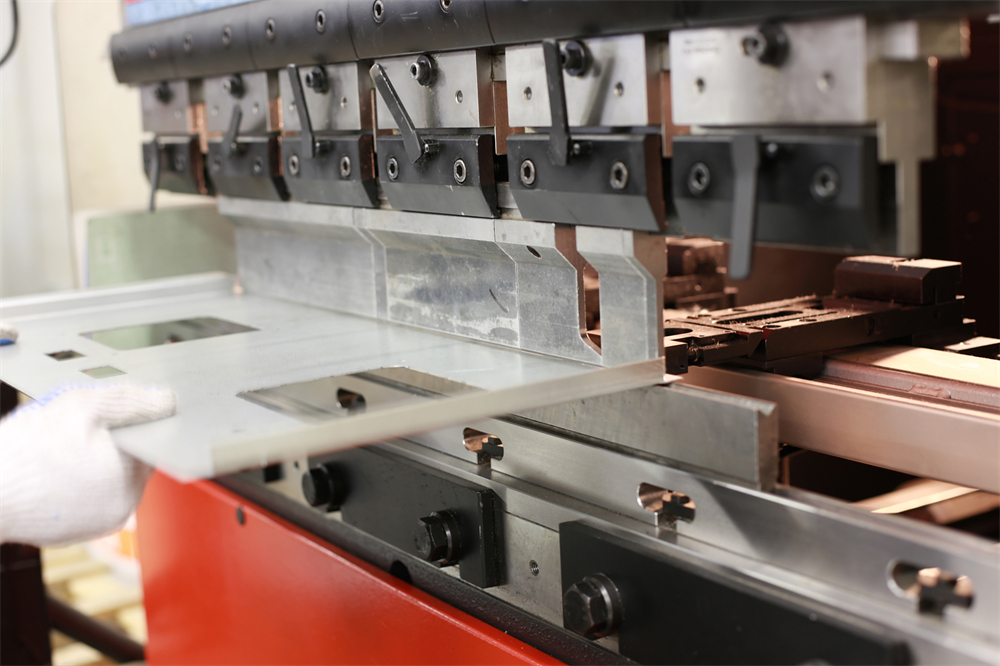
Configuration Impact: Customizing for Performance
Beyond the base model, several configuration choices will influence the Press Brake Price 2026: Affects Cost Of A New Machine?. These are often treated as optional add-ons but are frequently necessary for modern production standards.
- Crowning Systems: To compensate for the natural deflection of the machine bed under pressure, a crowning system is used. Manual crowning is cheaper but requires the operator to make adjustments. CNC-controlled hydraulic or mechanical crowning automatically adjusts for every bend, ensuring a consistent angle across the entire length of the part. This feature is almost mandatory for machines over 3 meters.
- Safety Systems: Safety regulations in 2026 are stricter than ever. Laser protection systems like DSP, Lazersafe, or Fiessler are essential for protecting operators while maintaining high approach speeds. These systems can add $4,000 to $9,000 to the price but are vital for compliance and insurance purposes.
- Tooling Clamping: Standard manual clamping is time-consuming. Quick-change pneumatic or hydraulic clamping systems allow for tool changes in seconds rather than minutes. For shops with high product mix and low volumes, this investment pays for itself quickly through reduced downtime.
- Front Support Arms: For heavy or large sheets, heavy-duty front support arms (sometimes with CNC height adjustment) are necessary to prevent material back-bending and operator fatigue.
Hidden Costs: Beyond the Sticker Price
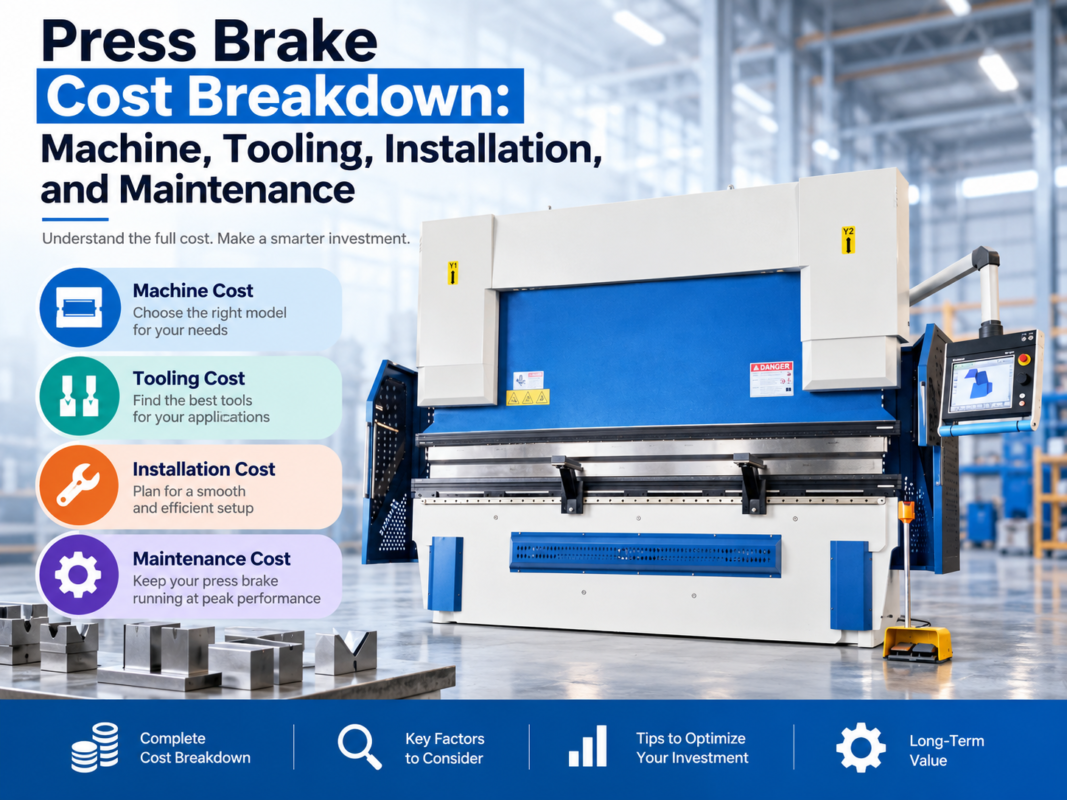
When budgeting for a new press brake, many buyers overlook the “soft costs” associated with bringing a new machine into production. To accurately answer Press Brake Price 2026: Affects Cost Of A New Machine?, you must include the following in your financial planning:
Shipping and Logistics
Press brakes are incredibly heavy, often requiring specialized flatbed transport and heavy-duty cranes for offloading. In 2026, international shipping rates and fuel surcharges can add several thousand dollars to the cost, especially for oversized machines. Always get a “delivered” quote or factor in the cost from the port to your facility.
Installation and Foundation
A high-precision press brake requires a stable, level floor. Larger machines (typically over 200 tons) may require a reinforced concrete foundation pit to handle the concentrated weight and vibration. Additionally, you will need a certified electrician to run high-voltage power to the machine and, in the case of hydraulic models, several hundred liters of high-grade hydraulic oil.
Training and Software
Modern CNC machines are only as good as the people operating them. Budgeting for 3-5 days of professional on-site training is highly recommended. Furthermore, offline programming software (which allows you to program parts on a PC while the machine is running) is often a separate license fee ranging from $2,000 to $5,000.
ROI Calculation: Justifying the 2026 Price Tag
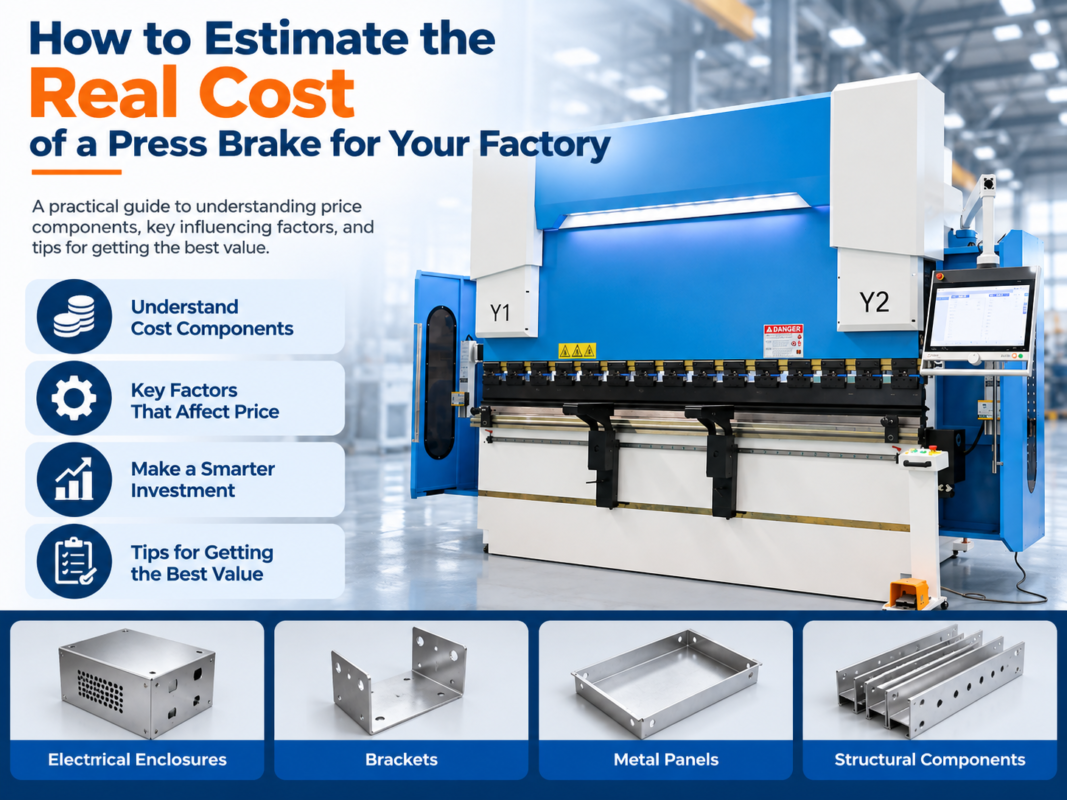
While the initial Press Brake Price 2026: Affects Cost Of A New Machine? might seem daunting, the Return on Investment (ROI) is the more important metric. A modern machine from HARSLE can significantly reduce the cost per part through several channels:
- Reduced Scrap: CNC precision and automatic crowning mean the first part is often a good part, eliminating the “trial and error” waste common with older manual machines.
- Energy Efficiency: Servo-hybrid and electric machines can reduce electricity bills by up to 60%. Over a 10-year lifespan, this can amount to tens of thousands of dollars in savings.
- Labor Savings: Faster approach and return speeds, combined with intuitive graphical controls, allow operators to produce more parts per hour. In many cases, one modern CNC press brake can replace two older NC machines.
- Versatility: The ability to handle complex, multi-bend parts in a single setup opens the door to higher-margin contracts that were previously impossible to fulfill.
Buying Advice: How to Choose the Right Machine
To ensure you get the best value for your investment in 2026, follow these strategic buying tips:
- Define Your Maximums: Don’t buy a machine based on your average work. Buy it based on the thickest material and longest bend you anticipate doing in the next 3-5 years. Retrofitting more tonnage later is impossible.
- Prioritize the Controller: If you have a high turnover of staff or a wide variety of parts, invest in the best controller you can afford. The ease of use will save you more money in the long run than any other feature.
- Check the After-Sales Support: A machine is only an asset if it’s running. Ensure your manufacturer, like HARSLE, has a robust support network, available spare parts, and remote diagnostic capabilities.
- Consider Future Automation: Even if you aren’t ready for a robot arm today, ensure the machine’s controller and safety interface are “robot-ready” for future integration.
Frequently Asked Questions (FAQ)
What is the average price of a 100-ton CNC press brake in 2026?
In 2026, a standard 100-ton synchronized CNC press brake with a 3-meter bed and a mid-range controller typically costs between $45,000 and $65,000, depending on the brand and specific backgauge configuration.
Are electric press brakes worth the extra cost?
Yes, for shops focusing on high precision, small-to-medium parts, and high-volume production. The faster cycle times and lower maintenance/energy costs usually result in a faster ROI compared to hydraulic models, despite the higher initial price.
How much should I budget for tooling?
Tooling is rarely included in the base price of the machine. For a versatile setup, you should budget an additional 10-15% of the machine’s value for a high-quality set of punches and dies.
Does the country of origin affect the price?
Significantly. Machines from Western Europe or Japan often carry a premium price due to brand reputation and local labor costs. However, manufacturers like HARSLE in China have closed the technology gap, offering high-end components (like Bosch-Rexroth hydraulics and Delem controllers) at a more competitive price point.
How long does a modern press brake last?
With proper maintenance, a high-quality press brake should have a productive lifespan of 15 to 20 years. However, the CNC technology may become dated after 10 years, which is why choosing a machine with an upgradeable controller is a smart move.
Conclusion
Navigating the Press Brake Price 2026: Affects Cost Of A New Machine? requires a balance between current budget constraints and future production needs. By understanding that the “price” is a reflection of tonnage, technology, and efficiency, you can move beyond simple cost-comparison and focus on value. HARSLE remains committed to providing transparent pricing and cutting-edge technology to help fabricators worldwide achieve their production goals. Investing in the right machine today is not just a purchase; it is the foundation of your competitive advantage for the next decade.