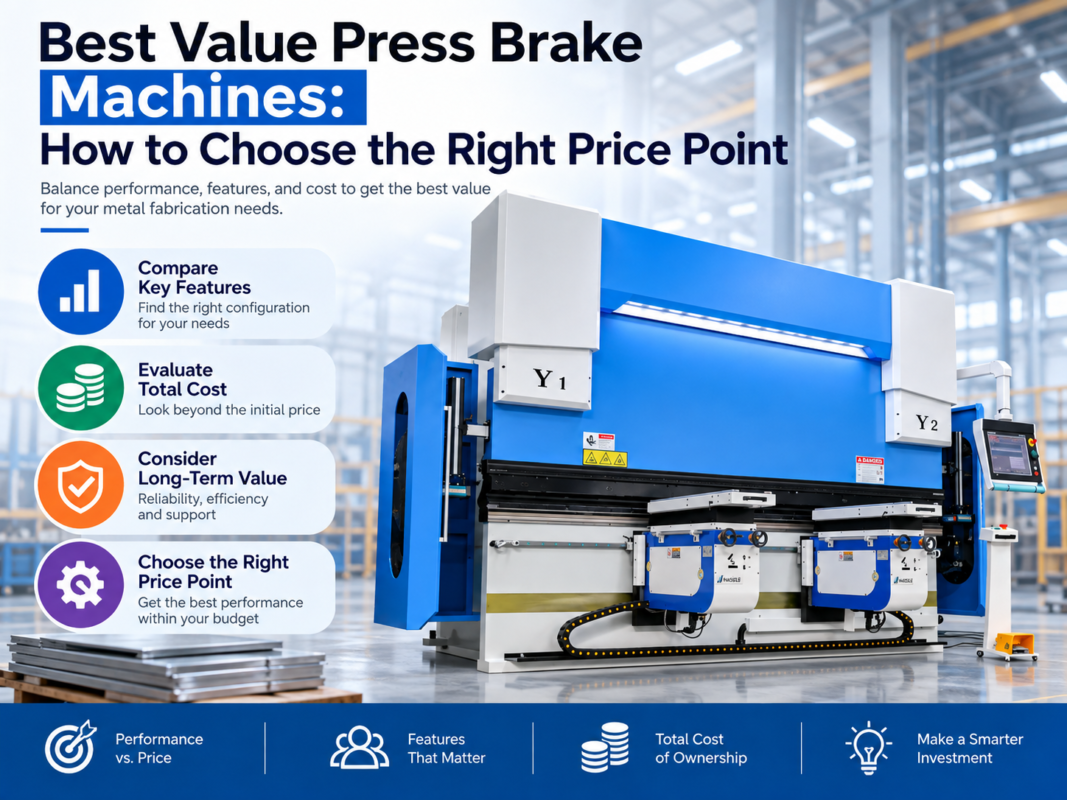
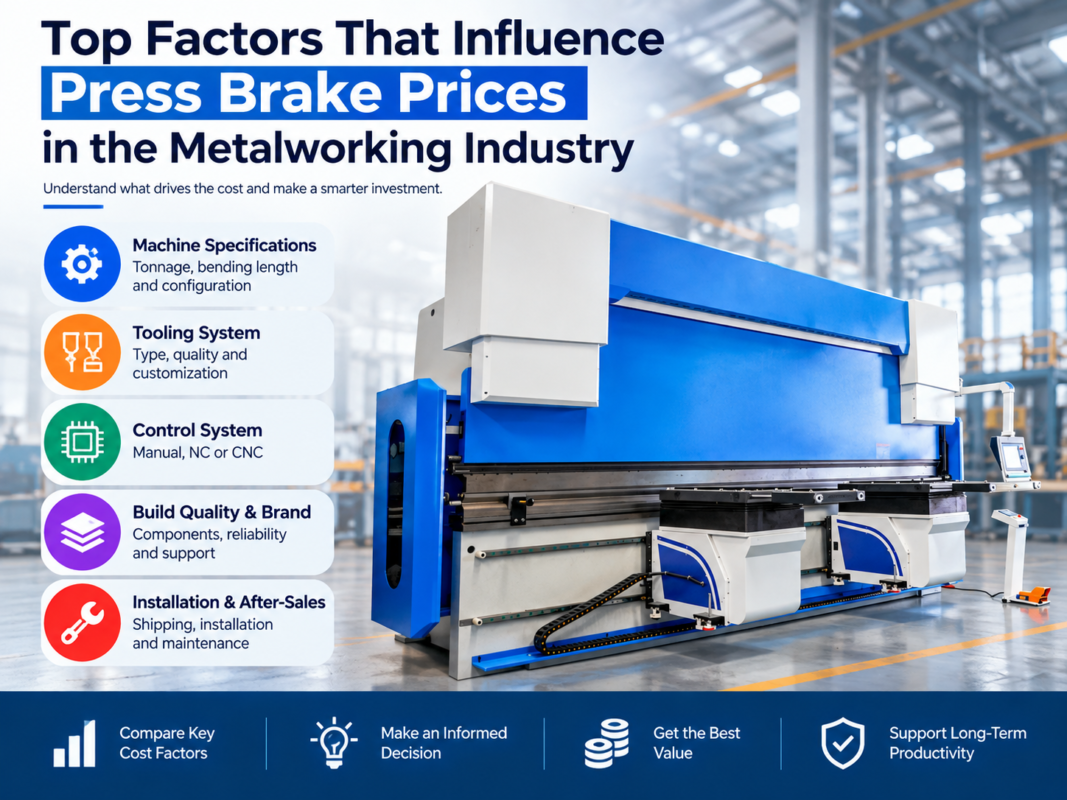
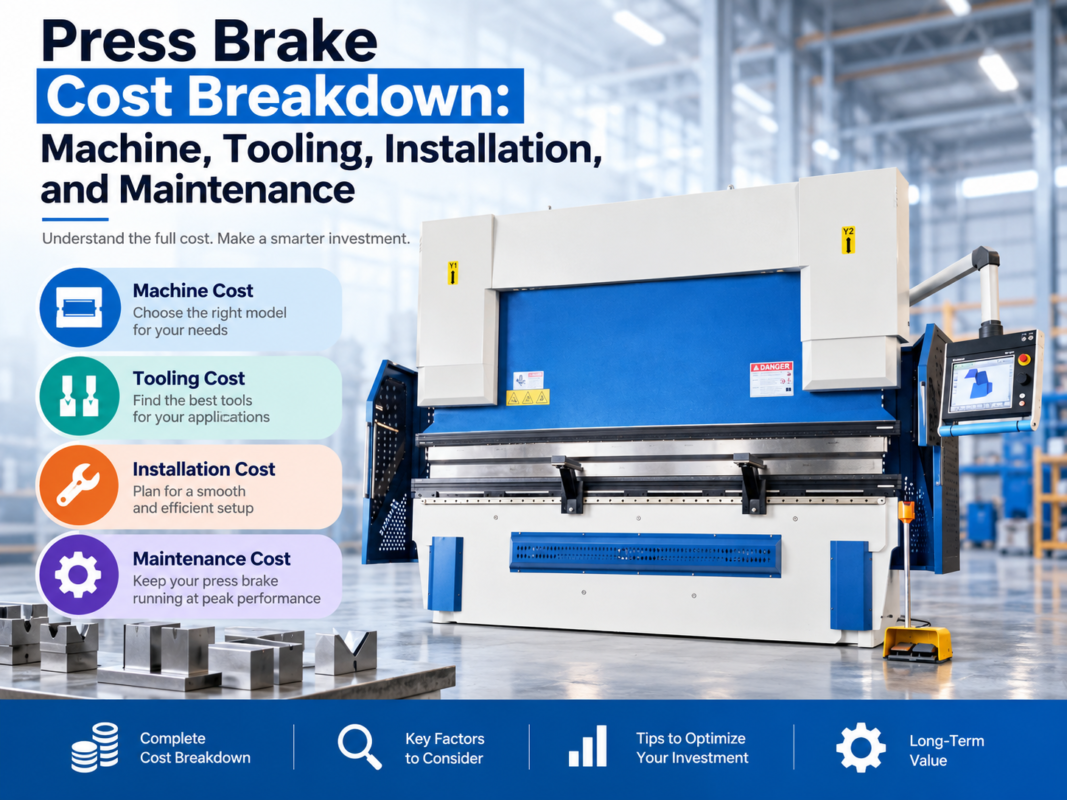
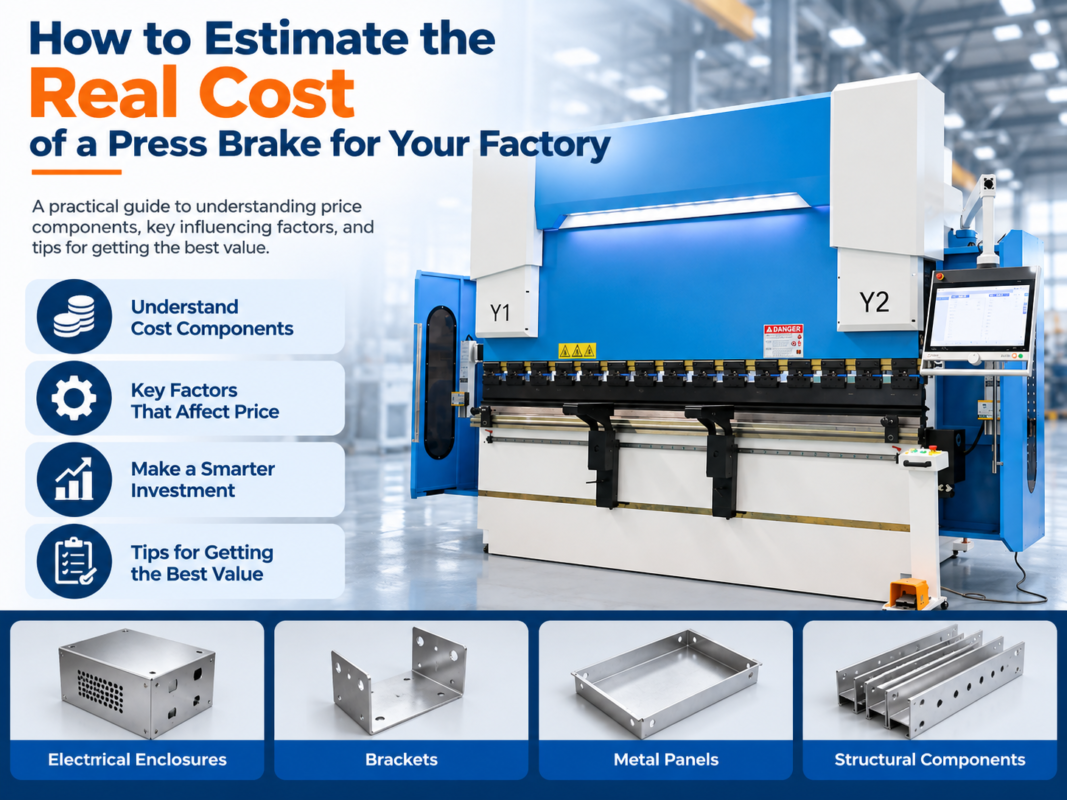
Used Vs New Press Brake Price : Which Offers Better Value?


Introduction to the Press Brake Investment Dilemma
In the competitive world of metal fabrication, the decision to acquire a press brake is one of the most significant capital investments a shop owner will make. The central question often revolves around the Used Vs New Press Brake Price : Which Offers Better Value? While the initial sticker price of a used machine is undeniably attractive, the long-term value proposition is far more complex than a simple comparison of purchase prices. This guide aims to dissect the financial and operational implications of both paths, helping you make an informed decision that aligns with your production goals and budget constraints.
HARSLE understands that every fabrication shop has unique needs. Whether you are a startup looking for your first machine or an established high-volume manufacturer upgrading your fleet, the choice between new and used equipment involves balancing upfront costs against reliability, technology, and future-proofing. As we delve into this comprehensive guide, we will explore the nuances of the market, the hidden costs that often surprise buyers, and the technological advancements that can make a new machine significantly more profitable over its lifespan.
The metalworking industry has seen rapid shifts in technology over the last decade. Older machines, while robust in their mechanical construction, often lack the precision and speed of modern CNC systems. Conversely, a brand-new machine represents the pinnacle of efficiency but requires a larger initial capital outlay. By the end of this article, you will have a clear framework for evaluating the total cost of ownership (TCO) and determining which option provides the best return on investment (ROI) for your specific application.
Price Range Overview: New vs. Used Market Analysis
Understanding the current market landscape is the first step in evaluating value. The price of a press brake is primarily dictated by its tonnage, bending length, and the sophistication of its control system. Generally, a used press brake can be found for 40% to 70% of the price of a comparable new model, but this discount comes with varying degrees of risk and wear.
New Press Brake Pricing Tiers
New press brakes are typically categorized into three tiers: entry-level, mid-range, and high-end/specialized. Entry-level machines, often featuring 2-axis or 3-axis CNC controls and standard hydraulic systems, can range from $25,000 to $50,000. These are ideal for small shops or those with simple bending requirements. Mid-range machines, such as the HARSLE WE67K series, offer multi-axis backgauges (4-6 axes), advanced CNC controllers like Delem or Cybelec, and automatic crowning systems. These typically fall between $50,000 and $120,000.
High-end machines, including large-tonnage tandem systems or high-speed servo-electric press brakes, can exceed $200,000. These machines offer unparalleled precision, energy efficiency, and integration with Industry 4.0 standards. When buying new, you are paying for the latest technology, a full manufacturer’s warranty, and the peace of mind that the machine has no hidden history of abuse or neglect.
Used Press Brake Pricing Tiers
The used market is highly volatile and depends heavily on the machine’s age, brand reputation, and condition. A 10-15 year old hydraulic press brake might be listed for $15,000 to $30,000. While this seems like a bargain, these machines often lack modern safety features and may use obsolete controllers for which spare parts are difficult to find. Newer used machines (3-7 years old) often retain a high percentage of their value, sometimes selling for 75-80% of the original price, especially if they are from reputable brands known for durability.
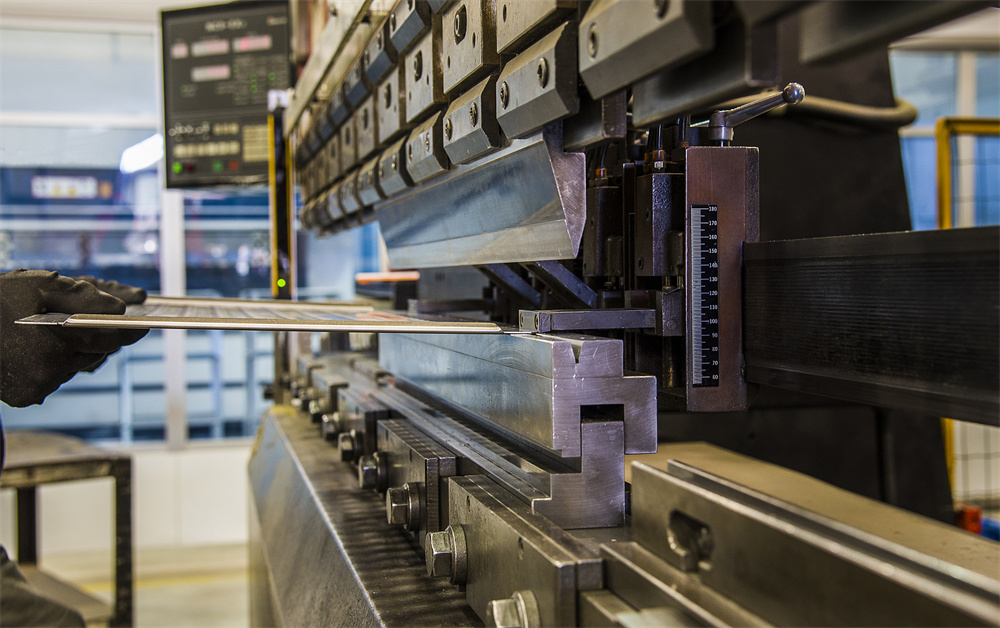
It is important to note that the “Used Vs New Press Brake Price” gap narrows significantly when you factor in the cost of refurbishing a used machine. Replacing hydraulic seals, upgrading a controller, or regrinding the bed can easily add $10,000 to $20,000 to the initial used purchase price, making the “value” of the used machine less apparent.
Main Cost Drivers in Press Brake Acquisition
Several technical factors influence the price of both new and used press brakes. Identifying these drivers allows you to prioritize features that add value to your specific workflow while avoiding overpaying for unnecessary capabilities.
Tonnage and Bending Length
The most fundamental cost drivers are the machine’s capacity. Tonnage (the force the machine can apply) and bending length (the maximum width of the material) directly correlate with the amount of steel used in the machine’s frame and the size of the hydraulic cylinders. A 100-ton machine with a 3200mm bed is a standard workhorse for many shops. Increasing the tonnage to 200 tons or the length to 4000mm can increase the price by 30-50%. In the used market, very large or very small machines can sometimes be found at deep discounts because they serve niche markets, whereas standard sizes hold their value better.
CNC Controller Sophistication
The “brain” of the press brake is a major price component. Modern CNC controllers allow for 3D visualization, offline programming, and automatic bend sequencing. A high-end Delem DA-66T or DA-69T controller adds several thousand dollars to the price compared to a basic E21 or DA-41T system. When looking at used machines, the controller is often the weakest link. An obsolete controller can render a mechanically sound machine useless if a proprietary circuit board fails and is no longer manufactured.
Backgauge Complexity and Axis Count
The backgauge system determines the machine’s versatility and setup speed. A simple 2-axis backgauge (X and R) is standard, but complex parts may require 4-axis (X, R, Z1, Z2) or even 6-axis (X1, X2, R1, R2, Z1, Z2) systems. Each additional axis involves precision motors, ball screws, and linear guides, increasing the cost. New machines offer the latest in high-speed backgauge technology, which can significantly reduce cycle times compared to the slower, often worn-out backgauges found on older used equipment.
Configuration Impact on Total Value
The configuration of the machine—specifically its drive system and auxiliary features—plays a massive role in determining whether a Used Vs New Press Brake Price represents true value. Modern configurations are designed to reduce waste and energy consumption, which are critical factors in long-term profitability.
Hydraulic vs. Servo-Electric Systems
Traditional hydraulic press brakes are the most common and generally have a lower purchase price. However, they require consistent maintenance of oil, filters, and seals. Servo-electric press brakes, while more expensive upfront (often 20-40% more than hydraulic), offer higher speeds, better precision, and significantly lower energy costs. They also eliminate the environmental and maintenance issues associated with hydraulic oil. For a shop with high-volume, high-precision needs, a new servo-electric machine often provides better value than a used hydraulic one due to the massive savings in operational costs.
Crowning Systems and Tooling Compatibility
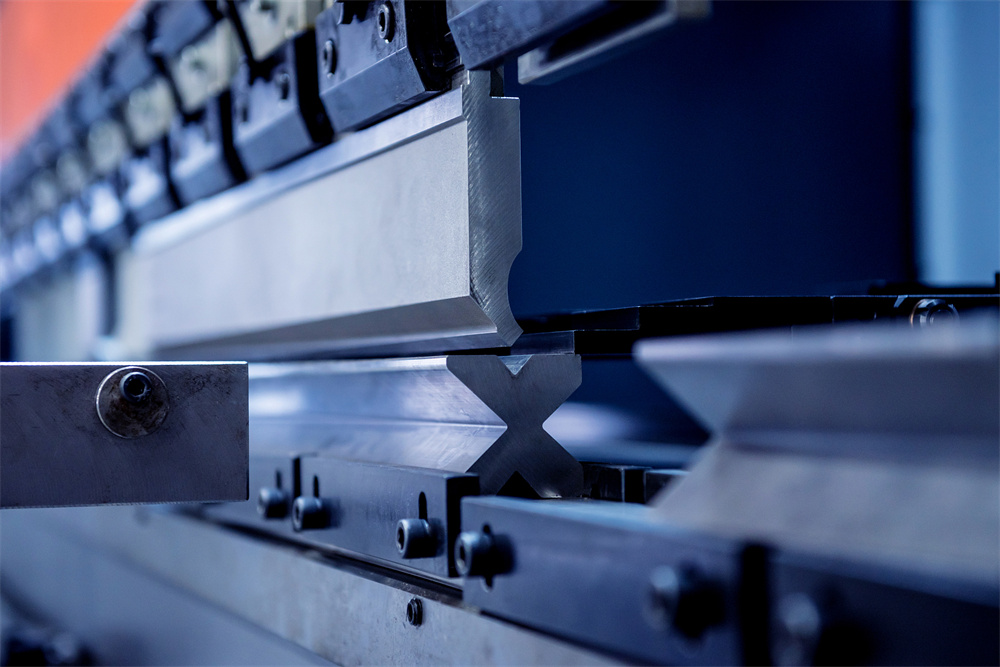
Deflection is a natural occurrence in metal bending. To compensate, press brakes use crowning systems. Manual crowning is cheaper but requires operator skill and time. Automatic CNC crowning adjusts in real-time and is a standard feature on most new mid-to-high-range machines. When evaluating a used machine, check if it has a crowning system; if not, you may struggle with accuracy on longer parts, leading to increased scrap rates. Additionally, ensure the machine uses standard tooling (like Amada/Promecam or Wila style). Proprietary or obsolete tooling systems on used machines can be a hidden financial drain.
The Hidden Costs of Ownership
The purchase price is just the tip of the iceberg. To truly answer “Which Offers Better Value?”, one must account for the expenses that occur after the machine arrives at your facility. These costs often favor new machines, despite their higher initial price.
Logistics and Installation
Shipping a 10-ton piece of machinery is expensive. When you buy a new HARSLE press brake, the logistics are often streamlined, and the machine arrives with a factory-guaranteed level of cleanliness and readiness. Used machines, especially those bought at auctions, may require professional dismantling, specialized rigging, and deep cleaning to remove years of grime and old coolant. Furthermore, a new machine typically includes professional installation and commissioning by the manufacturer’s technicians, ensuring it is leveled and calibrated correctly from day one.
Maintenance, Downtime, and Spare Parts
This is where used machines often lose their value. A used press brake may have worn guides, leaking valves, or a pump nearing the end of its life. Unexpected downtime can cost a shop thousands of dollars per day in lost production. New machines come with a warranty (typically 1-2 years) that covers parts and sometimes labor. Moreover, finding parts for a 20-year-old machine can be a nightmare, requiring custom fabrication or expensive retrofitting. With a new machine, parts are readily available and often standardized across the manufacturer’s current lineup.
Software and Training
Modern fabrication relies on software. New press brakes come with the latest offline programming software, allowing engineers to simulate bends and calculate flat patterns before the first piece of metal is cut. This reduces setup time and scrap. Used machines rarely come with transferable software licenses, and their controllers may not be compatible with modern CAD/CAM packages. Training is another factor; HARSLE provides comprehensive training for new machine buyers, ensuring operators can maximize the machine’s potential immediately. With a used machine, you are often left to figure it out yourself or pay for third-party training.
ROI Calculation: Measuring Long-Term Value
To determine the true value, you must calculate the Return on Investment (ROI). This involves looking at the “Cost per Bend.” A new machine might cost $80,000, while a used one costs $40,000. However, if the new machine is 30% faster due to high-speed hydraulics and a more efficient controller, and it has 98% uptime compared to the used machine’s 85%, the new machine will pay for itself much faster.
Consider the following table comparing a hypothetical New HARSLE WE67K vs. a 15-year-old Used Machine:
| Feature/Cost Factor | New HARSLE WE67K (100T/3200) | Used Machine (15 Years Old) |
|---|---|---|
| Initial Purchase Price | $55,000 | $25,000 |
| Estimated Annual Maintenance | $500 (Filters/Oil) | $4,000 (Repairs/Leaks) |
| Energy Consumption | Lower (Servo-driven pump) | Higher (Constant run pump) |
| Setup Time per Job | 5-10 Minutes | 20-30 Minutes |
| Scrap Rate | <1% (Auto-crowning/Precision) | 3-5% (Manual adjustments) |
| Warranty | 1-2 Years | None (As-is) |
| Resale Value (after 5 years) | $35,000 | $10,000 |
In this scenario, while the used machine saves $30,000 upfront, the new machine saves thousands every year in labor, energy, and material waste. Over a five-year period, the new machine often results in a lower total cost of ownership and higher net profit for the shop.
Buying Advice: Making the Right Choice for Your Shop
So, when does a used machine make sense, and when should you insist on new? Here is a checklist to guide your decision-making process.
- Choose a New Press Brake if:
- You require high precision and repeatability for complex parts.
- Your production volume is high, and downtime is not an option.
- You want to leverage Industry 4.0, 3D programming, and automation.
- You want the security of a warranty and long-term technical support.
- You have the budget or can secure favorable financing (which is often easier for new equipment).
- Choose a Used Press Brake if:
- The machine will only be used occasionally for simple, low-tolerance jobs.
- You have an in-house maintenance team capable of repairing older hydraulic and electrical systems.
- You are on a very tight budget and the machine is a secondary or backup unit.
- You find a “young” used machine (under 5 years) from a reputable brand with a documented service history.
When buying used, always perform a thorough inspection. Check the bed for “ram upset” (permanent deformation), look for scoring on the cylinders, and test the backgauge for play. Most importantly, power up the controller and ensure it is responsive and that the screen is legible. If possible, see the machine under power and perform a test bend to check for parallelism.
For those looking for the best of both worlds, HARSLE offers competitively priced new machines that often rival the price of high-quality used equipment from European or American legacy brands. This allows shops to get the benefits of new technology and a warranty without the astronomical price tag of some high-end competitors.
Frequently Asked Questions (FAQ)
1. Is it hard to find parts for older used press brakes?
Yes, it can be very challenging. While mechanical parts like bearings can often be sourced, electronic components like PLC boards, CRT monitors, and proprietary encoders for older controllers are frequently obsolete. This can lead to weeks of downtime while searching for refurbished parts on the secondary market.
2. Does a new press brake really save that much on electricity?
Absolutely. Modern press brakes, especially those with “Green” hydraulic systems or full servo-electric drives, only consume significant power when the ram is actually moving. Older machines often have pumps that run at full speed as long as the machine is turned on, wasting a massive amount of energy during idle time.
3. Can I upgrade the CNC controller on a used machine?
Yes, retrofitting is possible, but it is expensive. A professional CNC retrofit can cost between $15,000 and $30,000 depending on the complexity. You must weigh this cost against the price of a new machine that already includes a modern controller and a warranty.
4. How long does a new HARSLE press brake last?
With proper maintenance, a high-quality press brake like those from HARSLE can last 20-25 years or more. The mechanical frame is built for longevity; the key to a long life is regular oil changes, keeping the machine clean, and ensuring the electrical cabinet is free of dust and debris.
5. What is the most important feature to look for in a new machine?
For most shops, the combination of a user-friendly CNC controller (like the Delem DA-series) and an automatic crowning system provides the most value. These features directly impact how quickly you can set up a job and how accurately the first piece is bent, which are the primary drivers of profitability.
In conclusion, while the Used Vs New Press Brake Price debate has valid points on both sides, the trend in modern manufacturing heavily favors new equipment. The gains in efficiency, the reduction in scrap, and the elimination of the “unknown” factor make a new HARSLE press brake a superior value for shops looking to grow and remain competitive in an increasingly demanding market.