Small Press Brake Price Guide: Entry-Level Machine Costs Explained


Introduction to Small Press Brake Pricing
In the world of metal fabrication, the small press brake is often the heartbeat of a boutique workshop or a specialized production line. Whether you are a hobbyist looking to upgrade from manual folding or a professional shop owner needing a dedicated machine for small parts, understanding the Small Press Brake Price Guide: Entry-Level Machine Costs Explained is crucial for making a sound financial decision. The market for small press brakes has expanded significantly, offering everything from basic manual-assist models to sophisticated mini-CNC powerhouses.
When we talk about ‘small’ press brakes, we generally refer to machines with a bending force ranging from 30 to 60 tons and a bending length of 1000mm to 2000mm. These machines are prized for their footprint efficiency, speed on small components, and lower energy consumption compared to their 100-ton counterparts. However, the price tag can vary wildly based on technology, origin, and precision capabilities. This guide aims to demystify those costs and provide a clear roadmap for your next investment.
Price Range Overview: What to Expect
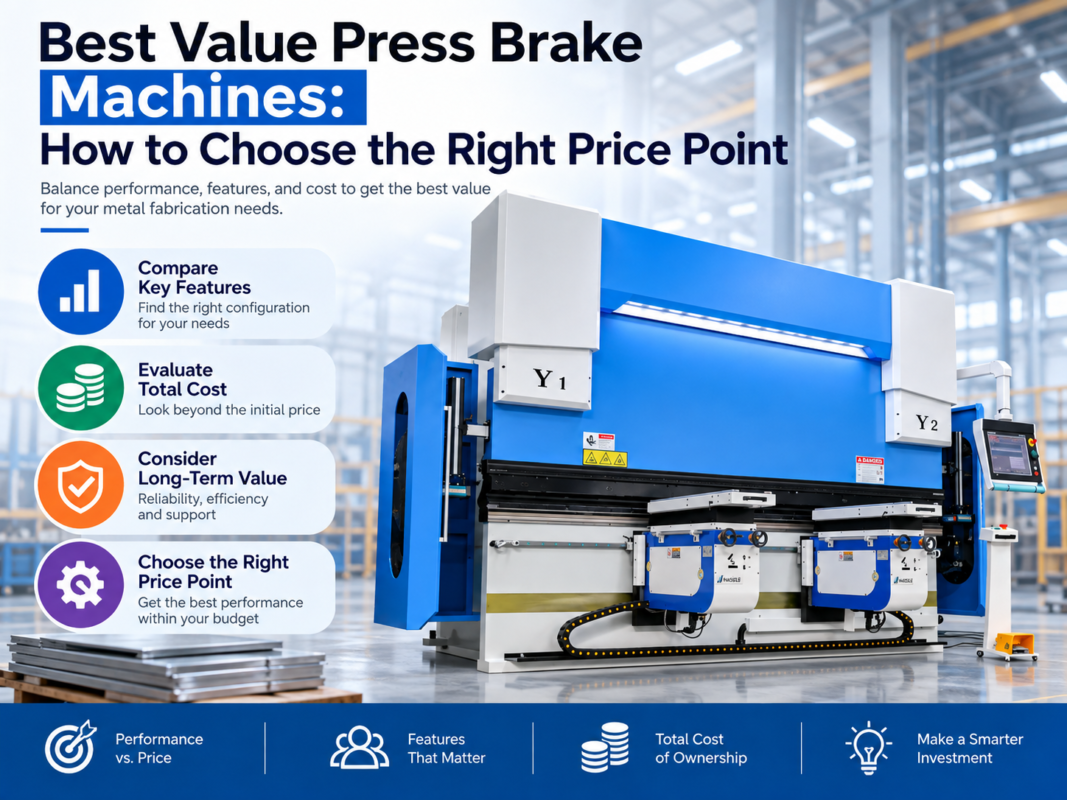
The price of an entry-level small press brake typically falls into three distinct tiers. Understanding these tiers helps buyers align their budget with their technical requirements. At the lowest end, you will find basic NC (Numerical Control) machines. These are often priced between $6,000 and $12,000. These machines usually feature a simple controller for the X-axis (backgauge) and Y-axis (stroke depth) but lack the sophisticated synchronization of higher-end models.
The mid-range tier, priced between $12,000 and $22,000, introduces basic CNC (Computer Numerical Control) capabilities. These machines often include synchronized hydraulic cylinders (Y1 and Y2 axes), which allow for better precision and the ability to handle off-center loading. They may also feature more robust backgauge systems and better-quality hydraulic components from international brands.
The premium entry-level tier ranges from $22,000 to $35,000. In this bracket, you are paying for high-speed servo-driven systems, advanced controllers like the Delem DA-53T or Cybelec CybTouch series, and high-precision linear scales. These machines are designed for high-duty cycles and extreme accuracy, often used in electronics or medical device manufacturing where tolerances are razor-thin.
Main Cost Drivers in Small Press Brakes
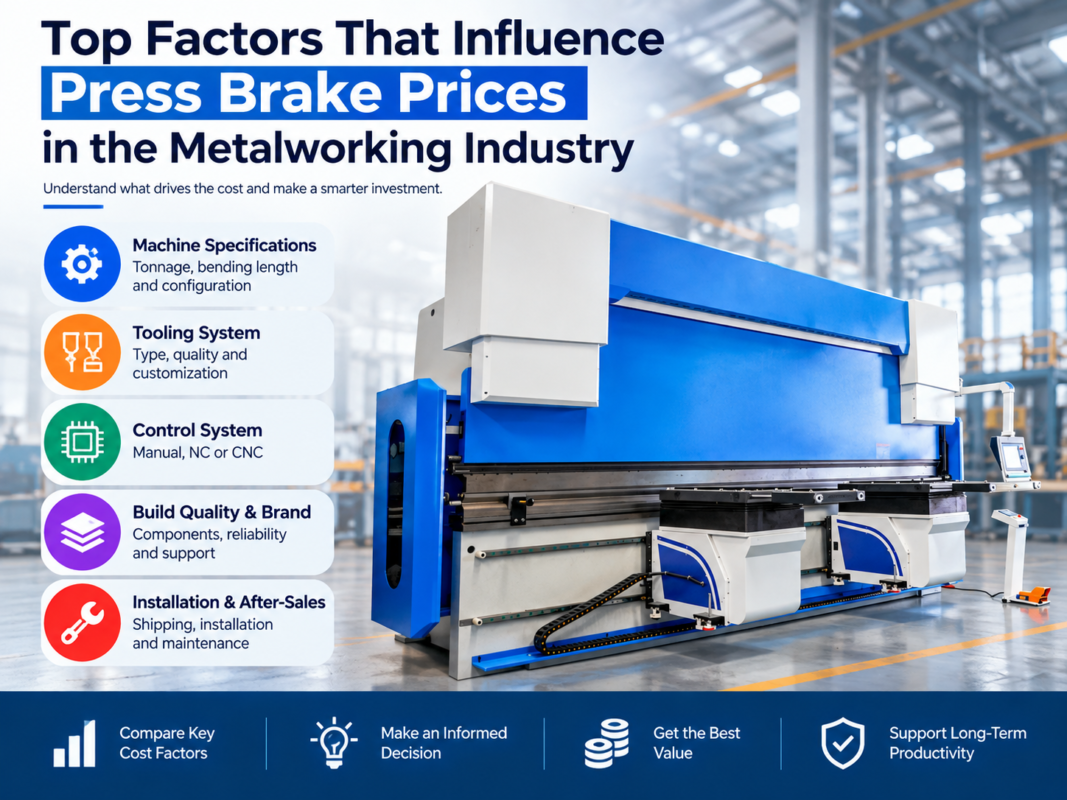
Several factors dictate why one 40-ton machine costs twice as much as another. The first major driver is the Control System. A basic E21 controller is inexpensive but limited. Upgrading to a graphical CNC controller that allows for 2D or 3D simulation adds significant cost but reduces setup time and operator error. The controller is the ‘brain’ of the machine, and its complexity directly correlates with the price.
The second driver is the Hydraulic and Electrical Components. Machines equipped with Bosch Rexroth or Hoerbiger valves and Schneider or Siemens electronics command a premium. These components offer better reliability, easier sourcing of spare parts, and smoother operation. In contrast, machines using generic domestic components are cheaper upfront but may lead to higher maintenance costs and downtime in the long run.
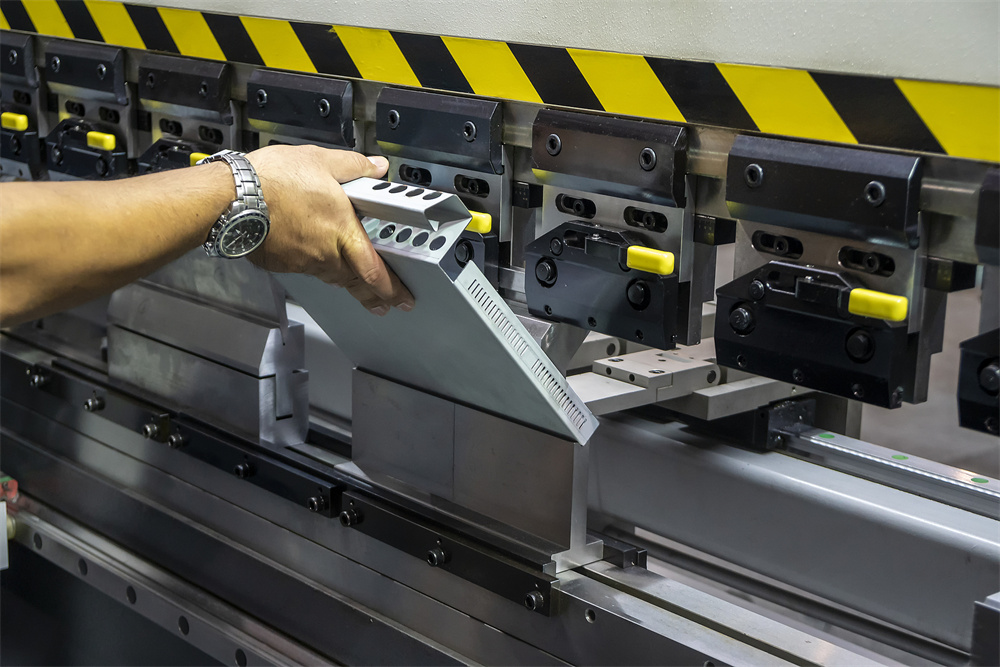
The third driver is the Frame Construction and Machining. A high-quality press brake frame is annealed to relieve internal stresses and then machined in a single pass on a large CNC boring and milling machine. This ensures that the bed and the ram are perfectly parallel. Cheaper machines may skip these steps, leading to inaccuracies that become apparent only after a few months of heavy use. The quality of the steel and the precision of the assembly are ‘invisible’ costs that define the machine’s lifespan.
Configuration Impact: Axes and Crowning
The configuration of the backgauge and the crowning system significantly impacts the final price. A standard entry-level machine usually comes with a 2-axis backgauge (X and R). If your work involves complex parts with multiple flange lengths and heights, you might need Z1 and Z2 axes (lateral movement of the fingers) or even an 4-axis or 6-axis backgauge. Each additional axis can add $1,500 to $3,000 to the machine’s price.
Crowning is another critical configuration. When a press brake bends a sheet, the center of the bed and ram tend to deflect, leading to a ‘canoe’ effect where the angle in the middle is different from the ends. Small machines (under 2 meters) often don’t require complex crowning, but if you are working with high-tensile materials or require perfect consistency, a manual or CNC-controlled crowning system is necessary. CNC crowning, integrated into the controller, is a high-value add-on that ensures precision across the entire bending length.
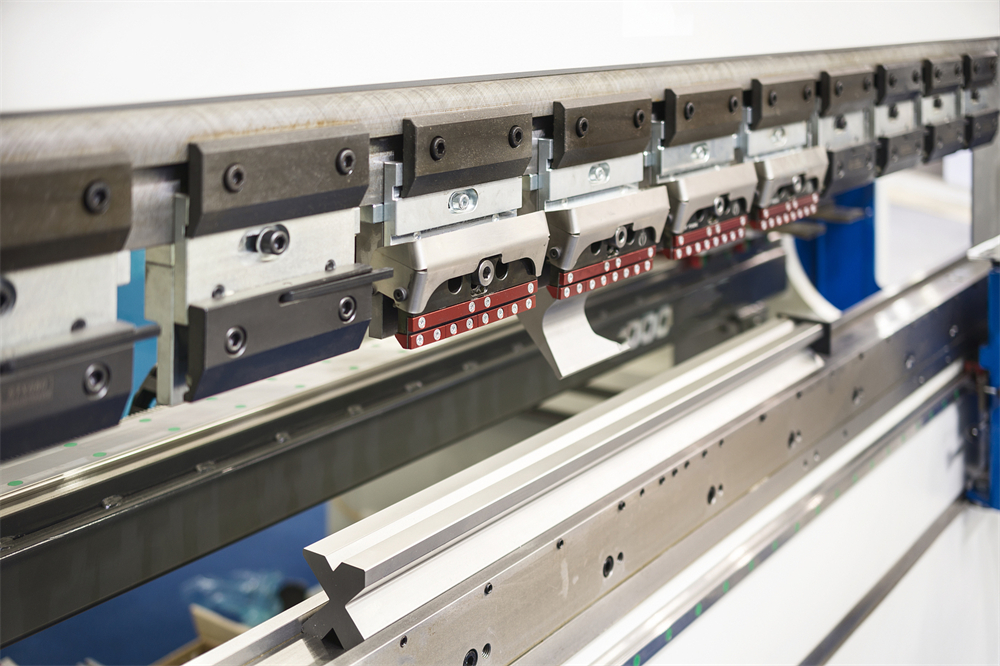
Furthermore, the choice of Tooling Clamping Systems affects both cost and productivity. Standard manual clamps are included in the base price. However, quick-change mechanical clamps or hydraulic clamping systems can save hours of setup time every week. For a shop doing small batches of various parts, the investment in quick-clamping systems often pays for itself within the first year, despite the higher initial cost.
Hidden Costs of Purchasing a Press Brake
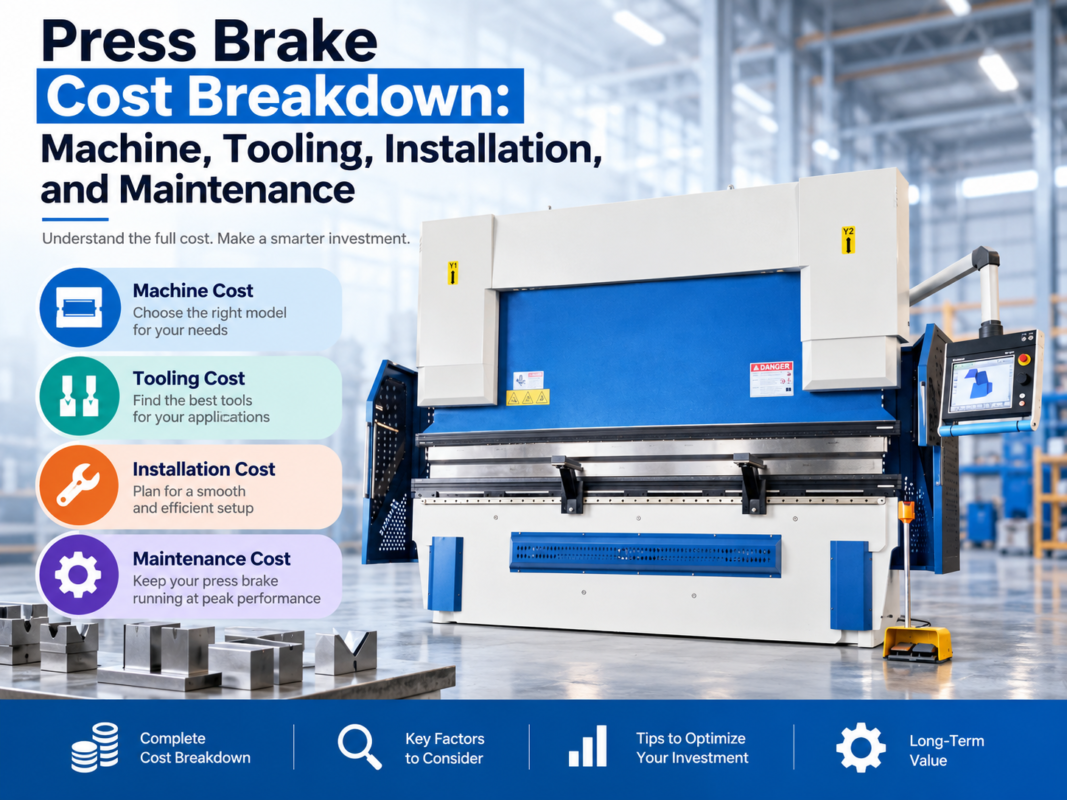
When reviewing a Small Press Brake Price Guide, many buyers overlook the ‘hidden’ costs that occur after the purchase. The first is Shipping and Logistics. A 40-ton press brake can weigh between 2,500kg and 4,500kg. Shipping this from a manufacturer to your facility involves ocean freight, customs duties, port fees, and local rigging. Rigging alone—hiring a crane or a heavy-duty forklift to move the machine into position—can cost between $500 and $2,000 depending on your location.
The second hidden cost is Tooling. Most machines come with a standard ‘starter’ set of a multi-V die and a top punch. However, specific jobs may require gooseneck punches, acute angle dies, or offset tools. High-quality precision-ground tooling can easily cost $2,000 to $5,000 for a complete set. Using cheap, non-hardened tooling will not only result in poor bend quality but will also wear out quickly, requiring frequent replacement.
Thirdly, consider Installation and Training. While some small machines are ‘plug-and-play,’ most CNC models require professional commissioning to ensure the scales are calibrated and the hydraulics are bled correctly. Training your staff to use the CNC software effectively is also an investment. Many manufacturers offer this as an optional package, and while it adds to the initial cost, it prevents expensive mistakes and machine damage during the learning curve.
ROI Calculation: Is the Investment Worth It?
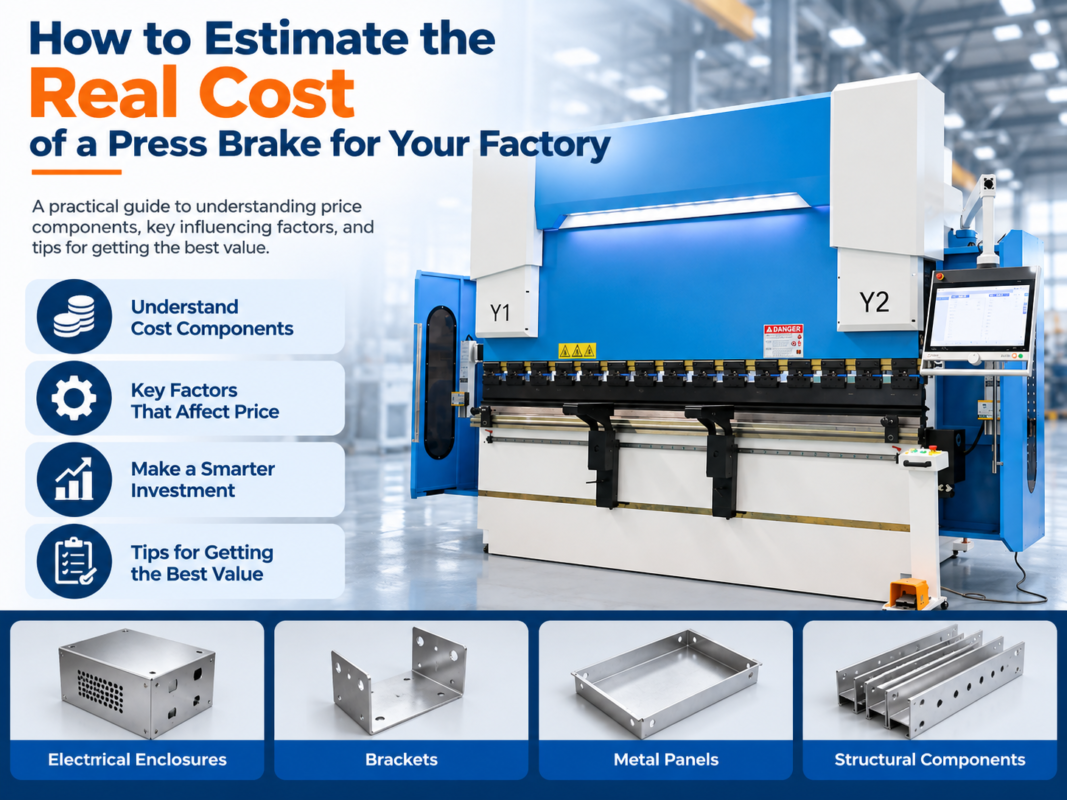
Calculating the Return on Investment (ROI) for a small press brake involves more than just looking at the monthly loan payment. You must consider the Cost Per Bend. A CNC machine might be more expensive, but if it reduces setup time from 20 minutes to 2 minutes, the labor savings are astronomical. In a shop where an operator earns $25/hour, saving 18 minutes per setup across five setups a day results in a saving of over $7,500 per year in labor alone.
Another factor is Scrap Reduction. Entry-level manual machines often require ‘test bends’ to dial in the angle, leading to wasted material. A synchronized CNC machine with a high-quality controller can achieve the correct angle on the first hit. If you are working with expensive materials like stainless steel or aluminum, reducing scrap by even 5% can save thousands of dollars annually. This precision also allows you to take on higher-margin work that requires tight tolerances, which you might have previously turned away.
Finally, consider the Energy Efficiency of modern small press brakes. Many new entry-level machines utilize inverter-driven motors or hybrid systems that only run the pump when the machine is actually bending. Compared to older machines where the motor runs constantly, these systems can reduce electricity bills by up to 60%. Over a five-year period, these operational savings contribute significantly to the total cost of ownership, making the ‘more expensive’ modern machine a cheaper option in the long run.
Buying Advice for Small Shops
If you are in the market for an entry-level machine, start by auditing your current and future work. Do not just buy for the jobs you have today; buy for the jobs you want tomorrow. If you plan to scale, investing in a machine with a 4-axis backgauge and a reputable CNC controller like those offered by HARSLE will prevent you from outgrowing the machine in twelve months. A machine that is too basic will quickly become a bottleneck in your production line.
Always ask for a Detailed Specification Sheet. Pay attention to the ‘Throat Depth’ and ‘Stroke.’ A deeper throat allows you to bend larger flanges, while a longer stroke gives you more flexibility with tall tools. Also, verify the after-sales support. Does the manufacturer have a local service partner? Are spare parts stocked in your country? A machine that is down for three weeks waiting for a $50 valve from overseas is a liability, no matter how cheap the initial price was.
Lastly, consider the resale value. Well-known brands with documented maintenance histories hold their value remarkably well. If you decide to upgrade to a larger machine in five years, a high-quality small press brake can often be sold for 50-70% of its original purchase price. Cheap, unbranded machines often have little to no resale value, as buyers fear the lack of support and parts availability.
Frequently Asked Questions (FAQ)
1. What is the average price of a 40-ton small press brake?
The average price for a standard 40-ton NC press brake is approximately $8,000 to $12,000. For a fully synchronized CNC version with a 2D controller, the price typically ranges from $18,000 to $25,000, depending on the brand and features.
2. Can I run a small press brake on single-phase power?
Most industrial small press brakes require three-phase power (220V or 480V). However, some very small ‘desktop’ or electric models are designed for single-phase 220V. Always check the motor specifications before purchasing, as a phase converter can add $1,000 or more to your setup costs.
3. Is a CNC controller necessary for a small shop?
It depends on your volume. If you are bending the same simple bracket all day, an NC controller (like the E21) is sufficient. If you produce a variety of complex parts in small batches, a CNC controller is essential for productivity and accuracy.
4. How much should I budget for tooling?
For a small press brake, a basic versatile tooling set usually costs between $1,500 and $3,000. It is wise to set aside at least 10-15% of the machine’s purchase price for specialized tooling as your business grows.
5. What is the difference between NC and CNC in small press brakes?
NC (Numerical Control) typically controls the backgauge position and the depth of the ram via simple numerical input. CNC (Computer Numerical Control) offers a graphical interface, automatically calculates the bend sequence, manages hydraulic synchronization (Y1/Y2), and often includes features like material libraries and 3D visualization.
6. How long does a small press brake typically last?
With proper maintenance—such as regular oil changes, filter replacements, and lubrication of the guideways—a high-quality small press brake can easily last 15 to 20 years in a production environment. The electronics (controller) are usually the first components that may need an upgrade after 10-12 years.